
News
April Jones’ Sister Continues to Grapple with Aftermath of 2012 Murder
The vanishing of April in 2012 prompted the largest missing person inquiry ever undertaken by UK law enforcement, as recorded in police history.
A warning to readers: the following article contains disturbing details about a murder case.
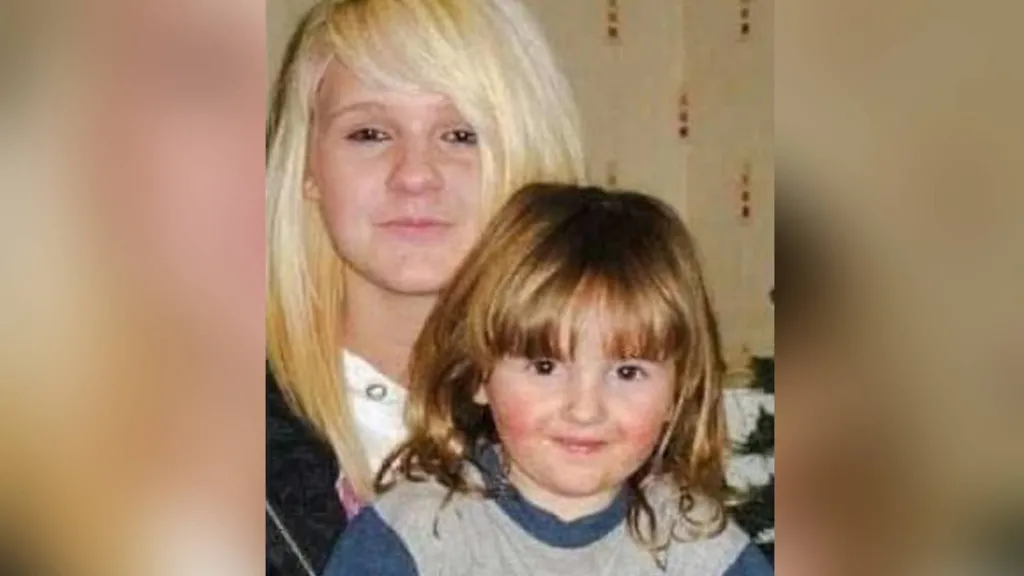
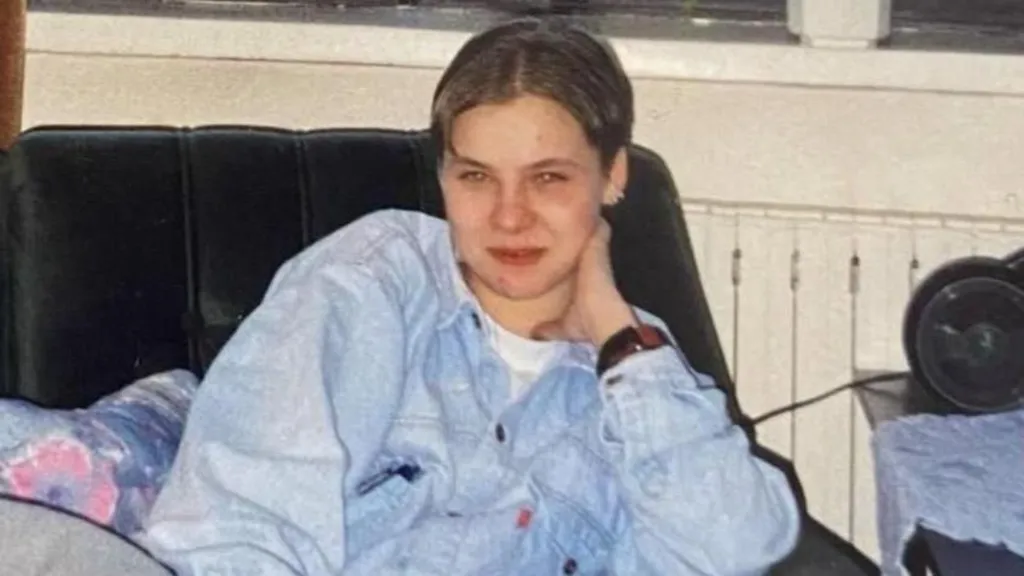
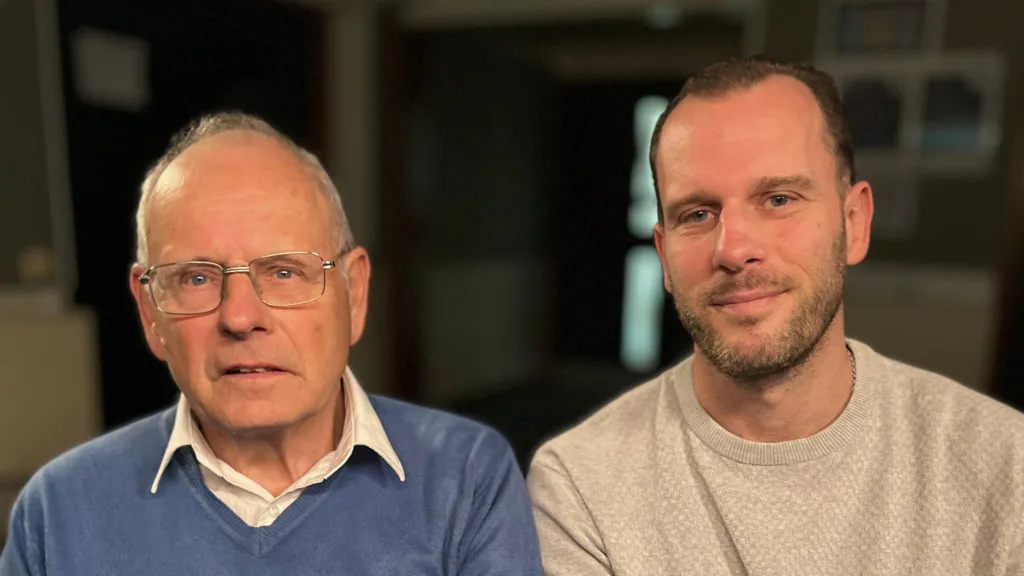
Hazel Jones, the sister of April Jones, who was abducted and murdered in 2012 at the age of five, has spoken out about the lasting impact of her sister's death, saying she is "still trying to come to terms with the nightmare" of losing April.
In her first public statement, 31-year-old Hazel Jones described how the trauma of April's death has had a profound effect on her life, making it difficult for her to move on.
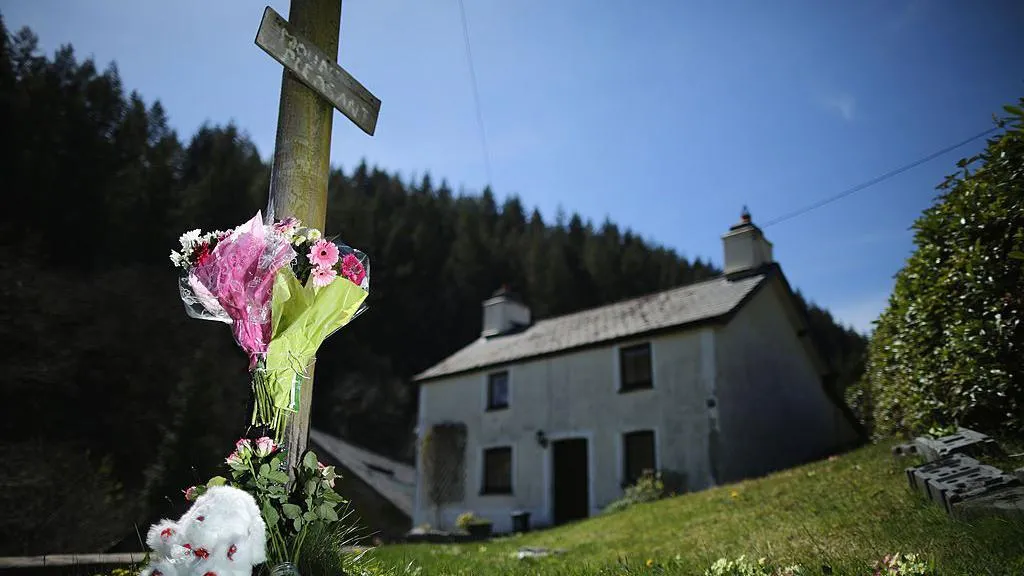
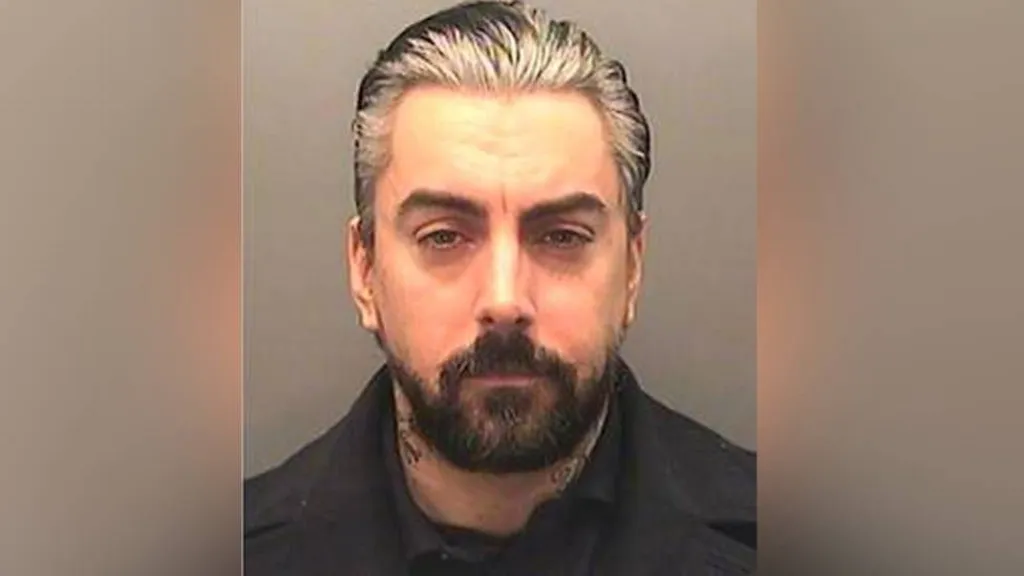
On 1 October 2012, April was playing with friends near her home in Machynlleth, Powys, when she was taken by Mark Bridger, who was driving a Land Rover.
Bridger, then 47, was later convicted of abducting and murdering April in a crime that was motivated by sexual desires.
Despite extensive search efforts, April's body was never fully recovered; only fragments of her remains were found at Bridger's cottage.
Hazel explained that she had chosen not to speak publicly about her sister's death until now, saying, "It was just too much to process, given the brutal nature of April's murder and kidnapping."
Recalling the moment she learned her half-sister was missing, Hazel said she was at home in Aberaeron when her mother broke the news to her, leaving her in shock.
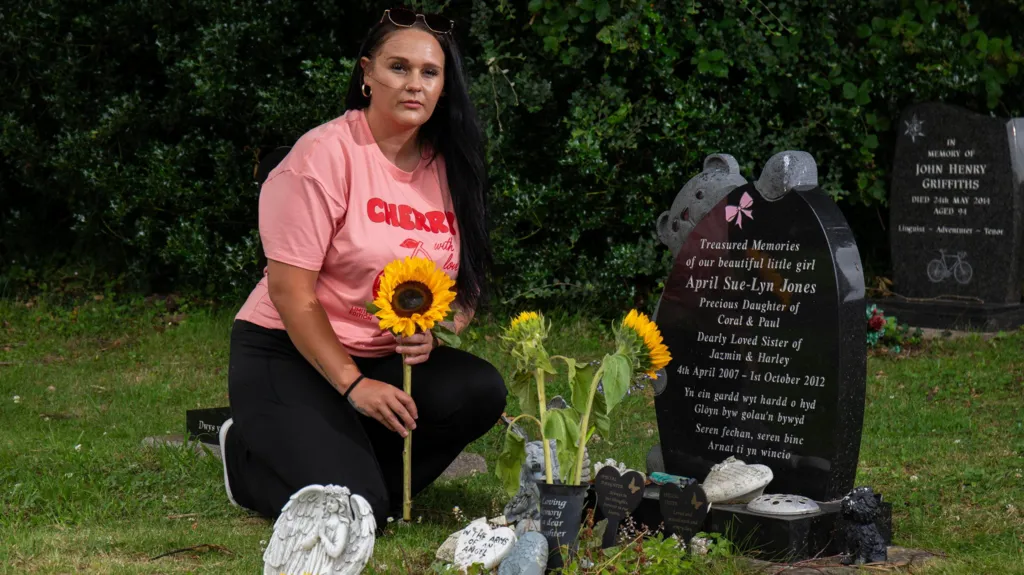
Hazel's mother told her, "Hazel, April's missing," and Hazel remembers responding with disbelief, asking her mother to repeat the news.
Hazel then traveled 30 miles to Machynlleth to be with her father, Paul, and the rest of her family, trying to make sense of what was happening.
The reality of the situation sank in the following day, and Hazel realized that April was not just missing, but had actually disappeared.
Hazel remembered thinking that such a tragedy could not happen in their quiet town, but it did, and it happened to their family.
The search for April became the largest missing person operation in UK police history, covering 60 square kilometers and involving hundreds of experts and thousands of volunteers.
The investigation focused on approximately 650 areas near April's hometown, with authorities working tirelessly to find her.
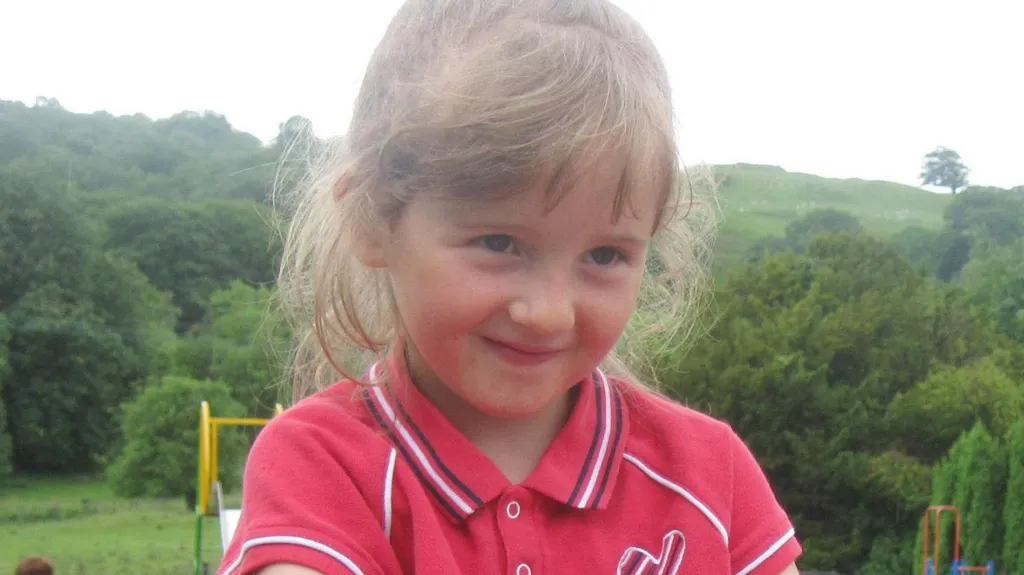
Bridger initially claimed that he had accidentally hit April with his vehicle, but could not recall what he had done with her body.
However, evidence found at his cottage, including bone fragments consistent with a juvenile human skull, contradicted his story.
Further investigation revealed blood stains near several knives, including one that had been badly burned, despite Bridger's attempts to clean the cottage.
Those who knew Bridger described him as confident and charming, but the discovery of his computer revealed a dark secret.
Police found a collection of child sex abuse images, as well as evidence of disturbing search terms, including "naked young five-year-old girls," and pictures of murder victims.
Bridger also had Facebook pictures of local young girls, including April and her sisters, which further implicated him in the crime.
Bridger was sentenced to a whole-life tariff, a rare punishment, and has maintained his claim that he cannot remember what happened to April's body.
Hazel, who was 18 and pregnant at the time of April's disappearance, described feeling "petrified" when she learned about the circumstances of her sister's death.
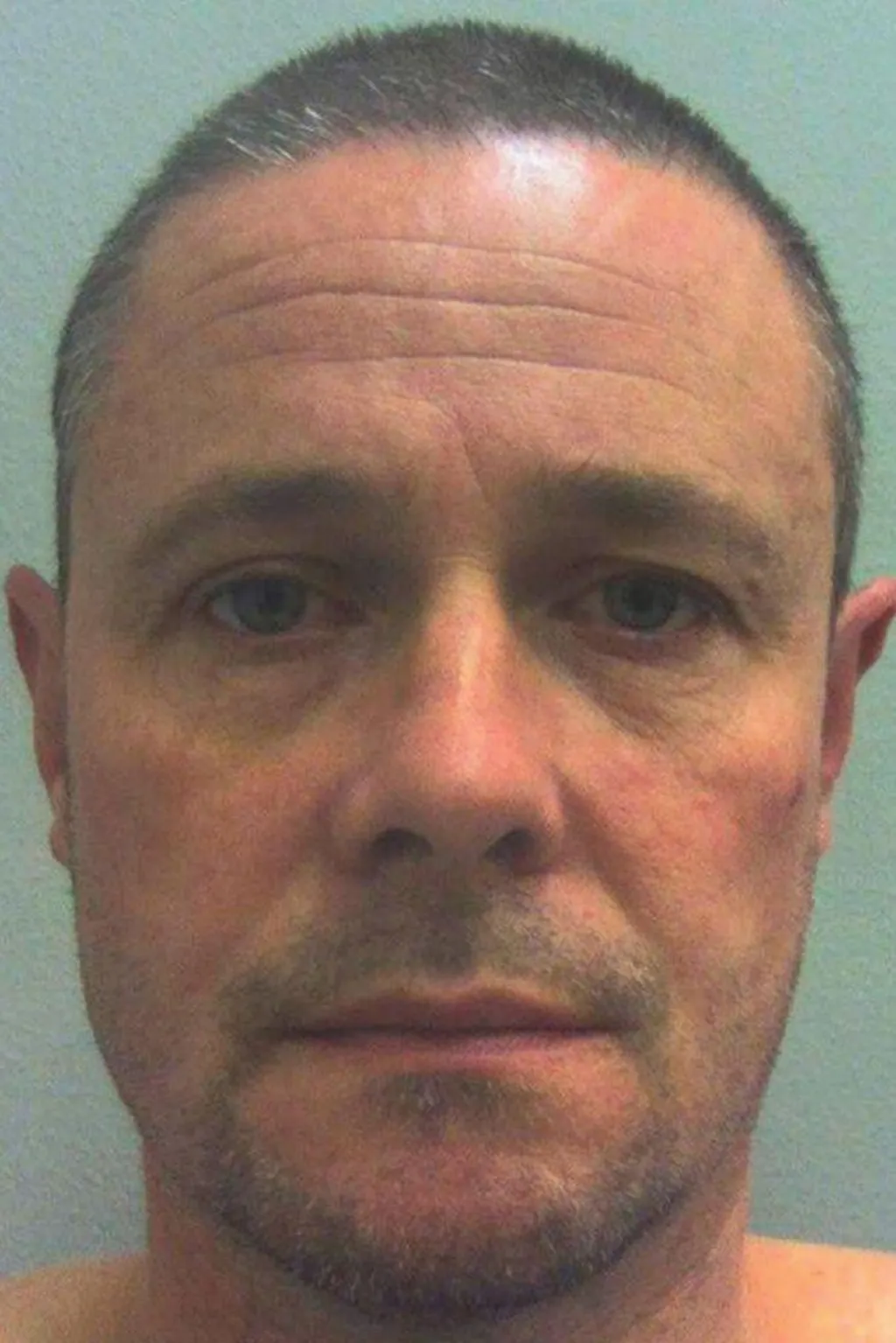
The realization that there were people like Bridger in their community made Hazel fearful for her own child's safety, and she struggled to come to terms with the fact that she was bringing a new life into a world with such dangers.
Hazel found it difficult to reconcile her grief with the joy of becoming a mother, and she remembered feeling overwhelmed by the experience.
Just weeks after April's disappearance, Hazel gave birth to her daughter, Amelia, a bittersweet moment that was marked by both joy and sorrow.
The similarities between Amelia and April made the grieving process even more challenging for Hazel, as she struggled to mourn her sister while also caring for her new child.
When Hazel's family visited her in the hospital, they were struck by the resemblance between Amelia and April, which made the loss feel even more poignant.
The similarity between the two girls served as a painful reminder of what Hazel had lost, and it made her grief even more difficult to bear.
Now a mother of three, Hazel still struggles with anxiety, and the trauma of April's death continues to affect her life.
Hazel reflected on the fact that April had only just begun to experience life, and that her death was a tragic loss of potential.
Hazel hopes that her own daughter will have the opportunity to experience the world and live a full life, something that April was denied.
Hazel's father, Paul Jones, passed away on 14 May 2025, after being diagnosed with a brain disease in 2018.
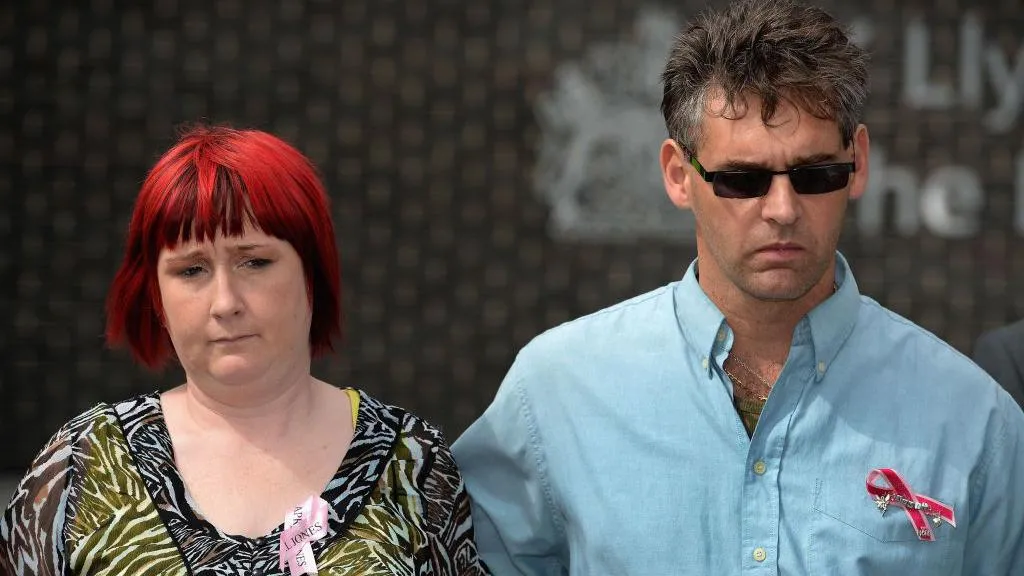
Hazel believes that her father was never the same after April's death, and that a part of him died along with his daughter.
Hazel finds comfort in the thought that her father is now at peace, reunited with April, and that he is no longer suffering.
Hazel's father's passing was a significant loss for her, and she feels that a part of her own identity is gone.
Hazel has chosen to be open with her children about April's death, and she has kept a collection of memories and newspaper clippings for them to look at when they are ready.
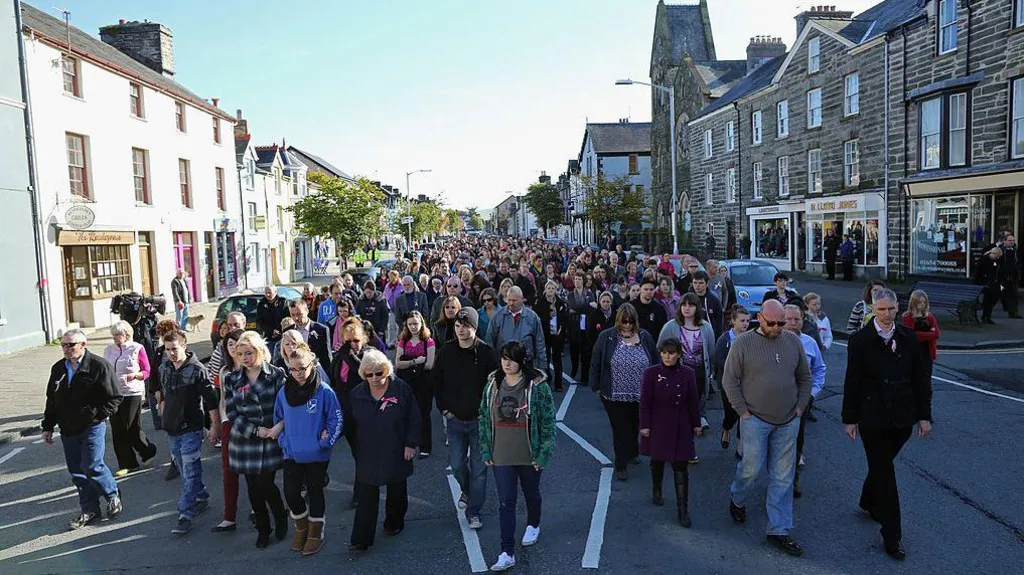
Hazel wants her children to be aware of the dangers in the world, and she hopes that by being honest with them, she can help them develop a sense of caution and self-awareness.
However, the trauma of April's death continues to cast a long shadow over Hazel's life, and she is "terrified" about her children growing up and facing the dangers of the world.
Hazel's fear for her children's safety is a constant presence in her life, and she worries about the potential risks and threats that they may face as they grow older.
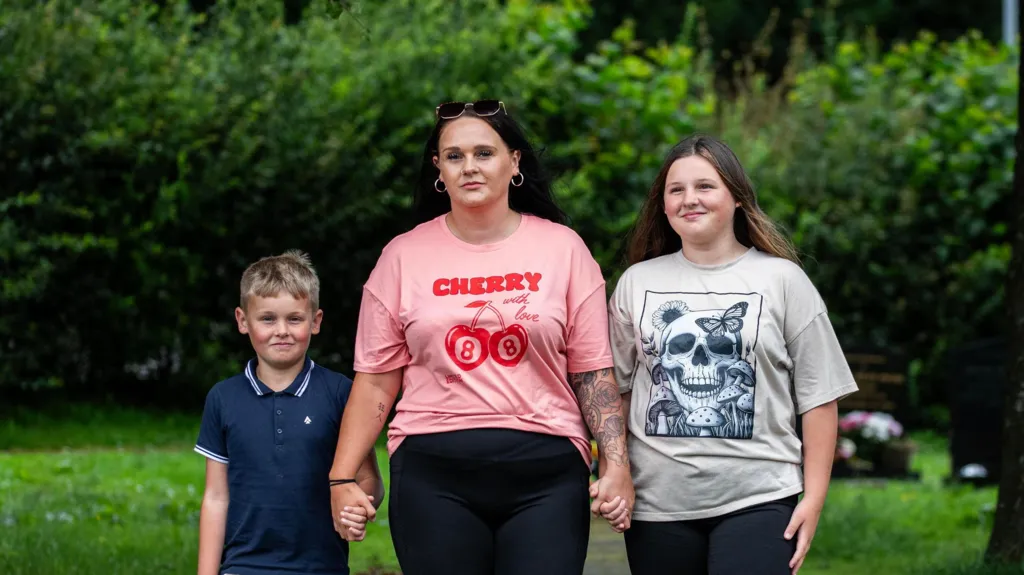
The memory of April's death serves as a painful reminder of the dangers that exist in the world, and Hazel is determined to do everything she can to protect her own children from harm.
Thirteen years have passed, yet the reality of the situation remains difficult to accept. It is unclear whether this is a result of denial or simply the inability to process the events that occurred.
The passage of time has not diminished the sense of disbelief, and there is still a lingering expectation that the situation will somehow be reversed, as if it were all just a bad dream.
News
Probe Underway into DNA Discovered at Nancy Guthrie’s Residence
According to the sheriff’s department, efforts are underway to determine the owner of the DNA, although the location of its discovery has not been released.
Local authorities have discovered DNA at the residence of Nancy Guthrie, the mother of American news anchor Savannah Guthrie, that does not match her or anyone in her close circle, according to officials.
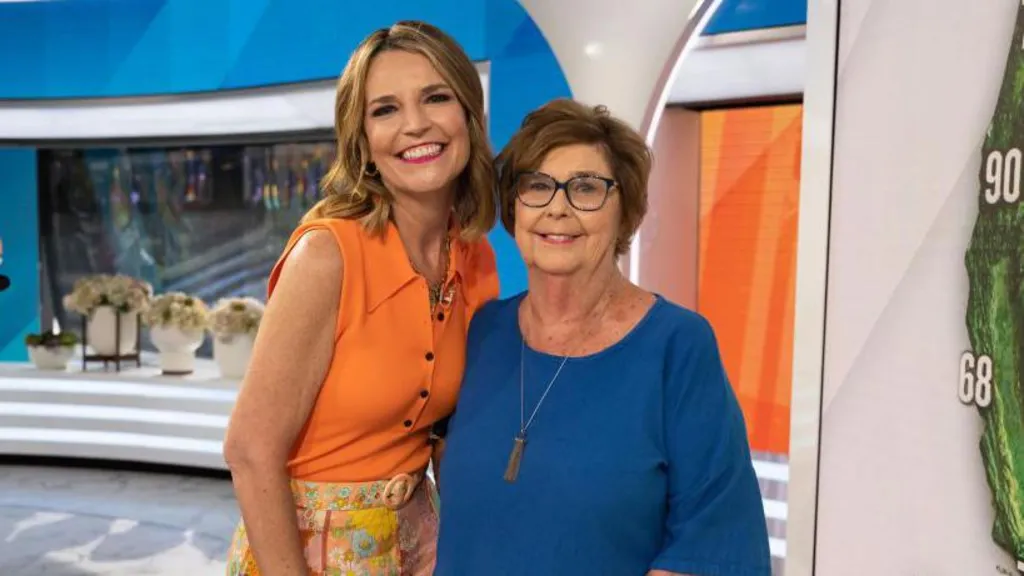
The Pima County Sheriff's Department is currently working to determine the origin of the unidentified DNA, but has not disclosed its exact location.
Several gloves have been found by investigators, with one discovered approximately two miles away from Nancy Guthrie's residence.
Nancy Guthrie, 84, vanished from her Tucson, Arizona home nearly two weeks ago, and authorities suspect she was taken against her will.
The sheriff's department has clarified that reports of a glove being found inside or on the property of Nancy Guthrie's home are incorrect.
All evidence collected has been submitted for laboratory analysis, according to the department.
On Thursday, the FBI released a description of the suspect, stating that the individual is a male, approximately 5ft 9in to 5ft 10in (175-177cm) tall, with a medium build.
Investigators were able to gather identifying details about the suspect by analyzing footage from a doorbell camera located outside Nancy Guthrie's home.
The suspect was seen wearing a 25-litre Ozark Trail Hiker Pack backpack in the footage, as reported by the FBI.
Following the release of the doorbell footage, investigators received over 13,000 tips, including 4,000 within a 24-hour period.
The FBI has increased the reward for information regarding Nancy Guthrie's disappearance from $50,000 (£36,700) to $100,000.
The county sheriff's department stated that the suspect description remains a primary focus of the investigation, but added that no individual or possibility is being ruled out.
Investigators have also made a broader appeal for neighbors to share any video footage that may be relevant to the case.
Authorities have noted that Nancy Guthrie, 84, requires daily medication and has limited mobility.
Savannah Guthrie and her two siblings have posted multiple social media appeals directed at their mother's abductor.
The family believes Nancy Guthrie is still alive and has indicated their willingness to pay for her safe return.
News
Malinin Crashes to Eighth in Free Skate Upset
At the Milan-Cortina 2026 event, USA’s Ilia Malinin, heavily tipped to claim the men’s figure skating title, experienced a disappointing outing, suffering two falls, which ultimately led to him finishing off the podium, while Kazakhstan’s Mikhail Shaidorov secured the top spot and the gold medal.
At the Milan-Cortina 2026 event, Ilia Malinin of the USA, who was heavily tipped to win the men's figure skating gold, experienced a disappointing performance, falling twice and ultimately missing the podium, allowing Kazakhstan's Mikhail Shaidorov to claim the top spot.
For further information, Mikhail Shaidorov's gold medal win is detailed in a separate article, which also discusses Ilia Malinin's unexpected loss.
Access to additional content is restricted to users based in the UK.
Business
Decline of Dining Out Trend Raises Concerns
According to the restaurant industry, it is currently dealing with a dual challenge: increasing expenses and a decrease in consumer spending power.
James Deegan's go-to order at his favorite restaurant, the grilled chicken burger, has lost its appeal due to a significant price hike.
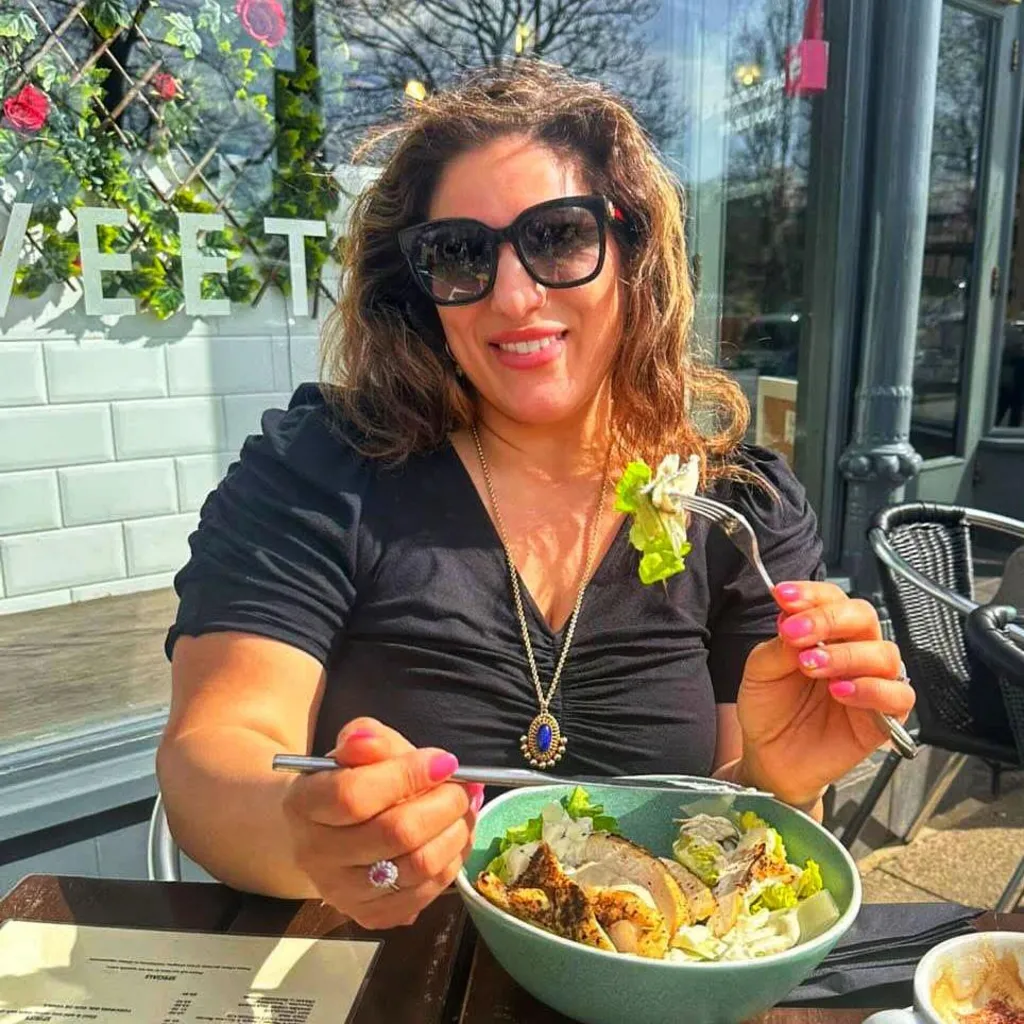
The price increase from £12 to £18, plus the cost of a drink, has made dining out a costly affair for James.
This substantial price jump has led to James reducing his restaurant visits to just a couple of times a month, as he can no longer afford to dine out as frequently as he used to.
As a 27-year-old carer for autistic individuals, James must closely monitor his expenses to cover all his outgoings, limiting his social activities in the process.
James emphasizes the need to budget for small pleasures, which he once took for granted, in order to make ends meet.
The UK's cost of living crisis has been well-documented, with James having relied on a food bank in the past when his finances were strained, and one of its effects is a decrease in people's disposable income.
This reduction in disposable income means people have less money to spend on social activities, such as vacations, drinks at the pub, or eating out at restaurants.
The hospitality industry is facing a significant challenge due to decreased consumer spending and rising business costs, including taxes, food, wages, and energy expenses.
Many restaurants have increased their prices to remain operational, but some have still been forced to close down.
According to the Hospitality Market Monitor, the number of restaurants in the UK decreased by nearly a fifth between December 2019 and December 2025, from 43,000 to 35,500.
A YouGov report found that people in Britain are dining out less frequently, with the majority citing price increases and the rising cost of living as the primary reasons.
The report, published in October, surveyed 2,000 respondents, with 38% stating they were eating out less often than the previous year.
Of those who reported eating out less, 63% attributed it to price increases, while 62% cited the increased cost of living.
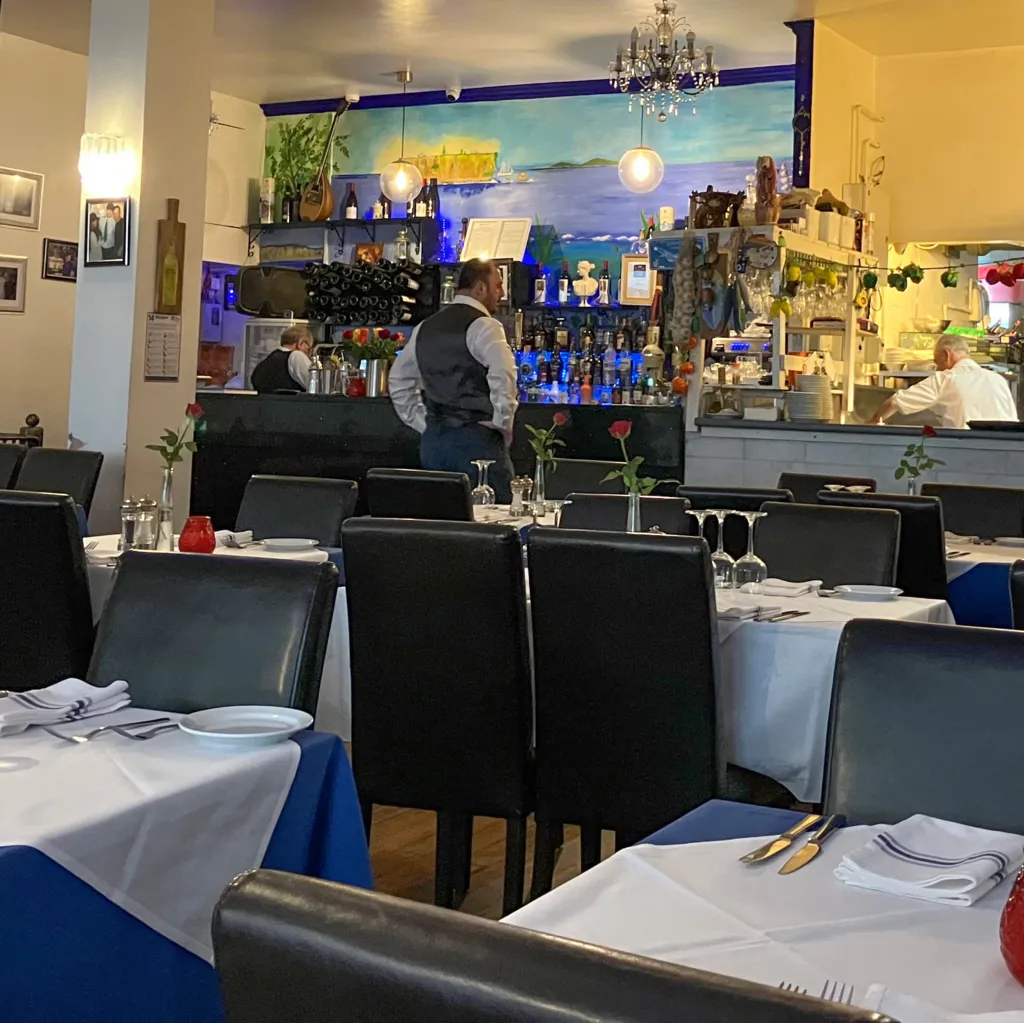
Petrit Velaj, a 30-year veteran of the restaurant industry, opened his own Greek restaurant, Rozafa, in central Manchester in 2010.
Rozafa has received awards for its cuisine and has hosted famous diners, including Priscilla Presley and Boris Johnson.
Petrit, who hails from Corfu, enjoys sharing traditional Greek culture and music with his customers, in addition to serving authentic Greek dishes.
However, he is uncertain about the restaurant's future prospects.
Petrit expressed his passion for cooking and providing excellent service, stating that it brings him joy to see customers happy.
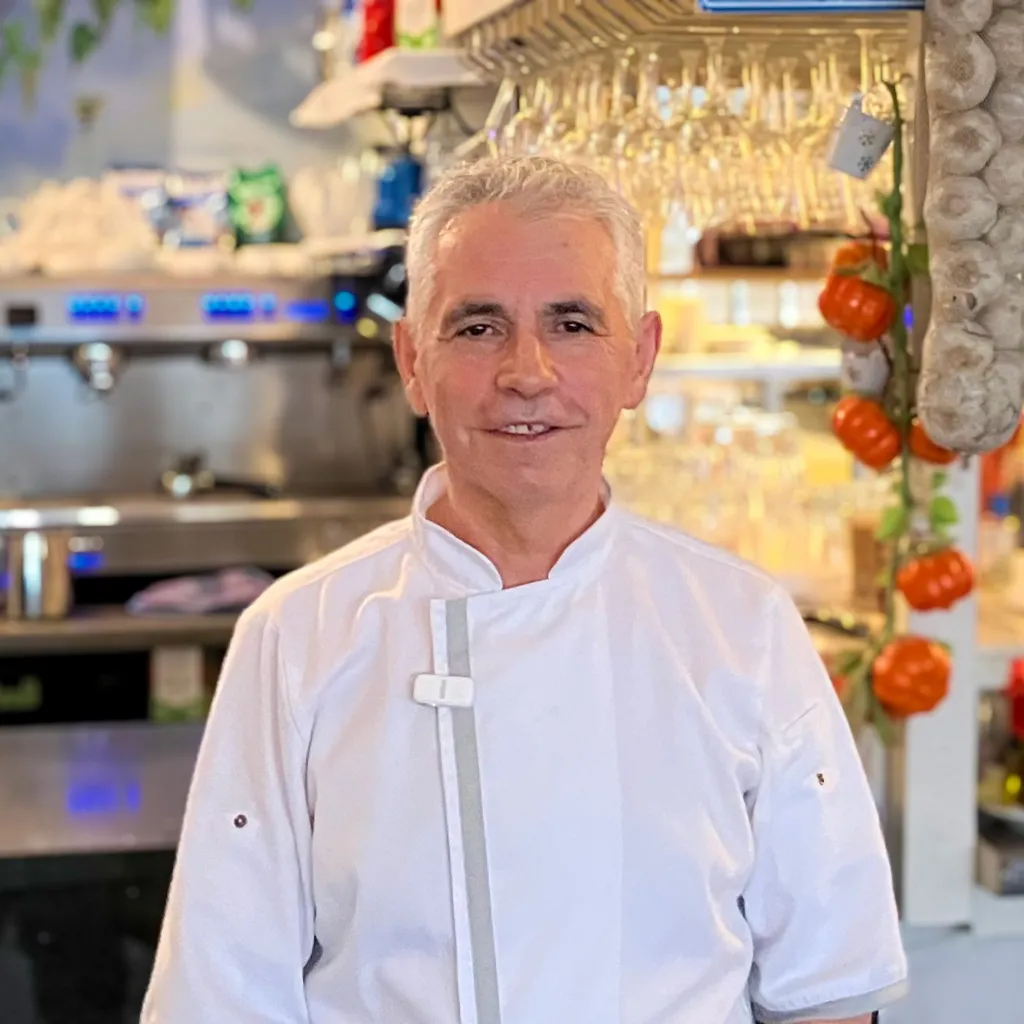
He explained that for every £100 the restaurant earns, approximately £55 goes towards paying various taxes, leaving £45 to cover other expenses.
These expenses, including gas, electricity, water, rent, food, and wages, have increased over the years, making it challenging for the restaurant to operate.
As the owner of two restaurants, including one in Stockport, Petrit is responsible for 18 employees, some of whom have been with him for 20 years.
He is aware of the financial burdens his staff face and sometimes forgoes his own salary to ensure they are paid.
Fortunately, Petrit's children are now financially independent, alleviating some of his concerns.
He believes that running a restaurant has become increasingly difficult since he started in the industry.
Petrit, like many chefs, is critical of National Insurance rises and increasing business rates, as well as local issues such as limited parking and unclean streets, which deter customers.
Celebrity chef Gordon Ramsay shares Petrit's concerns about tax, warning that restaurants are "facing a bloodbath" and advocating for more cautious implementation of business rate increases.
Shortly after Ramsay's comments, the government announced a support package for pubs, but not restaurants.
Chancellor Rachel Reeves expressed particular concern about the impact of business rates on pubs compared to other high street businesses.
Petrit fears the potential closure of Rozafa, not only for himself and his staff but also for the local community it serves.
Several well-known restaurants in Manchester city centre, including TNQ Restaurant & Bar, have closed down in the past year.
Petrit believes that restaurants play a vital role in society, providing a space for people to come together and experience different cultures.
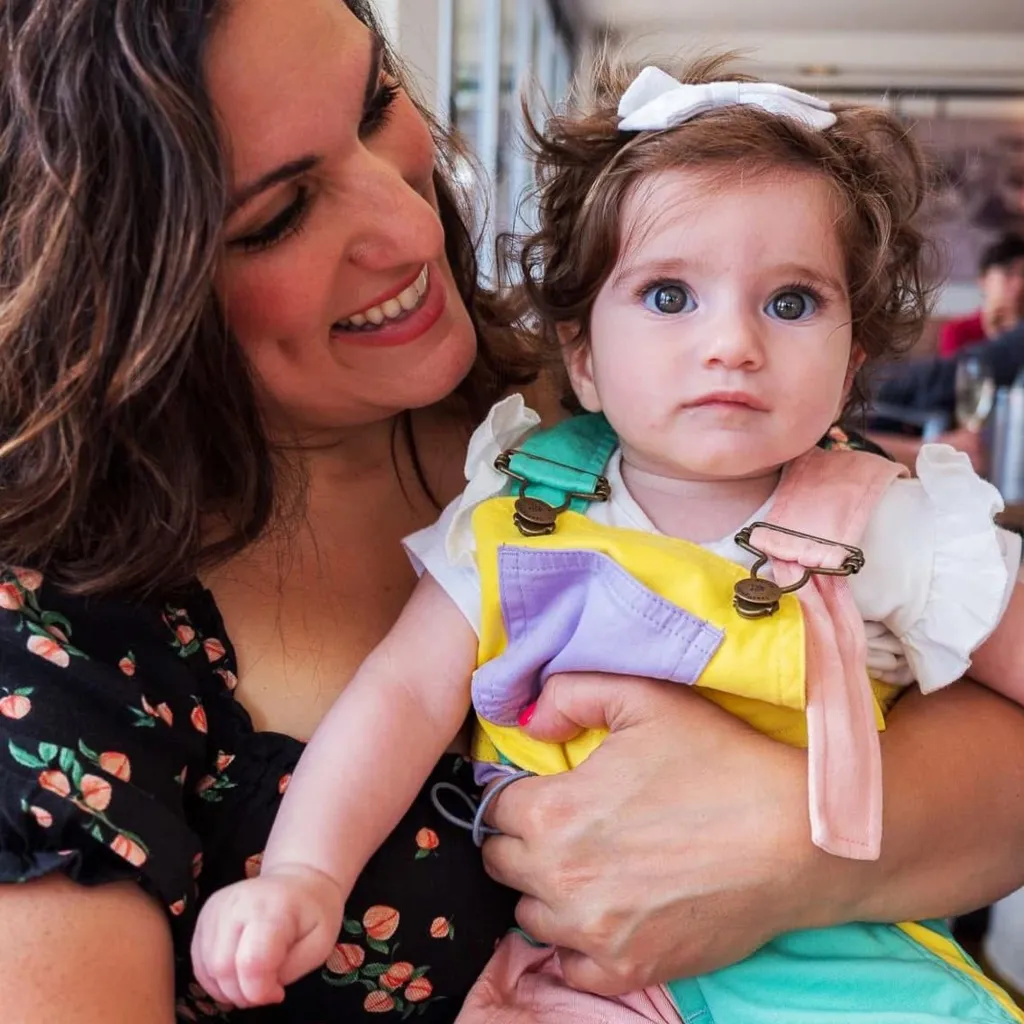
Kate Nicholls, chairwoman of the UK Hospitality trade body, agrees that restaurants are essential to the cultural and economic well-being of British towns and cities.
Nicholls emphasizes the importance of restaurants in creating jobs and attracting people to high streets, which in turn benefits other local businesses.
She stresses that restaurants are valuable assets that must be supported to prevent their loss.
Nicholls warns that if restaurants are not utilized, they will be lost, highlighting the need for community support.
Even individuals with above-average disposable incomes are feeling the effects of the higher cost of living, leading to changes in their dining habits.
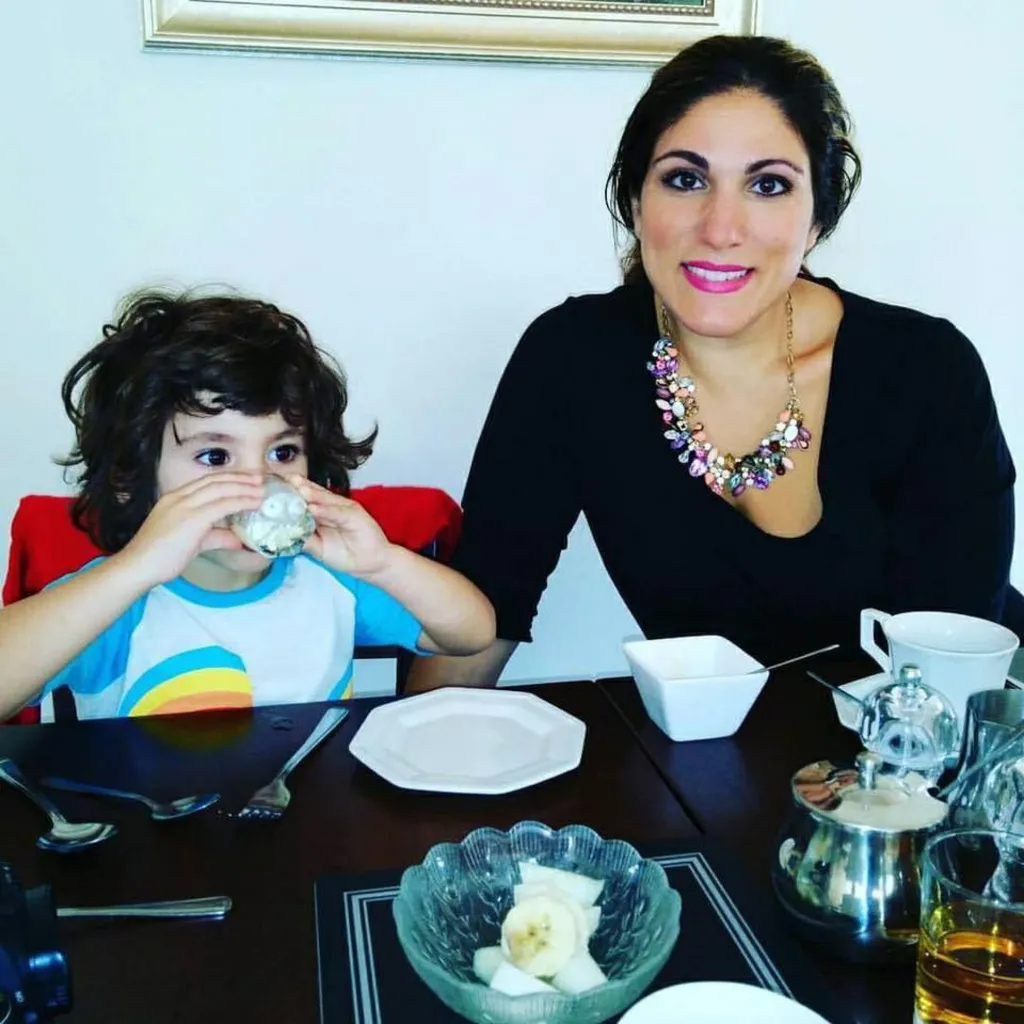
Vicki Broadbent, a children's author and parenting blogger, comes from a family of restaurateurs and values the importance of restaurants in bringing people together.
Vicki and her husband, who live in Harrogate with their three children, typically dine out once a week, which they consider a privilege.
For Vicki, dining out is not only about enjoying good food but also about spending quality time with her family and reconnecting after a busy schedule.
However, as a higher rate taxpayer, Vicki and her husband are also feeling the financial strain and have adapted their restaurant habits accordingly.
Vicki notes that she and her family have stopped ordering starters due to their high cost, with prices ranging from £7-9 per dish, which could be better spent on a more substantial main course.
The expense of dining out is further compounded by Vicki's two teenage boys, who have outgrown the children's menu and now require more substantial portions, driving up the overall cost of their meals.
To keep costs in check, Vicki and her husband typically opt for soft drinks and water instead of alcoholic beverages, reserving the latter for special occasions such as birthdays or anniversaries.
In an effort to save money, the Broadbents sometimes choose to order takeaways instead of eating out, although Vicki observes that portion sizes have decreased over time, making it challenging to find good value.
Vicki remarks that the value of takeaways is often short-lived, as her teenagers tend to feel hungry again just a few hours later, leading her to question the worth of spending £100 on a meal that does not provide long-lasting satisfaction.
When selecting a restaurant, Vicki is often swayed by establishments that offer discounts, a strategy that Sarika Rana, head of consumer research at YouGov, says is common among many diners.
According to YouGov's October report, the rising cost of living is significantly influencing people's dining habits, with many still valuing the experience of eating out but being forced to make adjustments due to financial constraints.
The report found that half of the surveyed diners had altered their behavior to save money, with strategies including choosing less expensive restaurants and reducing the number of dishes ordered, while 46% of respondents said they forego desserts altogether.
In Crewe, James is being mindful of his expenses, recognizing that careful budgeting is necessary to enjoy a meal with friends or family without breaking the bank.
For James, eating out serves as a vital way to unwind and recharge after periods of intense care work, but he wishes that indulging in such small pleasures did not require so much financial planning and effort.
James expresses frustration at the difficulty of affording modest luxuries like dining out, describing the situation as "crazy" and "ridiculous".
-
 News23 hours ago
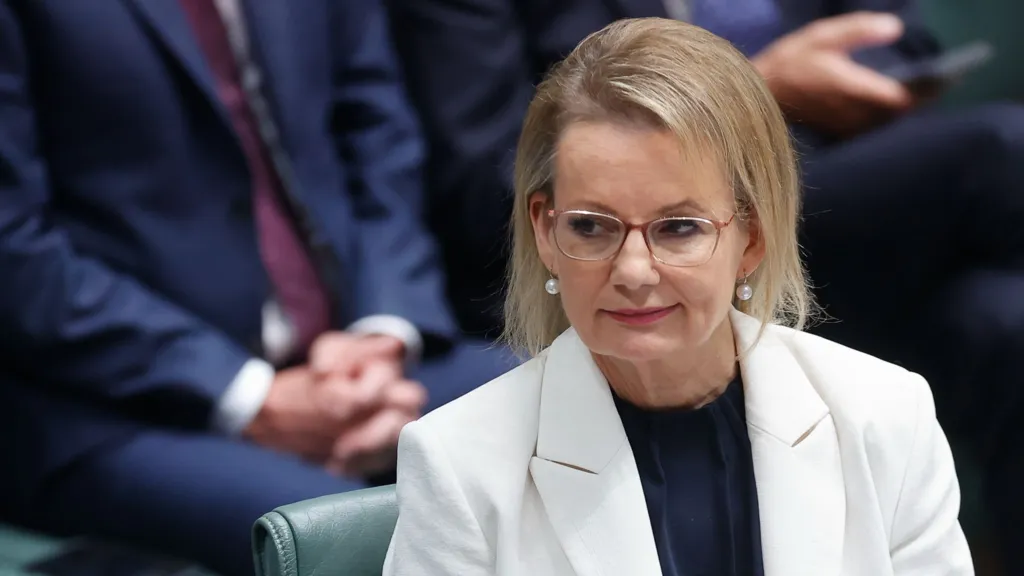
Australian Politics Faces Questions Over Gender Equality Amid Sussan Ley’s Appointment
-
 News20 hours ago
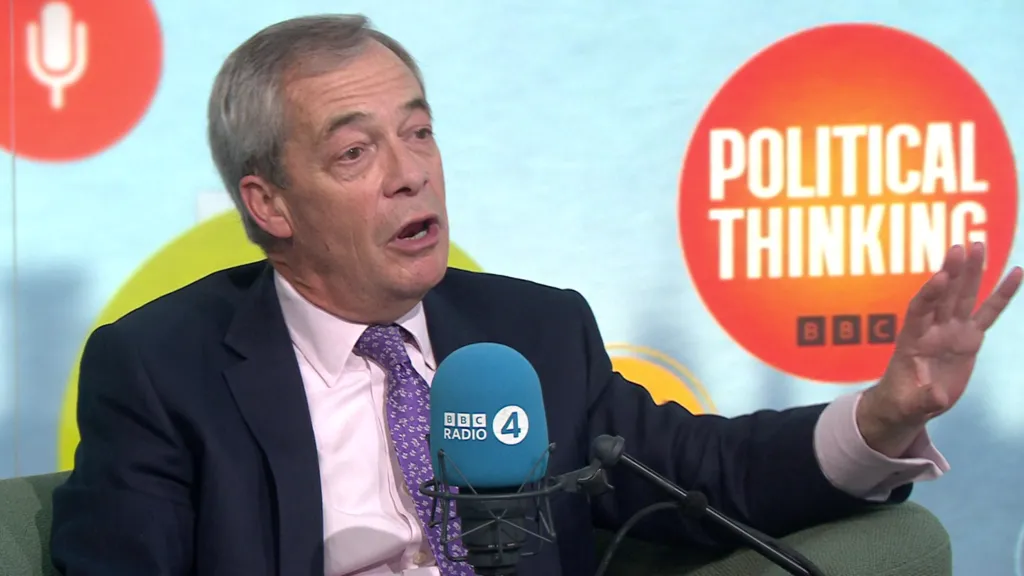
Farage Says Reform to Replace Traditional Tory Party
-
 News20 hours ago
Wrexham Pair Seek Win Against Former Team Ipswich
-
 News1 day ago
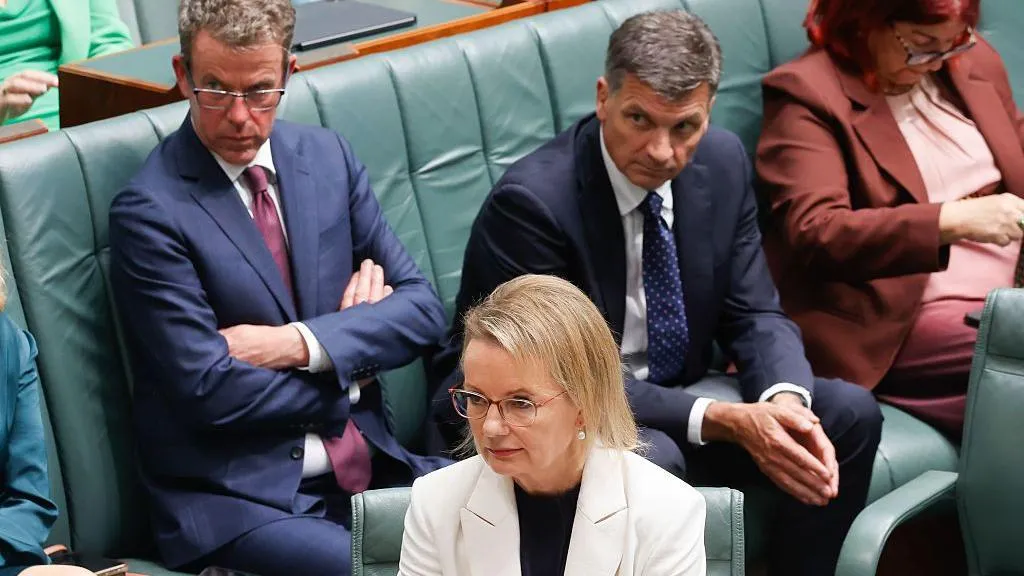
Liberal Party Removes Australia’s First Female Leader
-
 News23 hours ago
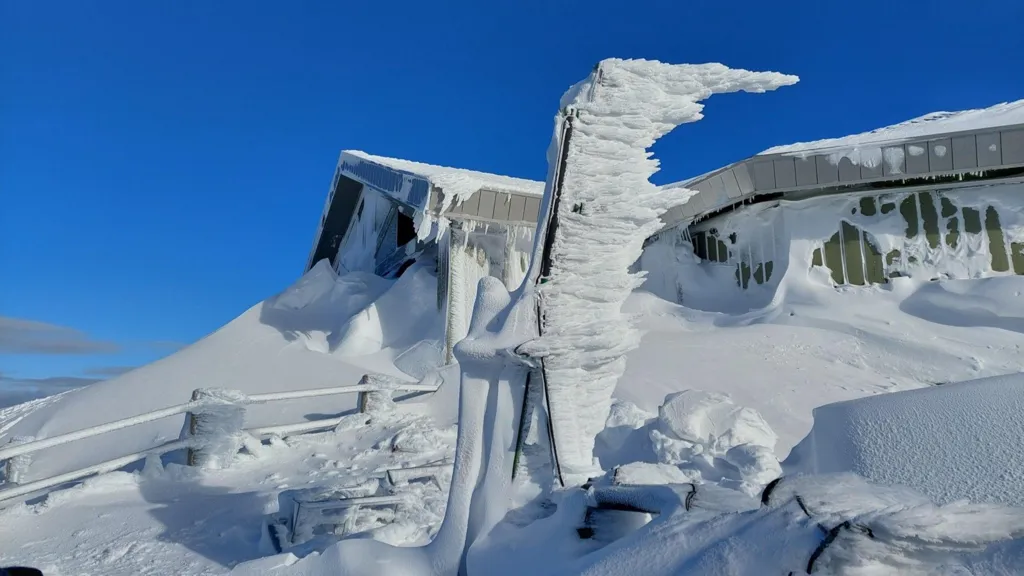
UK Braces for Cold Snap with Snow and Ice Alerts Expected
-
 News20 hours ago
Husband’s alleged £600k theft for sex and antiques blamed on drug side effects
-
 News3 days ago
Sunbed ads spreading harmful misinformation to young people
-
 Business1 day ago
BBC Reporter Exposed to Cyber Attack Due to Vulnerabilities in AI Coding Tool