
News
Valentine’s Day in Kenya Sees Cash Replacing Traditional Flowers
In Kenya, the practice of giving bouquets of cash as gifts has gained significant traction, but recent cautions may potentially curb its growing popularity.
In Nairobi, the Kenyan capital, a distinctive red hue has dominated the city's landscape every 14 February for as long as many residents can recall, a tradition that has become an integral part of the city's culture.
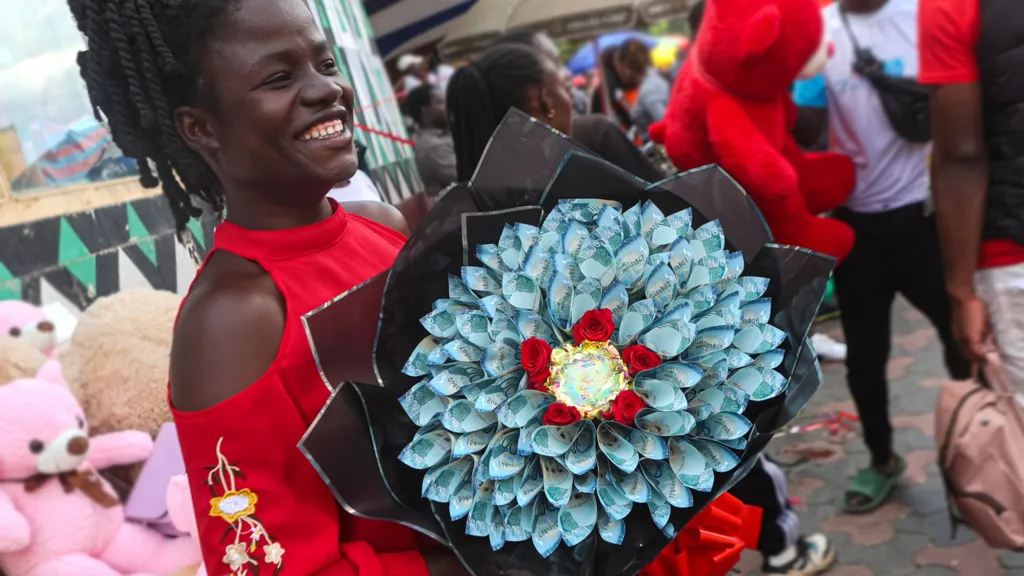
As people commemorate Valentine's Day, the streets are filled with individuals donning red attire or carrying red roses, embracing the symbolic color of love and romance.
Local traders capitalize on the demand for fresh flowers, leveraging Kenya's position as a leading global producer of cut flowers to offer an array of blooms to customers.
However, a newer trend has emerged, with some individuals opting for bouquets composed of folded, rolled, or fastened banknotes in various colors, rather than traditional flowers.
This phenomenon has spread to other African nations, prompting central banks in Kenya, Uganda, Rwanda, Botswana, and Namibia to issue public warnings about the potential consequences of damaging or defacing banknotes in the process of creating these cash bouquets.
The central banks have cautioned against practices that involve gluing, taping, stapling, or pinning banknotes together, which can render them unusable.
According to the Central Bank of Kenya, banknotes are often subjected to various forms of damage, including being glued, taped, or stapled, which can compromise their integrity.
Damaged banknotes can be rejected by automated teller machines and cash-sorting equipment, resulting in significant costs to taxpayers as they are removed from circulation.
While the Central Bank of Kenya does not object to the practice of gifting cash, it has emphasized that damaging banknotes is a serious offense that can lead to imprisonment for up to seven years.
The popularity of cash bouquets can be attributed, in part, to celebrities and online influencers who often share videos of themselves presenting these unique gifts to their followers.
The demand for cash bouquets extends beyond Valentine's Day, with people also using them to celebrate birthdays and other special occasions throughout the year.
These bouquets come in a variety of designs, with creators tailoring their arrangements to suit the preferences and budgets of individual clients.
The amounts used in these bouquets can range from as little as 1,000 shillings ($8; £6) to as much as a million shillings, according to Angela Muthoni, a florist at the Gift and Flowers shop in central Nairobi.
Cash bouquets can be presented in various forms, including floral designs, combinations of flowers and money, elegant wrappings, cake designs, or gift boxes.
Muthoni reports that money bouquets have gained significant popularity over the past two years, with her shop receiving between 15 and 20 orders daily in the lead-up to Valentine's Day, despite the Central Bank's warning.
Muthoni notes that gifting cash eliminates the stress of choosing a present, as "everyone loves money," making it a convenient and appreciated gift.
Some Kenyans argue that the trend of giving money bouquets reflects a growing emphasis on materialism, where people seek to purchase love and affection rather than cultivating meaningful relationships.
Haskell Austin, a 24-year-old, attributes the phenomenon to peer pressure, preferring to give flowers as a more thoughtful and personal gesture.
Austin describes the idea of gifting money as "materialistic" and suggests that, if cash must be given, a straightforward transfer is a more practical and respectful approach.
Instead of creating elaborate bouquets, Austin recommends simply transferring funds, which he believes is a more considerate and efficient way to show appreciation.
Lynn, who wished to remain anonymous, expressed disappointment at the timing of the Central Bank's warning, as she had been looking forward to receiving a cash bouquet on Valentine's Day.
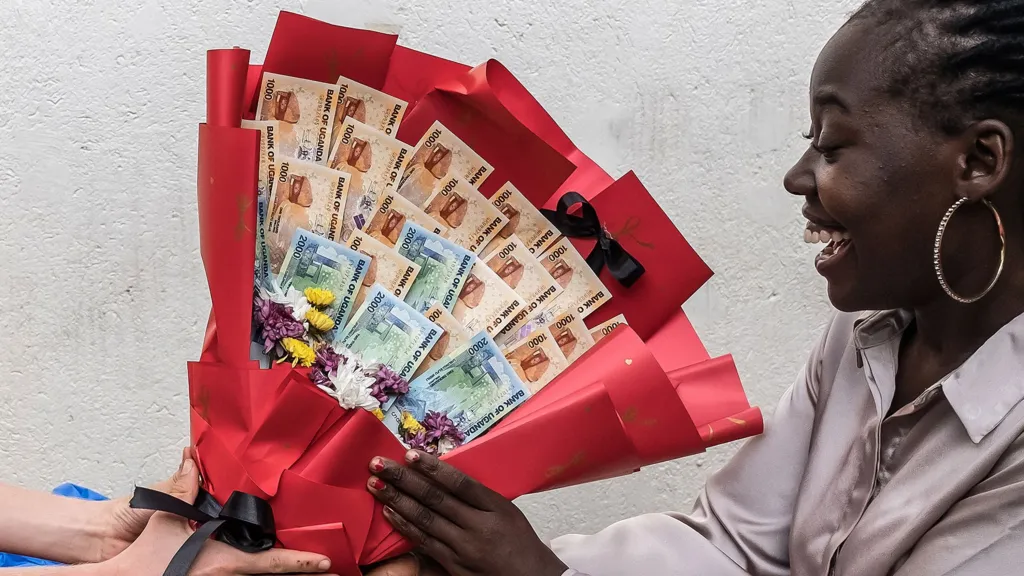
Despite the warning, Lynn notes that people remain enthusiastic about the trend, with many still eager to give and receive cash bouquets.
Nicole Rono, another resident, shares Lynn's sentiment, stating that she would prefer to receive cash, as "who doesn't love money?" and noting that flowers, while nice, are not as practical or desirable.
Benjamin Nambwaya, a university student, observes that the culture of giving money bouquets is often driven by social expectations, with women typically being the recipients.
Nambwaya believes that this trend can have negative consequences, potentially "destroying relationships" by creating unrealistic expectations and pressures to provide financial gifts.
Nambwaya prefers giving flowers, which he considers a more thoughtful and romantic gesture, allowing him to express his feelings without the burden of financial expectations.
In his view, flowers are a more appropriate way to show appreciation and affection, as they represent a small, meaningful gesture rather than a grand, expensive display.
According to economic expert Odhiambo Ramogi, the popularity of cash bouquets reflects a broader cultural shift towards a more capitalistic approach to life, where special occasions like Valentine's Day are seen as opportunities for commercialization and marketing.
Ramogi argues that this trend is driven by the influence of advertising and marketing, which often emphasizes the importance of material gifts and displays of wealth on special occasions.
For Muthoni, the decision to give cash or flowers ultimately depends on the individual's preferences and values, as people have different ways of expressing love and appreciation.
Muthoni acknowledges that, while some people may prefer more traditional or sentimental gifts, others may view money as a more practical and desirable option, as it can be used to purchase a wide range of goods and services.
In her view, the key to a successful gift is understanding the recipient's needs and preferences, and tailoring the gift accordingly, whether it be cash, flowers, or something else entirely.
The Central Bank's warning has sparked a wide range of reactions on social media, with some people praising the move as a necessary measure to prevent the damage of banknotes, while others have ridiculed it or expressed disappointment.
The debate has also inspired humorous responses, such as memes featuring bouquets made from rolled chapati bread, highlighting the creative and often humorous ways that people are responding to the trend.
On TikTok, Kenyan Scott Ian Obaro noted that the trend may have contributed to a culture of "showing off," where people feel pressure to display their wealth and status through elaborate gifts and displays.
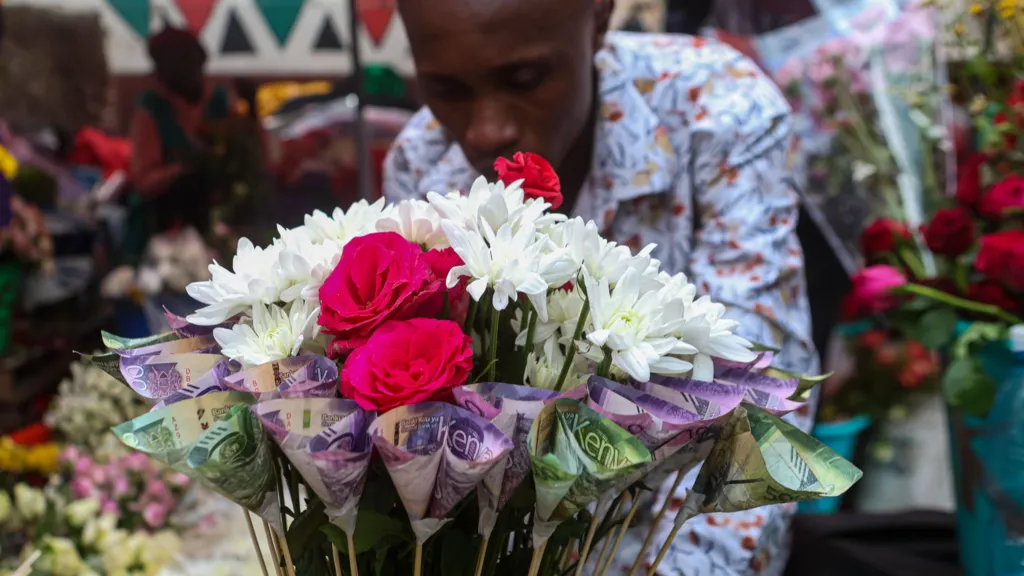
Ramogi suggests that the preference for cash over flowers in African cultures may be due to the fact that giving flowers is a relatively foreign concept, and that many people in Kenya and other African countries would prefer to receive money as a practical way to address their needs.
According to Ramogi, the tradition of giving flowers is a Western custom that has not been widely adopted in Africa, where people often prioritize more practical and tangible gifts, such as money or other forms of material support.
Ramogi believes that the combination of this cultural preference with the growing emphasis on materialism has led to the rise of cash bouquets, where people use banknotes as a symbol of love and appreciation, rather than traditional flowers.
The intervention by Kenya's regulator, along with those in other countries, may help to slow the growth of the cash bouquet trend, as people become more aware of the potential consequences of damaging banknotes.
Muthoni is concerned that the move could have a negative impact on the livelihoods of people who have built businesses around creating cash bouquets, but she remains optimistic that there is room for innovation and adaptation in the industry.
According to her, bouquets featuring transparent pockets that can safely contain money are among her designs, and she is also exploring alternative concepts, including digital arrangements.
In response to the warning from Kenya's central bank, some individuals have opted to use US dollars instead, which would not be subject to the same restrictions.
Given the persistence of this practice, it is unlikely that the tradition of giving money bouquets will be discontinued in the near future.
For additional news and updates from Africa, visit BBCAfrica.com.

News
UK Jewish Victim Expresses Fears for Personal Safety After Assault
Yoni Finlay, a victim of the synagogue attack, may have also been a potential target in a previous plot.
Following the Manchester synagogue attack, a survivor has expressed concerns about his safety in the UK, citing the discovery of a previously foiled plot that could have put him in harm's way.
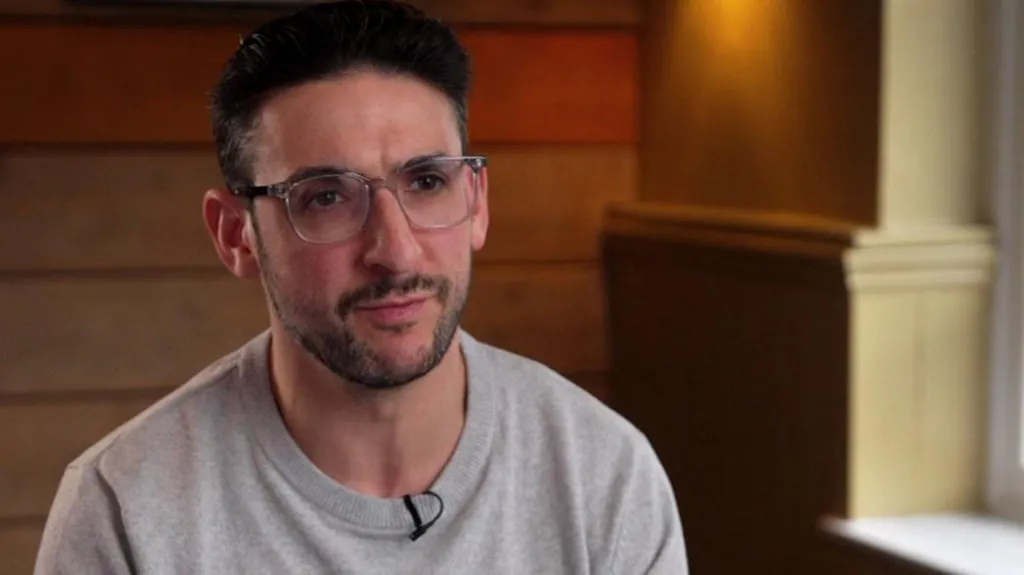
On October 2025, Yoni Finlay was inadvertently shot by a police bullet while barricading the doors of the Heaton Park Hebrew Congregation synagogue, where two individuals lost their lives during a violent attack.
Finlay, 40, had long been aware of the potential for such an incident to occur in his hometown, where he has lived his entire life.
According to Finlay, "The fear of an attack is constant, which is why we have implemented security measures, and they do an excellent job, but there is always a risk of something happening."
Unbeknownst to Finlay at the time, he may have been caught up in an earlier plot, which was thwarted by an undercover police operative.
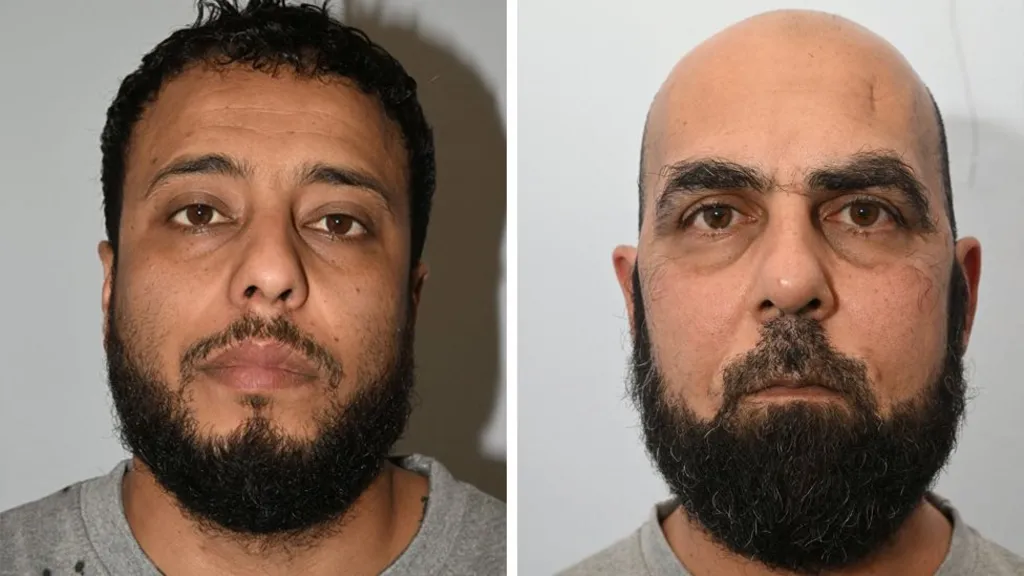
Walid Saadaoui, 38, and Amar Hussein, 52, had planned to target Manchester's Jewish community in what could have been the deadliest terror attack in the UK if they had succeeded.
The pair had arranged for firearms to be smuggled into the UK as part of an Isis-inspired plot.
Prosecutors stated that the men intended to launch a gun attack on an anti-antisemitism march by the end of summer 2024, followed by further attacks on Jewish communities in north Manchester.
In a message, Saadaoui noted that Manchester has the largest Jewish community outside of London, stating, "We will carry out [an attack] here."
The next day, Saadaoui took the undercover operative to areas with significant Jewish populations in Manchester to identify potential targets.
Finlay was among the thousands who attended an anti-antisemitism march in Manchester during the summer of 2024, unaware that a plot to target the event had been foiled.
It was not until after his release from the hospital, following the synagogue attack, that Finlay learned about the earlier foiled plot.
Finlay believes that the normalization of antisemitism has contributed to the sense of inevitability surrounding such attacks, saying, "I think for everybody, there was an element of it being a matter of time."
Finlay had also attended a similar march in January 2024, which further underscored his concerns about the prevalence of antisemitism.
He described the undercurrent of hate and antisemitism, saying, "It's difficult to live with on a day-to-day basis, knowing that there are people who don't want us here."
Finlay's personal experiences have been affected, as his son has faced threats and harassment for being Jewish, and now avoids wearing a kippah in public.

Despite being a lifelong resident of Manchester and feeling a strong connection to the city, Finlay feels that it is no longer safe for him and his family.
However, Finlay is determined not to let fear dictate his life, stating, "It's essential not to allow terrorism and hatred to win."
Finlay's resolve to continue living his life without being controlled by fear is evident in his commitment to not letting terrorism prevail.
The sentences handed down to Saadaoui and Hussein, who were found guilty of preparing acts of terrorism, reflect the severity of their crimes.
Saadaoui received a life sentence with a minimum term of 37 years, while Hussein was sentenced to life with a minimum term of 26 years.
A third individual, Bilel Saadaoui, was convicted of failing to disclose information about acts of terrorism and received a six-year sentence.
The convictions and sentences serve as a reminder of the importance of preventing and combating terrorism.
The events surrounding the foiled plot and the subsequent attack on the synagogue have had a profound impact on Finlay and the Jewish community in Manchester.
The case highlights the need for continued vigilance and cooperation between law enforcement and the community to prevent such incidents in the future.
News
Probe Underway into DNA Discovered at Nancy Guthrie’s Residence
According to the sheriff’s department, efforts are underway to determine the owner of the DNA, although the location of its discovery has not been released.
Local authorities have discovered DNA at the residence of Nancy Guthrie, the mother of American news anchor Savannah Guthrie, that does not match her or anyone in her close circle, according to officials.
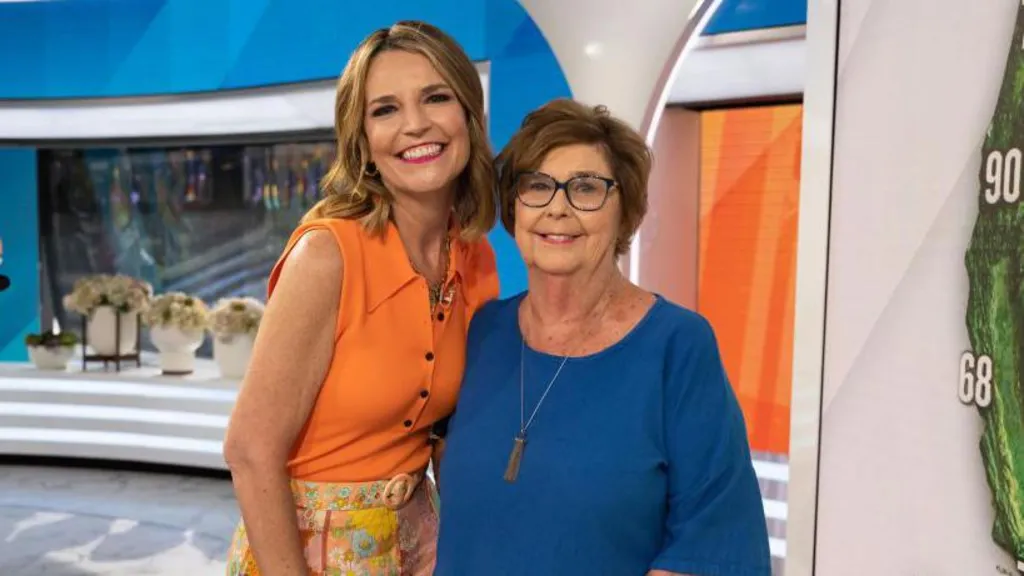
The Pima County Sheriff's Department is currently working to determine the origin of the unidentified DNA, but has not disclosed its exact location.
Several gloves have been found by investigators, with one discovered approximately two miles away from Nancy Guthrie's residence.
Nancy Guthrie, 84, vanished from her Tucson, Arizona home nearly two weeks ago, and authorities suspect she was taken against her will.
The sheriff's department has clarified that reports of a glove being found inside or on the property of Nancy Guthrie's home are incorrect.
All evidence collected has been submitted for laboratory analysis, according to the department.
On Thursday, the FBI released a description of the suspect, stating that the individual is a male, approximately 5ft 9in to 5ft 10in (175-177cm) tall, with a medium build.
Investigators were able to gather identifying details about the suspect by analyzing footage from a doorbell camera located outside Nancy Guthrie's home.
The suspect was seen wearing a 25-litre Ozark Trail Hiker Pack backpack in the footage, as reported by the FBI.
Following the release of the doorbell footage, investigators received over 13,000 tips, including 4,000 within a 24-hour period.
The FBI has increased the reward for information regarding Nancy Guthrie's disappearance from $50,000 (£36,700) to $100,000.
The county sheriff's department stated that the suspect description remains a primary focus of the investigation, but added that no individual or possibility is being ruled out.
Investigators have also made a broader appeal for neighbors to share any video footage that may be relevant to the case.
Authorities have noted that Nancy Guthrie, 84, requires daily medication and has limited mobility.
Savannah Guthrie and her two siblings have posted multiple social media appeals directed at their mother's abductor.
The family believes Nancy Guthrie is still alive and has indicated their willingness to pay for her safe return.
News
Malinin Crashes to Eighth in Free Skate Upset
At the Milan-Cortina 2026 event, USA’s Ilia Malinin, heavily tipped to claim the men’s figure skating title, experienced a disappointing outing, suffering two falls, which ultimately led to him finishing off the podium, while Kazakhstan’s Mikhail Shaidorov secured the top spot and the gold medal.
At the Milan-Cortina 2026 event, Ilia Malinin of the USA, who was heavily tipped to win the men's figure skating gold, experienced a disappointing performance, falling twice and ultimately missing the podium, allowing Kazakhstan's Mikhail Shaidorov to claim the top spot.
For further information, Mikhail Shaidorov's gold medal win is detailed in a separate article, which also discusses Ilia Malinin's unexpected loss.
Access to additional content is restricted to users based in the UK.
-
 News24 hours ago
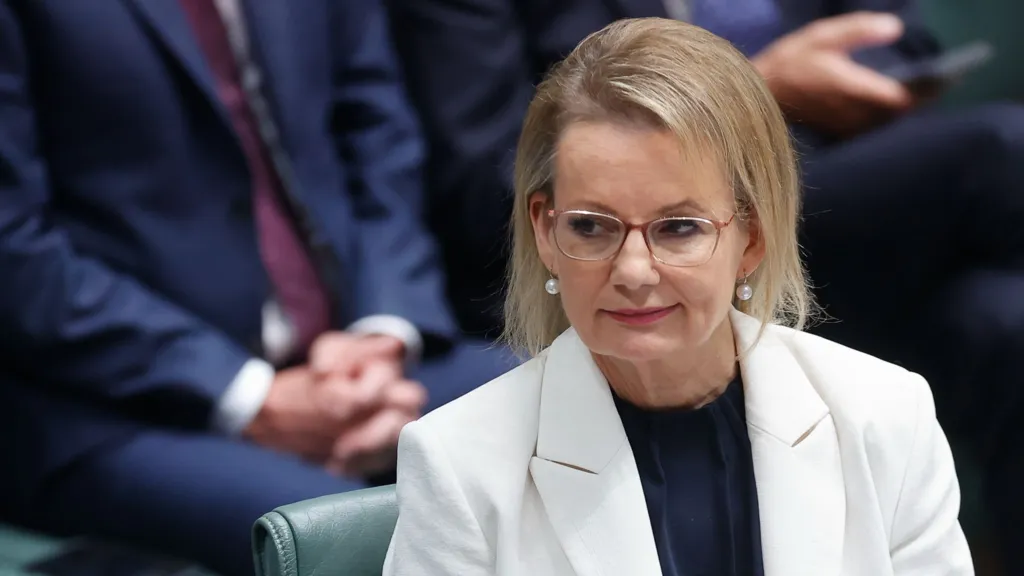
Australian Politics Faces Questions Over Gender Equality Amid Sussan Ley’s Appointment
-
 News21 hours ago
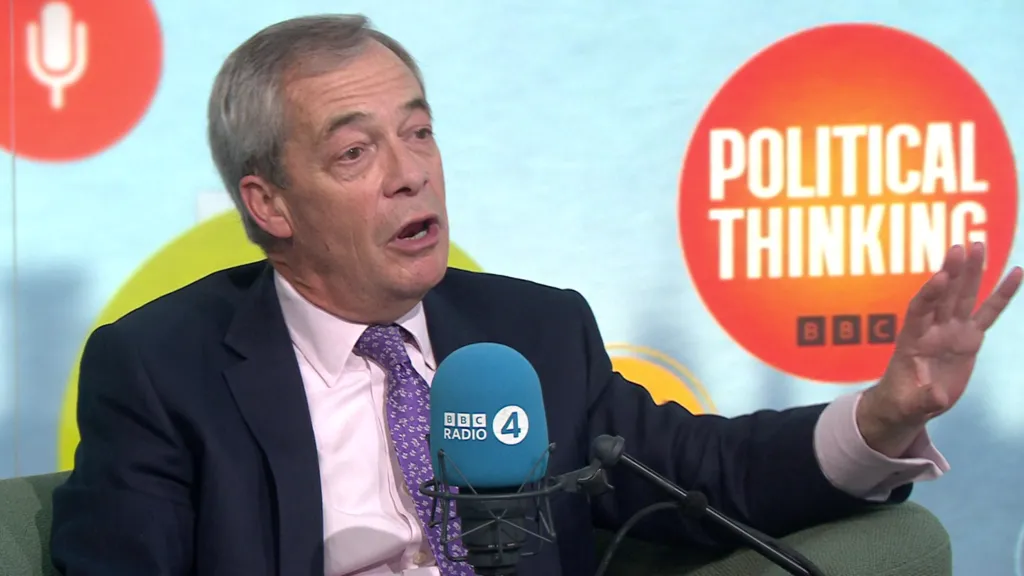
Farage Says Reform to Replace Traditional Tory Party
-
 News21 hours ago
Wrexham Pair Seek Win Against Former Team Ipswich
-
 News1 day ago
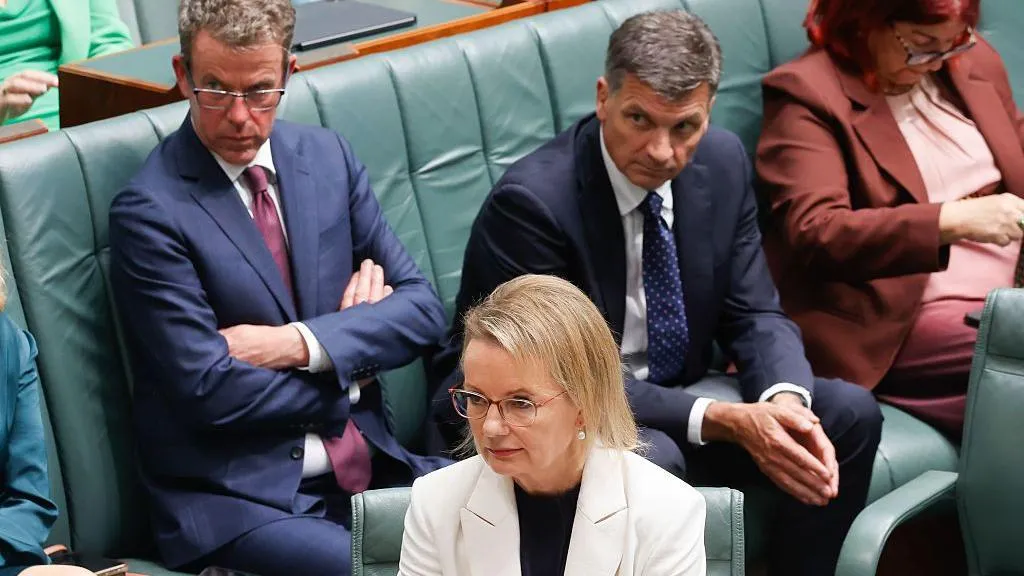
Liberal Party Removes Australia’s First Female Leader
-
 News1 day ago
UK Braces for Cold Snap with Snow and Ice Alerts Expected
-
 News21 hours ago
Husband’s alleged £600k theft for sex and antiques blamed on drug side effects
-
 News3 days ago
Sunbed ads spreading harmful misinformation to young people
-
 Business1 day ago
BBC Reporter Exposed to Cyber Attack Due to Vulnerabilities in AI Coding Tool