
News
Potential Airport Delays Loom Amid Possible US Homeland Security Shutdown
The shutdown is not expected to impact air traffic controllers, however, certain Transportation Security Administration employees may be required to work without receiving their pay.
The US federal government's partial shutdown has prompted travel groups and airlines to issue warnings about potential disruptions, as lawmakers were unable to agree on a funding deal for the Department of Homeland Security (DHS).
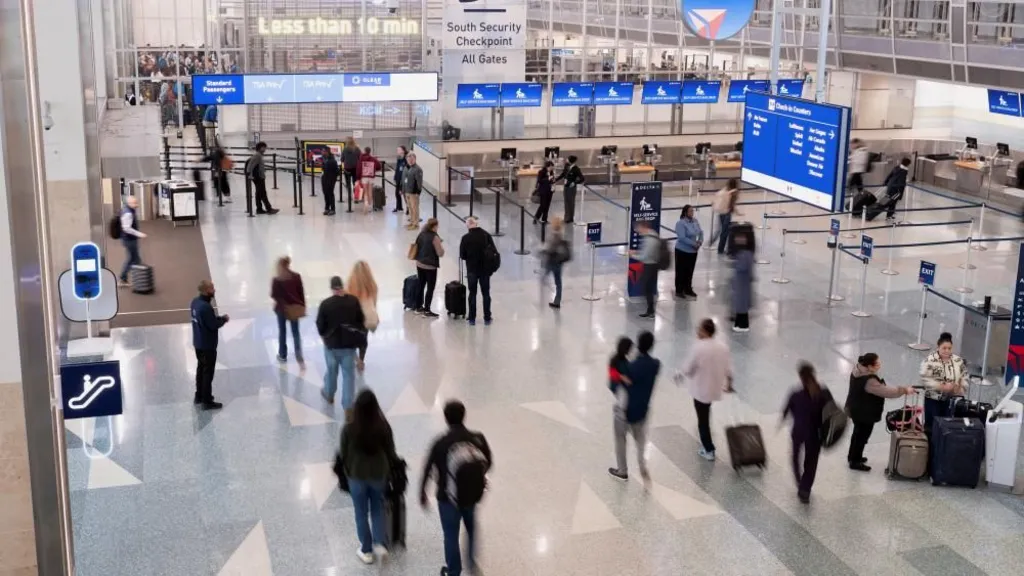
In a joint statement released on Friday, several organizations, including Airlines for America, noted that the lack of a funding agreement could lead to increased unscheduled absences among Transportation Security Administration (TSA) workers, resulting in flight delays and longer wait times for passengers.
The groups emphasized that the US economy and travelers cannot afford to have essential TSA personnel working without compensation, highlighting the need for a swift resolution to the funding impasse.
The partial government shutdown commenced at midnight (05:00 GMT) on Saturday, after Congress failed to pass a bill to fund DHS operations, leading to a lapse in government funding.
In exchange for a funding deal, Democrats had sought to impose additional restrictions on US Immigration and Customs Enforcement (ICE), which is relatively insulated from the shutdown's effects due to funding allocated through the "One Big Beautiful Bill Act" last year.
The demand for reforms stems from an incident in January, in which federal agents fatally shot two Minneapolis residents, Alex Pretti and Renee Good, who were protesting the Trump administration's immigration raids in Minnesota.
Democrats have proposed several changes within the DHS, including a ban on immigration agents wearing face masks, improved identification for officers, and stricter rules for obtaining warrants, in an effort to increase transparency and accountability.
On Thursday, Senate Democrats blocked two funding bills, citing the absence of immigration reforms, which had been a key point of contention in the negotiations; the previous funding measure, passed in late January, only provided two weeks of funding for the DHS.
When asked by reporters about the prospects of reaching a deal with Democrats to fund the DHS, US President Donald Trump replied, "we'll see what happens," indicating uncertainty about the outcome of the negotiations.
Trump also emphasized the importance of protecting law enforcement, stating, "we always have to protect our law enforcement," in the context of the funding debate.
The shutdown is expected to impact several agencies under the DHS umbrella, including the US Coast Guard and the TSA, which could lead to disruptions in their operations.
The US government experienced its longest full shutdown in history last year, lasting 43 days, resulting in unpaid federal workers and significant disruptions to air travel; at the time, Democrats were pushing for increased healthcare funding to address rising healthcare costs.
Congress is scheduled to recess until 23 February, which could prolong the shutdown until the day after Trump's State of the Union address, unless lawmakers reach a deal or are recalled to Washington earlier.
However, if lawmakers appear to be on the verge of a breakthrough, they could be summoned back to Washington ahead of schedule to finalize an agreement.
Unlike last year's shutdown, which caused widespread travel chaos, the current shutdown is unlikely to have as significant an impact on air travel, as the Federal Aviation Administration (FAA), responsible for air traffic control, has already received funding for the remainder of the year.
Nevertheless, TSA agents, who fall under the DHS, may be required to work without pay if the shutdown persists, potentially leading to longer lines at airports as workers may call in sick.
The US Coast Guard, another agency overseen by the DHS, could also be affected, with Vice Admiral Thomas Allan warning that a brief funding lapse would result in approximately 56,000 workers going without pay, forcing the agency to suspend non-essential missions.
The DHS has access to $165bn (£120bn) in funding from the "One Big Beautiful Bill Act," which includes $75bn allocated to ICE, providing some flexibility to address funding shortfalls during the shutdown.


Business
Charity Faces £400,000 Veterinary Care Expenses
The organisation, which operates in Solihull and Wolverhampton, reports an increase in its veterinary expenses.
The Birmingham Dogs Home is facing significant financial strain due to a substantial rise in call-outs for dogs in distress, resulting in annual vet bills of approximately £400,000.
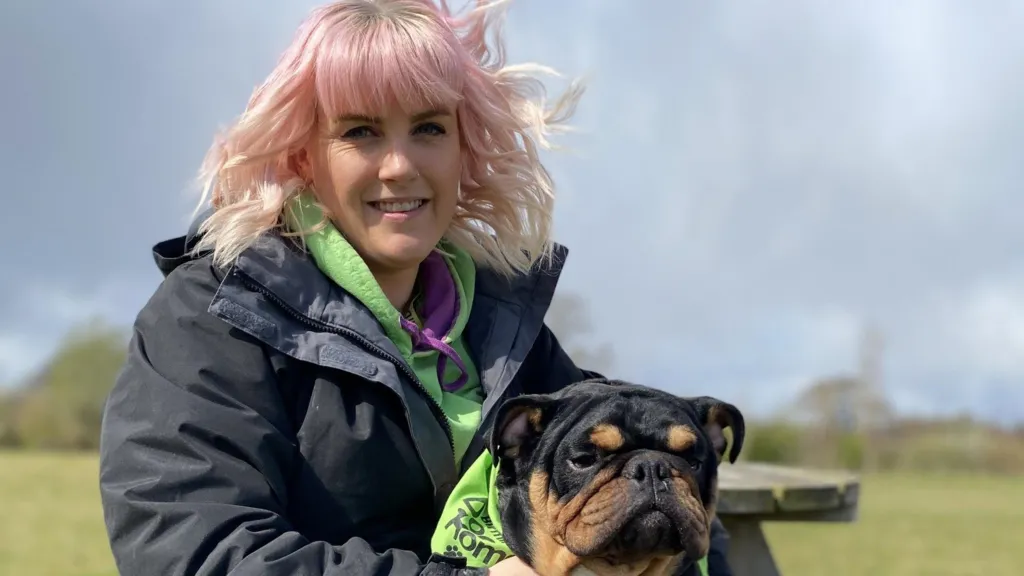
According to Hayley Gee, a representative from the charity, there has been a notable increase in dogs being surrendered by their owners who are unable to afford necessary treatment, contributing to the growing vet bills.
Gee highlighted instances where dogs had not received timely medical attention, stating that some cases involved dogs that should have been treated long ago or required immediate veterinary care.
The British Veterinary Association's president, Rob Williams, advised concerned pet owners to discuss financial concerns with their veterinarians, emphasizing that veterinarians are committed to supporting both animals and their owners.
This development comes amid findings by the Competition and Markets Authority that vet prices have increased at nearly twice the rate of inflation.
Earlier this year, veterinarians and animal charities informed the BBC that an increasing number of pet owners are either euthanizing their sick animals or delaying treatment due to escalating vet bills.
Warning: This story contains information that may be distressing for some readers.
Gee reiterated that the charity encounters cases where dogs have not received necessary medical attention in a timely manner, which can have severe consequences.
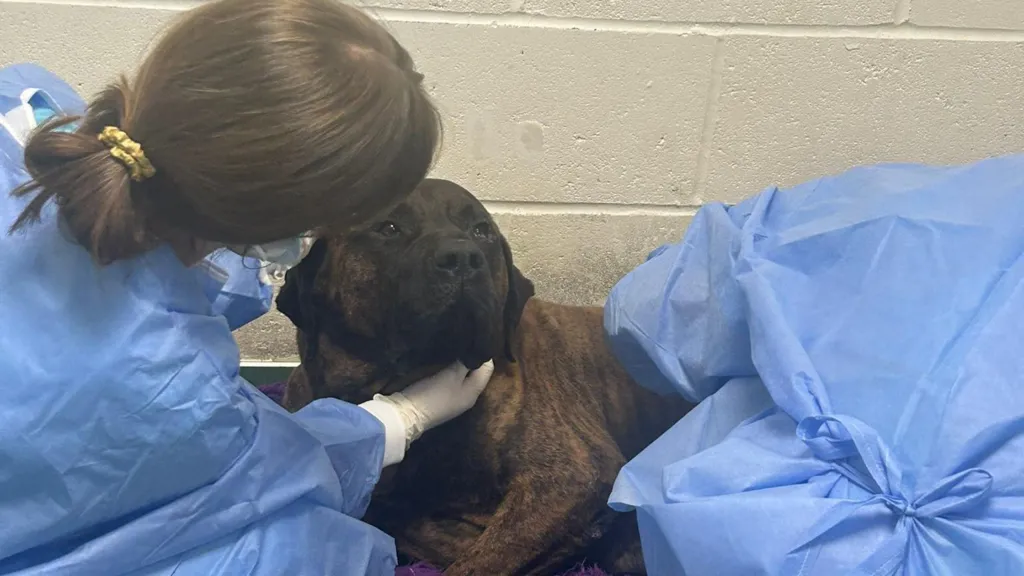
Recently, the charity took in a dog that had been tied to a post outside their gate, which was later found to have given birth to a litter of puppies, one of which had decomposed inside her.
The dog's condition was critical, and it is likely that she had experienced complications during the birth of her puppies, which may have resulted in the loss of the litter.
Fortunately, the dog survived, but her case illustrates the consequences of delaying necessary veterinary care, as her owners had chosen to surrender her to the charity instead of seeking immediate medical attention.
Gee noted that emergency procedures, such as a caesarean birth, can be costly, with prices ranging from £1,000 to £2,000, depending on the complexity of the treatment required.
The charity's vet bills have increased significantly, according to Gee, who attributed this rise to the growing number of dogs requiring medical attention.
Despite the financial challenges, Gee emphasized that the charity is committed to providing necessary treatment to dogs in need, as long as there is a reasonable chance of survival.
The charity spends approximately £400,000 annually on vet treatments alone, with some procedures, such as specialist surgeries, being particularly costly.
The charity's centre receives around 150 calls per month from individuals seeking to rehome dogs, making it increasingly difficult to find new homes for the animals in their care.
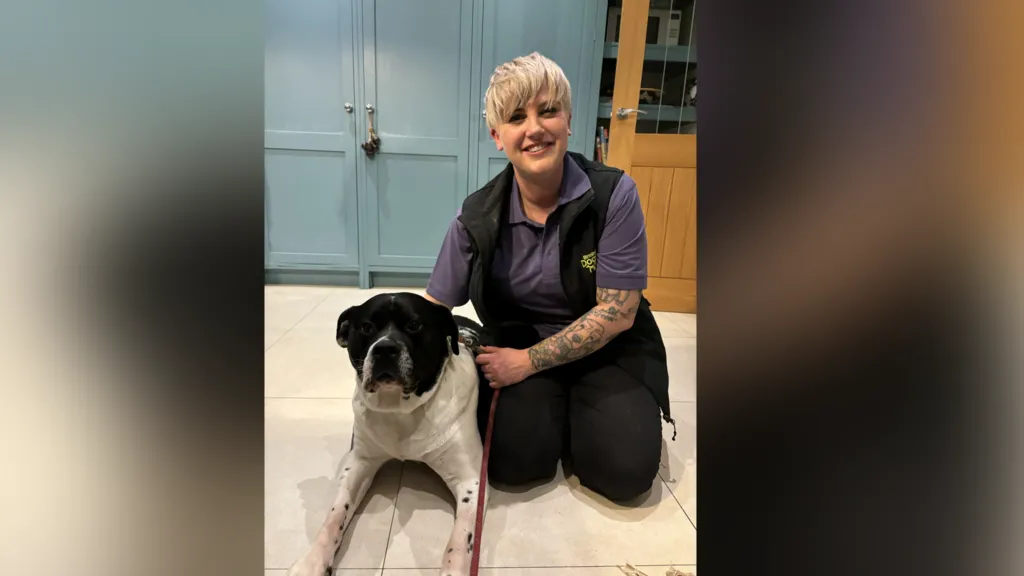
Over the past 12 months, the charity has experienced a decline in successful rehoming cases, with the number of rehomed dogs decreasing by half.
Gee attributed this decline to the fact that the charity takes in stray dogs, which can be more challenging to rehome, particularly larger breeds that are more expensive to care for.
As a result, potential adopters are becoming more cautious when considering rehoming a dog, making it more difficult for the charity to find new homes for the animals in their care.
The charity is constantly struggling to find space to accommodate new dogs, as their kennels are frequently at capacity.
Unfortunately, the charity's kennels do not remain empty for long, as there is always a steady stream of dogs in need of care and attention.
According to Williams, there are several factors contributing to the rise in vet fees, including advancements in veterinary treatments and the increasing expectation of pet owners to receive high-quality care for their animals.
Williams noted that veterinarians can now provide more advanced treatments than in the past, and pet owners are increasingly expecting human-level care for their pets, which comes at a significant cost.
News
Test your knowledge with our Valentine’s Day sports challenge
On February 14th, individuals can commemorate the holiday by participating in a quiz that incorporates a theme of love.
February 14th is here, and to mark the occasion, we're inviting you to test your knowledge with a quiz inspired by love and relationships.
We've compiled a list of seven sports personalities with names linked to Valentine's Day – see if you can identify them all.
For more quiz challenges, visit our Football Quizzes and Sports Quizzes sections, where you can also register for updates to receive new quizzes directly on your device.
As we look back to 2016, we're putting your sporting knowledge to the test – how well do you recall the major events from a decade ago?
The Women's Super League has featured numerous teams over the years – can you recall the names of every single one that has participated?
For an extensive range of sports-related quizzes, head over to our Sports Quizzes page.
The UK experienced a darts craze in the 1970s and 1980s, with the sport frequently featured on television and its top players becoming well-known figures.
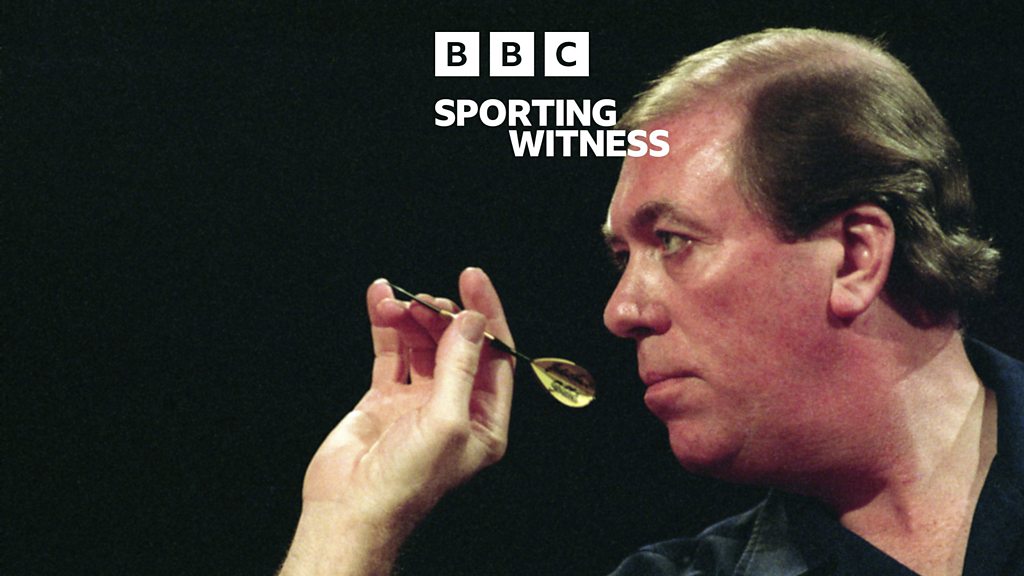
However, by 1989, the sport's popularity had begun to wane, with the world championship being the only event still broadcast on television.
In 1993, several top darts players, dissatisfied with the British Darts Organisation's efforts to maintain the sport's television presence, decided to break away and establish their own competitions.
This breakaway group eventually became the Players Darts Council in 1997, and it now oversees the sport's most prominent tournaments.
John Lowe MBE, a three-time world darts champion, was among the players who rebelled against the British Darts Organisation, and he recently shared his insights with Tim O'Callaghan.
The Sporting Witness series delves into the history of sports, using archival footage and firsthand accounts to recreate pivotal moments. Each nine-minute episode transports listeners to a bygone era, exploring memorable wins and losses through the eyes of those who lived them.
Recent episodes of Sporting Witness have examined a range of fascinating topics, including the early days of the Women's World Cup, a boxer's unlikely matchup against a plasterer, and the story of a man who swam the Amazon river. The series also profiles renowned athletes, such as decorated Paralympians, top tennis players, and trailblazing figure skaters, shedding light on their remarkable achievements and stories.
(Photo: John Lowe in action at the 1993 Darts World Championship. Credit: Mark Leech/Offside via Getty Images)
-
 News1 day ago
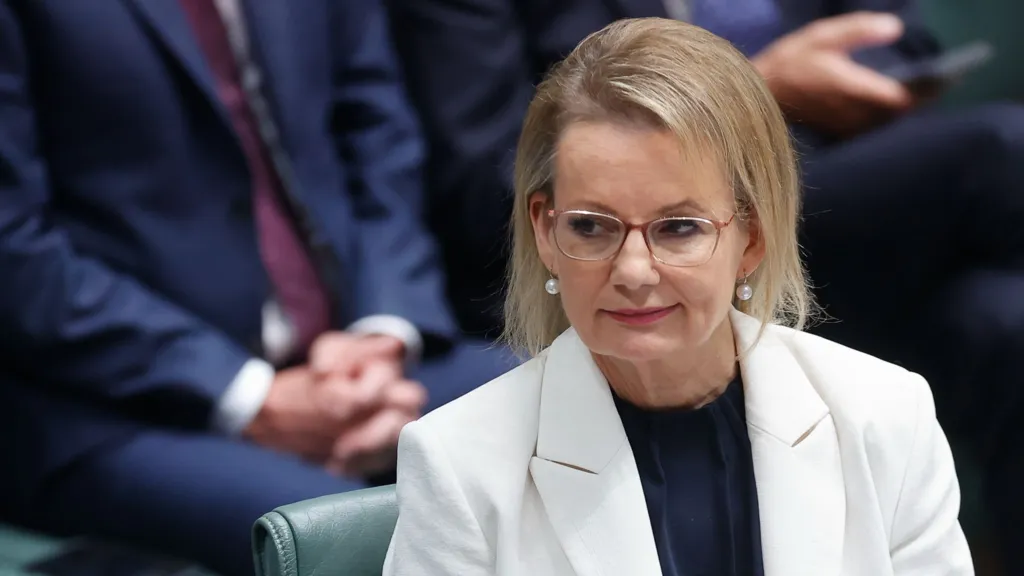
Australian Politics Faces Questions Over Gender Equality Amid Sussan Ley’s Appointment
-
 News1 day ago
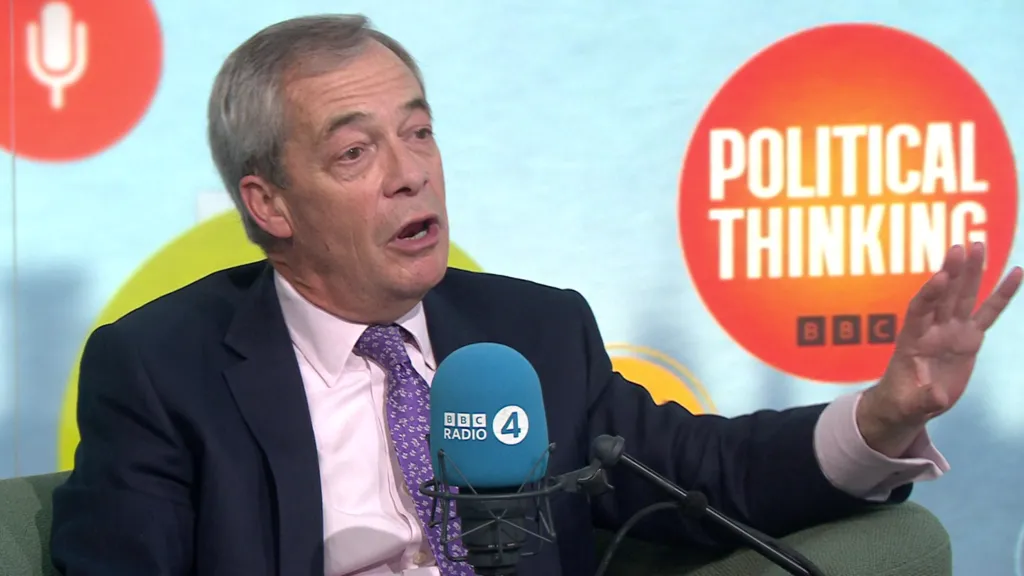
Farage Says Reform to Replace Traditional Tory Party
-
 News1 day ago
Husband’s alleged £600k theft for sex and antiques blamed on drug side effects
-
 News1 day ago
Wrexham Pair Seek Win Against Former Team Ipswich
-
 News1 day ago
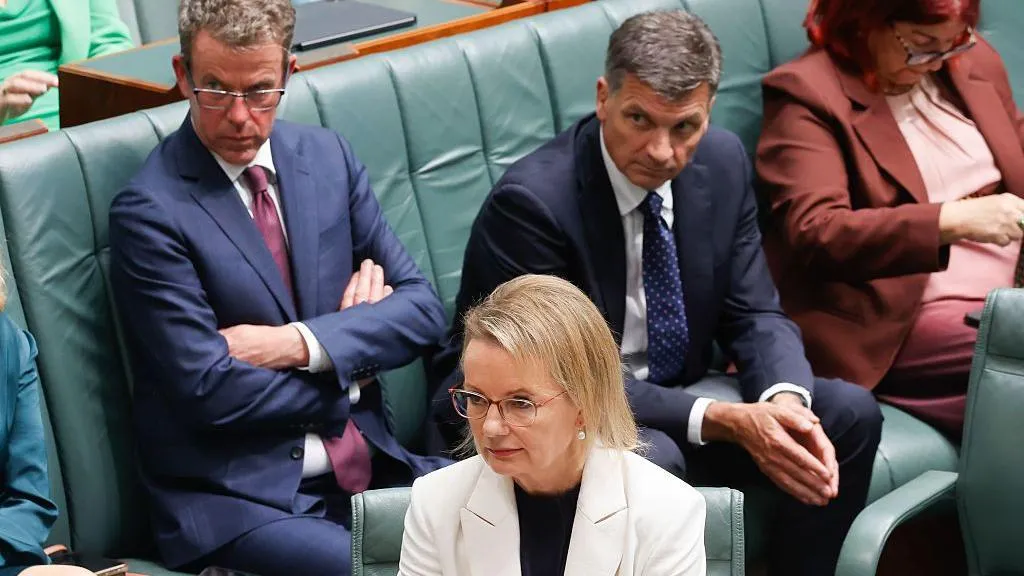
Liberal Party Removes Australia’s First Female Leader
-
 News1 day ago
UK Braces for Cold Snap with Snow and Ice Alerts Expected
-
 News3 days ago
Sunbed ads spreading harmful misinformation to young people
-
 Business1 day ago
BBC Reporter Exposed to Cyber Attack Due to Vulnerabilities in AI Coding Tool