
Asia
K-pop aspirants experience disappointment in Korea
The experiences of foreign trainees hoping to advance their careers reveal the complexities of a sector that is not well-regulated, presenting both possibilities and dangers.
The global phenomenon of K-pop has led to a surge in interest among young people worldwide, with South Korea emerging as a hub for aspiring performers seeking to launch their careers.

Every year, numerous individuals seize the opportunity to pursue their dreams by enrolling in programmes that claim to offer a route to success in the K-pop industry.
In 2024, one such individual, known as Miyu, whose name has been altered for anonymity, made the journey to South Korea in pursuit of a career in K-pop.
With aspirations of stardom, the teenager invested 3m yen ($19,800; £14,500) in a six-month course at a prestigious K-pop training academy in Seoul, which promised to provide professional instruction in dance and vocals, as well as opportunities to audition for prominent music agencies.
However, according to Miyu, who spoke to the BBC in the Hongdae neighbourhood, a area renowned for its vibrant music scene in Seoul, the academy failed to deliver on its promise of weekly auditions, leaving her disappointed and disillusioned.
According to her account, instructional sessions were sparse, and she also made a claim of being subjected to sexual harassment by a high-ranking employee. The company in question, which remains unnamed due to legal considerations, has refuted all allegations.
The allegations made by Miyu and her peers at the academy highlight the lack of oversight in the industry, where the prospect of career advancement often entails significant risks.
Interviews with two additional trainees who attended the same academy revealed similar concerns. One trainee also reported being sexually harassed by the same staff member, while another witnessed inappropriate conduct towards fellow trainees, although she did not personally experience it.
A common thread among their testimonies was the unfulfilled promise of audition opportunities, which they claimed were a key part of the programme.
The company countered this assertion, stating that audition opportunities were indeed available, and noted that its programmes had attracted nearly 200 international trainees since its establishment in the late 2010s.
In South Korea, institutions that provide K-pop training are typically categorized as either Hagwon, which are private academies overseen by the education department, or entertainment agencies that operate under different guidelines.
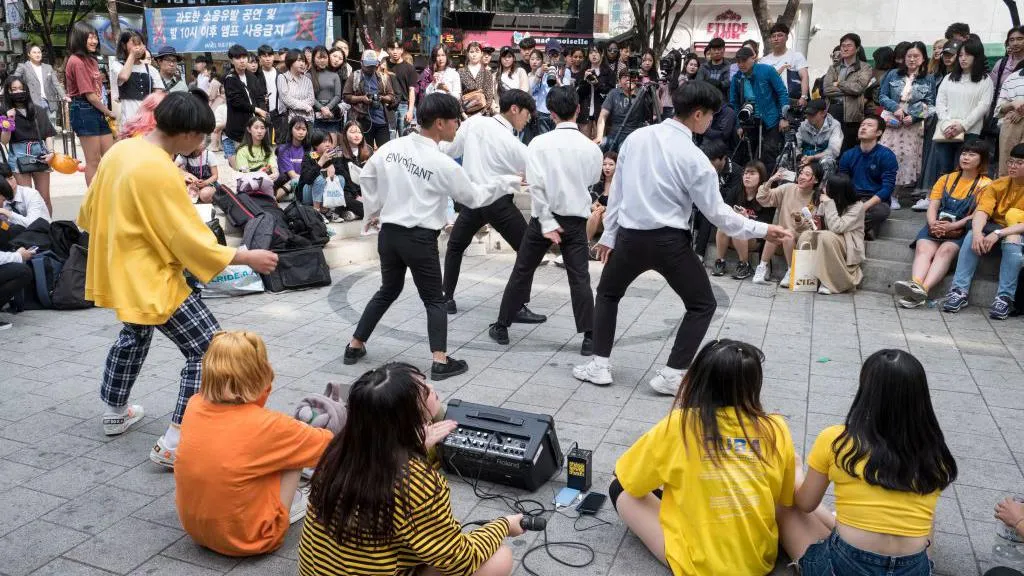
The entity Miyu was affiliated with is classified as an entertainment agency, which means it falls under the jurisdiction of the Ministry of Culture, rather than the education department, resulting in less stringent oversight, with approximately 5,800 such agencies in operation.
According to a local official, the training programs offered by these agencies are not subject to regulatory scrutiny or inspection, highlighting a gap in oversight.
A Ministry of Education official explained to the BBC that existing regulations do not prohibit entertainment and travel agencies from providing language and dance instruction to foreign students, making it challenging to regulate agencies that mimic academic institutions.
Miyu, still in her teens, reflected on her experience, stating, "I had aspirations of becoming an idol, but what I endured felt more like a deceptive scheme."
This location holds a mix of memories for me, serving as both the place where my dreams took shape and where I experienced traumatic events.
Miyu's introduction to K-pop occurred during her middle school years, marking the beginning of her interest in the genre.
The journey of Lisa, a Thai rapper-singer who gained global recognition as a member of the K-pop group Blackpink after moving to Korea as a teenager, served as a source of inspiration for Miyu.
Lisa's story is not unique in the current K-pop landscape, as groups such as Twice, featuring three Japanese and one Taiwanese member, and NewJeans, with a Vietnamese-Australian singer, demonstrate the industry's diversity. Additionally, Hearts2Heart, a group that debuted last year, includes the first Indonesian idol to enter the scene.
Achieving success in the highly competitive K-pop industry, as these groups have done, poses significant challenges. The industry is dominated by a few influential agencies, making it essential for aspiring stars to secure backing from one of these agencies in order to succeed in Korea.
South Korea's largest entertainment company, Hybe, which is home to prominent acts like BTS, maintains secrecy regarding the exact number of trainees it has at any given time.
Industry estimates suggest that the average number of trainees per company is approximately 20, while Hybe revealed to the Korea Herald in 2023 that roughly one-third of its trainees hail from outside Korea.
SM Entertainment, a major player in the industry, operates a specialized academy for K-pop hopefuls, with a significant proportion of its students originating from abroad, although the company has not disclosed specific numbers.
However, the overall number of new trainees is declining, as indicated by an industry report released in January.

According to agency reports, the number of trainees plummeted to 963 in 2024, representing a significant drop from the 1,895 trainees reported in 2020; meanwhile, the number of foreign trainees doubled from 2022 to 2024, reaching 42, but still constitutes a small fraction of the overall total.
The selection process for these programs is rigorous, with companies carefully considering the financial implications before making a decision.
On average, a trainee requires approximately two years to prepare for a debut, with only 60% ultimately succeeding, as stated in the report. Foreign trainees face additional hurdles, including language barriers, visa restrictions, and limited industry connections, which further reduce their already low chances of success.
Despite the challenges, many individuals, including Miyu, are drawn to the prospect of fame and decide to pursue this path. According to Miyu and two other trainees interviewed by the BBC, their academy primarily caters to international students, with no Korean students enrolled.
It is difficult to determine the exact number of foreigners who travel to South Korea to participate in these training programs, as they can enter the country on a tourist visa that allows them to stay for up to three months at a time.
Miyu alleged that shortly after arriving, her experience diverged from the promises made to her. She expressed disappointment with the quality of the dance and voice training, citing that it did not meet her expectations given the program's cost.
According to her account, a senior staff member started keeping a close eye on her location at all times. Approximately three months into the program, he allegedly took her out on an outing.
The staff member reportedly took her to a convenience store under the pretext of buying her ice cream, at which point he made physical contact with her, commenting on her physique.
Miyu stated that the staff member made several phone calls to her, including one instance where he requested a meeting to discuss photo shoot attire. During this meeting, he suggested she sit on his lap to review costumes, but she opted to sit on the armrest instead, an experience that left her uneasy around men's voices.
Elin, a former foreign trainee whose identity has been protected, also made allegations against the same staff member, claiming he had inappropriately touched her.

Elin recounted an incident where the staff member summoned her to a meeting room, asking to be left alone with her, and then proceeded to touch her waist while teaching her a Korean word related to anatomy.
Elin recalled a frightening experience, prompting her to reach out to a friend for immediate support via text message.
Similar concerns were raised by Miyu and another trainee interviewed by the BBC, who also claimed that a staff member would enter their dormitory room.
According to Elin, the staff member would occasionally visit their room at unusual hours, such as 2 or 3 am, under the pretext of performing maintenance tasks, like fixing the lights. On one occasion, she woke up to find him standing in her room, watching her.
Although the staff member left without incident, Elin stated that the encounter left her deeply unsettled, making it difficult for her to sleep afterwards due to fear.
In response to the BBC's inquiry, the company's legal representative issued a statement denying the allegations, citing internal policies that explicitly prohibit male staff members from entering female trainees' dormitories without being accompanied by a female staff member.
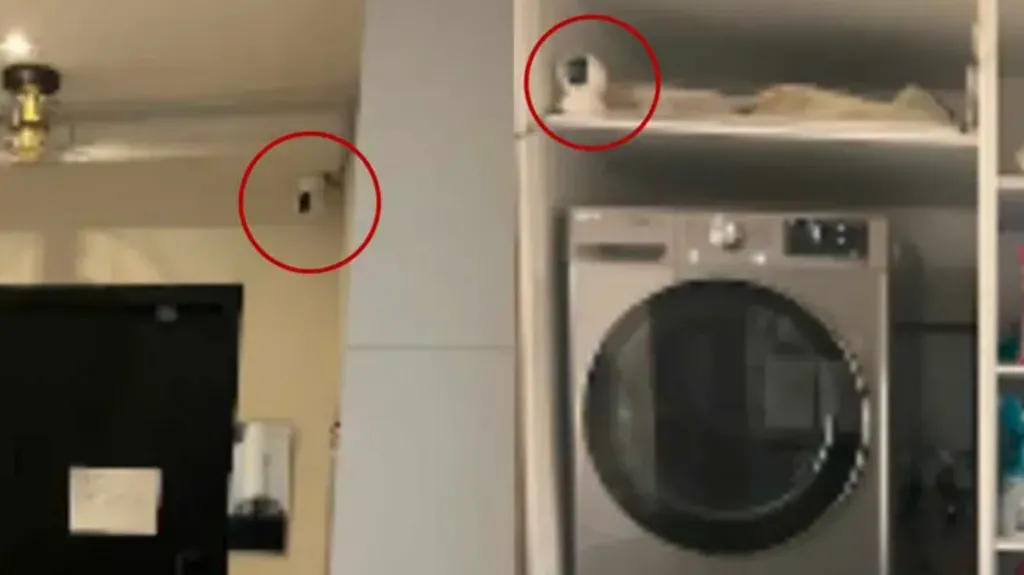
Allegations have been made by Elin, and also echoed by Miyu, that the practice rooms and female dormitories were equipped with CCTV cameras capable of recording both video and audio.
According to Elin, the CCTV system operated continuously, capturing both visual and audio footage, without her knowledge or consent. She also stated that a senior staff member would observe the trainees through the CCTV and provide feedback.
Elin recalled an instance where the staff member instructed a teacher to modify a dance routine, suggesting it was not sensual enough and needed to be made more appealing.
The company has disputed the claim that the staff member entered the female dormitory, stating that CCTV cameras were only installed in areas such as entrances and kitchens for security purposes, following previous incidents involving unauthorized individuals.
In a written statement to the BBC, the company's legal representative explained that the camera installation was announced beforehand and intended to protect the trainees. However, Elin maintains that she was not informed about this prior notification.
Elin ultimately withdrew from the programme and departed Korea.
In an interview with the BBC, the three girls explained that their initial silence was due to concerns that speaking out could jeopardize their aspirations in the K-pop industry. Additionally, they felt hesitant to inform their parents, who had invested significant amounts in their training in Korea, and faced obstacles such as a language barrier and an unfamiliar legal system.
Elin subsequently filed a police report, lodging a complaint against the staff member for alleged sexual harassment and trespassing. However, the case was dismissed by the authorities due to insufficient evidence, with the staff member denying all allegations. According to her lawyers, Elin intends to appeal the decision.
A separate complaint has been filed by Elin against the company, alleging breach of contract stemming from the purported incidents of sexual harassment, trespassing in the dormitories, and CCTV surveillance.
Despite the allegations, the company remains active in recruiting students and continues to promote its K-pop training programmes on social media, prompting a strong reaction from Elin upon discovering this.
According to her, the global popularity of K-pop also brings a certain level of accountability. She expressed her desire for aspiring young performers to have a more secure and protected space in which to pursue their ambitions.
Miyu's ambition to become an idol remains unwavering.
For Miyu, K-pop served as a source of motivation during difficult times, and she continues to harbor the dream of becoming an idol, undeterred by challenges.
Asia
Emergency call recording reveals boy’s heroic swim to save family
A 13-year-old boy, Austin Appelbee, took action to secure assistance for his mother and siblings when they were pulled out into the ocean.
An audio recording has been made public by authorities, capturing a distress call made by a 13-year-old Australian boy who swam for an extended period to seek assistance for his family after they were caught in a strong current at sea in early February.
During the call, the boy, identified as Austin Appelbee, informs emergency services that his brother, Beau, 12, sister, Grace, eight, and their mother remain in the water, awaiting rescue.
Austin expresses concern for his family's well-being, stating that he is unsure of their current condition, which is causing him significant distress.
The teenager also reports feeling severely exhausted, a result of his prolonged and physically demanding effort to reach shore and call for help.
Following the call, Austin lost consciousness and was hospitalized, where he later received news that his mother, brother, and sister had been rescued approximately 14 kilometers offshore and were in good health.
Asia
Australian opposition leader faces pressure after key staff member quits
The departure of a high-ranking colleague has created an opportunity for a potential challenge to Sussan Ley, who holds the distinction of being the first female leader of the Liberal party.
Sussan Ley, the first female leader of the Liberal Party, is facing renewed scrutiny following the departure of Angus Taylor, her shadow defence minister, from the party's leadership team.
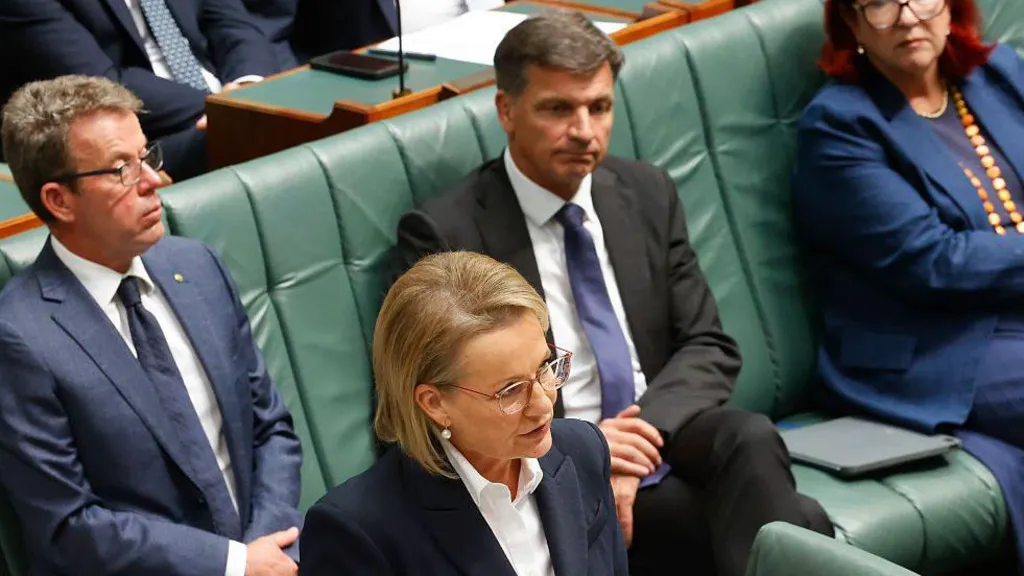
Taylor's resignation is expected to pave the way for a potential challenge to Ley's leadership, with local media outlets suggesting he has been quietly working to unseat her for some time.
Ley's tenure has been marked by struggles, including a narrow victory over Taylor in a leadership contest last year, which was held in the aftermath of the party's worst-ever electoral performance.
The Liberal-National coalition, a partnership that dates back to the 1940s, has experienced significant instability under Ley's leadership, having split and reunited twice during her tenure.
On Wednesday, Taylor, a member of the party's conservative faction, announced his resignation from the leadership team, citing his commitment to continuing to serve the Liberal Party.
In a statement to reporters, Taylor expressed his disappointment with the party's inability to hold the current Labor government accountable, emphasizing the need to protect Australians' way of life and restore their standard of living.
Taylor stated that he does not believe Ley is capable of leading the party effectively, citing the need for a change in leadership.
It remains to be seen whether Taylor's allies within the shadow cabinet will follow his lead and resign from their positions.
Local media reports suggest that Taylor's supporters are planning to request a special party meeting to consider a spill motion, which would allow the party to reconsider its leadership.
If Taylor were to succeed in his bid for leadership, it would bring an end to the ongoing speculation surrounding Ley's tenure, which has been marred by uncertainty.
The coalition's most recent split, which occurred in January, was followed by a reunification just days ago, after a dispute over hate speech laws, which Ley had supported in the wake of the Bondi Beach attack in December.
At the time of the initial split, Nationals leader David Littleproud explicitly stated that his party could not continue to serve in a shadow cabinet under Ley's leadership.
Recent polling data has shown the One Nation party, which secured 6% of the national vote in the previous election, surpassing the Coalition to take second place behind Labor, while Ley's personal approval ratings remain low.
The coalition has yet to reach a consensus on the factors that contributed to its decisive election loss to Labor, which saw the Liberals suffer significant losses in major cities.
In the aftermath of the election, the coalition briefly split over disagreements on climate and energy policy, including its commitment to achieving net-zero emissions by 2050, a policy that the Liberals later abandoned under pressure from the Nationals and their own right-wing faction.
The Nationals, which have a strong presence in rural areas and tend to lean more conservative than the Liberals, have been pushed further to the right in response to the surge in support for the One Nation party, according to political analysts, who note that this shift may hinder the Liberals' ability to appeal to centrist voters in urban areas.
Asia
India sets 3-hour deadline for social media firms to remove illegal content
Concerns have been raised that the regulations may pose a difficulty for tech companies in terms of compliance and potentially lead to increased censorship.
In a significant update to its existing regulations, India has implemented new rules requiring social media companies to delete unlawful content within a three-hour window after being notified, a substantial reduction from the previous 36-hour timeframe.
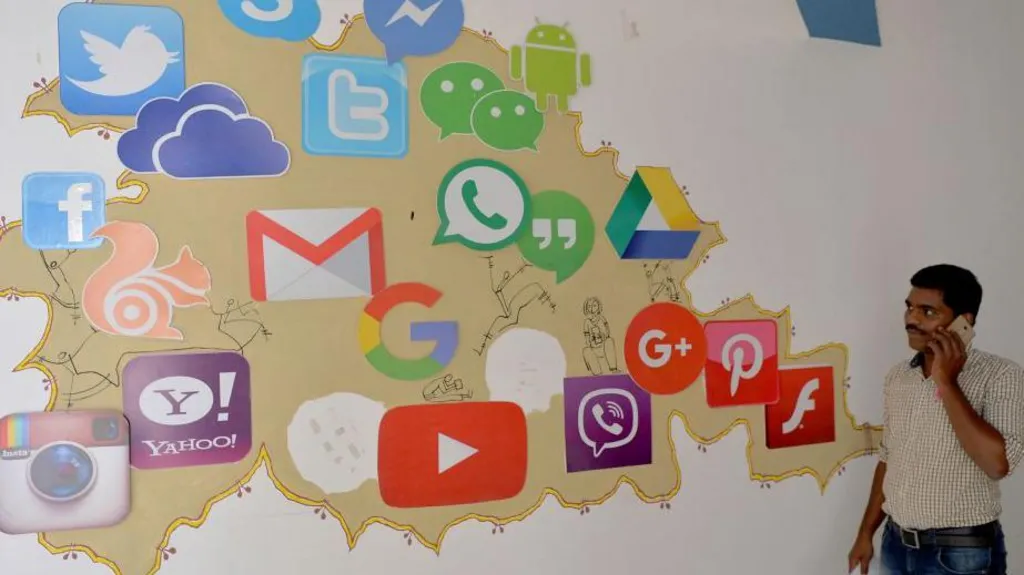
These revised guidelines, set to come into effect on February 20, will apply to prominent platforms such as Meta, YouTube, and X, as well as content generated using artificial intelligence.
The government has not provided a specific reason for shortening the deadline for removing objectionable content.
Critics, however, are concerned that this move may be part of a broader effort to increase oversight of online content, potentially leading to censorship in a country with over a billion internet users, which is the world's largest democracy.
In the past, Indian authorities have utilized existing Information Technology rules to direct social media platforms to remove content deemed illegal under laws related to national security and public order, granting them broad authority over online content.
According to transparency reports, Indian authorities requested the removal of more than 28,000 URLs or web links in 2024, which were subsequently blocked.
The BBC has sought comment from the Ministry of Electronics and Information Technology regarding the latest amendments, while Meta has declined to comment; the BBC has also reached out to X and Google, the owner of YouTube, for their response.
The updated regulations also introduce new guidelines for AI-generated content, marking a significant development in the country's approach to regulating online material.
For the first time, Indian law defines AI-generated content, including audio and video that has been created or altered to appear realistic, such as deepfakes, while excluding ordinary editing, accessibility features, and genuine educational or design work.
Platforms that allow users to create or share AI-generated content must clearly label it, and where possible, add permanent markers to facilitate tracing its origin.
Once labels are added to AI-generated content, companies will not be permitted to remove them; furthermore, they must utilize automated tools to detect and prevent the dissemination of illegal AI content, including deceptive or non-consensual material.
Technology experts and digital rights groups have expressed concerns regarding the feasibility and implications of the new regulations.
The Internet Freedom Foundation has stated that the shortened timeline will effectively transform platforms into "rapid fire censors," highlighting the potential risks associated with the updated rules.
The group has argued that the extremely short deadlines will eliminate the possibility of meaningful human review, forcing platforms to rely on automated removals, which may lead to over-removal of content.
Anushka Jain, a research associate at the Digital Futures Lab, has welcomed the requirement for labeling AI-generated content, suggesting that it could enhance transparency; however, she has also cautioned that the three-hour deadline may push companies towards complete automation.
Jain has noted that companies are already struggling to comply with the 36-hour deadline due to the need for human oversight, and that a fully automated process may result in the censorship of legitimate content.
Prasanto K Roy, a Delhi-based technology analyst, has described the new regulations as "perhaps the most extreme takedown regime in any democracy," highlighting the challenges associated with compliance.
Roy has stated that meeting the new requirements will be "nearly impossible" without extensive automation and minimal human oversight, as the tight deadline leaves little room for assessing the legitimacy of removal requests.
Regarding the labeling of AI-generated content, Roy has acknowledged the positive intention behind the regulation but has also noted that reliable and tamper-proof labeling technologies are still in development.
The BBC has requested a response from the Indian government regarding the concerns raised by technology experts and digital rights groups.
-
 News10 hours ago
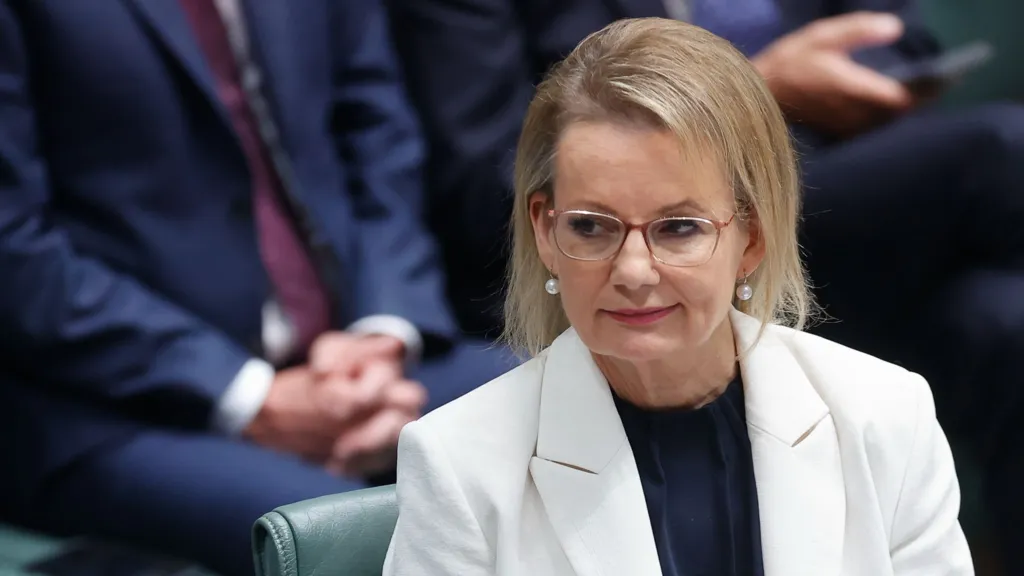
Australian Politics Faces Questions Over Gender Equality Amid Sussan Ley’s Appointment
-
 News7 hours ago
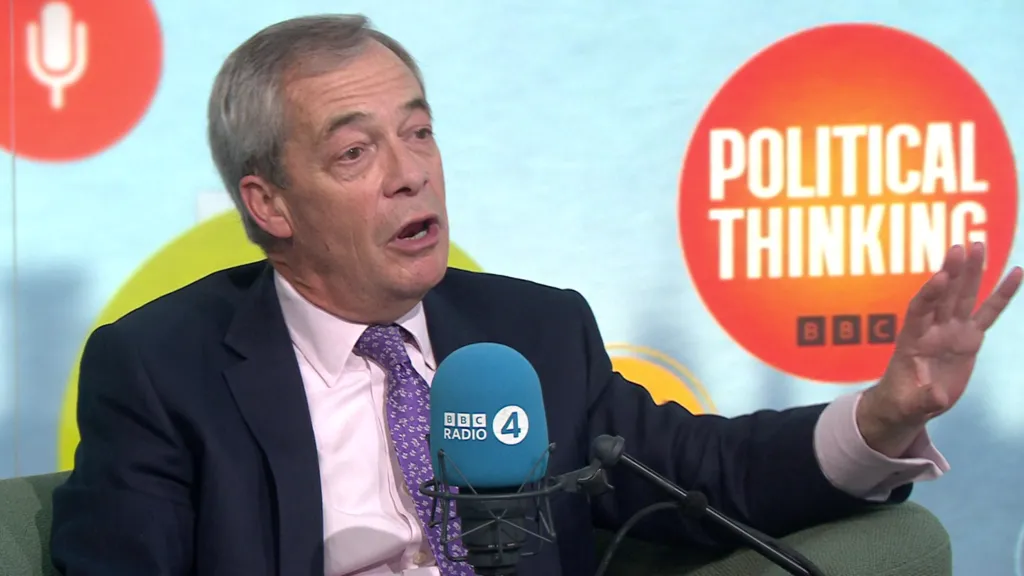
Farage Says Reform to Replace Traditional Tory Party
-
 News7 hours ago
Wrexham Pair Seek Win Against Former Team Ipswich
-
 News12 hours ago
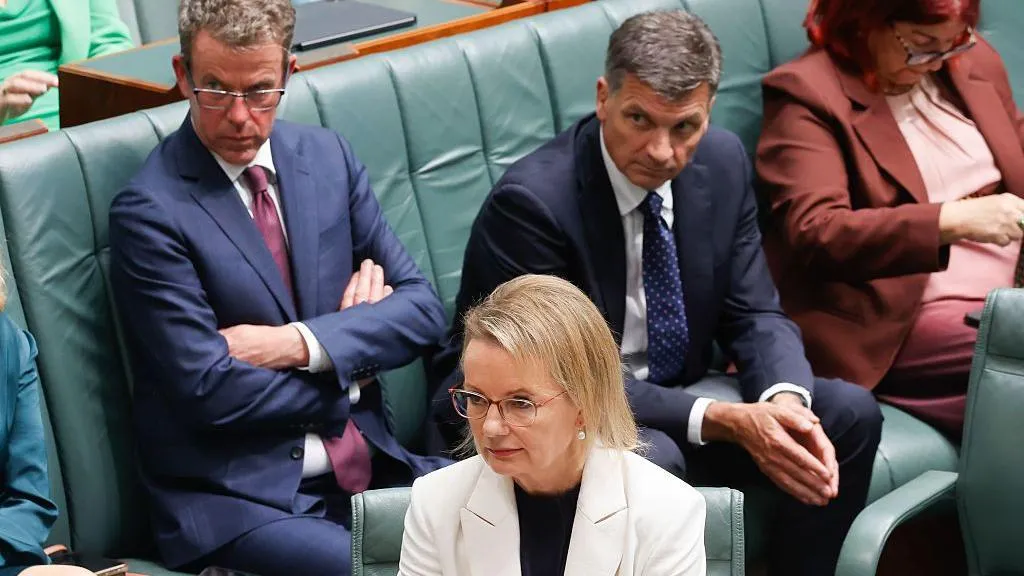
Liberal Party Removes Australia’s First Female Leader
-
 News10 hours ago
UK Braces for Cold Snap with Snow and Ice Alerts Expected
-
 News7 hours ago
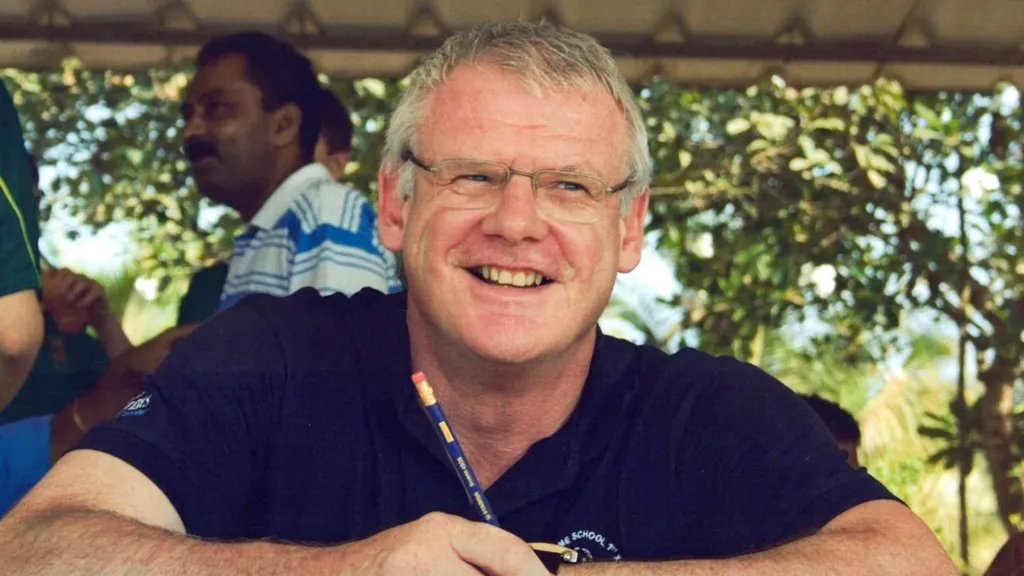
Husband’s alleged £600k theft for sex and antiques blamed on drug side effects
-
 News2 days ago
Sunbed ads spreading harmful misinformation to young people
-
 Business13 hours ago
BBC Reporter Exposed to Cyber Attack Due to Vulnerabilities in AI Coding Tool