
Middle East
Iranians weigh in on potential US assistance
A segment of the Iranian population is seeking US involvement, while another faction expresses concern that such intervention may not yield the peaceful outcome that demonstrators are striving for.
The issue of US involvement in Iran holds a personal significance for Mojdeh and her spouse, given their recent experiences.
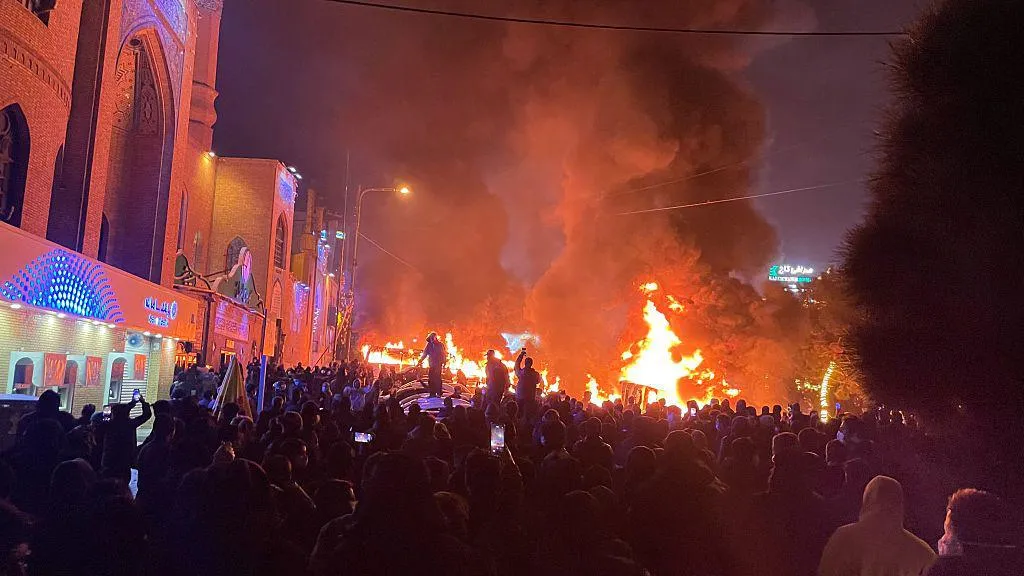
A planned visit to Tehran in early January, which was intended to be a brief trip from their residence in Washington, DC, to see family members, took an unexpected turn as protests erupted and flights were cancelled, leaving the couple stuck in a city that was rapidly becoming increasingly unstable.
According to Mojdeh, daily life came to a standstill, particularly during nighttime hours when internet access and phone networks were unavailable, creating an atmosphere of disruption.
Initially, Mojdeh and her husband had no intention of participating in the protests; however, on the evenings of January 7 and 8, they found it difficult to avoid being drawn into the events unfolding around them.
As Mojdeh recalled, it was almost impossible not to be aware of the protests, simply by virtue of being outside; the BBC has chosen to withhold her real name, as well as that of her husband, in order to protect their identities.
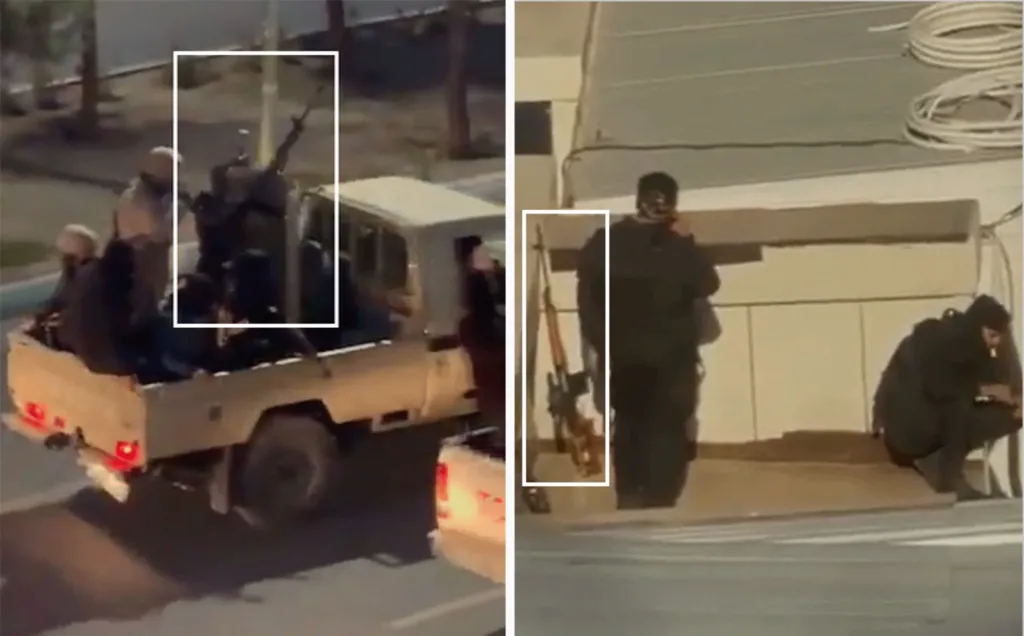
A nighttime stroll after dinner revealed a city in chaos, with throngs of people packing the streets and security personnel struggling to maintain order in certain areas.
The scene was likened to a citywide occupation, with one observer noting that the crowds had taken over the streets of Tehran.
Widespread protests swept across Iran in the days leading up to the new year, initially driven by economic struggles and a sharp decline in the value of the currency, but soon evolving into demands for the dissolution of the Islamic Republic. The situation escalated further when security forces employed lethal force in response.
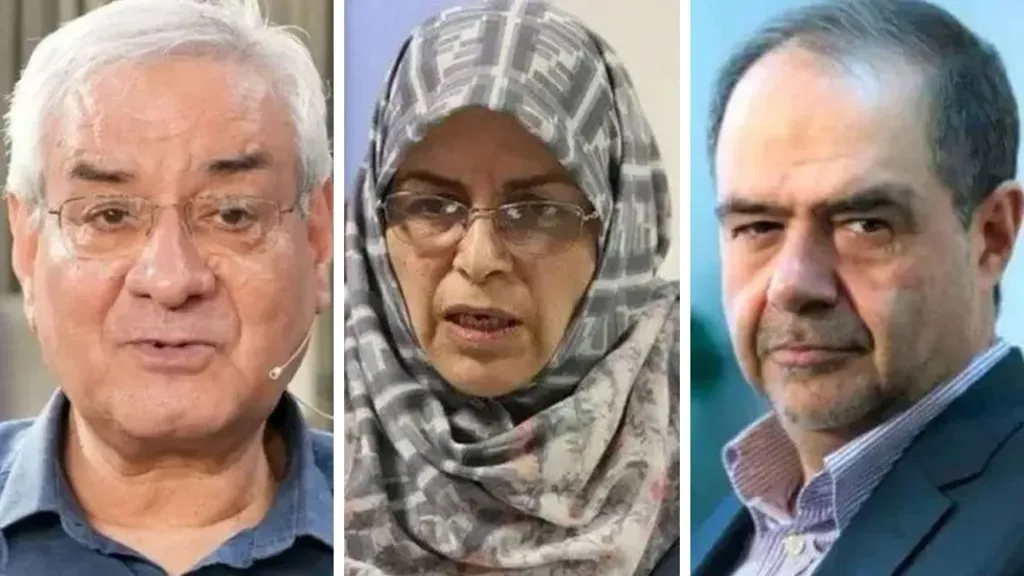
Determining the exact number of fatalities has proven challenging due to the internet blackout and limited independent reporting in Iran. Estimates vary, with the US-based Human Rights Activists News Agency (HRANA) confirming over 6,000 protester deaths, while Iran Human Rights, based in Norway, suggests the total could surpass 25,000. Iranian authorities have reported at least 3,117 deaths, attributing most to security personnel or bystanders and placing blame on "rioters".
US President Donald Trump has consistently expressed support for the Iranian protesters. Following talks between US and Iranian officials, Trump described the discussions as "very good" while aboard Air Force One, adding that Iran appears eager to reach a deal.
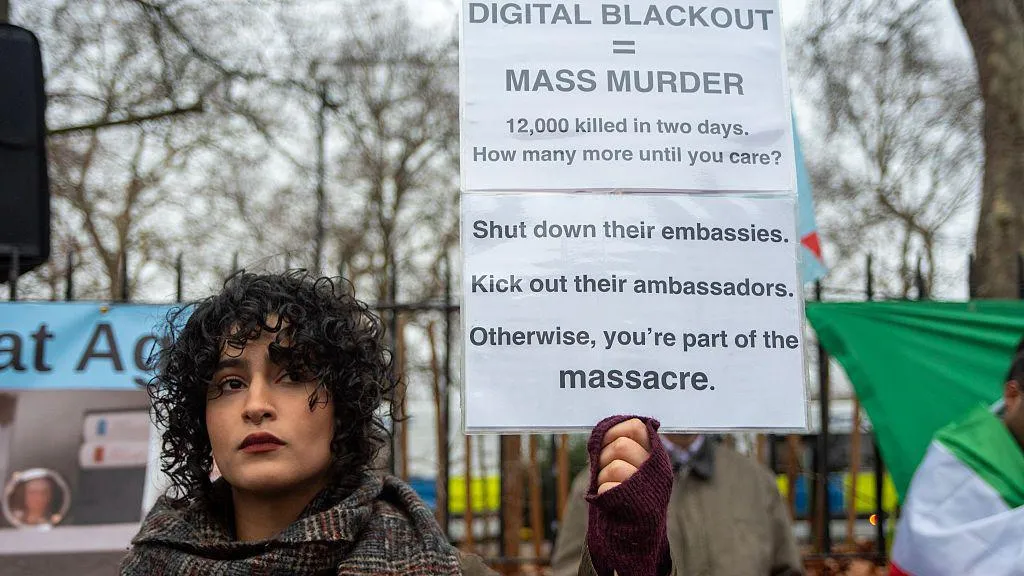
Recalling the protests in her homeland, Mojdeh's voice trembled as she painted a vivid picture of chaos: individuals fleeing, cries of outrage, and brutal violence – images that lingered in her mind long after she and her family escaped Iran.
Mojdeh's husband had a different perspective on the situation, shaped by his connections to friends and family in Iran, where the notion of US military intervention was viewed not as an act of aggression, but rather as a form of assistance.
Now residing in the US, the couple acknowledges the sense of desperation that drove the protests, yet they remain uncertain about whether external intervention can truly provide the outcomes that demonstrators are seeking, including not only a change in government, but also basic human rights, financial stability, and liberty.
Observing from afar, they are concerned about the potential consequences of conflating devastation with deliverance, and the impact this could have on the people of Iran.
In the aftermath of the violent suppression of anti-government protests and a near-complete internet shutdown, Iranians both within and outside the country continue to debate the question of whether the US should intervene, weeks after the initial unrest.
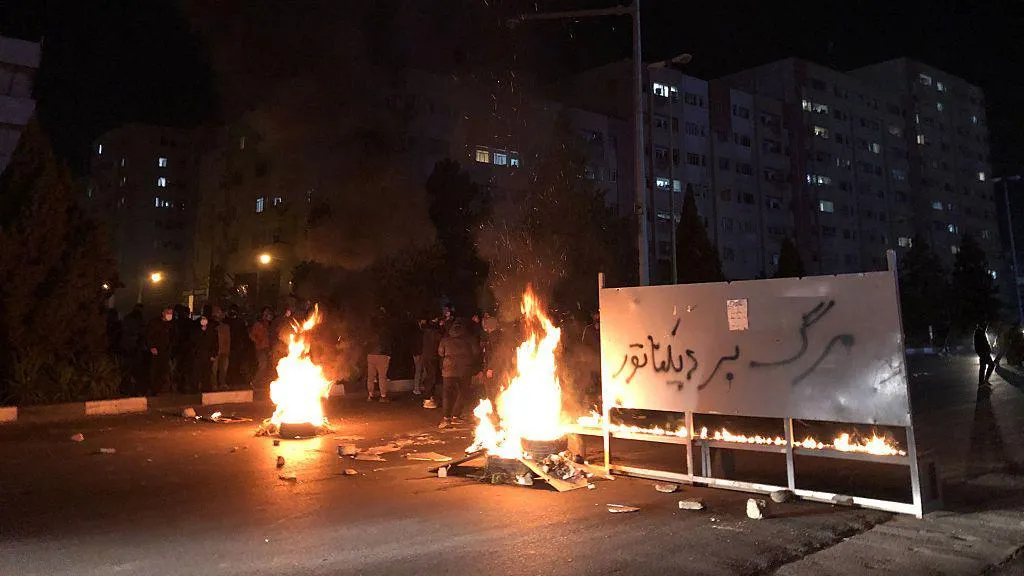
A California-based Iranian-American, Shirin, continues to hold out hope for external assistance in addressing the situation.
Shirin, a 52-year-old who has chosen to keep her surname private due to concerns about her family's safety in Iran, emphasized that the international community must take action to halt the violence and prevent wider global instability, stating, "If the international community truly wants to stop the violence and prevent further global instability, action is required."
Shirin drew an analogy to illustrate her point, saying, "When the head of the snake is not cut off, the venom spreads — beyond borders, beyond regions, beyond generations," highlighting the potential far-reaching consequences of inaction.
However, some members of the Iranian diaspora express concerns that foreign intervention could have unintended consequences, particularly for family members still residing in Iran under the current regime.
Roozbeh Farahanipour, a former student activist who was imprisoned in Iran and now owns a restaurant in Los Angeles, shared his anxieties with the BBC, stating that he is "constantly worried" about the potential impact of US intervention on his loved ones.
The extent of the casualties and the number of people unaccounted for remains unclear, making it difficult to extend condolences and offer support to the affected families, he noted.
While international assistance is necessary, he cautioned against foreign intervention, citing the complex history and risks associated with US involvement, and instead emphasized the importance of internal regime change.
Farahanipour emphasized that the key to achieving significant change lies in the collective power of unity, discipline, and mass mobilization, as evidenced by the large crowds and the defection of regime loyalists, which can lead to a more decisive internal collapse than any external influence.
A 43-year-old Iranian-born man, who has resided in the US for 21 years, recounted his shift in perspective, having initially supported reform within Iran's political system and typically voted for moderate US presidential candidates, but around 2014, he lost faith in the system.
Recalling the cyclical pattern of protests, promises, and subsequent crackdowns, including those in 2009, Ali expressed skepticism, and, wishing to maintain his anonymity, requested that his last name not be disclosed.
He noted that previous instances of violence have resulted in loss of life, yet minimal progress was achieved. In his assessment, the current regime is incapable of reform and can only be toppled with external pressure.
The approach he advocates for involves targeted military action focused on key infrastructure and leadership, rather than civilian populations. He distinguishes between intervening at the behest of a nation's people and launching a full-scale attack on a country.
According to him, a growing number of Iranians now support some level of US involvement, driven not by trust in American intentions, but by a sense of desperation and lack of alternative solutions.
Hemad Nazari, a 36-year-old Iranian activist and photographer who relocated to Denmark in 2015, shares a similar perspective on the situation.
Nazari posed a question, "What options are available for negotiating with this regime?"
According to him, external involvement could alter the current situation. He emphasized that the ideal moment for intervention was in the past, but the next best opportunity is the present.
As an independent individual unaffiliated with any organization or political entity, Nazari established a platform to disseminate eyewitness accounts from Iran, especially during periods of unrest and internet disruptions. When blackouts occur, Iranians use alternative means such as Starlink to send him messages, which he then posts on his social media accounts, including X, where he has amassed a following of over 21,000.
Nazari's network, which was launched in 2019, has expanded significantly, making it impossible for him to return to Iran due to the risk of arrest. In recent weeks alone, he has received over 500 direct messages, he stated.
Nazari reported that the individuals he communicates with in Iran believe that intervention is their only viable option. They express a sense of desperation, stating that they have already taken to the streets and suffered casualties, leaving them with no alternative.
Many Iranians, he noted, hold the view that while civilian casualties are a possibility, without some form of intervention, the status quo will persist unchanged.
Although protests have subsided, restrictive measures persist in various guises.
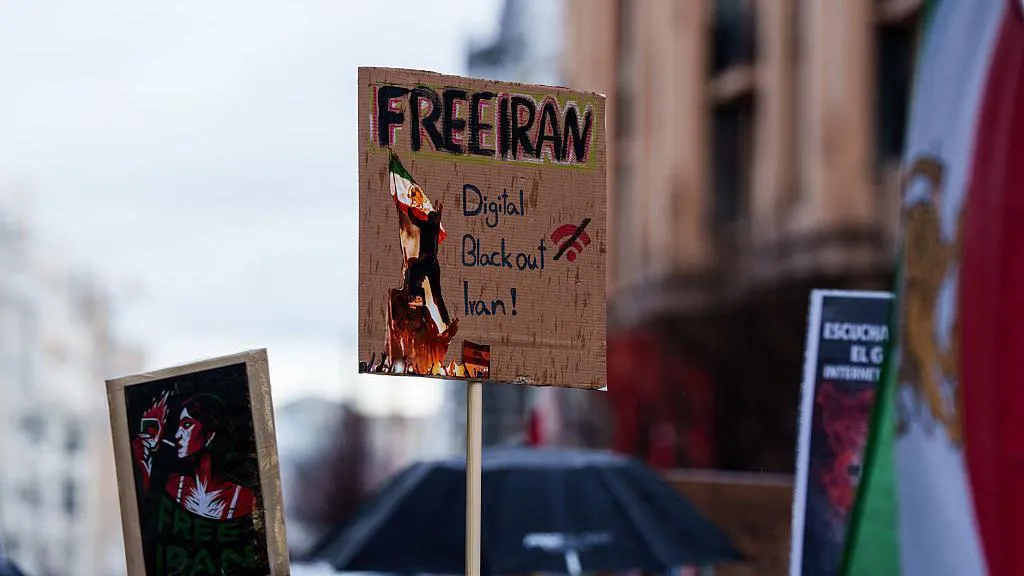
According to Iran Human Rights, a nonpartisan organisation, approximately 40,000 individuals have been taken into custody since the onset of the protests. The organisation has expressed grave concerns regarding the treatment and whereabouts of those detained or missing, citing instances of denied legal representation and undisclosed detention locations.
Reports have surfaced, as documented by both Iran Human Rights and the Human Rights Activists News Agency, of security personnel conducting raids on medical facilities and apprehending staff members who provided care to injured protesters. However, the head of Iran's Medical Council Organization has stated that no medical professionals have been arrested for treating protesters, contradicting these claims.
While the internet blockade has been partially lifted, numerous online services remain inaccessible or unstable.
The discussion among Iranians, both domestically and internationally, about potential US intervention has become increasingly personal and urgent, driven by emotions of sorrow, anxiety, and fatigue, as well as a mounting sense of urgency.
Shirin has found it challenging to follow the recent developments from a distance, spanning the past month.
Shirin expressed her distress, stating, "The situation is heartbreaking, both as an Iranian and as a person." She emphasized that her concern extends beyond her family, affecting approximately 90 million people.
Middle East
BBC reports from Tehran as Iran commemorates Islamic revolution anniversary
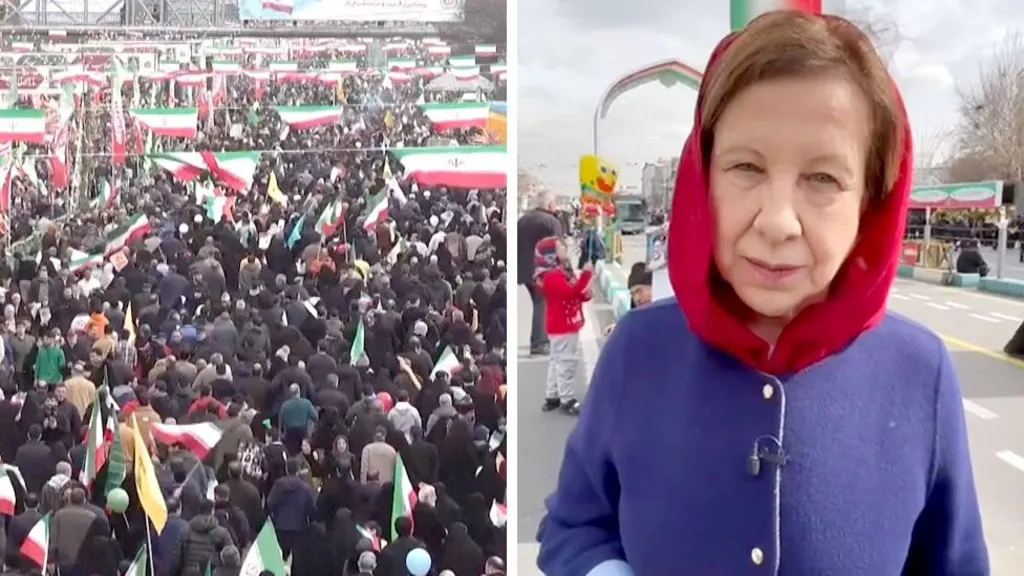
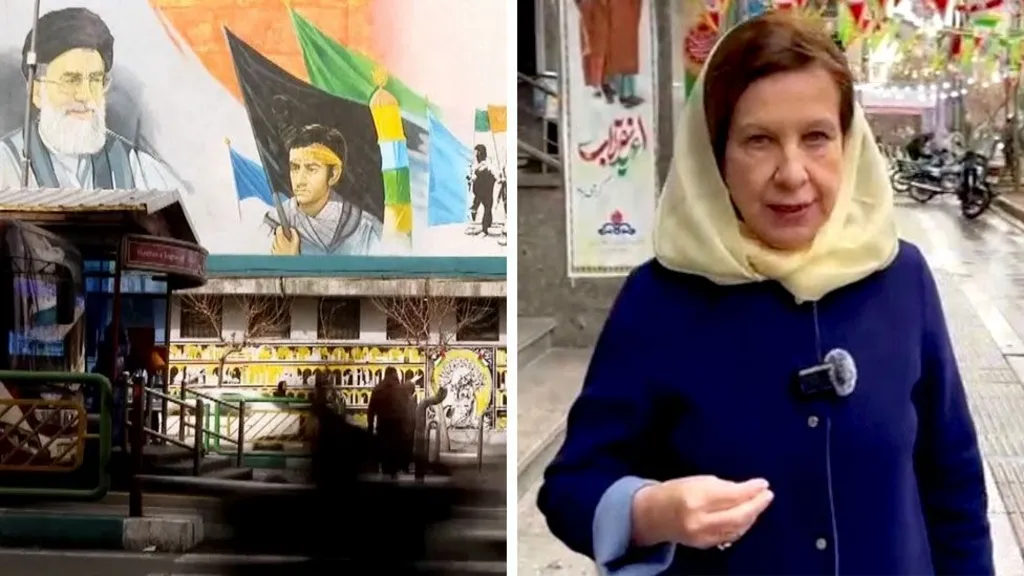
BBC correspondent Lyse Doucet has arrived in Iran, marking her first visit to the country since authorities suppressed widespread demonstrations against the government.
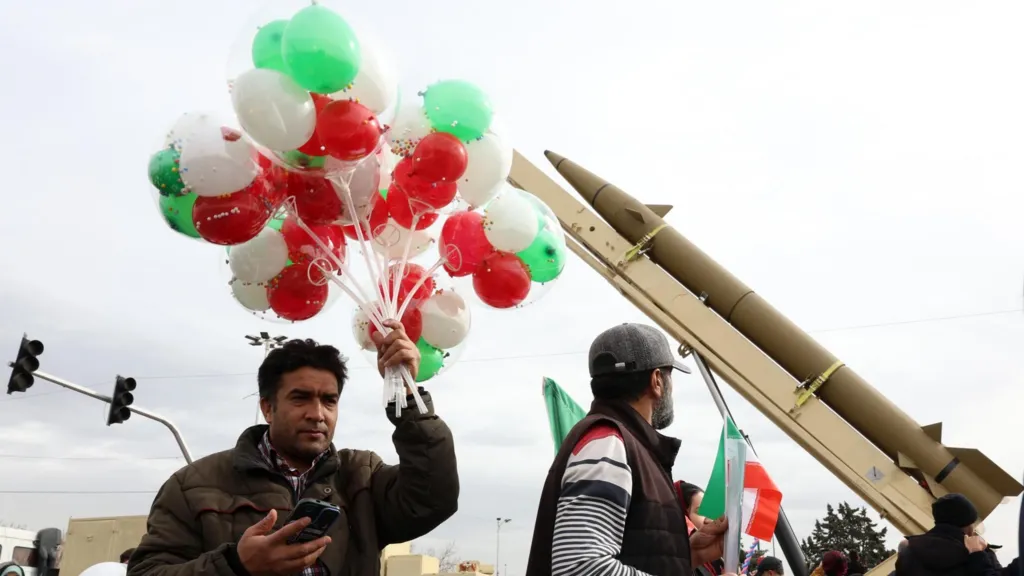
Iran's government has staged a display of strength to commemorate the 47th anniversary of the Islamic revolution, following a period of intense repression of anti-government demonstrations.
The BBC has gained access to Tehran for the first time since the authorities' crackdown on protests, which resulted in the deaths of at least 6,490 people, according to estimates by human rights activists.
Lyse Doucet, the BBC's chief international correspondent, observes that the capital's streets, adorned with festive decorations and filled with crowds of supporters, reflect the government's desired image of a unified nation, with Iranians demonstrating their allegiance to the Islamic Republic and its founding revolution.
Middle East
BBC reports from Tehran for the first time since the protest crackdown
In Iran, the aftermath of the government’s crackdown on protests remains a sensitive issue, with the effects of the unusually strong measures still being felt, according to Lyse Doucet, reporting from the country.
For the first time since a nationwide crackdown on anti-government demonstrations, a BBC team has entered Iran to report on the current situation.
As Iran commemorates the 47th anniversary of the Islamic Revolution, the streets of Tehran are adorned with festive decorations, yet the memory of the recent protests and the subsequent use of force by security personnel remains a sensitive issue.
According to human rights activists, the confirmed number of protester fatalities stands at a minimum of 6,400, although they caution that the actual death toll may ultimately be significantly higher.
Asia
Indonesia plans to deploy up to 8,000 troops to Gaza
As part of the second phase of the ceasefire agreement facilitated by the US in the previous year, this nation would become the first to take such action.
Indonesia is making preparations to deploy a contingent of up to 8,000 soldiers to Gaza, marking the first such commitment under the second phase of a ceasefire agreement facilitated by the United States towards the end of last year.
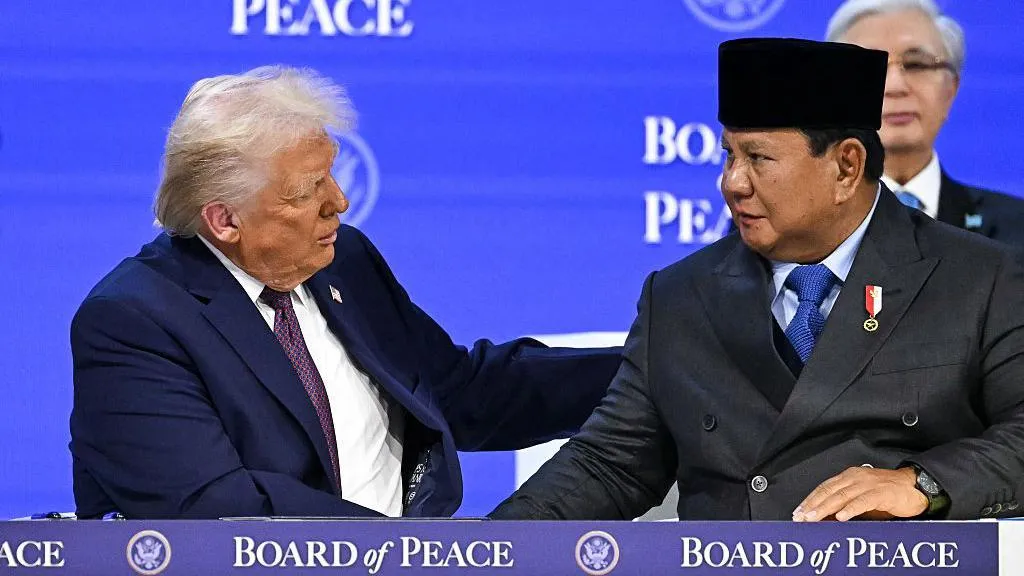
According to General Maruli Simanjuntak, the army's chief of staff, training for these troops is already underway, with a focus on providing medical and engineering support in Gaza.
Indonesia has recently joined the Board of Peace initiated by President Donald Trump, an announcement that was made last month.
The United Nations Security Council has given Indonesia a mandate to establish an International Stabilization Force, tasked with securing border areas in Gaza and overseeing the demilitarization of the territory, including the disarmament of Hamas.
The Board of Peace, scheduled to convene for the first time in Washington on February 19, will also play a role in overseeing the establishment of a new technocratic government in Gaza and guiding post-conflict reconstruction efforts.
While the specifics of the Indonesian troop deployment, including timing and role, have yet to be finalized, it appears that President Prabowo Subianto is moving forward with the plan.
President Subianto's decision to participate in Trump's Board of Peace has drawn criticism from certain Islamic groups within Indonesia, where there is significant public discontent regarding the US role in Israel's military actions in Gaza.
President Subianto has countered that, as the world's most populous Muslim nation, Indonesia has a responsibility to contribute to stabilizing Gaza, with the ultimate goal of achieving a two-state solution to the Israeli-Palestinian conflict.
A report by Israel's public broadcaster Kan indicates that a location in southern Gaza, situated between Rafah and Khan Younis, has been designated for the Indonesian army to construct barracks that will accommodate several thousand troops.
Other Muslim countries, including Turkey and Pakistan, are considering troop deployments as well, but have emphasized that their roles would be limited to peacekeeping and would not involve participation in the planned disarmament of Hamas.
However, given Hamas's refusal to disarm as long as Israel maintains its presence in parts of Gaza, a lasting peace that an international force could support has yet to be achieved.
-
 News8 hours ago
Australian Politics Faces Questions Over Gender Equality Amid Sussan Ley’s Appointment
-
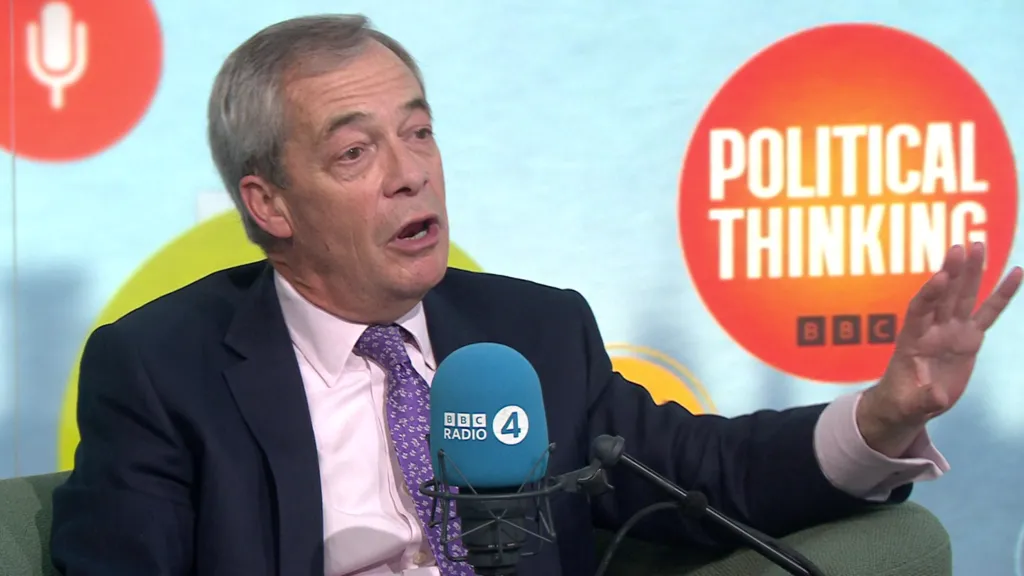 News5 hours ago
Farage Says Reform to Replace Traditional Tory Party
-
 News5 hours ago
Wrexham Pair Seek Win Against Former Team Ipswich
-
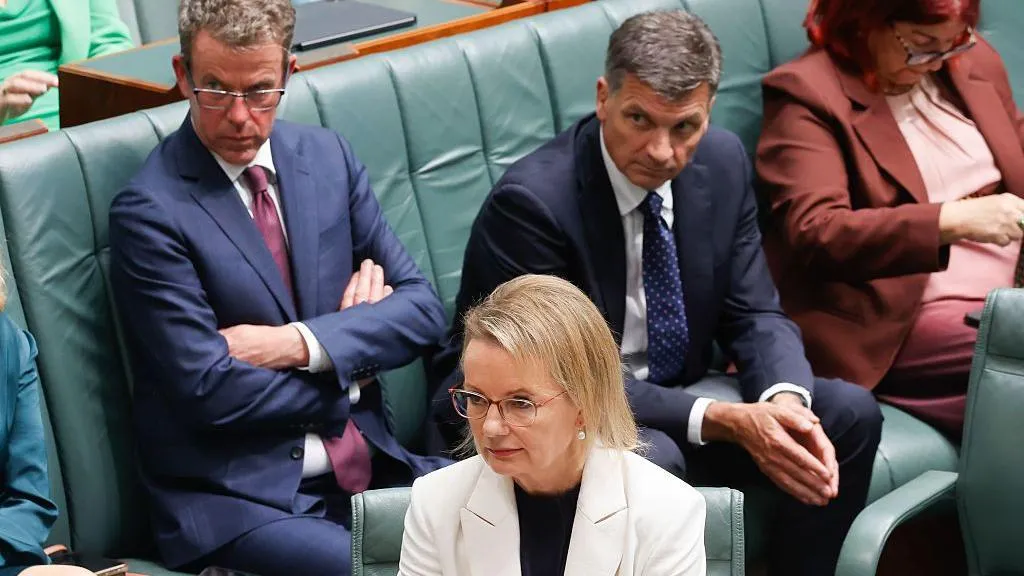 News11 hours ago
Liberal Party Removes Australia’s First Female Leader
-
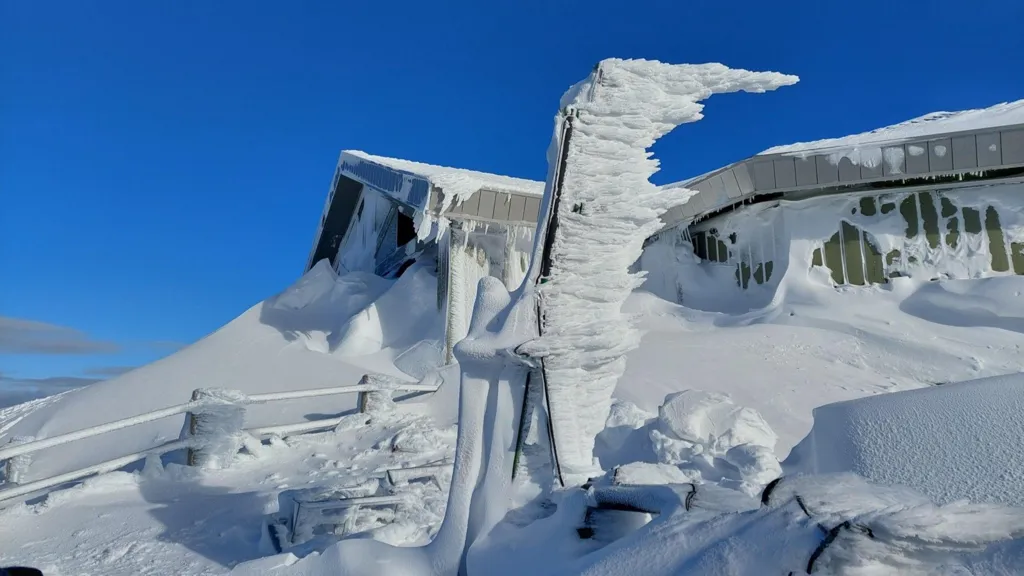 News8 hours ago
UK Braces for Cold Snap with Snow and Ice Alerts Expected
-
 News5 hours ago
Husband’s alleged £600k theft for sex and antiques blamed on drug side effects
-
 Business11 hours ago
BBC Reporter Exposed to Cyber Attack Due to Vulnerabilities in AI Coding Tool
-
 News8 hours ago
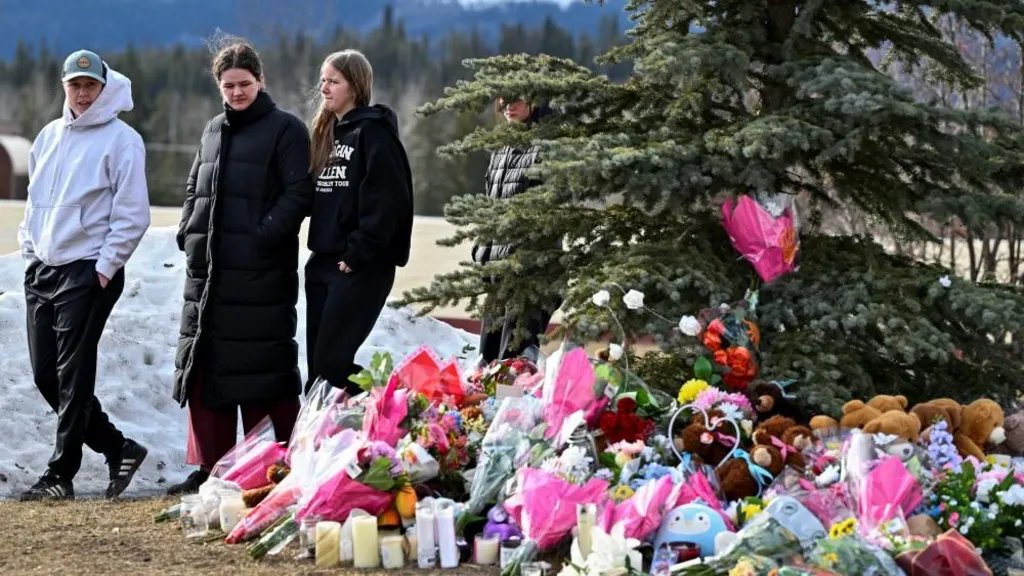
Canadian Town Unites in Mourning After Mass Shooting Leaves Community Reeling