
News
Millions of Euros Stolen in Brazen Undetected Heist
The incident has led to widespread concern among Germans that their faith in institutions and the system has been eroded.
A recent bank heist in Germany has been characterized as one of the most significant in years, leaving a trail of questions and concerns in its wake.
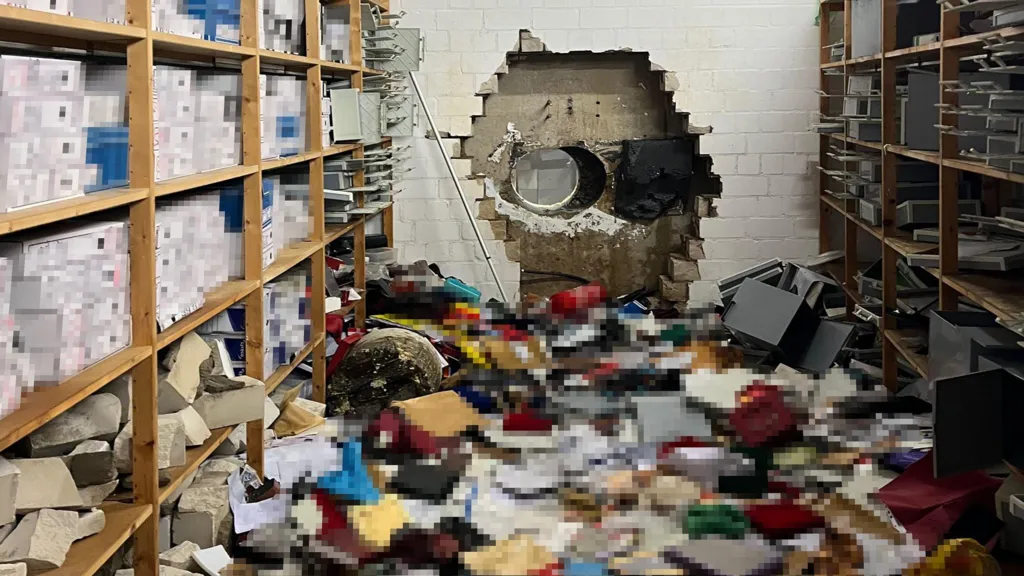
During the Christmas weekend, a group of thieves infiltrated a bank in Gelsenkirchen, a town in western Germany, by using an industrial drill to break through a wall, taking advantage of the quiet weekend to carry out their plan.
The thieves managed to access and loot over 3,000 safe deposit boxes, making off with a substantial amount of money and valuables, estimated to be in the millions of euros.
Despite an ongoing investigation, law enforcement has yet to apprehend any suspects, with more than a month having passed since the incident.
The bank's clients are struggling to come to terms with the loss of their valuables, including life savings and irreplaceable family heirlooms, leading to widespread feelings of anger, confusion, and shock.
The incident has raised concerns about the trustworthiness of institutions, with many left wondering how such a significant breach could occur.
Herbert Reul, the interior minister of North Rhine-Westphalia, has highlighted the complexity of the case, posing questions about the circumstances surrounding the heist and the bank's security measures.
Key questions remain unanswered, including how the thieves went undetected and whether the heist was an inside job.
The fact that the drill was not heard and the thieves' knowledge of the vault's location have also raised suspicions about potential security lapses.
The effectiveness of the bank's security systems has been called into question, with many wondering if they were inadequate.
The police in Gelsenkirchen are urging witnesses to come forward, hoping to gather more information about the incident.
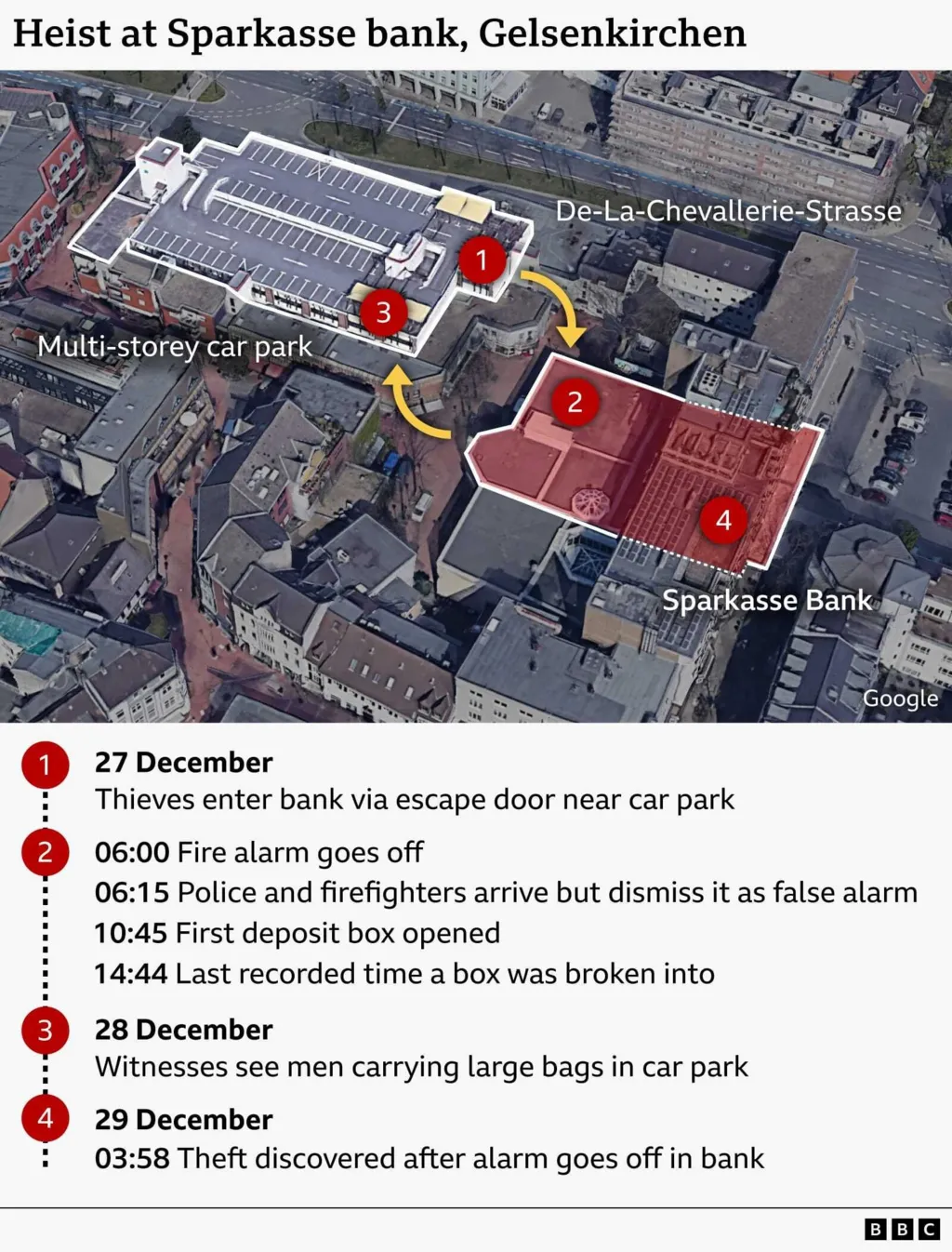
Investigators believe the thieves likely gained access to the Sparkasse savings bank through a neighboring multi-story car park in the Buer district.
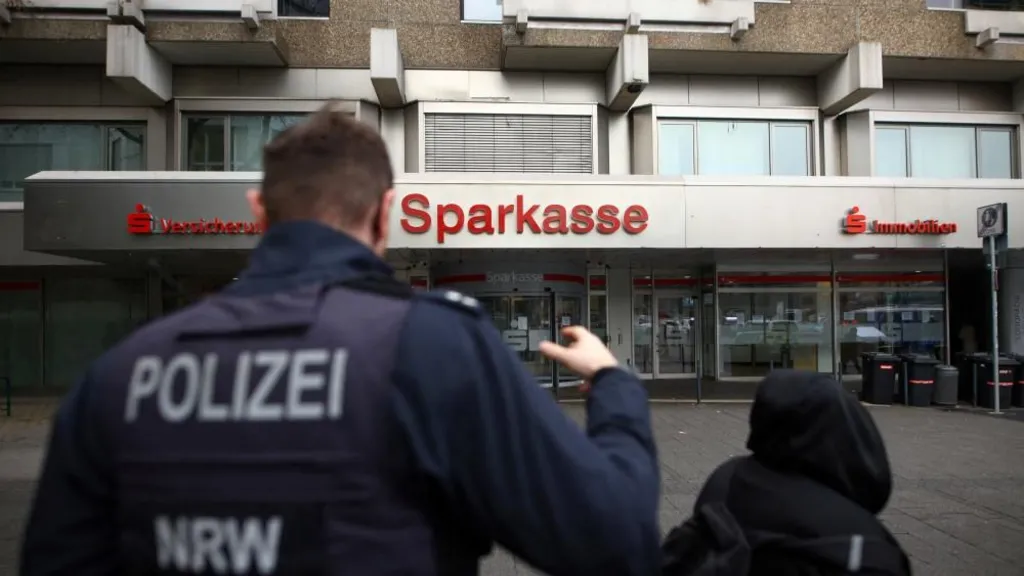
It is thought that the thieves may have tampered with a door connecting the car park to the bank, allowing them to bypass security measures.
Normally, this door could only be opened from the inside, but the thieves managed to disable the locking mechanism, granting them unrestricted access to the bank.
From there, the thieves are believed to have navigated through multiple security systems, making their way to an archive room adjacent to the vault in the bank's basement.
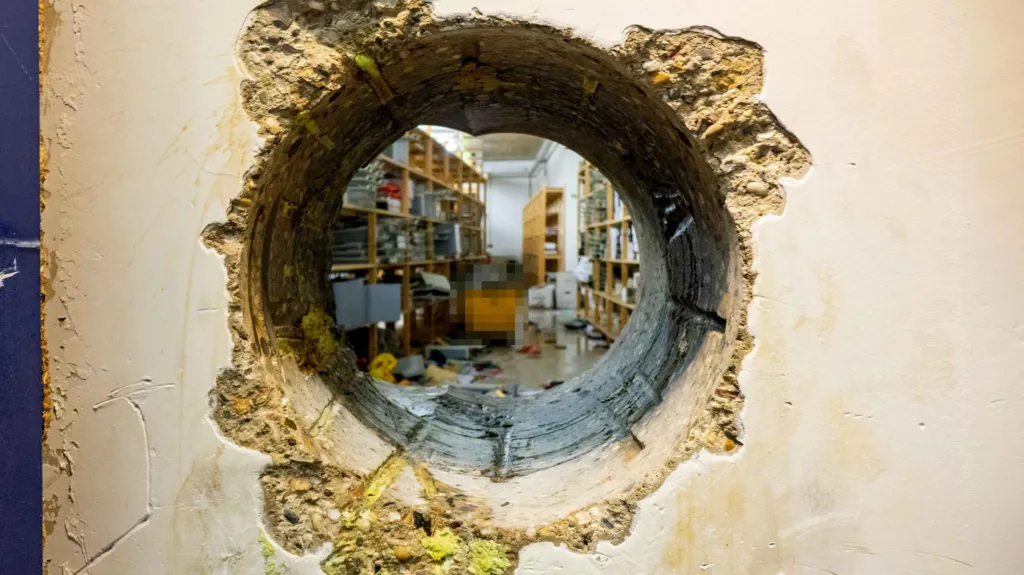
The thieves then used a drill to create a 40cm-wide hole in the wall, allowing them to access the strongroom where the safe deposit boxes were stored.
According to officials, the heist is thought to have occurred between December 27 and 29, with the burglars possibly narrowly avoiding detection.
On December 27, at 06:00, the fire brigade and a private security firm received a fire alarm warning from the bank, which may have been triggered by the thieves.
Police and 20 firefighters arrived at the bank at 06:15 but found no signs of damage or indication of a break-in.
The fire alarm had originated from the vault, as revealed by Herbert Reul.
However, the firefighters were unable to access the vault due to a locked roll shutter, and as they did not detect any smoke, smell of fire, or damage, they concluded it was a false alarm.
Reul explained that the police did not have the authority to search the bank at the time, as it was under the jurisdiction of the fire brigade, and a warrant would have been required.
Once inside the vault, the thieves opened almost all 3,250 safe deposit boxes, removing cash, gold, and jewelry.
According to the bank's computer systems, the first box was breached at 10:45 on December 27, and the last at 14:44, although it is unclear if the thieves managed to open most of the boxes within this timeframe or if the technology stopped recording data.
Witnesses reported seeing several men carrying large bags in the car park's stairwell during the night of December 27-28.
The exact amount stolen is unknown, but estimates suggest the thieves may have gotten away with up to €100 million.
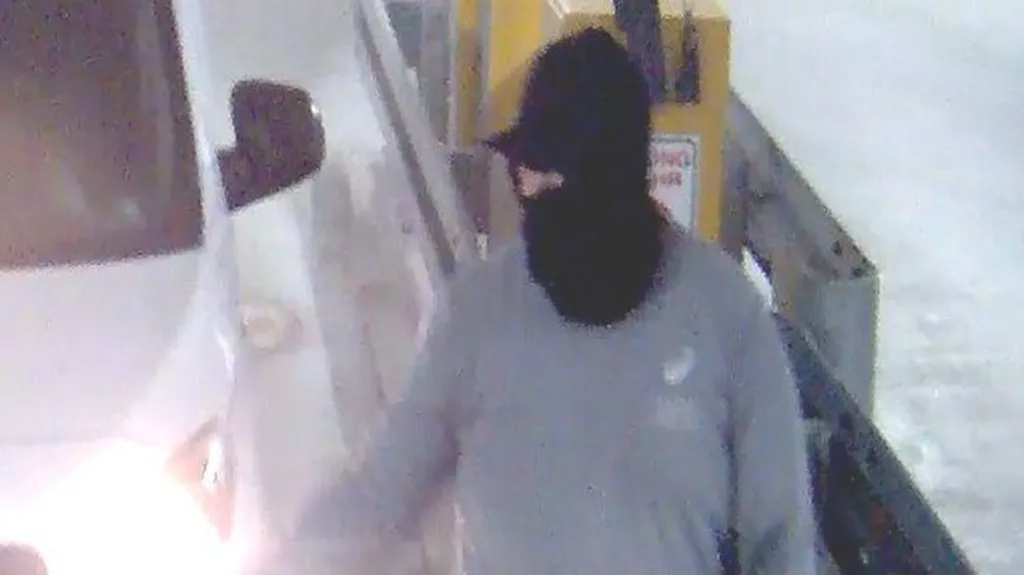
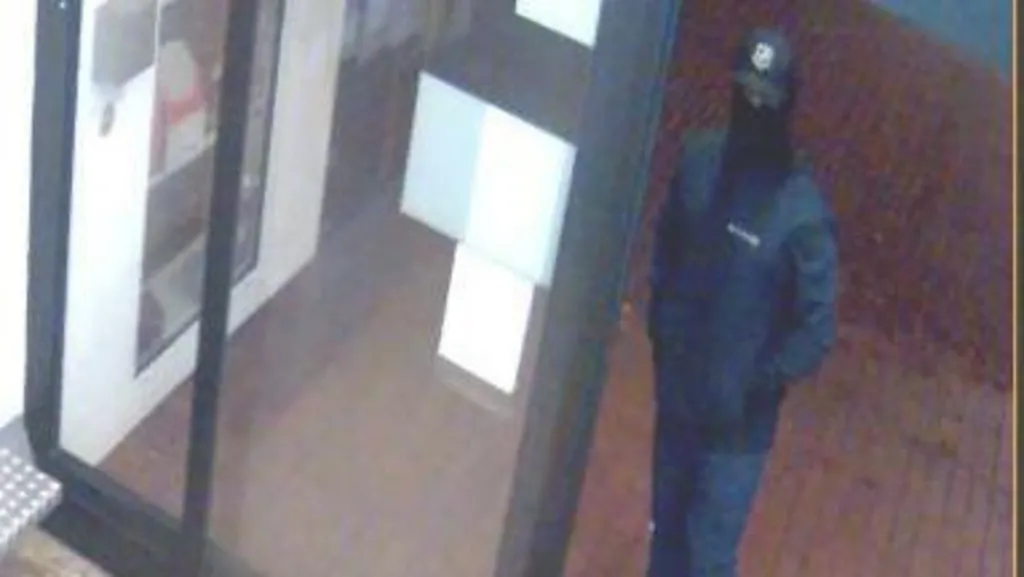
The police have released photos and video footage from the car park's security cameras, showing men with covered faces and two cars with fake license plates, a black Audi RS 6 and a white Mercedes Citan.
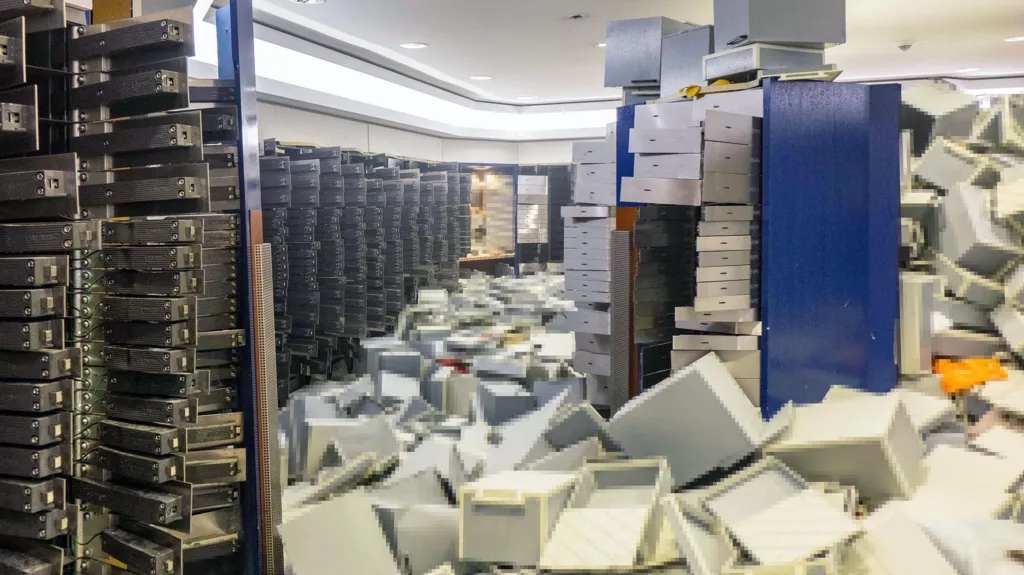
The theft was not discovered until December 29, when another fire alarm went off at 03:58, and firefighters returned to the bank to find a scene of chaos.
Herbert Reul described the scene as resembling "a rubbish dump," with over 500,000 items scattered across the floor, including the contents of the safe deposit boxes that the thieves had left behind.
The police have been meticulously sorting through the debris, searching for clues and attempting to identify the owners of the stolen items, many of which were damaged by water and chemicals.
As the details of the heist emerged, around 200 clients gathered outside the Sparkasse, demanding to be allowed inside, and police arrived to secure the entrance.
Joachim Alfred Wagner, 63, reported losing not only gold worth tens of thousands of euros but also family heirlooms, including jewelry that belonged to his father and grandparents.
Wagner had rented a safe deposit box after experiencing break-ins at his apartment, believing his valuables would be safe, but instead, he was left feeling enraged and betrayed.
The bank has stated that the contents of security boxes are typically insured for €10,300 each.
Wagner is among the first to file a lawsuit against the bank, citing lax security, and another client had deposited €400,000 in cash from a flat sale, intended for their retirement.
The bank claims it was also a victim of the crime and that its premises were secured with state-of-the-art technology.
While some clients had official receipts for the contents of their safe deposit boxes, others do not, making it challenging to determine the extent of the losses.
Herbert Reul noted that even the bank does not know the exact contents of the safe deposit boxes, as clients can store anything they want in them.
Reul emphasized that the psychological impact of the heist should not be underestimated, as it can affect not only the victims' sense of security but also their trust in institutions.
He stressed the need to support the victims, acknowledging that the loss of property and valuables can have a profound impact on their lives and sense of well-being.
According to Police Chief Tim Frommeyer, the case at hand is among the most significant in North Rhine-Westphalia's history, presenting a substantial challenge for law enforcement.
Police Chief Frommeyer noted that his department is fully aware of the case's severity, acknowledging the extensive financial losses, widespread uncertainty, and deep-seated frustration that have resulted from the incident.
Following the discovery of the theft, a rally was held by the Alternative for Germany (AfD) party, a far-right political group, outside the bank, prompting accusations that the party was attempting to capitalize on the situation and create unrest.
Der Spiegel, a German magazine, observed that the heist has taken on a broader political dimension, symbolizing a perceived lack of accountability and institutional failure, which has led to a growing sense of distrust in the ability of authorities to provide security.
News
At Least 30 Dead in Nigeria Village Attacks by Motorbike-Borne Assailants
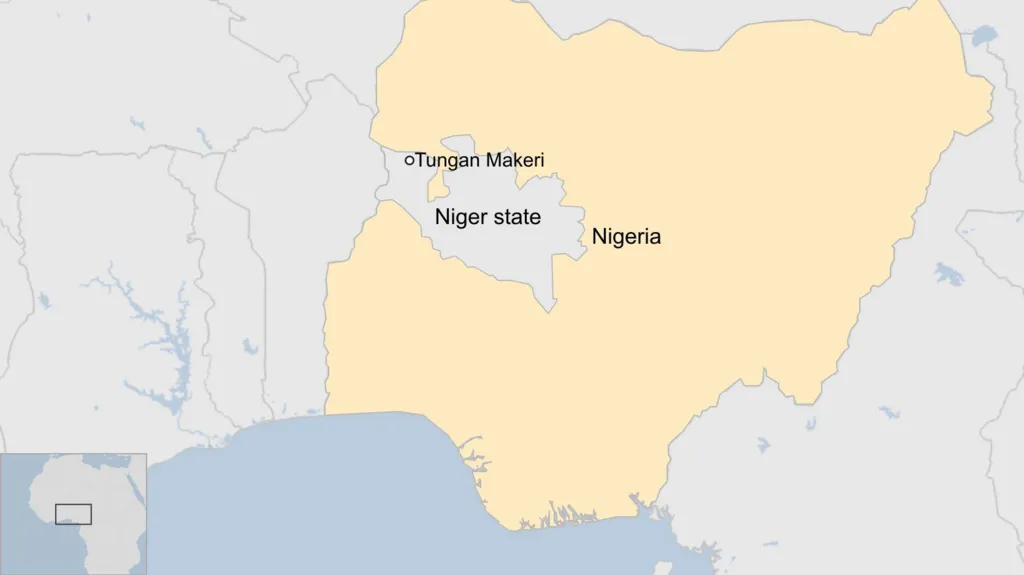
In Niger state, Nigeria, attackers killed their victims by shooting or slashing their throats, set homes ablaze, and took several individuals captive.
A series of dawn attacks by gunmen on motorcycles has resulted in the deaths of dozens of people across three villages in north-western Nigeria.
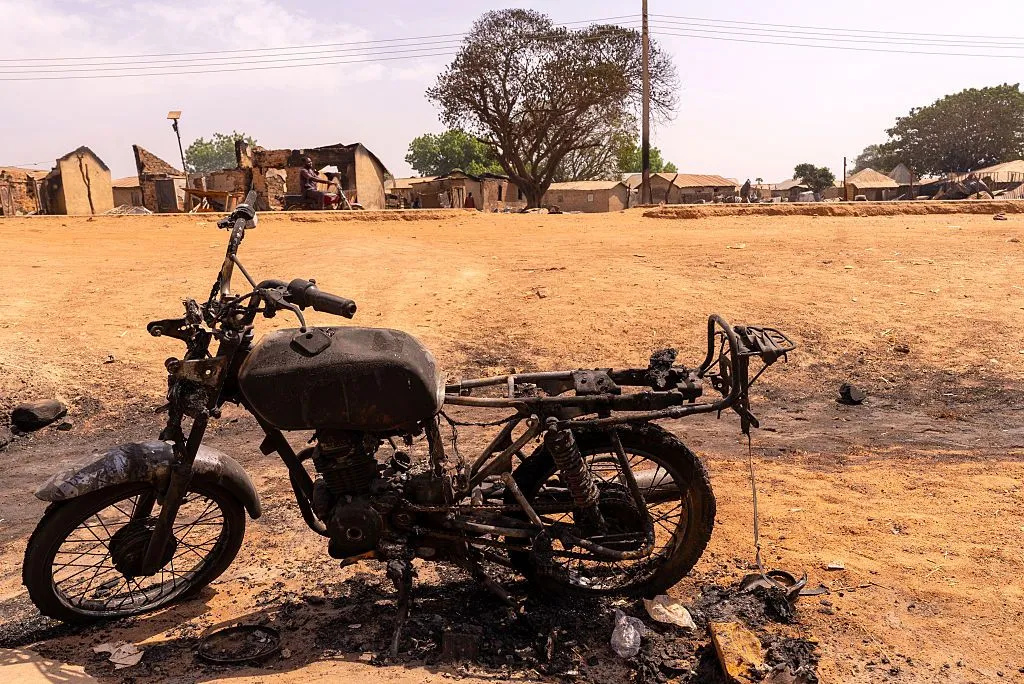
According to reports obtained by AFP, armed individuals carried out fatal shootings and throat cuttings, set homes ablaze, and took an unspecified number of people hostage in Niger state.
These attacks, which occurred on Saturday morning, are situated near the location of a suspected jihadist massacre that took place earlier this month, claiming over 100 lives in a similar style of assault.
For years, armed groups known as bandits have been responsible for attacks and kidnappings in Nigeria, with a notable surge in reports from the western and central regions in recent times.
In the early morning hours, bandits launched an attack on the village of Tunga-Makeri.
Wasiu Abiodun, a spokesperson for the Niger State police, informed AFP that six fatalities were confirmed in Tunga-Makeri.
Abiodun added that several houses were torched and an unspecified number of individuals were taken captive during the incident.
The majority of the casualties were reported in the nearby village of Konkoso, which was the second to be attacked.
Witnesses told AFP that nearly all the homes in Konkoso were reduced to ashes, and four women were abducted by the bandits.
Following the attack on Konkoso, the bandits proceeded to Pissa, where they set a police station on fire and claimed one life, according to eyewitness accounts.
Reuters reported a death toll of approximately 32 across the three villages, while AFP put the number at a minimum of 46; the possibility of additional attacks in nearby villages remains unclear, and the toll may rise further.
A security report cited by AFP indicated that the bandits arrived on 41 motorcycles, with each vehicle carrying two or three men.
Nigeria's leaders face mounting pressure to address the issue of violence, as jihadist groups remain active in the north-west and separatist insurgents operate in the south-east.
On Christmas Day, the US conducted strikes targeting Islamist militants in Nigeria's northern Sokoto state, with President Donald Trump warning of potential further action "if they continue to kill Christians".
Organisations monitoring political violence in Nigeria have noted that many victims of jihadist violence are, in fact, Muslim.
News
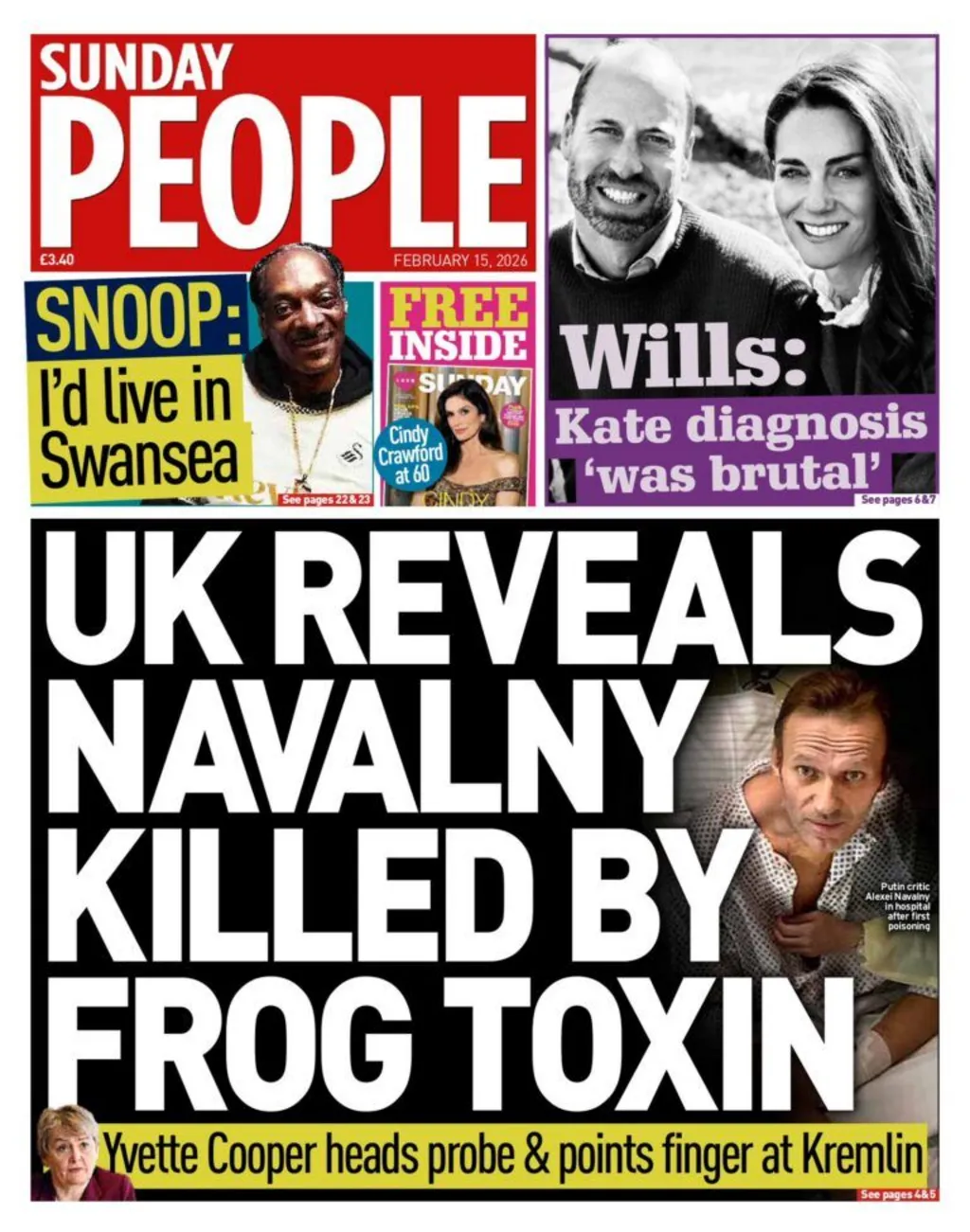
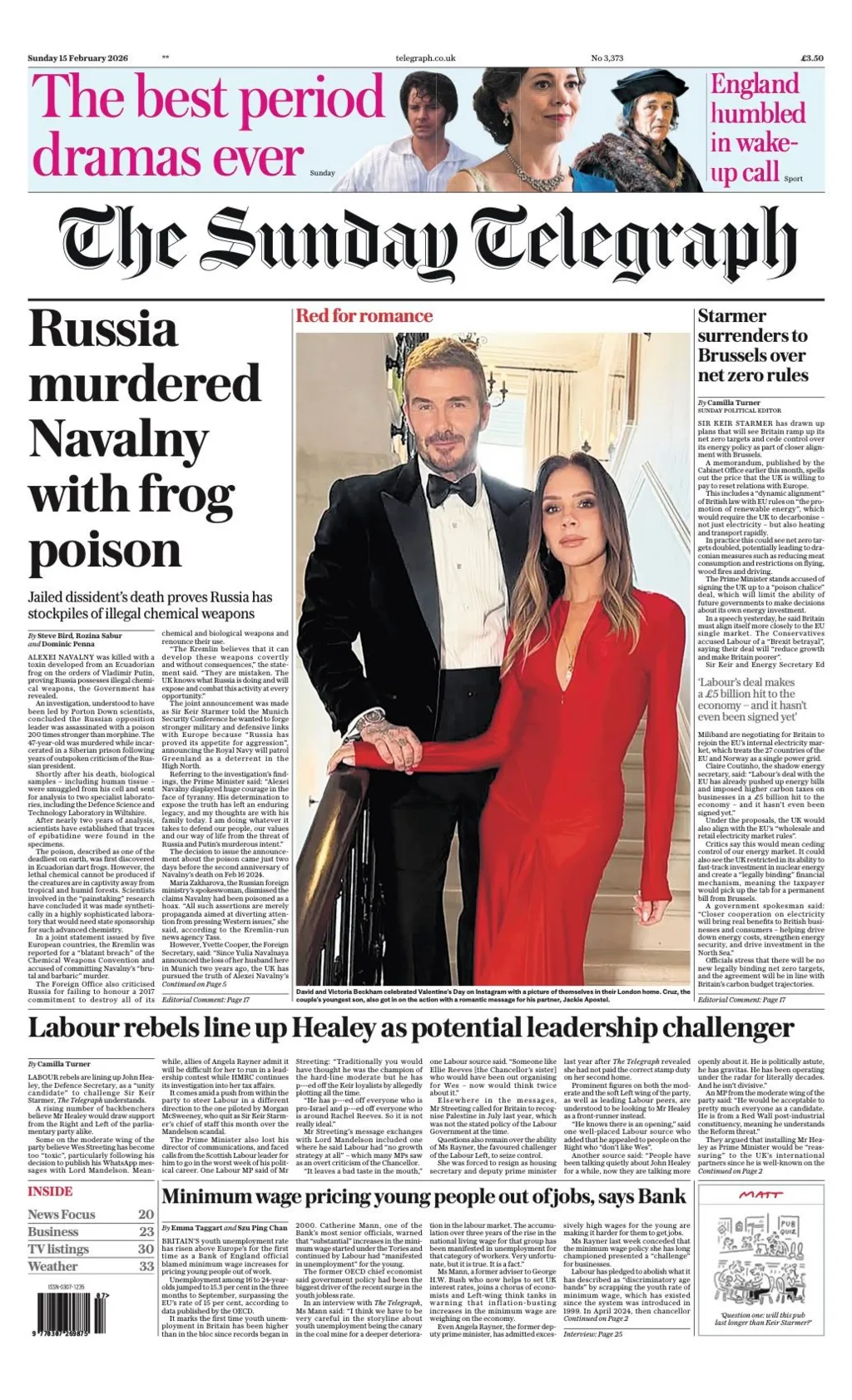
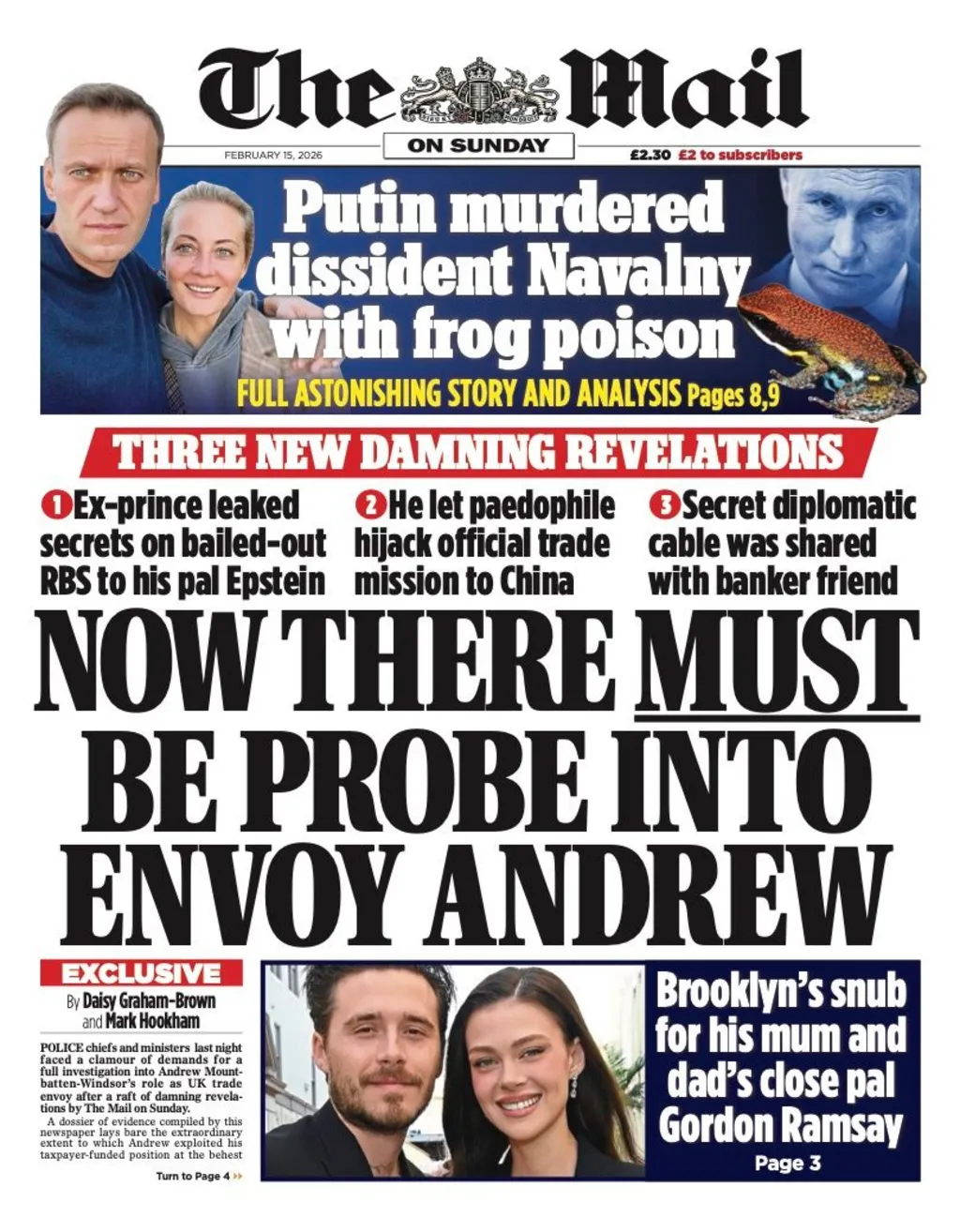
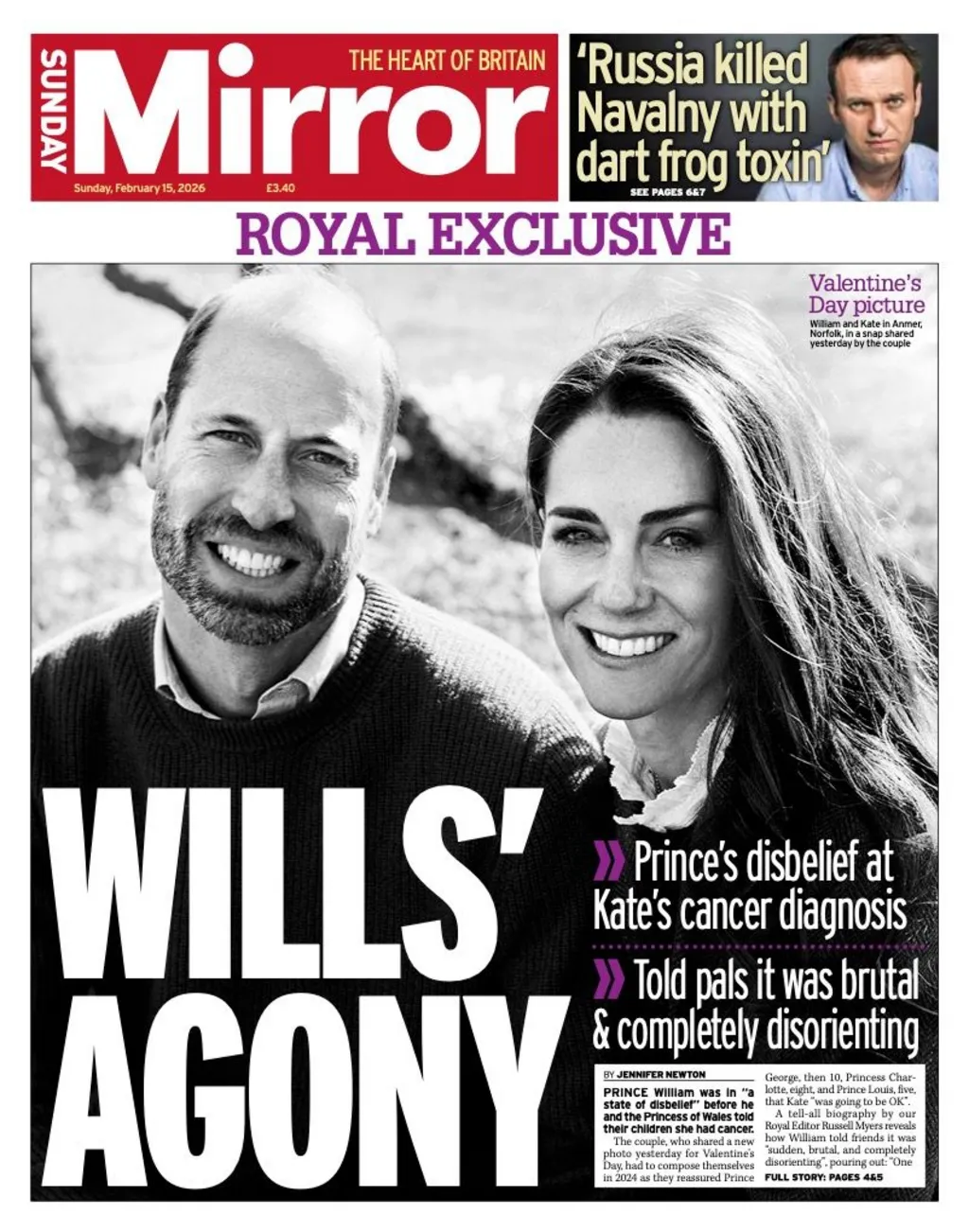
Investigation Reveals Navalny Possibly Poisoned with Frog Toxin, Diplomat Andrew Faces Probe
Several news outlets are highlighting the discovery that a toxin derived from a dart frog was used in the killing of a prominent Russian opposition figure.
To receive a daily newsletter with updates from BBC News, consider subscribing to our morning email service.




News
Nancy Guthrie’s Disappearance Captivates America Amid Bitcoin Ransom Demand
The high profile of Samantha Guthrie has contributed to her mother’s disappearance becoming a widely followed story across the country.
As dawn broke over the desert, YouTuber Jimmy Williams observed hundreds of his subscribers flocking to his online chat room, all eager to discuss the latest developments in a high-profile case.
With his laptop perched on his knees and his iPhone illuminated by a ring light, Williams dedicates several hours daily to analyzing the disappearance of Nancy Guthrie, sharing his findings with a rapidly expanding audience of true crime enthusiasts.
On 1 February, Nancy Guthrie vanished from her Tucson, Arizona, home, with authorities suspecting she was taken against her will in the early morning hours.
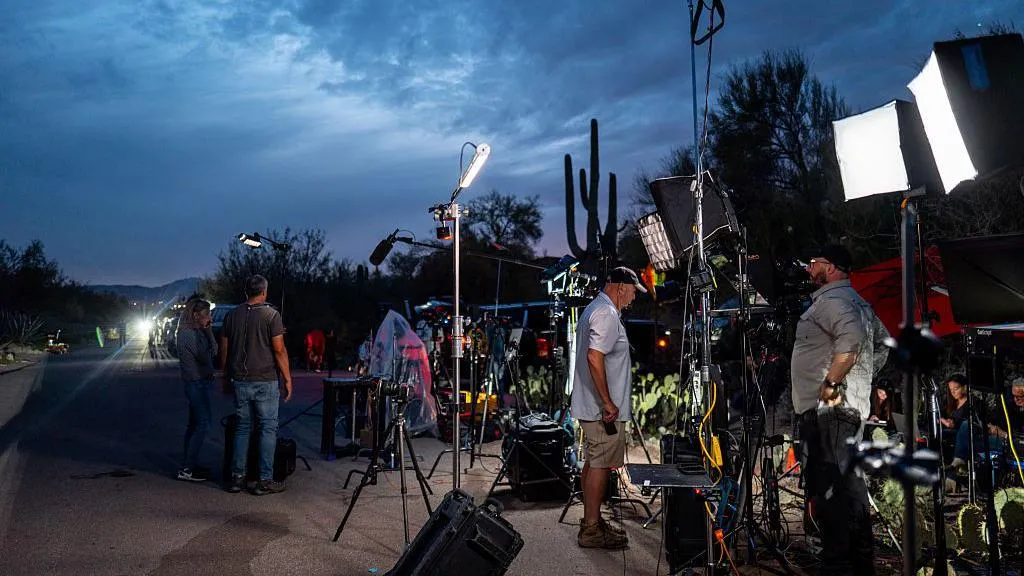
Williams is among numerous curious onlookers and amateur investigators who have converged on the area, drawn by the mystery surrounding Guthrie's disappearance.
The influx of spectators has transformed a quiet, mid-sized city popular with retirees into a global media sensation, captivating audiences worldwide.
Despite ongoing investigations, police have yet to identify any suspects in Guthrie's abduction, prompting her daughter, Today show presenter Savannah Guthrie, to appeal to the public for assistance in locating her mother.
As a familiar face on US morning television, Savannah Guthrie has found herself at the intersection of hope and uncertainty, a position she has often witnessed in her interviewees.
This time, however, the roles are reversed, and instead of posing questions, Savannah Guthrie is awaiting answers about her mother's disappearance.
Morning television programs often foster a sense of intimacy between hosts and their audience, frequently focusing on human-interest stories that resonate with viewers.
In November, Savannah Guthrie had invited viewers into her mother's home as part of a Today Show segment, a gesture that now serves as a poignant reminder of her mother's absence.
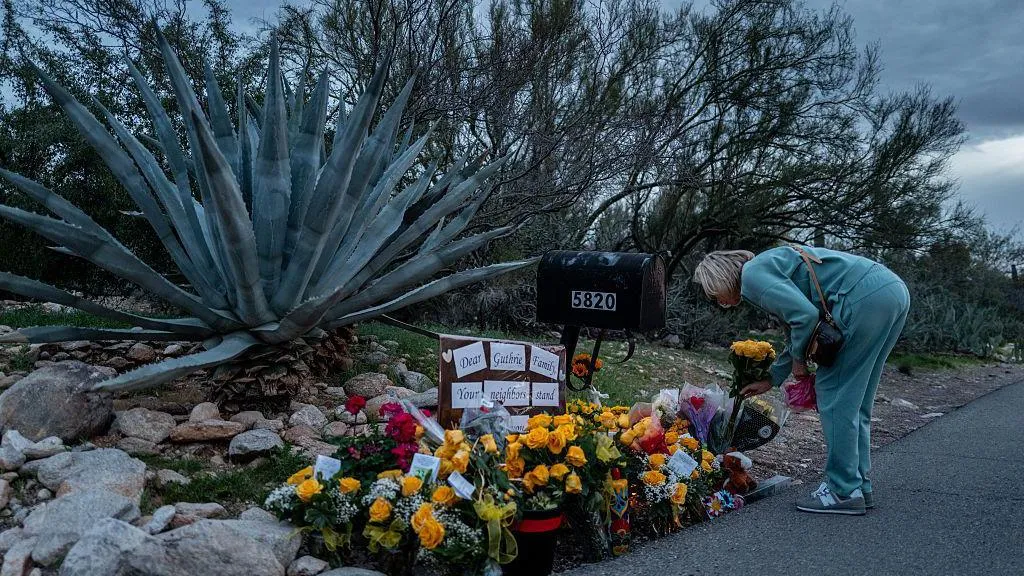
Kelly Himes, a resident living near Nancy Guthrie's home in the shadow of the Catalina Mountains, felt compelled to pay her respects by stopping to say a prayer and leaving flowers at the end of the driveway, a gesture echoed by many in the community.
Himes shared her thoughts with the BBC, noting that Nancy Guthrie's age, height, and hair resemble those of her own mother, making her disappearance feel deeply personal and relatable.
Savannah Guthrie's celebrity status has had a dual impact on the search for her mother, generating unprecedented attention and resources while also sparking intense speculation and false leads.
Two weeks after Nancy Guthrie's disappearance, investigators announced the discovery of several gloves, with the closest one found approximately two miles from her home.
The sheriff's department clarified that reports of a glove being found inside or on the property of Nancy Guthrie's home were inaccurate, providing a necessary correction to the narrative.
For Williams' growing audience, speculation surrounding the case only serves to heighten its intrigue and fascination.
Since Nancy Guthrie's disappearance, Williams' YouTube channel, Dollyvision, has gained over 8,000 new subscribers, a testament to the public's interest in the case.
Williams described the interest in Nancy Guthrie's disappearance as "massive," reflecting the widespread attention the case has received.
According to Williams, the nature of Nancy Guthrie's disappearance defies traditional kidnapping scenarios, instead embodying a "new age" of crime characterized by unfamiliar patterns and methods.
The era of ransom demands made from cut-out magazine letters appears to be a relic of the past, replaced by more sophisticated and elusive tactics.
The advent of secure servers, secret IP addresses, and untraceable Bitcoin accounts has transformed the landscape of kidnapping, but former FBI hostage negotiator Chip Massey remains confident that Nancy Guthrie's kidnappers will be apprehended.
Referencing the video footage of a masked individual on Nancy Guthrie's doorstep before her disappearance, Massey believes that someone will recognize the suspect based on their behavior or body language.
Massey noted that the attention surrounding this case is unparalleled, and while a mask can conceal a face, it cannot hide a person's identity entirely.
The widespread distribution of missing person flyers featuring Nancy Guthrie's photo, combined with highway billboards promoting the FBI's tip line, has made the case impossible to ignore, even for those who do not follow the news, with the White House confirming that the FBI will allocate its "full resources" to the investigation.
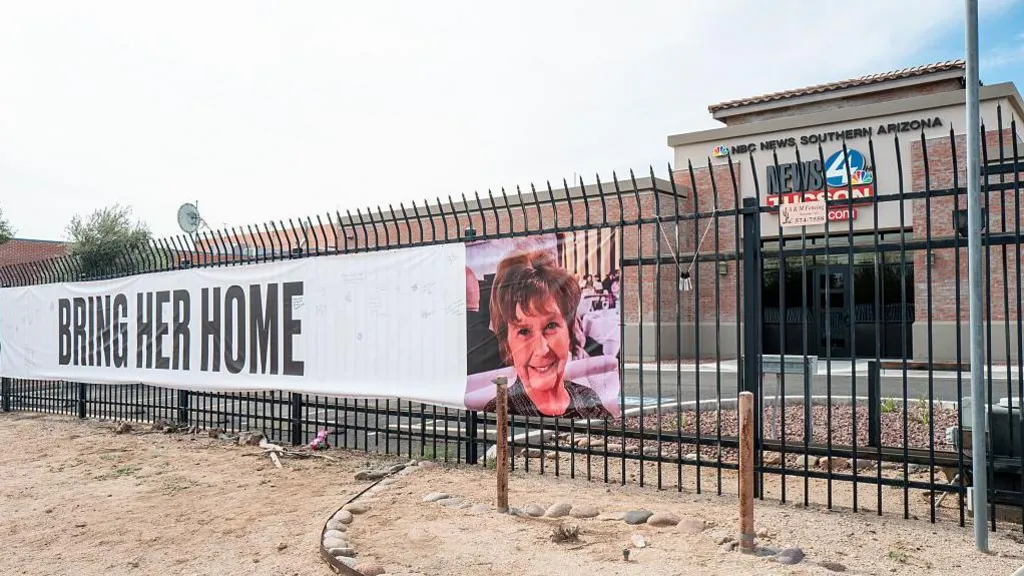
Massey observed that the immense public engagement in the search for Nancy Guthrie will ultimately make it challenging for the suspect to evade detection, as the scrutiny will lead to mistakes and, ultimately, capture.
As yellow ribbons adorn the trees surrounding Nancy Guthrie's home, the passing days without news of her whereabouts are gradually replacing hope with a deepening sense of unease.
-
 News2 days ago
Australian Politics Faces Questions Over Gender Equality Amid Sussan Ley’s Appointment
-
 News2 days ago
Farage Says Reform to Replace Traditional Tory Party
-
 News2 days ago
Husband’s alleged £600k theft for sex and antiques blamed on drug side effects
-
 Business2 days ago
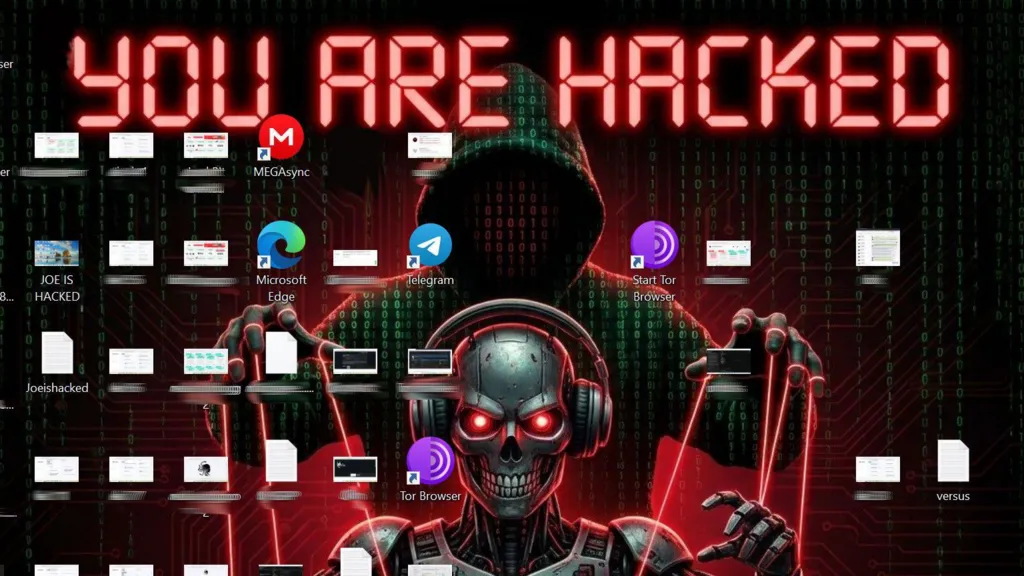
BBC Reporter Exposed to Cyber Attack Due to Vulnerabilities in AI Coding Tool
-
 News2 days ago
Wrexham Pair Seek Win Against Former Team Ipswich
-
 News2 days ago
Liberal Party Removes Australia’s First Female Leader
-
 News2 days ago
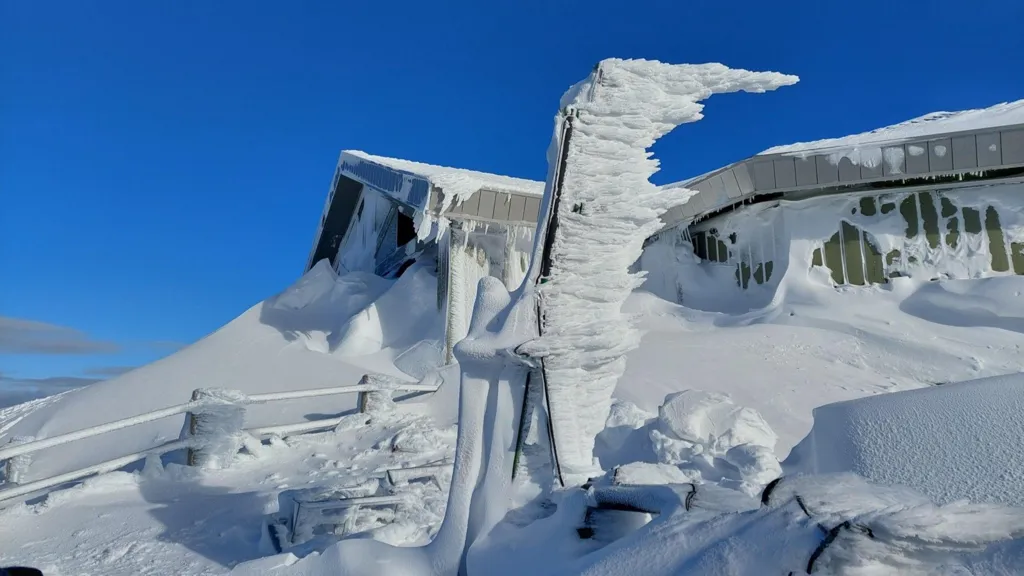
UK Braces for Cold Snap with Snow and Ice Alerts Expected
-
 Health3 days ago
NHS Waiting List Hits Three-Year Low