
News
Manchester Eyed as Potential Catalyst for UK Economic Revival
Manchester’s economy has achieved a 3.1% annual growth rate, outpacing the overall UK economy by a factor of two.
Manchester is experiencing a unique economic phenomenon that sets it apart from the rest of the country. The city's vibrant atmosphere is a stark contrast to the pervasive economic gloom that has settled over much of the UK.

In light of the recent sluggish economic figures in the UK, Manchester's success story raises important questions about how to stimulate growth and development in other parts of the country.
Having grown up in Manchester and written about the city's regeneration plans in the late 1990s, I am struck by the impact of long-term strategies implemented by central governments across different political parties.
Amidst the UK's economic struggles, Manchester is a beacon of growth, with tangible evidence of development and expansion.
The city's skyline is dominated by cranes and new skyscrapers, while its streets are filled with young professionals, graduates, and apprentices from diverse backgrounds, many of whom are employed in industries that did not exist in the city just a decade ago.
A recent BBC roundtable discussion with local business leaders revealed a sense of optimism and confidence that is rare in other parts of the country.
Sean Morton, CEO of On the Beach, described the rapid development of the Ancoats district as "staggering," highlighting the area's potential for growth and investment.
Lawrence Newman, CEO of Beauty Tech Group, attributed the city's success to its five universities and the high retention rate of graduates who choose to stay in Manchester after completing their studies.
Emma Thackray, founder of Hip Pop, noted that Manchester's thriving food and hospitality scene provides an ideal environment for innovative businesses like hers to test and launch new products.
Manchester's economic growth is backed by solid data, with a 3.1% annual growth rate sustained over 10 years, outperforming the UK average by a significant margin.
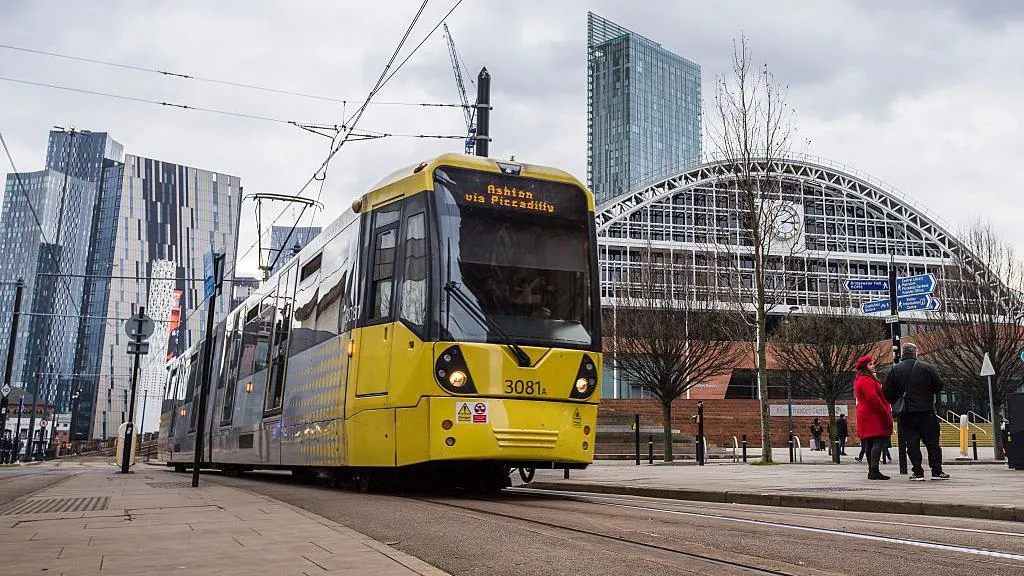
The city's transport infrastructure is also thriving, with the Metrolink tram system experiencing record usage and a new music arena attracting visitors from across the region.
At its core, Manchester's success is based on the principles of comparative advantage and agglomeration, leveraging its unique combination of assets, including a young population, cultural attractions, and a strong educational foundation.
The University of Manchester, with its large campus and high application rates, is a key driver of the city's growth, providing a skilled workforce that underpins the local economy.
In recent years, major employers such as Bank of New York, IBM, and Booking.com have established a presence in the city, creating a critical mass of job opportunities that retain talented workers.
This, in turn, has led to the growth of service-sector businesses and jobs, particularly in the city center, which has undergone significant transformation.
Between 2011 and 2021, Manchester's population increased by 9.7%, with the city center experiencing particularly rapid growth.
The city center's population is now estimated to be around 100,000, with some predictions suggesting it could reach 250,000 by 2035, a significant increase from the 500 residents recorded in 1990.
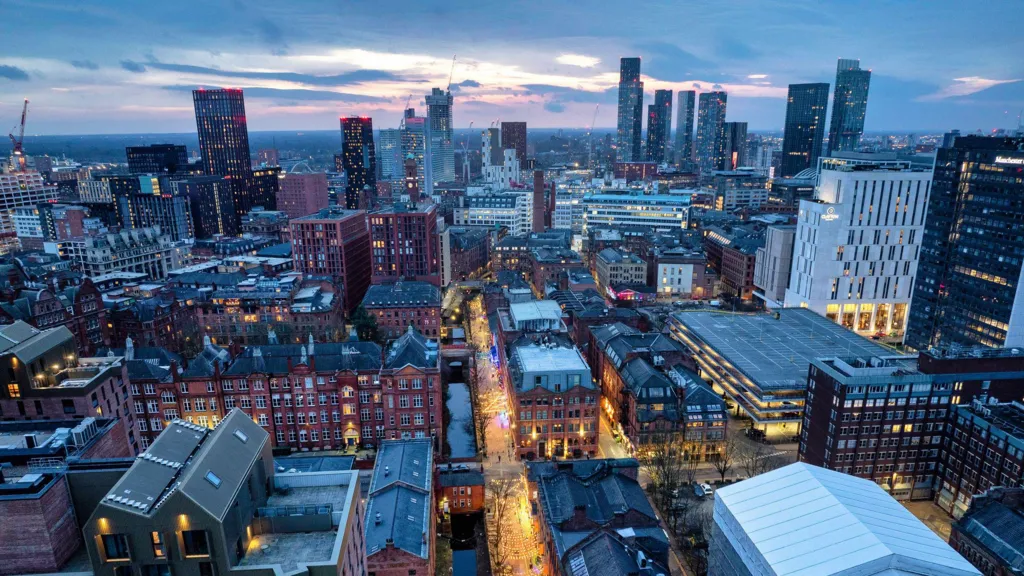
Manchester has experienced a surge in high-rise developments, with new buildings transforming the city's skyline, a trend noted by Mayor Andy Burnham as he highlights the reversal of the traditional brain drain of young northerners moving to London.
Burnham, who himself left Manchester in the 1980s to pursue opportunities in the south, notes that the city is now attracting young Londoners, with 13,000 making the move to Greater Manchester in 2024, exceeding the number of people moving in the opposite direction.
According to official data, this trend is expected to continue, with Manchester offering an attractive proposition for young people, including a vibrant music scene, affordable living, and a modern public transportation system.
Mayor Burnham emphasizes the importance of city-center living and the benefits it offers, including access to cultural attractions and a thriving economy.
The city's productivity has also shown impressive growth, with the gross value added (GVA) per capita increasing to £61,589 in 2023, nearly trebling since the turn of the century.
Burnham acknowledges the crucial role of cross-party support from central government and the Greater Manchester Combined Authority in driving the city's growth and development.
Business leaders have credited the mayoral system with helping to coordinate economic efforts and attract investment, citing the ability to bring together different stakeholders and drive growth.

The creation of the combined mayoralty by George Osborne has been instrumental in transferring powers and resources to local authorities, enabling them to drive economic growth and development.
Despite its successes, Manchester still faces challenges, including homelessness, with Shelter estimating that 1 in 61 people in the city experience homelessness, highlighting the need for increased investment in social housing and public services.
The city also needs to address the issue of how to spread its prosperity beyond the city center to the surrounding towns and villages, ensuring that the benefits of growth are shared more widely.
Mayor Burnham is seeking to leverage the city's sporting reputation to attract major international events, including a potential Olympic bid, which could bring significant economic benefits and further enhance the city's global profile.
While Manchester's model may not be directly replicable in other cities, it offers valuable lessons about the importance of long-term planning, cross-party cooperation, and public-private partnerships in driving economic growth.
The role of universities and transport investment is critical, but other cities may not have the same advantages, such as a large graduate population, which could limit their ability to replicate Manchester's success.
Andy Spinoza, author of Manchester Unspun, notes that the city has a unique combination of assets, including its airport, universities, and diverse economy, which have contributed to its growth and make it difficult to replicate elsewhere.
Spinoza describes Manchester's success as a "special sauce" that is hard to recreate, citing the city's devolution, airport, universities, and cultural attractions as key ingredients.
He highlights the significant dividends paid by the partly council-owned airport and the role of former council leaders in driving the city's growth and development.
Spinoza also notes that Mayor Burnham has added public control over transport and skills to the mix, helping to ensure that the benefits of growth are shared more widely, but acknowledges that more needs to be done to address the concerns of priced-out residents and outer towns.
Manchester's growth and development offer a valuable case study for other cities, demonstrating the potential benefits of ambition, optimism, and long-term strategic planning.
Additional reporting by Jeevan Nerwan.

News
At Least 30 Dead in Nigeria Village Attacks by Motorbike-Borne Assailants
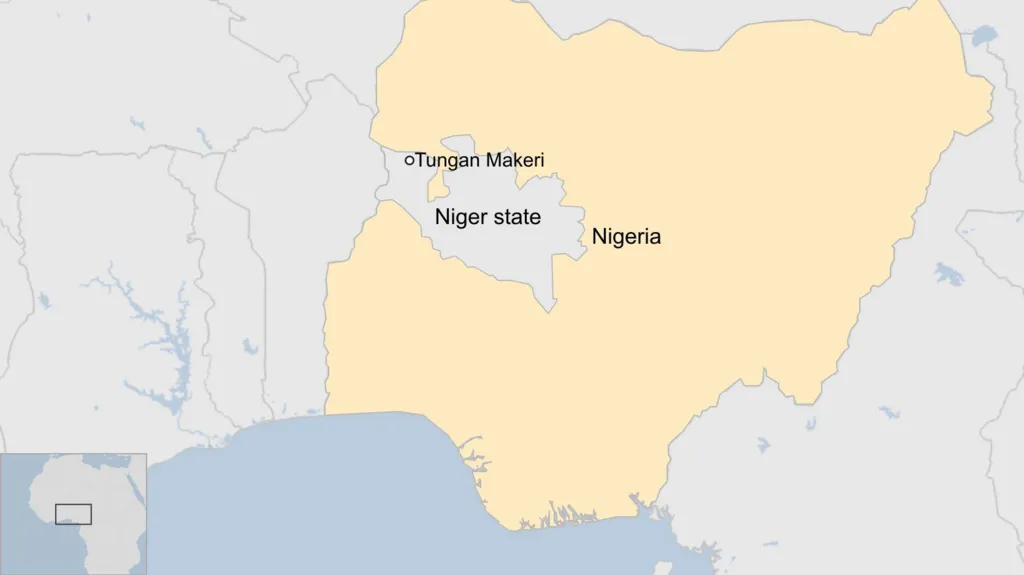
In Niger state, Nigeria, attackers killed their victims by shooting or slashing their throats, set homes ablaze, and took several individuals captive.
A series of dawn attacks by gunmen on motorcycles has resulted in the deaths of dozens of people across three villages in north-western Nigeria.

According to reports obtained by AFP, armed individuals carried out fatal shootings and throat cuttings, set homes ablaze, and took an unspecified number of people hostage in Niger state.
These attacks, which occurred on Saturday morning, are situated near the location of a suspected jihadist massacre that took place earlier this month, claiming over 100 lives in a similar style of assault.
For years, armed groups known as bandits have been responsible for attacks and kidnappings in Nigeria, with a notable surge in reports from the western and central regions in recent times.
In the early morning hours, bandits launched an attack on the village of Tunga-Makeri.
Wasiu Abiodun, a spokesperson for the Niger State police, informed AFP that six fatalities were confirmed in Tunga-Makeri.
Abiodun added that several houses were torched and an unspecified number of individuals were taken captive during the incident.
The majority of the casualties were reported in the nearby village of Konkoso, which was the second to be attacked.
Witnesses told AFP that nearly all the homes in Konkoso were reduced to ashes, and four women were abducted by the bandits.
Following the attack on Konkoso, the bandits proceeded to Pissa, where they set a police station on fire and claimed one life, according to eyewitness accounts.
Reuters reported a death toll of approximately 32 across the three villages, while AFP put the number at a minimum of 46; the possibility of additional attacks in nearby villages remains unclear, and the toll may rise further.
A security report cited by AFP indicated that the bandits arrived on 41 motorcycles, with each vehicle carrying two or three men.
Nigeria's leaders face mounting pressure to address the issue of violence, as jihadist groups remain active in the north-west and separatist insurgents operate in the south-east.
On Christmas Day, the US conducted strikes targeting Islamist militants in Nigeria's northern Sokoto state, with President Donald Trump warning of potential further action "if they continue to kill Christians".
Organisations monitoring political violence in Nigeria have noted that many victims of jihadist violence are, in fact, Muslim.
News
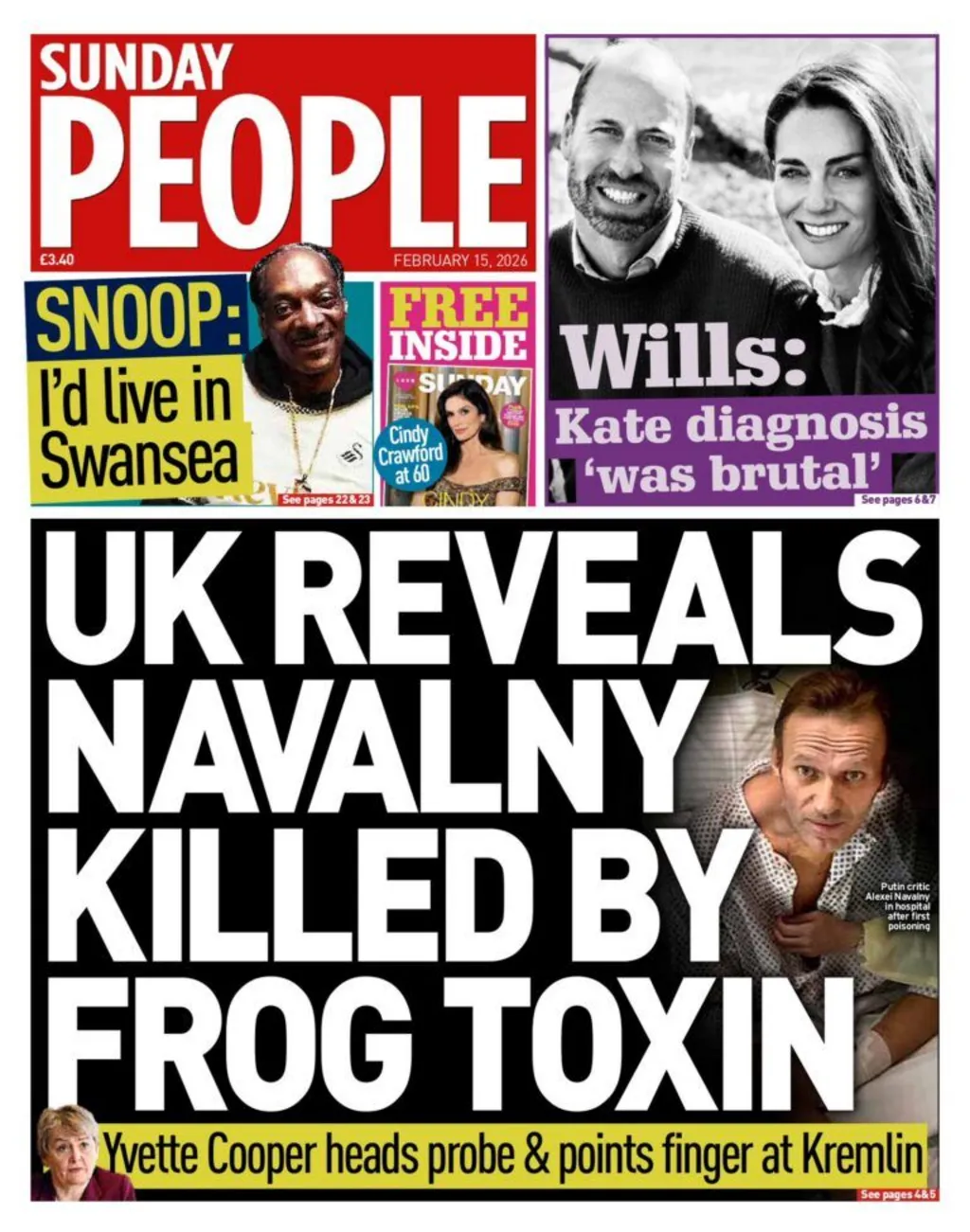
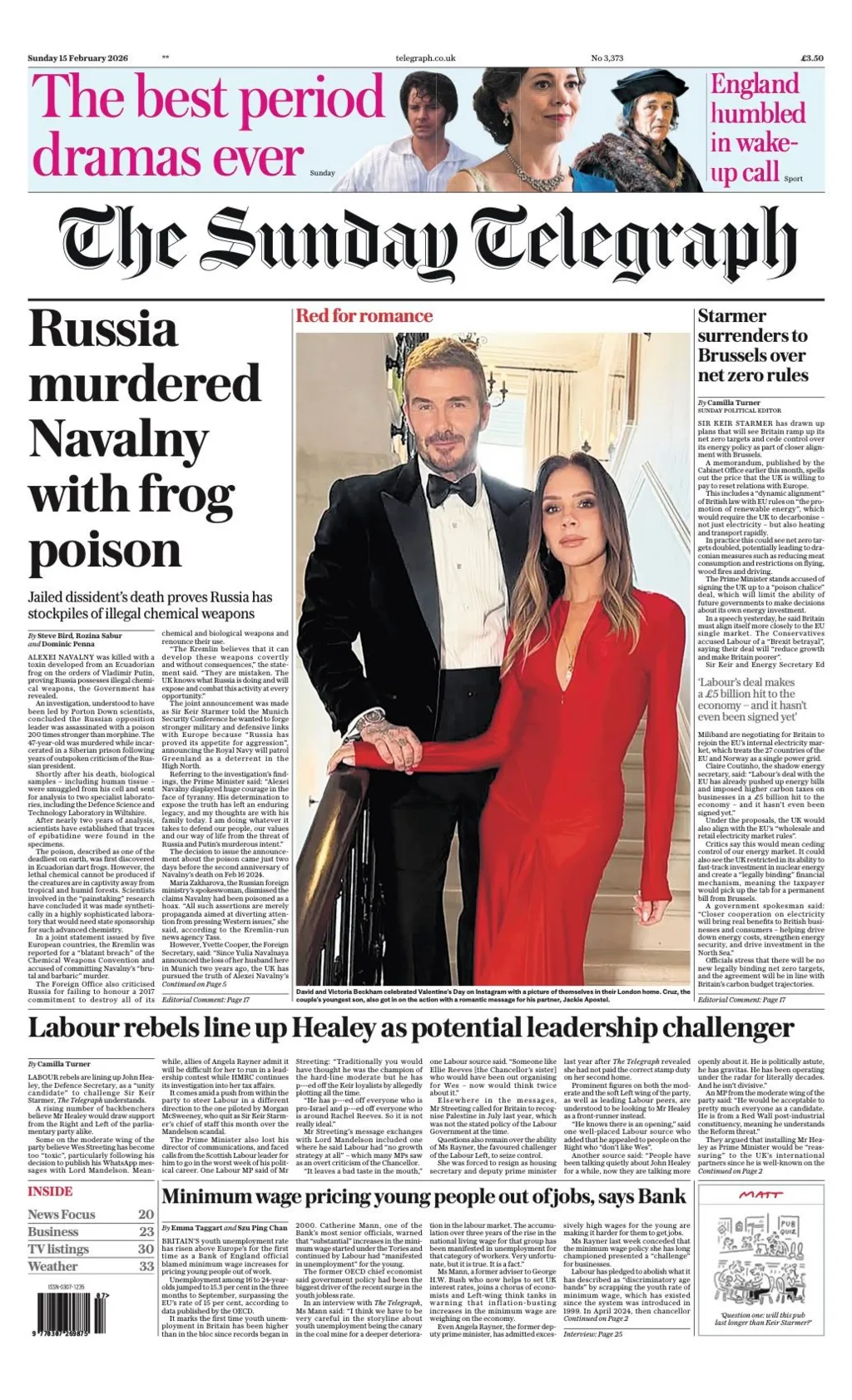
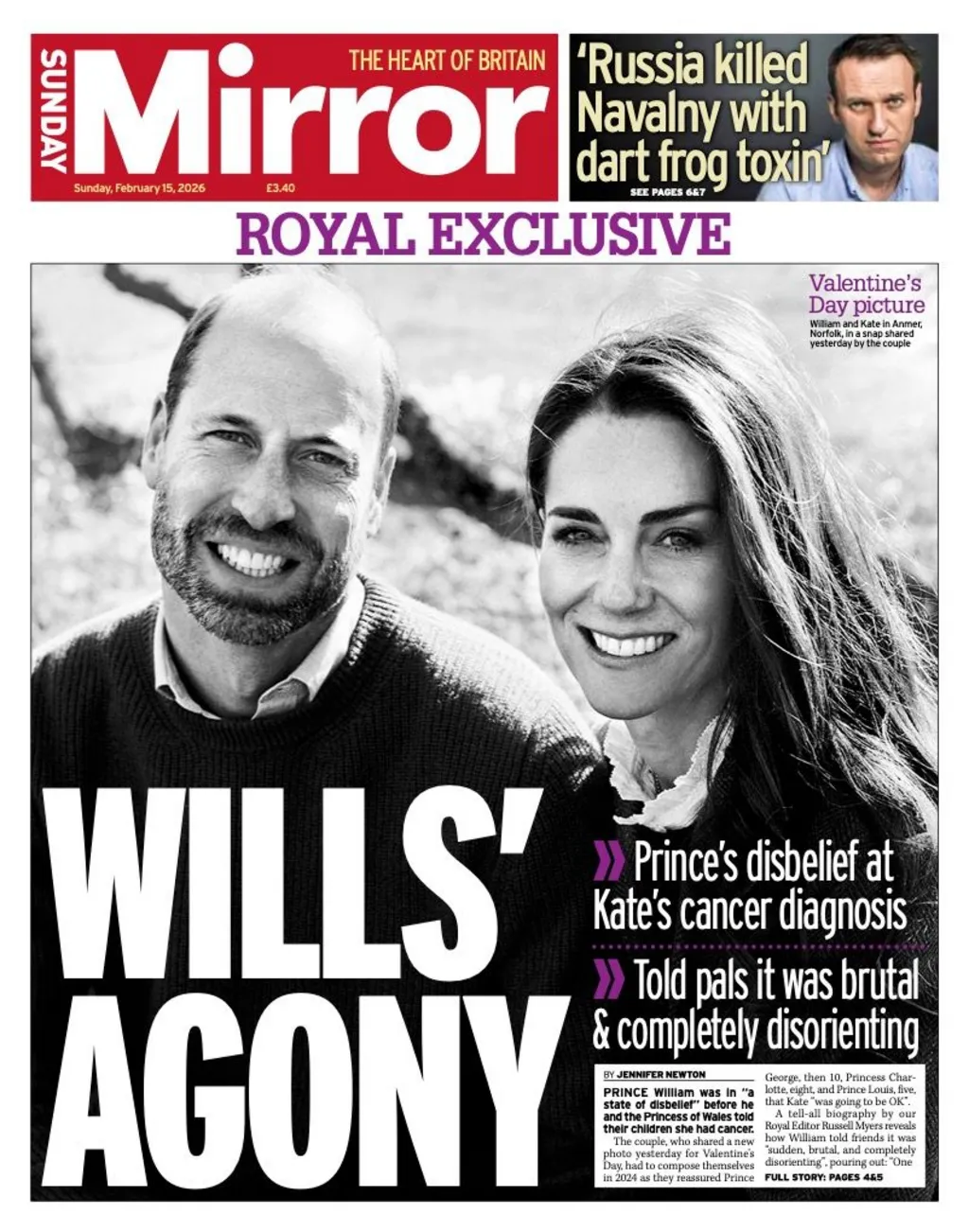
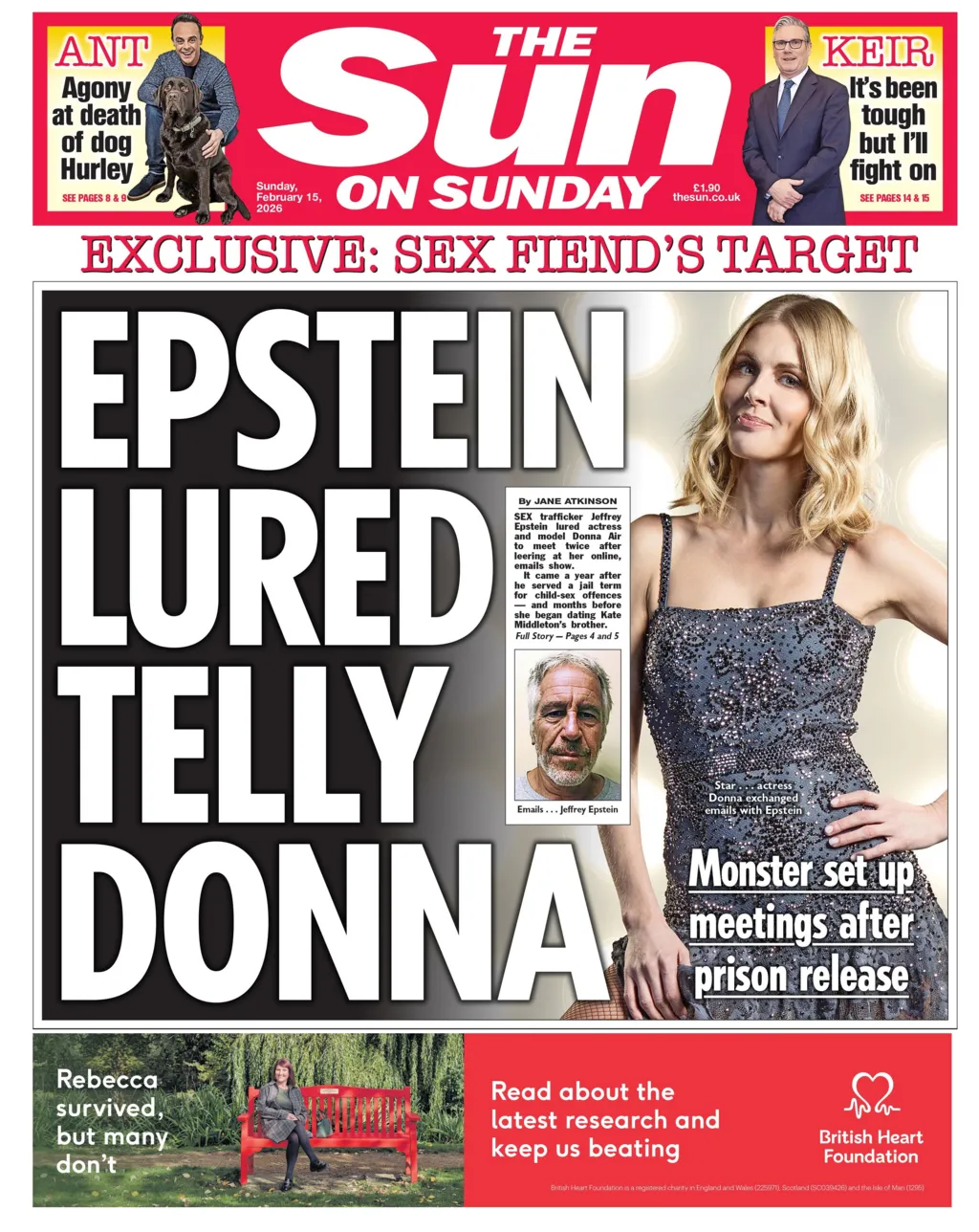
Investigation Reveals Navalny Possibly Poisoned with Frog Toxin, Diplomat Andrew Faces Probe
Several news outlets are highlighting the discovery that a toxin derived from a dart frog was used in the killing of a prominent Russian opposition figure.
To receive a daily newsletter with updates from BBC News, consider subscribing to our morning email service.




News
Nancy Guthrie’s Disappearance Captivates America Amid Bitcoin Ransom Demand
The high profile of Samantha Guthrie has contributed to her mother’s disappearance becoming a widely followed story across the country.
As dawn broke over the desert, YouTuber Jimmy Williams observed hundreds of his subscribers flocking to his online chat room, all eager to discuss the latest developments in a high-profile case.
With his laptop perched on his knees and his iPhone illuminated by a ring light, Williams dedicates several hours daily to analyzing the disappearance of Nancy Guthrie, sharing his findings with a rapidly expanding audience of true crime enthusiasts.
On 1 February, Nancy Guthrie vanished from her Tucson, Arizona, home, with authorities suspecting she was taken against her will in the early morning hours.
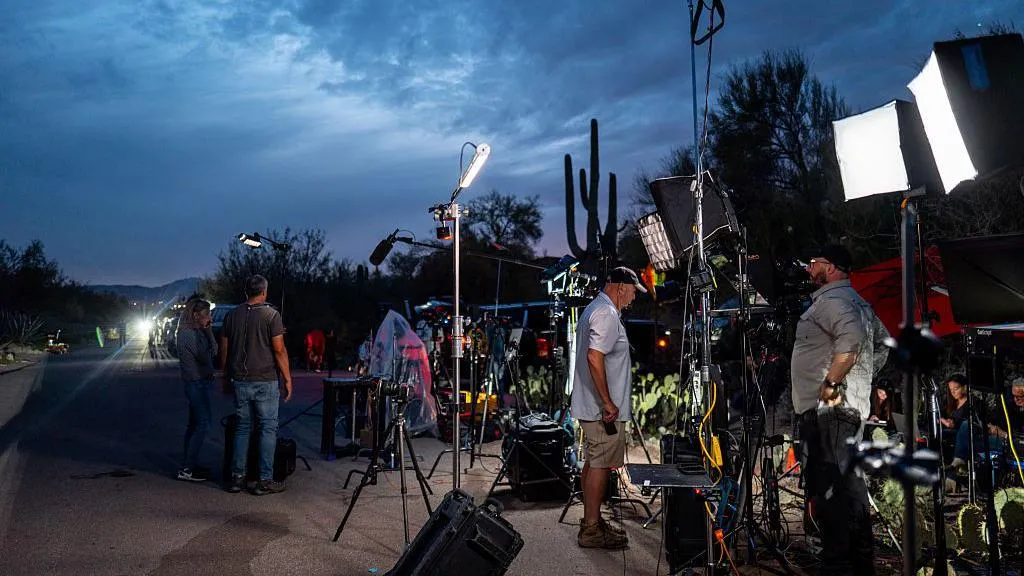
Williams is among numerous curious onlookers and amateur investigators who have converged on the area, drawn by the mystery surrounding Guthrie's disappearance.
The influx of spectators has transformed a quiet, mid-sized city popular with retirees into a global media sensation, captivating audiences worldwide.
Despite ongoing investigations, police have yet to identify any suspects in Guthrie's abduction, prompting her daughter, Today show presenter Savannah Guthrie, to appeal to the public for assistance in locating her mother.
As a familiar face on US morning television, Savannah Guthrie has found herself at the intersection of hope and uncertainty, a position she has often witnessed in her interviewees.
This time, however, the roles are reversed, and instead of posing questions, Savannah Guthrie is awaiting answers about her mother's disappearance.
Morning television programs often foster a sense of intimacy between hosts and their audience, frequently focusing on human-interest stories that resonate with viewers.
In November, Savannah Guthrie had invited viewers into her mother's home as part of a Today Show segment, a gesture that now serves as a poignant reminder of her mother's absence.
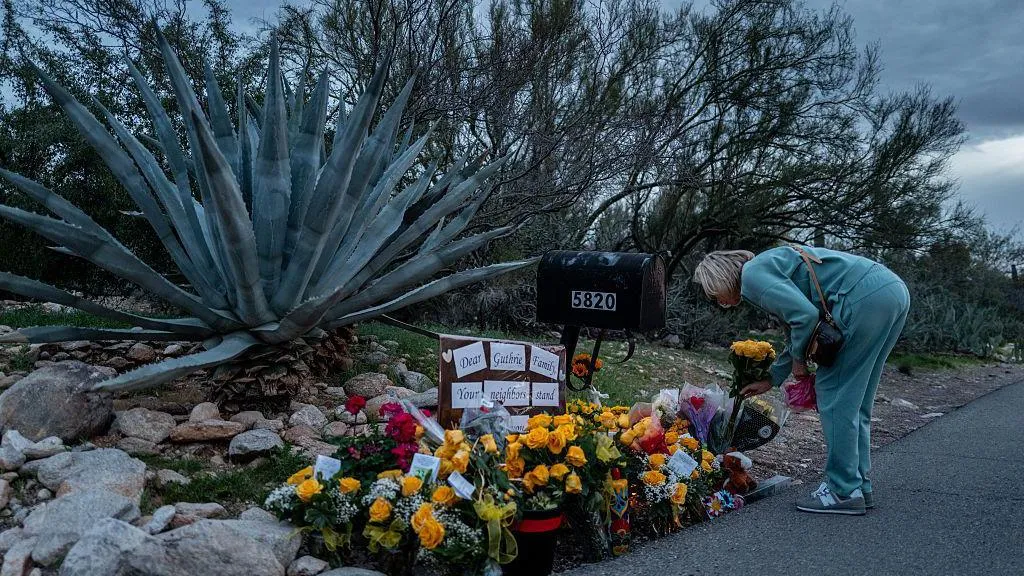
Kelly Himes, a resident living near Nancy Guthrie's home in the shadow of the Catalina Mountains, felt compelled to pay her respects by stopping to say a prayer and leaving flowers at the end of the driveway, a gesture echoed by many in the community.
Himes shared her thoughts with the BBC, noting that Nancy Guthrie's age, height, and hair resemble those of her own mother, making her disappearance feel deeply personal and relatable.
Savannah Guthrie's celebrity status has had a dual impact on the search for her mother, generating unprecedented attention and resources while also sparking intense speculation and false leads.
Two weeks after Nancy Guthrie's disappearance, investigators announced the discovery of several gloves, with the closest one found approximately two miles from her home.
The sheriff's department clarified that reports of a glove being found inside or on the property of Nancy Guthrie's home were inaccurate, providing a necessary correction to the narrative.
For Williams' growing audience, speculation surrounding the case only serves to heighten its intrigue and fascination.
Since Nancy Guthrie's disappearance, Williams' YouTube channel, Dollyvision, has gained over 8,000 new subscribers, a testament to the public's interest in the case.
Williams described the interest in Nancy Guthrie's disappearance as "massive," reflecting the widespread attention the case has received.
According to Williams, the nature of Nancy Guthrie's disappearance defies traditional kidnapping scenarios, instead embodying a "new age" of crime characterized by unfamiliar patterns and methods.
The era of ransom demands made from cut-out magazine letters appears to be a relic of the past, replaced by more sophisticated and elusive tactics.
The advent of secure servers, secret IP addresses, and untraceable Bitcoin accounts has transformed the landscape of kidnapping, but former FBI hostage negotiator Chip Massey remains confident that Nancy Guthrie's kidnappers will be apprehended.
Referencing the video footage of a masked individual on Nancy Guthrie's doorstep before her disappearance, Massey believes that someone will recognize the suspect based on their behavior or body language.
Massey noted that the attention surrounding this case is unparalleled, and while a mask can conceal a face, it cannot hide a person's identity entirely.
The widespread distribution of missing person flyers featuring Nancy Guthrie's photo, combined with highway billboards promoting the FBI's tip line, has made the case impossible to ignore, even for those who do not follow the news, with the White House confirming that the FBI will allocate its "full resources" to the investigation.

Massey observed that the immense public engagement in the search for Nancy Guthrie will ultimately make it challenging for the suspect to evade detection, as the scrutiny will lead to mistakes and, ultimately, capture.
As yellow ribbons adorn the trees surrounding Nancy Guthrie's home, the passing days without news of her whereabouts are gradually replacing hope with a deepening sense of unease.
-
 News2 days ago
Australian Politics Faces Questions Over Gender Equality Amid Sussan Ley’s Appointment
-
 News2 days ago
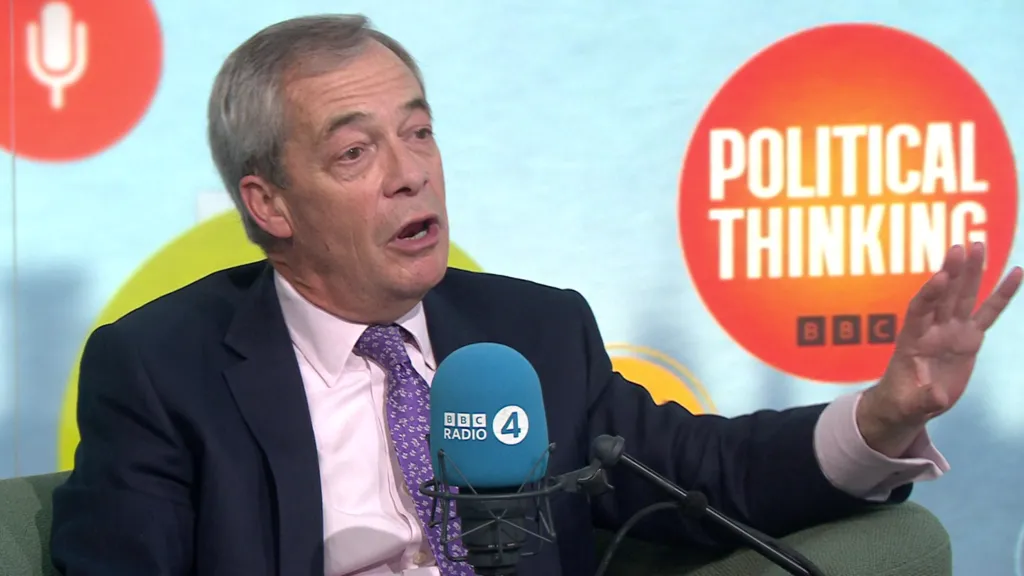
Farage Says Reform to Replace Traditional Tory Party
-
 News2 days ago
Husband’s alleged £600k theft for sex and antiques blamed on drug side effects
-
 Business2 days ago
BBC Reporter Exposed to Cyber Attack Due to Vulnerabilities in AI Coding Tool
-
 News2 days ago
Wrexham Pair Seek Win Against Former Team Ipswich
-
 News2 days ago
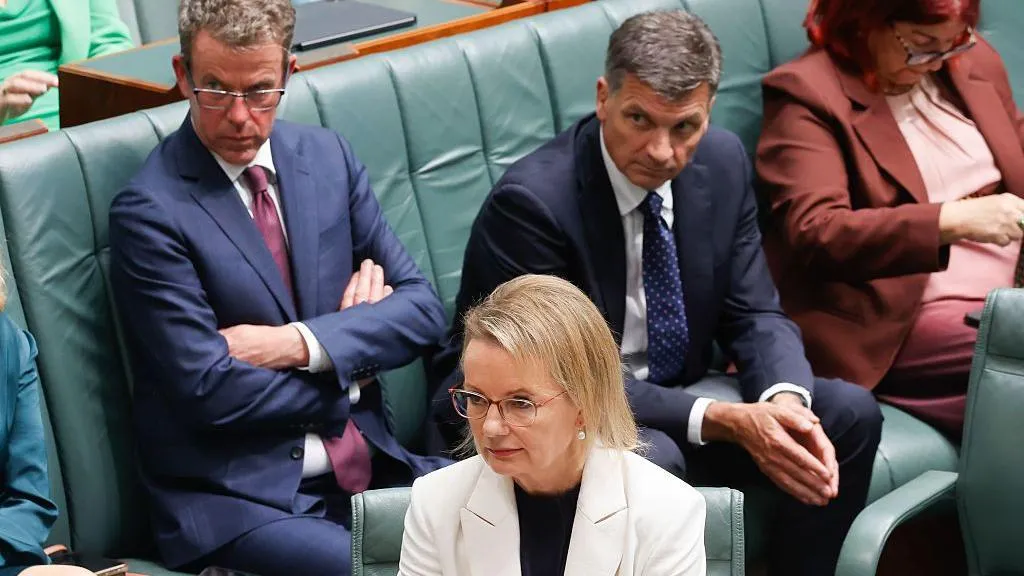
Liberal Party Removes Australia’s First Female Leader
-
 News2 days ago
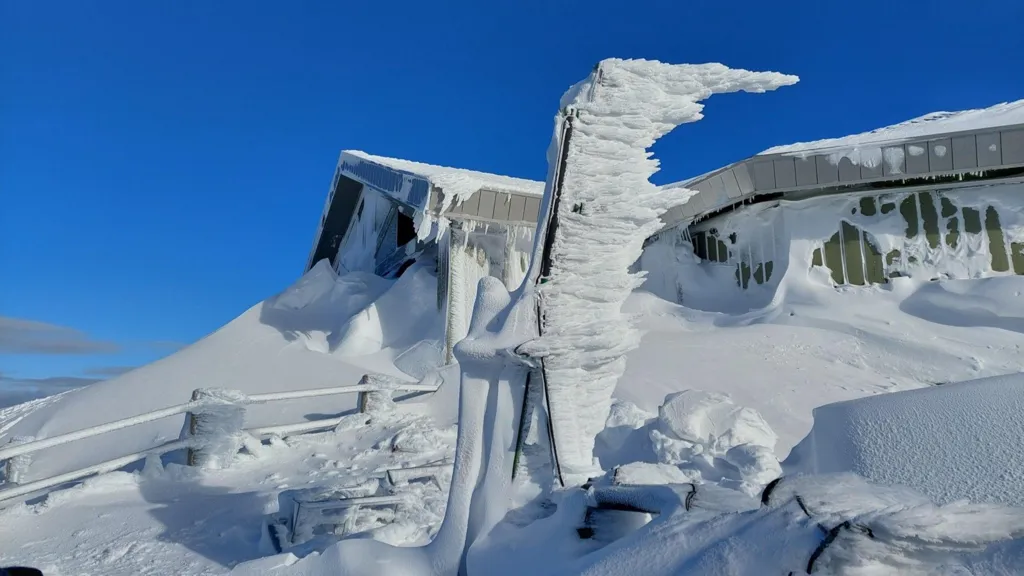
UK Braces for Cold Snap with Snow and Ice Alerts Expected
-
 Health3 days ago
NHS Waiting List Hits Three-Year Low