
Middle East
Trump threatens tariffs on countries trading with Iran
The directive did not provide a specific rate, instead citing 25% as a hypothetical figure.
President Donald Trump has issued an executive order that warns of potential additional tariffs on nations that maintain trade relationships with Iran.
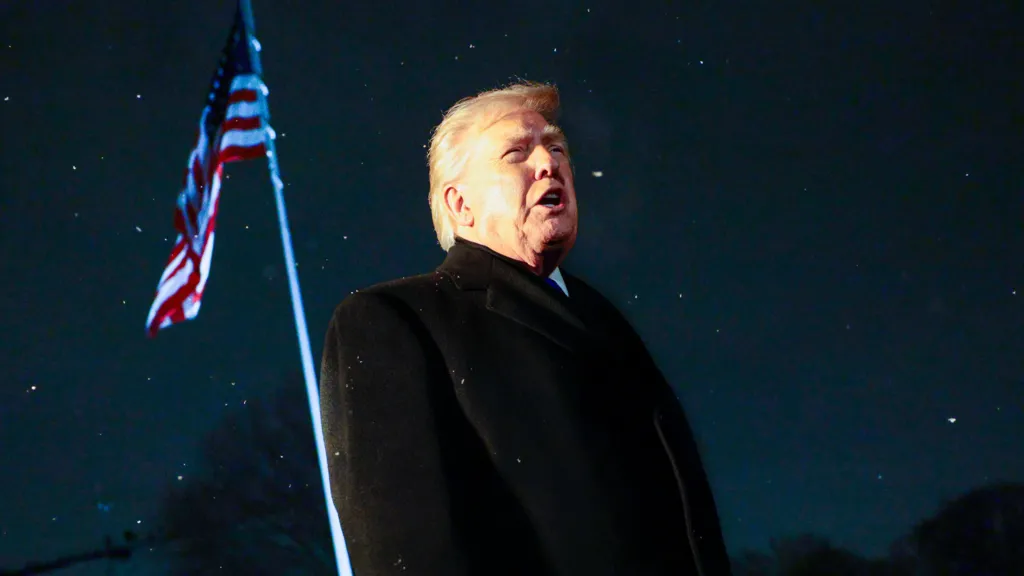
Released on Friday, the order does not provide a specific tariff rate but cites 25% as a possible example, stating that the tariff could be applied to imports from countries that engage in any form of trade with Iran, including the purchase or acquisition of goods and services.
Although President Trump has not made a public statement about the order, he reaffirmed his stance on Iran's nuclear program during a Friday evening address from Air Force One, emphasizing that Iran should not possess nuclear weapons.
The executive order follows recent discussions between high-ranking US and Iranian officials in Oman, which took place after a period of escalating tensions and threats from both countries.
Earlier this year, President Trump had already hinted at imposing a 25% tariff on countries that do business with Iran, as mentioned in a post on the Truth Social platform.
In a statement released on January 12, it was announced that a 25% tariff would be imposed on any country engaging in business with Iran, effective immediately, for all transactions involving the United States.
Initially, the announcement lacked specifics on the implementation and enforcement of these tariffs, leaving details on their practical application unclear.
According to the White House, this executive order serves as a reaffirmation of the existing national emergency regarding Iran, with the possibility of modifications if circumstances were to change.
The rationale behind the move was outlined, citing Iran's nuclear ambitions, terrorist support, ballistic missile development, and regional destabilization efforts as threats to American security, allies, and interests, which the President aimed to address by holding Iran accountable.
On Friday, the US Department of State announced the imposition of sanctions on 15 entities found to have engaged in trade involving Iranian crude oil, petroleum products, or petrochemical products, as part of a separate action.
Iran has yet to respond to the recent announcements, despite facing significant economic pressures due to existing sanctions imposed by the US and other Western nations over its nuclear activities.
The Iranian government maintains that its nuclear program is solely for peaceful purposes, and has consistently rejected allegations from the US and its allies suggesting otherwise, denying any intention to develop nuclear arms.
A 2015 international agreement limited Iran's uranium enrichment to 3.67% purity, sufficient for commercial nuclear power plant fuel, and prohibited enrichment at the Fordo facility for a period of 15 years.
In 2018, the US withdrew from the agreement under the presidency of Donald Trump, citing concerns that it did not adequately prevent Iran from developing nuclear weapons, and subsequently reinstated sanctions that severely impacted Iran's economy.
The reinstated sanctions, which targeted Iran's oil exports, shipping, and banking sectors, also included measures that penalized countries for engaging in trade with Iran, further exacerbating the country's economic challenges.
In response, Tehran has been gradually easing its adherence to the agreement, particularly with regards to enriched uranium production limits.
The UN reinstated economic and military sanctions in the previous year, following accusations by the UK, France, and Germany of Iran's "ongoing nuclear escalation" and inadequate cooperation.
Although certain products and industries are subject to sanctions, Iran maintains trade relationships with over 100 countries worldwide.
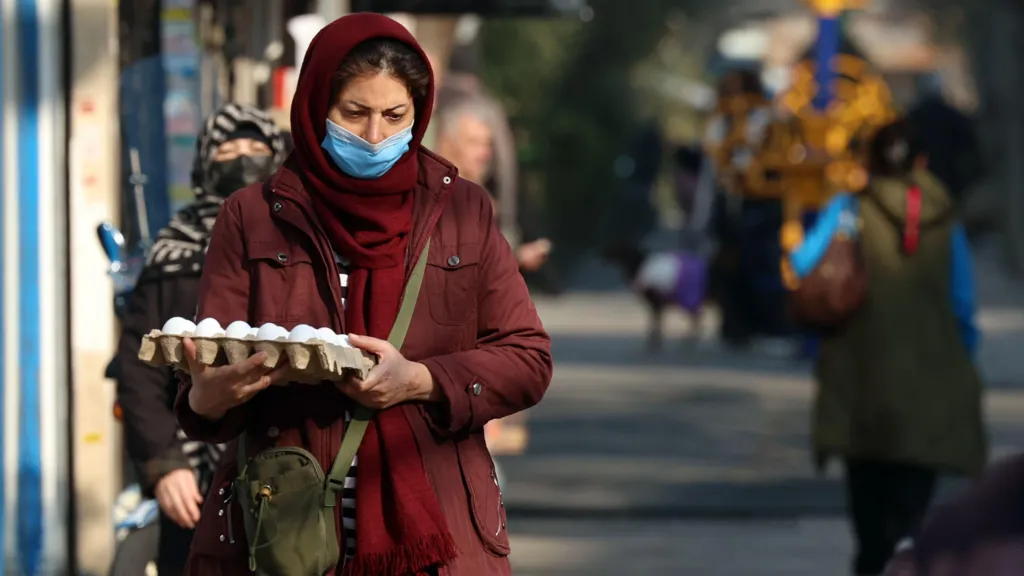
China is Iran's primary export partner, having purchased over $14bn (£10.4bn) worth of Iranian products between October 2024 and October 2025, according to data from Trade Data Monitor based on official Iranian statistics. Iraq ranks second, importing $10.5bn worth of goods from Iran during the same period.
The United Arab Emirates and Turkey are also among Iran's key export destinations. Notably, Iranian exports to Turkey saw a significant increase, rising from $4.7bn in 2024 to $7.3bn the following year.
Diplomatic discussions between the US and Iran commenced in Oman on Friday, marking the first direct engagement between the two nations' officials since the US launched airstrikes on Iran's key nuclear facilities in June.
The Iranian team, headed by Foreign Minister Abbas Araghchi, met with US representatives, including special envoy Steve Witkoff and Jared Kushner, son-in-law of President Trump.
In remarks made to the press while aboard Air Force One, President Trump characterized the Friday talks as "very good" and noted that Iran appears eager to reach an agreement.
The president cautioned that failure to secure a deal would result in severe consequences, and indicated that a follow-up meeting is scheduled to take place early next week.
According to Oman's Foreign Minister, Badr Albusaidi, who facilitated the talks, the discussions proved beneficial in clarifying the positions of both Iran and the US, and helped identify potential areas of progress.
According to a statement provided to X, Araghchi characterized the current state of negotiations as a promising beginning, noting that discussions have taken place in a constructive environment. Following these talks, negotiators have returned to their capitals to engage in further consultations.
The escalating tensions between the US and Iran have sparked concerns about a potential conflict, with President Trump recently cautioning Iran's Supreme Leader, Ayatollah Ali Khamenei, to be cautious, as stated on Wednesday.
President Trump has indicated that he is prepared to take military action against Iran if the country fails to agree on a deal related to its nuclear program.
Iran maintains that its nuclear program is solely for peaceful purposes, and it has consistently denied allegations made by the US and its allies that it is pursuing the development of nuclear weapons.
In response to Iran's crackdown on nationwide anti-government protests last month, the US has established a substantial military presence in the region, which President Trump refers to as a "massive armada", in an effort to address the situation.
The extent of the violence is still not fully known, as the government has limited online access since January 8, but human rights organizations estimate that the crackdown has resulted in the deaths of thousands of individuals.
Middle East
BBC reports from Tehran as Iran commemorates Islamic revolution anniversary
BBC correspondent Lyse Doucet has arrived in Iran, marking her first visit to the country since authorities suppressed widespread demonstrations against the government.
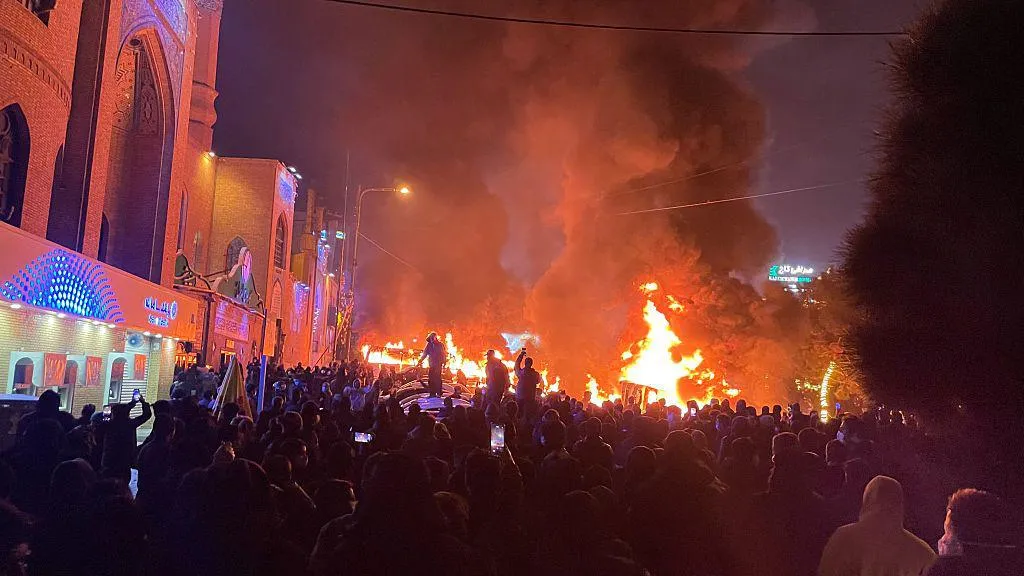
Iran's government has staged a display of strength to commemorate the 47th anniversary of the Islamic revolution, following a period of intense repression of anti-government demonstrations.
The BBC has gained access to Tehran for the first time since the authorities' crackdown on protests, which resulted in the deaths of at least 6,490 people, according to estimates by human rights activists.
Lyse Doucet, the BBC's chief international correspondent, observes that the capital's streets, adorned with festive decorations and filled with crowds of supporters, reflect the government's desired image of a unified nation, with Iranians demonstrating their allegiance to the Islamic Republic and its founding revolution.
Middle East
BBC reports from Tehran for the first time since the protest crackdown
In Iran, the aftermath of the government’s crackdown on protests remains a sensitive issue, with the effects of the unusually strong measures still being felt, according to Lyse Doucet, reporting from the country.
For the first time since a nationwide crackdown on anti-government demonstrations, a BBC team has entered Iran to report on the current situation.
As Iran commemorates the 47th anniversary of the Islamic Revolution, the streets of Tehran are adorned with festive decorations, yet the memory of the recent protests and the subsequent use of force by security personnel remains a sensitive issue.
According to human rights activists, the confirmed number of protester fatalities stands at a minimum of 6,400, although they caution that the actual death toll may ultimately be significantly higher.
Asia
Indonesia plans to deploy up to 8,000 troops to Gaza
As part of the second phase of the ceasefire agreement facilitated by the US in the previous year, this nation would become the first to take such action.
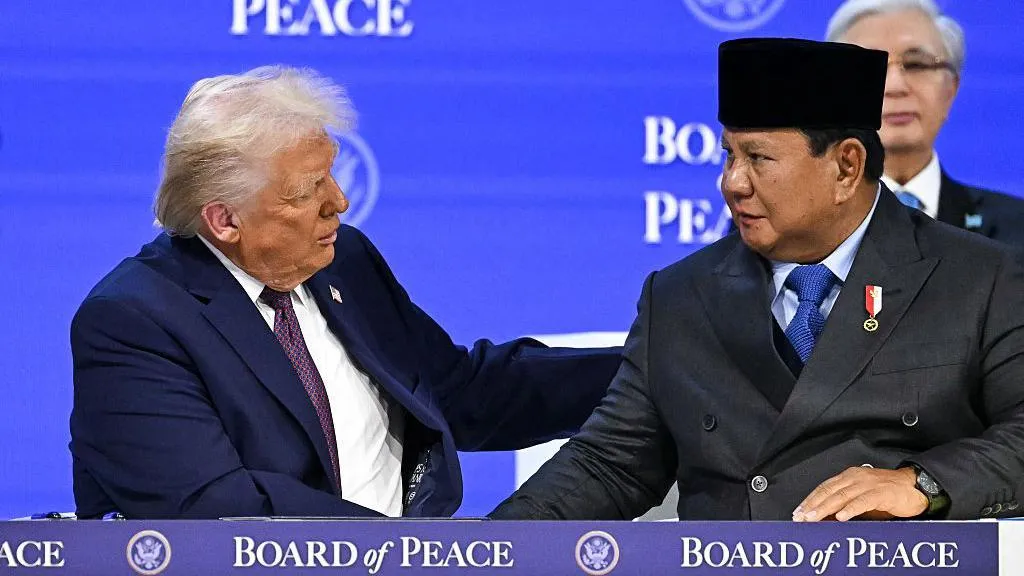
Indonesia is making preparations to deploy a contingent of up to 8,000 soldiers to Gaza, marking the first such commitment under the second phase of a ceasefire agreement facilitated by the United States towards the end of last year.
According to General Maruli Simanjuntak, the army's chief of staff, training for these troops is already underway, with a focus on providing medical and engineering support in Gaza.
Indonesia has recently joined the Board of Peace initiated by President Donald Trump, an announcement that was made last month.
The United Nations Security Council has given Indonesia a mandate to establish an International Stabilization Force, tasked with securing border areas in Gaza and overseeing the demilitarization of the territory, including the disarmament of Hamas.
The Board of Peace, scheduled to convene for the first time in Washington on February 19, will also play a role in overseeing the establishment of a new technocratic government in Gaza and guiding post-conflict reconstruction efforts.
While the specifics of the Indonesian troop deployment, including timing and role, have yet to be finalized, it appears that President Prabowo Subianto is moving forward with the plan.
President Subianto's decision to participate in Trump's Board of Peace has drawn criticism from certain Islamic groups within Indonesia, where there is significant public discontent regarding the US role in Israel's military actions in Gaza.
President Subianto has countered that, as the world's most populous Muslim nation, Indonesia has a responsibility to contribute to stabilizing Gaza, with the ultimate goal of achieving a two-state solution to the Israeli-Palestinian conflict.
A report by Israel's public broadcaster Kan indicates that a location in southern Gaza, situated between Rafah and Khan Younis, has been designated for the Indonesian army to construct barracks that will accommodate several thousand troops.
Other Muslim countries, including Turkey and Pakistan, are considering troop deployments as well, but have emphasized that their roles would be limited to peacekeeping and would not involve participation in the planned disarmament of Hamas.
However, given Hamas's refusal to disarm as long as Israel maintains its presence in parts of Gaza, a lasting peace that an international force could support has yet to be achieved.
-
 News9 hours ago
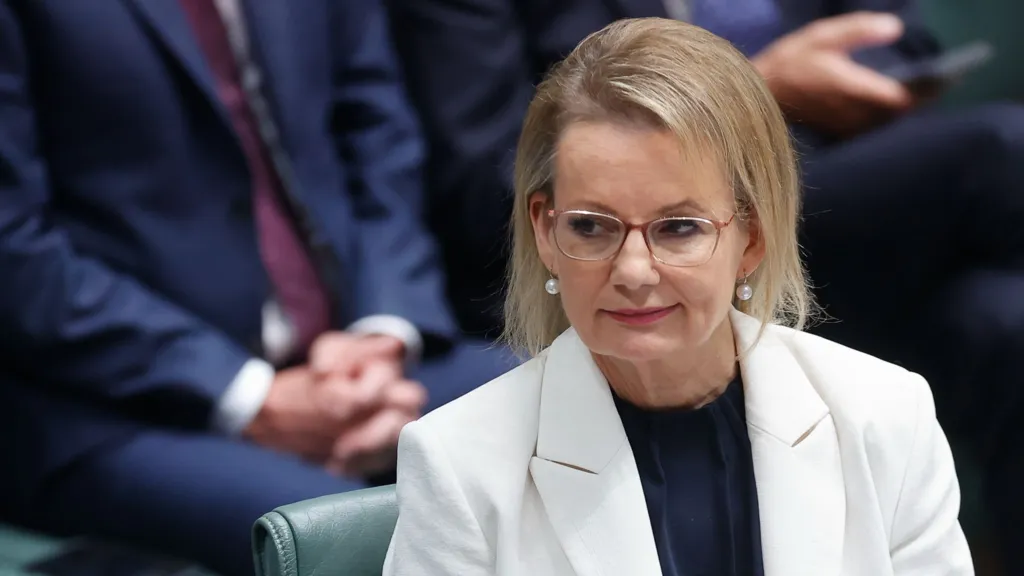
Australian Politics Faces Questions Over Gender Equality Amid Sussan Ley’s Appointment
-
 News7 hours ago
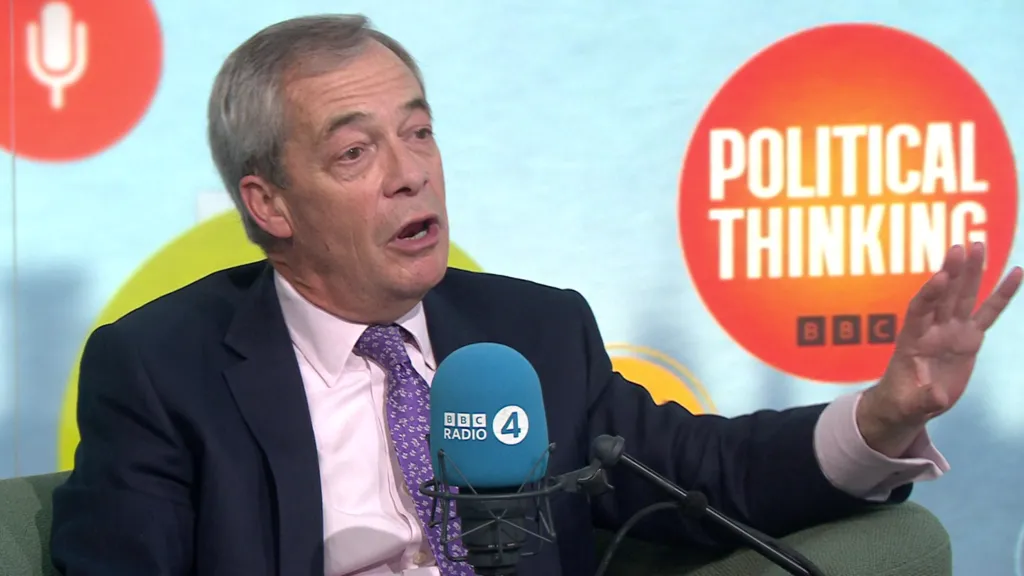
Farage Says Reform to Replace Traditional Tory Party
-
 News7 hours ago
Wrexham Pair Seek Win Against Former Team Ipswich
-
 News12 hours ago
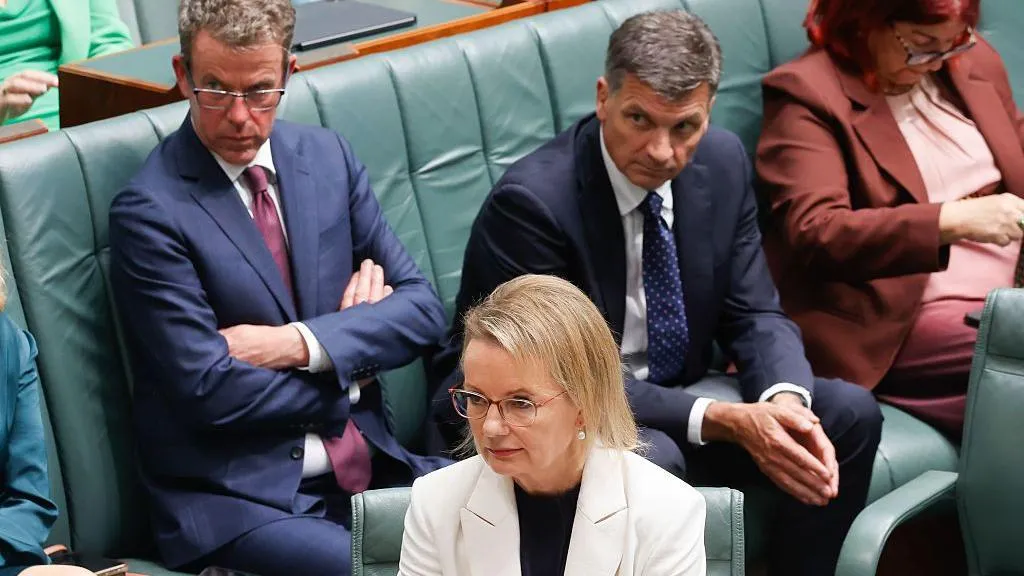
Liberal Party Removes Australia’s First Female Leader
-
 News10 hours ago
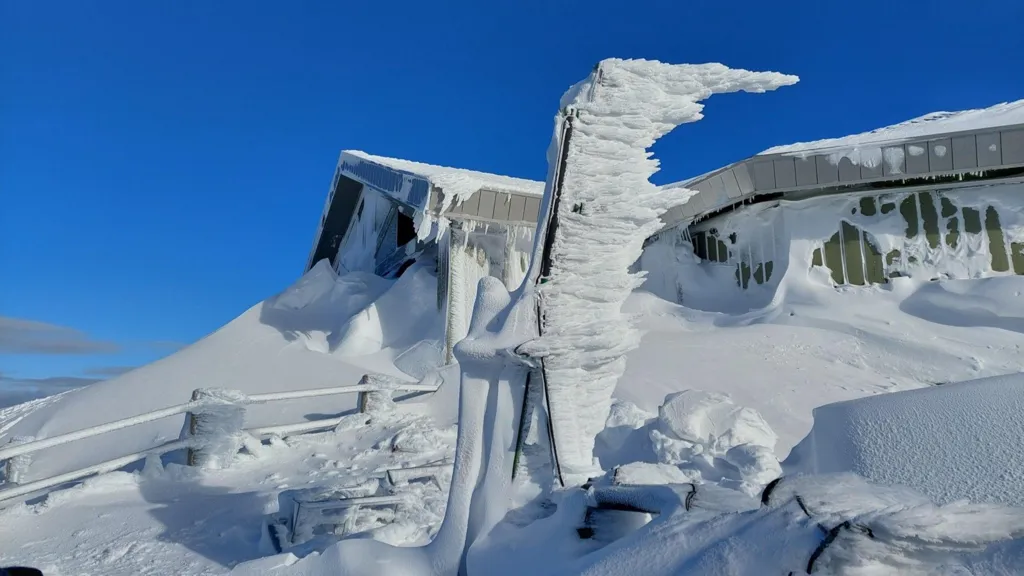
UK Braces for Cold Snap with Snow and Ice Alerts Expected
-
 News7 hours ago
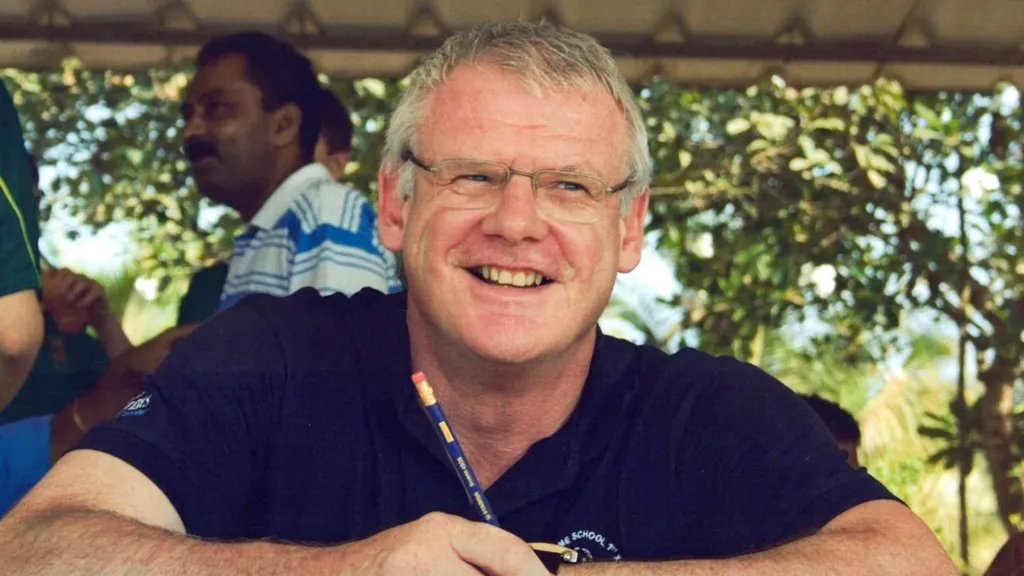
Husband’s alleged £600k theft for sex and antiques blamed on drug side effects
-
 News2 days ago
Sunbed ads spreading harmful misinformation to young people
-
 Business12 hours ago
BBC Reporter Exposed to Cyber Attack Due to Vulnerabilities in AI Coding Tool