
Asia
Australian official tasked with regulating kids’ social media use
Following years of experience in the private technology sector, Julia Inman Grant has transitioned to a different role.
Before Julie Inman Grant arrives, the discussion already focuses on the numerous death and rape threats that her office encounters weekly, setting a somber tone for the conversation to come.
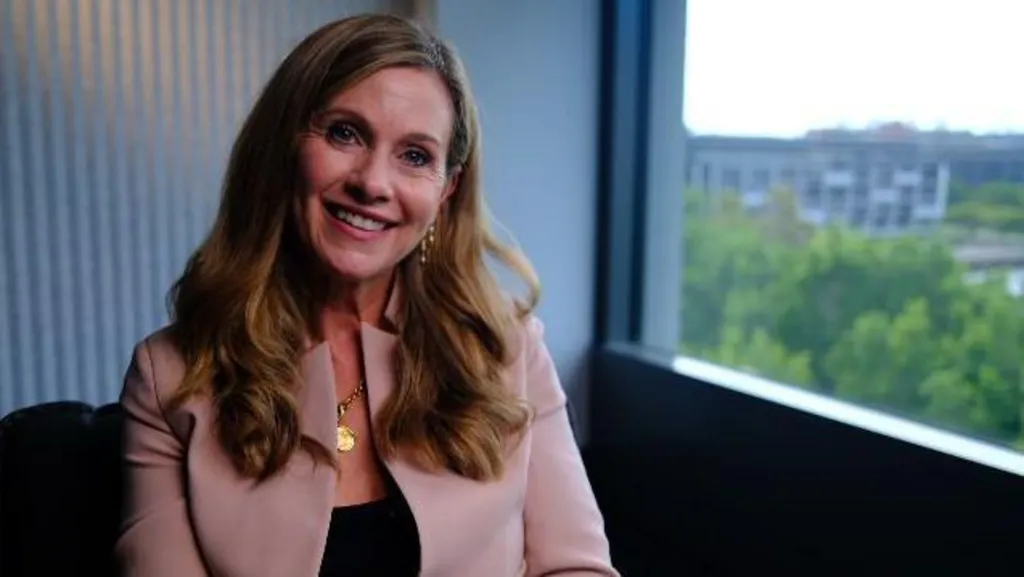
As the head of Australia's eSafety Commission, Inman Grant is at the forefront of addressing online issues, including the spread of misinformation, censorship, harassment, and the protection of children in the digital sphere.
A colleague describes the online environment as a "cesspit," highlighting that the majority of abusive comments are directed personally at Inman Grant, underscoring the challenges she faces in her role.
When Inman Grant joins the conversation, she acknowledges the harsh reality she has been dealing with for several years, speaking from her office with a view of Sydney Harbour at the age of 57.
Following a career spanning decades in the private tech sector, Inman Grant now leads Australia's independent online safety regulator, tasked with holding major tech companies accountable for their actions in the online space.
Her role has garnered significant attention, potentially making her the most recognizable bureaucrat in the country, but it has also drawn criticism and scrutiny.
Inman Grant has faced intense backlash, including being targeted by neo-Nazi groups, engaging in public feuds with prominent figures like Elon Musk, and attracting disapproval from certain members of the US Congress.
A key aspect of her responsibilities involves overseeing the enforcement of a groundbreaking law that prohibits social media use among teenagers, effectively requiring all Australians under 16 to be removed from these platforms.
Inman Grant's position has always been high-pressure, but the current spotlight on Australia's social media regulations has elevated the stakes, with the global community closely monitoring the outcomes of this experiment.
As of 10 December, the new legislation applies to 10 major platforms, including Meta-owned Facebook and Instagram, as well as Snapchat and YouTube, marking a significant development in the country's approach to social media regulation.
Australian parents have largely welcomed the policy, citing the benefits of having government support when navigating disagreements with pre-teens who want to join social media platforms.
However, criticism has emerged from technology experts and child wellbeing advocates, who argue that education, rather than prohibition, is the key to addressing concerns about children's online activities.
The policy's feasibility has been questioned, with some arguing that it disproportionately affects certain groups, including rural youth, teenagers with disabilities, and those in the LGBTQI+ community, who often rely on online platforms to connect with others who share similar experiences.
The tech companies have expressed a mixed response, acknowledging the government's concerns about online safety while also indicating that they will comply with the legislation, although they do not necessarily agree that a ban is the most effective solution.
According to Inman Grant, any measure that has the potential to enhance online protection for children is worth exploring.
According to her, postponing children's social media entry by three years and implementing digital action plans to enhance their critical thinking and resilience could be a viable approach worth considering.
At this point, she frequently draws a parallel between the digital realm and the ocean, leveraging a comparison that may resonate with Australians who take pride in their coastal heritage.
She emphasizes the need for ongoing education, likening it to swimming lessons, where children must learn to navigate risks such as online predators and algorithmic pitfalls, which can be likened to sharks, pedophiles, and scammers in the digital sphere.
However, she has previously utilized the ocean analogy to caution against outright bans.
In a statement made in June 2024, while the government was deliberating on the ban, she noted that just as the ocean is not entirely off-limits to children, but rather managed through designated safe areas and early education, a similar approach could be applied to the digital world, providing a protected environment with built-in safeguards.
Initially, she required some convincing, but ultimately, she came to support the initiative. Having advocated for flexibility in its implementation, she played a crucial role in determining which companies would be involved and the requirements for their participation.
Her household, where she resides with her three children, including 13-year-old twins, has essentially transformed into a testing ground. One of her children was relatively unconcerned about the potential changes, while another was more anxious, fearing the loss of access to social media platforms like Instagram and Snapchat.
This experience has not deterred her, as she acknowledges that her children are currently navigating the process of self-discovery and forming their identities.
Reflecting on her own adolescence, she notes that she was able to make mistakes without the scrutiny of social media, which can record and disseminate incidents widely.
Inman Grant's early life was influenced by the tech industry, having grown up in Seattle, a city that is home to major companies like Microsoft and Amazon.
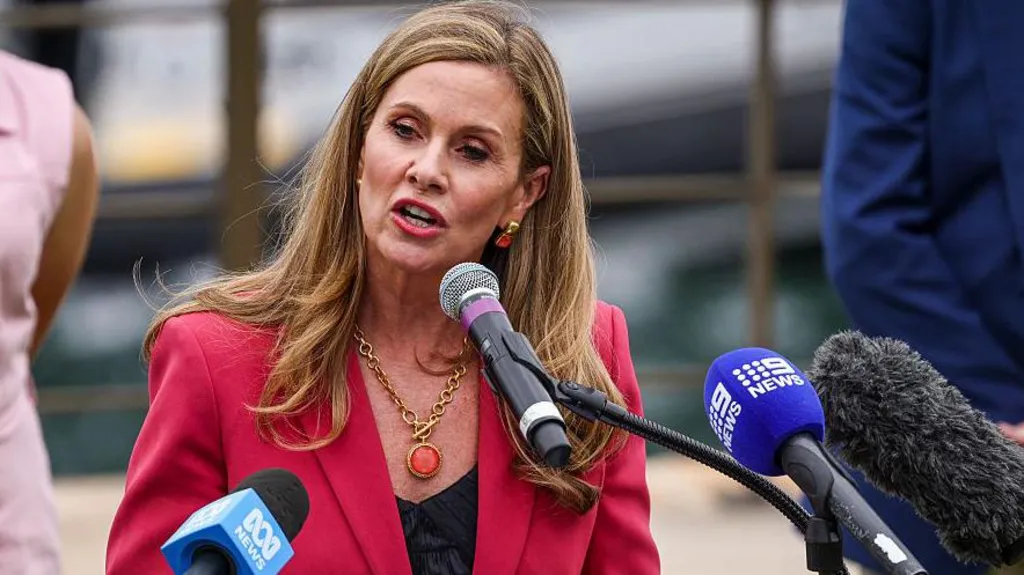
Given her initial interest in a career with the CIA, it is not unexpected that she eventually pursued a path in this field.
Her professional journey began with a role on Capitol Hill, where she provided counsel to a US congressman on matters related to telecommunications and technology. She then pursued a master's degree in international communication, which ultimately led to a position at Microsoft.
A work assignment with Microsoft brought her to Australia in the early 2000s, a time when social media was gaining momentum. During her time in Australia, she met her husband and subsequently became a naturalized Australian citizen.
As part of her responsibilities at Microsoft, Inman Grant identified potential security vulnerabilities and breaches. After a 17-year tenure, she transitioned to Twitter's Australian office and later held a brief position at Adobe.
Amidst the rapid growth of tech companies, driven by the increasing use of smartphones and apps, Inman Grant observed a notable concern. She believed that safety was not being given sufficient attention, particularly during a period when government regulation was largely absent.
An effort was made to effect change from within the system.
Following over 20 years, a new approach was considered, exploring the potential for change to occur from an external perspective.
The position of eSafety Commissioner became available, and the candidate pool was relatively small. Notably, Malcolm Turnbull, a key figure in drafting the relevant bill, had gone on to become prime minister. He appointed her to the role, seeking a commissioner with expertise in online safety as well as experience within the technology sector.
The government's perspective, as recalled, was that a regulator's effectiveness relied on familiarity with key individuals, understanding of the industry's inner workings, and the ability to anticipate the actions of those being regulated.
It is essential to recognize that the driving forces behind these actions are revenue, growth, and the distribution of power within companies.
Inman Grant's leadership has garnered widespread support from politicians across the spectrum, a feat attributed to her effective management of the office. This endorsement is particularly notable given the increased scrutiny and significant expansion of the internet safety watchdog, which has seen its budget quadruple and its staff and responsibilities grow exponentially in recent years.

According to Alastair MacGibbon, Inman Grant's predecessor, her tenure has been "extraordinary" in a field where regulators often face intense pressure. MacGibbon notes that the office's relevance has continued to increase, making its role more crucial with each passing day.
Paul Fletcher, the former Communications Minister who played a key role in Inman Grant's appointment and worked closely with her, praises her for tackling the challenging role with determination and courage. Fletcher's assessment underscores Inman Grant's ability to navigate the demands of the position.
In an interview with the BBC, Fletcher highlighted the importance of holding individuals accountable for harmful actions, regardless of whether they occur online or offline. He emphasized that victims of online assaults or other harmful activities should have access to recourse, just as they would in the physical world.
Fletcher stressed that the principles of law and order must be applied consistently in both the physical and digital realms. He views the eSafety Commissioner as a key embodiment of this principle, ensuring that the rule of law is upheld in the online sphere.
Australia is perceived as a pioneer in online safety, but some international tech companies have criticized its approach, arguing that it oversteps its boundaries.
According to Inman Grant, Australia has been at the forefront of regulating big tech for online safety, with a 10-year track record, during which it was the sole regulator for seven years.
Inman Grant is currently facing a request to testify before the US Congress regarding Australia's social media ban laws, with Republican House judiciary chair Jim Jordan referring to her as a "noted zealot for global takedowns" who allegedly poses a threat to the free speech of American citizens, and has even threatened contempt charges if she declines to provide evidence.
Inman Grant maintains that her role is limited to implementing the policy, and that it does not impinge on the ability of American companies to showcase content of their choice to their domestic audience, stating, "Our actions here do not affect the ability of American companies to display any content they wish to Americans."
Meanwhile, Inman Grant is gearing up to defend against at least two High Court challenges to the ban, filed by Reddit and two Australian teenagers, respectively, while also pursuing legal action against companies found to be in breach of Australia's online safety laws.
Inman Grant's current situation is not an isolated incident, as she has previously navigated similar challenges.
Following a stabbing incident involving a bishop in Sydney during a livestreamed service in 2024, Inman Grant requested that the video be removed from X, a platform owned by Elon Musk, but her request was denied.
Elon Musk responded by labeling Inman Grant a "censorship commissar" in a post seen by his large following, which led to a significant escalation of online harassment directed towards her.
A study conducted by Columbia University revealed that Inman Grant was subjected to a substantial amount of online abuse, including threats of violence and rape, with tens of thousands of such posts identified; on April 23, 2024, the university's report noted 73,694 mentions of Inman Grant or her office on X, a drastic increase from the daily average of 145 prior to that date.
Although the video was eventually made inaccessible in Australia through geo-blocking, it remained available globally; Inman Grant's organization took X to court, but the case was ultimately dismissed.
According to her interview with the BBC, the incident serves as a warning. UK authorities have reported that Axel Rudakubana viewed the same video prior to fatally stabbing three girls at a Taylor Swift-themed dance class in Southport later that year.
She notes that such content can have a profound impact, stating that it "can lead to normalisation, desensitisation, and even radicalisation" of individuals. Her statement emphasizes the need for action, asserting that a firm stance must be taken at some point.
As her office works to implement Australia's social media ban, Inman Grant is already preparing for the next challenge, with a focus on regulating artificial intelligence (AI).
Inman Grant expresses concern that the world was slow to regulate social media, and she cautions against making the same mistake with AI, stating that the world cannot afford to be late in addressing this issue.
She believes that AI poses a more pressing threat, and that it will be a major concern in the future, saying "it's going to be the next significant threat, to be honest."
Her tenure as commissioner is nearing its end, with her second five-year term set to expire next year, marking almost a decade in the position.
The commissioner has indicated that she may step down, stating that the role requires significant resolve and resilience, and describing her time in the position as a lifetime privilege and honor.
Despite her potential departure, the commissioner suggests that her commitment to enhancing online safety will persist, potentially posing an ongoing challenge for tech companies.
She proposes that her future endeavors may involve collaborating with governments to develop online safety regulations and assisting companies in integrating safety measures into their design processes.




Asia
Emergency call recording reveals boy’s heroic swim to save family
A 13-year-old boy, Austin Appelbee, took action to secure assistance for his mother and siblings when they were pulled out into the ocean.
An audio recording has been made public by authorities, capturing a distress call made by a 13-year-old Australian boy who swam for an extended period to seek assistance for his family after they were caught in a strong current at sea in early February.
During the call, the boy, identified as Austin Appelbee, informs emergency services that his brother, Beau, 12, sister, Grace, eight, and their mother remain in the water, awaiting rescue.
Austin expresses concern for his family's well-being, stating that he is unsure of their current condition, which is causing him significant distress.
The teenager also reports feeling severely exhausted, a result of his prolonged and physically demanding effort to reach shore and call for help.
Following the call, Austin lost consciousness and was hospitalized, where he later received news that his mother, brother, and sister had been rescued approximately 14 kilometers offshore and were in good health.
Asia
Australian opposition leader faces pressure after key staff member quits
The departure of a high-ranking colleague has created an opportunity for a potential challenge to Sussan Ley, who holds the distinction of being the first female leader of the Liberal party.
Sussan Ley, the first female leader of the Liberal Party, is facing renewed scrutiny following the departure of Angus Taylor, her shadow defence minister, from the party's leadership team.
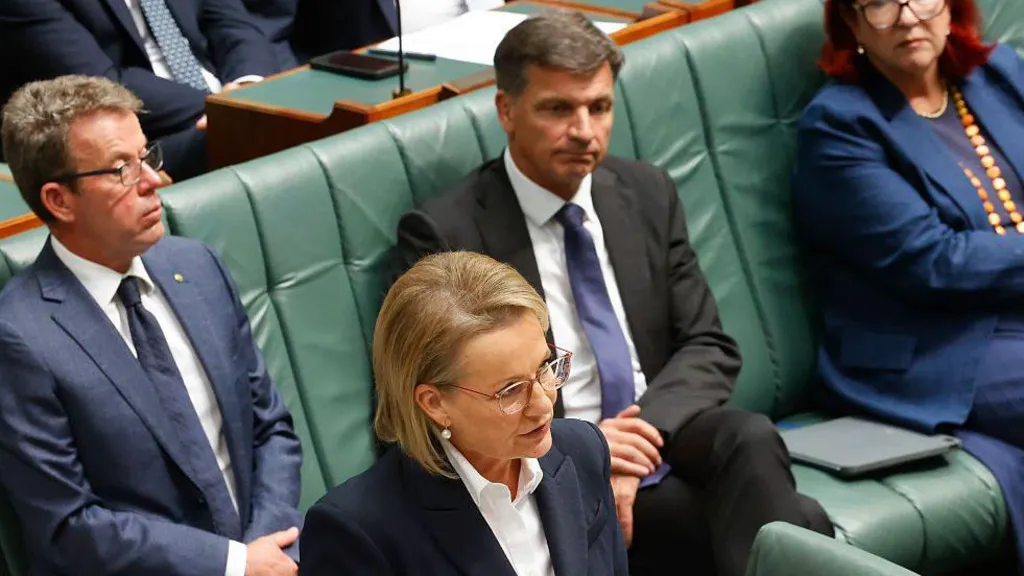
Taylor's resignation is expected to pave the way for a potential challenge to Ley's leadership, with local media outlets suggesting he has been quietly working to unseat her for some time.
Ley's tenure has been marked by struggles, including a narrow victory over Taylor in a leadership contest last year, which was held in the aftermath of the party's worst-ever electoral performance.
The Liberal-National coalition, a partnership that dates back to the 1940s, has experienced significant instability under Ley's leadership, having split and reunited twice during her tenure.
On Wednesday, Taylor, a member of the party's conservative faction, announced his resignation from the leadership team, citing his commitment to continuing to serve the Liberal Party.
In a statement to reporters, Taylor expressed his disappointment with the party's inability to hold the current Labor government accountable, emphasizing the need to protect Australians' way of life and restore their standard of living.
Taylor stated that he does not believe Ley is capable of leading the party effectively, citing the need for a change in leadership.
It remains to be seen whether Taylor's allies within the shadow cabinet will follow his lead and resign from their positions.
Local media reports suggest that Taylor's supporters are planning to request a special party meeting to consider a spill motion, which would allow the party to reconsider its leadership.
If Taylor were to succeed in his bid for leadership, it would bring an end to the ongoing speculation surrounding Ley's tenure, which has been marred by uncertainty.
The coalition's most recent split, which occurred in January, was followed by a reunification just days ago, after a dispute over hate speech laws, which Ley had supported in the wake of the Bondi Beach attack in December.
At the time of the initial split, Nationals leader David Littleproud explicitly stated that his party could not continue to serve in a shadow cabinet under Ley's leadership.
Recent polling data has shown the One Nation party, which secured 6% of the national vote in the previous election, surpassing the Coalition to take second place behind Labor, while Ley's personal approval ratings remain low.
The coalition has yet to reach a consensus on the factors that contributed to its decisive election loss to Labor, which saw the Liberals suffer significant losses in major cities.
In the aftermath of the election, the coalition briefly split over disagreements on climate and energy policy, including its commitment to achieving net-zero emissions by 2050, a policy that the Liberals later abandoned under pressure from the Nationals and their own right-wing faction.
The Nationals, which have a strong presence in rural areas and tend to lean more conservative than the Liberals, have been pushed further to the right in response to the surge in support for the One Nation party, according to political analysts, who note that this shift may hinder the Liberals' ability to appeal to centrist voters in urban areas.
Asia
India sets 3-hour deadline for social media firms to remove illegal content
Concerns have been raised that the regulations may pose a difficulty for tech companies in terms of compliance and potentially lead to increased censorship.
In a significant update to its existing regulations, India has implemented new rules requiring social media companies to delete unlawful content within a three-hour window after being notified, a substantial reduction from the previous 36-hour timeframe.
These revised guidelines, set to come into effect on February 20, will apply to prominent platforms such as Meta, YouTube, and X, as well as content generated using artificial intelligence.
The government has not provided a specific reason for shortening the deadline for removing objectionable content.
Critics, however, are concerned that this move may be part of a broader effort to increase oversight of online content, potentially leading to censorship in a country with over a billion internet users, which is the world's largest democracy.
In the past, Indian authorities have utilized existing Information Technology rules to direct social media platforms to remove content deemed illegal under laws related to national security and public order, granting them broad authority over online content.
According to transparency reports, Indian authorities requested the removal of more than 28,000 URLs or web links in 2024, which were subsequently blocked.
The BBC has sought comment from the Ministry of Electronics and Information Technology regarding the latest amendments, while Meta has declined to comment; the BBC has also reached out to X and Google, the owner of YouTube, for their response.
The updated regulations also introduce new guidelines for AI-generated content, marking a significant development in the country's approach to regulating online material.
For the first time, Indian law defines AI-generated content, including audio and video that has been created or altered to appear realistic, such as deepfakes, while excluding ordinary editing, accessibility features, and genuine educational or design work.
Platforms that allow users to create or share AI-generated content must clearly label it, and where possible, add permanent markers to facilitate tracing its origin.
Once labels are added to AI-generated content, companies will not be permitted to remove them; furthermore, they must utilize automated tools to detect and prevent the dissemination of illegal AI content, including deceptive or non-consensual material.
Technology experts and digital rights groups have expressed concerns regarding the feasibility and implications of the new regulations.
The Internet Freedom Foundation has stated that the shortened timeline will effectively transform platforms into "rapid fire censors," highlighting the potential risks associated with the updated rules.
The group has argued that the extremely short deadlines will eliminate the possibility of meaningful human review, forcing platforms to rely on automated removals, which may lead to over-removal of content.
Anushka Jain, a research associate at the Digital Futures Lab, has welcomed the requirement for labeling AI-generated content, suggesting that it could enhance transparency; however, she has also cautioned that the three-hour deadline may push companies towards complete automation.
Jain has noted that companies are already struggling to comply with the 36-hour deadline due to the need for human oversight, and that a fully automated process may result in the censorship of legitimate content.
Prasanto K Roy, a Delhi-based technology analyst, has described the new regulations as "perhaps the most extreme takedown regime in any democracy," highlighting the challenges associated with compliance.
Roy has stated that meeting the new requirements will be "nearly impossible" without extensive automation and minimal human oversight, as the tight deadline leaves little room for assessing the legitimacy of removal requests.
Regarding the labeling of AI-generated content, Roy has acknowledged the positive intention behind the regulation but has also noted that reliable and tamper-proof labeling technologies are still in development.
The BBC has requested a response from the Indian government regarding the concerns raised by technology experts and digital rights groups.
-
 News8 hours ago
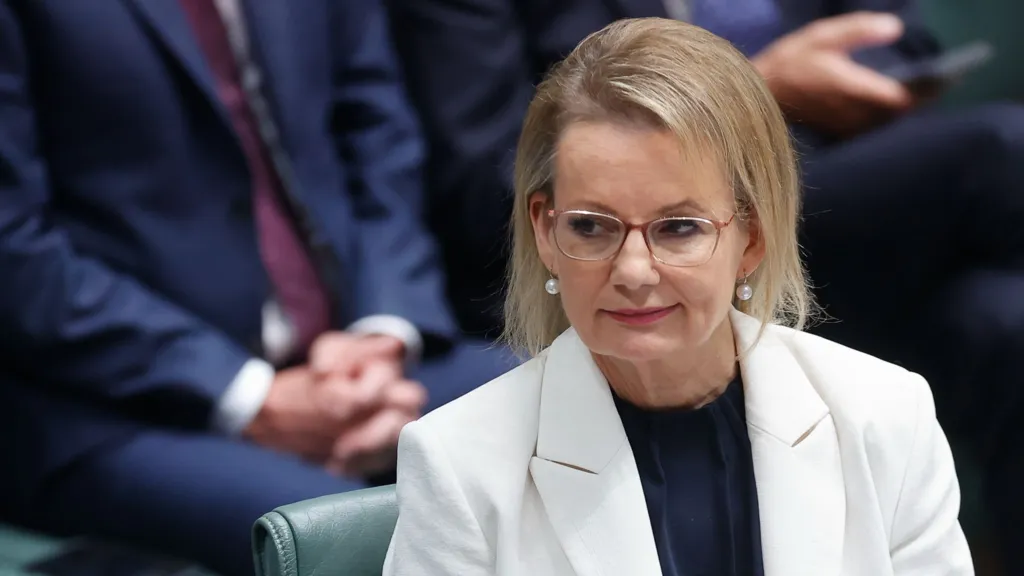
Australian Politics Faces Questions Over Gender Equality Amid Sussan Ley’s Appointment
-
 News5 hours ago
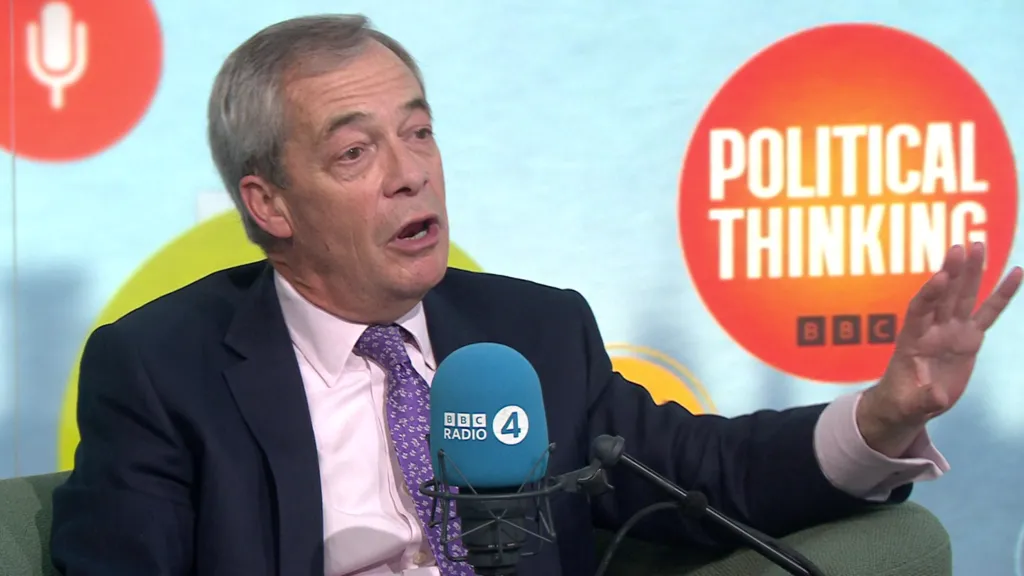
Farage Says Reform to Replace Traditional Tory Party
-
 News5 hours ago
Wrexham Pair Seek Win Against Former Team Ipswich
-
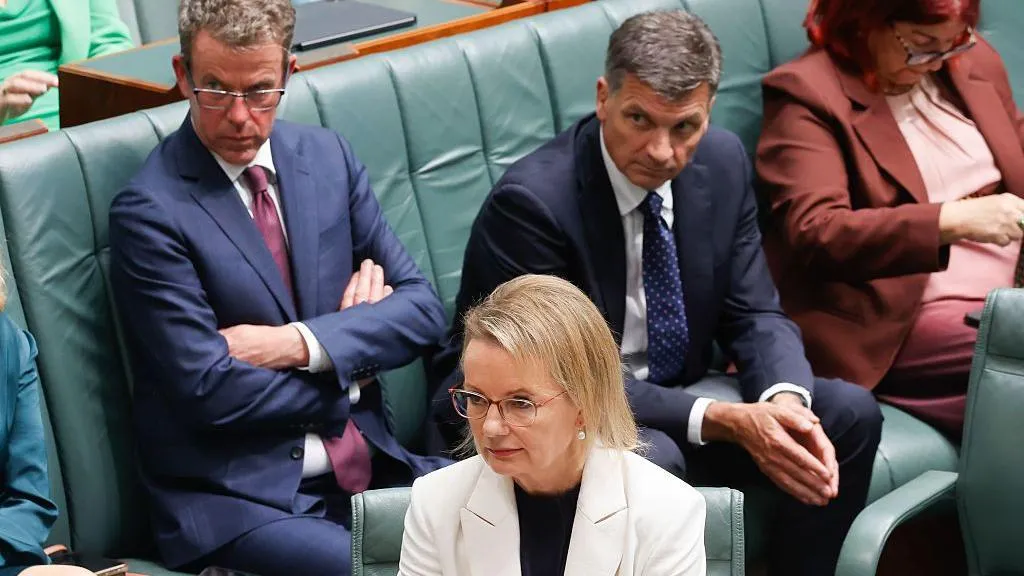 News11 hours ago
Liberal Party Removes Australia’s First Female Leader
-
 News8 hours ago
UK Braces for Cold Snap with Snow and Ice Alerts Expected
-
 News5 hours ago
Husband’s alleged £600k theft for sex and antiques blamed on drug side effects
-
 Business11 hours ago
BBC Reporter Exposed to Cyber Attack Due to Vulnerabilities in AI Coding Tool
-
 News8 hours ago
Canadian Town Unites in Mourning After Mass Shooting Leaves Community Reeling