
Africa
Nigerian singer’s death highlights snakebite epidemic
A severe shortage of reasonably priced and adequately stored antivenom is exacerbating the situation.
Last Saturday morning, Ifunanya Nwangene was asleep in her ground-floor apartment in Nigeria's capital city when a sudden, intense pain in her wrist jolted her awake at approximately 08:00.
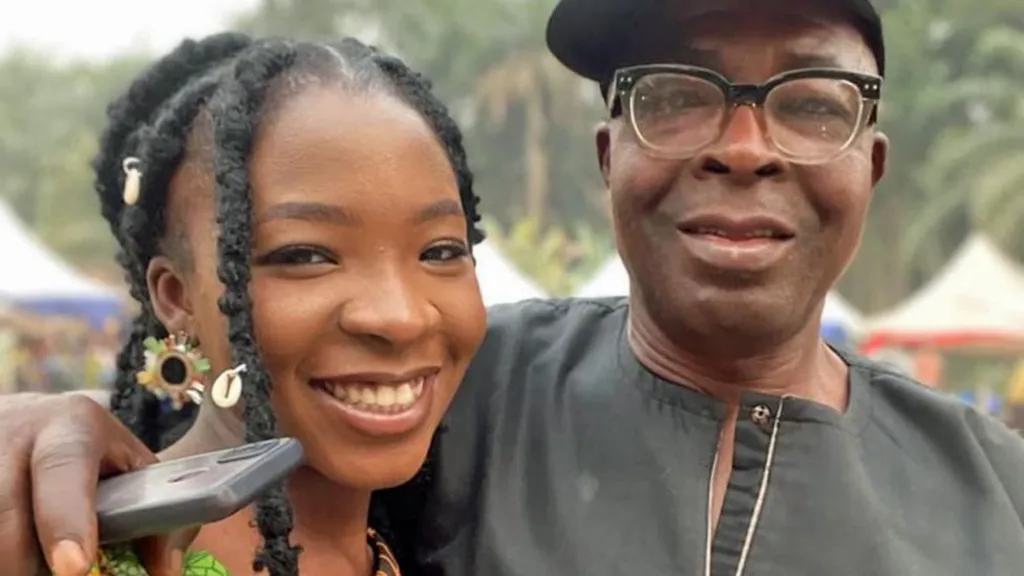
According to Christopher Nwangene, Ifunanya's father, a snake had climbed onto her bed and bitten her, as he recounted the events to the BBC's Newsday programme.
The incident ultimately led to Ifunanya's death, highlighting concerns about the treatment of snakebite victims in hospitals and the availability of antivenom in Nigeria, a country with the third-highest rate of snakebites globally.
As a renowned soprano singer in Nigeria, who gained popularity on the local version of The Voice a few years ago, Ifunanya was aware of the urgency to receive antivenom treatment at a hospital.
In an attempt to mitigate the effects of the bite, Ifunanya applied a makeshift tourniquet by tying a rope tightly around her arm, her father reported.
Historically, applying a tourniquet was suggested as a means to halt the spread of venom from a snakebite, but this approach is now discouraged due to the potential for tissue damage and increased risk of amputation resulting from restricted blood flow.
Current guidelines for snakebite victims emphasize the importance of remaining calm, keeping the affected limb still, and promptly seeking emergency medical attention.
However, the experience of Ifunanya illustrates the challenges that can arise when a hospital lacks antivenom, forcing her to seek treatment at an alternative facility.
After arriving at the Federal Medical Centre in Jabi, Abuja, the 26-year-old singer contacted her father, who then reached out to her uncle in the capital, requesting that he visit her at the hospital.
Upon his arrival, Ifunanya's uncle found her in a precarious state; medical staff had removed the tourniquet and administered intravenous treatment, indicating the severity of her condition.
According to Nwangene, the little girl's condition rapidly deteriorated after receiving the drip, with her telling her father, "Daddy, I cannot speak," shortly after administration.
Sam Ezugwu, a close friend of Ifunanya, rushed to the hospital upon hearing the news and informed the BBC that although some antivenom had been administered, additional doses were required.
Ezugwu, who serves as music director of the Amemuso Choir where Ifunanya was a singer, described her struggles, stating that while medical staff attempted to stabilize her, she was unable to speak but could communicate through hand gestures and was experiencing breathing difficulties.
Both Ezugwu and Ifunanya's uncle embarked on a search for an additional vial of antivenom.
The Federal Medical Centre, Jabi, has contested this account, asserting that antivenom was available and denying allegations that its response to the situation was inadequate.
Nigeria typically employs a "polyvalent antivenom" to combat snakebites, a treatment that is effective against bites from multiple snake species.
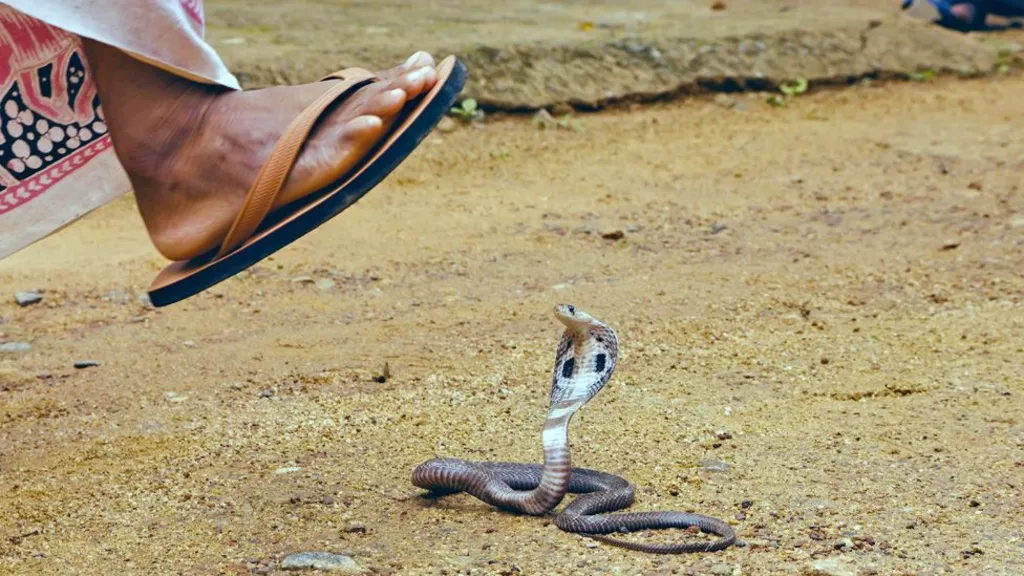
The required dosage of antivenom is determined by the bite's severity and the specific snake involved, with each vial currently priced between 45,000 naira ($33; £24) and 80,000 naira ($58; £43).
According to Nwangene, his brother was instructed to purchase antivenom from a pharmacy, prompting a search across several locations.
However, by the time the antivenom was found, it was too late, and Ezugwu's return with a vial came after Ifunanya had already succumbed to the bite.
Nwangene has expressed concerns that the hospital did not provide adequate care for his daughter, questioning the decision to remove her tourniquet in the absence of available treatment.
He argued that amputation is preferable to a fatal outcome, stating, "The removal of her limb should not have been an option, given that she has two hands."
Initially, the situation was not taken seriously, according to his brother, who claimed that there was a lack of urgency in responding to the issue.
The death has sparked an outpouring of grief nationwide and raised pressing concerns about the country's preparedness to address a longstanding public health crisis.
The incident has also had a profound impact on a country where snakebites are commonly viewed as a threat limited to rural areas.
A friend of the singer revealed to the BBC that an investigation of her apartment, located in a affluent neighborhood in Abuja, uncovered two snakes.
Footage shared on the internet depicts a snake handler carefully extracting a long black snake from a building, as bystanders react with alarm.
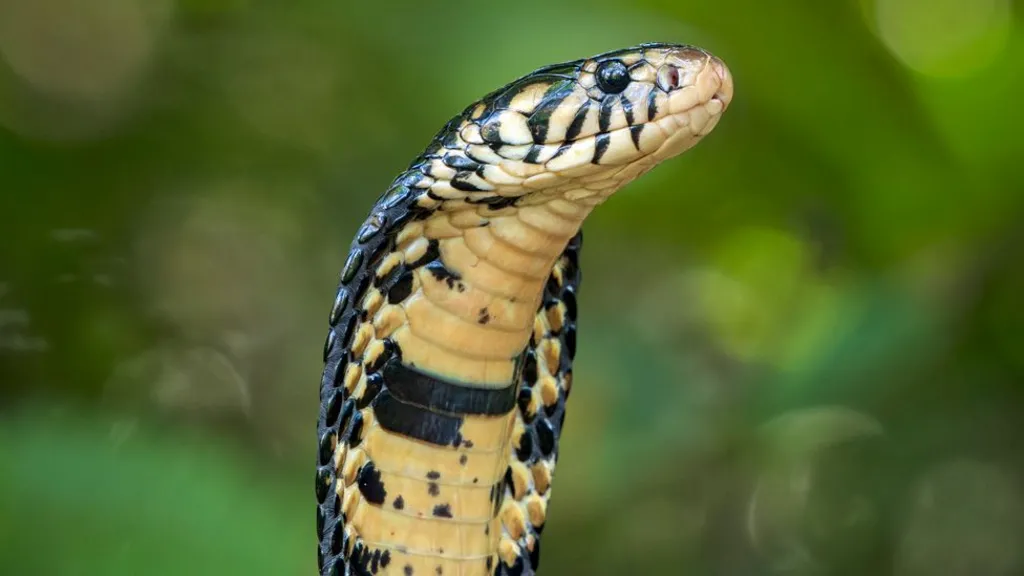
The snake is identified as a cobra, specifically a forest cobra, due to its distinctive hood and coloration, a species considered highly venomous and prevalent in Nigeria, according to the African Snakebite Institute.
Data from 2021, cited by Nigeria's former Health Minister Olorunnimbe Mamora, indicates that the country experiences approximately 20,000 snakebites annually, a situation characterized as an epidemic.
The snakebite crisis in Nigeria is further exacerbated by a severe lack of affordable antivenom, which requires refrigeration, posing a challenge in areas plagued by power outages.
Shuaibu Mohammed, a resident of Gombe state in northeastern Nigeria, recounts his fortunate survival of a snakebite incident that occurred 15 years ago.
A childhood incident at boarding school left an lasting impression when he accidentally stepped on a cobra during recess, prompting a rushed hospital visit where fortunately, a sufficient supply of antivenom was available to administer treatment.
In contrast, a similar situation three years prior had a devastating outcome for his sister, Sadiya, who was a mother of two at the time.
Describing the events of that night, he recounted to the BBC that Sadiya had ventured out to use the restroom when she was bitten by the snake.
The family's subsequent actions were marked by urgency, as they quickly transported Sadiya to the hospital, only to discover that no antivenom was available, he explained to the BBC.
In a desperate bid to save her, the family was informed that antivenom could be procured from the neighboring state of Plateau, and a brother was contacted to obtain it; however, the delay proved fatal, as Sadiya passed away before the antivenom could be transported to their location, he said.
Hafiz Aminu, a resident of Kaduna state in northern Nigeria, has personal experience with a life-threatening situation that many can relate to.
In an interview with the BBC, the 36-year-old recounted a harrowing incident from the previous year, stating, "I came close to losing my life."
Aminu explained that the ordeal occurred after a football match, when he was bitten by a cobra, and upon arriving at the nearest hospital, medical staff informed him that they lacked antivenom to treat the bite.
As a result, Aminu and his companions opted to consult a traditional healer in search of an alternative solution.
The herbalist provided Aminu with a remedy made from the bark of a specific plant, believed to be the African custard apple, a substance commonly utilized in traditional Nigerian medicine to counteract the effects of snake venom.
Research published in the Journal of Ethnopharmacology in 2005 examined the efficacy of a plant's rootbark in neutralizing cobra venom in rats. The study found that the rootbark helped alleviate fever symptoms and reduced the venom's potency by 16-33%.
According to Aminu, the herbalist applied a portion of the concoction to the bite wound on his foot and instructed him to consume the remainder, cautioning that it would induce nausea.
Aminu recalled feeling extremely frail and frightened after the incident, stating that when the healer assessed his condition two days later, he was informed that his survival was fortunate.
The African Snakebite Institute cautions that traditional remedies have not been proven effective against venom from highly venomous snakes.
Authorities note that the prevalence of traditional healing methods for snakebites obscures the true extent of the issue, as many fatalities likely go unreported due to the use of unofficial treatments.
Following Ifunanya's death, the Nigerian Senate has urged the health ministry and Nafdac to take action, emphasizing the need for accessible and effective antivenoms across the country.
The motion stopped short of establishing a deadline for implementation, leaving the timeline open.
Elhadj As Sy, chancellor of LSTM and co-chair of the Global Snakebite Initiative, highlighted the alarming rate of snakebite-related fatalities, stating that a person dies from a snakebite every five minutes.
Sy advocated for the inclusion of snakebite treatment in national health plans, stressing the importance of making antivenom readily available to those in need.
In an interview with the BBC, Sy emphasized that with genuine governmental commitment, it is possible to put an end to these avoidable deaths.
Recent advancements have raised hopes for the development of more affordable solutions in the future.
A significant discovery was made by researchers from LSTM and the University of Sydney in 2024, suggesting that heparin, a blood thinner, could be used as a low-cost antidote for cobra venom.
According to Prof Greg Neely of the University of Sydney at the time, heparin had the potential to be administered in a similar manner to an EpiPen, which is used to deliver adrenaline to individuals at risk of anaphylactic shock, with a possible "snakebite pen" delivering heparin instead.
Nwangene emphasized the need for medical professionals in Nigeria to show greater empathy when treating snakebite victims.
Nwangene also mentioned that Ifunanya's remarkable vocal talent had brought him immense joy over the years.
A family member describes their daughter as exceptionally kind and gifted, having showcased her singing talents at their local church from a young age.
The parent expresses gratitude to God for the time they had with their child, acknowledging the difficulties of living in a challenging world that ultimately led to their loss.
Makuochi Okafor contributed to this report with additional information.
For further news and updates on Africa, visit the BBCAfrica.com website.

Africa
Understanding the crisis in South Sudan: a simple guide
A deepening political divide is raising concerns of potential renewed conflict following allegations of treason leveled against the vice-president.
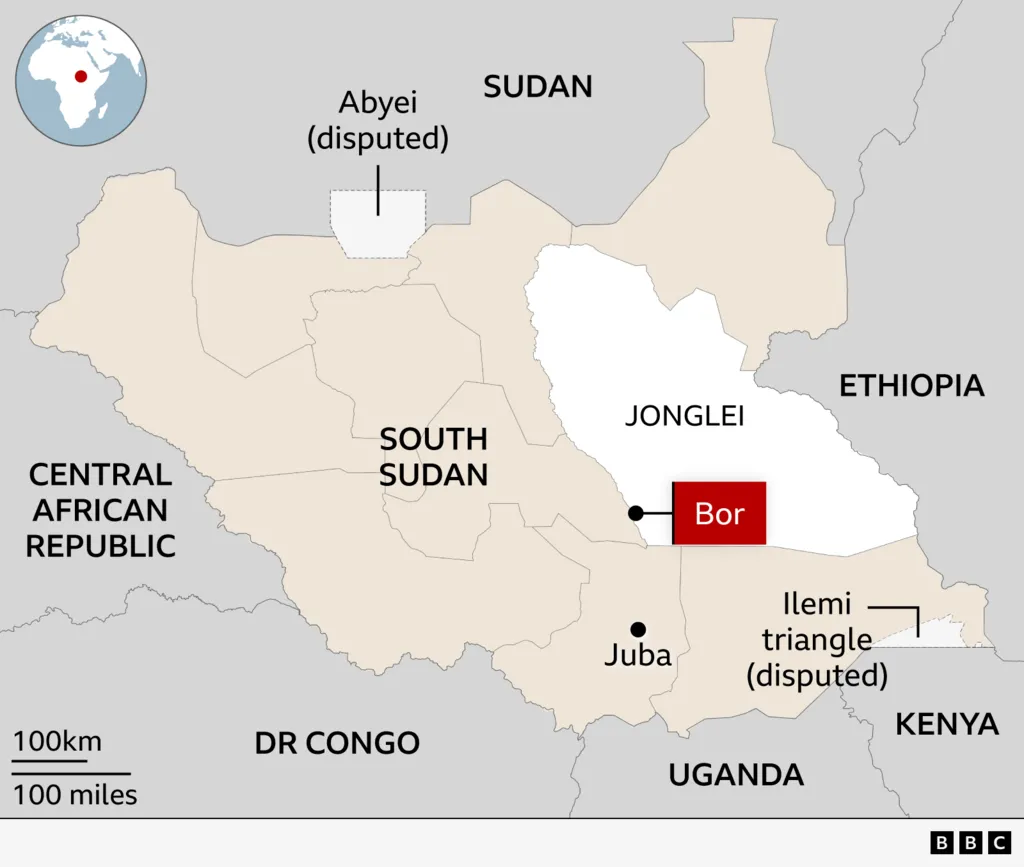
Concerns are mounting that South Sudan, the world's newest nation, is on the brink of descending into all-out civil war as clashes persist in Jonglei state, located northeast of the capital city, Juba.
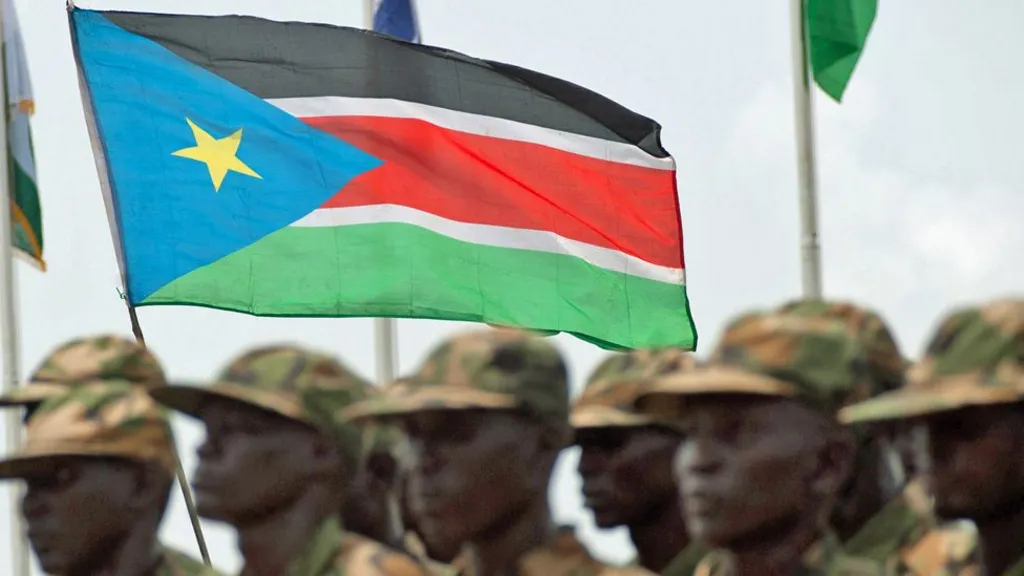
The government is attempting to reclaim territory from forces loyal to First Vice-President Riek Machar, who has been suspended from his position amid allegations of plotting to overthrow President Salva Kiir.
Machar is currently standing trial in Juba, facing charges of murder, treason, and crimes against humanity, all of which he denies.
The Sudan People's Liberation Movement/Army In Opposition (SPLM/A-IO), Machar's party, has rejected the charges as a politically motivated attack aimed at dismantling the 2018 peace agreement that brought an end to a five-year civil war.
The SPLM/A-IO and its allied groups claim to have captured territory, including military bases, in Jonglei and other states since the end of last year.
In response, South Sudan's army launched a counteroffensive last month.
In a statement that has raised concerns, Deputy Army Chief Gen Johnson Oluny urged troops to show no restraint, including against civilians, when deployed to Jonglei, although the government later clarified that this was not an official order.
The government has reaffirmed its commitment to protecting civilians, contradicting Gen Oluny's statement.
The recent violence in Jonglei has displaced at least 280,000 people, forcing them to flee their homes.
Aid agencies, including Oxfam, have reported that their facilities, such as clinics, have been looted, and staff have been assaulted.
South Sudan gained independence from Sudan in 2011, following decades of fighting led by the Sudan People's Liberation Movement (SPLM), and has been one of the world's poorest countries.
Two years after independence, a civil war broke out when Kiir removed Machar as vice-president, accusing him of plotting a coup.
The conflict, largely driven by ethnic divisions between supporters of Kiir and Machar, resulted in an estimated 400,000 deaths and the displacement of 2.5 million people, which is more than a fifth of the population.
As part of the peace agreement, Machar was reinstated as vice-president in a unity government, which was intended to pave the way for elections.
Although the current conflict in Jonglei is primarily driven by national political rivalries, the state has a history of inter-communal violence, particularly between sub-clans of the Dinka and Nuer ethnic groups.
Cycles of violence linked to cattle raiding, land access, and revenge attacks continue to shape and complicate the current conflict.
The SPLM/A-IO draws significant support from Nuer communities, while the government and its allied forces are dominated by Dinka leadership, leading to national political confrontations that often reignite local grievances and increase the risk of communal violence.
The current crisis began in March last year when the White Army militia, allied to Machar during the civil war, clashed with the army in Upper Nile state and seized a military base in Nasir.
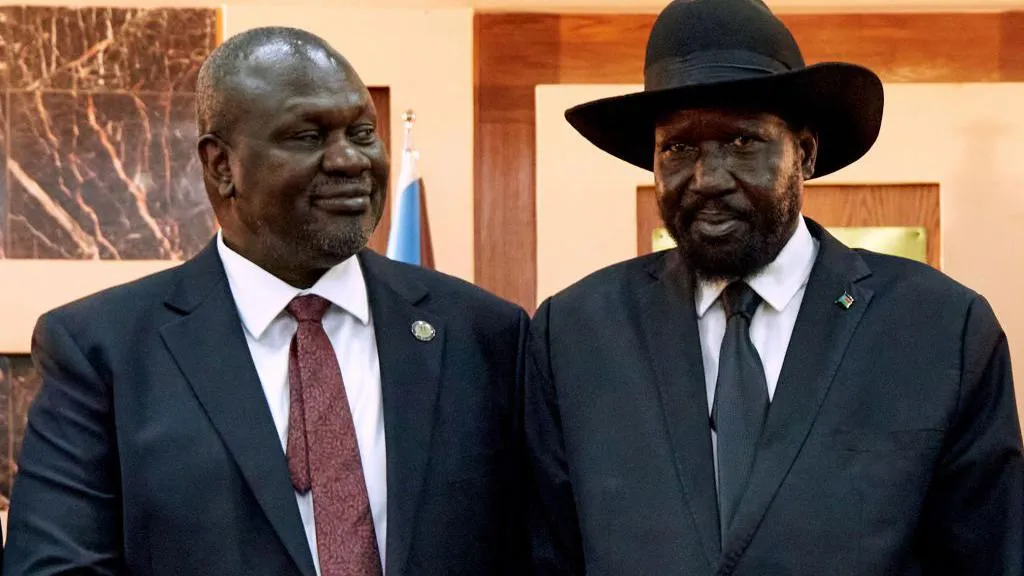
On 7 March, a UN helicopter attempting to evacuate troops came under fire, resulting in several fatalities, including a high-ranking army general.
Nearly three weeks later, Machar and several of his associates were placed under house arrest, accused of attempting to incite a rebellion.
At the time, Oyet Nathaniel Pierino, deputy leader of the SPLM/A-IO, stated that the prospect for peace and stability in South Sudan had been severely jeopardized.
Instead of easing tensions, the government intensified its actions against Machar, charging him with treason, among other crimes, in September.
Days later, the SPLM/A-IO escalated its rhetoric, denouncing Kiir's government as a dictatorship and calling for regime change.
Although Machar's inclusion in the unity government was a key aspect of the peace agreement, other provisions have not been implemented.
A major concern for many South Sudanese is the security arrangement, which has not been fully realized.
The peace agreement outlined a plan to integrate former rebel forces and government soldiers into a unified national army of 83,000 troops, with the remainder to be disarmed and demobilized.
However, this has not occurred, and numerous militias aligned with different political groups remain active.
The agreement also called for the establishment of a court, with the help of the African Union, to try those responsible for the violence, but this has not been created, partly due to the reluctance of those in power to face trial.
Elections scheduled for 2022 have not taken place, and a new constitution has not been drafted.
Kenyan mediators are attempting to revive the peace process.
The Tumaini Initiative, which translates to "hope" in Swahili, aims to hold talks in Kenya to lay the groundwork for credible elections.
Kiir and Machar, both in their 70s, were part of the SPLM that fought for independence, but long-standing tensions exist between them.
These tensions have been fueled by ethnic divisions, with Kiir being Dinka and Machar being Nuer, as well as competing political ambitions.
When Kiir dismissed Machar as vice-president in 2013, triggering the civil war, Machar denounced him as a dictator.
The repeated postponements of elections have created further problems between the two leaders.
The delays, which have occurred four times, have prevented Machar from realizing his presidential ambitions, while perceptions grow that Kiir intends to remain in power indefinitely.
Born in 1953, the 72-year-old Machar was the 27th son of the chief of Ayod and Leer and was raised in the Presbyterian Church.
Machar studied mechanical engineering at the University of Khartoum as an undergraduate and later earned a PhD in philosophy and strategic planning from the UK's Bradford University in 1984.
During the struggle for secession from Sudan, Machar switched sides on several occasions, seeking to strengthen his position and that of his Nuer ethnic group.
He became vice-president of South Sudan at independence in 2011, but was later sacked in 2013 and reinstated as part of a deal in 2016, only to flee as fighting resumed.
In 1951, a child was born to a family of modest means, with his father working as a cattle herder, and he was the eighth of nine siblings; today, at 74, he remains a devoted Roman Catholic.
At the age of 17, he enlisted with the Anyanya rebel group, which was fighting for southern independence during the First Sudanese Civil War that began in 1967; 16 years later, he co-founded the Sudan People's Liberation Army/Movement, one of five key individuals to do so, amidst the Second Sudanese Civil War.
As a former rebel commander with expertise in military intelligence, he emerged as a voice of moderation within the SPLM, assuming leadership of the group in 2005 following the death of John Garang in a helicopter accident.
Upon South Sudan's independence, he took office as president, a position he has held for 14 years, as the country has not yet conducted elections.
Nicholas Haysom, the UN mission head in South Sudan, cautioned last year that the nation was on the verge of plunging back into full-scale civil war, which would have devastating consequences for a country still reeling from its previous conflict.
According to Daniel Akech, an analyst with the Crisis Group think-tank, a resurgence of fighting could lead to "proxy warfare in the region", prompting concerns about the potential consequences.
Akech outlined two primary consequences of renewed conflict: the escalation of ethnic tensions as opposing sides seek to rally support, and the likelihood that neighbouring countries would become embroiled in the conflict.
The leaders of the Igad regional grouping, which includes Uganda, are tasked with upholding the 2018 agreement as its guarantors.
As part of a long-standing accord to support the army, some Ugandan troops have been deployed to South Sudan, according to the government.
For additional news and updates from the African continent, visit BBCAfrica.com.

Africa
Ghana designates Wednesday as ‘Fugu Day’ to promote traditional attire
A popular article of clothing has garnered significant online attention in recent days, sparked by a lighthearted exchange between individuals from Ghana and Zambia.
In a move to promote national pride, Ghana has declared Wednesdays as a day to don the country's traditional attire, known as the fugu, following a recent online exchange with Zambia.
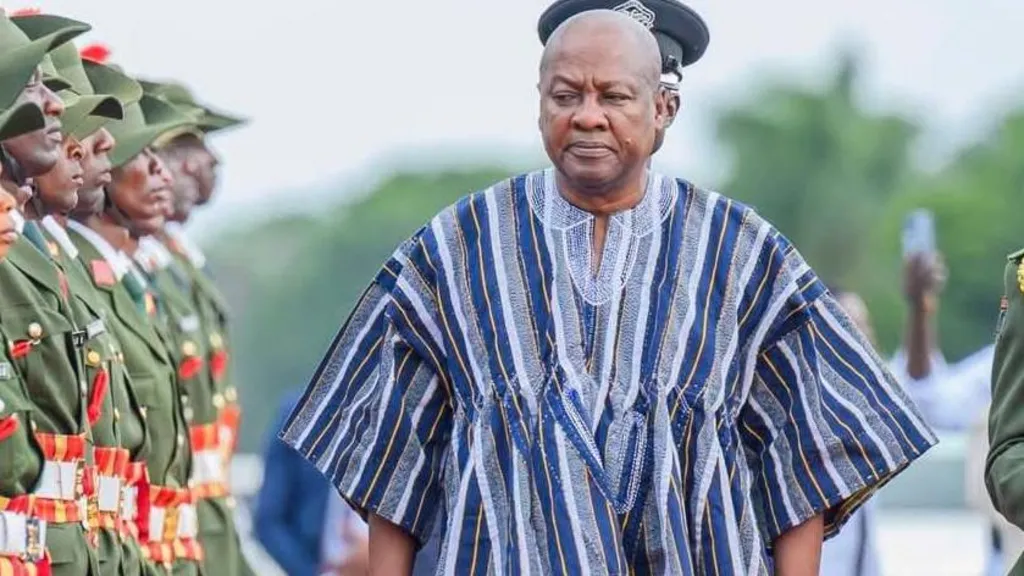
The fugu gained international attention when President John Dramani Mahama wore it during an official visit to Zambia, sparking a debate after some Zambians referred to it as a "blouse", which led to a strong reaction from Ghanaians on social media.
According to Ghana's Minister for Tourism, Abla Dzifa Gomashie, wearing the traditional outfit weekly will help showcase the country's cultural identity on a global scale, as announced on Tuesday.
Minister Gomashie encouraged the public to wear the fugu in its various forms, designs, and styles, accompanied by its unique and beautiful accessories, to promote the country's rich cultural heritage.
The fugu, also referred to as batakari, is a traditional garment originating from northern Ghana, characterized by its hand-woven cotton fabric strips stitched together to form a distinctive, poncho-style top.
Minister Gomashie noted that the weekly promotion of the fugu will have significant social and economic benefits, particularly for local artisans, designers, and traders involved in its production.
The minister stated that the government hopes the collective adoption of the fugu will foster national unity, boost the creative economy, and serve as a symbol of Ghana's cultural identity and confidence.
The fugu has been a trending topic on social media for several days, following the online debate between Ghanaians and Zambians.
The debate led to Ghanaians, including members of parliament, sharing photos of themselves wearing the fugu on social media, while Zambians responded by showcasing their traditional siziba outfits.
The online discussion caught the attention of Zambian President Hakainde Hichilema, who announced plans to import fugus from Ghana.
President Mahama also proposed exporting the smock to Zambia in bulk, highlighting its potential economic benefits.
President Mahama emphasized the historical and cultural significance of the fugu, noting that Ghana's founding father, Kwame Nkrumah, wore it on Independence Day in 1957, and that he himself had recently worn it to the UN.
For more news and updates from the African continent, visit BBCAfrica.com.

Africa
Woman fights back after losing sons to jihadist attack
Yameogo Aminata reports that she lost four of her sons to violence and her daughter remains unaccounted for.
Certain details in this account may be disturbing for some readers.
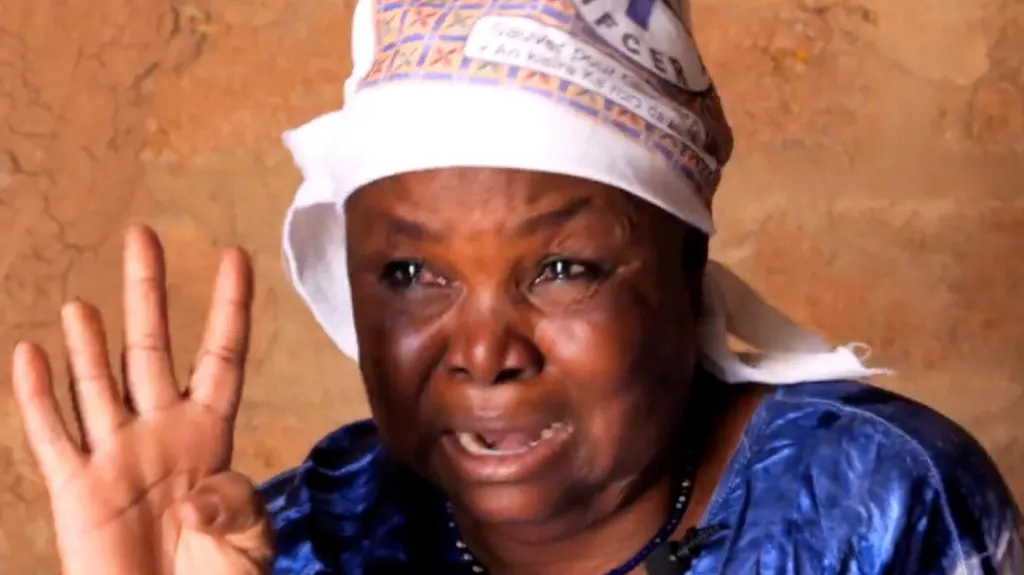
Yameogo Aminata, a 57-year-old refugee, sits in a dimly lit room at a camp in Ivory Coast, struggling to come to terms with the traumatic loss of her four sons, who were killed by jihadists in their home country of Burkina Faso.
In 2022, Aminata was away from her home when armed insurgents, who have been wreaking havoc in central Burkina Faso for nearly 15 years, launched a devastating attack on her village.
The jihadists seized control of the village, taking cattle and land, and killing numerous residents, including Aminata's sons, who were between 25 and 32 years old.
Recounting the horrific event to the BBC, Aminata's body trembled with emotion as she described how the insurgents slit the throats of her children.
Aminata recalled arriving at the scene to find her fourth son being killed.
She attempted to fight back with a knife but was overpowered, beaten, and left with severe injuries to her head, shoulder, and throat.
During the chaos, Aminata became separated from her daughter, who remains missing to this day.
In 2023, Aminata fled to the Nioronigué camp in Ivory Coast, where she still keeps the blood-stained clothes from that fateful day as a poignant reminder of her loss.
Aminata expressed her desperation to the BBC, stating that she feels lost and without any sense of direction or purpose.
The insurgency in Burkina Faso has resulted in the deaths of at least 10,000 people, with the conflict also affecting neighboring Mali and Niger.
The United Nations has identified the region as a hub of global jihadist violence.
Military juntas have taken power in all three countries, pledging to combat the insurgency.
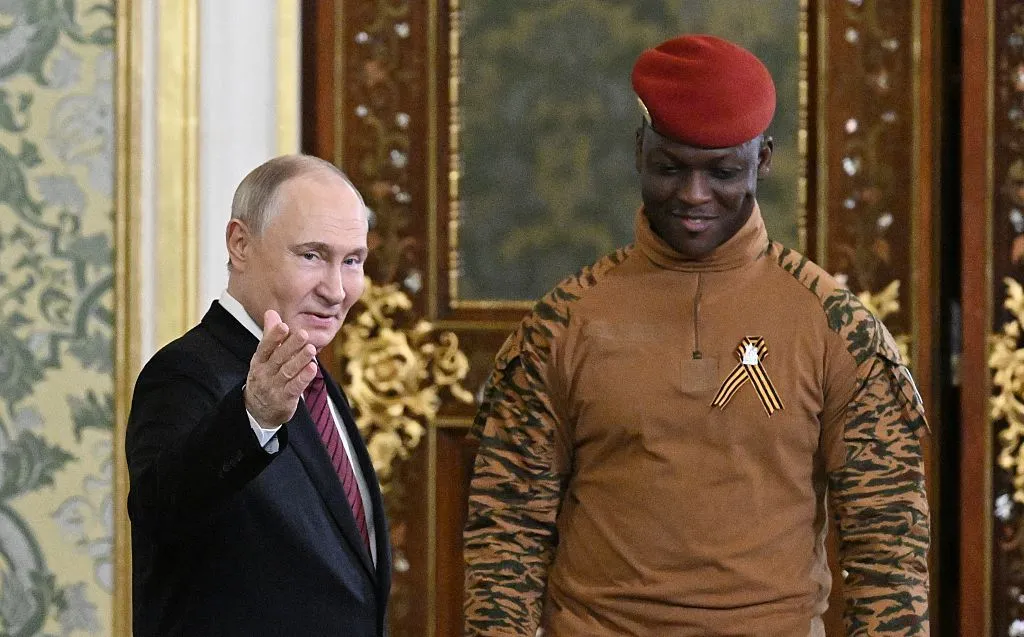
These juntas have shifted their allegiances away from traditional Western partners and are now seeking military aid from Russia.
Despite the deployment of Russian forces in Burkina Faso under the Africa Corps banner, the insurgency persists, with the al-Qaeda-affiliated group Jama'at Nusrat al-Islam wal-Muslimin (JNIM) being a prominent militant organization.
Hassane Tall, a 60-year-old farmer, fled northern Burkina Faso in 2023 with his three wives and 19 children after surviving multiple attacks.
Tall recounted to the BBC how they escaped clashes between jihadist groups and security forces, fearing for their lives.
Now residing in the Nioronigué camp, Tall expressed his deep sadness at leaving his ancestral land but sees no alternative for his family's safety.
The 12-hectare Nioronigué camp, which is home to Aminata and Tall, is located near the Burkina Faso border and was established in 2023 by the UN and Ivorian authorities.
Initially designed to accommodate around 6,000 people, the camp, along with the nearby Timala camp, currently shelters approximately 13,000 refugees, exceeding its intended capacity.
According to UN data, more than three million people have been displaced due to various conflicts in the Sahel region.
Over 80,000 people from Burkina Faso are currently living in camps in Ivory Coast.
Aminata expressed her gratitude to the Ivorian government and its people for providing her with shelter.
She recounted how she was forced to leave her home after being chased away by jihadists who sought to claim the country.
Similar stories of trauma and loss are echoed throughout the camp.
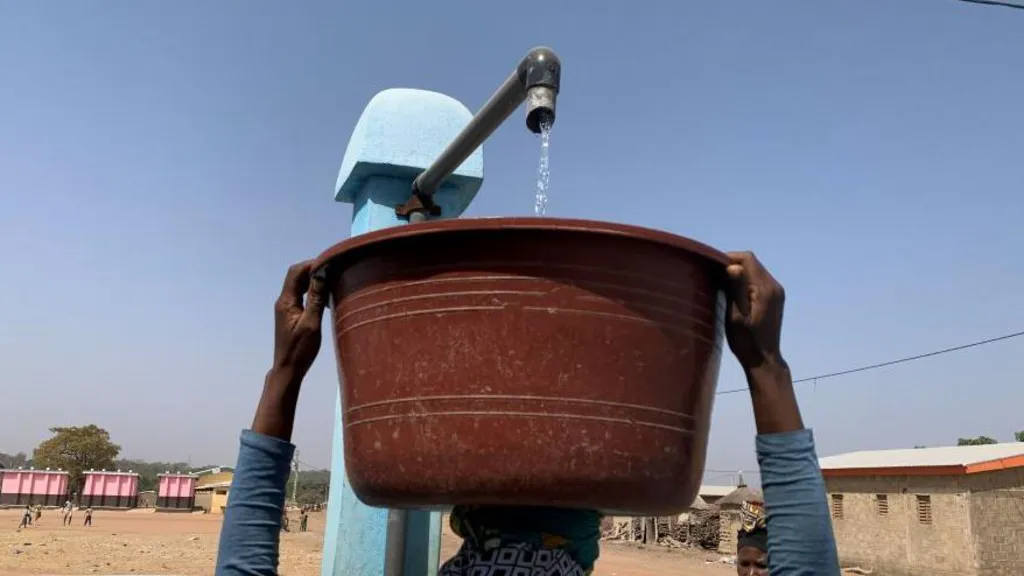
Among the refugees are individuals from Mali, including a 27-year-old finance graduate who, along with his brothers, undertook a perilous journey from Gao in northern Mali to the capital, Bamako, and then to northern Ivory Coast in search of safety.
The graduate stated that they were compelled to leave after their 24-year-old cousin, a fisherman, was killed by suspected jihadists.
He described the frequent attacks in the area, saying that such incidents occur daily.
The graduate told the BBC that they lived in constant fear, unsure if they would survive from one day to the next.
Despite being one of the fastest-growing economies in the region, Ivory Coast struggles with high unemployment and poverty, leaving locals in border areas concerned about the influx of refugees.
However, government representative Djamatigui Touré assured the BBC that refugees would be welcomed and not turned away.
Touré emphasized the shared history and culture between the refugees and the local population, referring to them as "brothers."
The UN Development Programme's resident representative, Blerta Cela, warned that the resources are being severely strained due to the large number of refugees.
Cela noted that the majority of refugees are not living in camps but are instead being hosted by Ivorian families.
For Aminata, rebuilding her life in a new country is weighed down by the memories of her past.
She acknowledged that she is still unable to come to terms with the traumatic events she experienced.
Aminata's only hope is for peace to be restored in Burkina Faso.
Additional reporting was provided by Noel Ebrin Brou.
For additional news coverage from Africa, visit the BBCAfrica.com website.

-
 News11 hours ago
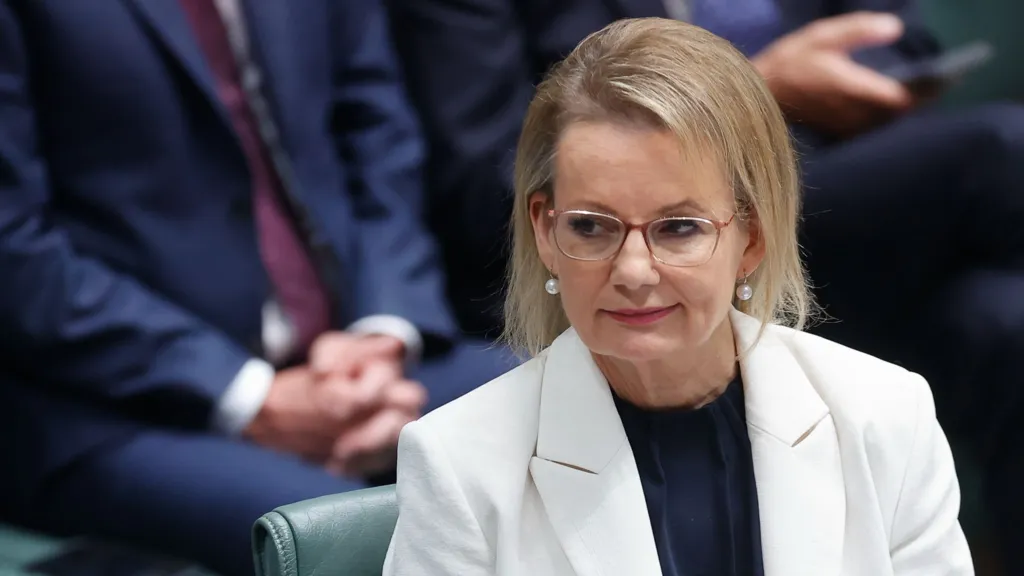
Australian Politics Faces Questions Over Gender Equality Amid Sussan Ley’s Appointment
-
 News8 hours ago
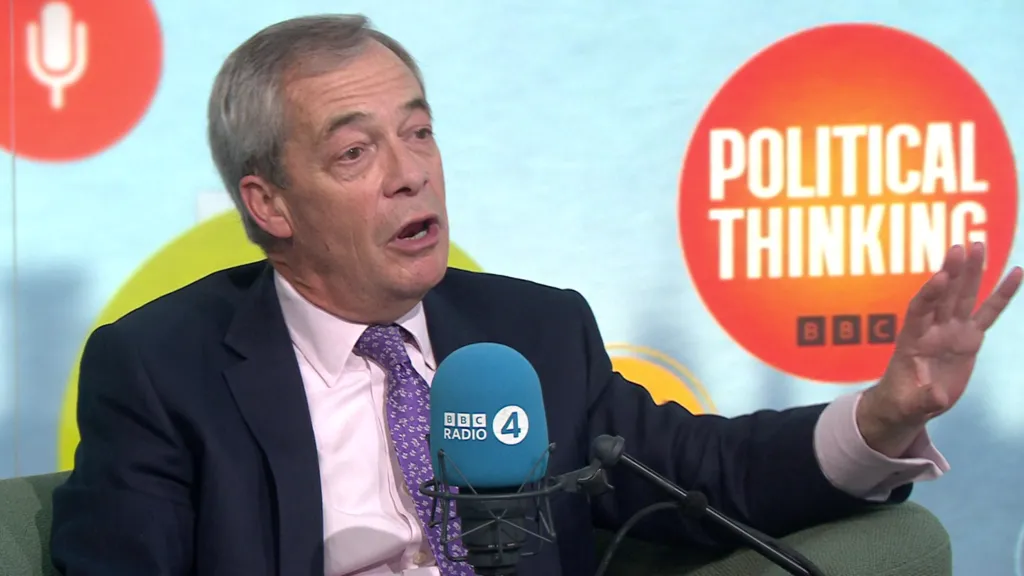
Farage Says Reform to Replace Traditional Tory Party
-
 News8 hours ago
Wrexham Pair Seek Win Against Former Team Ipswich
-
 News13 hours ago
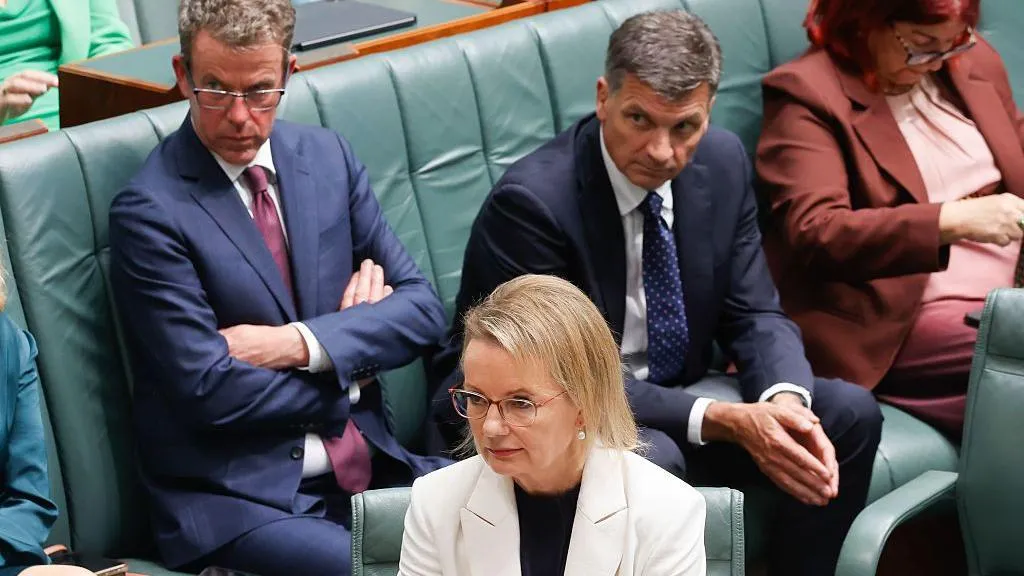
Liberal Party Removes Australia’s First Female Leader
-
 News11 hours ago
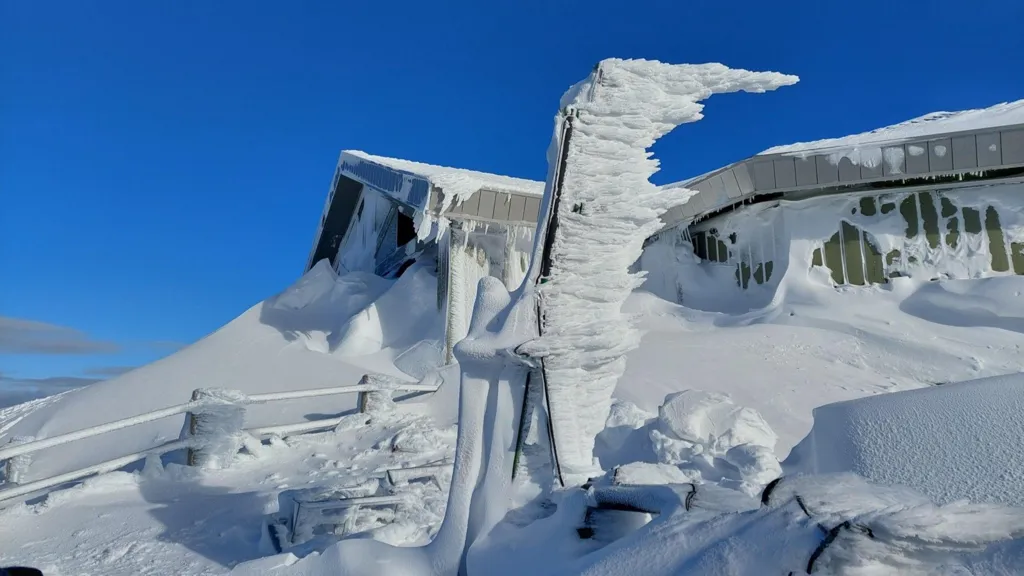
UK Braces for Cold Snap with Snow and Ice Alerts Expected
-
 News8 hours ago
Husband’s alleged £600k theft for sex and antiques blamed on drug side effects
-
 News2 days ago
Sunbed ads spreading harmful misinformation to young people
-
 Business14 hours ago
BBC Reporter Exposed to Cyber Attack Due to Vulnerabilities in AI Coding Tool