
Health
Family seeks change after sepsis mistakes led to daughter’s death
Parents who have experienced loss are now advocating for the immediate implementation of enhanced sepsis training, in an effort to prevent other families from enduring similar hardships.
At the age of 16, Bethan James shared her aspirations with her YouTube audience, expressing her desire to have a fulfilling career, a life partner, and potentially children by 2026.

Bethan James would have turned 27 this year, but tragically, her life was cut short when she passed away at 21 due to complications from sepsis, pneumonia, and Crohn's disease.
The delayed diagnosis of Bethan's sepsis and the subsequent delay in receiving life-saving treatment have prompted her parents to advocate for improved training in recognizing this condition, which is a major cause of death in the UK.
An investigation by the BBC has revealed that sepsis awareness training is not compulsory in most Welsh hospitals, a fact that has led Bethan's parents to worry that other families may suffer a similar tragic loss due to inadequate care.
In response to these concerns, the hospital where Bethan received treatment and the Welsh government have stated that sepsis awareness is a key area of focus and a priority, while the Welsh Ambulance Service claims to have implemented significant changes to address the issue.
In 2020, Jane and Steve James experienced a profound loss with the passing of their eldest child, a death they described as senseless and utterly devastating.
Jane, a resident of Cardiff, remembered her child fondly, noting that she possessed a uniquely compassionate and gentle nature, with a great deal of potential.
Steve James, a former England cricket international, reflected on what could have been, saying that thoughts of his child's untimely death evoke strong emotions, leaving him to wonder about her current circumstances and aspirations.
According to the couple, their daily routine continues, but beneath the surface, they are struggling to cope with the aftermath of their loss, often finding themselves overwhelmed by feelings of despair and darkness.
Sepsis occurs when the body's immune response to an infection becomes excessive, causing it to target its own tissues and organs, leading to a potentially life-threatening condition.
According to the UK Sepsis Trust, sepsis-related illnesses claim approximately 48,000 lives annually in the UK, with a significant portion of these deaths being preventable.
This week marks six years since Bethan's passing, and her parents' advocacy led to an inquest that revealed delays in her care and treatment would have been avoided if proper protocols had been followed, potentially saving her life.
An investigation by the BBC has uncovered that sepsis awareness training in Wales is inconsistent and not mandatory, even at the University Hospital of Wales in Cardiff, the country's largest hospital, where Bethan received her final care.

Jane expressed frustration, stating, "It's astonishing that while sepsis awareness posters are prominently displayed throughout hospitals, frontline staff may still lack the training to identify sepsis symptoms, highlighting a critical gap in care."
In the 10 days leading up to her death, Bethan's condition deteriorated, prompting five separate hospital visits, underscoring the need for improved sepsis recognition and response.
According to Jane, a physiotherapist, medical staff were overly dismissive of the symptoms presented.
The patient's vital signs were a cause for concern, with an elevated heart rate and low blood pressure, yet medical staff were unresponsive to these warning signs.
Following a decline in her condition, Bethan was readmitted to the hospital, where she encountered the same physician who had previously treated her.
Steve, currently a sports writer for The Times, remembered a medic assuring them that Bethan would experience a swift recovery.
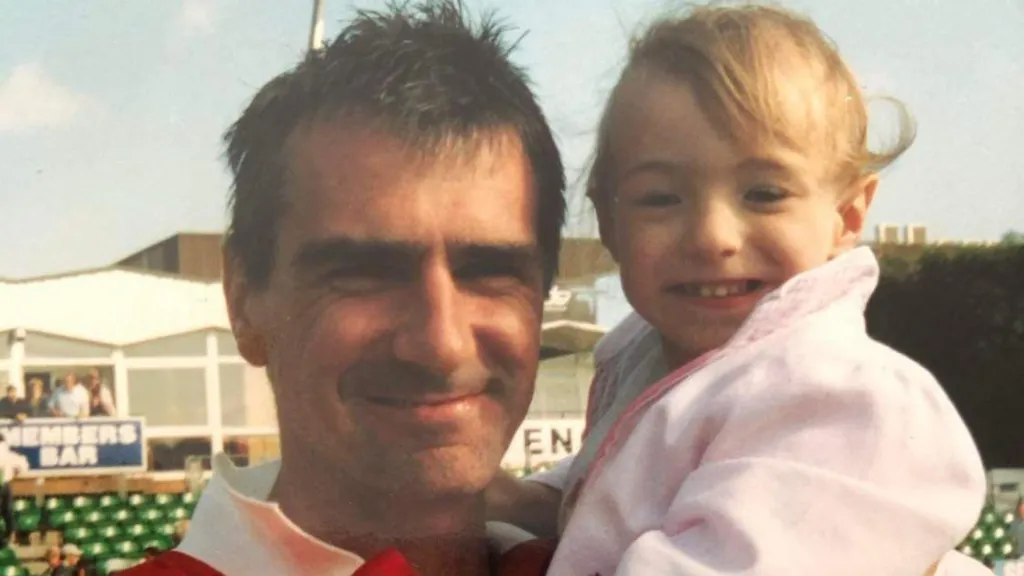
Steve recalled that he had been scheduled to travel to Ireland to provide coverage of the Six Nations rugby match between Ireland and Wales.
He recalled the doctor's assurance that she would recover within a fortnight, which influenced his decision to go.
On the Saturday of her passing, Bethan repeatedly mentioned to Jane that a doctor had told her she would be fine.
The decision to travel to Ireland is one he will have to live with for the rest of his life, and it is a choice he deeply regrets, having taken the doctor's words at face value.
The day after Steve departed for Dublin, Bethan's health took a turn for the worse, prompting Jane to call emergency services, and a paramedic was dispatched to their Cardiff residence.

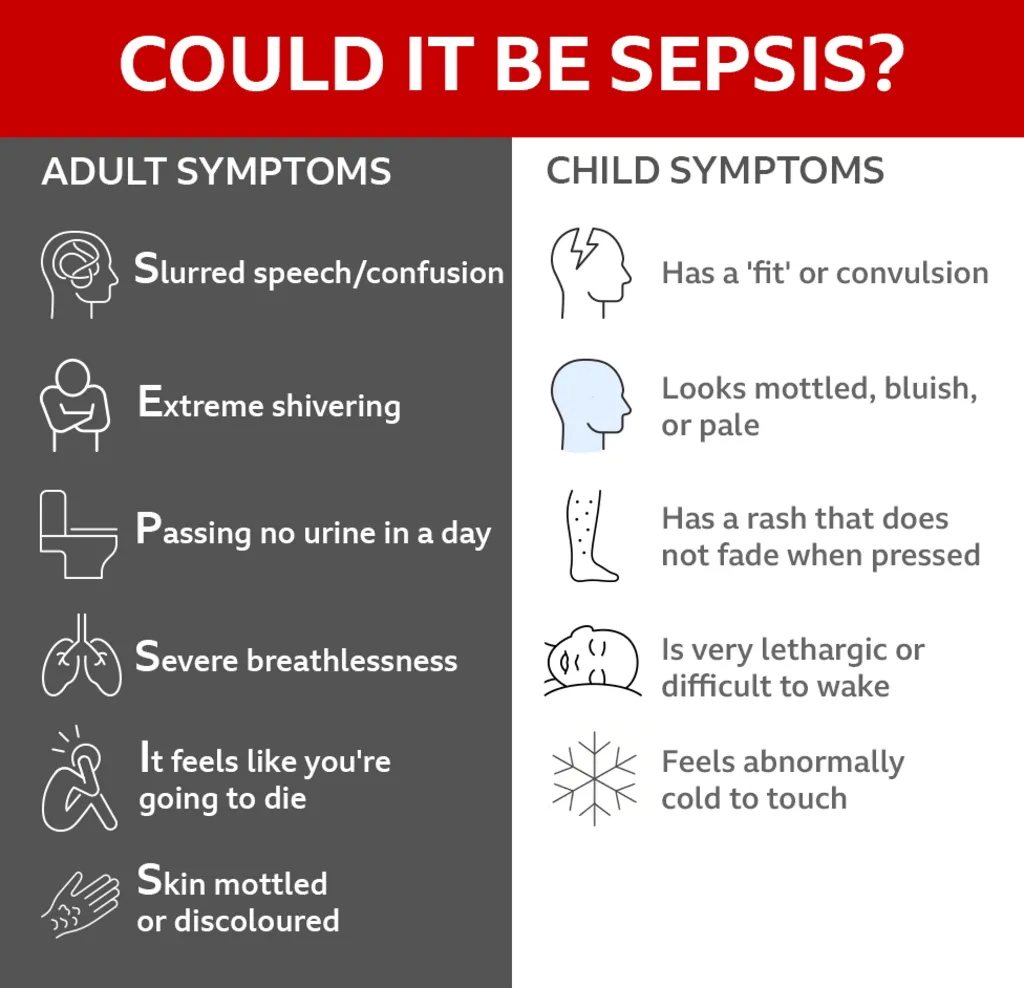
According to Jane, Bethan exhibited a high temperature, a greyish complexion, felt cold, and was experiencing chest pain.
It was later discovered that medical staff were unable to obtain a blood pressure reading from the patient due to its extremely low level. These symptoms collectively raised concerns about the possibility of sepsis.
An evaluation was conducted on Bethan, and she was assigned a National Early Warning Score (NEWS), a metric that takes into account various vital signs, including blood pressure, heart rate, and respiratory rate.
A NEWS score exceeding seven signifies a high risk of sepsis, necessitating immediate escalation of care to facilitate an emergency medical review within an acute care setting.
Bethan's NEWS score was determined to be eight, yet the paramedic on the scene did not identify sepsis as a potential diagnosis.
Although the paramedic requested an ambulance, Bethan's case was not classified as a priority, and advance notification was not provided to the hospital. As a result, when they arrived at approximately 20:00 GMT, a resuscitation bed had not been reserved for her.
According to Jane, the emergency room was in a state of disarray that night, with no one appearing to be in charge of Bethan's care.
Bethan's condition was critical, marked by extremely low blood pressure, blue-tinged lips, a blotchy complexion, and rapid breathing as she struggled to get enough oxygen.
The nurse who initially assessed Bethan should have recognized the signs of sepsis, given her NEWS score of eight, which indicated a high level of concern.
Approximately 45 minutes after admission, Bethan was moved to the resuscitation unit, where diagnostic tests confirmed sepsis and antibiotic treatment was administered, but the delay had already taken its toll.
Jane recounted that a doctor informed Bethan, "we believe you have sepsis," a diagnosis that would ultimately prove to be too late to change the outcome.
The last words she heard were a request for her visitor to depart. Approximately five minutes later, she suffered a cardiac arrest and passed away at 22:00.
Steve rushed back from Dublin but was unable to arrive in time. While en route from Heathrow Airport to south Wales on the M4, he received the news that Bethan had passed away.
The Welsh Ambulance Service acknowledged the mistakes made in Bethan's case and announced that sepsis training is now a requirement. The service also stated that significant reforms have been put in place.

Cardiff and Vale University Health Board, the governing body of the University Hospital of Wales, emphasized that recognizing sepsis early and raising awareness are key priorities. The board added that it regularly assesses its sepsis training programs to enhance their consistency and accessibility.
A Freedom of Information request submitted by the BBC to all health boards in Wales found that, where mandatory training existed, it was often incorporated into broader training modules rather than being a dedicated sepsis training program.
An investigation by the BBC revealed inconsistencies in the auditing of training programs, with some health boards failing to track completion rates altogether.
Dr Ron Daniels, chief medical officer of the UK Sepsis Trust, expressed strong concern over the findings, stating that the situation is utterly alarming.
According to Dr Daniels, sepsis is a major public health threat, highlighting its significant impact on mortality rates.
The lack of regular training for hospital staff is a serious oversight, bordering on negligence, as it can have devastating consequences for patient care.
Dr Daniels emphasized that the failure to provide adequate training not only puts patients' lives at risk but also suggests that the organization is not taking the condition seriously, which can have far-reaching and fatal consequences.
The UK Sepsis Trust is advocating for compulsory sepsis training for all hospital clinical staff, aiming to facilitate early detection of the condition.
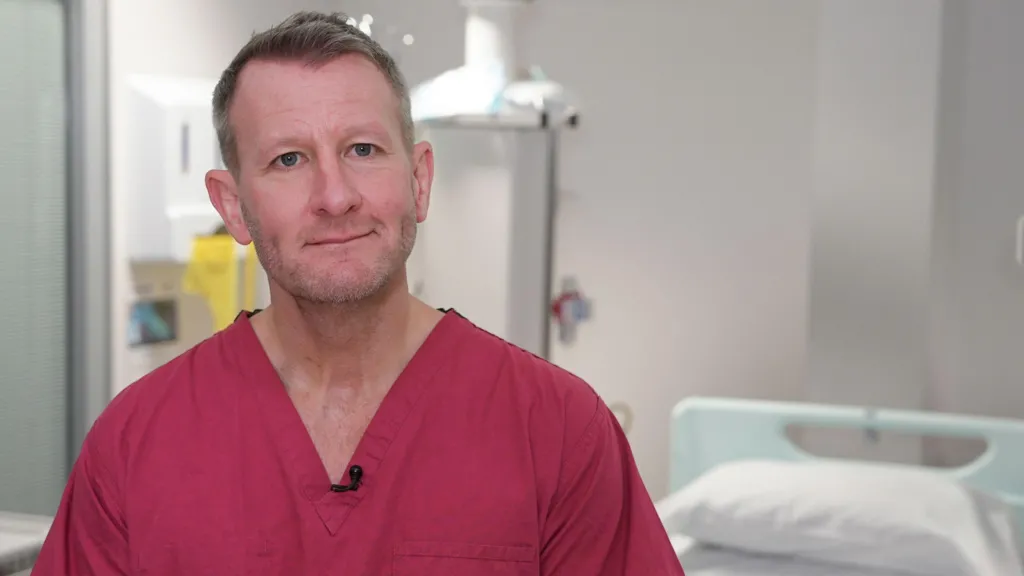
According to Dr. Daniels, timely intervention is crucial, as "each hour that passes without administering life-saving treatment reduces a patient's chances of survival."
In cases where the condition progresses rapidly, such as Bethan's, prompt action is even more essential to prevent further deterioration.
An investigation by the BBC found that Aneurin Bevan University health board in south-east Wales has implemented a program allowing staff, patients, families, and caregivers to request a second opinion for inpatients experiencing rapid decline in their condition.
The Call for Concern initiative has been introduced in three additional Welsh health boards on a partial basis, with plans for the remaining three to follow suit; however, this scheme does not currently extend to outpatient areas, including accident and emergency departments.
England has introduced a mechanism for families to request urgent second opinions for patients, including those in emergency departments, following the implementation of Martha's Rule, which was established in memory of 13-year-old Martha Mills, who passed away in 2021 due to untreated sepsis.
The parents of Bethan, along with the UK Sepsis Trust, are advocating for the adoption of Martha's Rule or a similar protocol in Wales, which would also apply to accident and emergency departments.
According to guidelines set by the National Institute for Health and Care Excellence (NICE), ambulance services should administer antibiotics in cases of sepsis when the combined time for transfer and handover to hospital emergency departments exceeds 60 minutes.
In response to a query from the BBC, all UK ambulance trusts were asked if they adhered to these guidelines; only Scotland and the Isle of Wight confirmed full compliance, while South Central, serving southern England, has implemented the guideline partially.
The UK Sepsis Trust is encouraging other ambulance services to adopt the approach taken by Scotland and the Isle of Wight, and to follow the recommendations outlined by NICE.
According to Dr. Daniels, the majority of ambulance services have transit times exceeding one hour, which he believes warrants the administration of pre-hospital antibiotics.
Steve expressed his frustration with the current system, stating that if they resided in the Isle of Wight, Bethan would likely still be alive, highlighting the perceived inequity of the postcode lottery.
Jane reflected on the situation, noting that the most difficult aspect is knowing that Bethan's survival was possible if she had received appropriate medical treatment.

Jane emphasized her desire to prevent other families from experiencing similar tragedy, asserting that Bethan should still be with them.
The family is advocating for changes to be made, with Jane feeling a sense of responsibility to act on Bethan's behalf, as if guided by her presence, to bring about necessary reforms.
The Welsh Ambulance Service has expressed its openness to additional studies on the potential advantages of administering antibiotics prior to hospital admission by paramedic teams.
Steve and Jane are advocating for the Welsh government to implement mandatory, audited training programs focused on sepsis awareness across all health boards in Wales.
According to the Welsh government, addressing sepsis will be a key priority in the upcoming NHS Wales improvement plans for 2026-27, with the goal of achieving uniform, high-quality patient care.
A government spokesperson further stated that efforts are underway to enhance sepsis recognition and response within NHS organizations, including the utilization of National Early Warning Scores, providing patients and families with crucial safety information, and introducing the Call4Concern initiative in all inpatient wards.


Health
Study Explores if Brain Stimulation Can Reduce Selfish Behavior
Researchers have found a way to temporarily and marginally decrease self-centered behavior in individuals by activating two specific regions of the brain.
Researchers have made a groundbreaking discovery, finding that temporary reductions in selfish behavior can be achieved by stimulating specific areas of the brain.
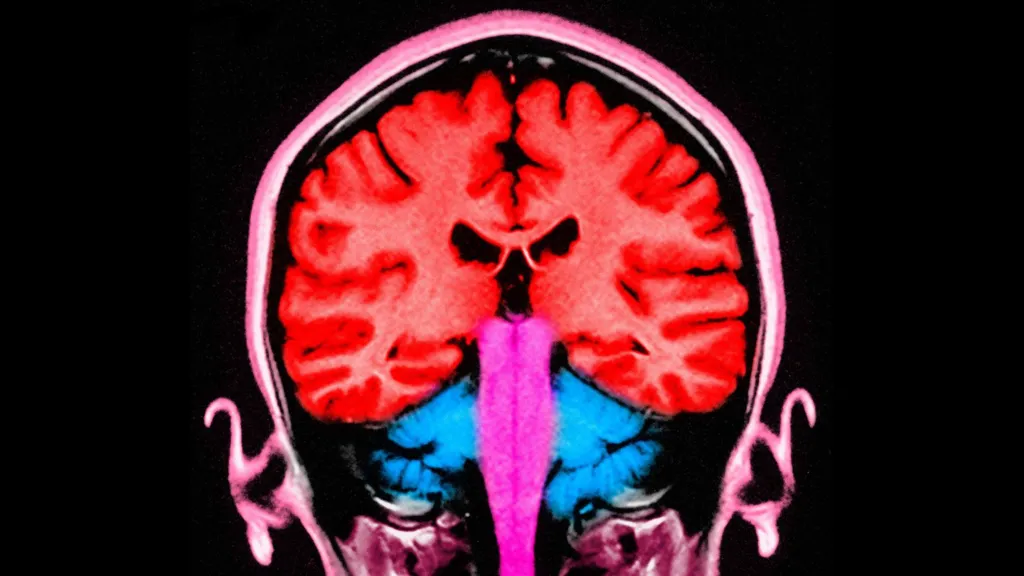
A recent study conducted at the University of Zurich involved 44 participants who were tasked with dividing a sum of money between themselves and an anonymous partner, allowing scientists to observe their decision-making processes.
The experiment utilized electrical current to stimulate the frontal and parietal regions of the brain, located at the front and rear of the skull, respectively. When these areas were stimulated simultaneously, participants exhibited a greater willingness to share their funds.
According to Prof Christian Ruff, a lead author of the study, the observed effects were consistent, albeit modest in scale.
Statistical analysis revealed a notable increase in participants' willingness to allocate funds to others, indicating a shift in their behavior.
The findings not only provide insight into the neural mechanisms underlying fundamental human behavior but may also have implications for the treatment of certain brain disorders characterized by impaired social behavior.
Prof Ruff noted that some individuals struggle with profound social difficulties due to an inability to consider others' perspectives, leading to consistently selfish behavior, and suggested that this discovery could potentially be used to address such issues.
However, the effects of the brain stimulation were found to be short-lived, suggesting that repeated application may be necessary to achieve lasting changes.
Prof Ruff likened the potential effects of repeated stimulation to the benefits of regular exercise, stating that consistent application over a prolonged period could lead to significant changes in behavior, much like the physical adaptations that occur with regular gym attendance.
This latest discovery builds upon a previous study in which researchers monitored brain activity while participants engaged in a similar money-sharing game, providing a foundation for the current findings.
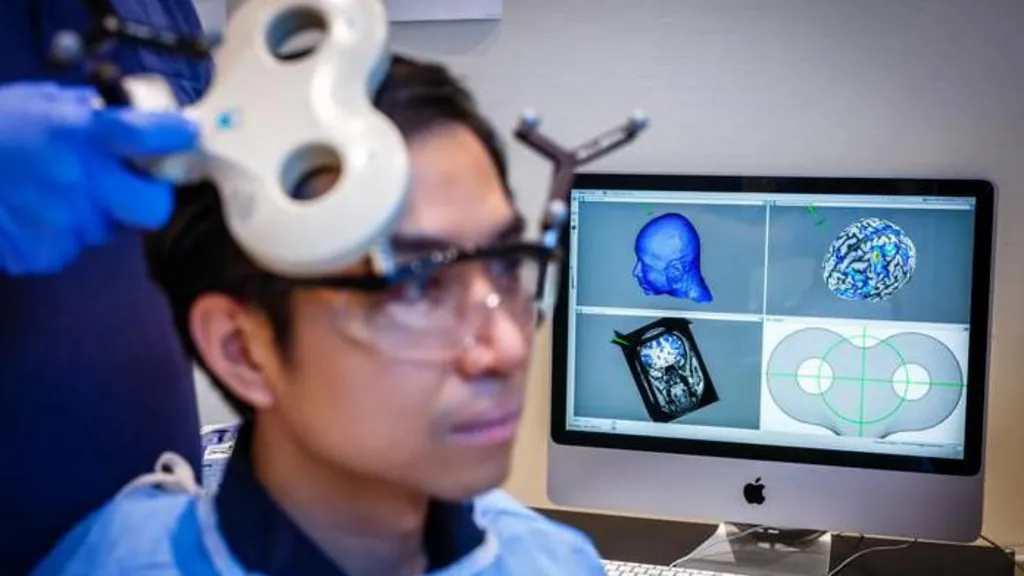
The earlier study identified two brain regions that appeared to be synchronized, with neural activity occurring at the same frequency, when participants made more generous decisions.
These brain areas are known to play a crucial role in decision-making and empathy, enabling individuals to distinguish between their own feelings and those of others.
When participants made selfless decisions, the regions responsible for empathy and decision-making were found to be communicating with each other.
The researchers sought to investigate whether electrical stimulation could be used to influence this communication and promote more selfless decision-making.
One participant who underwent the brain stimulation test described the experience as a gentle, soothing sensation, comparable to a warm shower or light rain on the scalp.
The participant reported making decisions while receiving the stimulation without feeling any external influence on their choices.
The discovery of a consistent neural pattern associated with selfless decision-making across multiple individuals suggests that altruism may be an innate, evolutionarily conserved trait that enables humans to care for one another.
Prof Ruff emphasized the clinical significance of this finding, highlighting the potential to modify and influence this neural mechanism.
Dr Jie Hu, a co-author of the study, noted that the research provides evidence of a causal relationship between brain activity and decision-making, demonstrating that targeted stimulation can alter an individual's sharing behavior.
By manipulating communication within a specific brain network using non-invasive stimulation, the researchers observed a shift in participants' decisions, influencing the balance between self-interest and altruism.
Addressing concerns about the potential implications of this research, Prof Ruff assured that the experiment was conducted with strict adherence to medical regulations and ethical guidelines, ensuring the well-being and informed consent of all participants.
The neuroscientist drew a distinction between the controlled, medically regulated nature of the experiment and the often-subliminal influences of social media and advertising, which can affect behavior without explicit consent.
Prof Ruff suggested that, in contrast to the experiment, the impacts of social media and advertising on brain function and behavior are often unforeseen and uncontrolled, highlighting the importance of careful consideration and regulation in such contexts.
Health
NHS Workers to Receive 3.3% Pay Increase
Labor unions have expressed displeasure, yet the government maintains that its actions showcase a dedication to its workforce.
The government has confirmed that NHS staff in England will receive a 3.3% pay increase in the upcoming financial year.

This pay award applies to approximately 1.4 million health workers, including nurses, midwives, physiotherapists, and porters, but excludes doctors, dentists, and senior management.
Although the Department of Health and Social Care initially proposed a lower figure, it has accepted the recommendation of the independent pay review body to demonstrate its commitment to NHS staff, resulting in a higher pay rise than initially suggested.
However, several health unions have expressed disappointment with the announced pay award.
Prof Nicola Ranger, general secretary of the Royal College of Nursing (RCN), noted that the 3.3% increase falls short of the current consumer price index (CPI) inflation rate of 3.4%, which measures the rise in prices over the past year.
Prof Ranger stated, "A pay award that is lower than the current inflation rate is unacceptable, and unless inflation decreases, the government will be imposing a real pay cut on NHS workers."
She criticized the government's approach, saying, "This strategy of making last-minute decisions is not an appropriate way to treat individuals who are essential to a system in crisis."
Prof Ranger indicated that she would wait to see the pay awards for the rest of the public sector and doctors before deciding on a course of action.
The RCN had previously reacted strongly to the 5.4% pay increase received by resident doctors last year, compared to the 3.6% increase received by nurses, which they described as "grotesque".
Prof Ranger emphasized, "Nursing staff will not accept being treated with disrespect, as has happened in the past when they were given lower pay awards than other groups."
Helga Pile, head of health at Unison, the largest health union, commented, "NHS staff who are already under financial pressure will be outraged by another pay award that fails to keep up with inflation."
"Once again, they are expected to deliver more while their pay effectively decreases, as it falls behind the rising cost of living," she added.
In response, the government argued that the pay award is actually above the forecasted inflation rate for the coming year, which is around 2%.
A spokesperson for the Department of Health and Social Care stated, "This government greatly values the outstanding work of NHS staff and is committed to supporting them."
The pay increase is expected to be implemented by the start of April.
However, the government did not provide a timeline for the announcement on doctors' pay, as the pay review body responsible for making recommendations on their pay has yet to submit its report to ministers.
The government is currently engaged in negotiations with the British Medical Association regarding the pay of resident doctors, previously known as junior doctors.
Members of the BMA recently voted in favor of strike action, granting them a six-month mandate for walkouts, and there have been 14 strikes so far in the ongoing dispute.
Health
NHS Waiting List Hits Three-Year Low
In England, the backlog has fallen below 7.3 million for the first time since 2023, yet worries persist regarding prolonged waiting times in accident and emergency departments.
England's hospital waiting list has reached its lowest point in almost three years, marking a significant milestone in the country's healthcare system.

As of December 2025, the number of patients awaiting treatment, including knee and hip operations, stood at 7.29 million, the lowest figure recorded since February 2023.
However, the latest monthly update from NHS England reveals that long wait times persist in Accident and Emergency departments, with a record number of patients experiencing 12-hour trolley waits.
In January 2026, over 71,500 patients spent more than 12 hours waiting for a hospital bed after being assessed by A&E staff, the highest number tracked since 2010.
This translates to nearly one in five patients admitted after visiting A&E waiting for an extended period.
According to Health Secretary Wes Streeting, while progress has been made, significant challenges still need to be addressed.
Streeting acknowledged that "there is much more to do" and emphasized the need to accelerate progress, but expressed optimism that the NHS is on the path to recovery.
Dr. Vicky Price, representing the Society for Acute Medicine, noted that hospitals are operating beyond safe capacity in terms of emergency care.
Dr. Price highlighted the vulnerability of patients who require admission, often elderly and frail individuals with complex needs, who are at greater risk of harm when care is delivered in corridors and hospitals exceed safe limits.
Duncan Burton, Chief Nursing Officer for England, commended the progress made in reducing wait times, achieved despite the challenges posed by strikes by resident doctors.
Burton attributed this progress to the hard work and dedication of NHS staff, describing it as a "triumph".
Although the waiting list decreased, performance against the 18-week target slightly declined, with 61.5% of patients waiting less than 18 weeks, compared to 61.8% in November, and still short of the 92% target set to be met by 2029.
Rory Deighton of the NHS Confederation, which represents hospitals, welcomed the progress but cautioned that it obscures significant regional variations.
A recent BBC report revealed that nearly a quarter of hospital trusts experienced worsening wait times over the past year.
Deighton emphasized that the NHS is composed of numerous separate organizations, each with unique financial and operational challenges, making it more difficult to address care backlogs in some areas.
According to Deighton, this means that tackling care backlogs will be more challenging in certain parts of the country due to these distinct regional challenges.
-
 News11 hours ago
Australian Politics Faces Questions Over Gender Equality Amid Sussan Ley’s Appointment
-
 News8 hours ago
Farage Says Reform to Replace Traditional Tory Party
-
 News8 hours ago
Wrexham Pair Seek Win Against Former Team Ipswich
-
 News14 hours ago
Liberal Party Removes Australia’s First Female Leader
-
 News11 hours ago
UK Braces for Cold Snap with Snow and Ice Alerts Expected
-
 News8 hours ago
Husband’s alleged £600k theft for sex and antiques blamed on drug side effects
-
 News2 days ago
Sunbed ads spreading harmful misinformation to young people
-
 Business14 hours ago
BBC Reporter Exposed to Cyber Attack Due to Vulnerabilities in AI Coding Tool