
Asia
Thai election outcome defies poll predictions
The disparity in performance between a relatively new, progressive party and a more established, traditional party raises questions about the factors that contributed to this outcome.
The outcome of Thailand's recent election has left many citizens wondering what transpired, as the results have become clearer following a fiercely contested campaign.
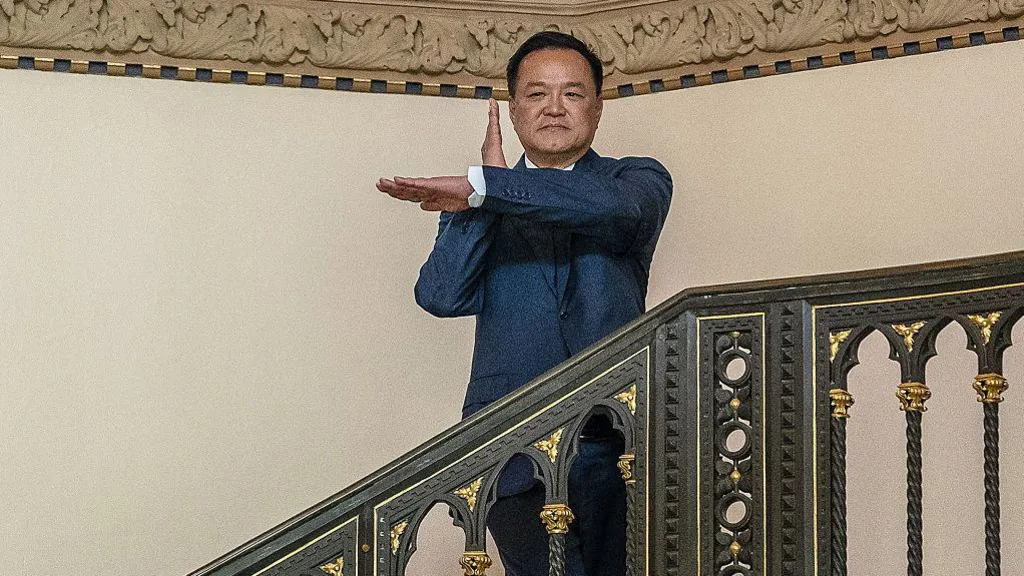
Pre-election opinion polls had largely anticipated a victory for the progressive People's Party, with some forecasts suggesting it could secure over 200 parliamentary seats, exceeding its notable 2023 performance when it garnered 151 seats. In contrast, few polls had predicted a strong showing for the party led by Prime Minister Anutin Chanrvirakul.
However, as the vote count neared completion, it became apparent that Anutin Chanrvirakul's party had emerged victorious, while the young reformists experienced a significant setback. With a projected 190 or more seats, Anutin's Bhumjaithai party is poised to lead the next government, likely in coalition with other parties.
A key question arises as to why a progressive party, characterized by its innovative and tech-oriented campaign, underperformed compared to a more traditional party with a strong allegiance to the monarchy, but limited ideological defining features.
Thailand's hybrid voting system is a factor worth considering. Voters cast two separate ballots: one for their preferred party and another for a candidate in their local constituency.
Nationally, the People's Party garnered nearly 10 million votes in the party list, outperforming Bhumjaithai, which secured just under six million votes. However, this still represents a significant decline from the over 14 million votes its predecessor, Move Forward, received in 2023.
The party list constitutes only one-fifth of the 500 parliamentary seats, with the remaining seats determined by other factors.
A substantial 80% of parliamentary seats are filled through local elections, in which the candidate with the most votes in each constituency is awarded the seat through a first-past-the-post system.
The People's Party, being a relatively new entity with an urban focus, faces challenges in these local contests due to its limited presence in rural areas.
In contrast, Bhumjaithai has a proven track record of leveraging its resources to forge alliances with local power-brokers, who in turn wield considerable influence over voters in their respective regions.
Under Anutin's leadership, Bhumjaithai has undergone significant expansion, transforming from a mid-sized provincial movement that secured 51 seats in 2019 into a major national force in the current electoral landscape.
The 2023 election presented a unique opportunity for reformists to differentiate themselves, as the public sought change after nine years of rule by Prayuth Chan-ocha, the general who led the 2014 coup. The Move Forward party, led by Pita Limjaroenrat, capitalized on this sentiment by pledging not to collaborate with those associated with the coup, referred to as "the uncles".
This message resonated with the public, triggering a late surge in support for the party.
In contrast, the current election lacks a similarly compelling issue, and the Move Forward party was compelled to abandon its efforts to reform the strict lese majeste law after the courts used this as a pretext to dissolve the party and ban its leaders from participating in politics.
Anutin successfully unified conservative backing behind his party, whereas in 2023, these voters had been dispersed among multiple parties, allowing Bhumjaithai to consolidate its position.
The politician's stance on the Cambodia border dispute, his backing of the military, and devotion to King Vajiralongkorn were key characteristics that established him as a prominent figure in Thai conservative circles.
A significant contributor to the shift in Thailand's political landscape was the decline of Pheu Thai, a party previously considered unbeatable, which had the support of former Prime Minister Thaksin Shinawatra.

In the 2023 elections, Pheu Thai secured 141 seats, finishing second, but its seat count is expected to be drastically reduced this time due to the political upheaval of the past three years, which saw two of its prime ministers removed by the constitutional court and criticism over its handling of Cambodia relations.
Thaksin Shinawatra is currently serving a sentence for past corruption charges and may face additional legal action.
In 2023, Pheu Thai experienced a loss of support to Move Forward, but this time around, the benefits of its waning popularity in traditional strongholds in the north and north-east have gone to Bhumjaithai and other conservative parties.
The reformist camp's decision to support Anutin's bid for prime minister last September, following the collapse of the second Pheu Thai administration, may be reevaluated by some in hindsight.
When the People's Party formed an unlikely alliance with Anutin, they rationalized the move by committing not to participate in his government and securing a promise from him to hold a constitutional referendum, a key demand of the reformists.
By declining to seek cabinet positions in exchange for their parliamentary support, the People's Party enabled Anutin to assemble a team of skilled technocrats, which enhanced his image as an effective leader.
Although the constitutional referendum was held concurrently with the election on Sunday, yielding a decisive outcome in favor of constitutional change, the process of crafting and approving a new constitution is complex and may be subject to significant delays.
In retrospect, some view the People's Party's decision as a misstep that has eroded their credibility among more idealistic supporters.
Ultimately, reformists faced significant obstacles in their bid for government participation.
Several key leaders have been barred from political activity, and their party has been disbanded on two occasions; furthermore, a prominent parliament member is likely to receive a six-year prison sentence for violating lese majeste laws.
Following their electoral defeat, an additional 44 senior members are now at risk of being banned from politics by the Supreme Court due to their support for Move Forward's proposal to amend the lese majeste law and reduce corresponding penalties.
Such hurdles may have contributed to voter disillusionment among those who supported Move Forward in the past; voter turnout in this election was 65%, a notable decrease from the 75% recorded in 2023.
In contrast, Anutin is not expected to encounter similar obstacles.
In Thailand, democracy is limited by various mechanisms that allow unelected entities to restrain the actions of elected officials, parties, and governments, with these constraints historically targeting those who seek to challenge the existing order.
If the prime minister can successfully negotiate with smaller coalition partners, he is likely to achieve a rare feat: completing a full four-year term, a milestone that has eluded civilian leaders in Thailand for two decades.
Asia
Emergency call recording reveals boy’s heroic swim to save family
A 13-year-old boy, Austin Appelbee, took action to secure assistance for his mother and siblings when they were pulled out into the ocean.
An audio recording has been made public by authorities, capturing a distress call made by a 13-year-old Australian boy who swam for an extended period to seek assistance for his family after they were caught in a strong current at sea in early February.
During the call, the boy, identified as Austin Appelbee, informs emergency services that his brother, Beau, 12, sister, Grace, eight, and their mother remain in the water, awaiting rescue.
Austin expresses concern for his family's well-being, stating that he is unsure of their current condition, which is causing him significant distress.
The teenager also reports feeling severely exhausted, a result of his prolonged and physically demanding effort to reach shore and call for help.
Following the call, Austin lost consciousness and was hospitalized, where he later received news that his mother, brother, and sister had been rescued approximately 14 kilometers offshore and were in good health.
Asia
Australian opposition leader faces pressure after key staff member quits
The departure of a high-ranking colleague has created an opportunity for a potential challenge to Sussan Ley, who holds the distinction of being the first female leader of the Liberal party.
Sussan Ley, the first female leader of the Liberal Party, is facing renewed scrutiny following the departure of Angus Taylor, her shadow defence minister, from the party's leadership team.
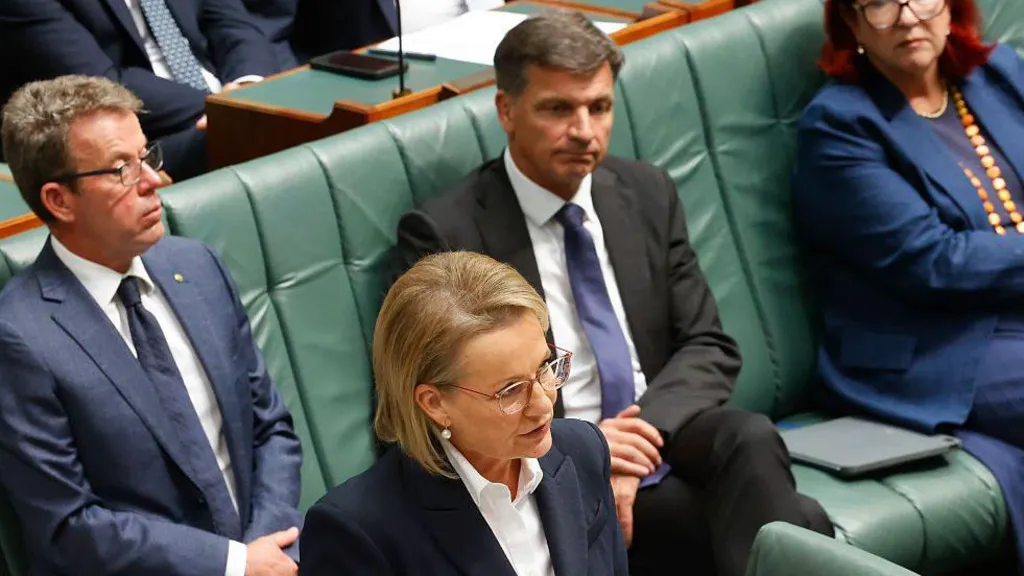
Taylor's resignation is expected to pave the way for a potential challenge to Ley's leadership, with local media outlets suggesting he has been quietly working to unseat her for some time.
Ley's tenure has been marked by struggles, including a narrow victory over Taylor in a leadership contest last year, which was held in the aftermath of the party's worst-ever electoral performance.
The Liberal-National coalition, a partnership that dates back to the 1940s, has experienced significant instability under Ley's leadership, having split and reunited twice during her tenure.
On Wednesday, Taylor, a member of the party's conservative faction, announced his resignation from the leadership team, citing his commitment to continuing to serve the Liberal Party.
In a statement to reporters, Taylor expressed his disappointment with the party's inability to hold the current Labor government accountable, emphasizing the need to protect Australians' way of life and restore their standard of living.
Taylor stated that he does not believe Ley is capable of leading the party effectively, citing the need for a change in leadership.
It remains to be seen whether Taylor's allies within the shadow cabinet will follow his lead and resign from their positions.
Local media reports suggest that Taylor's supporters are planning to request a special party meeting to consider a spill motion, which would allow the party to reconsider its leadership.
If Taylor were to succeed in his bid for leadership, it would bring an end to the ongoing speculation surrounding Ley's tenure, which has been marred by uncertainty.
The coalition's most recent split, which occurred in January, was followed by a reunification just days ago, after a dispute over hate speech laws, which Ley had supported in the wake of the Bondi Beach attack in December.
At the time of the initial split, Nationals leader David Littleproud explicitly stated that his party could not continue to serve in a shadow cabinet under Ley's leadership.
Recent polling data has shown the One Nation party, which secured 6% of the national vote in the previous election, surpassing the Coalition to take second place behind Labor, while Ley's personal approval ratings remain low.
The coalition has yet to reach a consensus on the factors that contributed to its decisive election loss to Labor, which saw the Liberals suffer significant losses in major cities.
In the aftermath of the election, the coalition briefly split over disagreements on climate and energy policy, including its commitment to achieving net-zero emissions by 2050, a policy that the Liberals later abandoned under pressure from the Nationals and their own right-wing faction.
The Nationals, which have a strong presence in rural areas and tend to lean more conservative than the Liberals, have been pushed further to the right in response to the surge in support for the One Nation party, according to political analysts, who note that this shift may hinder the Liberals' ability to appeal to centrist voters in urban areas.
Asia
India sets 3-hour deadline for social media firms to remove illegal content
Concerns have been raised that the regulations may pose a difficulty for tech companies in terms of compliance and potentially lead to increased censorship.
In a significant update to its existing regulations, India has implemented new rules requiring social media companies to delete unlawful content within a three-hour window after being notified, a substantial reduction from the previous 36-hour timeframe.

These revised guidelines, set to come into effect on February 20, will apply to prominent platforms such as Meta, YouTube, and X, as well as content generated using artificial intelligence.
The government has not provided a specific reason for shortening the deadline for removing objectionable content.
Critics, however, are concerned that this move may be part of a broader effort to increase oversight of online content, potentially leading to censorship in a country with over a billion internet users, which is the world's largest democracy.
In the past, Indian authorities have utilized existing Information Technology rules to direct social media platforms to remove content deemed illegal under laws related to national security and public order, granting them broad authority over online content.
According to transparency reports, Indian authorities requested the removal of more than 28,000 URLs or web links in 2024, which were subsequently blocked.
The BBC has sought comment from the Ministry of Electronics and Information Technology regarding the latest amendments, while Meta has declined to comment; the BBC has also reached out to X and Google, the owner of YouTube, for their response.
The updated regulations also introduce new guidelines for AI-generated content, marking a significant development in the country's approach to regulating online material.
For the first time, Indian law defines AI-generated content, including audio and video that has been created or altered to appear realistic, such as deepfakes, while excluding ordinary editing, accessibility features, and genuine educational or design work.
Platforms that allow users to create or share AI-generated content must clearly label it, and where possible, add permanent markers to facilitate tracing its origin.
Once labels are added to AI-generated content, companies will not be permitted to remove them; furthermore, they must utilize automated tools to detect and prevent the dissemination of illegal AI content, including deceptive or non-consensual material.
Technology experts and digital rights groups have expressed concerns regarding the feasibility and implications of the new regulations.
The Internet Freedom Foundation has stated that the shortened timeline will effectively transform platforms into "rapid fire censors," highlighting the potential risks associated with the updated rules.
The group has argued that the extremely short deadlines will eliminate the possibility of meaningful human review, forcing platforms to rely on automated removals, which may lead to over-removal of content.
Anushka Jain, a research associate at the Digital Futures Lab, has welcomed the requirement for labeling AI-generated content, suggesting that it could enhance transparency; however, she has also cautioned that the three-hour deadline may push companies towards complete automation.
Jain has noted that companies are already struggling to comply with the 36-hour deadline due to the need for human oversight, and that a fully automated process may result in the censorship of legitimate content.
Prasanto K Roy, a Delhi-based technology analyst, has described the new regulations as "perhaps the most extreme takedown regime in any democracy," highlighting the challenges associated with compliance.
Roy has stated that meeting the new requirements will be "nearly impossible" without extensive automation and minimal human oversight, as the tight deadline leaves little room for assessing the legitimacy of removal requests.
Regarding the labeling of AI-generated content, Roy has acknowledged the positive intention behind the regulation but has also noted that reliable and tamper-proof labeling technologies are still in development.
The BBC has requested a response from the Indian government regarding the concerns raised by technology experts and digital rights groups.
-
 News8 hours ago
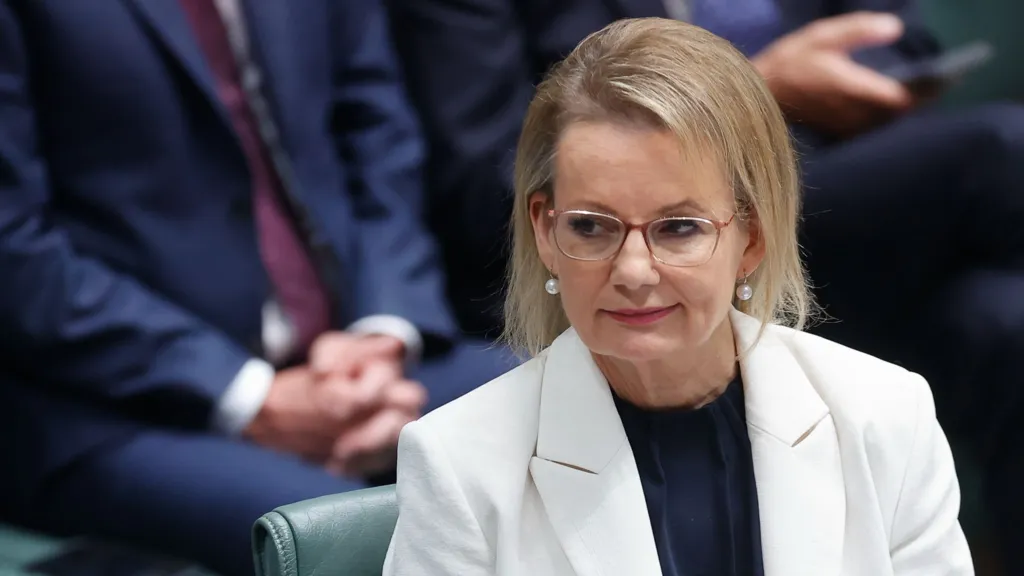
Australian Politics Faces Questions Over Gender Equality Amid Sussan Ley’s Appointment
-
 News5 hours ago
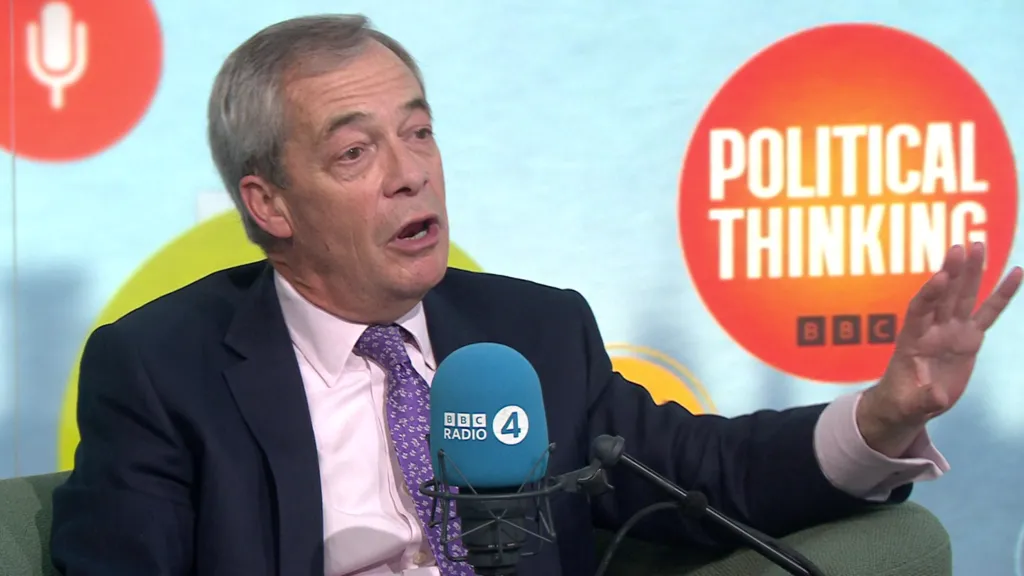
Farage Says Reform to Replace Traditional Tory Party
-
 News5 hours ago
Wrexham Pair Seek Win Against Former Team Ipswich
-
 News11 hours ago
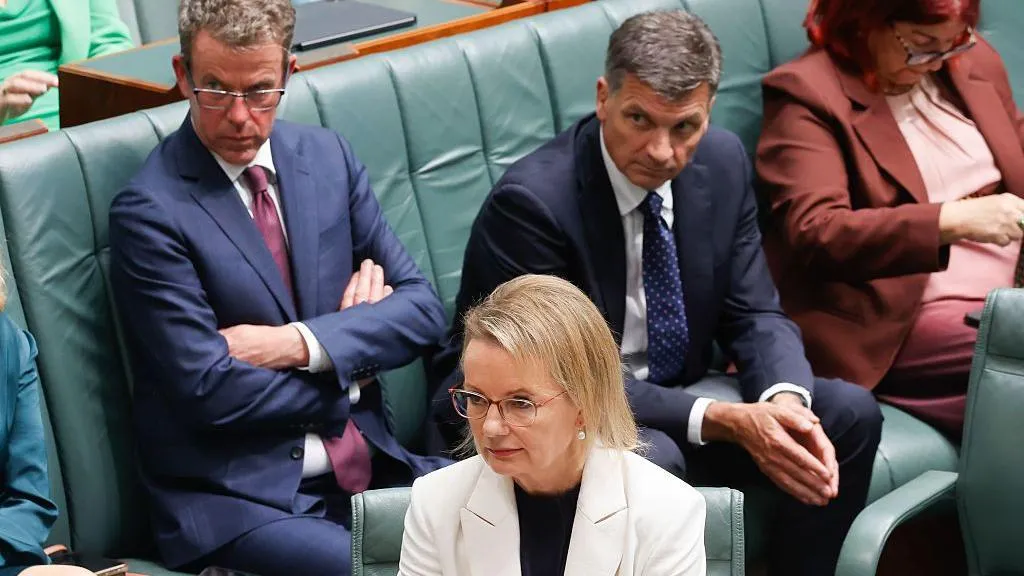
Liberal Party Removes Australia’s First Female Leader
-
 News9 hours ago
UK Braces for Cold Snap with Snow and Ice Alerts Expected
-
 News5 hours ago
Husband’s alleged £600k theft for sex and antiques blamed on drug side effects
-
 News2 days ago
Sunbed ads spreading harmful misinformation to young people
-
 Business11 hours ago
BBC Reporter Exposed to Cyber Attack Due to Vulnerabilities in AI Coding Tool