
England
Deaf patients criticize NHS for lack of interpreters
The deaf community in Hull reports feeling misunderstood and experiencing frequent delays in receiving medical treatment.
The dearth of interpreters working with the National Health Service has resulted in deaf individuals experiencing feelings of frustration and isolation, with many facing delays in receiving medical treatment due to communication barriers.
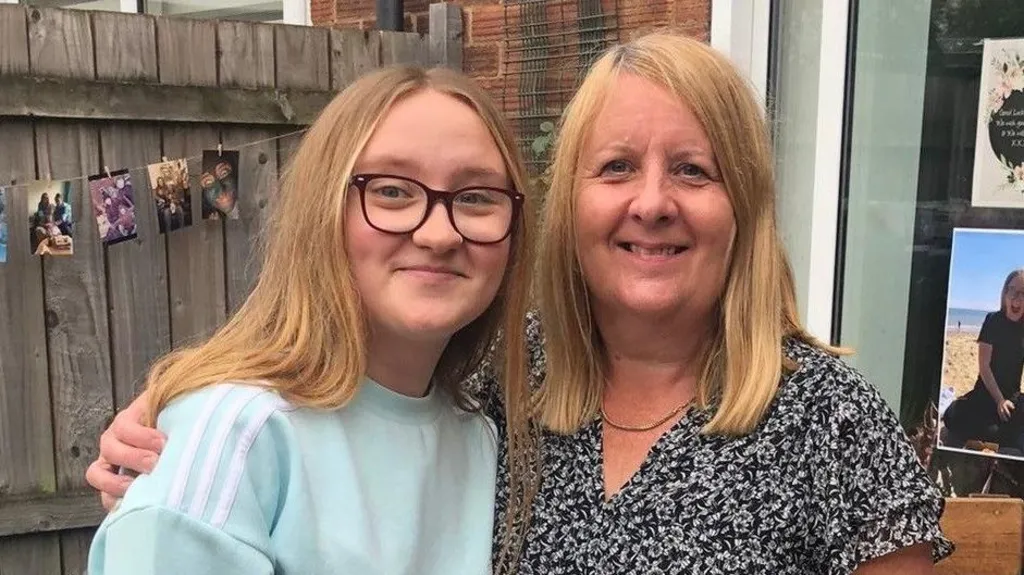
A 22-year-old woman from Hull, Millie Neadley, recounted her year-long ordeal waiting for surgery to repair a broken nose, during which several appointments were cancelled due to the unavailability of a British Sign Language interpreter.
According to a 2025 survey conducted by RNID and SignHealth, two charities focused on hearing loss, only 7% of respondents who required communication assistance at medical appointments consistently had access to a professional interpreter.
The NHS Humber and North Yorkshire Integrated Care Board has acknowledged that the limited number of qualified British Sign Language interpreters poses a persistent challenge that necessitates a national response.
Millie Neadley expressed that the absence of an interpreter at her appointments made her feel disregarded and anxious about potentially missing crucial information, highlighting the need for improved communication support.
Millie has reported that staff members continue to contact her by phone to arrange appointments, despite being informed of her hearing impairment.
This approach has proven to be a source of frustration for Millie, as she must rely on others to convey the content of these calls, thereby limiting her autonomy.
On the day of her scheduled surgery, Millie was informed that the interpreter who was supposed to be present had cancelled, but a nurse with basic signing skills was available to provide assistance.
Millie's mother, Joanne Neadley, who is also deaf, noted that her daughter's surgery had been postponed multiple times, causing significant distress due to her breathing difficulties.
According to Joanne Neadley, the lack of an interpreter on the day of the surgery, after arriving at 7am, was unacceptable and highlighted a breakdown in communication.
Joanne described the nurse as "lovely", yet emphasized that the overall situation was unsatisfactory, stressing the need for a qualified British Sign Language interpreter.
Data from RNID and SignHealth indicates that approximately 15 million adults in England experience deafness or hearing loss, with roughly one million individuals having limited ability to engage in everyday conversations; furthermore, there are around 73,000 people who use British Sign Language.
The charities conducted a survey of 1,114 individuals in England who are deaf or hard of hearing, gathering insights into their experiences.
Among the 208 survey respondents who required communication support, such as a British Sign Language interpreter, 63% reported that this support was rarely or never available during appointments, while 28% stated that it was occasionally provided.
The report, Still Ignored: The Fight for Accessible Healthcare, highlights the NHS's shortcomings in providing equal access to healthcare for the deaf community, citing a lack of adequate systems to ensure accessible care.
The investigation revealed that deaf individuals frequently experienced feelings of disrespect and exclusion, often having to depend on relatives or friends to facilitate communication.
Rachel Duke, a 38-year-old from Hull, comes from a family with a long history of profound deafness, spanning six generations.
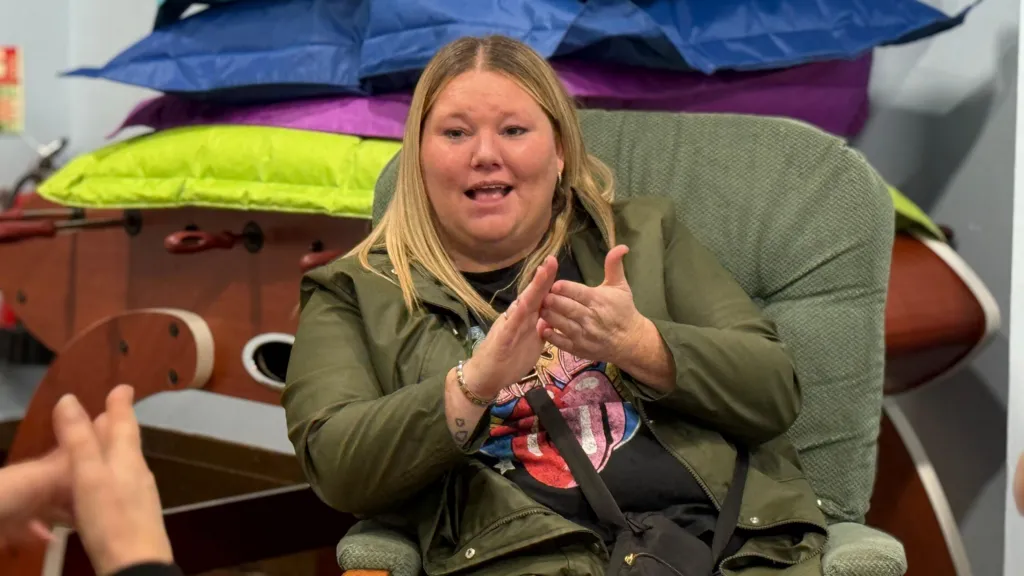
According to Rachel Duke, something as straightforward as scheduling a doctor's appointment over the phone at 8am proved to be a significant challenge, necessitating assistance from others.
Upon arriving at appointments, Rachel Duke would sometimes discover that no provisions had been made for an interpreter, leaving her to rely on her family members for support.
On one particular visit to the doctor with her deaf son, Rachel Duke relied on a display screen to monitor when his appointment would be called, highlighting the need for more accessible communication methods.
A woman reported a lengthy wait for her son's appointment, only to be informed at the reception desk that her name had been called without her response. According to her account, the reception staff stated that they had attempted to summon her, but she failed to appear.
The display screen was empty, showing no information.
As a result, the staff apologized and explained that the appointment would need to be rescheduled due to the apparent miscommunication, which led to the initial appointment being missed.
Rachel expressed her desire for self-sufficiency, stating that she wants to be able to manage things on her own without relying on others. She emphasized the importance of equality.
Rachel conveyed a sense of frustration and marginalization, feeling that her needs are often overlooked and misunderstood, leaving her and others like her at a disadvantage.
In North and North-East Lincolnshire, Heather Peachey, a level 6 BSL interpreter residing in Barton-upon-Humber, holds the distinction of being the sole qualified and registered interpreter in the area.
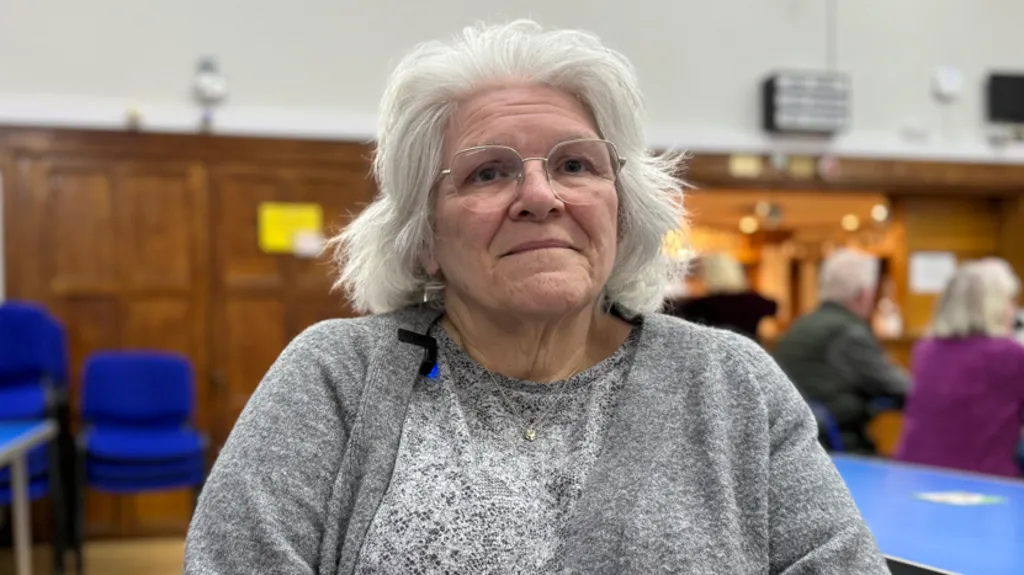
Peachey's introduction to sign language began when her younger sister, at the age of five, was diagnosed with profound deafness, prompting her to learn signing.
However, Peachey's path to becoming a certified interpreter was marked by challenges.
According to Peachey, financial constraints forced her to temporarily halt her training, but she eventually achieved registration approximately 14 years ago, thanks to an inheritance from her father that enabled her to complete the program.
Peachey notes that acquiring British Sign Language skills is comparable to learning any other language, requiring self-funding, and observes that few universities offer BSL courses, limiting access to formal training.
The process of becoming a skilled interpreter typically takes around six to seven years for someone with no prior experience in signing.
According to Signature, the examination board for British Sign Language, the cost of achieving level 6 interpreter status can range approximately £6,000, varying by training provider.
The NRCPD, which regulates language service professionals on a voluntary basis, stipulates that only interpreters who have attained level 6 status and have significant experience are permitted to accompany individuals to medical appointments and surgeries.
The available data indicates that there are only five interpreters residing within a 25-mile radius of Hull.
Sarah Regan, who manages the residential program at the Hull Deaf Centre, notes that individuals with the necessary qualifications are relatively scarce.
In schools across Hull, it's unlikely that students would express a desire to become a British Sign Language (BSL) interpreter, highlighting a potential shortage of trained professionals in this field.
Individuals who are investing their own time and money to learn sign language deserve recognition and financial support from the government to encourage their efforts.
According to the RNID, equal access to healthcare is a fundamental right, yet their research has revealed significant shortcomings in NHS services for deaf individuals, affecting their ability to receive adequate care.
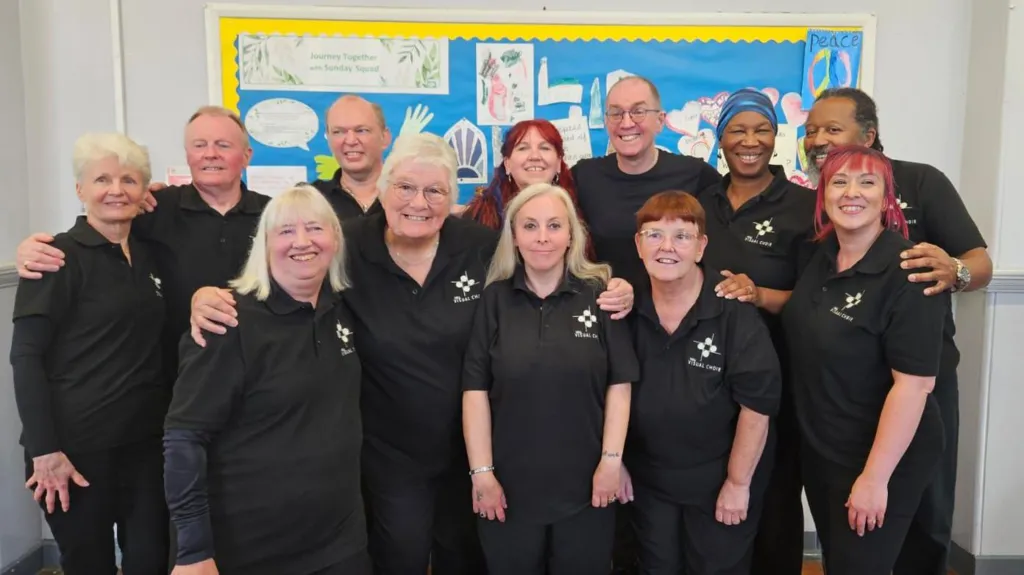
When approached for comment, NHS England and the Department of Health and Social Care directed the BBC to the Integrated Care Board (ICB), which focuses on addressing health disparities in the Humber and North Yorkshire region.
The ICB has acknowledged the need to enhance interpreter services and has been collaborating with the Hull Deaf Centre to identify and address the obstacles faced by deaf individuals in accessing healthcare.
The organization has developed innovative training resources for NHS personnel, featuring videos produced in collaboration with members of the deaf community.
A spokesperson highlighted the longstanding issue of the limited number of fully qualified British Sign Language interpreters in the area, noting that the seven-year training process requires a national solution.
Efforts are underway to collaborate with NHS partners in driving meaningful and immediate enhancements.
These initiatives encompass a thorough examination of the deaf patient's experience, from initial contact to the handling of complaints, as well as leveraging BSL-enabled technology, streamlining interpreter booking processes, expanding deaf awareness training for staff, and ensuring compliance with the Accessible Information Standard.
For more news from Hull and East Yorkshire, tune in to BBC Sounds, catch the latest Look North episode, or share a story suggestion with us.


England
Therapy dog Dan brings joy to care home residents
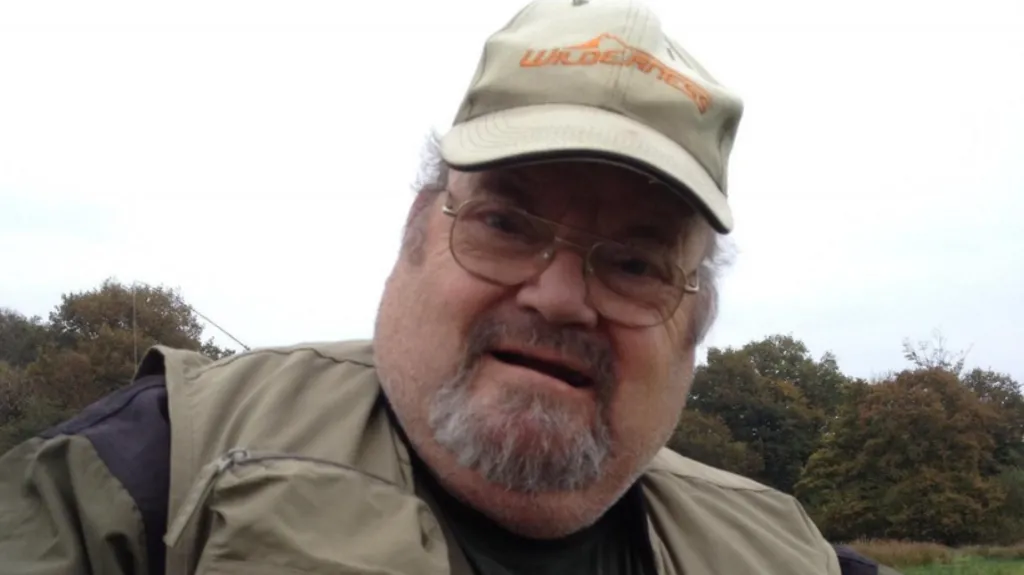
At the age of 84, John Weller found it challenging to settle into his new surroundings at a care home, but his situation improved upon meeting Dan, a golden retriever.
At the age of 84, John Weller faced difficulties adjusting to his new life in a residential home, but his outlook changed with the introduction of Dan, a friendly canine companion.
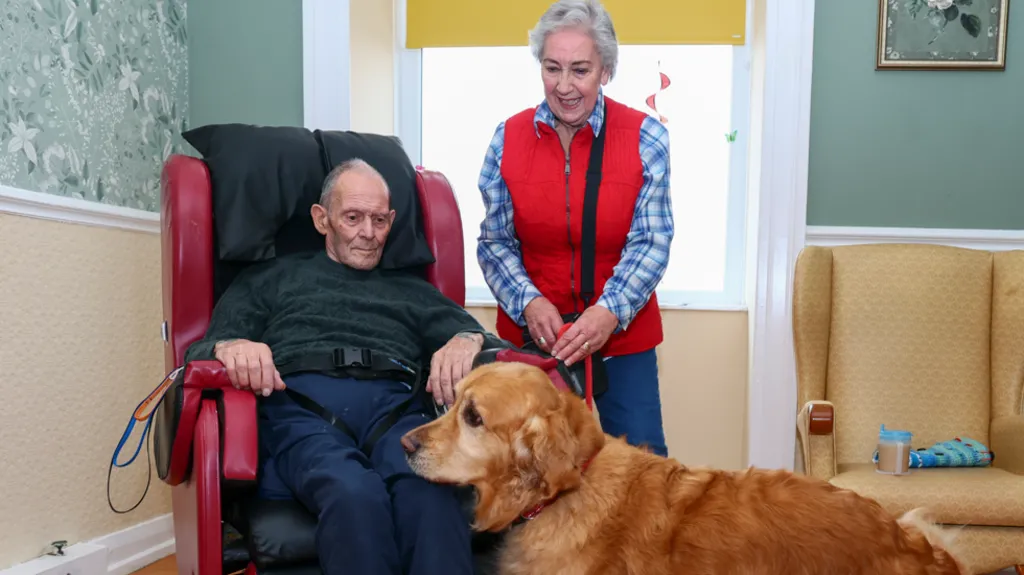
Having recently relocated to a care home in Chorley, Lancashire, Weller deeply missed his beloved pets, Rocky the miniature schnauzer and Jovi the whippet, which he had left behind.
It was observed by the care home staff that regular interactions with Dan, a golden retriever, had a profoundly positive impact on Weller's mood.
According to Weller, spending time with Dan brings him joy, and he appreciates the opportunity to stroke and feed Dan, which reminds him of his own dogs.
Weller keeps photographs of his former pets in his bedroom and often looks at them, but he also eagerly anticipates Dan's visits.
Upon his arrival at Gillibrand Hall Care Home, staff noted that Weller was experiencing a period of low mood, having had to leave behind his familiar routines and previous home.
However, as Weller formed a close bond with Dan, his confidence began to grow, and the care home staff observed that these interactions also brought back fond memories of his time with his own pets.
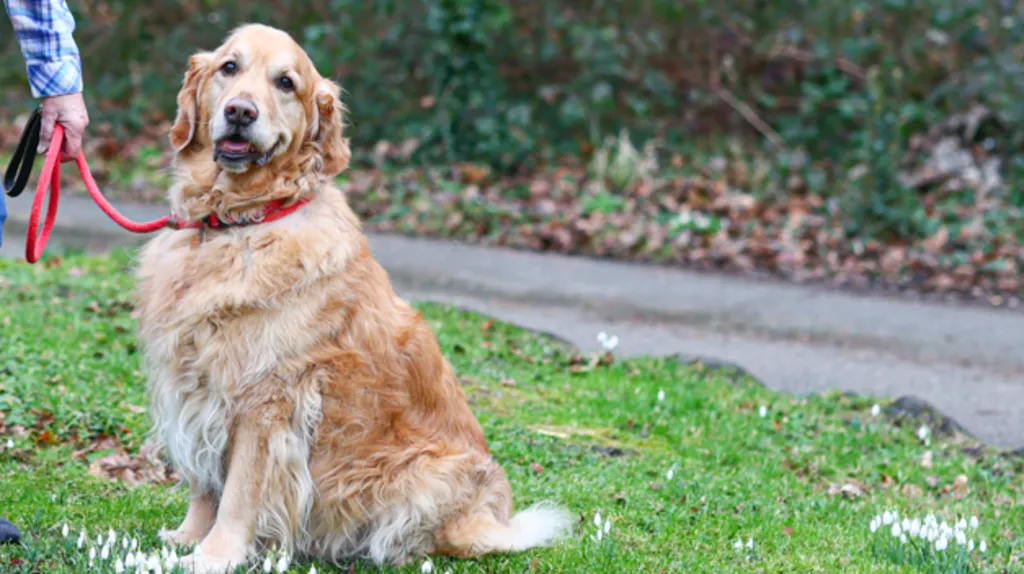
Dan's owner, Fiona Hill, described the dog as gentle, although occasionally lively, and noted that Dan seems to have an innate ability to respond to the needs of each resident.
The presence of Dan often evokes strong emotional responses from the residents, with some becoming tearful with joy upon his arrival, and he facilitates the sharing of stories about their own pets, which can initially be emotional but often lead to happy conversations and laughter.
As Dan's owner, Hill expressed pride in the comfort and companionship the dog provides, helping residents to open up and form connections.
The care home manager, Kathy Spencer, revealed that Dan had recently been recognized as employee of the month due to the significant positive impact he has had on residents, including Weller.
Spencer noted that Weller's mood and confidence have shown significant improvement since meeting Dan.
For Weller, the experience of pet therapy with Dan extends beyond anxiety reduction, as it allows him to reconnect with his passion for dogs and reminisce about happy memories.
The strong bond between Weller and Dan provides comfort and calm, highlighting the benefits of pet therapy in care home settings.
England
Woman sentenced to prison for murdering and dismembering partner
Anna Podedworna has received a life sentence following her conviction for the murder of Izabela Zablocka.
A woman has been sentenced to life imprisonment for murdering her partner and dismembering her body, which was then buried in a garden over 15 years ago.
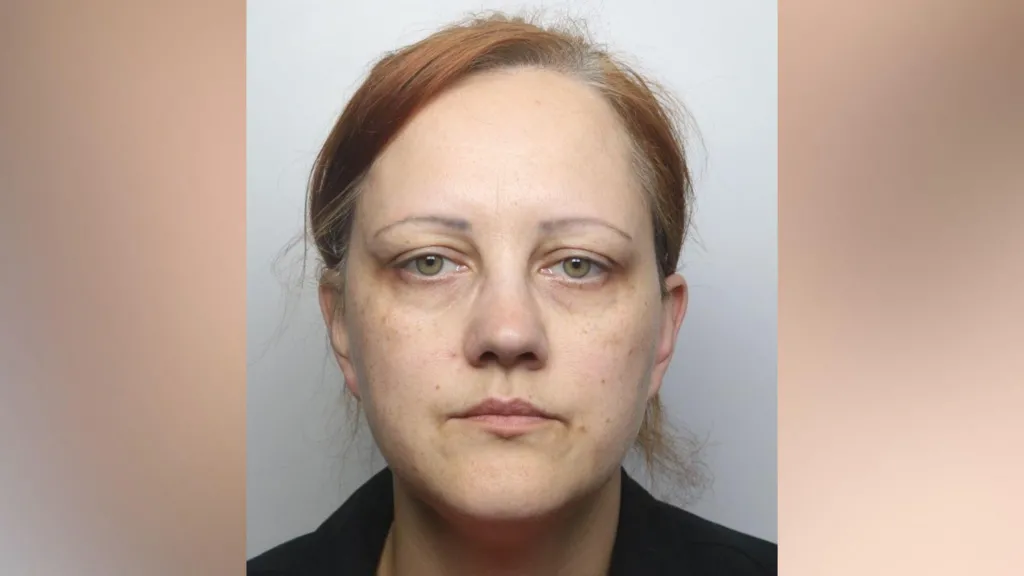
It was in 2025 that Anna Podedworna contacted Derbyshire Police, providing them with information that led to the discovery of Izabela Zablocka's remains in a house on Princes Street, Derby.
Podedworna, a 40-year-old resident of Boyer Street in Derby, had a background as a skilled butcher, but her profession did not prepare her for the severity of the crime she committed; she was found guilty of murder by a jury.
On Wednesday, at Derby Crown Court, Podedworna received a life sentence with a minimum term of 21 years for her role in Izabela Zablocka's murder.
During sentencing, Mrs Justice Williams KC noted that the evidence presented in the trial highlighted the strong family bonds Izabela shared, particularly with her mother, grandmother, and daughter Kasia.
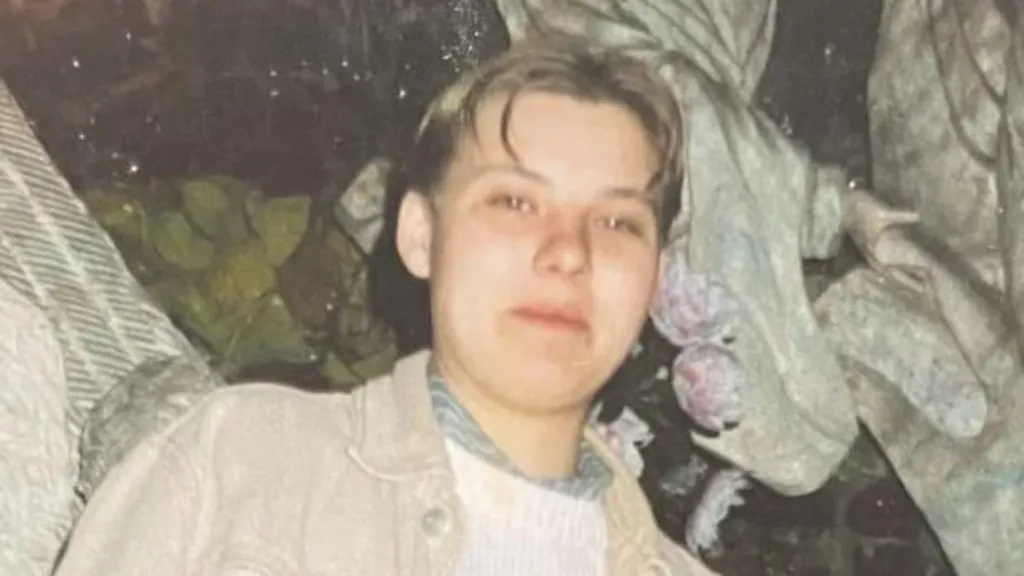
Izabela maintained regular contact with her family in Poland, but her disappearance was marked by an uncharacteristic silence, particularly when she failed to call her daughter on her 10th birthday, 4 September 2010.
The judge emphasized that Podedworna's actions had a profound impact on Kasia, who was left without a mother and struggled to understand her sudden disappearance.
The judge acknowledged the perseverance of Izabela's family, who never gave up hope of uncovering the truth behind her disappearance, and noted that without their efforts, Podedworna's crimes may have gone undetected.
Podedworna showed no remorse for her actions, and the judge rejected the idea that she deserved credit for eventually contacting the police in 2025, as this was seen as an attempt to manipulate the investigation.
Readers are warned that this article contains distressing details.
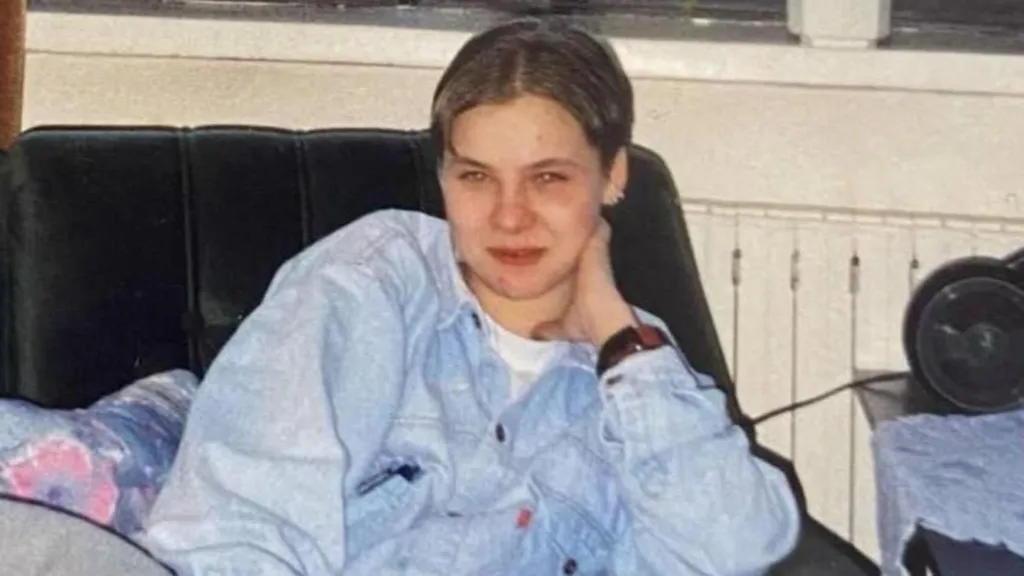
The two women had moved to the UK from Poland in search of work and lived together in the Normanton area of Derby.
The last known contact with Izabela was a phone call to her mother in Poland on 28 August 2010, after which she was never heard from again.
According to prosecutor Gordon Aspden KC, shortly after this call, Podedworna murdered Izabela, dismembering her body with a large knife.
Investigators discovered that Podedworna had previously worked as a skilled butcher, a job that involved using large knives to debone and portion turkey carcasses.
The body was then buried in the garden, and a layer of concrete was laid over the grave.
In 2025, Kasia, now an adult, approached Polish TV journalist Rafal Zalewski and asked for his help in investigating her mother's disappearance.
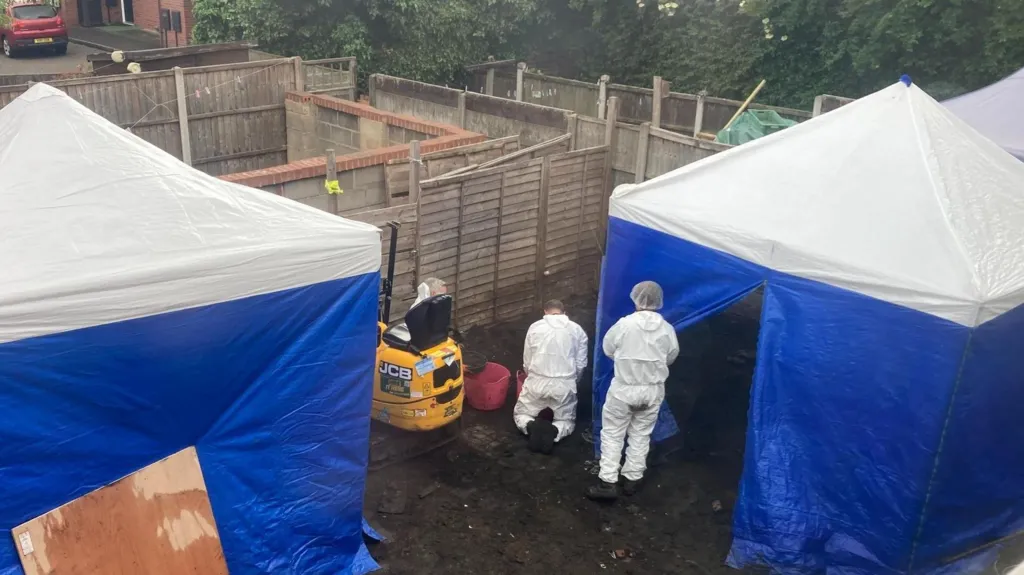
Zalewski confronted Podedworna at her home in Boyer Street, Derby, but she initially denied any knowledge of Izabela's whereabouts.
However, under mounting pressure, Podedworna eventually contacted Derbyshire Police and provided them with the location of the body.
A thorough search of the Princes Street property led to the discovery of Izabela's remains.
In a statement read out in court, Kasia described the traumatic impact of her mother's disappearance on her life.
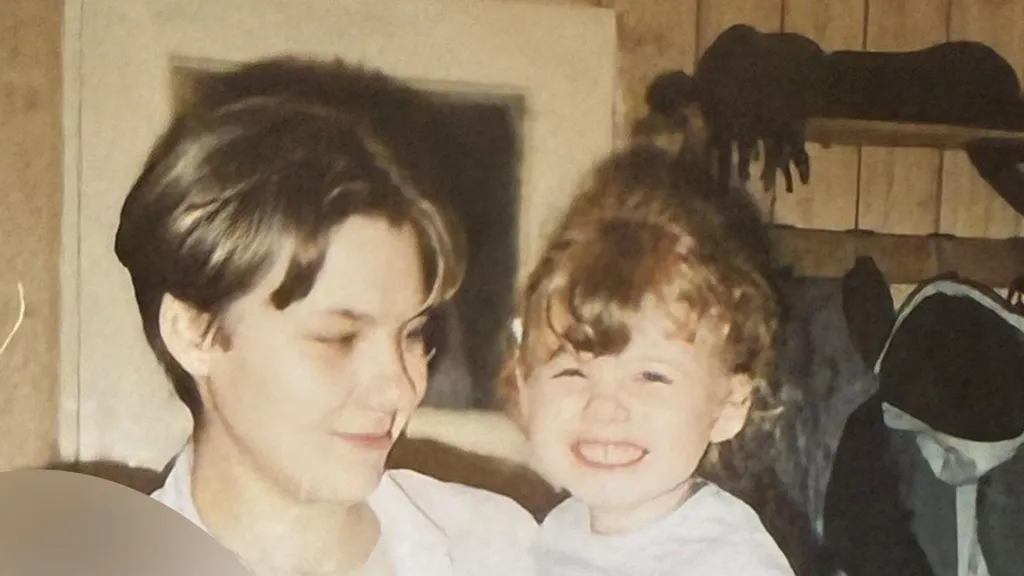
Kasia recalled being extremely close to her mother and feeling devastated by her sudden and unexplained disappearance.
The experience left a deep emotional scar, and Kasia struggled to cope with the uncertainty surrounding her mother's disappearance.
For years, she wondered why her mother had stopped contacting her, feeling abandoned and unsure of what had happened.
Instead of enjoying her childhood, Kasia was preoccupied with thoughts of her mother and the reasons behind her disappearance.
Despite the uncertainty, Kasia always believed that her mother would not have left her without a reason.
Podedworna claimed to have acted in self-defence, but this was rejected by both the jury and the judge.
Clive Stockwell KC, representing Podedworna, suggested that some unknown event must have triggered her actions, given her previously good character.
Stockwell also highlighted the impact of the sentence on Podedworna's children, who would have to spend a significant part of their lives without their mother.
However, Mrs Justice Williams emphasized that Podedworna's brutal treatment of Izabela's body was consistent with a killing motivated by anger and a deep-seated dislike for her partner.
The judge noted that Podedworna had continued to deceive those around her, including Izabela's mother, her own mother, and the police, about the circumstances of Izabela's disappearance.
This pattern of deception continued over the years, with Podedworna showing no remorse for her actions.
England
Reform leader resigns amid council investigation into racism allegations
Councillor Chris Large has stepped down from his position as leader of the Staffordshire Reform group, a move that comes shortly after his initial appointment.
An investigation is underway into allegations of racism against a former Reform councillor in Staffordshire, who recently resigned from their position as group leader just days after being appointed.
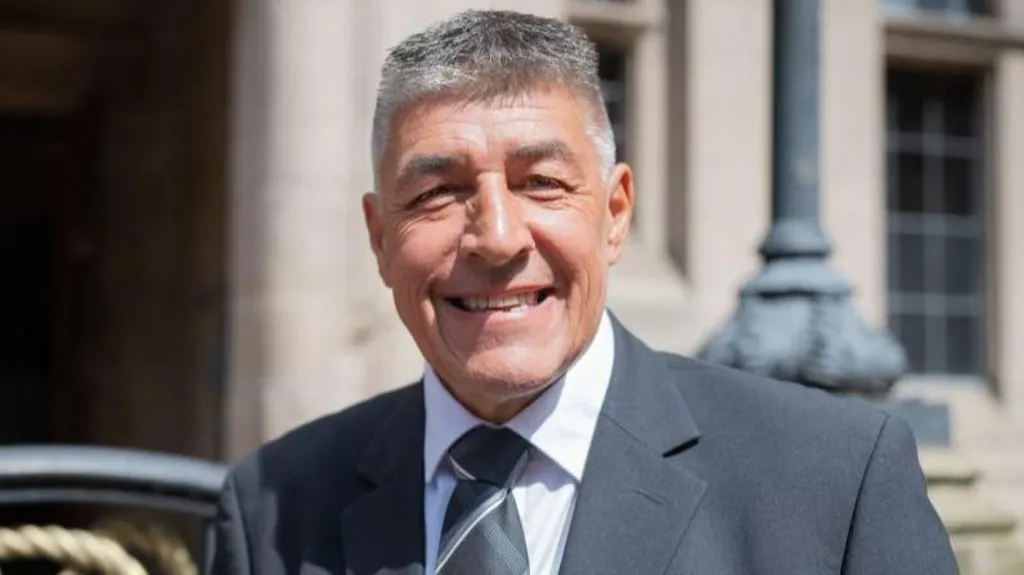
Documents obtained by the BBC reveal that the council has referred a complaint regarding councillor Chris Large, a former cabinet member, who allegedly made or endorsed racist comments on his TikTok account, as evidenced by confidential emails.
Due to the complexity and severity of the allegations, the council has assigned an Independent Investigating Officer to conduct a thorough investigation into the matter.
Councillor Large has denied any involvement in the comments, attributing them to a hacked account, and stated that there were unauthorized logins, resulting in the account's deletion.
Large's resignation as leader and cabinet member for finance was announced last week, citing a family bereavement as the reason for his decision to step down.
This resignation occurred shortly after he oversaw the approval of Staffordshire County Council's £840.8m budget for 2026-27.
Large was slated to succeed councillor Ian Cooper, who had previously resigned amidst allegations of racism, which Cooper has not publicly denied.
At the time of Large's appointment, his party highlighted his extensive experience as a chief executive in the finance and banking industry, spanning over 30 years, as well as his 35-year residency in the county.
According to records from Companies House, Large has been listed as the director of 12 companies over the past 20 years, all of which are currently dissolved.
These companies also list France as Large's country of residence.
Large explained to the BBC that his involvement with the dissolved companies was related to his role in transforming and turning around businesses.
He stated that the closure of some businesses led to the creation of new ones, highlighting the positive outcomes of his work.
In response to Large's resignation, Philip White, the Conservative leader of the opposition, expressed sympathy for Large's family situation while also criticizing his appointment as leader.
White stated that Large's involvement in the racism scandal that led to Ian Cooper's resignation made him an unsuitable candidate for the leadership position.
White emphasized the need for stability in Staffordshire, given the recent turnover of leaders, and hoped that the Reform party could find a suitable replacement from their ranks.
Martin Murray, the acting leader of the county council, had previously thanked Large for his contributions and expressed support for his decision to resign, citing the importance of prioritizing family.
Murray's statement reflected the council's understanding of the personal circumstances that led to Large's resignation.
The Reform UK party has stated that it will not be taking any action against Large regarding the complaints about his social media activity.
The positions of cabinet member for finance and elected leader of the Reform group remain vacant, awaiting new appointments.
A council spokesperson explained that the authority takes all concerns about the conduct of elected members seriously and will address them in accordance with the council's Standards Complaints process and Code of Conduct.
Meanwhile, council members are scheduled to meet and vote on the proposed budget, which includes a 3.99% council tax increase, on February 12.
-
 News13 hours ago
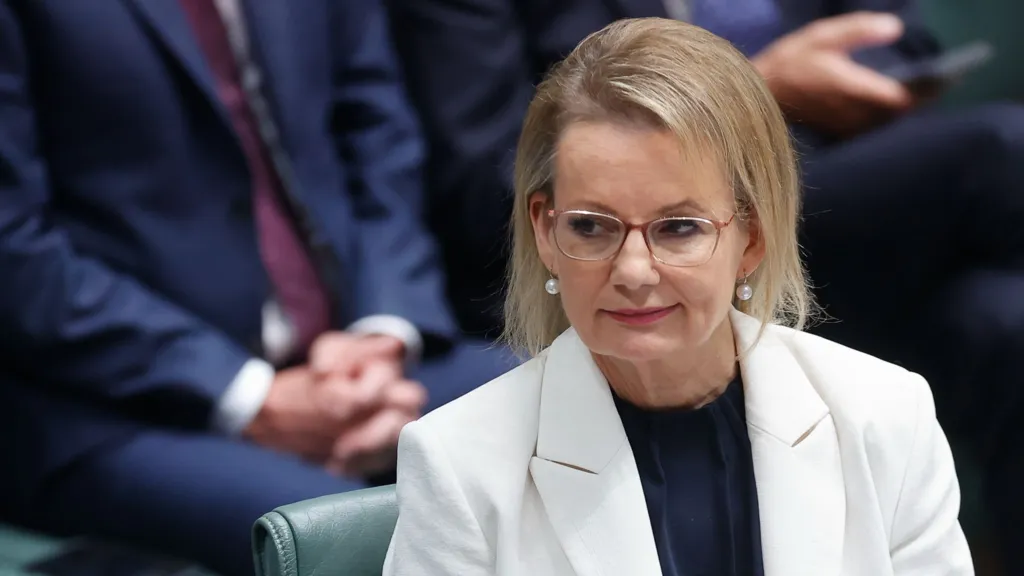
Australian Politics Faces Questions Over Gender Equality Amid Sussan Ley’s Appointment
-
 News11 hours ago
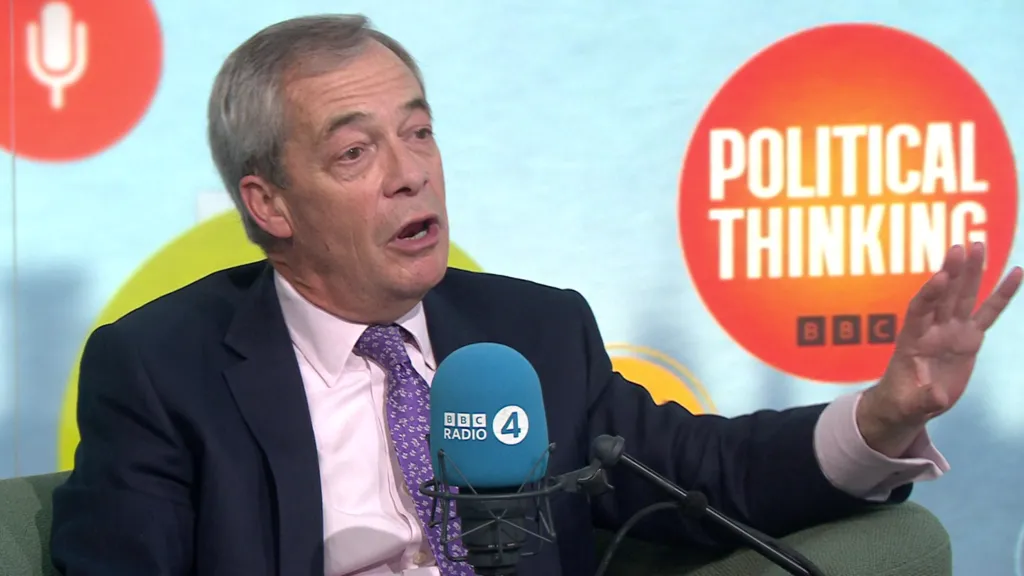
Farage Says Reform to Replace Traditional Tory Party
-
 News11 hours ago
Wrexham Pair Seek Win Against Former Team Ipswich
-
 News16 hours ago
Liberal Party Removes Australia’s First Female Leader
-
 News14 hours ago
UK Braces for Cold Snap with Snow and Ice Alerts Expected
-
 News11 hours ago
Husband’s alleged £600k theft for sex and antiques blamed on drug side effects
-
 News2 days ago
Sunbed ads spreading harmful misinformation to young people
-
 Business16 hours ago
BBC Reporter Exposed to Cyber Attack Due to Vulnerabilities in AI Coding Tool