
World
Taekwondo instructor aims to bring peace to troubled Indian state
The ability of Yumnam Khemchand Singh, Manipur’s new chief minister, to restore stability to the state is a subject of debate.
India's northeastern state of Manipur has emerged from a year of direct federal rule, which was introduced in response to ethnic violence that resulted in over 260 fatalities, and now has a new chief minister.
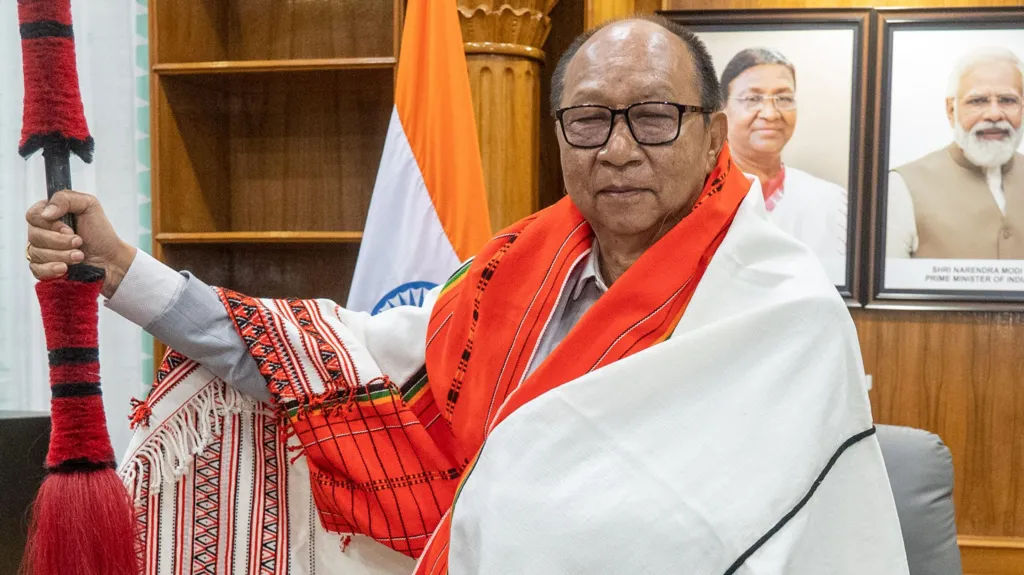
Last week, Yumnam Khemchand Singh, who holds a fifth-dan black belt in taekwondo, was sworn in as the state's new leader, tasked with addressing the lingering impact of clashes between the Meitei and Kuki-Zo communities.
The aftermath of the 2023 violence has seen the communities largely separated, with many residents confined to specific areas and thousands forced to leave their homes, leading to a protracted displacement crisis.
Apart from his background in taekwondo, which he has taught for years, Singh is also an experienced politician with ties to the Rashtriya Swayamsevak Sangh (RSS), the ideological parent of the Bharatiya Janata Party (BJP), although he only entered electoral politics relatively recently, at the age of 62.
As a member of the BJP, Singh was first elected to office in 2017 and has since held various roles, including assembly speaker and state minister, with responsibilities spanning education, rural development, and other key portfolios.
As he assumes leadership of a state facing significant challenges, the key issue is whether he can play a role in restoring stability.
Views on his potential impact are mixed, with some residents and experts in Manipur expressing optimism about his ability to lead, while others are more cautious in their assessment.
According to Pradip Phanjoubam, editor of the Imphal Review of Arts and Politics magazine, it is too early to make a definitive judgment, and the coming weeks will be important in determining the trajectory of events, he said in an interview with the BBC.
Despite the change in leadership, underlying tensions in Manipur persist, indicating that the road to resolution will be complex.
A recent incident on 21 January, in which a member of the Meitei community was fatally attacked in a Kuki-Zo-dominated area, highlights the ongoing nature of the conflict, which has been marked by a series of violent incidents.
Protests erupted in Manipur's Churachandpur district just hours after Singh was sworn in on 4 February, resulting in blocked roads and the closure of markets and offices.
The formation of the new government, which included the participation of certain Kuki-Zo legislators, was met with condemnation from Kuki-Zo civil society groups and student organisations, who viewed it as a breach of trust and reiterated their call for a distinct administrative setup in areas predominantly inhabited by the Kuki-Zo community.
The demographic makeup of Manipur is characterized by the Meitei population primarily residing in the valley areas, including the capital city of Imphal, whereas the Kuki-Zos are mostly found in the surrounding hill regions.
Ongoing tensions between the Meitei and Kuki-Zo communities have been further complicated by emerging friction between Kuki-Zo and Naga tribal groups, introducing an additional layer of complexity to the unrest in Manipur. On Sunday, reports of tension surfaced in the Ukhrul district, prompting authorities to impose restrictions on public gatherings following an alleged altercation involving villagers from both communities.
As a member of the Meitei community, Singh's cabinet reflects an attempt to balance ethnic representation, with three ministers, including a deputy chief minister, hailing from the Kuki-Zo community, in a state marked by deep-seated divisions.
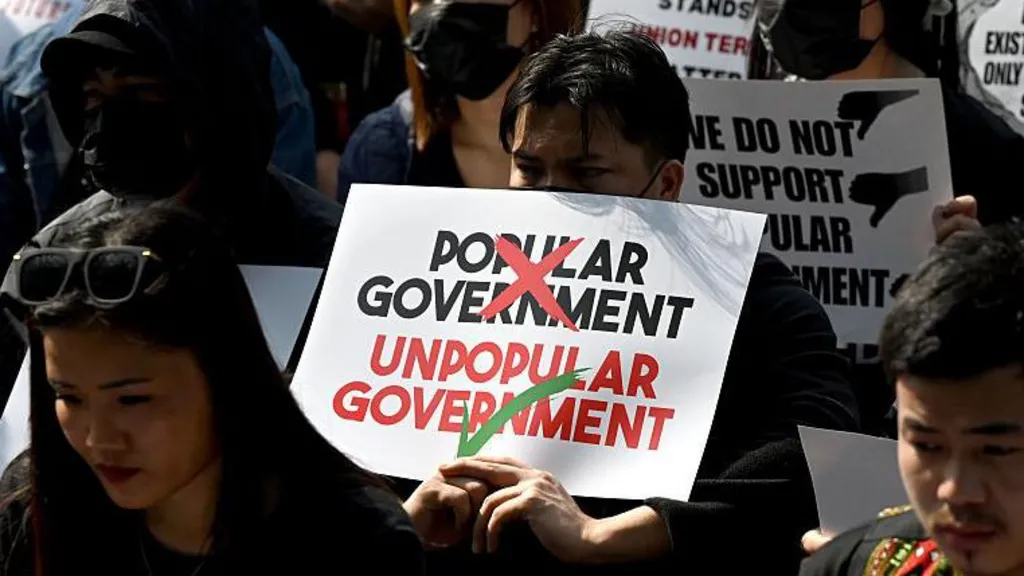
Skepticism persists within the Kuki-Zo community, with many expressing doubts about the prospects for peace.
According to Mang Khongsai, a prominent Kuki student leader, a genuine and lasting peace requires more than just an end to hostilities, citing the need for trust, justice, and sincerity in political dealings, in an interview with the BBC.
Khongsai has expressed his reservations about the ability of Singh to achieve peace, given the current state of affairs.
In Khongsai's view, Singh is tied to a political system that has so far failed to provide a viable plan for resolving the conflict, ensuring security, or addressing the key issue of separate administrations.
Glady Vaiphei Hunjan, an adviser to the Kuki-Zo Women's Forum in Delhi, argues that peace cannot be achieved by simply maintaining the existing state of affairs, implying that more fundamental changes are necessary.
According to her, effective leadership in achieving peace requires demonstrating a clear moral stance, which involves recognizing the state's shortcomings, engaging with all parties on an equal basis, and prioritizing a political solution over managing the conflict administratively.
With a population of approximately three million people and covering an area of roughly 22,327 square kilometers, Manipur is one of India's smallest states, slightly larger than Wales, spanning around 8,620 square miles.
Manipur has a longstanding history of armed insurgency, and the recent surge in violence over the past two years has led to the formation of armed militias and village volunteer groups, amid deep-seated mistrust among communities. The state has also been subject to a contentious law that grants the military extensive authority in areas deemed "disturbed".
Notwithstanding years of turmoil, Manipur has established itself as a consistent producer of world-class athletes, including Olympic weightlifter Mirabai Chanu, boxer Mary Kom, and judo champion Sushila Devi Likmabam. This achievement is often credited to the state's robust sporting culture, early introduction to sports like football, boxing, and martial arts, and community-driven clubs that provide opportunities for young athletes, a tradition that Singh was also a part of.
Filmmaker Sunzu Bachapatiyum, who belongs to the Meitei community, expresses optimism about Singh's ability to lead, indicating a sense of hope for his leadership.
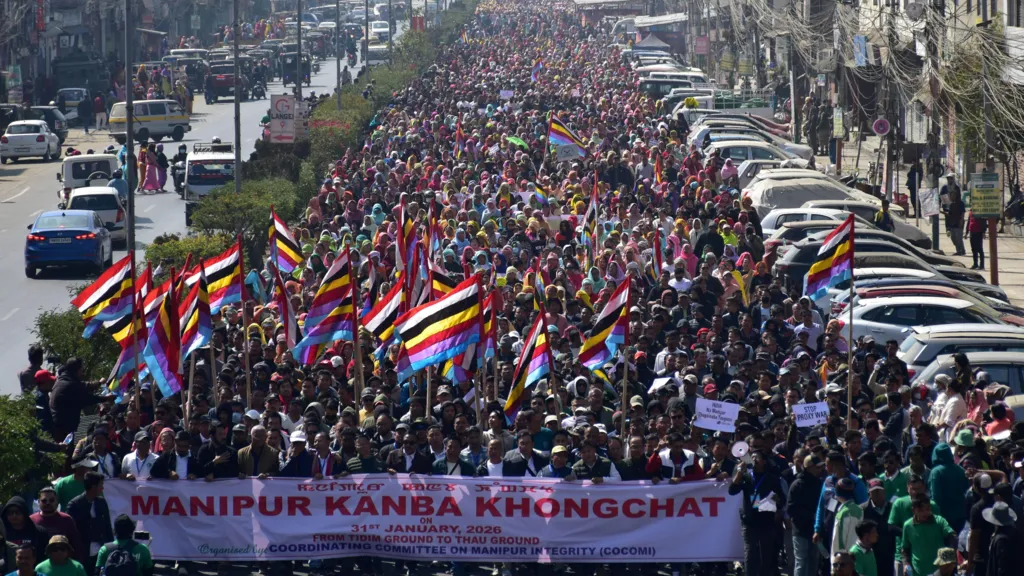
According to observers, Singh's ability to build relationships with leaders from various communities is a notable asset. His capacity to secure enough legislative support to form a government indicates a level of broad acceptance, which is a positive development in the current context.
Journalist Kshetrimayum Premchand, a member of the Meitei community, believes Singh is well-positioned to contribute to the peace process in Manipur. Premchand cites Singh's track record as a transparent and effective administrator, whether in his role as a legislator or state minister.
Singh's visit to a relief camp for displaced Kuki-Zo individuals in December 2025 is seen by some as a pivotal moment in his emergence as a chief ministerial candidate. This outreach effort, unusual for a senior Meitei leader during a time of conflict, may have helped expand his appeal among Kuki-Zo lawmakers, according to analysts.
Seram Rojesh, convener of the Delhi Meitei Coordinating Committee, emphasizes that a lasting peace will depend on the disarmament of ethnic armed groups that have been involved in the violence.
Arambam Noni, an associate professor at Dhanamanjuri University in Imphal, advises Singh to prioritize dialogue and uphold the rule of law. Noni also warns against acquiescing to the Kuki-Zo demand for a separate administration, as this could create a ripple effect, encouraging other groups to make similar demands and potentially exacerbating the complex ethnic and cultural dynamics in Manipur.
Analysts note that the reinstatement of an elected government has opened up opportunities for political participation, yet underlying tensions between communities persist, even during times of stability.
According to Phanjoubam, an editor based in Imphal, the key to achieving peace lies in how the newly restored authority chooses to utilize its power – whether it focuses on fostering trust among communities or merely reestablishing bureaucratic order.
News
Chinese-Americans to Represent Opposing Nations at Olympics
Alysa Liu and Eileen Guo have found themselves at the center of a discussion that extends well beyond the realm of athletics.
A unique online dispute has emerged surrounding the Winter Olympics in Milan, with the focal point being the internet rather than the athletic events themselves.

At the center of this controversy are two young athletes: Eileen Gu, a skilled freestyle skier, and Alysa Liu, a talented figure skater. Both women share similar backgrounds, having been born and raised in the US to parents of Chinese heritage, and have achieved great success in their respective sports.
However, the perception of these two athletes differs greatly, with some in the US viewing one as a pioneer and the other as disloyal, while opinions on Chinese social media platforms are reversed.
The reason for this disparity lies in the fact that Alysa Liu is competing under the US flag, whereas Eileen Gu has chosen to represent China, despite her American upbringing and her mother's history of spending summers in Beijing.
This decision has sparked criticism from some Americans, with one social media post stating, "In a world where individuals like Eileen Gu choose to compete for China and receive substantial financial compensation, it's essential to admire those like Alysa Liu, who embody a different set of values."
The backlash against Eileen Gu appears to be driven primarily by political commentators and a vocal minority on social media, rather than the general public or the sports community. This phenomenon is influenced by the ongoing competition between the US and China, as the two global superpowers continually strive for dominance in various fields.
As a result, a small but vocal segment of the internet is pitting these two women against each other, questioning their loyalty, identity, and immigrant experiences, while adding to the pressure they already face as public figures in the sports world.
Eileen Gu, affectionately known as the "Snow Princess" in China, was born in California to a Chinese mother and an American father.
Following her parents' separation, Gu was raised by her mother, Yan Gu, a successful venture capitalist who holds degrees from both Peking University and Stanford.
Gu's upbringing was marked by a strong connection to both the US and China, with her spending summers in Beijing and attending a private school in San Francisco during the rest of the year.
She began freeskiing at the age of three in the Lake Tahoe region and joined the Northstar California Resort freeskiing team at eight, winning her first national championship just a year later.
Initially, Gu competed for the US, but she switched to Team China in 2019 in preparation for the 2022 Winter Olympics, which took place in Beijing.
Gu stated that her decision was motivated by a desire to "inspire millions of young people in Beijing, my mother's birthplace," earning her widespread praise in China.
She went on to win two gold medals and one silver medal at the 2022 Olympics.
In the years since, Gu has become a prominent sports icon in China, with millions of followers on social media and numerous accolades, including being named an "idol for the whole world" by the Chinese state media outlet Global Times.
Gu is also one of the highest-paid female athletes globally, with an estimated annual income of around $23 million.
Her initial decision to join Team China was met with significant backlash, largely due to concerns about China's authoritarian government, human rights record, and restrictions on free speech.
However, the controversy surrounding Gu had largely subsided until recently.
The issue resurfaced when Olympian Hunter Hess expressed "mixed feelings" about representing the US, given the country's current social and political climate.

Hess' comments were met with a response from President Donald Trump, who called him a "real loser" for speaking out. Gu defended Hess, stating that she understood the challenges of being caught in the crossfire.
Gu's comments sparked outrage among her critics, who argued that she had never publicly spoken out against China's human rights abuses.
Former NBA player Enes Kanter Freedom was among those who criticized Gu, calling her a "traitor" for competing against her birth country and allegedly promoting the interests of the Chinese Communist Party.
Kanter Freedom stated that Gu enjoyed the benefits of US citizenship while serving as a global ambassador for China, which has been accused of numerous human rights violations.
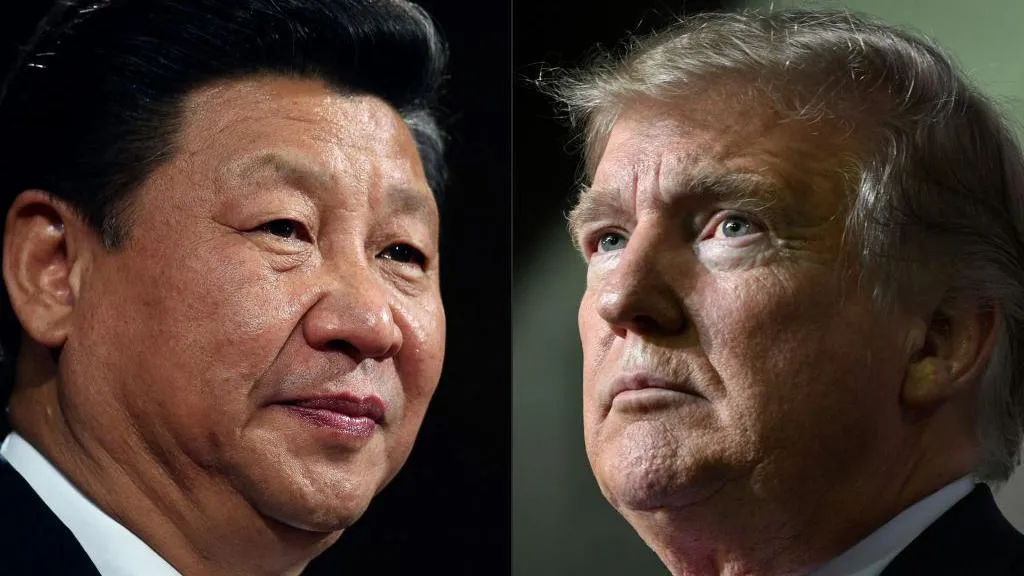
Another critic, Matt Whitlock, questioned Gu's silence on China's human rights record, asking if she had any criticism for Chinese leader Xi Jinping regarding the country's alleged genocide, slavery, and suppression of dissent.
The controversy surrounding Gu and Liu has been fueled by the increasingly tense relationship between the US and China, with some arguing that the stakes are higher for athletes competing for either country.
According to Professor Yinan He of Lehigh University, the current "New Cold War" climate between the US and China has led to a heightened sense of nationalism, making it more difficult for athletes with dual identities to navigate their loyalties.
As a result, the public's perception of athletes like Gu and Liu is often centered on their national loyalty, with little tolerance for those who may be seen as deviating from expected norms.
Recently, Gu expressed feelings of pressure, stating that she was "skiing with the weight of two countries on my shoulder" after losing the gold medal in women's slopestyle.
While some supporters saw this as a moment of vulnerability, others took offense to her comments, arguing that she was only representing one country and that it wasn't the US.
The comparison between Gu and Liu has been reignited, with many drawing parallels between the two athletes and their choices.
Alysa Liu, a 20-year-old figure skater, is the daughter of Arthur Liu, a Chinese dissident who fled the country after participating in the 1989 Tiananmen Square protests.

Liu's family history has made her a sensitive topic on Chinese social media, with some users criticizing those who praise her, citing her family's anti-China stance.
Raised in California, Liu began figure skating at a young age and became the youngest athlete to win the US women's figure skating championship at 13.
In 2019, Arthur Liu alleged that he was targeted in a spying operation ordered by the Chinese government, and his daughter reported being informed by the FBI in 2022 that she and her family were likely under Chinese surveillance.
The sympathy and admiration for Liu have, in part, contributed to the criticism of Gu, with some arguing that Liu's story and values are more relatable and admirable.
According to Professor He, the divide between Liu and Gu is not only about nationalism but also about class and relatability, with Gu representing a luxury culture and her decision to compete for China being seen as a "mercenary business decision."
A post on social media by the non-profit group Asians for Liberty stated, "A true American rejects the lure of wealth and fame from the Chinese Communist Party, and Alysa Liu is an American patriot."
Professor Richard King of Columbia College Chicago noted that the media and public perception of Liu and Gu have been framed by their respective stories, with Liu being cast as the "good immigrant" and Gu as the "bad immigrant."
Chinese Australian dissident artist Badiucao created drawings of the athletes, depicting Liu in front of a Tiananmen tank and Gu holding a Chinese flag with hidden bodies, symbolizing the human rights allegations against China.
The far-right news website The Daily Caller published an article titled "Meet Eileen Gu, the true villain of the Winter Olympics," further fueling the controversy surrounding Gu's decision to compete for China.
According to Professor Stanley Thangaraj of Stonehill College, the situation highlights the complex social and political environment that Asian Americans must contend with. He notes that they are often recognized in a limited capacity, and any form of political expression can lead to their exclusion from American society.
When Marvel actor Simu Liu expressed his support for Gu, describing her as "inspirational, resilient, intelligent, and well-spoken in two languages," he faced a wave of criticism. Some comments even told him to "go back to China," illustrating the backlash that prominent Asian Americans can encounter when speaking out.
As the competition unfolds in Milan, the athletic events themselves have taken a backseat to discussions surrounding the athletes involved.
Professor He observes that, despite sharing similar racial backgrounds and experiences as first-generation immigrants, the two athletes have been portrayed as opposing figures in a narrative beyond their control.
News
Sarwar Urges PM to Resign Amid Crisis
Anas Sarwar’s call for Sir Keir Starmer to step down may appear to be a breach of party loyalty, yet it stems from feelings of concern and discontent.
The current state of Scottish Labour, led by Anas Sarwar, can be characterized as one of urgency, with the party facing significant challenges in closing the gap with the SNP ahead of the Holyrood elections.
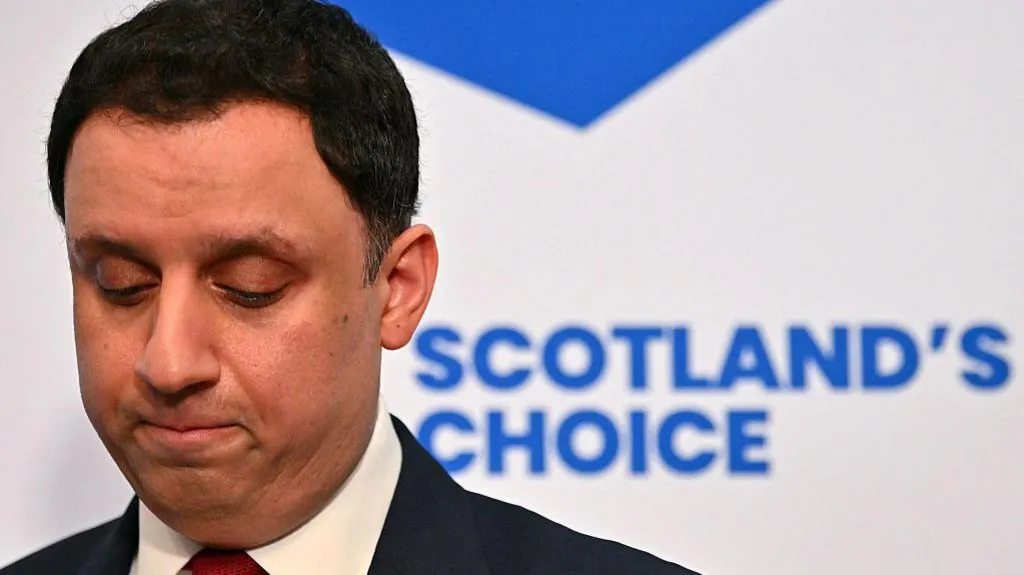
Recent Scottish opinion polling trends indicate that Labour is struggling to gain traction, highlighting the enormity of the task ahead for Sarwar's party.
The controversy surrounding Peter Mandelson's appointment as UK ambassador to Washington, amidst knowledge of his friendship with Jeffrey Epstein, has further complicated the situation.
Many within Scottish Labour view this as the latest in a series of missteps by Sir Keir Starmer, which they believe are hindering their chances of gaining power from the SNP.
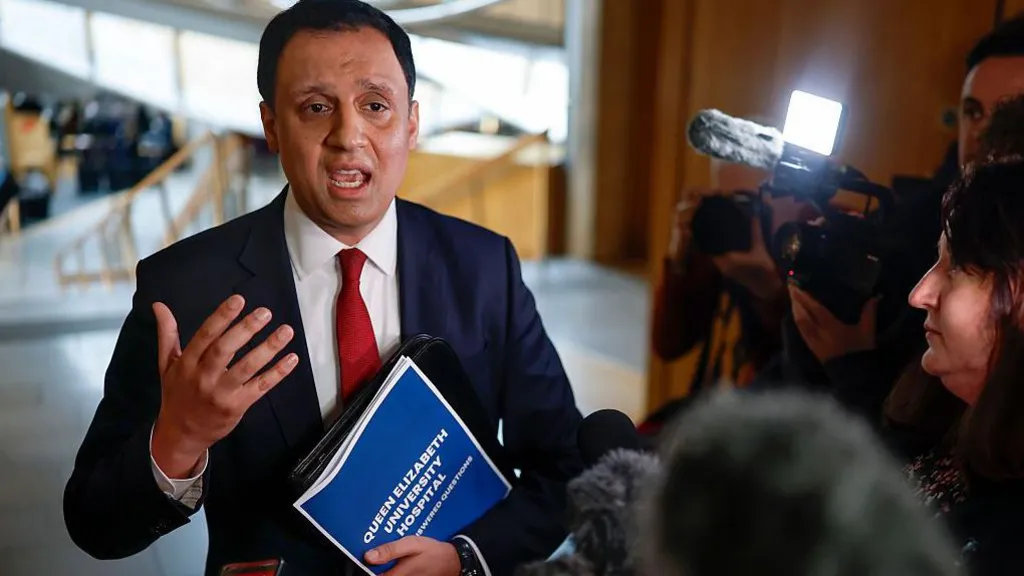
In a notable development, Sarwar held a press conference on Monday, calling for the prime minister to step down, exemplifying the extraordinary measures being taken.
Sarwar cited the numerous mistakes made in Number 10 and emphasized the need to prioritize Scottish interests, even if it means speaking out against the party leadership.
Although this move may strain internal party relationships, Sarwar's team hopes it will resonate positively with the Scottish public.
However, some voters may perceive this as disloyal or divisive, potentially influencing their opinion of the party.
The upcoming opinion polls will be closely watched for any indication of a shift in public opinion, either in support of or against Sarwar's stance.
By taking this position, Sarwar has asserted his independence, demonstrating that he is not simply a representative of Starmer's leadership in Scotland.
Sarwar has expressed a sense of liberation in taking this stand and has not retracted his statements.
In contrast, Starmer has publicly offered Sarwar his "100%" support, despite potential underlying tensions.
The sincerity of Starmer's support is uncertain, and their next joint public appearance may be awkward.
It has been revealed that Sarwar engaged in conversations with key Labour figures, including Wes Streeting, Angela Rayner, and Lucy Powell, prior to his announcement.

Sarwar did not disclose his plans to these individuals and has denied any attempt to coordinate a coup against Starmer.
If this was indeed an attempt to spark a larger movement, it can be considered a failure, as no other senior Labour figures followed suit.
Following Sarwar's call for Starmer to step down, cabinet ministers quickly expressed their support for the prime minister on social media.
A meeting of the parliamentary Labour party at Westminster also rallied behind Starmer, with no senior figures publicly backing Sarwar's position.
Speculation suggested that Eluned Morgan, the first minister of Wales, might be the most likely to support Sarwar's stance, given her previous criticism of Starmer's leadership.
However, Morgan ultimately fell in line with the party leadership, possibly due to concerns about the potential consequences for her own leadership in Cardiff Bay.
The Welsh Labour party is more reliant on UK Labour funding than its Scottish counterpart, which has reportedly secured sufficient funds for its Holyrood election campaign.
The need for a coordinated show of support for Starmer highlights his vulnerability, but it has been sufficient to maintain his position in the short term.
The party faces challenging electoral tests in the near future.
These include a Westminster by-election in Greater Manchester, as well as the May elections for the Scottish and Welsh Parliaments and English councils.
The release of vetting details for the Mandelson appointment may lead to further embarrassment for the party.
Starmer remains unpopular, and Sarwar's public break with him has exposed deeper divisions within Scottish Labour.
All Scottish Labour MSPs who have spoken have endorsed Sarwar's position, while only two Scottish Labour MPs have done so.
Some MPs may attempt to straddle the issue, claiming support for both leaders.
Others question the timing of Sarwar's move, suggesting that it may be premature to seek a change in leadership.
The timescales for Westminster and Holyrood politicians differ significantly, with MPs having three years until the next election and MSPs facing elections in just three months.
This disparity in timelines influences the calculations of politicians, with some preferring to wait for the right moment to act.
For those seeking to become Scotland's next first minister, May is too late to effect change, making Sarwar's decision to speak out more understandable.
Sarwar's decision to act was driven by his belief that doing nothing was not an option and that taking a bold stance might improve Scottish Labour's position.
While this gamble may ultimately prove to be a mistake, Sarwar has deemed it a risk worth taking.
In the face of significant challenges, Sarwar has chosen to take a proactive approach, rather than waiting for circumstances to improve.
The outcome of this decision remains uncertain, but it reflects the sense of urgency and desperation within Scottish Labour.
The party's situation can be characterized as one of desperation, leading to the adoption of extraordinary measures.
News
April Jones’ Sister Continues to Grapple with Aftermath of 2012 Murder
The vanishing of April in 2012 prompted the largest missing person inquiry ever undertaken by UK law enforcement, as recorded in police history.
A warning to readers: the following article contains disturbing details about a murder case.
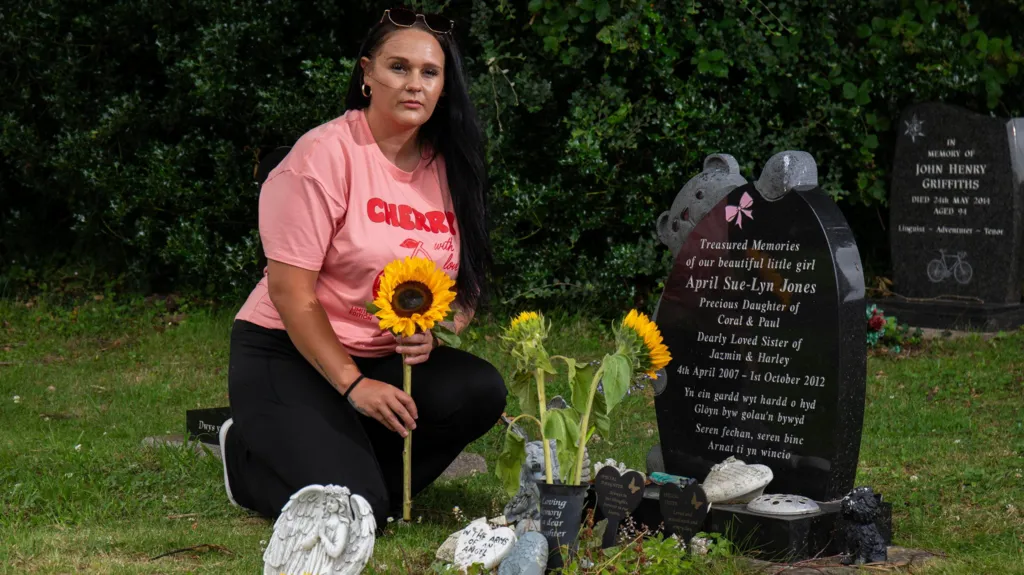
Hazel Jones, the sister of April Jones, who was abducted and murdered in 2012 at the age of five, has spoken out about the lasting impact of her sister's death, saying she is "still trying to come to terms with the nightmare" of losing April.
In her first public statement, 31-year-old Hazel Jones described how the trauma of April's death has had a profound effect on her life, making it difficult for her to move on.
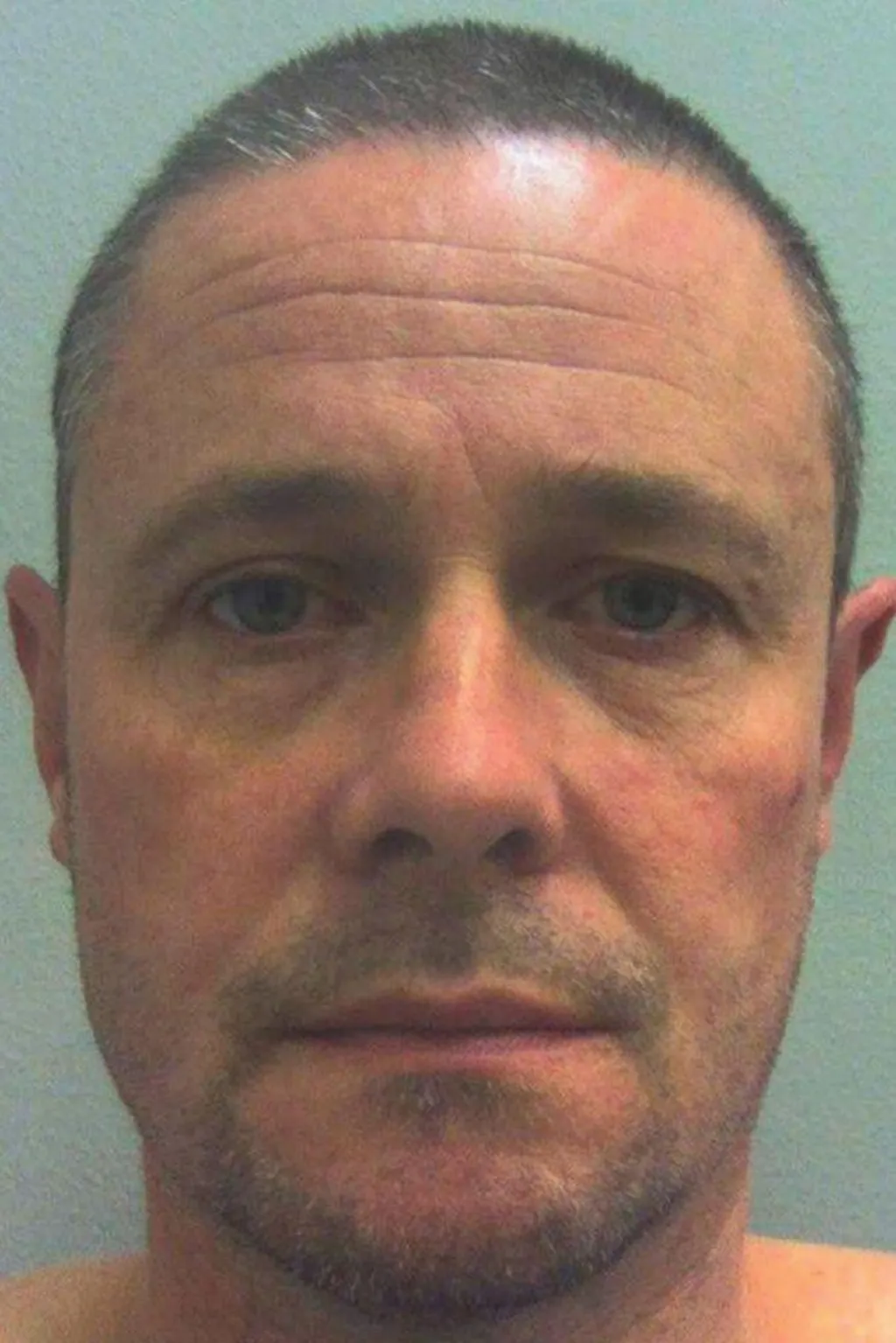
On 1 October 2012, April was playing with friends near her home in Machynlleth, Powys, when she was taken by Mark Bridger, who was driving a Land Rover.
Bridger, then 47, was later convicted of abducting and murdering April in a crime that was motivated by sexual desires.
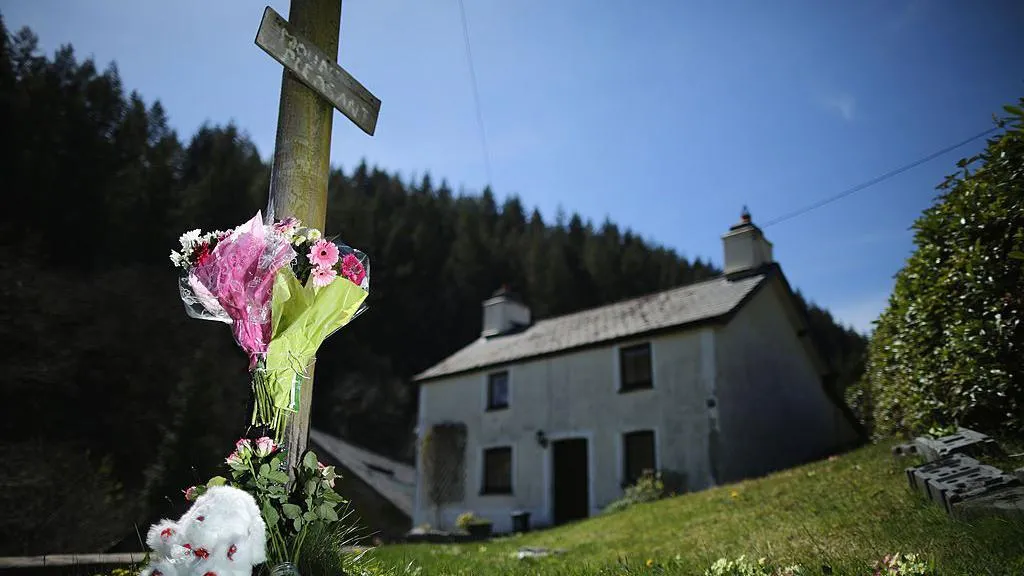
Despite extensive search efforts, April's body was never fully recovered; only fragments of her remains were found at Bridger's cottage.
Hazel explained that she had chosen not to speak publicly about her sister's death until now, saying, "It was just too much to process, given the brutal nature of April's murder and kidnapping."
Recalling the moment she learned her half-sister was missing, Hazel said she was at home in Aberaeron when her mother broke the news to her, leaving her in shock.
Hazel's mother told her, "Hazel, April's missing," and Hazel remembers responding with disbelief, asking her mother to repeat the news.
Hazel then traveled 30 miles to Machynlleth to be with her father, Paul, and the rest of her family, trying to make sense of what was happening.
The reality of the situation sank in the following day, and Hazel realized that April was not just missing, but had actually disappeared.
Hazel remembered thinking that such a tragedy could not happen in their quiet town, but it did, and it happened to their family.
The search for April became the largest missing person operation in UK police history, covering 60 square kilometers and involving hundreds of experts and thousands of volunteers.
The investigation focused on approximately 650 areas near April's hometown, with authorities working tirelessly to find her.

Bridger initially claimed that he had accidentally hit April with his vehicle, but could not recall what he had done with her body.
However, evidence found at his cottage, including bone fragments consistent with a juvenile human skull, contradicted his story.
Further investigation revealed blood stains near several knives, including one that had been badly burned, despite Bridger's attempts to clean the cottage.
Those who knew Bridger described him as confident and charming, but the discovery of his computer revealed a dark secret.
Police found a collection of child sex abuse images, as well as evidence of disturbing search terms, including "naked young five-year-old girls," and pictures of murder victims.
Bridger also had Facebook pictures of local young girls, including April and her sisters, which further implicated him in the crime.
Bridger was sentenced to a whole-life tariff, a rare punishment, and has maintained his claim that he cannot remember what happened to April's body.
Hazel, who was 18 and pregnant at the time of April's disappearance, described feeling "petrified" when she learned about the circumstances of her sister's death.
The realization that there were people like Bridger in their community made Hazel fearful for her own child's safety, and she struggled to come to terms with the fact that she was bringing a new life into a world with such dangers.
Hazel found it difficult to reconcile her grief with the joy of becoming a mother, and she remembered feeling overwhelmed by the experience.
Just weeks after April's disappearance, Hazel gave birth to her daughter, Amelia, a bittersweet moment that was marked by both joy and sorrow.
The similarities between Amelia and April made the grieving process even more challenging for Hazel, as she struggled to mourn her sister while also caring for her new child.
When Hazel's family visited her in the hospital, they were struck by the resemblance between Amelia and April, which made the loss feel even more poignant.
The similarity between the two girls served as a painful reminder of what Hazel had lost, and it made her grief even more difficult to bear.
Now a mother of three, Hazel still struggles with anxiety, and the trauma of April's death continues to affect her life.
Hazel reflected on the fact that April had only just begun to experience life, and that her death was a tragic loss of potential.
Hazel hopes that her own daughter will have the opportunity to experience the world and live a full life, something that April was denied.
Hazel's father, Paul Jones, passed away on 14 May 2025, after being diagnosed with a brain disease in 2018.
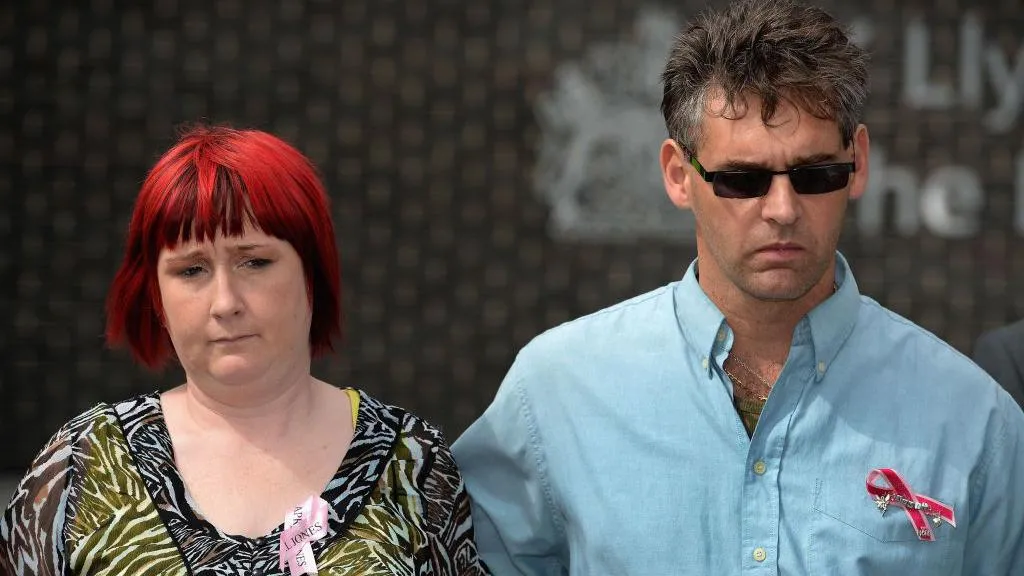
Hazel believes that her father was never the same after April's death, and that a part of him died along with his daughter.
Hazel finds comfort in the thought that her father is now at peace, reunited with April, and that he is no longer suffering.
Hazel's father's passing was a significant loss for her, and she feels that a part of her own identity is gone.
Hazel has chosen to be open with her children about April's death, and she has kept a collection of memories and newspaper clippings for them to look at when they are ready.

Hazel wants her children to be aware of the dangers in the world, and she hopes that by being honest with them, she can help them develop a sense of caution and self-awareness.
However, the trauma of April's death continues to cast a long shadow over Hazel's life, and she is "terrified" about her children growing up and facing the dangers of the world.
Hazel's fear for her children's safety is a constant presence in her life, and she worries about the potential risks and threats that they may face as they grow older.

The memory of April's death serves as a painful reminder of the dangers that exist in the world, and Hazel is determined to do everything she can to protect her own children from harm.
Thirteen years have passed, yet the reality of the situation remains difficult to accept. It is unclear whether this is a result of denial or simply the inability to process the events that occurred.
The passage of time has not diminished the sense of disbelief, and there is still a lingering expectation that the situation will somehow be reversed, as if it were all just a bad dream.
-
 News21 hours ago
Australian Politics Faces Questions Over Gender Equality Amid Sussan Ley’s Appointment
-
 News18 hours ago
Farage Says Reform to Replace Traditional Tory Party
-
 News18 hours ago
Wrexham Pair Seek Win Against Former Team Ipswich
-
 News23 hours ago
Liberal Party Removes Australia’s First Female Leader
-
 News21 hours ago
UK Braces for Cold Snap with Snow and Ice Alerts Expected
-
 News18 hours ago
Husband’s alleged £600k theft for sex and antiques blamed on drug side effects
-
 News3 days ago
Sunbed ads spreading harmful misinformation to young people
-
 Business23 hours ago
BBC Reporter Exposed to Cyber Attack Due to Vulnerabilities in AI Coding Tool