
Business
Poundland struggles financially despite the cost-of-living crisis
As financial constraints affect a growing number of people in the UK, it is noteworthy that certain budget-friendly retailers on the nation’s high streets are currently facing significant challenges.
A Poundland store in Peckham, south London, has ceased operations after 11 years, leaving local residents without a convenient and affordable shopping option.
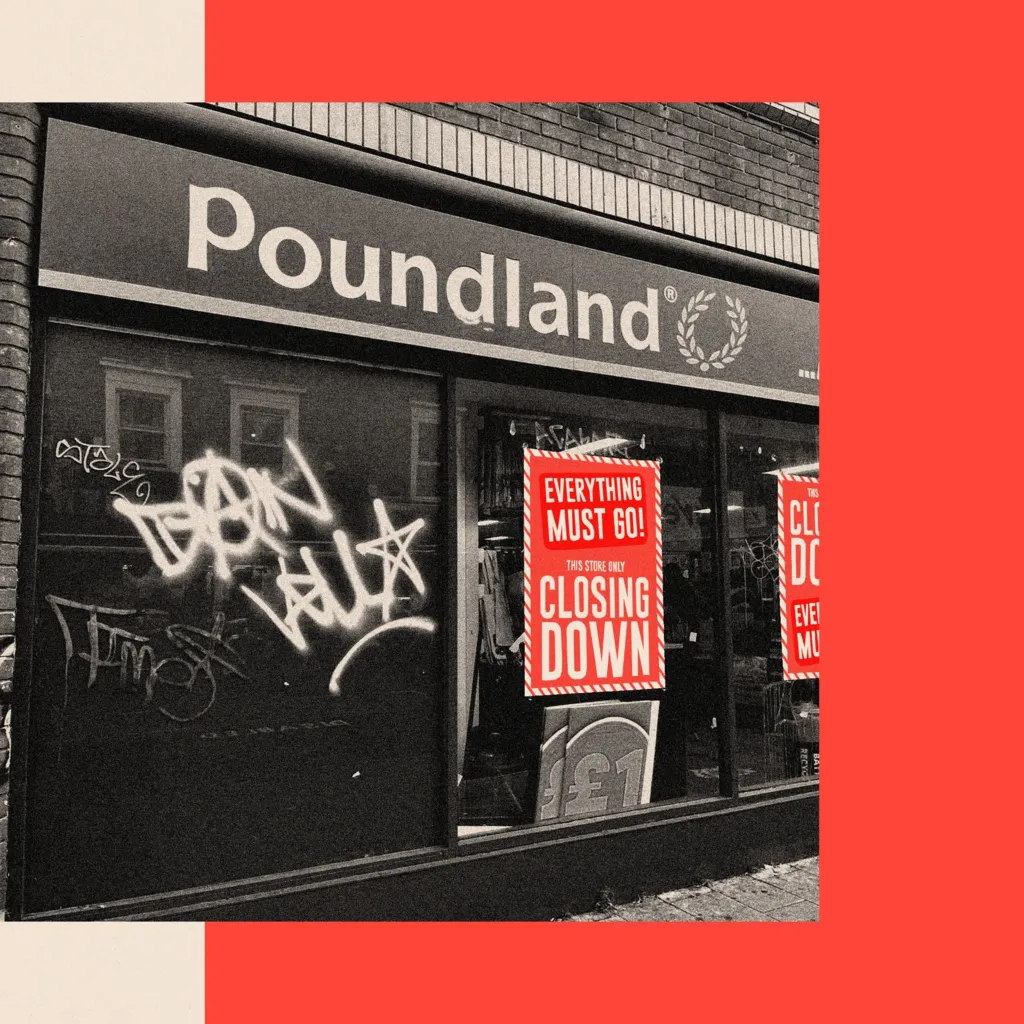
Becky Cullen, a passerby, expressed her disappointment at the store's closure, noting that it was a popular destination for affordable essentials, including snacks and toiletries, and wondering where locals would now turn for similar products.
The store's location on Rye Lane, a vibrant high street featuring a mix of independent shops and international cuisine, highlights the challenges faced by budget retailers in areas with high levels of deprivation, where demand for affordable goods remains strong.
Poundland's decision to close the store is part of a broader effort to ensure the company's long-term viability on the high street, as it navigates a rapidly changing retail landscape.
Since the summer, over 100 Poundland stores have either closed or been identified for closure, following the company's sale in June for a nominal fee, amidst significant trading challenges.

As part of its restructuring plan, Poundland anticipates reducing its store count to between 650 and 700 locations, down from approximately 800 at the start of the year.
Other budget retailers, such as the Original Factory Shop and Maxideal, have also struggled, with the former closing at least 22 stores and the latter ceasing operations entirely, while B&M Bargains has launched a turnaround plan to address weak sales.
In theory, budget stores should thrive in times of economic uncertainty, as consumers seek to reduce their spending on everyday items.
However, the current challenges faced by some well-known budget retailers raise questions about the underlying factors contributing to their struggles, despite the ongoing demand for affordable goods.
According to retail experts, the way consumers approach budget shopping has evolved, with many becoming more savvy and strategic in their purchasing decisions.
Catherine Shuttleworth, a retail expert, notes that shoppers are now more informed and discerning, often comparing prices and seeking out the best deals, which can make it challenging for budget retailers to maintain profitability.
Shuttleworth adds that consumers have a deep understanding of prices and are able to make informed decisions about their purchases, which can limit the ability of retailers to adjust prices or maintain profit margins.
The use of technology, such as taking photos of prices and sharing them with others, has also become a common practice among budget-conscious shoppers, allowing them to stay up-to-date on the latest deals and discounts.
In addition to changes in consumer behavior, budget retailers are also facing significant challenges related to rising costs and increased competition.
The retail industry as a whole has been impacted by rising employer costs, which can be particularly challenging for budget retailers, as they often have limited flexibility to absorb or pass on these costs to consumers.
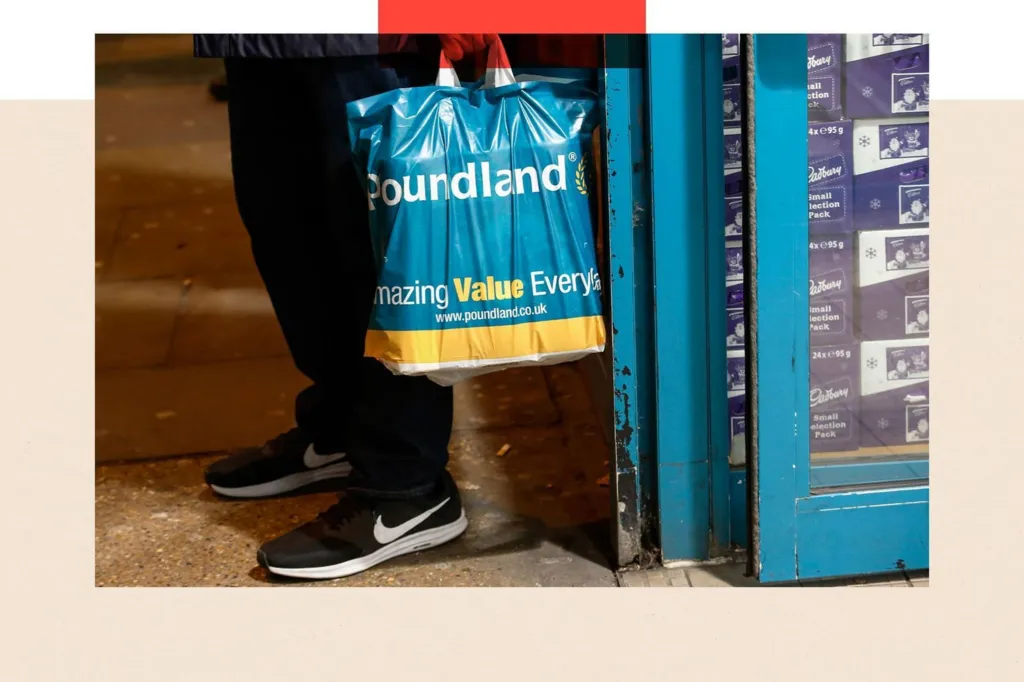
For pound shops, the challenge is even more pronounced, as the value of the pound has decreased over time, making it more difficult to maintain a viable business model.
When adjusted for inflation, the purchasing power of £1 in 1990, when Poundland was founded, is equivalent to approximately 40p today, highlighting the significant erosion of value over time.
Chris Edwards, a seasoned retail executive, has spent over 50 years in the industry and has experience with budget retailing, having previously founded and sold the Poundworld chain.
Edwards' current venture, OneBeyond, initially operated under a similar model, selling products for £1 or less, but was forced to adapt and raise prices due to changing market conditions, including a shipping crisis that significantly increased costs.
According to Edwards, the key to success in budget retailing lies in a combination of experience, negotiating skills, and a deep understanding of consumer behavior and preferences.
A visit to OneBeyond's Croydon store reveals a bustling and well-stocked shop, with a wide range of products and a strong focus on customer experience, demonstrating the potential for success in the budget retail sector.
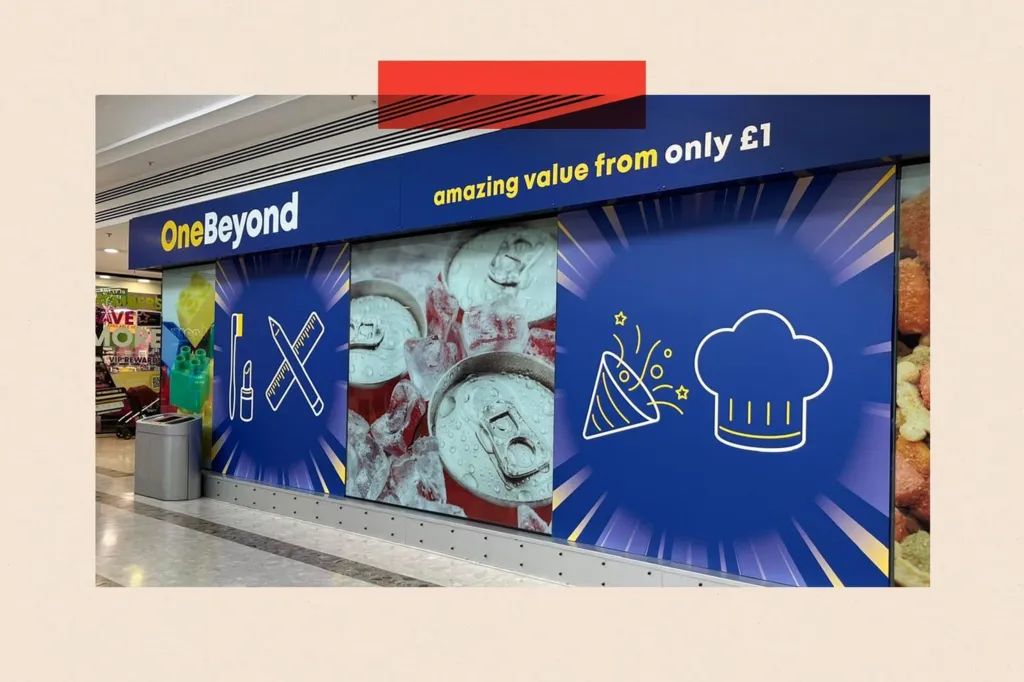
Edwards attributes his success to a deep understanding of consumer behavior, allowing him to anticipate and meet customer needs, and to negotiate favorable prices with suppliers.
He notes that his team is able to anticipate customer purchases and tailor their offerings accordingly, which helps to drive sales and maintain customer loyalty.
In terms of economics, Edwards is willing to sacrifice profits in order to attract and retain customers, recognizing that a focus on volume and customer loyalty can ultimately drive long-term success.
By securing favorable prices from suppliers, including big-name brands, and negotiating competitive rates for imported goods, Edwards is able to maintain a competitive edge and offer attractive prices to his customers.
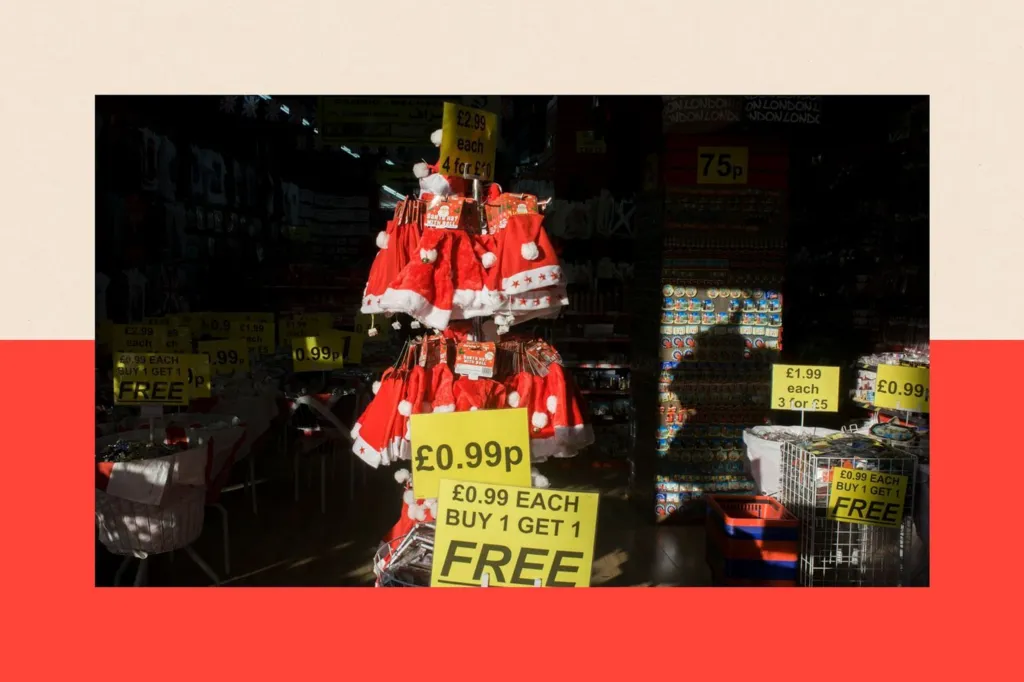
The ability to offer a range of products, including those imported directly from China, allows Edwards to generate additional margin and maintain profitability.
However, the budget retail sector is highly competitive, and failure to execute effectively can have significant consequences, as seen in the cases of Poundworld and Wilko, which have both experienced significant challenges in recent years.
Edwards' previous venture, Poundworld, grew to over 300 stores before being sold, but ultimately collapsed under new ownership, highlighting the challenges of maintaining a successful business model in the budget retail sector.
According to Edwards, the new owners of Poundworld failed to understand the fundamentals of the discount business, leading to a loss of focus and ultimately, the company's demise.
Similarly, Wilko's failure to adapt to changing market conditions and consumer behavior ultimately led to the company's collapse, resulting in significant job losses.
Poundland, too, has faced significant challenges, including a decline in sales and profitability, which prompted a major restructuring effort, including the closure of underperforming stores.
The company's decision to deviate from its core premise of offering a wide range of products at a single price point, £1, contributed to its challenges, as did the introduction of Pepco clothing into its stores, which failed to resonate with customers.
The inclusion of Pepco clothing in Poundland stores was seen as a distraction from the company's core mission and failed to generate significant sales or customer enthusiasm.
Catherine Shuttleworth notes that the key to success in budget retailing lies in maintaining a simple and focused business model, which Poundland had drifted away from in recent years.
However, Shuttleworth believes that Poundland can recover and regain its position in the market by returning to its core principles and simplifying its pricing and product offerings.
As part of its turnaround plan, Poundland has closed underperforming stores, renegotiated rents with landlords, and is working to re-establish a strong and focused business model.
According to data from Geolytix, the number of budget stores in the UK has grown significantly over the past decade, with the main budget chains now operating over 3,400 stores across the country.
The growth of the budget retail sector can be traced back to the 2009 recession, when consumers began seeking out affordable alternatives to traditional retailers, and companies like Poundland were able to capitalize on this trend.
The rise of discount supermarkets, such as Aldi and Lidl, has also contributed to the growth of the budget retail sector, as consumers have become increasingly savvy and willing to seek out affordable options.
As the retail landscape continues to evolve, it is likely that budget retailers will remain a vital part of the market, offering consumers affordable options and driving innovation and competition in the industry.

The pandemic accelerated a shift in budget store growth towards out-of-town locations and retail parks by 2019. This trend is exemplified by retailers like B&M, Home Bargain, and The Range, which operate large garden centers and sell bulk items that are more easily accessible by car.
Budget shops are currently facing significant challenges amidst the cost-of-living crisis.
The supermarket sector has intensified competition by offering sharper prices and loyalty programs, while the rise of online "extreme discounting" poses an additional threat to budget shops.
Chinese companies Shein and Temu are now competing with budget shops by selling ultra-cheap products directly to consumers. Another Chinese-based retailer, AliExpress, operates a global online marketplace that connects shoppers with sellers.
According to Nick Carroll, director of retail insight at Mintel, "AliExpress experienced a substantial increase in users last year, partly due to its sponsorship of the Euros, and its growth continues."
Although sales figures are scarce, Mintel data indicates that 30% of UK online shoppers purchased from Temu in the year leading up to September 2025, while 14% and 3% shopped on AliExpress and DHGate, respectively, during the same period.
Amazon has launched its own ultra-low-cost shopping section, Amazon Haul, in response to market trends.
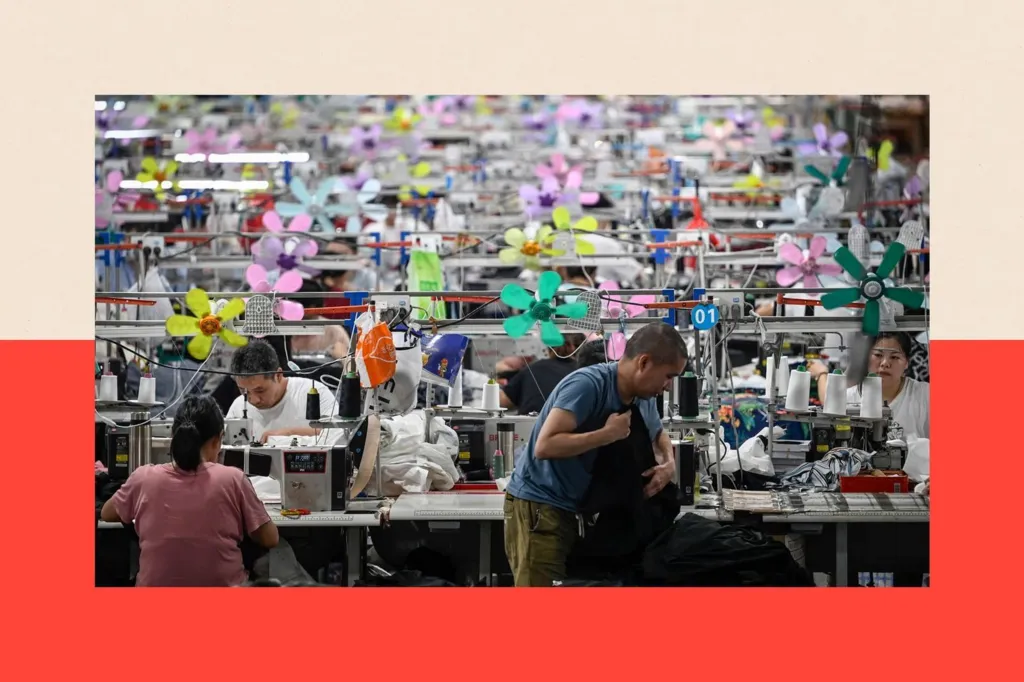
Nick Carroll notes that Amazon's products in this section bear a strong resemblance to those found on Temu, suggesting that Amazon is reacting to a notable market shift.
Carroll predicts that the influx of low-cost influences from outside the UK will persist, with more developments expected in the future.
New platforms like TikTok Shop have emerged, where users can find advertisements for various products, including sweets, toilet paper, and pillows, often at lower prices than traditional high-street shops due to minimal overhead costs.
Catherine Shuttleworth observes that shoppers prioritize affordability and convenience, stating, "As long as they can get the right product at the right price, time, and place, they will shop anywhere."
This shift in consumer behavior means that traditional retailers are no longer the only option, as shoppers are willing to explore alternative sellers.
The primary concern for traditional budget shops is that they may no longer be perceived as the most affordable option in the market.
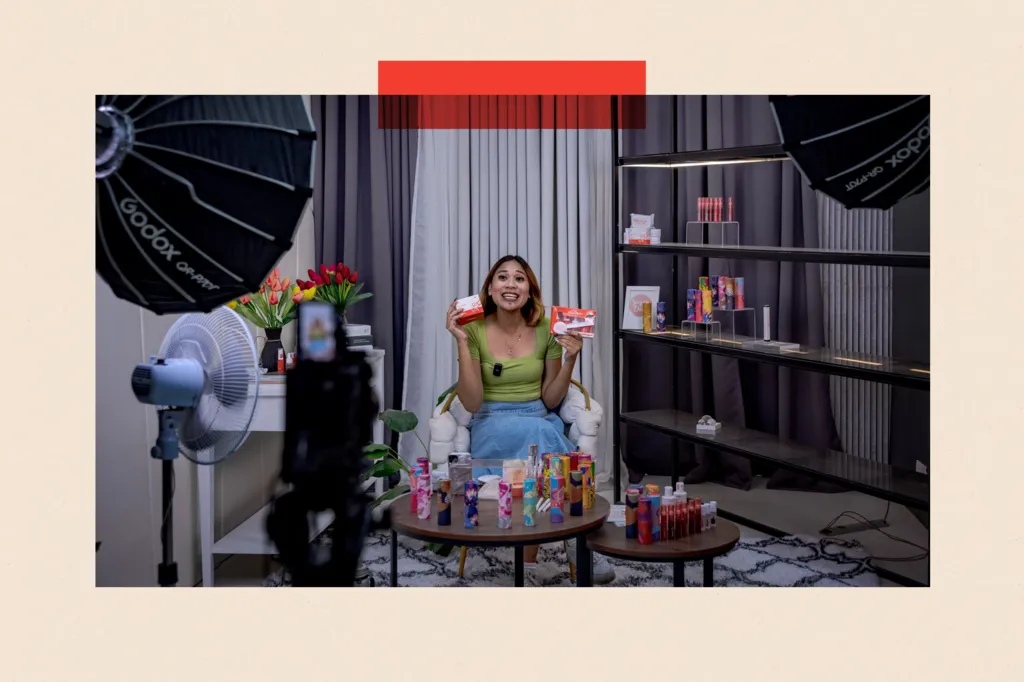
The combination of a cost-of-living crisis and a "cost-of-business crisis," driven by factors such as rising minimum wages and national insurance contributions, may lead to the decline of weaker players in the market, according to Catherine Shuttleworth.
To remain competitive, retailers must excel in their segment, whether it be high-end, mid-range, or budget, as the market has become increasingly saturated and competitive.
Shuttleworth believes that consolidation is inevitable in this sector, with stronger players ultimately emerging victorious.
However, not all budget retailers are struggling, as some chains have experienced significant growth in recent times.
The Range has continued to expand, opening 60 standalone stores this year, following its acquisition of the DIY chain Homebase. Home Bargains has also continued to thrive and open new stores.
Savers, a retailer specializing in toiletries and cosmetics, has expanded in recent years and is reportedly moving into Poundland's Peckham store space.
OneBeyond has grown to 132 stores, although its expansion has slowed. Chris Edwards attributes this slowdown to government policies that have increased costs for businesses.
Edwards acknowledges that every period presents its unique challenges, and his focus is on navigating the current landscape.
Regarding current trading, Edwards states that his business is managing to break even, but he is awaiting better times.
His primary focus, like many other retailers, is on Christmas trading.
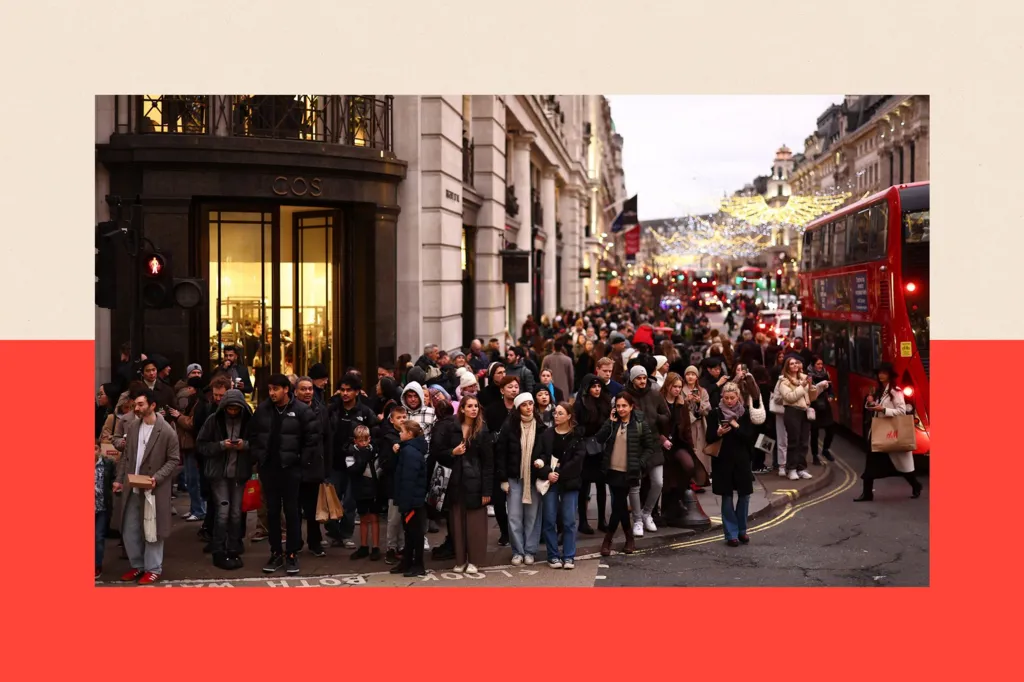
Edwards emphasizes the importance of Christmas trading, saying, "It means everything… a good Halloween and Christmas can help us break even for the year."
Catherine Shuttleworth notes that budget retailers often excel during major events like Christmas, as shoppers seek affordable options for decorations and gifts.
Additionally, budget shops may be the only viable option for many households, particularly those who prefer not to shop online or travel to retail parks.
Shuttleworth observes that while some individuals enjoy budget shopping as a hobby, for others it is an essential necessity.

Business
Artist Alleges AirAsia Used His Work Without Permission
A street artist from Penang has reported that one of his artworks has been replicated and featured on the design of an airplane.
A lawsuit has been filed by a Malaysian-based artist against AirAsia and its parent company, Capital A Berhad, alleging unauthorized use of the artist's designs on one of the airline's planes.

According to the lawsuit, Ernest Zacharevic, a Lithuanian-born artist residing in Penang, claims that his 2012 street mural, Kids on Bicycle, was reproduced and displayed on an AirAsia aircraft in late 2024 without his permission.
Zacharevic states that the use of his design was unauthorized, and no licensing agreement or consent was obtained, adding that the livery was removed after he publicly expressed concerns about the matter.
The BBC has reached out to AirAsia for a statement regarding the allegations.
In an interview with the BBC on Thursday, Zacharevic recalled that he first became aware of the alleged copyright infringement in October 2024, when he discovered that an AirAsia plane was featuring a livery resembling his artwork.
With over a decade of experience in Malaysia, Zacharevic is known for his roadside murals in Penang, which have become a staple of the local art scene.
One of Zacharevic's notable works is the 2012 street mural Kids on Bicycle, created for a local festival, which features two children on a bicycle integrated into the mural, located in George Town's heritage district.
The mural has become a popular tourist attraction, with many visitors taking photos in front of the iconic artwork.
Zacharevic alleges that his work was reproduced on an AirAsia plane without his knowledge or consent, and he personally witnessed the plane in operation at an airport.
Recalling the incident, Zacharevic expressed his discomfort with the situation, which occurred in 2024.
He took to social media to address the issue, posting a photo of the plane and tagging the airline, suggesting that they needed to discuss the use of his artwork.

Since then, Zacharevic has engaged in discussions with the company, but they have been unable to come to a mutually agreeable resolution.
This is not the first instance of Zacharevic's work being used in connection with AirAsia, as he claims the airline has also used his artwork on a delivery bag for its food services arm.
Court documents reveal that Zacharevic had previously discussed a potential collaboration with AirAsia in 2017, where he would create art for the airline's jets and a mural in one of their offices.
According to the documents, Zacharevic had informed the airline of his work and business rates during these discussions.
The lawsuit asserts that despite being aware of Zacharevic's work and rates, the airline proceeded to reproduce and publicly display one of his notable works, thereby infringing on his copyright and moral rights.
As the largest low-cost carrier in Asia, AirAsia operates over 200 jets to more than 100 destinations, and has recently announced plans to resume flights from Kuala Lumpur to London via Bahrain.
Zacharevic has stated that he will leave it to the court to determine any potential compensation he may be entitled to.
The artist emphasized that he does not consider the use of his artwork to be a mere reference to cultural or geographical associations, but rather a distinct artistic creation.
Zacharevic stressed that his artwork is the result of years of professional training, skill, and labor, and should be recognized as such.
Business
US Businesses and Consumers Bear Brunt of Trump Tariff Costs, According to NY Fed
In 2022, the United States saw a significant increase in collective import tariff rates, with rates rising by more than 300 percent for a range of imported goods.
The modification of tariff agreements by President Donald Trump with several countries had a consistent outcome: increased costs for US-based companies and consumers.
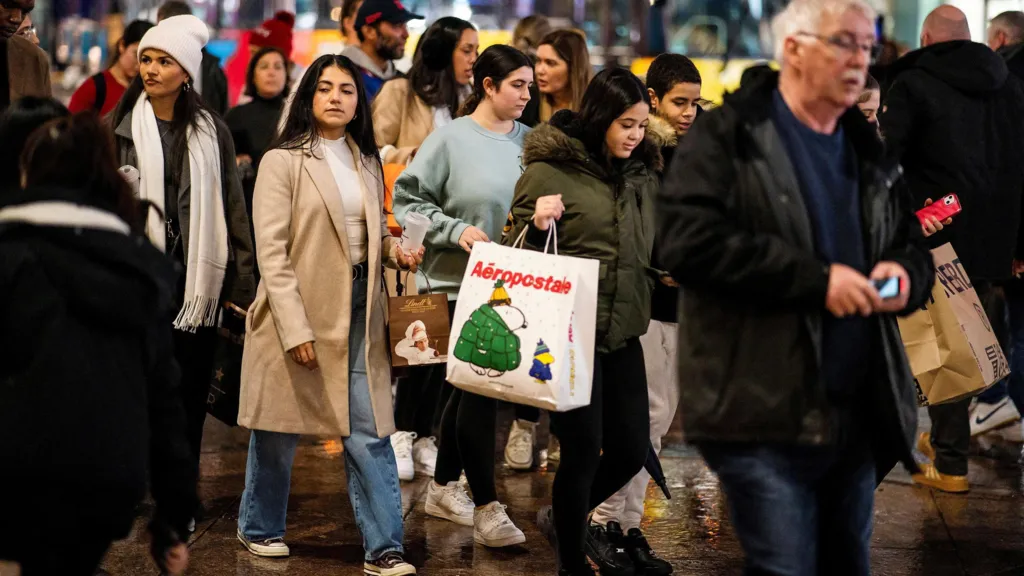
According to a study released on Thursday by the Federal Reserve Bank of New York, the average tariff rate on imported goods increased significantly, rising from 2.6% at the beginning of the year to 13% in 2025.
The New York Fed's research revealed that US companies absorbed approximately 90% of the costs associated with the higher tariffs imposed by Trump on goods from countries such as Mexico, China, Canada, and the European Union.
The Federal Reserve Bank of New York stated that "the majority of the economic burden of the high tariffs imposed in 2025 continues to be borne by US firms and consumers."
When tariff rates changed and increased in the previous year, exporting countries did not adjust their prices to mitigate potential declines in US demand.
Instead of lowering prices, exporters maintained their existing prices and transferred the tariff costs to US importers, who subsequently increased the prices of these goods for consumers.
The response of exporters in 2025 was similar to their reaction in 2018, when Trump introduced certain tariffs during his first term, resulting in higher consumer prices with minimal other economic effects, as noted by the New York Fed at the time.
The New York Fed's findings on Thursday are consistent with the results of other recent analyses.
The Kiel Institute for the World Economy, a German research organization, reported last month that its research indicated "nearly complete pass-through of tariffs to US import prices."
By analyzing 25 million transactions, Kiel researchers discovered that the prices of goods from countries like Brazil and India did not decrease.
The Kiel report noted that "trade volumes declined" instead, indicating that exporters preferred to reduce the quantity of goods shipped to the US rather than lower their prices.
The National Bureau of Economic Research also found that the pass-through of tariffs to US import prices was "nearly 100%", meaning that the US bears the cost of the price increase, not the exporting countries.
Similarly, the Tax Foundation, a Washington DC-based think tank, found that the increased tariffs on goods in 2025 resulted in higher costs for American households.
The Tax Foundation considered tariffs as a new tax on consumers and estimated that the 2025 increases resulted in an average cost of $1,000 (£734.30) per household, with a projected cost of $1,300 in 2026.
The Tax Foundation reported that the "effective" tariff rate, which accounts for decreased consumer purchases due to higher prices, is now 9.9%, representing the highest average rate since 1946.
The Tax Foundation concluded that the economic benefits of tax cuts included in Trump's "Big Beautiful Bill" will be entirely offset by the impacts of the tariffs on households.
Business
BBC Reporter Exposed to Cyber Attack Due to Vulnerabilities in AI Coding Tool
The demand for vibe-coding tools, which enable individuals without coding experience to develop applications using artificial intelligence, is experiencing rapid growth.
A significant and unresolved cyber-security vulnerability has been identified in a popular AI coding platform, according to information provided to the BBC.

The platform, known as Orchids, utilizes a "vibe-coding" approach, enabling individuals without technical expertise to create apps and games by inputting text prompts into a chatbot.
In recent months, such platforms have gained widespread popularity, often being touted as an early example of how AI can rapidly and affordably perform various professional tasks.
However, experts warn that the ease with which Orchids can be compromised highlights the risks associated with granting AI bots extensive access to computers in exchange for autonomous task execution.
Despite repeated requests for comment, the company has not responded to the BBC's inquiries.
Orchids claims to have a user base of one million and boasts partnerships with top companies, including Google, Uber, and Amazon.
According to ratings from App Bench and other analysts, Orchids is considered the top program for certain aspects of vibe coding.
Cyber-security researcher Etizaz Mohsin demonstrated the platform's security flaws to the BBC.
To test the platform's security, a spare laptop was used to download the Orchids desktop app and initiate a vibe-coding project.
A request was made to the Orchids AI assistant to generate code for a computer game based on the BBC News website.
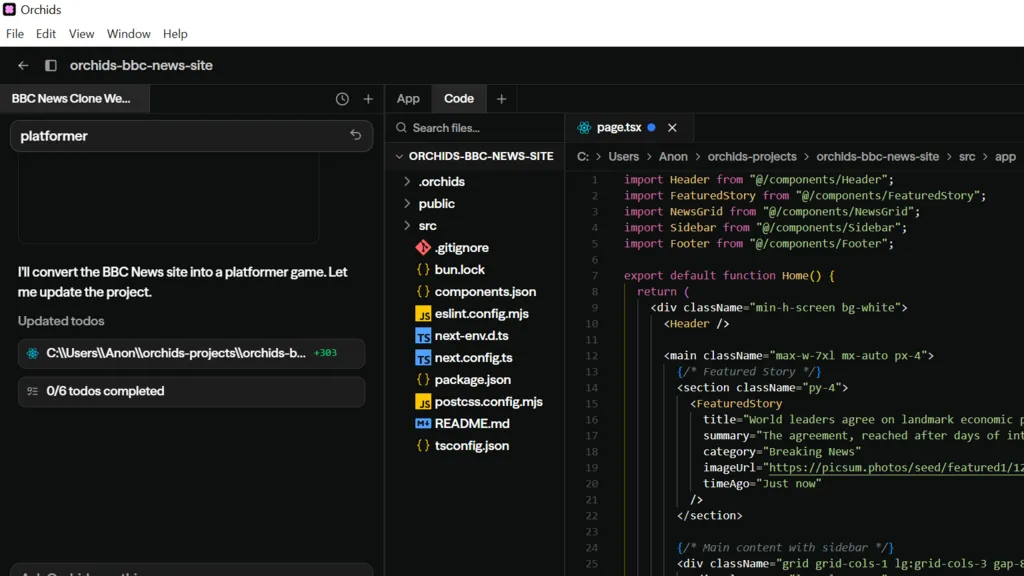
The AI assistant automatically compiled code on the screen, which, without prior experience, was unintelligible.
By exploiting a specific cyber-security weakness, Mohsin was able to access the project and view and edit the code.
Mohsin then added a line of code to the project, which went unnoticed.
This action apparently allowed him to gain access to the computer, as evidenced by the subsequent appearance of a "Joe is hacked" notepad file on the desktop and a changed wallpaper featuring an AI hacker image.
The potential implications of this hack on the platform's numerous projects are significant.
A malicious hacker could have easily installed a virus on the machine without any action required from the victim.
Sensitive personal or financial data could have been compromised.
An attacker could have accessed internet history or even used the computer's cameras and microphones for surveillance.
Most cyber-attacks involve tricking victims into downloading malicious software or divulging login credentials.
This particular attack was carried out without any involvement from the victim, known as a zero-click attack.
Mohsin stated that the vibe-coding revolution has introduced a new class of security vulnerabilities that did not previously exist, highlighting the risks associated with relying on AI to handle tasks.
The concept of AI handling tasks autonomously comes with significant risks, according to Mohsin.
Mohsin, a 32-year-old from Pakistan currently residing in the UK, has a history of discovering dangerous software flaws, including work on the Pegasus spyware.
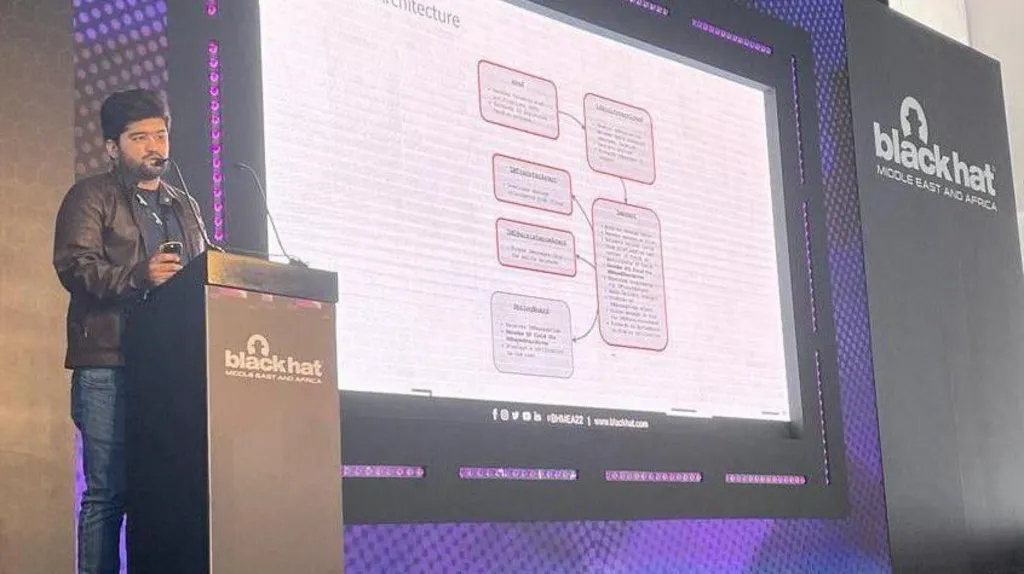
Mohsin discovered the flaw in December 2025 while experimenting with vibe-coding and has since attempted to contact Orchids through various channels, sending around a dozen messages.
The Orchids team responded to Mohsin this week, stating that they may have missed his warnings due to being overwhelmed with incoming messages.
According to the company's LinkedIn page, Orchids is a San Francisco-based company founded in 2025 with fewer than 10 employees.
Mohsin has only identified flaws in Orchids and not in other vibe-coding platforms, such as Claude Code, Cursor, Windsurf, and Lovable.
Nonetheless, experts caution that this discovery should serve as a warning.
Professor Kevin Curran of Ulster University's cybersecurity department notes that the main security implications of vibe-coding are the potential for code to fail under attack due to a lack of discipline, documentation, and review.
Agentic AI tools, which perform complex tasks with minimal human input, are increasingly gaining attention.
A recent example is the Clawbot agent, also known as Moltbot or Open Claw, which can execute tasks on a user's device with little human intervention.
The free AI agent has been downloaded by hundreds of thousands of people, granting it deep access to computers and potentially introducing numerous security risks.
Karolis Arbaciauskas, head of product at NordPass, advises caution when using such tools.
Arbaciauskas warns that while it may be intriguing to see what an AI agent can do without security measures, this level of access is also highly insecure.
He recommends running these tools on separate, dedicated machines and using disposable accounts for experimentation.
To stay informed about the latest tech stories and trends, sign up for the Tech Decoded newsletter, available outside the UK as well.
(Removed to maintain the same number of paragraphs)

-
 News11 hours ago
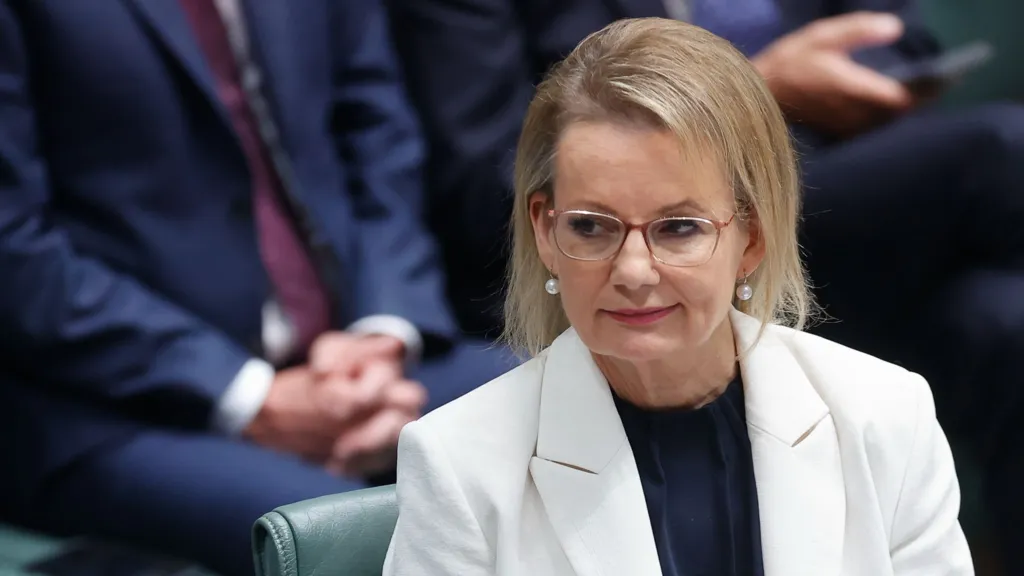
Australian Politics Faces Questions Over Gender Equality Amid Sussan Ley’s Appointment
-
 News8 hours ago
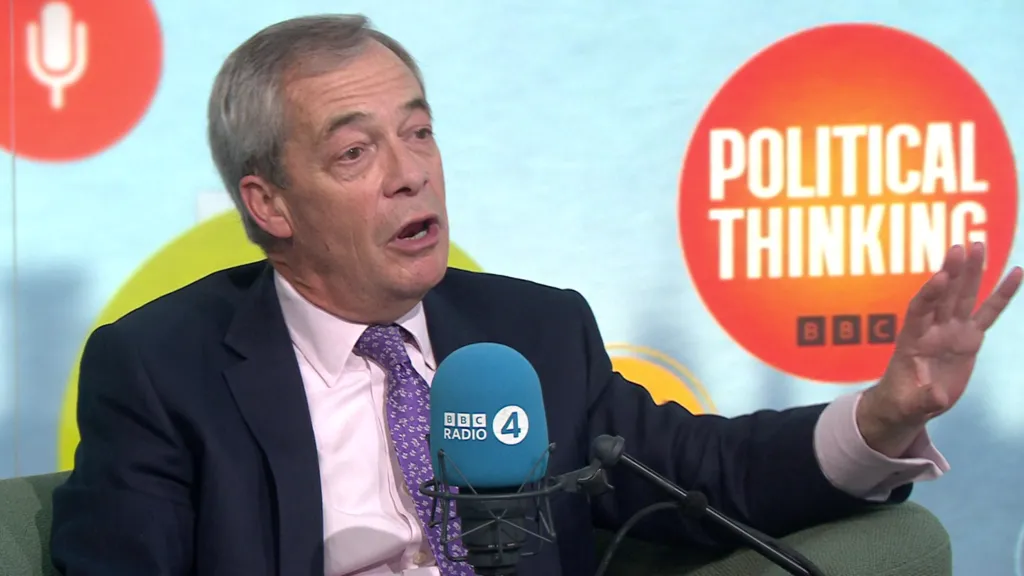
Farage Says Reform to Replace Traditional Tory Party
-
 News8 hours ago
Wrexham Pair Seek Win Against Former Team Ipswich
-
 News13 hours ago
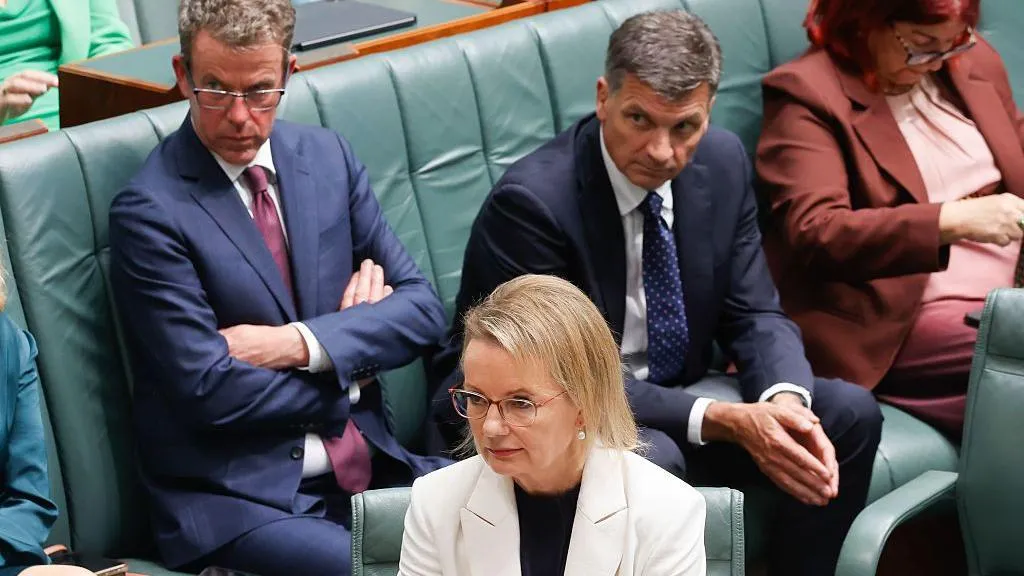
Liberal Party Removes Australia’s First Female Leader
-
 News11 hours ago
UK Braces for Cold Snap with Snow and Ice Alerts Expected
-
 News8 hours ago
Husband’s alleged £600k theft for sex and antiques blamed on drug side effects
-
 News2 days ago
Sunbed ads spreading harmful misinformation to young people
-
 Business13 hours ago
BBC Reporter Exposed to Cyber Attack Due to Vulnerabilities in AI Coding Tool