
Business
Can Robots Achieve Gracefulness?
Companies are striving to improve the efficiency and affordability of the motors used to power robotic systems.
James Bruton, a British YouTuber, set out to create a life-size walking robot inspired by the Star Wars franchise, with the aim of riding it around his friend's tennis court. His objective was to design something that would capture people's attention.
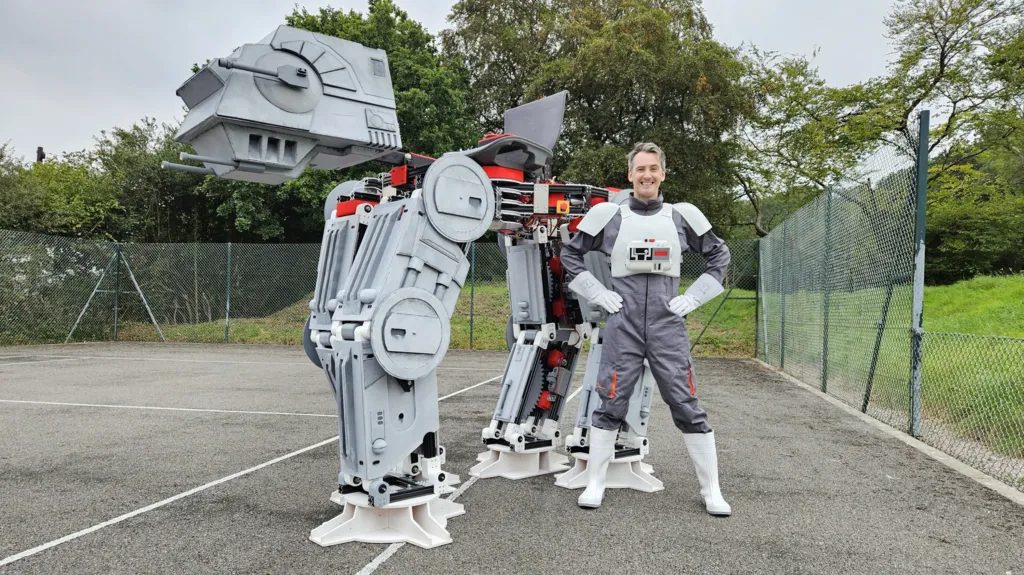
To bring this concept to life, Bruton needed to develop four robust legs for the robot, known as an At-At, which first appeared in The Empire Strikes Back. These legs had to be precise and controllable.
Bruton's goal was to avoid creating a massive, unstable structure, which would be impractical and potentially unsafe.
To achieve this, he designed a complex system of motors and gears that function as servos, enabling him to monitor and control the movement of the robot's parts.
Upon completing the project, Bruton filmed himself dressed as a Stormtrooper, riding the At-At around the tennis court. However, he noted that the robot's movement was relatively slow.
Bruton is currently working on a two-legged version of the robot, which will require even more responsive legs to maintain balance while carrying him.
Some of the components he has designed are similar to variable springs, which can absorb impact and dynamically adjust to changing loads.
Motion-activating components, or actuators, are essential for bringing robots to life. These components can be designed to move in various ways, including linear and rotational motions.
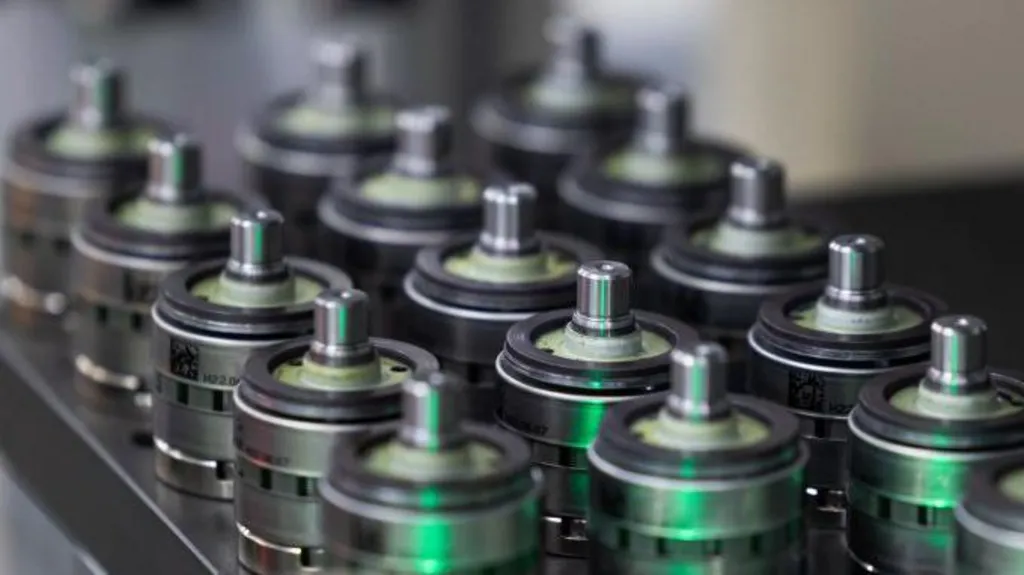
By combining actuators with artificial bodies or limbs, it is possible to create a range of robotic devices, from robot arms to humanoid robots.
To create more sophisticated robots, it is necessary to develop actuators that are more efficient, precise, and intelligent.
Currently, few companies are capable of manufacturing actuators at scale with high precision, and these components are still far from replicating the complex muscles found in animals.
A new generation of actuators could potentially enable the development of more advanced robots that are capable of moving with greater agility and precision.
According to Mike Tolley, a researcher at the University of California San Diego, roboticists have traditionally used DC motors to power robots.
While DC motors are well-suited for high-speed applications with low torque, they are not ideal for applications that require high torque and precise control.
Torque refers to the rotational force that causes an object to move around a central axis.
Tolley notes that humans do not move in the same way as fans or other high-speed devices, and instead require a range of motions that involve high torque and force.
To achieve safe and controlled movement, robots require actuators that can be easily reversed and controlled, such as back-driveable actuators.
Simple actuators without this capability are limited in their ability to control movement and respond to changing situations.
Jenny Read, programme director at Aria, notes that many robots are currently limited by their power sources and are prone to rapid battery drain.
Additionally, small actuators made using traditional electric motors can overheat and become inefficient.
The company Schaeffler is working with the British robotics company Humanoid to develop advanced actuators that enable efficient and controlled movement.
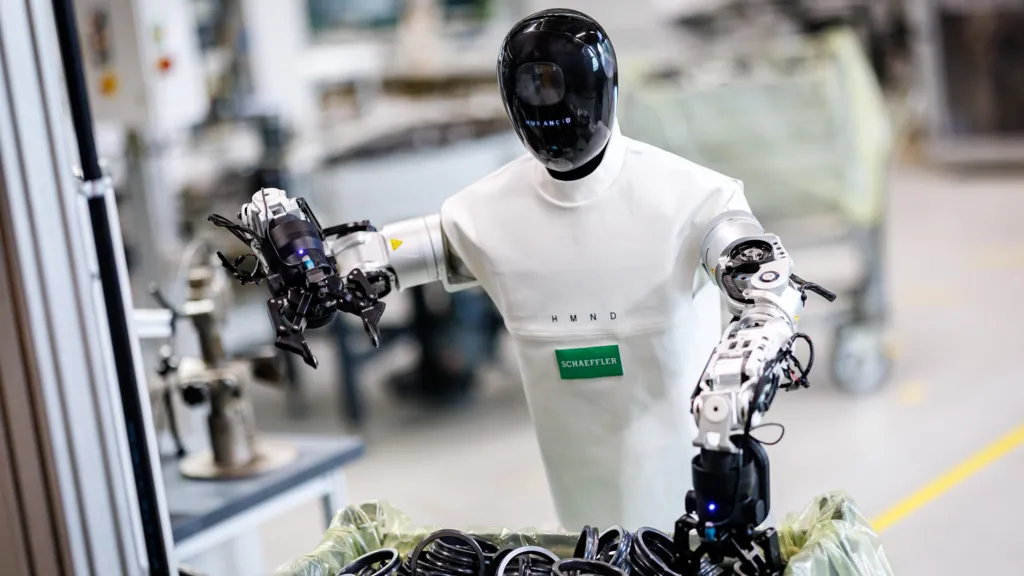
This approach involves creating actuators that provide real-time data on their position and function, allowing computers to adjust their operation accordingly.
According to David Kehr, president of humanoid robotics, the development of advanced actuators requires a complex optimization of friction, back-driveability, and other factors.
Schaeffler plans to use robots in its own factories to perform tasks such as loading parts onto conveyor belts, and is committed to retraining workers who are currently performing these tasks.
The leading robotics company Boston Dynamics has partnered with Hyundai Mobis to develop a new generation of actuators.
Se Uk Oh, vice president of Hyundai Mobis, notes that the new actuator is similar to an electric power steering system and is designed to provide high-quality and reliable performance.
The development of advanced actuators is critical for ensuring human safety, and Hyundai Mobis is leveraging its experience and technology to achieve this goal.
While current actuators are typically made from metals, hard plastics, and electronics, researchers are exploring alternative approaches, such as soft robotics.
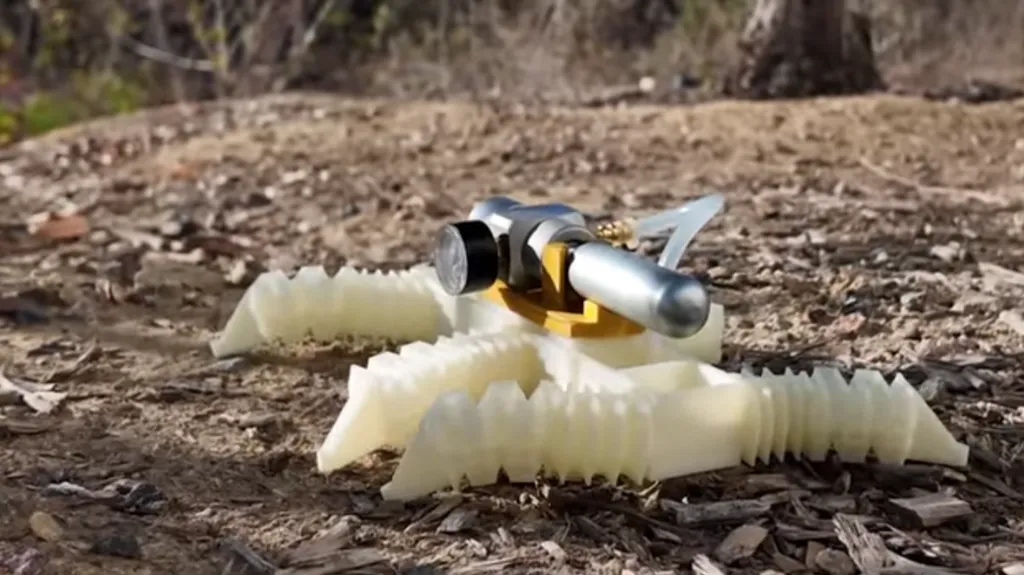
Mike Tolley and his team have developed soft robots powered by air that can walk on land and in water without the need for complex electronics.
These robots have been designed to be highly resilient and can withstand significant abuse, such as being driven over by a car.
Read's agency is funding research into pioneering approaches to robotics, including the development of actuators made from elastomers, such as rubbery plastics.
While elastomers have been investigated for many years, they have yet to revolutionize actuator technology, and continued research is needed to realize their potential.
The ultimate goal of this research is to create robots that are more graceful and agile, with movement that is similar to that of humans, rather than the clunky and heavy robots of today.




Business
Veteran Designer of Hello Kitty Retires After 46-Year Tenure
Under Yuko Yamaguchi’s guidance, the feline character achieved global icon status.
After a 46-year tenure, the creator of Hello Kitty is relinquishing her design role, marking the end of an era for the beloved character that has become a global phenomenon.
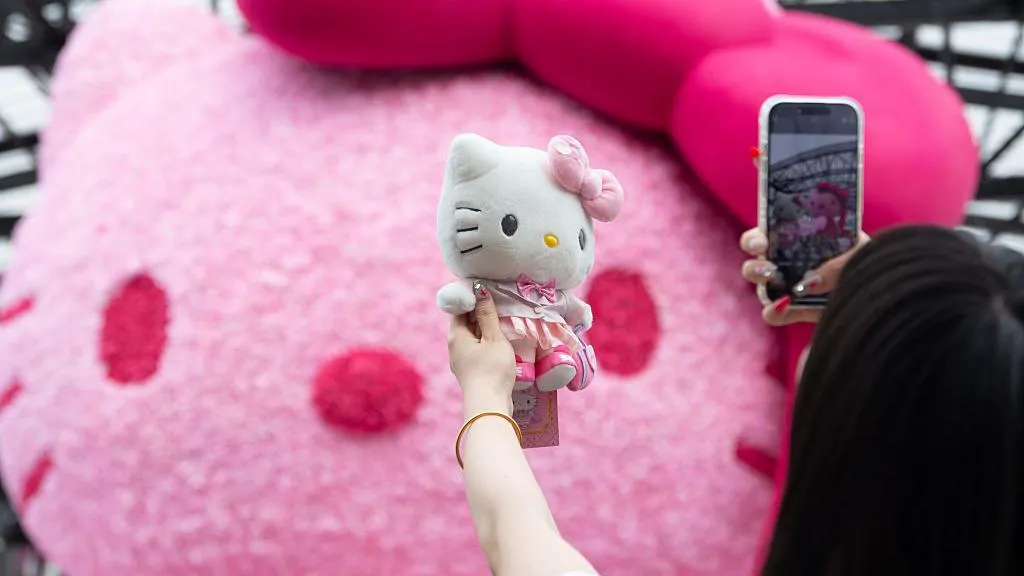
In 1980, Yuko Yamaguchi assumed design responsibilities for Hello Kitty, a character that, despite being commonly perceived as a feline, is actually a little girl from London, five years after the character's initial launch.
During Yamaguchi's four-decade stewardship, Hello Kitty has evolved into one of the most successful franchises worldwide, with its popularity extending far beyond its origins in Japan.
Sanrio, the company behind Hello Kitty, has expressed its gratitude to Yamaguchi, stating that she has "passed the torch" to the next generation of designers.
The launch of Hello Kitty coincided with the rising global popularity of Japanese 'kawaii' culture, a distinctively feminine and youthful aesthetic that has become a cultural phenomenon.
Yamaguchi often embodied the Hello Kitty spirit by wearing dresses inspired by the character and styling her hair in buns, reflecting her deep connection to the brand.
Now 70, Yamaguchi has been credited by Sanrio with transforming Hello Kitty into a universally beloved character, as noted on the company's website.
Sanrio has announced that one of its designers, known by the pseudonym "Aya", who has been working alongside Yamaguchi, will take over as the lead designer by the end of 2026.
Although Yamaguchi is stepping down from her design role, she will remain with Sanrio to offer guidance and support.
Hello Kitty first appeared on a coin purse in 1974, but it was in 1980 that the character began to gain widespread recognition, eventually becoming a global marketing sensation.
The character has been featured on a wide range of products, including clothing, accessories, video games, and even an Airbus plane, and has partnered with notable brands such as Unicef, Nintendo, and Balenciaga, as well as making an appearance as a float in the Macy's Thanksgiving Day Parade.
Hello Kitty-themed cafes can be found worldwide, and there is a dedicated theme park in Japan, with another park slated to open in China.
Unlike other popular Japanese exports, such as Pokemon, Hello Kitty has a relatively minimal backstory, with Sanrio describing her as "not quite a cat, but not a human either".
According to Sanrio, Hello Kitty was born in London, has a twin sister named Mimmy, and a boyfriend named Dear Daniel, although these details are not widely emphasized in the character's marketing.
A Warner Bros film featuring Hello Kitty is scheduled for release in 2028, marking the character's cinematic debut, although she has previously appeared in several animated series, always without speaking, due to her design lacking a mouth.
Business
US inflation slows as used vehicle prices decline
According to the most recent official data, prices increased by 2.4% over the 12 months ending in January, marking the smallest gain since May.
The US experienced a slowdown in inflation last month, driven by decreases in energy and used car prices.

According to the Labor Department, the consumer price index increased by 2.4% over the past 12 months, ending in January, marking a decline from the previous month's 2.7% and the slowest rate since May.
This development may support the argument made by US President Donald Trump and others that the central bank has the flexibility to lower interest rates without triggering a surge in prices.
However, analysts caution that progress toward the Federal Reserve's inflation target of 2% may be hindered in the coming months if companies begin to pass on tariff costs to consumers more extensively.
Neil Birrell, chief investment officer at Premier Miton Investors, noted that the impact of tariffs remains uncertain and pointed out other data anomalies that could have influenced the January figures.
Birrell stated that the January report is likely to pave the way for a potential rate cut in the near future.
He added that the US economy appears to be performing well, with strong growth, stable inflation, a robust job market, and a Federal Reserve that has the ability to adjust its policies as needed.
Business
Artist Alleges AirAsia Used His Work Without Permission
A street artist from Penang has reported that one of his artworks has been replicated and featured on the design of an airplane.
A lawsuit has been filed by a Malaysian-based artist against AirAsia and its parent company, Capital A Berhad, alleging unauthorized use of the artist's designs on one of the airline's planes.
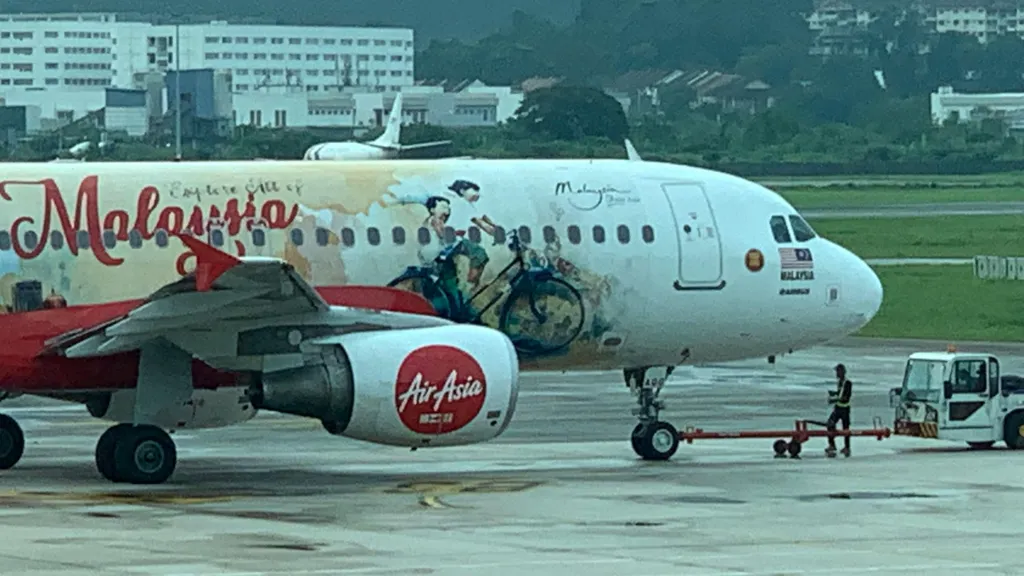
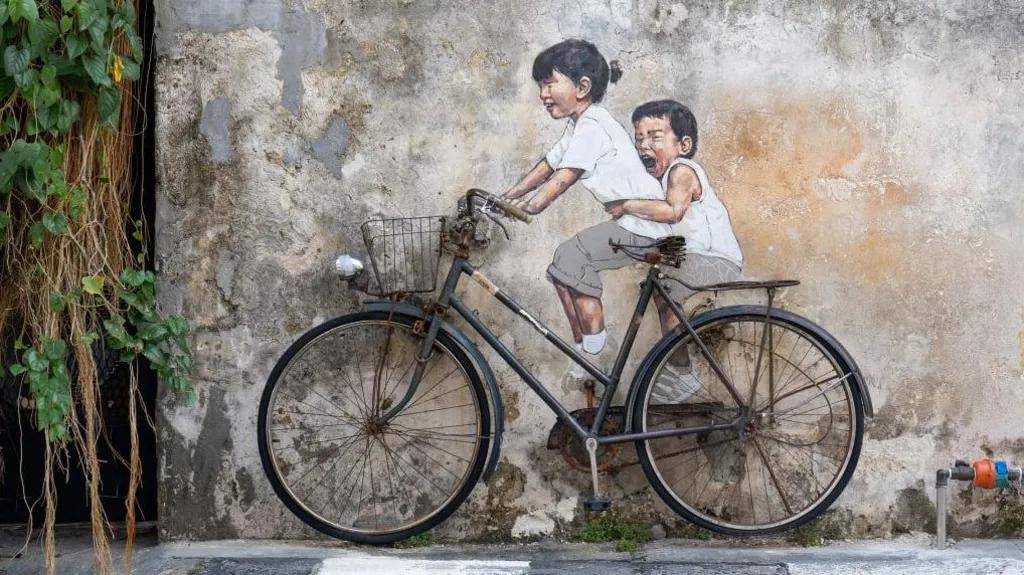
According to the lawsuit, Ernest Zacharevic, a Lithuanian-born artist residing in Penang, claims that his 2012 street mural, Kids on Bicycle, was reproduced and displayed on an AirAsia aircraft in late 2024 without his permission.
Zacharevic states that the use of his design was unauthorized, and no licensing agreement or consent was obtained, adding that the livery was removed after he publicly expressed concerns about the matter.
The BBC has reached out to AirAsia for a statement regarding the allegations.
In an interview with the BBC on Thursday, Zacharevic recalled that he first became aware of the alleged copyright infringement in October 2024, when he discovered that an AirAsia plane was featuring a livery resembling his artwork.
With over a decade of experience in Malaysia, Zacharevic is known for his roadside murals in Penang, which have become a staple of the local art scene.
One of Zacharevic's notable works is the 2012 street mural Kids on Bicycle, created for a local festival, which features two children on a bicycle integrated into the mural, located in George Town's heritage district.
The mural has become a popular tourist attraction, with many visitors taking photos in front of the iconic artwork.
Zacharevic alleges that his work was reproduced on an AirAsia plane without his knowledge or consent, and he personally witnessed the plane in operation at an airport.
Recalling the incident, Zacharevic expressed his discomfort with the situation, which occurred in 2024.
He took to social media to address the issue, posting a photo of the plane and tagging the airline, suggesting that they needed to discuss the use of his artwork.
Since then, Zacharevic has engaged in discussions with the company, but they have been unable to come to a mutually agreeable resolution.
This is not the first instance of Zacharevic's work being used in connection with AirAsia, as he claims the airline has also used his artwork on a delivery bag for its food services arm.
Court documents reveal that Zacharevic had previously discussed a potential collaboration with AirAsia in 2017, where he would create art for the airline's jets and a mural in one of their offices.
According to the documents, Zacharevic had informed the airline of his work and business rates during these discussions.
The lawsuit asserts that despite being aware of Zacharevic's work and rates, the airline proceeded to reproduce and publicly display one of his notable works, thereby infringing on his copyright and moral rights.
As the largest low-cost carrier in Asia, AirAsia operates over 200 jets to more than 100 destinations, and has recently announced plans to resume flights from Kuala Lumpur to London via Bahrain.
Zacharevic has stated that he will leave it to the court to determine any potential compensation he may be entitled to.
The artist emphasized that he does not consider the use of his artwork to be a mere reference to cultural or geographical associations, but rather a distinct artistic creation.
Zacharevic stressed that his artwork is the result of years of professional training, skill, and labor, and should be recognized as such.
-
 News12 hours ago
Australian Politics Faces Questions Over Gender Equality Amid Sussan Ley’s Appointment
-
 News9 hours ago
Farage Says Reform to Replace Traditional Tory Party
-
 News9 hours ago
Wrexham Pair Seek Win Against Former Team Ipswich
-
 News15 hours ago
Liberal Party Removes Australia’s First Female Leader
-
 News12 hours ago
UK Braces for Cold Snap with Snow and Ice Alerts Expected
-
 News9 hours ago
Husband’s alleged £600k theft for sex and antiques blamed on drug side effects
-
 News2 days ago
Sunbed ads spreading harmful misinformation to young people
-
 Business15 hours ago
BBC Reporter Exposed to Cyber Attack Due to Vulnerabilities in AI Coding Tool