
News
Path to Winter Olympics: Challenges for NI Athletes
In an interview, BBC News NI hears from two ex-athletes who share their insights into the requirements for competing in the Winter Olympics.
The Winter Olympics have commenced, and it is noteworthy that no athletes from Northern Ireland are participating in the events.
The region's climate, although cold, does not lend itself to the development of winter sports, which may contribute to the lack of representation.
Despite the absence of ski resorts and limited ice skating facilities, with only one ice rink currently available, Northern Ireland has produced athletes who have overcome significant challenges to compete at the highest level in the past.
The question remains: what are the essential factors that enable an individual to become a Winter Olympian?
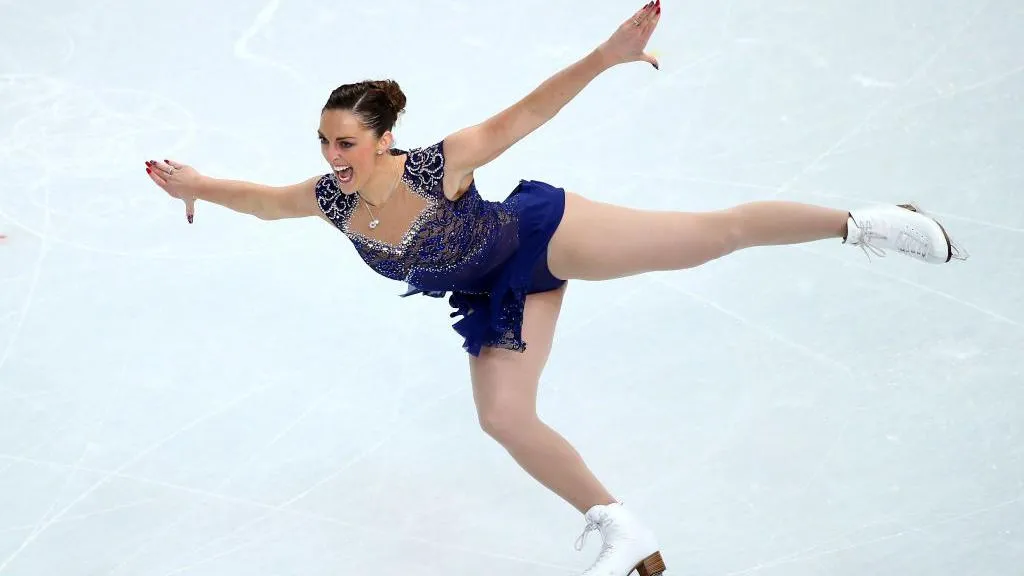
Jenna McCorkell, a former figure skater who represented Team GB at the 2010 and 2014 Winter Olympics, is a notable example of an athlete from Northern Ireland who achieved success in the sport.
Born in Coleraine, County Londonderry, McCorkell began skating at the Jet Centre, marking the beginning of her journey in the sport.
McCorkell recalled that her initial interest in figure skating was sparked by seeing a young girl in a newspaper, adorned in a sparkly dress and holding trophies, which inspired her to pursue the sport.
As she progressed, McCorkell's dedication to figure skating grew, and she became increasingly devoted to training, often requiring her parents to escort her off the ice at the end of each session.
However, at the age of 12, McCorkell faced a significant setback when her local ice rink in Coleraine closed, forcing her to seek alternative training facilities.
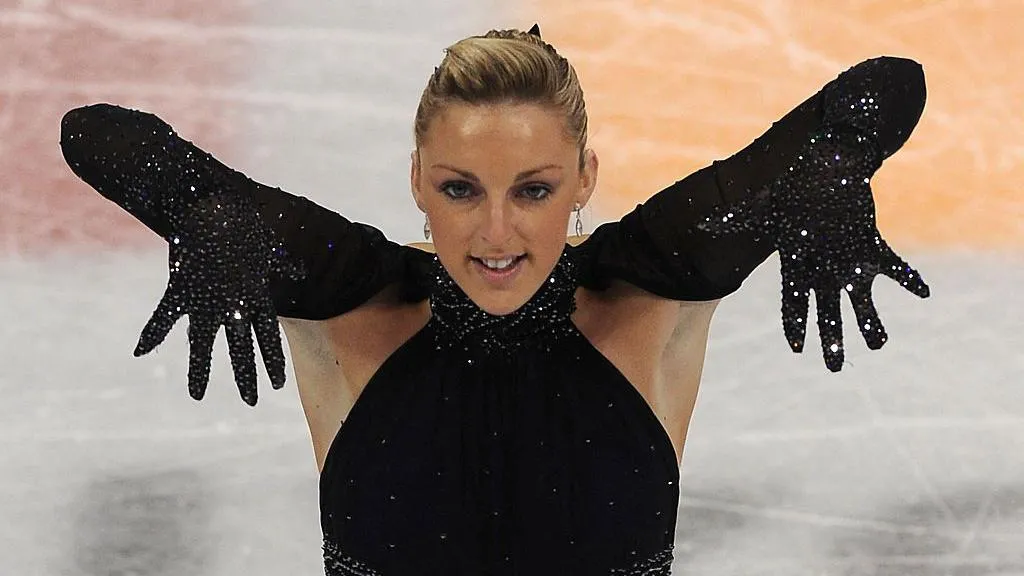
McCorkell acknowledged that the presence of an ice rink in Coleraine during her formative years was crucial to her development as a figure skater, and she may not have pursued the sport without it.
As a member of the British team, McCorkell demonstrated her commitment to success by traveling to the ice rink in Dundonald, County Down, on a daily basis to train, despite the challenges posed by the limited availability of facilities.
At 15, McCorkell made the difficult decision to relocate to England, a move that she believes was necessary for her to advance in the sport.
While McCorkell has no regrets about her decision, she acknowledges that it was a significant undertaking, both financially and personally.
McCorkell highlighted the challenges faced by athletes in securing funding, noting that it is often a "vicious circle" where results are required to obtain funding, but funding is necessary to achieve those results.
McCorkell emphasized that Northern Ireland has a wealth of talent, but she has long advocated for the development of additional ice rinks to provide opportunities for athletes to train and compete.
She pointed out that the lack of ice rinks in areas such as the north coast and Londonderry restricts access to various ice sports, including figure skating, short track, ice hockey, and curling.
McCorkell noted that a single ice pad can accommodate multiple sports, making it a valuable resource for athletes.
McCorkell's husband, Kevin van der Perren, a former Belgian figure skater, currently coaches at the Dundonald ice rink, traveling there daily.
Reflecting on her Olympic experience, McCorkell described the moment she walked out during the opening ceremony as unforgettable, a feeling that she couldn't put into words, and a culmination of all her hard work.
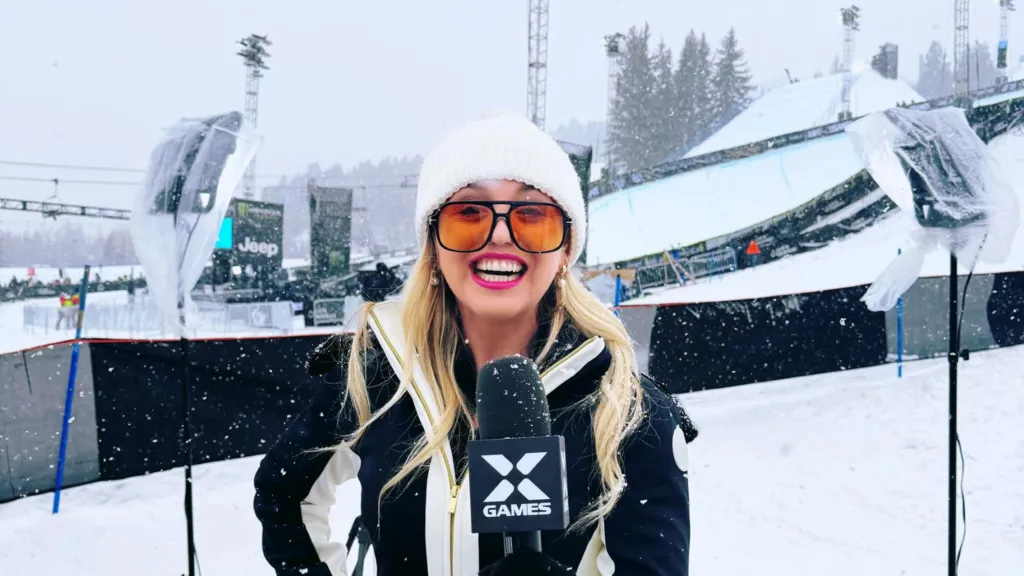
Aimee Fuller, a former Olympic snowboarder, will be attending the Winter Olympics in Milan-Cortina, Italy, in her new role as a broadcaster for TNT Sport.
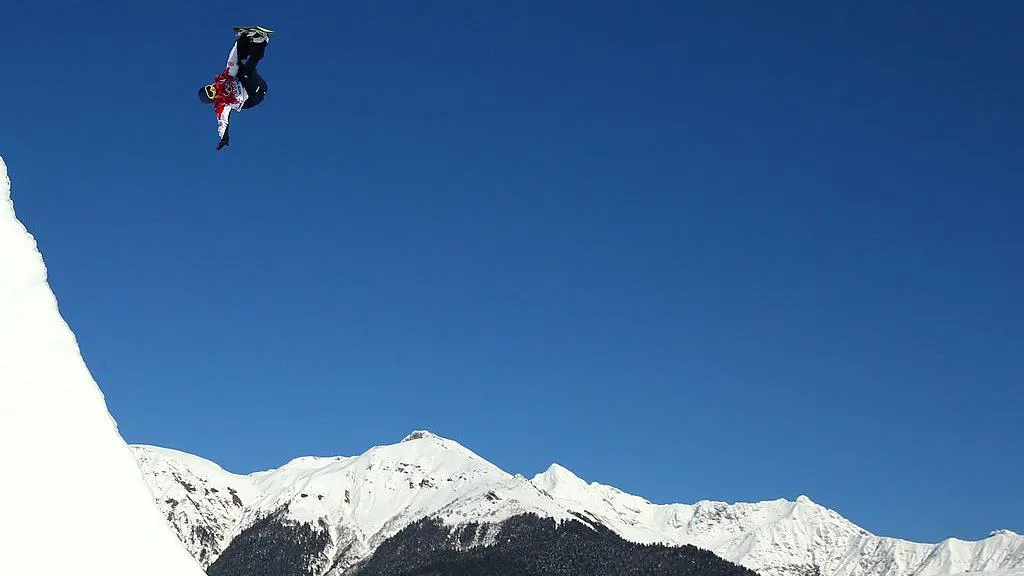
Born in England, Fuller began her athletic career at a young age, participating in local dry slope events and competing in motocross, which she believes helped prepare her for her future career in snowboarding.
Fuller credits her experience in motocross and gymnastics with laying the foundation for her skills in snowboarding.
Her first meaningful experience with snowboarding occurred when she was around eight years old, during a family visit to Canada.
Fuller recalled that, like many people, she found snowboarding to be frustrating and challenging when she first started, but she persevered.
When Fuller's family moved to America when she was 12, she developed a deep passion for snowboarding, which became a central part of her life.
Fuller described snowboarding as a unique sport that offers a "blank canvas for creativity," allowing athletes to express themselves in a distinct way.
However, when her family relocated to Northern Ireland when she was 16, Fuller was concerned that it would be impossible to pursue her snowboarding career from there.
Nevertheless, just one week after starting at Sullivan Upper School in Holywood, Fuller received an invitation to attend the Roxy Futures Camp in Switzerland, after being spotted snowboarding in the US.
Fuller's school was supportive of her athletic pursuits, and she followed in the footsteps of Rory McIlroy, who had also balanced his sporting career with his education.
Fuller emphasized that inspiration is a crucial element in achieving success as an Olympian, and she drew motivation from watching the London 2012 Olympics, which fueled her desire to compete at the highest level.
Fuller noted that the current generation of athletes, who are active on social media platforms such as Instagram and TikTok, have opportunities to showcase their talents and connect with others in ways that were not previously possible.
However, Fuller also stressed that becoming an Olympian requires an enormous amount of hard work and dedication.
She described the life of a competitive athlete as "brutal," involving constant travel, back-to-back competitions, and significant physical and mental demands.
Fuller recalled that the first thing she did after qualifying for the Olympics was to call her mother, a moment that was not just about personal achievement, but also about sharing the experience with those who had supported her throughout her journey.
Fuller acknowledged that the journey to becoming an Olympian is not just about individual effort, but also about the network of people who contribute to an athlete's success.
In that moment of qualifying, Fuller recognized that her achievement was not solely her own, but also a testament to the collective efforts and sacrifices made by her loved ones and supporters.

Business
DP World CEO departs amid fallout over Epstein connections
Sultan Ahmed bin Sulayem’s departure follows the revelation of hundreds of emails allegedly exchanged between him and Epstein, as revealed in recently disclosed documents.
DP World's global ports operator has undergone a change in leadership, with the previous head stepping down amidst scrutiny surrounding their association with convicted sex offender Jeffrey Epstein.
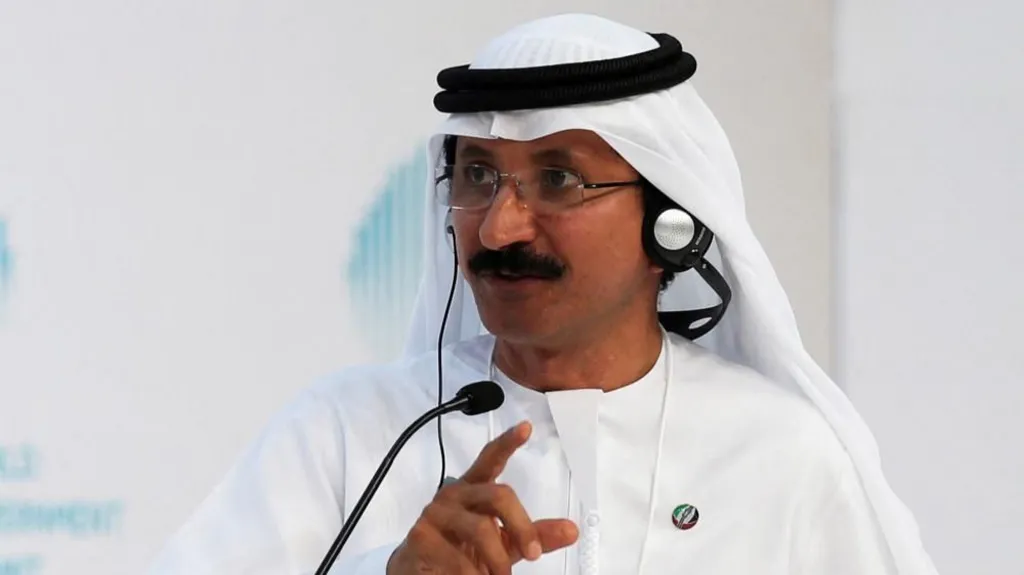
Sultan Ahmed bin Sulayem's departure as chairman and chief executive follows the release of newly uncovered files, which indicate he exchanged numerous emails with Epstein over the course of a decade.
The mention of an individual in these files does not imply any wrongdoing, and the BBC has reached out to Sulayem for a statement regarding the matter.
On Friday, DP World announced the appointments of Essa Kazim as chairman and Yuvraj Narayan as chief executive, without making any reference to Sulayem, whose photograph appears to have been removed from the company's website.
DP World, a Dubai-owned logistics company with a significant presence in global trade infrastructure, operating port terminals across six continents, has faced increasing pressure from its business partners in recent days.
Earlier in the week, the UK development finance agency and La Caisse, Canada's second-largest pension fund, announced that they would be suspending new investments in the firm.
Additionally, the Prince of Wales' Earthshot project, which received funding from DP World, was reported to the UK Charity Commission following Sulayem's appearance in the recently released files.
The documents suggest a close and extensive relationship between Sulayem, a prominent Gulf business figure, and Epstein, spanning multiple areas of interaction.
US lawmakers Ro Khanna and Thomas Massie have accused Sulayem of being one of several influential individuals associated with Epstein, citing him as one of "six powerful men" linked to the disgraced financier.
The lawmakers, who co-sponsored the legislation that led to the release of the Epstein files last year, claim that certain information was improperly redacted from the documents.
On 9 February, Thomas Massie highlighted a redacted document that appeared to contain an email from Epstein in 2009, referencing a "torture video"; the recipient responded that they would be traveling between China and the US, although the context of the exchange is unclear.
US officials have confirmed that Sulayem was the recipient of the email in question, which was sent by Epstein.
News
Ireland Seeks Redemption in Match Without Spectators
Ireland’s Captain Caelan Doris has emphasized that the team must have all players contributing in order to move past their loss to France and secure a win against Italy.
Ireland captain Caelan Doris is urging his team to deliver a strong performance against Italy, following their disappointing loss to France last week.
Historically, Ireland have dominated Italy in their home Six Nations matches, winning their last five encounters by at least 30 points, including a 2024 match where they held Italy scoreless, but a similar outcome is not expected this time around.
Italy's confidence is high after their 18-15 victory over Scotland in Rome, where they excelled in the set-piece and defended well in the closing stages.
Gonzalo Quesada's team put in an impressive display despite the challenging weather conditions, and their win has given them momentum ahead of their trip to Dublin.
In contrast, Ireland's camp has been introspective after their 16-year-low Six Nations loss to France, with head coach Andy Farrell expressing his disappointment and the need for improvement.
Farrell was critical of his team's performance, particularly in the first half, and has made several changes to the lineup for the Italy match, including the exclusion of Josh van der Flier, Jacob Stockdale, Tommy O'Brien, and Cian Prendergast.
The Irish coach has also spoken about the need for his team to "simplify things" and understand their identity, following a clear-the-air meeting with the squad.
Farrell has emphasized the importance of players not overthinking their roles and instead focusing on their strengths, as they prepare to face Italy.
The Irish coach's message to his players is to trust their instincts and not overcomplicate their game plan against Italy.
Ireland's review of their loss to France was a candid and honest assessment, with players and coaches alike acknowledging the need for improvement.
Ireland has made six changes to their team for the Italy match, with newcomers Cormac Izuchukwu and Rob Baloucoune, as well as uncapped lock Edwin Edogbo, set to feature.
Captain Caelan Doris believes that the new players must take ownership of their roles and contribute to the team's overall performance.
Doris expressed his enthusiasm for the team's lineup, despite the changes, and emphasized the importance of cohesion and trust among the players.
The Irish captain's message to the new players is to have faith in their abilities and enjoy the experience, while also focusing on the team's core strengths.
Doris stressed that every player must be fully committed and take responsibility for their actions on the field, in order to achieve a positive outcome.
He added that creating a sense of unity and purpose through their actions can have a profound impact on the team's performance.
Doris reiterated that every player must be fully invested and take ownership of their role, in order to achieve success against Italy.
Edwin Edogbo, the towering Munster lock, is set to make his Test debut for Ireland on Saturday.
Ireland's loss to France was marked by a lack of intent, and head coach Andy Farrell has responded by making changes to the team, including the inclusion of wingers James Lowe and Rob Baloucoune.
The hope is that these changes will help Ireland to rediscover their sense of purpose and direction against Italy.
Lowe, a experienced player, was dropped for the France match, but returns to the lineup, while Baloucoune makes his first appearance for Ireland since November 2022.
The inclusion of Cormac Izuchukwu in the back row is expected to add dynamism and ball-carrying ability to Ireland's attack.
There is also excitement about the potential of Edwin Edogbo, who has impressed for Munster despite struggling with injuries earlier in his career.
Caelan Doris will switch back to open-side flanker, a position he has played before against Italy, and where he has scored tries in the past.
Regardless of his position, Doris is focused on helping Ireland to move past their loss to France and deliver a strong performance against Italy.
The Irish captain reflected on the team's discussions throughout the week, which have centered on accountability, simplicity, and a renewed focus on their core values.
Doris emphasized the importance of the team holding each other accountable and taking ownership of their actions, in order to drive improvement.
The Irish captain acknowledged that the loss to France has served as a reference point, but expressed confidence that the team can learn from the experience and move forward.
Doris believes that Ireland has the potential to improve, but must focus on executing their game plan effectively and trusting their strengths.
The match between Ireland and Italy is scheduled to take place on Saturday, 14 February, at 14:10 GMT.
The Aviva Stadium in Dublin will host the encounter.
Fans can listen to live commentary of the match on BBC Sounds, BBC Radio 5 Sports Extra 2, BBC Radio Ulster, and the BBC Sport website and app, as well as follow live text commentary.
Italy has a chance to cause a major upset in the Six Nations, and will be looking to build on their win over Scotland last week.
The Italians pushed Ireland close last year, losing 22-17, and will be hoping to go one better this time around.
Despite the absence of Juan Ignacio Brex, Italy has a number of threats, including Tommaso Menoncello, one of the most exciting young talents in European rugby.
The Italian forwards have shown their ability to compete with top teams, having dominated Scotland and caused problems for South Africa's pack in November.
Caelan Doris acknowledged that Italy is no longer just a passionate team, but a side with a well-rounded attack and strong defense.
The Irish captain noted that Italy's attack is now a significant threat, and that their ability to play with width and depth makes them a challenging opponent.
Doris also highlighted the improvement in Italy's scrum, as well as the quality of their back three and the physicality of their forwards.
The Ireland team to face Italy is: Osborne; Baloucoune, Ringrose, McCloskey, Lowe; S Prendergast, Casey; Loughman, Sheehan, Clarkson, McCarthy, Ryan, Izuchukwu, Doris (capt), Conan.
Ireland's substitutes for the match include Kelleher, O'Toole, Furlong, Edogbo, Beirne, Timoney, Gibson-Park, and Crowley.
The Italian team features Pani, Lynagh, Marin, Menoncello, and Ioane in the backline, with P Garbisi and Fusco in the half-back positions, and a forward pack consisting of Fischetti, Nicotera, Ferrari, N Cannone, Zambonin, Lamaro as captain, Zuliani, and L Cannone.
Italy's replacement players are Di Bartolomeo, Spagnolo, Hasa, Ruzza, Favretto, Odiase, A Garbisi, and Odogwu.
On Saturday, Hollie Davidson of Scotland will make history by becoming the first female referee to officiate a men's Six Nations match, with the fixture being Ireland's home game against Italy.
Business
Consider Alternatives to Your Current Bank Account
According to Martin Lewis, the current moment may be an opportune time to consider switching bank accounts.
The complete episode is available for streaming on the BBC Sounds platform.
-
 News13 hours ago
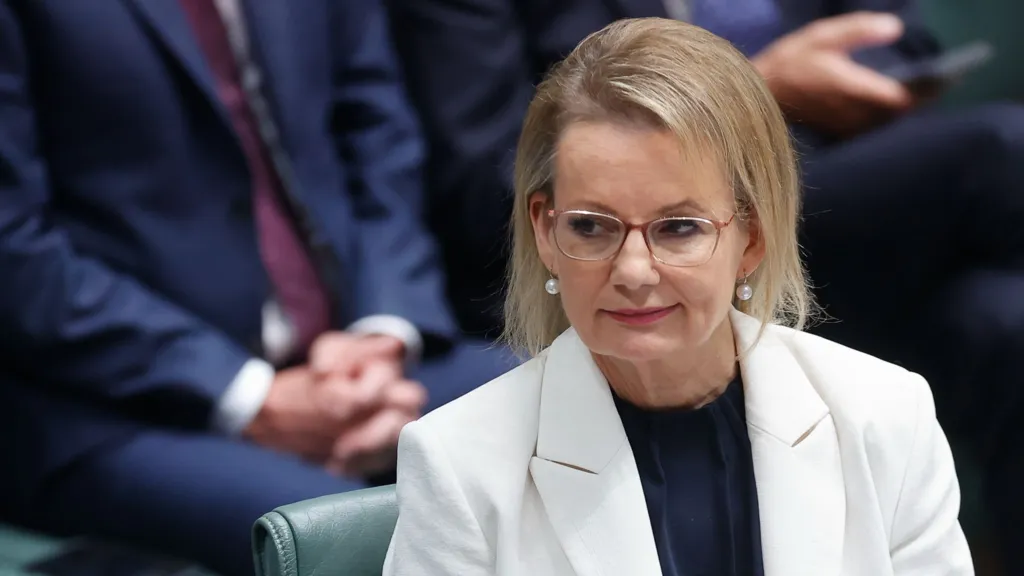
Australian Politics Faces Questions Over Gender Equality Amid Sussan Ley’s Appointment
-
 News11 hours ago
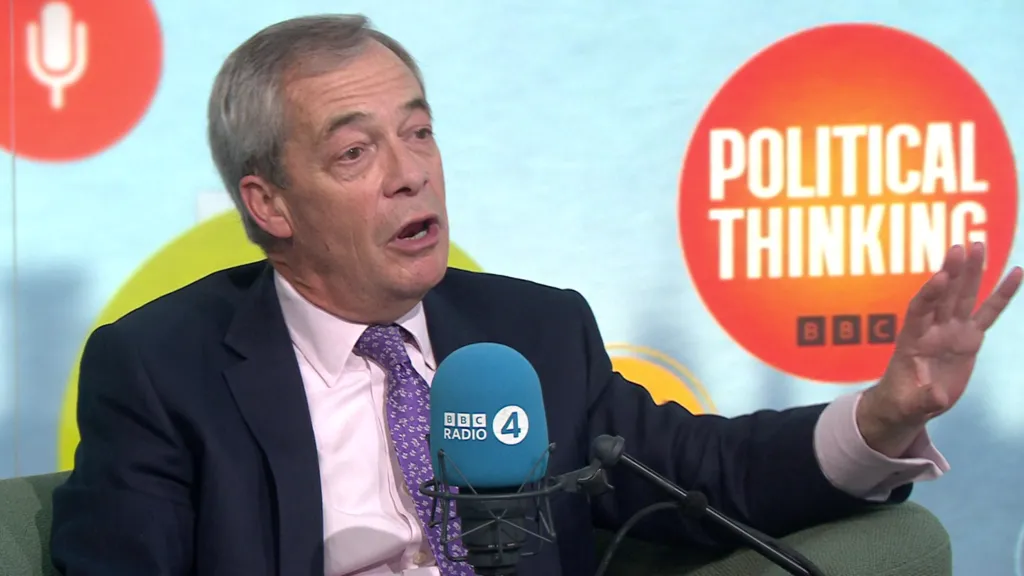
Farage Says Reform to Replace Traditional Tory Party
-
 News11 hours ago
Wrexham Pair Seek Win Against Former Team Ipswich
-
 News16 hours ago
Liberal Party Removes Australia’s First Female Leader
-
 News14 hours ago
UK Braces for Cold Snap with Snow and Ice Alerts Expected
-
 News11 hours ago
Husband’s alleged £600k theft for sex and antiques blamed on drug side effects
-
 News2 days ago
Sunbed ads spreading harmful misinformation to young people
-
 Business16 hours ago
BBC Reporter Exposed to Cyber Attack Due to Vulnerabilities in AI Coding Tool