
News
Naming Stakeknife seen as step towards apology
There are calls for the government to abandon its longstanding policy of neither confirming nor denying the identity of Stakeknife.
A government apology may be one step closer with the potential revelation of the agent known as Stakeknife, according to Kevin Winters, the solicitor representing the victims of the Army's IRA spy.
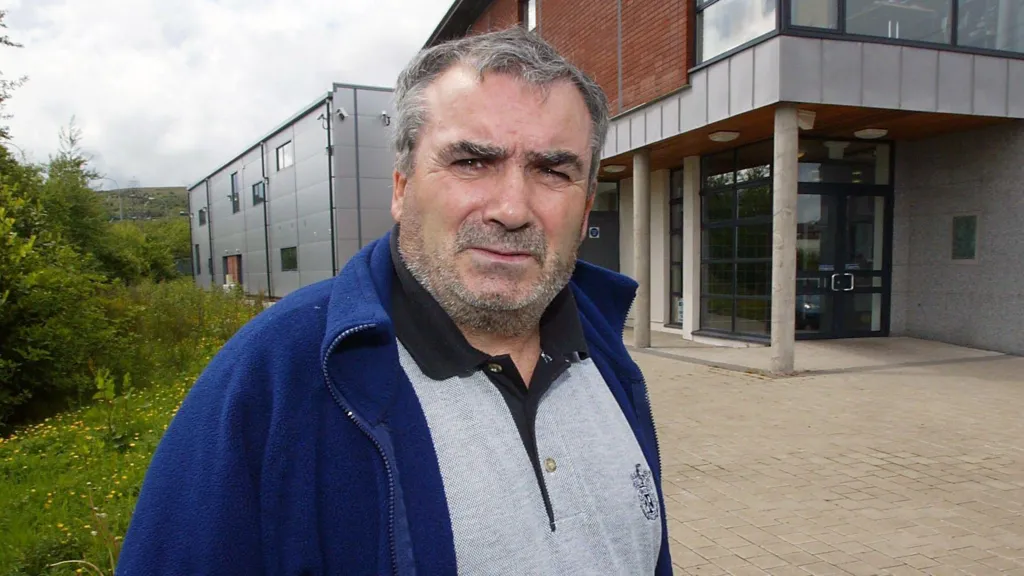
This development follows a report by a Westminster committee, which urged the government to officially identify the high-ranking agent linked to 14 murders during the Troubles.
The individual in question is believed to be Freddie Scappaticci, a west Belfast native who passed away in 2023.
The final report of the investigation into his actions, which exceeded £40m in costs, was published last year but did not name Stakeknife due to lack of government permission.
Successive governments have maintained a policy of neither confirming nor denying the agent's identity, citing national security concerns.
In response to the committee's report, the government stated that the secretary of state will provide an update to Parliament at the earliest opportunity.
Speaking to BBC News NI, solicitor Kevin Winters expressed that not disclosing Stakeknife's identity is "demeaning to the families" of the victims and treats them as "secondary victims".
Winters noted that the families had cooperated with the investigation, known as Operation Kenova, in good faith and had expected a fuller disclosure of information and justice.
However, he emphasized that the lack of disclosure on the agent's identity "falls short" of providing the necessary closure.
According to Winters, identifying Stakeknife would bring the necessary closure that has been elusive so far.
He also stated that naming the agent would be a significant step towards securing a long-overdue apology from the British government, as recommended in the Kenova report.
Winters' comments coincided with the release of a report by the Northern Ireland Affairs Committee, which called on the government to formally identify Stakeknife.
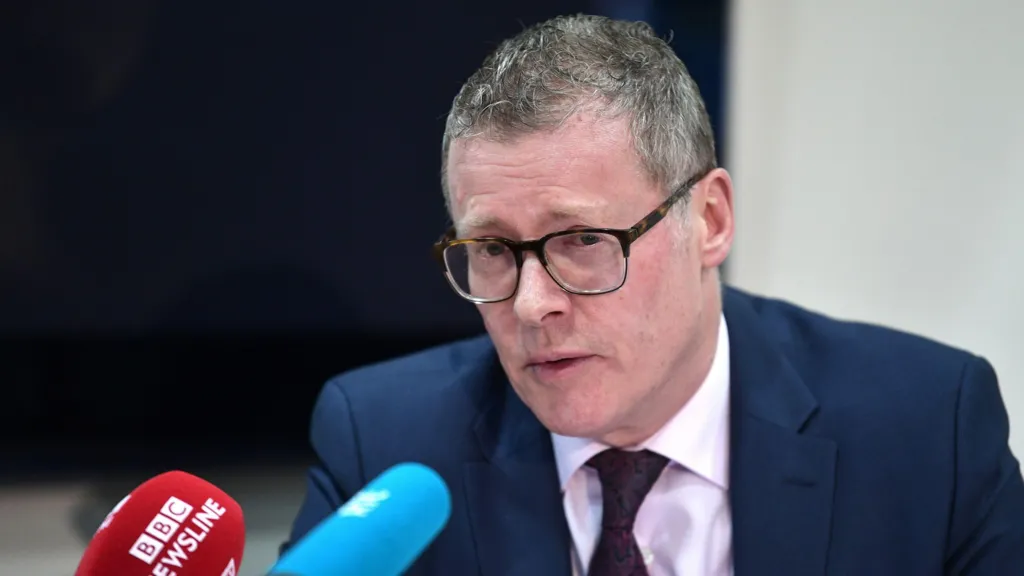
The cross-party committee argued that state agents who engaged in unacceptable conduct should not be shielded from the consequences of their actions.
Committee chair Tonia Antoniazzi stated that the failure to identify Stakeknife has had a profound and lasting impact on the victims and their families.
Antoniazzi added that naming Stakeknife would send a strong message that agents who overstep their boundaries will not be protected by anonymity.
The committee's report was released after hearing evidence from officers who led the investigation into Stakeknife's activities.
Antoniazzi noted that given the assurances that active agents will not be put in harm's way and future recruitment will not be compromised, formal identification of Stakeknife is "appropriate, proportionate, and in the public interest".
The government responded by acknowledging that the behavior described in the Operation Kenova report is "deeply disturbing" and should not have occurred.
The government also highlighted significant reforms to agent handling practices, including legislative changes, that have taken place in recent decades.
It stated that the use of agents is now subject to strict regulation, overseen by the Investigatory Powers Commissioner and the Investigatory Powers Tribunal.
However, the government is not yet in a position to formally respond to the request to name Stakeknife, citing ongoing litigation and consideration of a recent Supreme Court judgment.
Claire Hanna, leader of the Social Democratic and Labour Party, is among the MPs who sit on the Northern Ireland Affairs Committee and has argued that the blanket application of the "neither confirm nor deny" policy does not account for the complexities of the Troubles.
Hanna contended that not publicly naming the agent is "delaying justice" for the victims and incurring additional costs for the public.
Operation Kenova was initially led by Jon Boutcher, now chief constable of the PSNI, and later headed by Sir Iain Livingstone, both of whom have welcomed the committee's report.
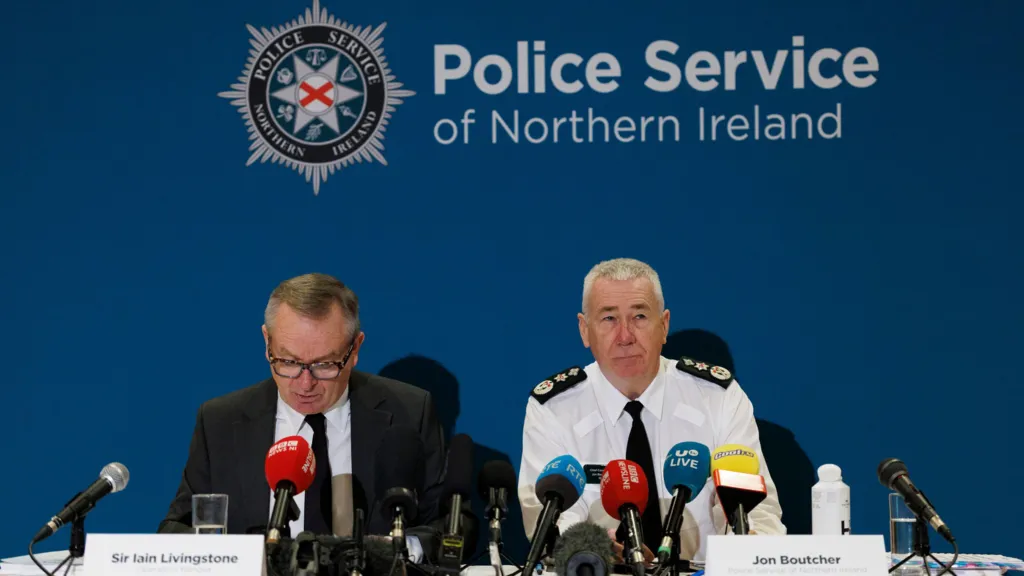
In a statement, Boutcher expressed support for the call to name Stakeknife, stating it would bring "much-needed closure" to the victims and their families.
Freddie Scappaticci, the individual believed to be Stakeknife, was allegedly the highest-ranking British agent within the Provisional IRA.
Scappaticci was the grandson of an Italian immigrant who came to Northern Ireland in the 1940s in search of work.
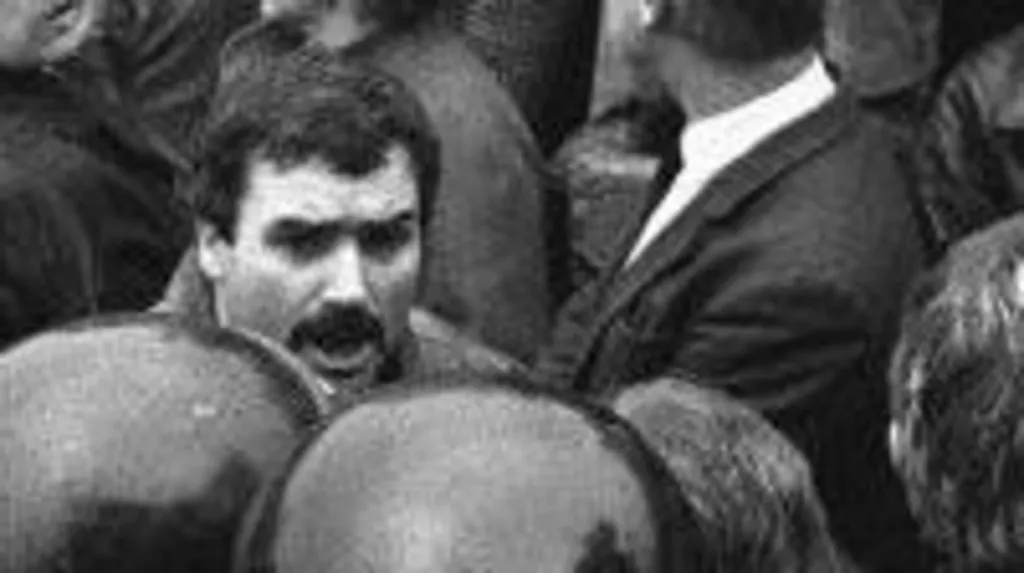
He grew up in the Irish republican stronghold of west Belfast, where he worked as a bricklayer.
During the height of the Troubles in the early 1970s, Scappaticci was interned without trial, along with hundreds of others, during a period of civil unrest.
In the late 1970s, he was reportedly assaulted by the IRA following a dispute with a senior member of the paramilitary group.
It is believed that around this time, the Army recruited Scappaticci as a paid informant within the IRA.
By the 1980s, Scappaticci had risen to a leading position within the IRA's internal security unit, tasked with identifying and punishing informers.
The unit, known as the "nutting squad", was notorious for its brutal methods, including shooting alleged informers in the head.
In 2003, Scappaticci was publicly identified as Stakeknife, the feared spy who had set up other IRA informers for murder.
Although Scappaticci denied the allegations, he subsequently went into hiding in England, where he is believed to have lived under MI5 protection for nearly two decades.
In 2016, Jon Boutcher was appointed to lead a multi-million pound investigation into Stakeknife's activities and handling.
The Kenova report found that Stakeknife was likely responsible for more deaths than he prevented.
It also revealed that MI5 was aware of Stakeknife's involvement in serious crimes and received regular briefings about his activities.
Furthermore, the report found that Stakeknife's Army handlers had taken him on holiday outside of Northern Ireland on two occasions, despite knowing he was wanted by the police for conspiracy to murder.
The investigation's findings have significant implications for the government's handling of agents and the need for greater transparency and accountability.
Scappaticci passed away in 2023, at the age of 77, while the Operation Kenova investigation remained active.



News
Tudor to take interim charge of Tottenham
Igor Tudor has reached an agreement to take the reins as Tottenham’s interim head coach for the remainder of the season.
Tottenham has reached an agreement with Igor Tudor to take the helm as interim head coach for the remainder of the current season.
For the latest updates, in-depth analysis, and perspectives from fans, look to Tottenham's recent news and discussion.
Do you have any questions about Tottenham – what information are you seeking?
News
UAE Defeats Canada to Enhance Super 8s Qualification Chances
The United Arab Emirates boosted their slim chances of advancing to the T20 World Cup Super 8s, securing a narrow five-wicket victory over Canada, thanks in part to Aryansh Sharma’s unbeaten 74.
In a crucial match for the United Arab Emirates, Aryansh Sharma achieved his fifth T20 international half-century, contributing to the team's victory over Canada.
The Men's T20 World Cup, being held in Group D in Delhi, saw an intense competition between the two teams.
Canada's innings resulted in a total of 150-7 after 20 overs, with Harsh Thaker scoring 50 runs off 41 balls, while Junaid Siddique took 5 wickets for 35 runs.
The UAE team responded with a total of 154 runs in 19.4 overs, led by Aryansh Sharma's unbeaten 74 runs off 53 balls and Sohaib Khan's 51 runs off 29 balls, despite Bin Zafar taking 3 wickets for 14 runs.
The United Arab Emirates secured a five-wicket win over Canada, boosting their chances in the tournament.
Aryansh Sharma played a pivotal role in the UAE's win, scoring an unbeaten 74 runs to help his team overcome Canada's total.
With four overs remaining, Canada seemed poised to defend their total, but Sohaib Khan's aggressive batting reignited the UAE's chase, as he scored 17 runs off Dillon Heyliger's bowling.
In the final over, the UAE required eight runs to win, and Aryansh Sharma eased the pressure by hitting a six off Jaskaran Singh's first ball.
Sohaib Khan was dismissed after scoring a rapid 51 runs off 29 balls, including four sixes, leaving the scores level.
Muhammad Arfan then sealed the victory with two balls to spare, hitting a four off Jaskaran Singh, as Aryansh Sharma top-scored with 74 runs off 53 balls.
The UAE now stands third in Group D with two points, but they face an uphill task in their upcoming matches against full members South Africa and Afghanistan to advance to the next phase.
Although the UAE has never beaten a full member in any World Cup format, their performance in this match has given them some confidence.
Earlier in the match, Junaid Siddique achieved the best bowling figures by a UAE player in a T20 World Cup, taking 5 wickets for 35 runs at the Arun Jaitley Stadium in Delhi.
Harsh Thaker's 41-ball half-century, which included three sixes and two fours, provided a solid foundation for Canada's total.
Thaker and Navneet Dhaliwal shared a 58-run partnership to help Canada recover from a difficult start, before Dhaliwal was run out for 34 runs.
After Thaker fell victim to Junaid Siddique's slower ball, Canada struggled to find boundaries against the UAE's tight bowling.
Shreyas Movva made a useful contribution of 21 runs off 21 balls, but Junaid Siddique took two wickets in the final over to claim his maiden five-wicket haul in T20 internationals.
In a separate match, Zimbabwe's Brilliant Muzarabani played a key role in his team's stunning win over Australia.
For more updates, notifications, and social media coverage, visit the BBC Sport website.
In another development, Paul Stirling has been ruled out of the remainder of the T20 World Cup due to injury.
News
Guardiola Advocates for Cultural Embrace to Foster a Better Society
Pep Guardiola, the manager of Manchester City, has stated that accepting diverse cultures will lead to a more harmonious society, in reaction to comments made by Sir Jim Ratcliffe regarding immigration.
As a player, Pep Guardiola earned 47 international caps for Spain, showcasing his skills on the global stage.
Manchester City's manager, Pep Guardiola, believes that embracing diverse cultures is essential for creating a more harmonious society.
Guardiola was questioned about his thoughts on comments made by Manchester United co-owner Sir Jim Ratcliffe, who stated that the UK had been "colonised by immigrants", sparking a debate.
Following criticism, Ratcliffe apologised for any offence caused, while still advocating for open discussion on the issue.
Ahead of Manchester City's FA Cup fourth-round match against Salford, Guardiola shared his perspective, saying that people seek better lives and opportunities, which can be found in their birthplace or elsewhere.
According to Guardiola, one's birthplace is not a determining factor in their potential or aspirations.
Many individuals are forced to leave their homelands due to problems in their native countries, rather than a desire to abandon their roots.
Guardiola emphasized that by genuinely embracing other cultures, society as a whole can improve, a notion he has no doubts about.
An examination of the facts behind Jim Ratcliffe's statements on immigration and benefits is also underway.
Sir Jim Ratcliffe, a billionaire, has made headlines, but who is he and how did he accumulate his wealth?
Born in Santpedor, Catalonia, Spain, Guardiola has had a diverse career, playing in Spain, Italy, Qatar, and Mexico, before transitioning to management.
As a manager, the 55-year-old has had stints in Spain, Germany, and England, taking the helm at Manchester City in 2016.
Guardiola views the issue of immigration as a global problem, stating that it is a concern that affects many countries.
He believes that immigrants are often unfairly blamed for problems in their adopted countries, highlighting the fact that one's birthplace is often a matter of circumstance.
Guardiola reiterated that people from all backgrounds strive for a better life, seeking opportunities that may be available in their birth country or elsewhere.
He stressed that factors such as skin colour or birthplace should not be barriers to achieving one's goals.
For the latest news, analysis, and fan perspectives on Manchester City, please refer to our dedicated section.
Do you have any questions about Manchester City that you would like answered?
-
 News11 hours ago
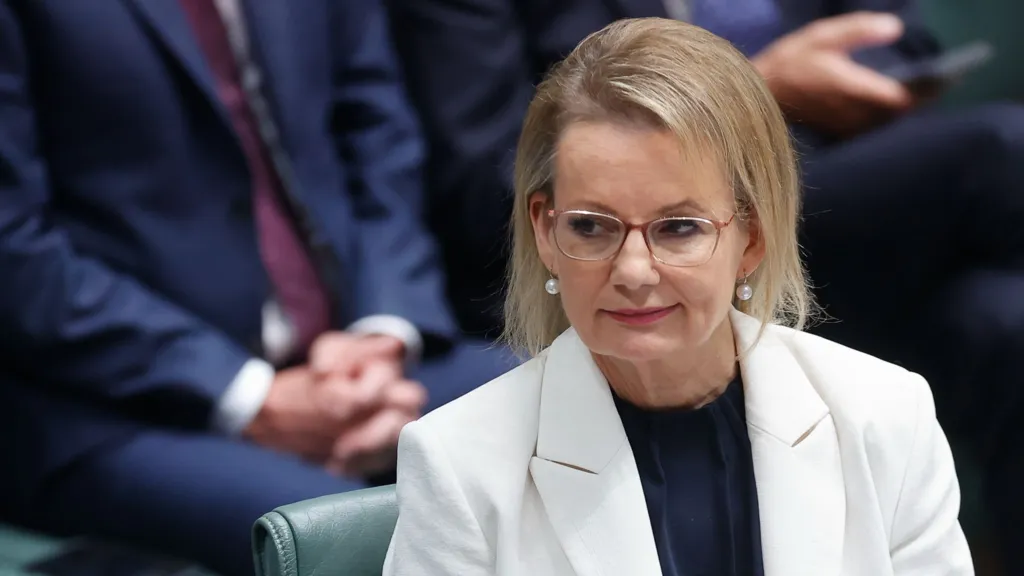
Australian Politics Faces Questions Over Gender Equality Amid Sussan Ley’s Appointment
-
 News8 hours ago
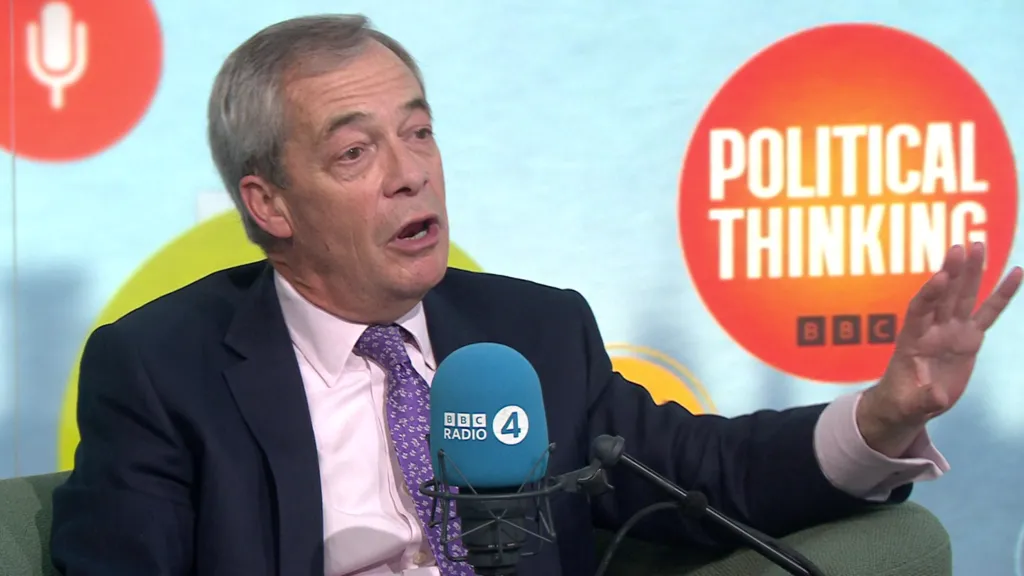
Farage Says Reform to Replace Traditional Tory Party
-
 News8 hours ago
Wrexham Pair Seek Win Against Former Team Ipswich
-
 News13 hours ago
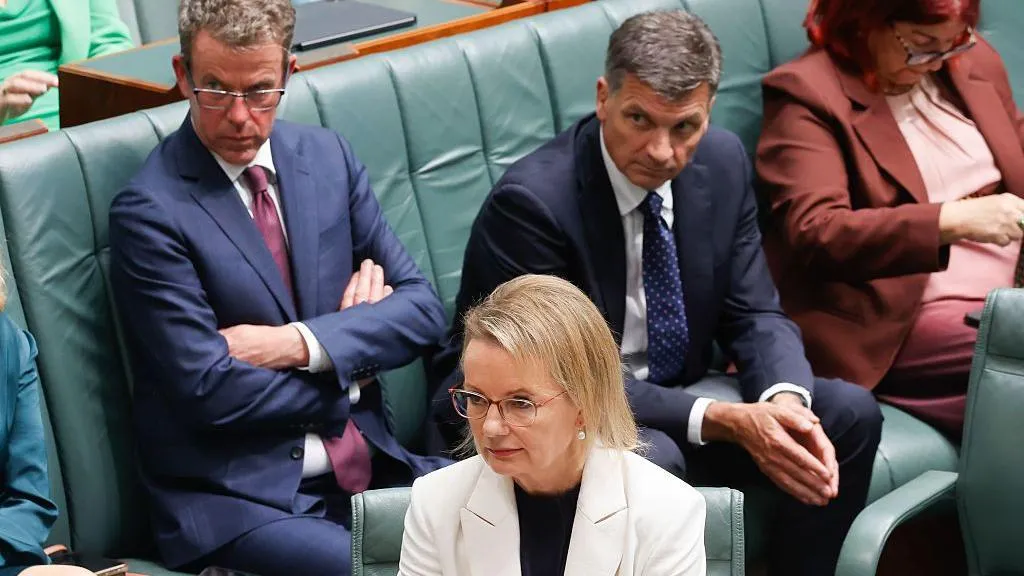
Liberal Party Removes Australia’s First Female Leader
-
 News11 hours ago
UK Braces for Cold Snap with Snow and Ice Alerts Expected
-
 News8 hours ago
Husband’s alleged £600k theft for sex and antiques blamed on drug side effects
-
 News2 days ago
Sunbed ads spreading harmful misinformation to young people
-
 Business14 hours ago
BBC Reporter Exposed to Cyber Attack Due to Vulnerabilities in AI Coding Tool