
Northern Ireland
Average acre of land in NI exceeds £15,000
In Northern Ireland, a decline in land values was observed in only one county during the year 2025.
The Irish Farmers' Journal's latest annual survey reveals that average farmland prices in Northern Ireland have hit a new all-time high, marking a significant milestone for the region's agricultural sector.
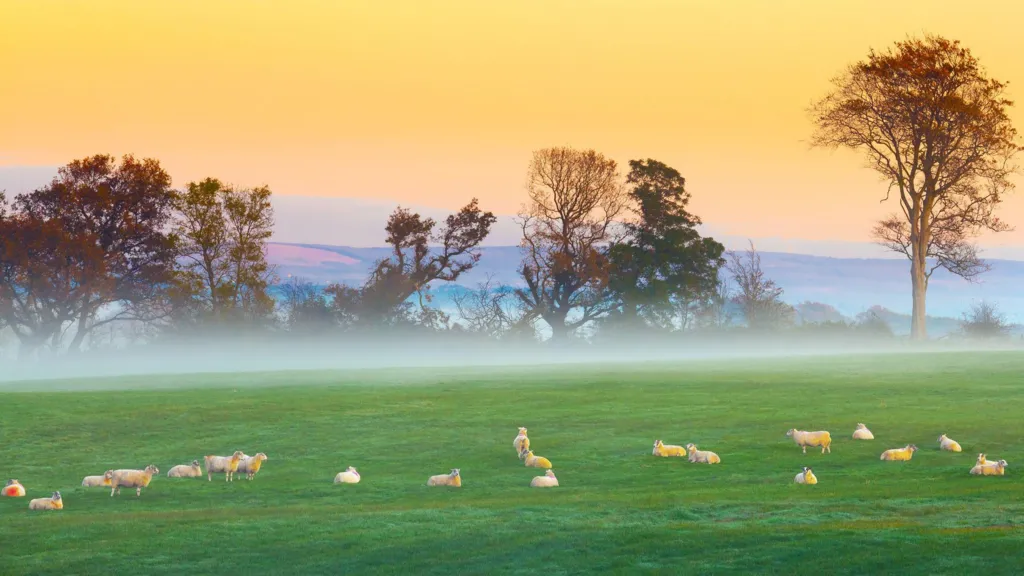
As of 2025, the average cost of an acre of land has surpassed £15,000 for the first time, with a recorded price of £15,202 per acre.
A total of four counties – Armagh, Antrim, Tyrone, and Fermanagh – have achieved record-breaking prices, while Down and Londonderry have seen their second-highest values to date, with County Armagh emerging as the most expensive location on the island of Ireland, boasting an average price of £22,833 per acre.
This uptrend in land prices is likely to exacerbate concerns among Northern Ireland's farming community about the potential impact of Inheritance Tax on their land holdings.
County Armagh continues to lead the rankings, solidifying its position as a prime location for land purchases.
In contrast, County Down experienced a slight decline in average prices, dropping to £19,109 per acre, making it the only region to record a decrease.
Land prices in County Tyrone saw a substantial increase of 24%, reaching a high of £17,578 per acre.
Antrim's average price reached £15,009, while Derry achieved its second-highest price ever, at £12,623 per acre.
County Fermanagh remains the most affordable location for land purchases in Northern Ireland, with an average price of £10,380 per acre, representing a 17% increase.
The survey's findings are based on 157 transactions, covering a total of 6,200 acres of land.
At the higher end of the market, the top quarter of sales averaged £27,232 per acre, indicating an increase of £4,450 compared to the previous year.
The survey also noted a decrease in the quantity of land available for sale compared to 2024.
In 2025, a total of 12,994 acres and 469 agricultural properties were publicly advertised for sale, resulting in an average lot size of 28 acres.
Northern Ireland's counties occupy four of the top ten spots for land prices on the island of Ireland.
The average land price in Northern Ireland significantly exceeds that of the Republic, where an acre of land costs approximately €12,876.
Farmer Fergal Watson, who operates a large cattle and cereal farm on the Ards peninsula in County Down, is among those expressing concerns about the high cost of land.
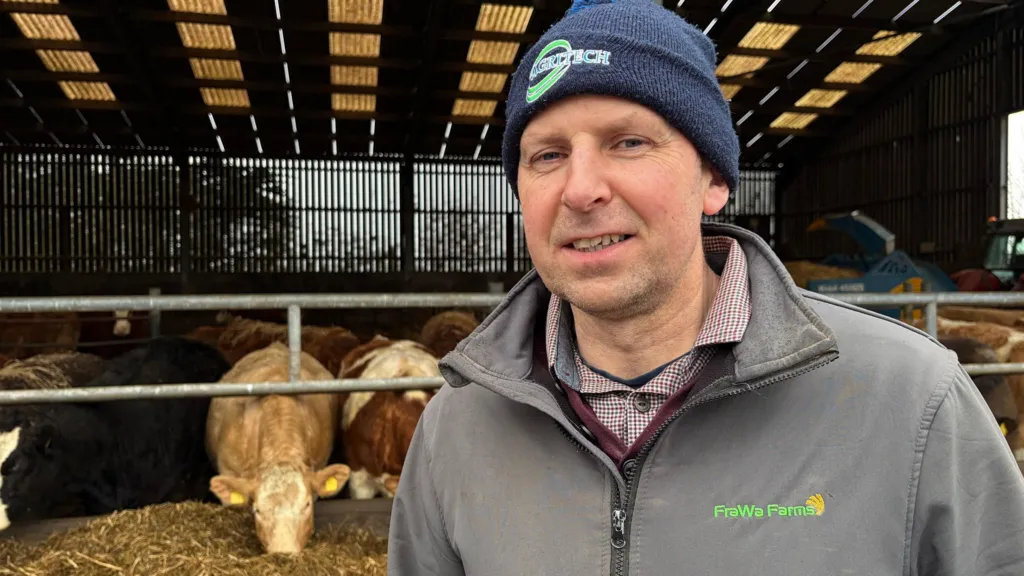
Watson remarked to BBC News NI that while high land prices may appear beneficial on paper, they can have a detrimental effect in reality, as farmers may be "asset rich, but cash poor".
He emphasized that inflated land prices can lead to substantial Inheritance Tax liabilities, making farmers appear more affluent than they actually are.
Watson warned that the future of Northern Ireland's agricultural industry may be at risk if land prices remain unaffordable for farmers.
He noted that the farming industry often fails to generate sufficient returns to enable farmers to purchase land, putting the sector's long-term viability in jeopardy.
Watson explained that farming typically does not provide enough financial returns to justify land purchases, making it challenging for farmers to acquire land.
He stated that the high cost of land has made it difficult for genuine farmers, particularly young ones, to enter the market.
Watson pointed out that young farmers, in particular, face significant obstacles in purchasing land, as they "simply don't stand a chance" in the current market.
The limited availability of land in Northern Ireland, combined with the infrequent sale of farmland, contributes to the high demand and prices.
Small parcels of land can attract multiple buyers, leading to competitive bidding and further driving up prices.
Additionally, the presence of disused sheds or suitable slurry storage on a plot can significantly impact local market prices, given the strict planning restrictions for farmyard buildings.
The 3% increase in land values over the past year highlights the exposure of Northern Ireland's farms to Inheritance Tax, despite the increased thresholds in 2025.
With land thresholds fixed until 2031, it is likely that land values will continue to appreciate, further exacerbating the issue.
According to Peter McCann of the Irish Farmers' Journal, the limited supply of land entering the market is a primary factor driving up prices.
McCann noted that the opportunity for a farmer to purchase land adjacent to their existing farm is a rare occurrence, potentially happening only once in a generation.
He emphasized that, given current regulations and restrictions, land has become a crucial factor in enabling farmers to expand their operations.
Despite the uncertainty that prevailed throughout most of 2025, McCann observed that the market has continued to push forward, with notable resilience.
News
Treasury allocates £400m to Executive to balance departmental budgets
Northern Ireland Minister Matthew Patrick has announced that the Treasury is providing a one-time allocation from its reserves to safeguard public services.
The UK government has announced that it will provide the Stormont Executive with £400m in funding this year to help departments manage their budgets, according to a recent statement.
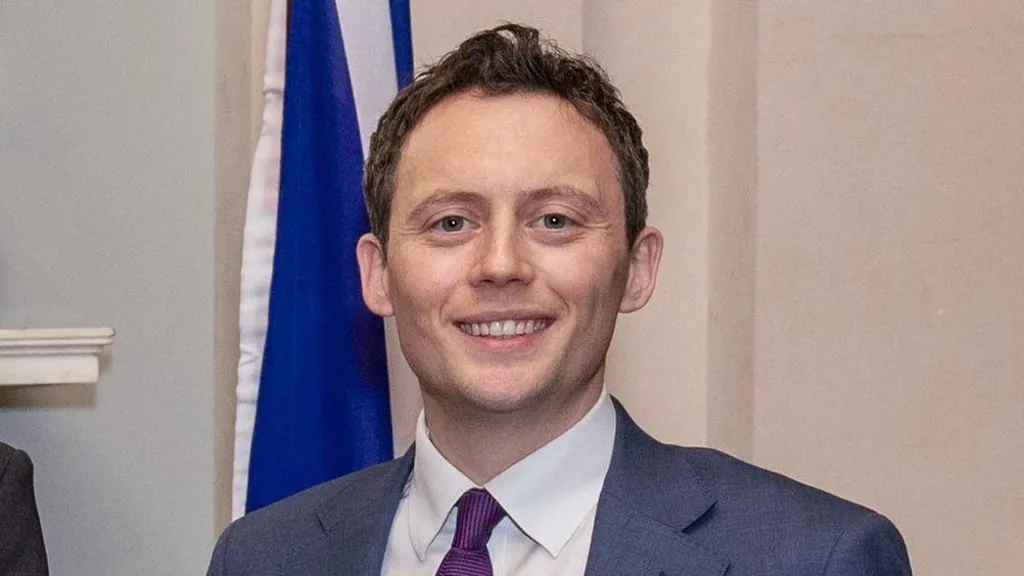
An estimated overspend of approximately £400m had been forecast by Stormont's Finance Minister, John O'Dowd, with the health and education sectors facing the most significant financial pressures.
Previously, the government had emphasized the importance of the Executive operating within its existing budget allocation.
However, on Wednesday, Northern Ireland Minister Matthew Patrick revealed that the Treasury has approved a one-off reserve claim to safeguard public services, which will be repaid over a three-year period.
A reserve claim is a mechanism that allows for access to a Treasury fund designated for covering unexpected and unavoidable expenditure that cannot be afforded within existing budgets.
It is believed that the Treasury extended this offer to the Executive late last month.
During Northern Ireland questions in the Commons, Matthew Patrick informed Democratic Unionist Party (DUP) leader Gavin Robinson that the government had given its approval for the reserve claim.
Patrick characterized this decision as "exceptional" and stated that it would be accompanied by a thorough review of departmental spending, referred to as an "open book exercise".
Gavin Robinson noted that his party's efforts had led to a reevaluation of the initial figure, which had subsequently "doubled and rightly so".
In a subsequent statement, Robinson described the £400m in funding as "exceptional" and providing "vital short-term flexibility", but cautioned that it would not address underlying systemic issues.
Robinson emphasized the need for accountability in public spending, arguing that the previous year's expenditure should not automatically serve as the starting point for the current year.
He also called for comprehensive reform within the Civil Service, citing concerns such as low expertise, high sickness levels, and unacceptable vacancy and temporary promotion rates.
The allocation of the £400m has not been finalized, but the health and education ministers have consistently warned that their departments are at risk of exceeding their budgets due to various pressures, including public sector pay and staffing costs.
A request for comment has been made to the Department of Finance.
News
Asbestos warning issued after major fire at abandoned building
A fire occurred on Kilrea Road in the Upperlands area of Maghera.
In County Londonderry, a fire is currently raging at a building within an old linen mill complex, prompting local residents to seal their homes by closing windows and doors as a precautionary measure.
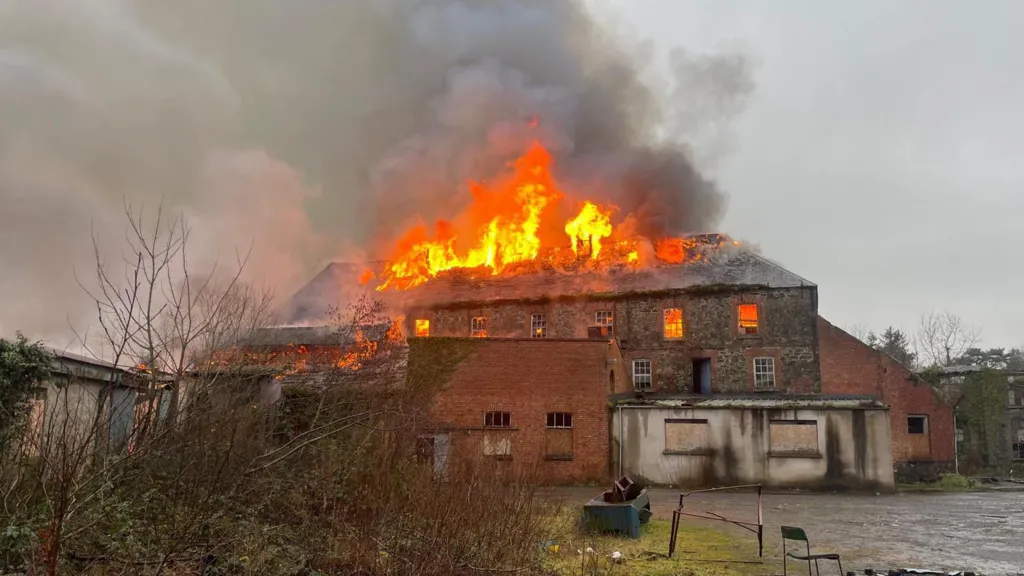
On Wednesday, at 09:06 GMT, the Northern Ireland Fire and Rescue Service received a report of a fire at a location on the Kilrea Road, near Maghera in Upperlands.
Emergency responders have deployed multiple fire engines and a water tanker to combat the blaze.
According to the Police Service of Northern Ireland, the fire service has detected asbestos in the affected building, leading to advisories for nearby residents to keep their windows and doors closed as a safety precaution.
Authorities are urging the public to steer clear of the area surrounding the fire.
The situation remains active and ongoing.
Notably, the site of the current fire is also home to the William Clark and Sons textile plant, which suffered a similar incident in 2017; the company's history dates back to 1736.
Ulster Architectural Heritage has expressed concern over the loss of another significant part of the B1 listed textile factory complex, describing it as a further erosion of the region's industrial heritage.
A spokesperson for the organization emphasized the need to protect and preserve the region's historic industrial sites, stating that this incident highlights the importance of safeguarding such heritage.
Entertainment And Arts
Ireland introduces world’s first basic income scheme for artists
The Basic Income for Artists initiative is reportedly the world’s inaugural permanent program of its kind.
The Irish government is set to introduce a financial support scheme for artists, providing a weekly stipend of €325 (£283) to help them pursue their creative work.

According to Ireland's Culture Minister, Patrick O'Donovan, the Basic Income for the Arts initiative makes the country a pioneer in artist support, offering a permanent solution that is reportedly the first of its kind worldwide.
A total of 2,000 artists will be chosen to participate in the scheme, which will commence after the application process opens in May, with each recipient receiving the weekly payment for a period of three years.
This permanent initiative follows a pilot program launched in 2022, aimed at revitalizing the arts and culture sector in the aftermath of the Covid-19 pandemic.
Minister O'Donovan highlighted the pilot's success, noting that every €1 (£0.87) invested yielded a return of €1.39 (£1.21), while also enabling artists to focus more on their craft and improving their overall well-being.
The Culture Minister described the permanent scheme as a significant achievement, designed to support the long-term careers of selected artists and retain their talent within the arts sector.
O'Donovan emphasized that research on the pilot program consistently showed its positive impact on recipients, as well as the challenges artists face in Ireland due to financial insecurity.
He urged artists from across the country to apply, ensuring that the selected participants represent a diverse range of artistic disciplines and practices.
Ireland's Department of Culture has announced that the 2,000 available spots will be filled through an anonymous random selection process, giving each applicant an equal opportunity to be chosen.
The department will release detailed application guidelines in April, outlining the eligibility criteria, which will be used to assess applicants.
To be eligible, artists must meet specific requirements, which will be outlined in the forthcoming guidelines.
Although the department anticipates a large number of applications, it notes that not all eligible artists can be funded, but those who are not selected in 2026 will have the opportunity to reapply in 2029.
-
 News11 hours ago
Australian Politics Faces Questions Over Gender Equality Amid Sussan Ley’s Appointment
-
 News8 hours ago
Farage Says Reform to Replace Traditional Tory Party
-
 News8 hours ago
Wrexham Pair Seek Win Against Former Team Ipswich
-
 News13 hours ago
Liberal Party Removes Australia’s First Female Leader
-
 News11 hours ago
UK Braces for Cold Snap with Snow and Ice Alerts Expected
-
 News8 hours ago
Husband’s alleged £600k theft for sex and antiques blamed on drug side effects
-
 News2 days ago
Sunbed ads spreading harmful misinformation to young people
-
 Business14 hours ago
BBC Reporter Exposed to Cyber Attack Due to Vulnerabilities in AI Coding Tool