
News
Sunbed ads spreading harmful misinformation to young people
An investigation by the BBC has uncovered hundreds of advertisements on social media platforms, including TikTok, Instagram, and Facebook, that contain misleading assertions regarding health benefits.
An investigation by the BBC has uncovered that tanning companies are disseminating misinformation on social media, claiming that sunbeds have health benefits during the winter months.
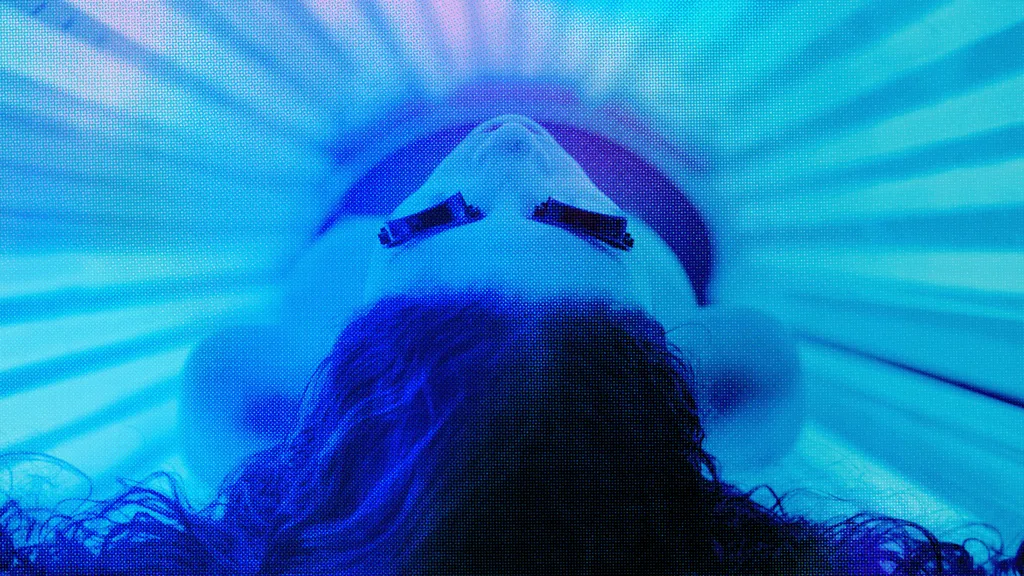
Hundreds of advertisements have been identified on social media platforms, including TikTok, Instagram, and Facebook, which assert that sunbeds can enhance energy levels, treat skin conditions, and alleviate mental health issues.
Some claims suggest that using a sunbed for a short duration, such as eight minutes, can prevent illnesses like the common cold and flu, while others propose that UV rays can stimulate the thyroid gland to aid in weight loss.
The government has deemed these claims "irresponsible" and "potentially harmful," while an NHS dermatologist has expressed concern over the widespread dissemination of sunbed misinformation on social media, describing it as "genuinely terrifying."
This discovery comes on the heels of the Advertising Standards Authority (ASA) banning six tanning advertisements for making unsubstantiated health claims and suggesting that sunbeds are safe to use.
Medical professionals and cancer charities have consistently warned about the risks associated with sunbed use, citing the increased risk of melanoma and other skin cancers.
According to the World Health Organization (WHO), individuals who use sunbeds before the age of 35 are 59% more likely to develop melanoma later in life.
The Sunbed Association, which represents a significant portion of the UK's tanning industry, has responded by stating that the ASA and WHO are relying on outdated data, while advising its members to refrain from making medical claims in their advertising.
A recent survey conducted by YouGov in 2025 found that young people are the primary users of sunbeds in the UK, with approximately one in seven 18-to-24-year-olds reporting sunbed use in the past year, which is double the average for all age groups.
Furthermore, nearly a quarter of individuals under the age of 25 mistakenly believe that sunbeds can reduce the risk of skin cancer, according to other data.
Kass Barker, who was diagnosed with melanoma at the age of 22, suspects that her sunbed use may have contributed to her increased risk of developing the disease.
Although she cannot determine the exact cause of her cancer, Barker believes that sunbeds may have played a role in her diagnosis.
Barker and her friends would often use sunbeds, claiming they needed to get "a few minutes of vitamin D."
However, the NHS explicitly states that sunbeds should not be used for this purpose.
Cancer charities have expressed concern that misleading health information is being disseminated online without being challenged or corrected.
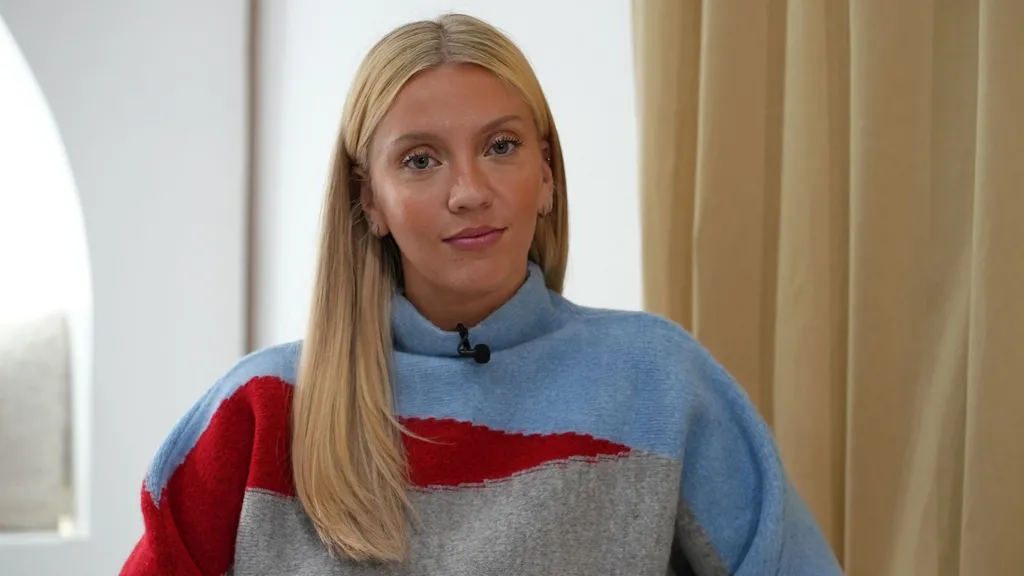
Rosie Vare, health information manager at the Teenage Cancer Trust, notes that numerous social media videos are perpetuating misinformation and encouraging the use of sunbeds, which have been proven to cause cancer.
Vare advises young people to critically evaluate the sources of information they encounter online and consider the credibility of the authors.
In January, the BBC conducted a search of TikTok, Instagram, and Facebook for videos related to winter tanning and examined the online presence of sunbed companies in the UK.
The investigation uncovered over 200 separate advertisements making unsubstantiated health claims, most of which were posted by individual salons or smaller chains.
One widely popular video on TikTok, which received 18,000 likes, falsely claimed that doctors prescribe sunbeds for various health issues, including vitamin D deficiency, seasonal depression, and skin disorders.
Vitamin D is naturally produced in the body through sun exposure or consumption of certain foods.
While some sunbeds may emit UVB rays, which can be converted into vitamin D, the WHO emphasizes that sunbeds are not an efficient means of producing this nutrient, and the NHS recommends alternative methods, such as a healthy diet or supplements.
The British Association of Dermatologists and other medical specialists strongly advise against using commercial sunbeds to treat skin conditions.
Certain light therapies are used in medical settings to treat conditions like eczema, psoriasis, and acne, but these therapies involve precisely controlled UV rays administered under strict medical supervision.
The BBC discovered additional Instagram videos claiming that sunbeds can aid in weight loss and increase serotonin levels to treat mood disorders and depression.
The Obesity Health Alliance has denounced the suggestion that tanning beds can trigger weight loss, while the mental health charity Mind has labeled claims that sunbeds can treat anxiety or seasonal affective disorder as "irresponsible and harmful."
Dr. Amy Perkins, an NHS dermatologist, has expressed alarm over the widespread dissemination of misinformation on social media, describing it as "genuinely terrifying" and emphasizing the significance of this issue due to the rising number of skin cancer diagnoses.
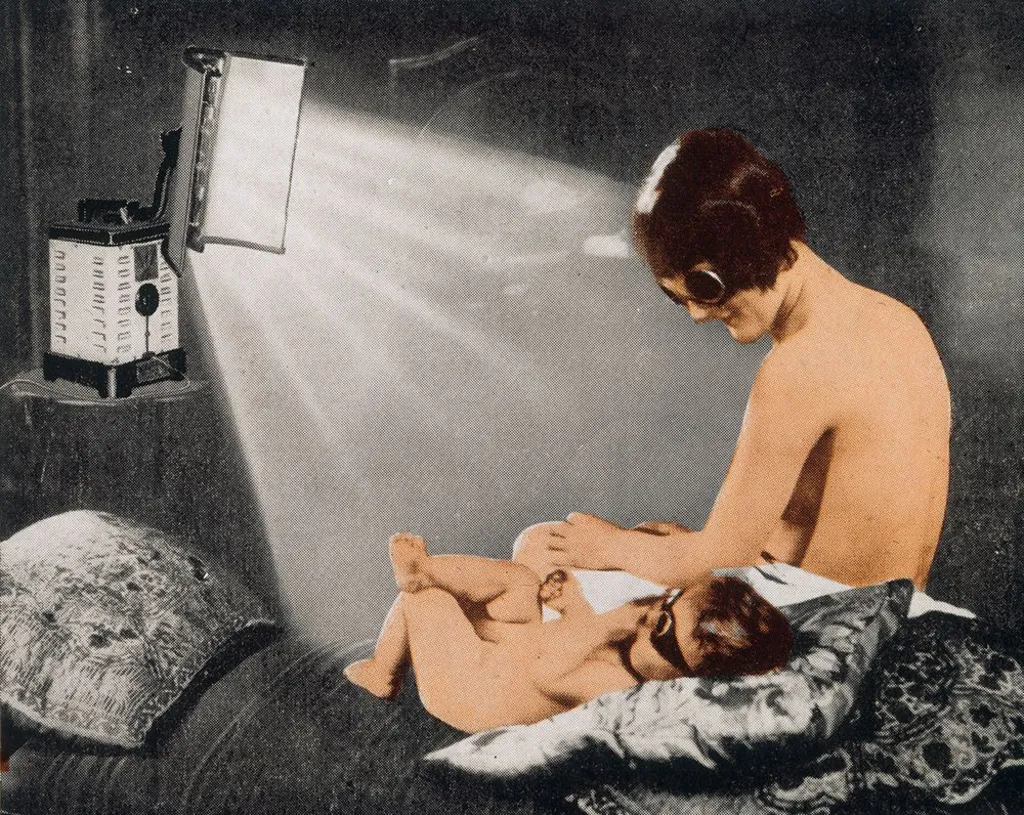
The increasing incidence of skin cancer has a substantial impact on healthcare services, with the number of diagnoses rising year-over-year.
Other online advertisements have suggested that the health risks associated with sunbeds are exaggerated or that tanning sessions are safe and low-risk.
A survey conducted by the charity Melanoma Focus found that approximately 23% of 18-25-year-olds incorrectly believe that sunbed use decreases the risk of skin cancer.
In contrast, the WHO has categorized tanning beds as high-risk cancer-causing agents, alongside smoking, asbestos, and alcohol.
According to Cancer Research UK, nearly nine out of ten melanoma cases in the UK can be prevented by adopting sun-safe practices and avoiding sunbeds.
The British Association of Dermatologists, which advocates for a complete ban on sunbeds, estimates that these devices are responsible for approximately 100 deaths per year.
Since the early 1990s, the number of melanoma cases in the UK has increased by approximately 250%.
Although the rise in melanoma cases is primarily observed in older age groups, roughly 1,000 individuals under the age of 30 are diagnosed with skin cancer each year, with higher rates among young women.
The ASA is currently developing new guidelines for tanning salons, scheduled to be released in March.
The ASA's regulatory projects manager, Jess Tye, emphasizes that the primary message to the industry is to refrain from claiming that sunbeds are safe, provide health benefits, or can be used to treat medical conditions.
Sunbeds are legal and regulated in the UK, with restrictions on the strength of UV light emitted and a ban on under-18s using the devices.
The government has announced plans to tighten regulations in England, including stricter ID checks and mandatory health warnings in salons, which are already in place in other parts of the UK.
According to the Sunbed Association, its members are trained to screen out high-risk customers with very fair skin, and under their guidelines, no individual should be allowed to purchase more than 60 sessions per year.
According to Chairman Gary Lipman, the organization advises its members to refrain from making claims about health benefits.
Lipman emphasizes that the primary focus of tanning salons is to provide a tanning service, rather than offer medical advice, and some claims made by the industry may be exaggerated.
The association contests the notion that sunbeds pose significant health risks, arguing that stricter regulations have improved customer safety and that health organizations and the ASA have overstated the dangers.
The association references research, including a 2024 study by the University of Edinburgh, which suggests that exposure to UV rays, whether from sunbeds or natural sunlight, may be associated with a reduced risk of mortality from heart disease or cancer.
However, medical experts, including dermatologists and cancer specialists, have disputed the industry's interpretation of this research, and the ASA has ruled that it should not be used to imply that sunbeds have health benefits, a decision made in the previous year.
News
GB men’s curling team suffers upset defeat to Italy
At the 2026 Winter Olympics, Great Britain’s men’s curling team mounted a comeback against Italy following a disappointing beginning, ultimately falling short in their inaugural match.
Despite a valiant comeback, Team GB ultimately fell short as Italy held their composure to secure the win in the final end.
A dismal start to the match proved costly for Team GB's men, as they suffered their first defeat of the Winter Olympics at the hands of host nation Italy, despite a spirited fightback in the packed Cortina Curling Stadium.
Following victories in their first two matches, including a win over the Swedish rink that beat them in the gold-medal match four years ago, Team GB entered their second high-profile encounter in as many days in a confident position.
However, a disastrous opening end, in which Italy stole four points, left Team GB trailing and facing an uphill battle in front of a boisterous home crowd.
The British team, currently ranked number one in the world, gradually regained their footing and managed to level the score by the ninth end.
Ultimately, Italy maintained their composure in the final end to emerge victorious, winning 9-7 and adding Team GB to their list of scalps, which already included the Swedes.
"We had to dig deep and play some solid curling, but unfortunately, it wasn't enough to get us over the line," Team GB lead Hammy McMillan said in an interview with BBC Sport.
With seven wins from nine round-robin matches guaranteeing a spot in the semi-finals, Team GB remains in a strong position, although fewer wins may still be sufficient to advance.
The women's team is set to take to the ice next, facing South Korea in their second match at 13:05 GMT, while the men will return to action on Saturday against the Czech Republic at the same time.
Team GB is at the forefront of curling's technological advancements.
Embracing what sets you apart can be a powerful asset, according to some athletes.
A daily guide to the Winter Olympics is available for those looking to stay up-to-date with the action.
The looks of shock on the faces of Team GB's curlers told the story of a disastrous opening end.
With a stone in play, Mouat attempted a risky shot in an effort to claim two points, but it backfired, resulting in none of Team GB's stones in the house and four Italian stones in position.
However, the Scottish quartet, ranked number one in the world, quickly regained their composure and got back to their game.
The teams exchanged singles before a impressive final throw by Mouat, aided by a measurement to determine which stone was closest to the button, allowed Team GB to claim two points and narrow the gap to 5-3.
Another excellent team effort, which included a well-judged throw by Mouat, a solid sweep by Hammy McMillan and Bobby Lammie, and Grant Hardie's strategic expertise, forced Italy to concede a point in the fourth end, reducing the deficit to a single point at the break.
Italy blanked the sixth end and added two points in the seventh to rebuild their lead, but Team GB fought back with two points of their own, remarkably levelling the score with one end remaining after a steal.
The match came down to the final end, but Italy held their nerve to secure the win, prompting a deafening roar from the crowd.
"It's an incredible experience, and we need to get used to it," McMillan added, describing the electric atmosphere as "surreal" and "cool," more akin to a football match than a typical curling crowd.
News
Scotland Kicks Off Nations League Against Slovenia
Uefa has released the schedule for the Nations League, with Scotland set to begin their campaign on 26 September with an away match against Slovenia.
Uefa has released the schedule for the Nations League, with Scotland's campaign set to begin on 26 September with an away match against Slovenia.
The team's six group stage games will be played within a three-month period, culminating in a match against Switzerland on 16 November.
The fixture list was announced following Thursday's draw, which placed Scotland in a group with Switzerland, Slovenia, and North Macedonia.
Having been relegated from League A after a play-off loss to Greece last year, Scotland will compete in the second tier of the Nations League this year.
In response to the draw, head coach Steve Clarke noted that the teams in the group appear to be evenly matched.
Clarke reflected on the team's past experience in the competition, stating that it has been beneficial for Scotland.
He emphasized the importance of the Nations League, citing its role in helping the team qualify for Euro 2020, and anticipated a challenging set of matches.
A key matchup in the Nations League will see Scotland face off against Switzerland.
The group stage will determine the teams' fates, with the winner earning promotion, the runner-up entering a play-off, the third-placed team facing a relegation play-off, and the fourth-placed team being relegated directly.
The upcoming group games will mark a reunion for Scotland and Switzerland, who previously drew 1-1 in Cologne at Euro 2024.
Scotland's last encounter with Slovenia was during the 2018 World Cup qualification campaign, when they won 1-0 at home and drew 2-2 away.
The team has not played North Macedonia since the 2014 World Cup qualifiers, when they drew 1-1 at home and won 2-1 away, with goals from Ikechi Anya and Shaun Maloney.
The schedule for Scotland's Nations League campaign begins on 26 September with a match against Slovenia.
The team will then host Switzerland on 29 September, followed by a trip to face North Macedonia on 3 October.
Scotland will then play Slovenia at home on 6 October, before hosting North Macedonia on 11 November.
The final group stage match will see Scotland travel to face Switzerland on 16 November.
The team's home match against North Macedonia is set for 11 November.
The campaign will conclude with an away match against Switzerland on 16 November.
News
Golfer McIlroy Sinks Bunker Shot at Pebble Beach Pro-Am
At the AT&T Pebble Beach Pro-Am in California, Rory McIlroy achieved an eagle on the 14th hole at Spyglass Hill, capping off his opening round with a score of 68.
During the AT&T Pebble Beach Pro-Am in California, Rory McIlroy achieved an eagle on the 14th hole at Spyglass Hill, contributing to his first-round score of 68.
For further information, Rory McIlroy had a solid opening round, while Hisatsune took the lead.
Access to this content is restricted to users in the United Kingdom.
-
 News8 hours ago
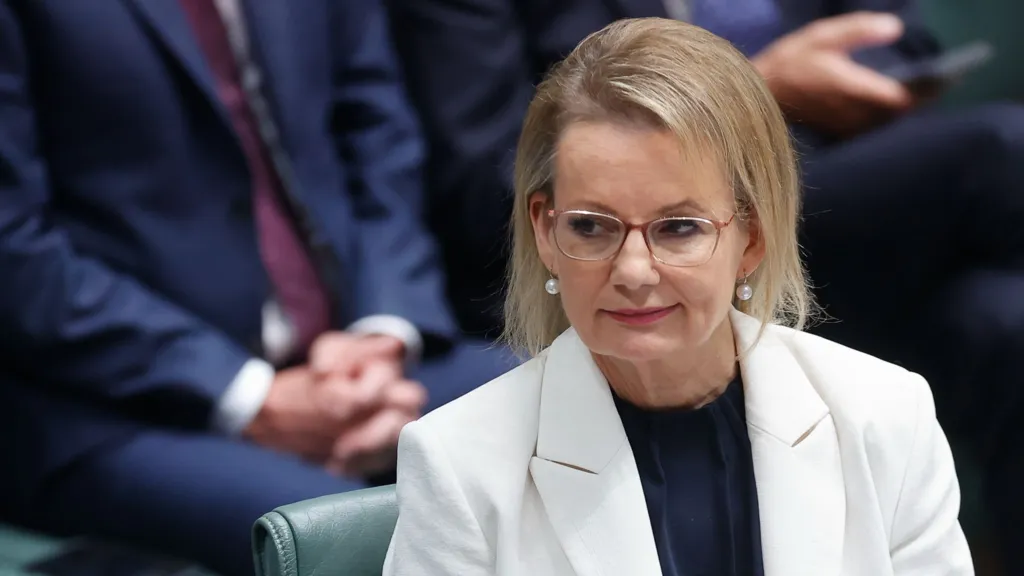
Australian Politics Faces Questions Over Gender Equality Amid Sussan Ley’s Appointment
-
 News5 hours ago
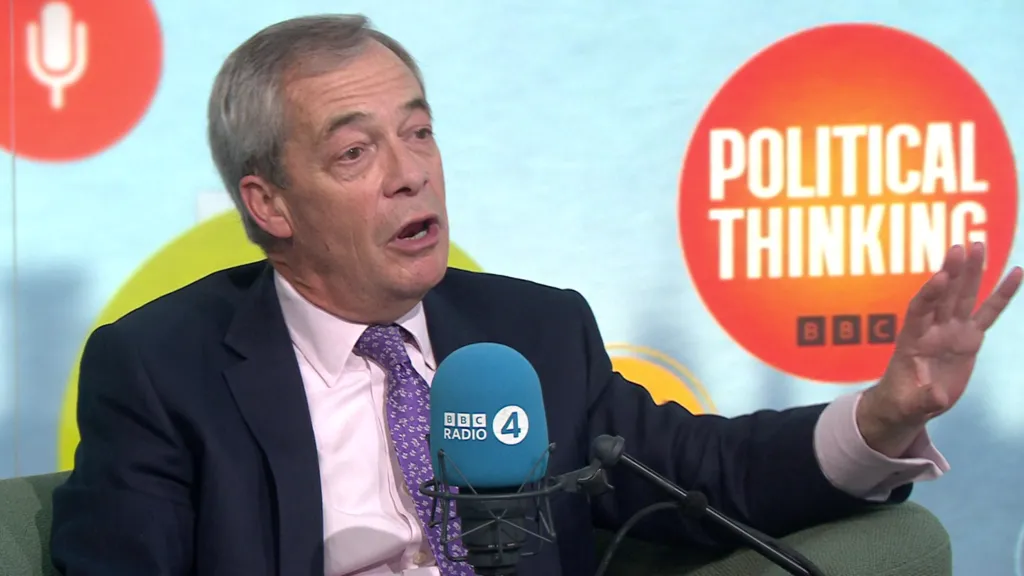
Farage Says Reform to Replace Traditional Tory Party
-
 News5 hours ago
Wrexham Pair Seek Win Against Former Team Ipswich
-
 News11 hours ago
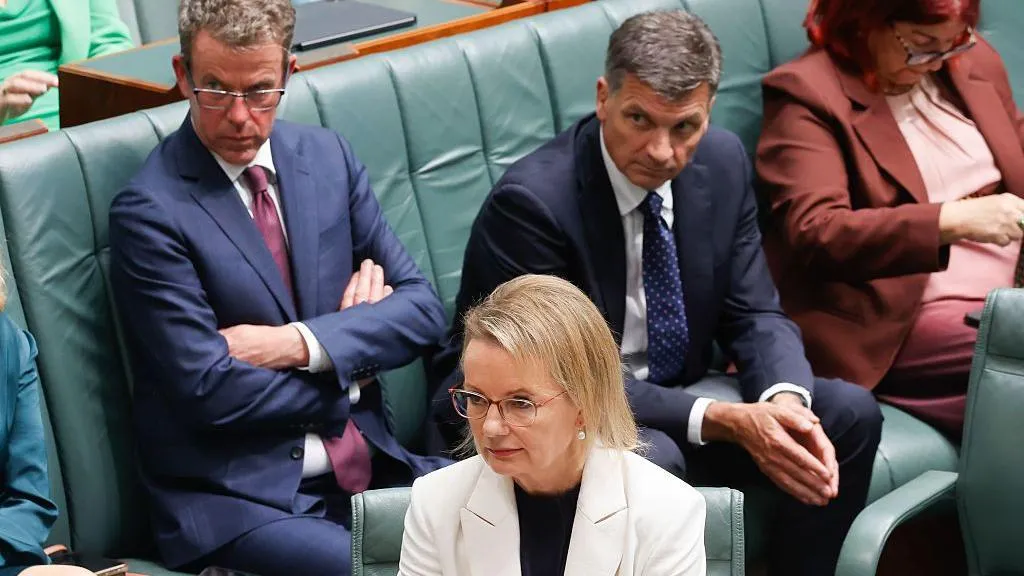
Liberal Party Removes Australia’s First Female Leader
-
 News8 hours ago
UK Braces for Cold Snap with Snow and Ice Alerts Expected
-
 News5 hours ago
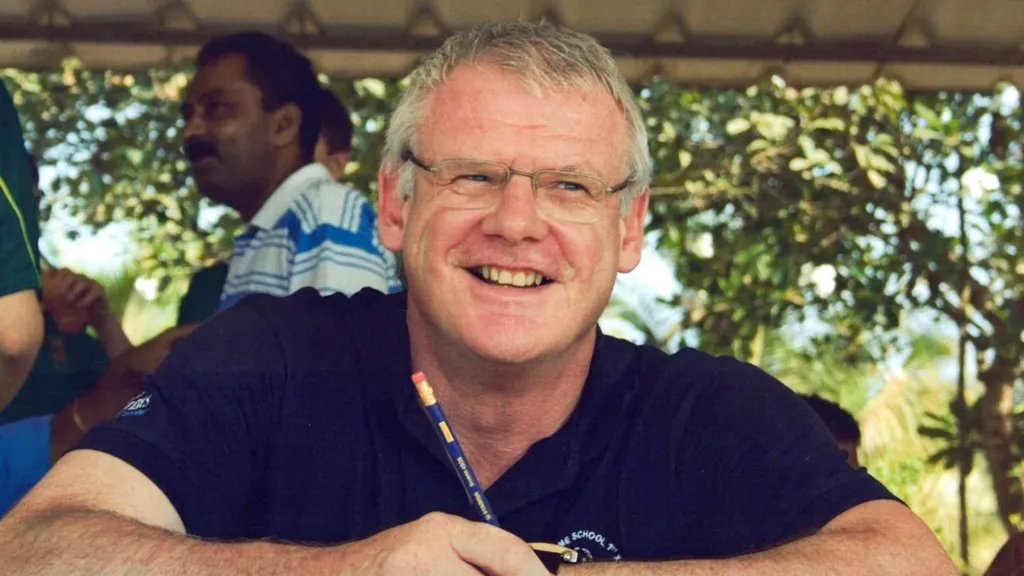
Husband’s alleged £600k theft for sex and antiques blamed on drug side effects
-
 Business11 hours ago
BBC Reporter Exposed to Cyber Attack Due to Vulnerabilities in AI Coding Tool
-
 News8 hours ago
Canadian Town Unites in Mourning After Mass Shooting Leaves Community Reeling