
England
Car crash survivor struggles with PTSD and driving
Motorists involved in crashes in Dorset and on the M25 have reported that experiencing post-traumatic stress disorder (PTSD) is making it challenging for them to drive.
It has been six years since Rebecca Rumens' life took a dramatic turn when she got into a car accident while on her way to pick up her daughter from football practice, an incident that would ultimately lead to her giving up driving.
The accident, which occurred near Bridport, resulted in Rebecca being trapped in her vehicle for two and a half hours before firefighters were able to free her.
Although Rebecca's physical injuries eventually healed, she developed post-traumatic stress disorder (PTSD), a condition that has prevented her from getting back behind the wheel and has had a profound impact on her life.
According to recent government statistics, 128,000 people were injured in road accidents in 2024, yet the Department for Transport does not collect data on the incidence of PTSD among these victims.
Rebecca vividly recalls the moment of the accident, which was caused by a driver under the influence of drugs: "I remember a bright light and an intense noise, followed by screams."
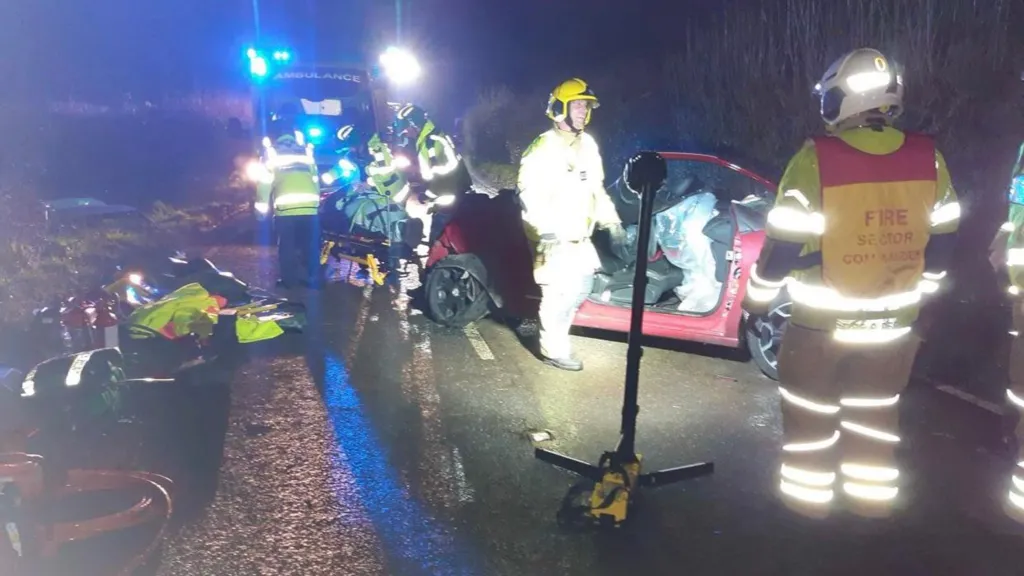
The immediate aftermath of the accident was marked by intense pain, which was then followed by an unsettling silence that left Rebecca disoriented and struggling to comprehend what had happened.
When people learn about her accident, they often comment on her good fortune in surviving, but Rebecca emphasizes that the experience has had a profound and lasting impact on her daily life.
Rebecca acknowledges the severity of her luck but notes that her life has been forever altered by the accident, which has left her struggling to cope with the trauma.
The driver responsible for the accident lost his license for 20 months, while Rebecca has been left to deal with the long-term consequences of the collision.
As a result of her PTSD, Rebecca is no longer able to drive, a fact that has significantly impacted her daily life and routines.
Simple triggers like loud noises, flashing lights, and the sound of gardening equipment can all provoke a panic attack in Rebecca, highlighting the ongoing nature of her trauma.
On some days, Rebecca's anxiety has been so overwhelming that she has been unable to open her curtains due to the fear of seeing cars pass by her window.
Planning her daily activities has become a complex task for Rebecca, who must carefully consider factors like the time of day, traffic conditions, and potential routes to avoid in order to feel safe.
The constant need to assess and mitigate potential risks has become a defining feature of Rebecca's life, as she struggles to cope with the uncertainty and fear that follows her everywhere.
Rebecca believes that there needs to be greater recognition of the lasting impact that PTSD can have on victims of road accidents, who often struggle to find support and understanding.
The flashbacks, nightmares, and feelings of shame that accompany PTSD can be particularly debilitating, as Rebecca notes that she is often told to "just get over it," a sentiment that only exacerbates her feelings of guilt and frustration.
Another victim, who we will refer to as Caroline, was involved in a collision with a lorry on the M25, an accident that has had a lasting impact on her life.
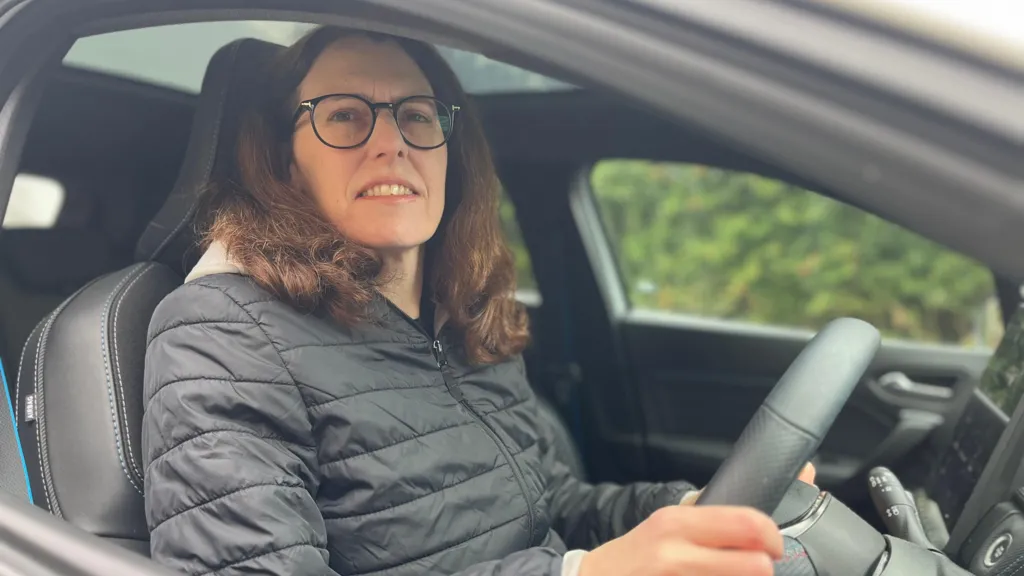
Caroline recalls the moment of the accident, which occurred when her car was clipped by the lorry, causing it to spin out of control at a speed of around 60 or 70 miles per hour.
The accident was a traumatic experience for Caroline, who was fortunate to escape without physical injury but has since struggled to cope with the psychological aftermath.
Despite walking away from the accident without a scratch, Caroline was diagnosed with PTSD, a condition that has forced her to re-evaluate her life and confront the fears and anxieties that now accompany her.
The accident has created an "alternative reality" for Caroline, who finds it difficult to reconcile her past life with the present, as she struggles to come to terms with the fact that she is no longer the carefree person she once was.
Flashbacks and avoidance have become a regular part of Caroline's life, as she navigates the challenges of living with PTSD and tries to find ways to manage her anxiety.
Even simple tasks, like going to the beach, have become daunting experiences for Caroline, who must carefully consider the potential risks and triggers that could exacerbate her condition.
The fear of driving has become a constant companion for Caroline, who must carefully plan her routes and activities to avoid triggering a panic attack.
For Caroline, the experience of getting into a car has become akin to navigating a treacherous obstacle course, as she must confront the deep-seated fears and anxieties that now accompany her every time she gets behind the wheel.
With the help of therapy and driving lessons, Caroline has been able to start driving again, although she is only able to do so during daylight hours and must carefully plan her routes to avoid triggering her anxiety.
The cost of Caroline's therapy and driving lessons has been significant, totaling over £2000, a fact that highlights the financial burden that many victims of road accidents must bear in order to access the support they need.
Caroline acknowledges the privilege of being able to afford the help she needs, recognizing that many others may not be so fortunate and may struggle to access the support and resources required to cope with the aftermath of a traumatic accident.
Dan Carter, an advanced driving skills instructor with Drivers Domain UK, runs a post-collision course designed to help victims of road accidents overcome their fears and anxieties, a program that has helped many people to regain their confidence behind the wheel.
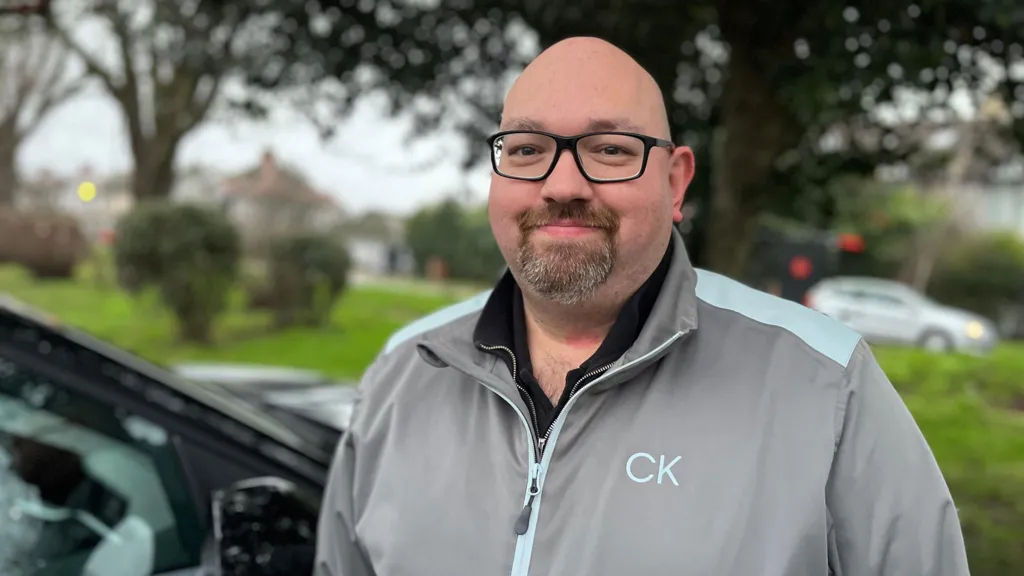
Dan notes that many of the drivers he works with have been unable to drive for years, with some having gone as long as 15 years without getting behind the wheel, a fact that highlights the profound and lasting impact of a traumatic accident.
The fear of driving can be so intense that it becomes a physiological response, with drivers experiencing symptoms like sweaty palms, a dry throat, and a racing heart, all of which can be debilitating and prevent them from driving.
As Dan explains, the fear of driving can create a range of mental and emotional barriers that prevent people from getting behind the wheel, a fact that highlights the complex and nuanced nature of PTSD.
By working through these barriers and addressing the underlying fears and anxieties, Dan's program helps drivers to regain their confidence and develop the skills and strategies needed to overcome their PTSD.
Both Rebecca and Caroline hope that by sharing their stories, they can help to raise awareness about the impact of PTSD on victims of road accidents and provide a sense of solidarity and support for those who are struggling to cope with the aftermath of a traumatic event.
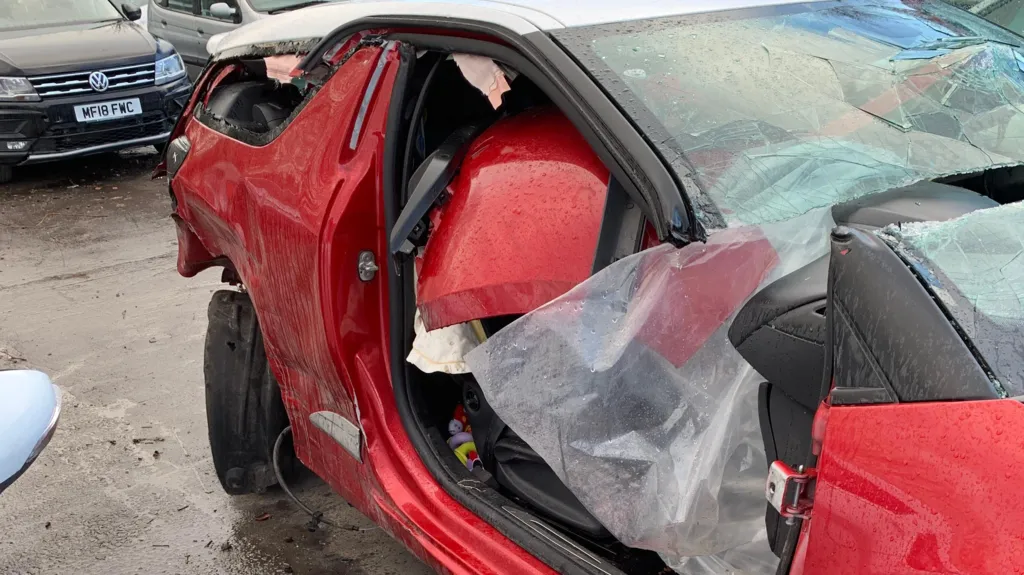
Rebecca's goal is to give a voice to the victims of road accidents, to let them know that they are not alone and that their reactions are normal and understandable, a message that she hopes will resonate with others who are struggling to come to terms with their experiences.
David Sidwick, the Dorset Police and Crime Commissioner, notes that Rebecca's story serves as a stark reminder of the lasting impact that road traffic collisions can have on victims, a fact that highlights the need for greater awareness and support.
As Commissioner Sidwick explains, the effects of a road traffic collision can be felt for a lifetime, a fact that underscores the importance of addressing the root causes of these accidents, such as reckless driving behaviors, and providing support to those who are struggling to cope with the aftermath.


England
Therapy dog Dan brings joy to care home residents
At the age of 84, John Weller found it challenging to settle into his new surroundings at a care home, but his situation improved upon meeting Dan, a golden retriever.
At the age of 84, John Weller faced difficulties adjusting to his new life in a residential home, but his outlook changed with the introduction of Dan, a friendly canine companion.
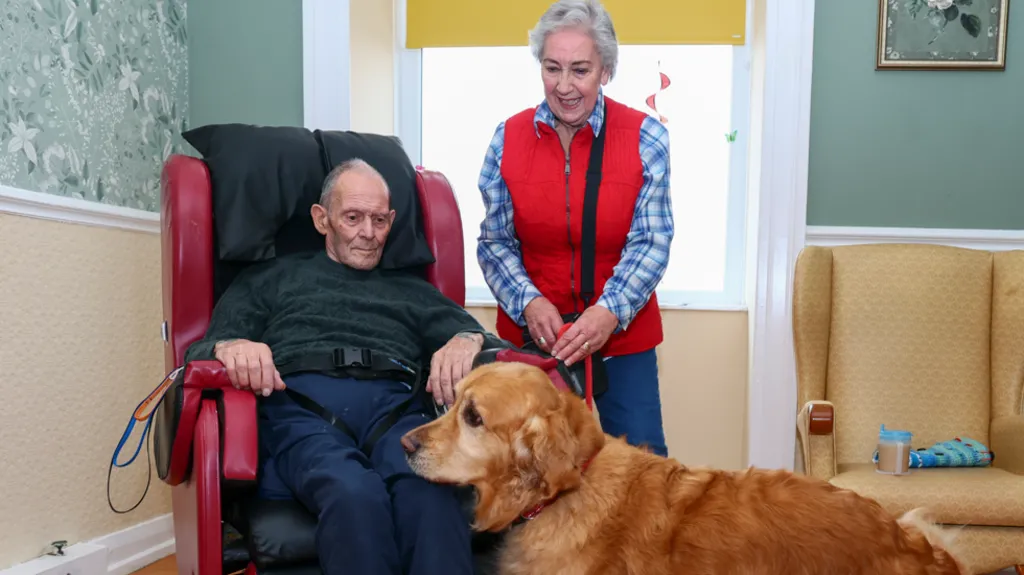
Having recently relocated to a care home in Chorley, Lancashire, Weller deeply missed his beloved pets, Rocky the miniature schnauzer and Jovi the whippet, which he had left behind.
It was observed by the care home staff that regular interactions with Dan, a golden retriever, had a profoundly positive impact on Weller's mood.
According to Weller, spending time with Dan brings him joy, and he appreciates the opportunity to stroke and feed Dan, which reminds him of his own dogs.
Weller keeps photographs of his former pets in his bedroom and often looks at them, but he also eagerly anticipates Dan's visits.
Upon his arrival at Gillibrand Hall Care Home, staff noted that Weller was experiencing a period of low mood, having had to leave behind his familiar routines and previous home.
However, as Weller formed a close bond with Dan, his confidence began to grow, and the care home staff observed that these interactions also brought back fond memories of his time with his own pets.
Dan's owner, Fiona Hill, described the dog as gentle, although occasionally lively, and noted that Dan seems to have an innate ability to respond to the needs of each resident.
The presence of Dan often evokes strong emotional responses from the residents, with some becoming tearful with joy upon his arrival, and he facilitates the sharing of stories about their own pets, which can initially be emotional but often lead to happy conversations and laughter.
As Dan's owner, Hill expressed pride in the comfort and companionship the dog provides, helping residents to open up and form connections.
The care home manager, Kathy Spencer, revealed that Dan had recently been recognized as employee of the month due to the significant positive impact he has had on residents, including Weller.

Spencer noted that Weller's mood and confidence have shown significant improvement since meeting Dan.
For Weller, the experience of pet therapy with Dan extends beyond anxiety reduction, as it allows him to reconnect with his passion for dogs and reminisce about happy memories.
The strong bond between Weller and Dan provides comfort and calm, highlighting the benefits of pet therapy in care home settings.
England
Woman sentenced to prison for murdering and dismembering partner
Anna Podedworna has received a life sentence following her conviction for the murder of Izabela Zablocka.
A woman has been sentenced to life imprisonment for murdering her partner and dismembering her body, which was then buried in a garden over 15 years ago.
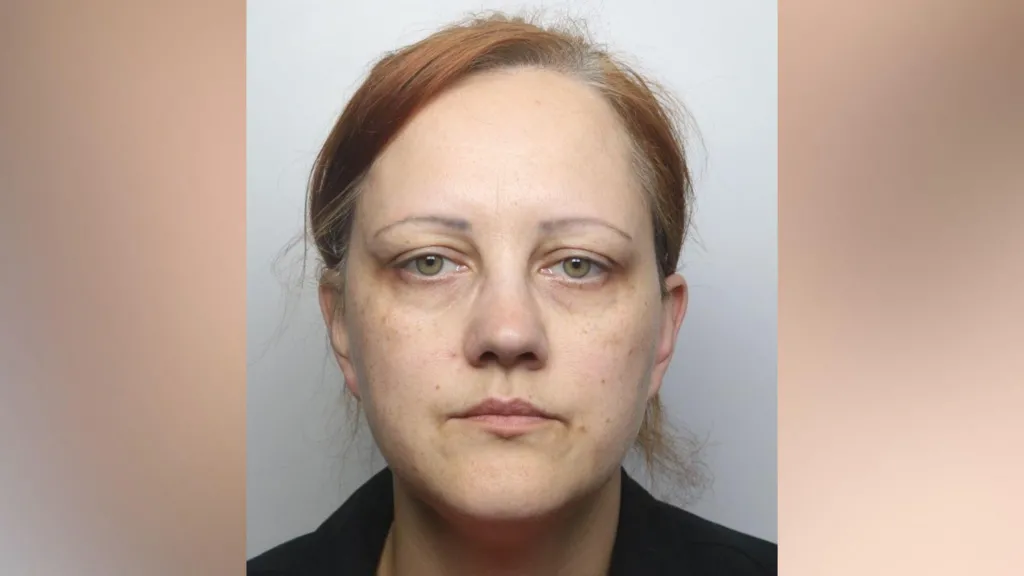
It was in 2025 that Anna Podedworna contacted Derbyshire Police, providing them with information that led to the discovery of Izabela Zablocka's remains in a house on Princes Street, Derby.
Podedworna, a 40-year-old resident of Boyer Street in Derby, had a background as a skilled butcher, but her profession did not prepare her for the severity of the crime she committed; she was found guilty of murder by a jury.
On Wednesday, at Derby Crown Court, Podedworna received a life sentence with a minimum term of 21 years for her role in Izabela Zablocka's murder.
During sentencing, Mrs Justice Williams KC noted that the evidence presented in the trial highlighted the strong family bonds Izabela shared, particularly with her mother, grandmother, and daughter Kasia.
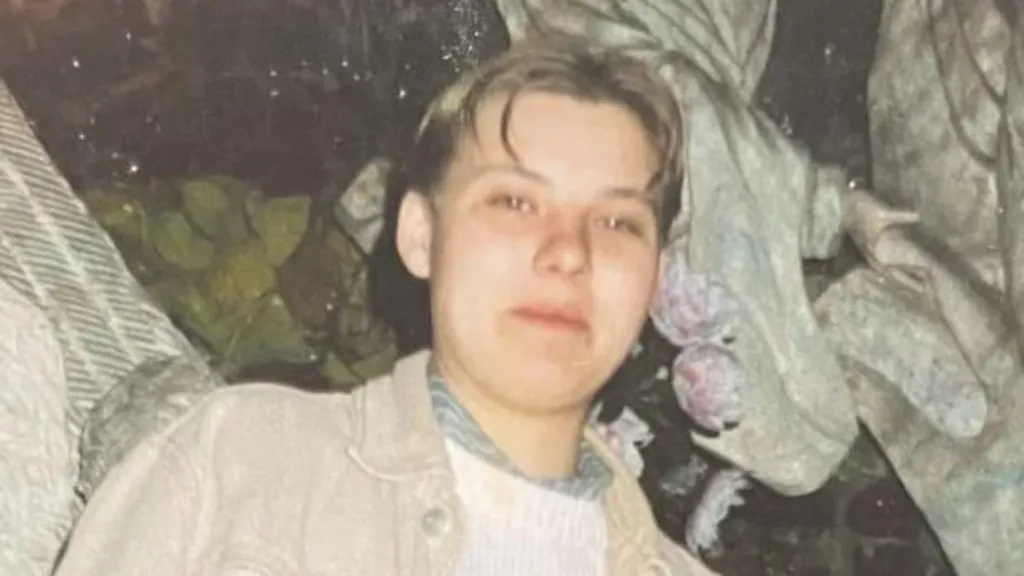
Izabela maintained regular contact with her family in Poland, but her disappearance was marked by an uncharacteristic silence, particularly when she failed to call her daughter on her 10th birthday, 4 September 2010.
The judge emphasized that Podedworna's actions had a profound impact on Kasia, who was left without a mother and struggled to understand her sudden disappearance.
The judge acknowledged the perseverance of Izabela's family, who never gave up hope of uncovering the truth behind her disappearance, and noted that without their efforts, Podedworna's crimes may have gone undetected.
Podedworna showed no remorse for her actions, and the judge rejected the idea that she deserved credit for eventually contacting the police in 2025, as this was seen as an attempt to manipulate the investigation.
Readers are warned that this article contains distressing details.
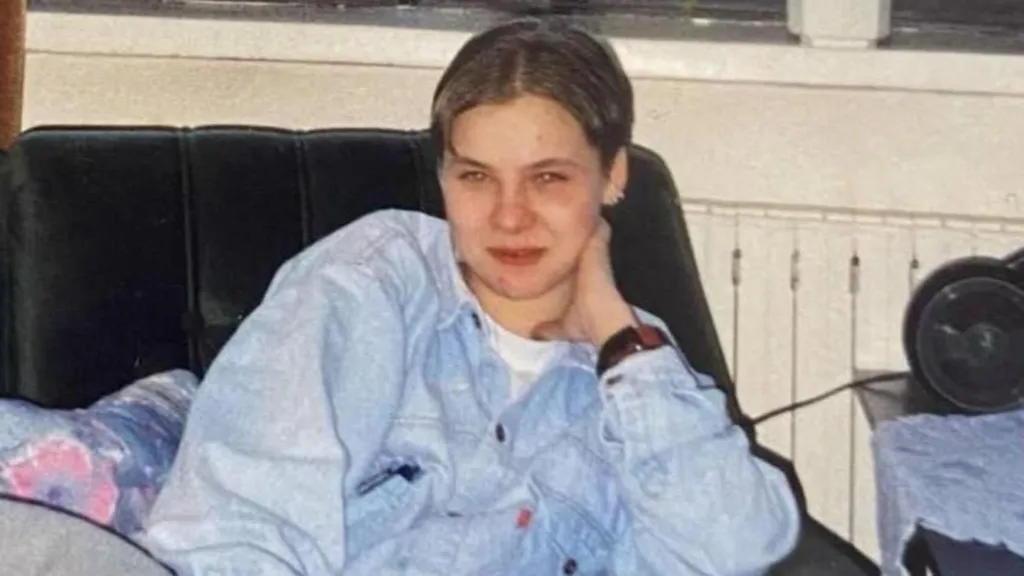
The two women had moved to the UK from Poland in search of work and lived together in the Normanton area of Derby.
The last known contact with Izabela was a phone call to her mother in Poland on 28 August 2010, after which she was never heard from again.
According to prosecutor Gordon Aspden KC, shortly after this call, Podedworna murdered Izabela, dismembering her body with a large knife.
Investigators discovered that Podedworna had previously worked as a skilled butcher, a job that involved using large knives to debone and portion turkey carcasses.
The body was then buried in the garden, and a layer of concrete was laid over the grave.
In 2025, Kasia, now an adult, approached Polish TV journalist Rafal Zalewski and asked for his help in investigating her mother's disappearance.
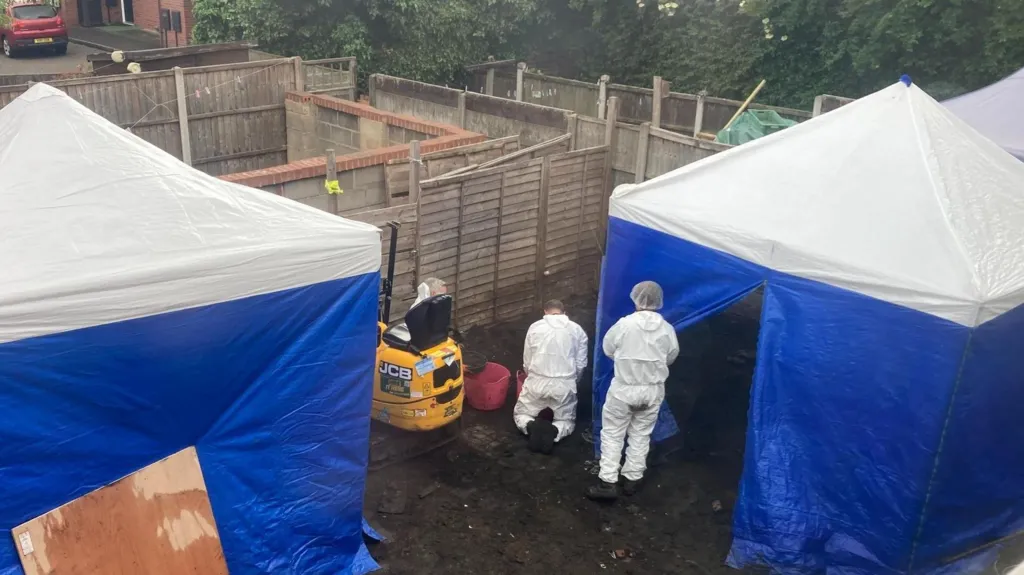
Zalewski confronted Podedworna at her home in Boyer Street, Derby, but she initially denied any knowledge of Izabela's whereabouts.
However, under mounting pressure, Podedworna eventually contacted Derbyshire Police and provided them with the location of the body.
A thorough search of the Princes Street property led to the discovery of Izabela's remains.
In a statement read out in court, Kasia described the traumatic impact of her mother's disappearance on her life.
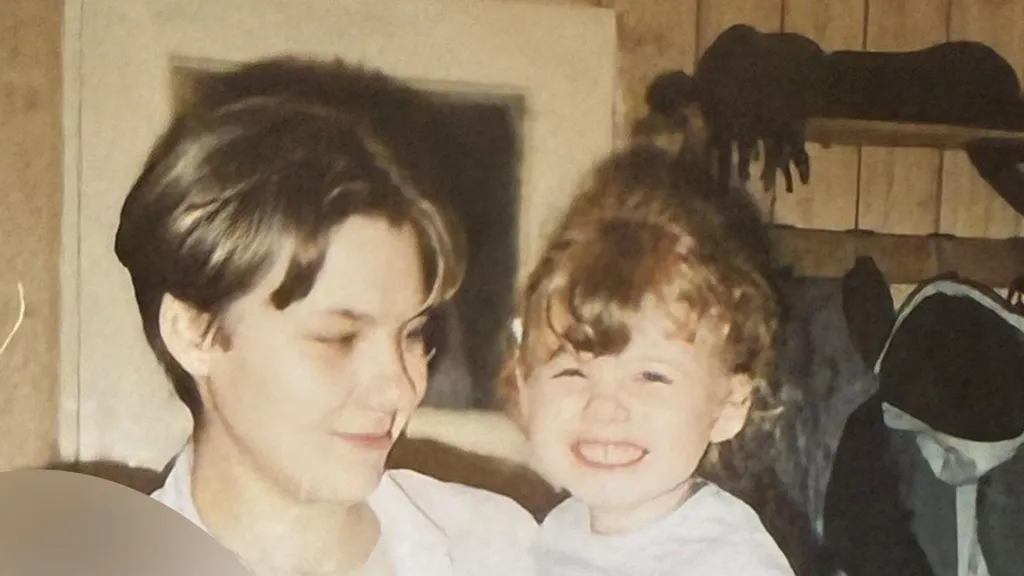
Kasia recalled being extremely close to her mother and feeling devastated by her sudden and unexplained disappearance.
The experience left a deep emotional scar, and Kasia struggled to cope with the uncertainty surrounding her mother's disappearance.
For years, she wondered why her mother had stopped contacting her, feeling abandoned and unsure of what had happened.
Instead of enjoying her childhood, Kasia was preoccupied with thoughts of her mother and the reasons behind her disappearance.
Despite the uncertainty, Kasia always believed that her mother would not have left her without a reason.
Podedworna claimed to have acted in self-defence, but this was rejected by both the jury and the judge.
Clive Stockwell KC, representing Podedworna, suggested that some unknown event must have triggered her actions, given her previously good character.
Stockwell also highlighted the impact of the sentence on Podedworna's children, who would have to spend a significant part of their lives without their mother.
However, Mrs Justice Williams emphasized that Podedworna's brutal treatment of Izabela's body was consistent with a killing motivated by anger and a deep-seated dislike for her partner.
The judge noted that Podedworna had continued to deceive those around her, including Izabela's mother, her own mother, and the police, about the circumstances of Izabela's disappearance.
This pattern of deception continued over the years, with Podedworna showing no remorse for her actions.
England
Reform leader resigns amid council investigation into racism allegations
Councillor Chris Large has stepped down from his position as leader of the Staffordshire Reform group, a move that comes shortly after his initial appointment.
An investigation is underway into allegations of racism against a former Reform councillor in Staffordshire, who recently resigned from their position as group leader just days after being appointed.

Documents obtained by the BBC reveal that the council has referred a complaint regarding councillor Chris Large, a former cabinet member, who allegedly made or endorsed racist comments on his TikTok account, as evidenced by confidential emails.
Due to the complexity and severity of the allegations, the council has assigned an Independent Investigating Officer to conduct a thorough investigation into the matter.
Councillor Large has denied any involvement in the comments, attributing them to a hacked account, and stated that there were unauthorized logins, resulting in the account's deletion.
Large's resignation as leader and cabinet member for finance was announced last week, citing a family bereavement as the reason for his decision to step down.
This resignation occurred shortly after he oversaw the approval of Staffordshire County Council's £840.8m budget for 2026-27.
Large was slated to succeed councillor Ian Cooper, who had previously resigned amidst allegations of racism, which Cooper has not publicly denied.
At the time of Large's appointment, his party highlighted his extensive experience as a chief executive in the finance and banking industry, spanning over 30 years, as well as his 35-year residency in the county.
According to records from Companies House, Large has been listed as the director of 12 companies over the past 20 years, all of which are currently dissolved.
These companies also list France as Large's country of residence.
Large explained to the BBC that his involvement with the dissolved companies was related to his role in transforming and turning around businesses.
He stated that the closure of some businesses led to the creation of new ones, highlighting the positive outcomes of his work.
In response to Large's resignation, Philip White, the Conservative leader of the opposition, expressed sympathy for Large's family situation while also criticizing his appointment as leader.
White stated that Large's involvement in the racism scandal that led to Ian Cooper's resignation made him an unsuitable candidate for the leadership position.
White emphasized the need for stability in Staffordshire, given the recent turnover of leaders, and hoped that the Reform party could find a suitable replacement from their ranks.
Martin Murray, the acting leader of the county council, had previously thanked Large for his contributions and expressed support for his decision to resign, citing the importance of prioritizing family.
Murray's statement reflected the council's understanding of the personal circumstances that led to Large's resignation.
The Reform UK party has stated that it will not be taking any action against Large regarding the complaints about his social media activity.
The positions of cabinet member for finance and elected leader of the Reform group remain vacant, awaiting new appointments.
A council spokesperson explained that the authority takes all concerns about the conduct of elected members seriously and will address them in accordance with the council's Standards Complaints process and Code of Conduct.
Meanwhile, council members are scheduled to meet and vote on the proposed budget, which includes a 3.99% council tax increase, on February 12.
-
 News9 hours ago
Australian Politics Faces Questions Over Gender Equality Amid Sussan Ley’s Appointment
-
 News7 hours ago
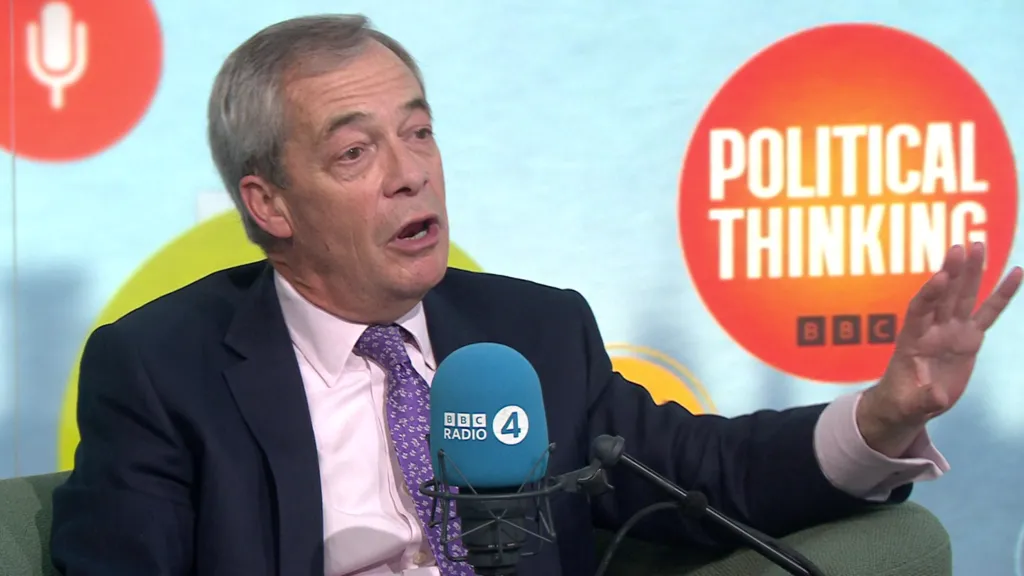
Farage Says Reform to Replace Traditional Tory Party
-
 News7 hours ago
Wrexham Pair Seek Win Against Former Team Ipswich
-
 News12 hours ago
Liberal Party Removes Australia’s First Female Leader
-
 News10 hours ago
UK Braces for Cold Snap with Snow and Ice Alerts Expected
-
 News7 hours ago
Husband’s alleged £600k theft for sex and antiques blamed on drug side effects
-
 News2 days ago
Sunbed ads spreading harmful misinformation to young people
-
 Business12 hours ago
BBC Reporter Exposed to Cyber Attack Due to Vulnerabilities in AI Coding Tool