
Health
Growing trend of young people opting for plastic surgery
The demographic undergoing facelift procedures has shifted, with individuals at a younger age now opting for the surgery, a trend that diverges from the traditional association with older, affluent individuals.
The facelift is expanding its reach into new demographics, with a growing number of individuals considering the procedure as a viable option.

Social media platforms are filled with discussions about various types of facelifts, including the mini, ponytail, and deep plane, with many people in their late 20s and 30s openly sharing their experiences and thoughts on the topic.
The stigma surrounding facelifts is diminishing, and an increasing number of younger individuals are opting for the procedure, marking a shift away from the traditional demographic of older, affluent individuals.
Many individuals are sharing their facelift journeys on social media, including photos of their recovery process, which can be painful and bruising.
Celebrities such as Kris Jenner, Catt Sadler, and Marc Jacobs have spoken publicly about their facelift experiences, helping to normalize the procedure and reduce the stigma associated with it.
The facelift is often viewed as a last resort, a major cosmetic surgery that requires careful consideration.
The question remains whether the growing demand for facelifts is driven by insecurity in the digital age, where individuals are constantly exposed to curated and manipulated images.
Alternatively, the proliferation of non-surgical treatments like Botox and fillers may have paved the way for facelifts, making them seem like a logical next step for those seeking more permanent solutions.
For Emily, a 28-year-old who underwent a facelift in Turkey, the procedure was about achieving a desired aesthetic, which she describes as "life-changing."

Emily's surgery involved a combination of procedures, including a mid-face lift, lip lift, and rhinoplasty, which she says has had a profound impact on her life.
Describing her experience, Emily recalls the surgeon playing her favorite song as she underwent general anesthesia, and waking up to a new face and nose.
The recovery process was lengthy, with pain and bruising subsiding over several weeks, but it took six months for Emily to regain sensation in parts of her cheeks.
When asked if she would undergo the procedure again, Emily hesitates, reflecting on the significant changes she has made in her life since the surgery.
Emily attributes her improved health, reduced drinking, and better skincare habits to the aftermath of her surgery, but acknowledges that she might not have opted for the procedure if she had known what she knows now.
Emily's decision to keep her surgery a secret from her mother until after the fact highlights the personal nature of such choices.
However, Emily ultimately concludes that the procedure was worth it, as it has allowed her to become the best version of herself.
Emily's sentiment is echoed in her statement, "I just wanted to be the best version of myself, and now I think I am."
Data from the British Association of Aesthetic Plastic Surgeons (BAAPS) reveals an 8% increase in facelifts over the past 12 months in the UK, although the organization does not provide age-specific breakdowns.
This trend is mirrored in other parts of the world, with the American Society of Plastic Surgeons reporting a rise in facelifts among Gen X individuals (ages 45-60).
According to Nora Nugent, president of BAAPS, the growing demand for facelifts can be attributed to various factors, including the increasing popularity of weight-loss medications.
Nugent explains that rapid weight loss can result in excess skin, making facelifts a viable option for addressing this issue, and notes that advances in techniques have reduced the risk of the "wind tunnel" effect.
However, Nugent emphasizes that facelifts should only be performed by specialist, registered plastic surgeons in registered facilities with proper equipment.
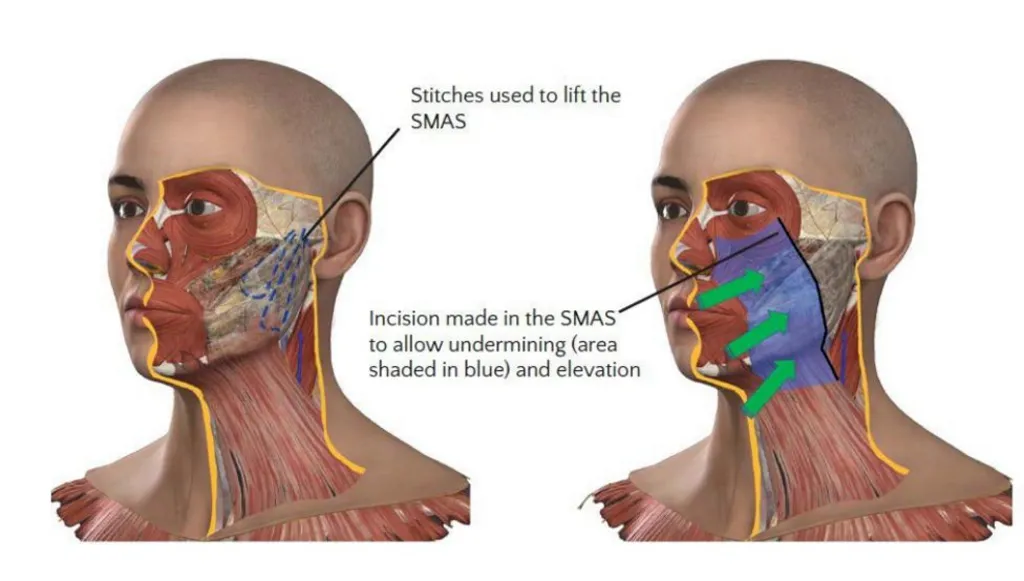
Consultant plastic surgeon Simon Lee, who has performed hundreds of facelifts, demonstrates the procedure on a client at his clinic in Bristol.
The client remains awake during the procedure, having received local anesthesia, as Lee makes a series of small incisions and repositions tissue and muscles to reshape the face.
The procedure, which takes approximately four hours, is a complex process that requires precision and expertise.
As the procedure comes to a close, the client smiles in relief, marking the beginning of the recovery process.
Lee attributes the growing appeal of facelifts to the ease with which they can now be performed, often without the need for sedation or hospitalization.
The industry is experiencing rapid developments, with new treatments targeting the upper two-thirds of the face, where aging tends to begin and becomes noticeable at a younger age.
While Lee notes that facelifts are generally suitable for individuals over 40, he acknowledges that performing such a complex procedure on someone in their 20s or 30s would be unusual.
As with any surgical procedure, facelifts carry risks and potential complications, including hematoma, infection, nerve injury, and alopecia.
The average cost of a facelift in the UK ranges from £15,000 to £45,000, although some clinics offer the procedure for as low as £5,000.
Experts stress the importance of researching and selecting a qualified plastic surgeon who specializes in facelifts.
Julia Gilando, a 34-year-old healthcare professional, opted for a facelift to address facial asymmetry, which she had been self-conscious about since her youth.
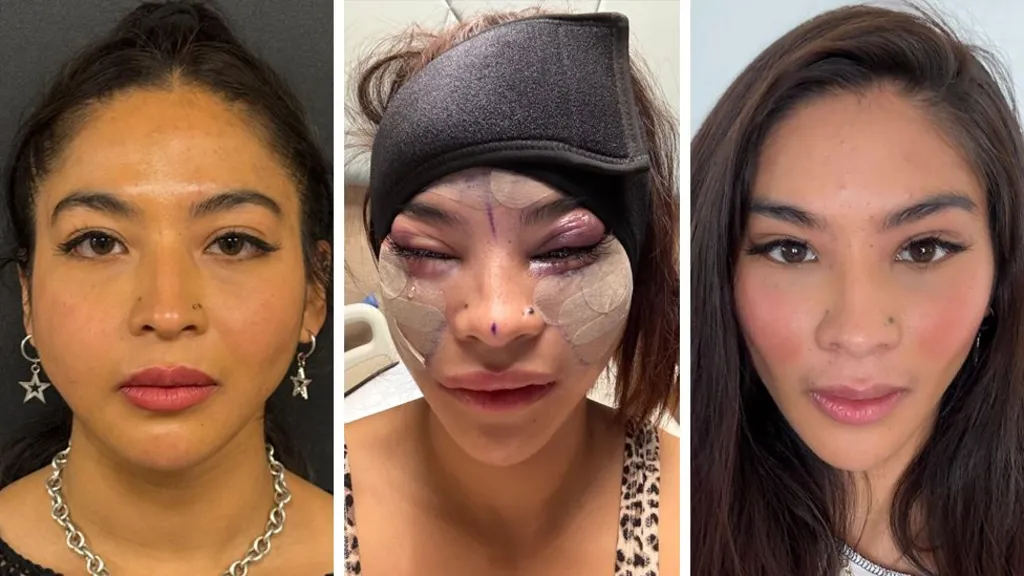
Despite her friends' assurances that her face was fine, Gilando trusted her instincts and underwent the procedure in Turkey, which cost $8,000 (£6,000).
Gilando's decision to have the procedure in Turkey reflects the growing trend of individuals seeking cosmetic surgery abroad, often due to lower costs.
Gilando recounts her experience, which involved navigating a foreign country and language, and facing the challenges of recovery alone.
The aftermath of the surgery was marked by significant swelling, which made it difficult for Gilando to see, and a range of emotions that accompanied the recovery process.
Gilando's experience highlights the complex emotional landscape that can accompany cosmetic surgery, with highs and lows that can be intense and unpredictable.
Researchers have raised concerns about whether cosmetic surgery procedures, including facelifts, deliver the promised benefits of improved self-esteem and confidence.
Dr. Kirsty Garbett, a body image expert from the Centre of Appearance Research at the University of West England, notes that the pressure to conform to societal beauty standards is unprecedented, particularly in the digital age, where comparisons and self-scrutiny are constant.
According to her, the online world often presents a distorted view of reality, which can be misleading.
The widespread use of AI, filters, and other digital tools has contributed to the creation of a false online narrative, coinciding with a growing trend of people undergoing cosmetic procedures.
While celebrities' openness about their cosmetic surgeries can be seen as a positive development, it also has a downside, as it can make these procedures seem commonplace and unremarkable, which is a cause for concern.
Caroline Stanbury, a TV presenter and cast member of The Real Housewives of Dubai, underwent a facelift at the age of 47, despite advice from others that she was too young for the procedure.
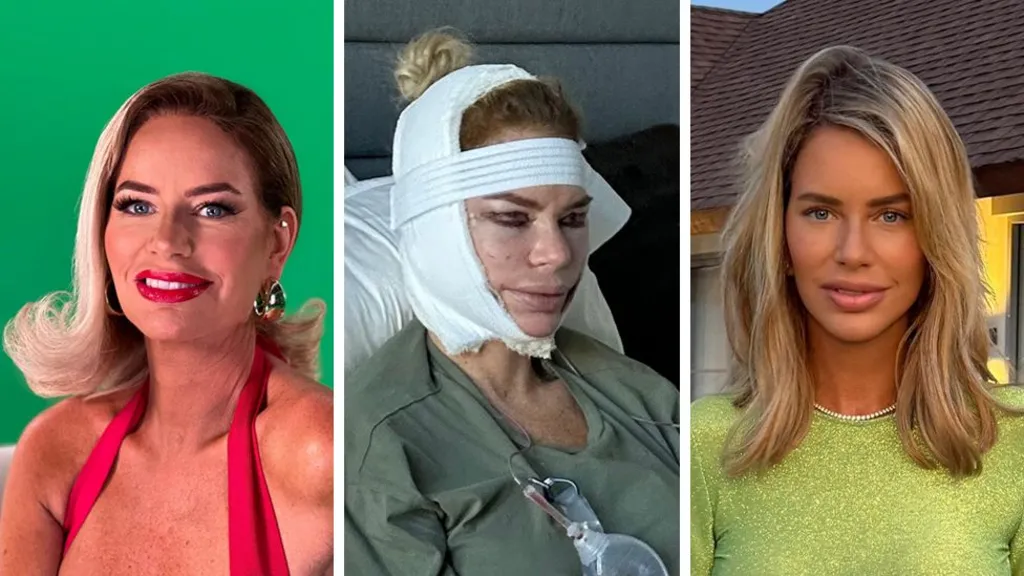
Caroline expresses satisfaction with her decision, stating that she wanted to take control of her appearance and feel confident now, rather than waiting until she was older.
After two decades of regular Botox and filler treatments, Caroline opted for a deep plane facelift in the US, which cost her $45,000 (£34,000), as she felt her appearance was becoming unnatural.
The procedure has had a lasting impact on Caroline, who claims it has given her an additional 20 years of feeling confident and youthful.
Alexis Verpaele, a Belgian plastic surgeon with an international client base, including patients from the UK, has expressed concerns about the rising number of young people seeking cosmetic surgery.
Verpaele engages in lengthy discussions with his clients to explore alternative, non-surgical options for achieving their desired appearance.
If a person undergoes a facelift in their 20s, and considering the typical lifespan of such a procedure is around 10 to 15 years, Verpaele notes that by the time they reach 60, they may have had multiple facelifts.
According to Verpaele, this could result in significant trauma to the face, even in the best-case scenario without any complications.
Verpaele's concerns highlight the potential long-term risks associated with undergoing multiple cosmetic surgeries, emphasizing the need for careful consideration and alternative solutions.
Health
Study Explores if Brain Stimulation Can Reduce Selfish Behavior
Researchers have found a way to temporarily and marginally decrease self-centered behavior in individuals by activating two specific regions of the brain.
Researchers have made a groundbreaking discovery, finding that temporary reductions in selfish behavior can be achieved by stimulating specific areas of the brain.
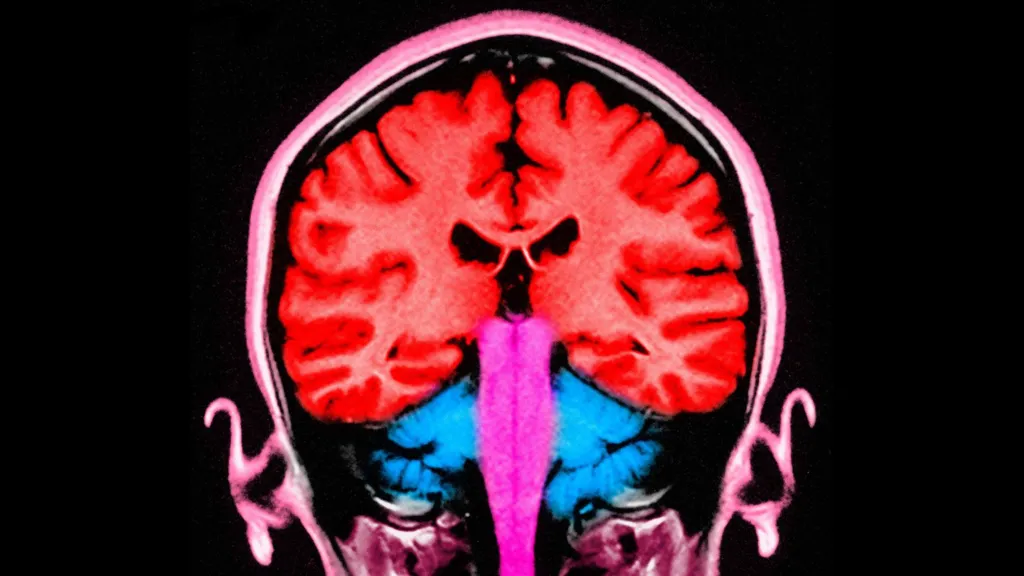
A recent study conducted at the University of Zurich involved 44 participants who were tasked with dividing a sum of money between themselves and an anonymous partner, allowing scientists to observe their decision-making processes.
The experiment utilized electrical current to stimulate the frontal and parietal regions of the brain, located at the front and rear of the skull, respectively. When these areas were stimulated simultaneously, participants exhibited a greater willingness to share their funds.
According to Prof Christian Ruff, a lead author of the study, the observed effects were consistent, albeit modest in scale.
Statistical analysis revealed a notable increase in participants' willingness to allocate funds to others, indicating a shift in their behavior.
The findings not only provide insight into the neural mechanisms underlying fundamental human behavior but may also have implications for the treatment of certain brain disorders characterized by impaired social behavior.
Prof Ruff noted that some individuals struggle with profound social difficulties due to an inability to consider others' perspectives, leading to consistently selfish behavior, and suggested that this discovery could potentially be used to address such issues.
However, the effects of the brain stimulation were found to be short-lived, suggesting that repeated application may be necessary to achieve lasting changes.
Prof Ruff likened the potential effects of repeated stimulation to the benefits of regular exercise, stating that consistent application over a prolonged period could lead to significant changes in behavior, much like the physical adaptations that occur with regular gym attendance.
This latest discovery builds upon a previous study in which researchers monitored brain activity while participants engaged in a similar money-sharing game, providing a foundation for the current findings.
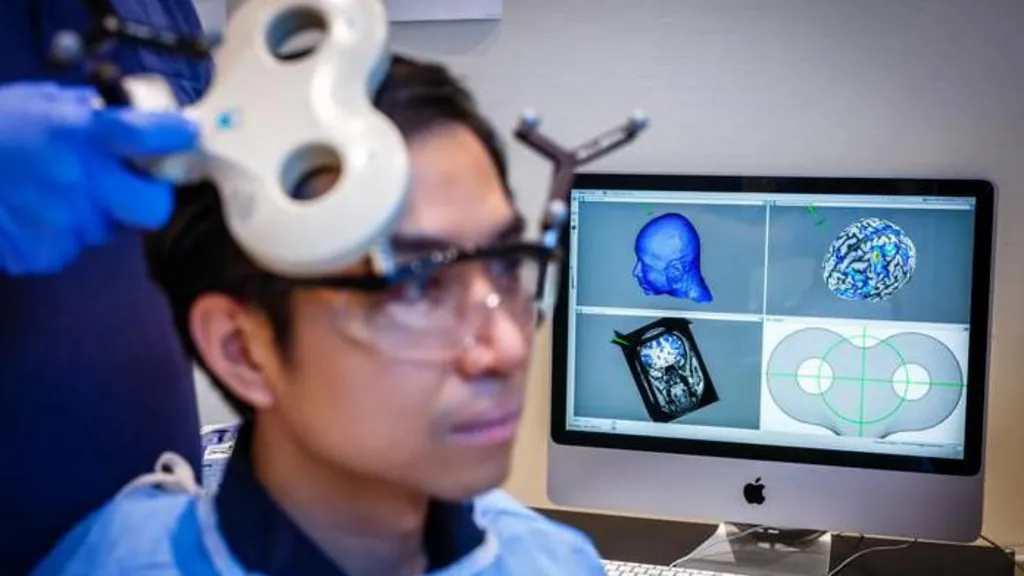
The earlier study identified two brain regions that appeared to be synchronized, with neural activity occurring at the same frequency, when participants made more generous decisions.
These brain areas are known to play a crucial role in decision-making and empathy, enabling individuals to distinguish between their own feelings and those of others.
When participants made selfless decisions, the regions responsible for empathy and decision-making were found to be communicating with each other.
The researchers sought to investigate whether electrical stimulation could be used to influence this communication and promote more selfless decision-making.
One participant who underwent the brain stimulation test described the experience as a gentle, soothing sensation, comparable to a warm shower or light rain on the scalp.
The participant reported making decisions while receiving the stimulation without feeling any external influence on their choices.
The discovery of a consistent neural pattern associated with selfless decision-making across multiple individuals suggests that altruism may be an innate, evolutionarily conserved trait that enables humans to care for one another.
Prof Ruff emphasized the clinical significance of this finding, highlighting the potential to modify and influence this neural mechanism.
Dr Jie Hu, a co-author of the study, noted that the research provides evidence of a causal relationship between brain activity and decision-making, demonstrating that targeted stimulation can alter an individual's sharing behavior.
By manipulating communication within a specific brain network using non-invasive stimulation, the researchers observed a shift in participants' decisions, influencing the balance between self-interest and altruism.
Addressing concerns about the potential implications of this research, Prof Ruff assured that the experiment was conducted with strict adherence to medical regulations and ethical guidelines, ensuring the well-being and informed consent of all participants.
The neuroscientist drew a distinction between the controlled, medically regulated nature of the experiment and the often-subliminal influences of social media and advertising, which can affect behavior without explicit consent.
Prof Ruff suggested that, in contrast to the experiment, the impacts of social media and advertising on brain function and behavior are often unforeseen and uncontrolled, highlighting the importance of careful consideration and regulation in such contexts.
Health
NHS Workers to Receive 3.3% Pay Increase
Labor unions have expressed displeasure, yet the government maintains that its actions showcase a dedication to its workforce.
The government has confirmed that NHS staff in England will receive a 3.3% pay increase in the upcoming financial year.

This pay award applies to approximately 1.4 million health workers, including nurses, midwives, physiotherapists, and porters, but excludes doctors, dentists, and senior management.
Although the Department of Health and Social Care initially proposed a lower figure, it has accepted the recommendation of the independent pay review body to demonstrate its commitment to NHS staff, resulting in a higher pay rise than initially suggested.
However, several health unions have expressed disappointment with the announced pay award.
Prof Nicola Ranger, general secretary of the Royal College of Nursing (RCN), noted that the 3.3% increase falls short of the current consumer price index (CPI) inflation rate of 3.4%, which measures the rise in prices over the past year.
Prof Ranger stated, "A pay award that is lower than the current inflation rate is unacceptable, and unless inflation decreases, the government will be imposing a real pay cut on NHS workers."
She criticized the government's approach, saying, "This strategy of making last-minute decisions is not an appropriate way to treat individuals who are essential to a system in crisis."
Prof Ranger indicated that she would wait to see the pay awards for the rest of the public sector and doctors before deciding on a course of action.
The RCN had previously reacted strongly to the 5.4% pay increase received by resident doctors last year, compared to the 3.6% increase received by nurses, which they described as "grotesque".
Prof Ranger emphasized, "Nursing staff will not accept being treated with disrespect, as has happened in the past when they were given lower pay awards than other groups."
Helga Pile, head of health at Unison, the largest health union, commented, "NHS staff who are already under financial pressure will be outraged by another pay award that fails to keep up with inflation."
"Once again, they are expected to deliver more while their pay effectively decreases, as it falls behind the rising cost of living," she added.
In response, the government argued that the pay award is actually above the forecasted inflation rate for the coming year, which is around 2%.
A spokesperson for the Department of Health and Social Care stated, "This government greatly values the outstanding work of NHS staff and is committed to supporting them."
The pay increase is expected to be implemented by the start of April.
However, the government did not provide a timeline for the announcement on doctors' pay, as the pay review body responsible for making recommendations on their pay has yet to submit its report to ministers.
The government is currently engaged in negotiations with the British Medical Association regarding the pay of resident doctors, previously known as junior doctors.
Members of the BMA recently voted in favor of strike action, granting them a six-month mandate for walkouts, and there have been 14 strikes so far in the ongoing dispute.
Health
NHS Waiting List Hits Three-Year Low
In England, the backlog has fallen below 7.3 million for the first time since 2023, yet worries persist regarding prolonged waiting times in accident and emergency departments.
England's hospital waiting list has reached its lowest point in almost three years, marking a significant milestone in the country's healthcare system.
As of December 2025, the number of patients awaiting treatment, including knee and hip operations, stood at 7.29 million, the lowest figure recorded since February 2023.
However, the latest monthly update from NHS England reveals that long wait times persist in Accident and Emergency departments, with a record number of patients experiencing 12-hour trolley waits.
In January 2026, over 71,500 patients spent more than 12 hours waiting for a hospital bed after being assessed by A&E staff, the highest number tracked since 2010.
This translates to nearly one in five patients admitted after visiting A&E waiting for an extended period.
According to Health Secretary Wes Streeting, while progress has been made, significant challenges still need to be addressed.
Streeting acknowledged that "there is much more to do" and emphasized the need to accelerate progress, but expressed optimism that the NHS is on the path to recovery.
Dr. Vicky Price, representing the Society for Acute Medicine, noted that hospitals are operating beyond safe capacity in terms of emergency care.
Dr. Price highlighted the vulnerability of patients who require admission, often elderly and frail individuals with complex needs, who are at greater risk of harm when care is delivered in corridors and hospitals exceed safe limits.
Duncan Burton, Chief Nursing Officer for England, commended the progress made in reducing wait times, achieved despite the challenges posed by strikes by resident doctors.
Burton attributed this progress to the hard work and dedication of NHS staff, describing it as a "triumph".
Although the waiting list decreased, performance against the 18-week target slightly declined, with 61.5% of patients waiting less than 18 weeks, compared to 61.8% in November, and still short of the 92% target set to be met by 2029.
Rory Deighton of the NHS Confederation, which represents hospitals, welcomed the progress but cautioned that it obscures significant regional variations.
A recent BBC report revealed that nearly a quarter of hospital trusts experienced worsening wait times over the past year.
Deighton emphasized that the NHS is composed of numerous separate organizations, each with unique financial and operational challenges, making it more difficult to address care backlogs in some areas.
According to Deighton, this means that tackling care backlogs will be more challenging in certain parts of the country due to these distinct regional challenges.
-
 News11 hours ago
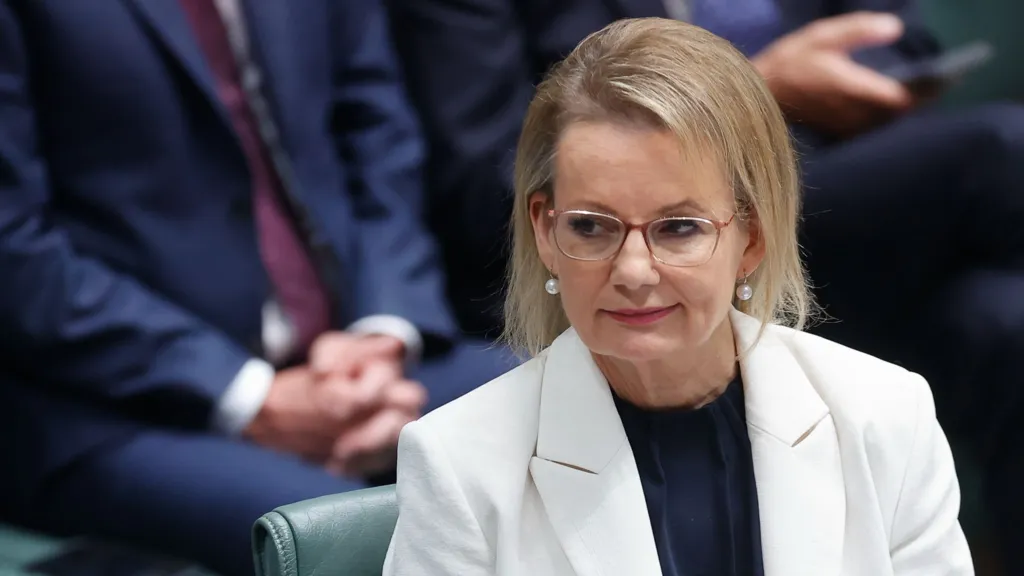
Australian Politics Faces Questions Over Gender Equality Amid Sussan Ley’s Appointment
-
 News8 hours ago
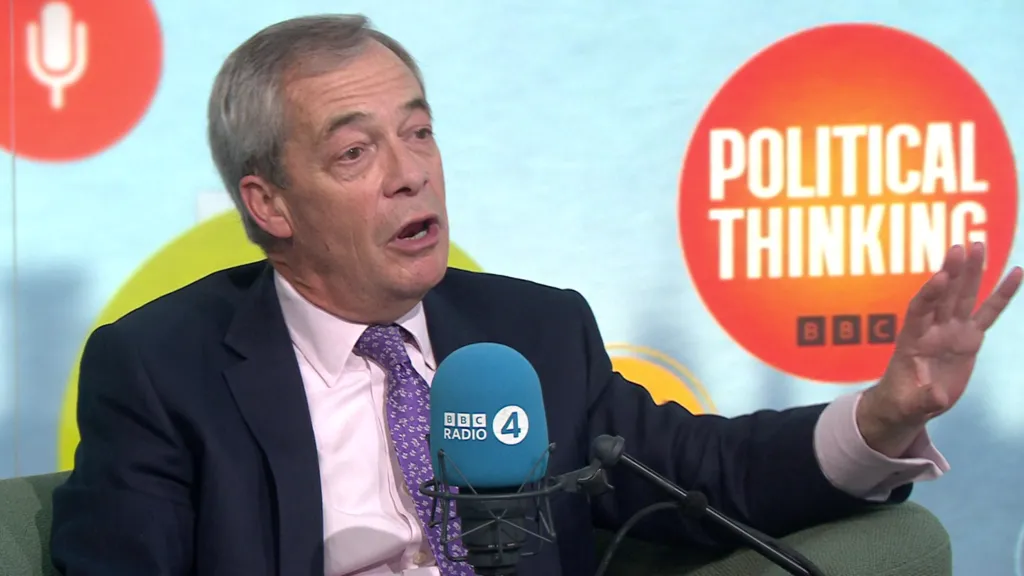
Farage Says Reform to Replace Traditional Tory Party
-
 News8 hours ago
Wrexham Pair Seek Win Against Former Team Ipswich
-
 News13 hours ago
Liberal Party Removes Australia’s First Female Leader
-
 News11 hours ago
UK Braces for Cold Snap with Snow and Ice Alerts Expected
-
 News8 hours ago
Husband’s alleged £600k theft for sex and antiques blamed on drug side effects
-
 News2 days ago
Sunbed ads spreading harmful misinformation to young people
-
 Business13 hours ago
BBC Reporter Exposed to Cyber Attack Due to Vulnerabilities in AI Coding Tool