
News
AI ‘slop’ is transforming social media – and a backlash is brewing
The proliferation of artificial intelligence-generated content, including images and videos, has inundated social media platforms, raising questions about whether most users will be concerned by this development.
An article is being read by Joe, providing an opportunity to listen in.

Théodore Cazals recalls the moment when AI-generated content pushed him to his limits.
The image in question depicted two underprivileged South Asian children with unusual features, including thick beards, despite their youthful appearance. One child was missing hands and had only one foot, while the other held a sign wishing for likes on their birthday. The scene was set in the middle of a busy road on a rainy day, complete with a birthday cake, and exhibited clear signs of AI generation.
Despite its obvious artificial nature, the image gained nearly one million likes and heart emojis on Facebook, sparking widespread engagement.
This incident marked a turning point for Théodore.
The 20-year-old student from Paris expressed his astonishment, stating, "The fact that these absurd AI-generated images were spreading rapidly on Facebook without any scrutiny was mind-boggling to me."
In response, Théodore created an account on X, formerly known as Twitter, titled "Insane AI Slop," where he began to critique and mock AI-generated content that deceived people. His inbox soon filled with submissions from others who shared his concern.
As Théodore delved deeper, common themes emerged, including religion, military, and impoverished children engaging in heartwarming activities.
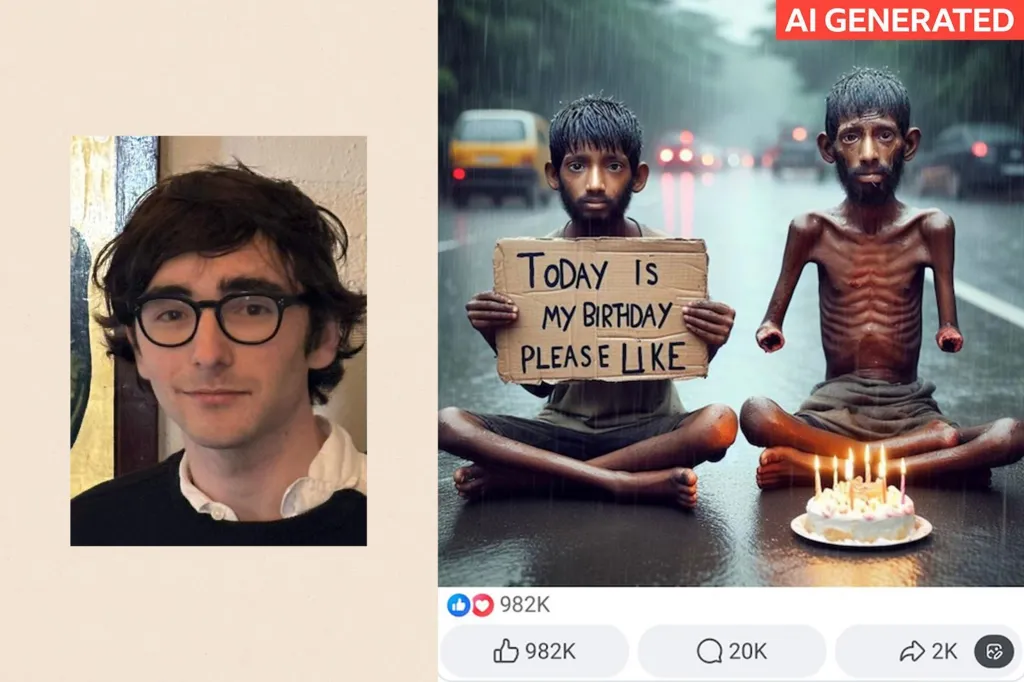
Théodore observed, "People tend to find stories about underprivileged children doing remarkable things to be wholesome, which may encourage creators to fabricate more content of this nature."
Théodore's account gained significant traction, amassing over 133,000 followers.
The proliferation of AI-generated content, which Théodore refers to as "fake, unconvincing videos and pictures made quickly," has become unstoppable. Tech companies have embraced AI, with some claiming to crack down on certain forms of AI-generated content, although social media feeds remain filled with such material.
The experience of using social media has undergone a profound transformation over the past couple of years, raising questions about the cause and societal impact of this shift.
Moreover, it remains to be seen how much social media users genuinely care about this issue.
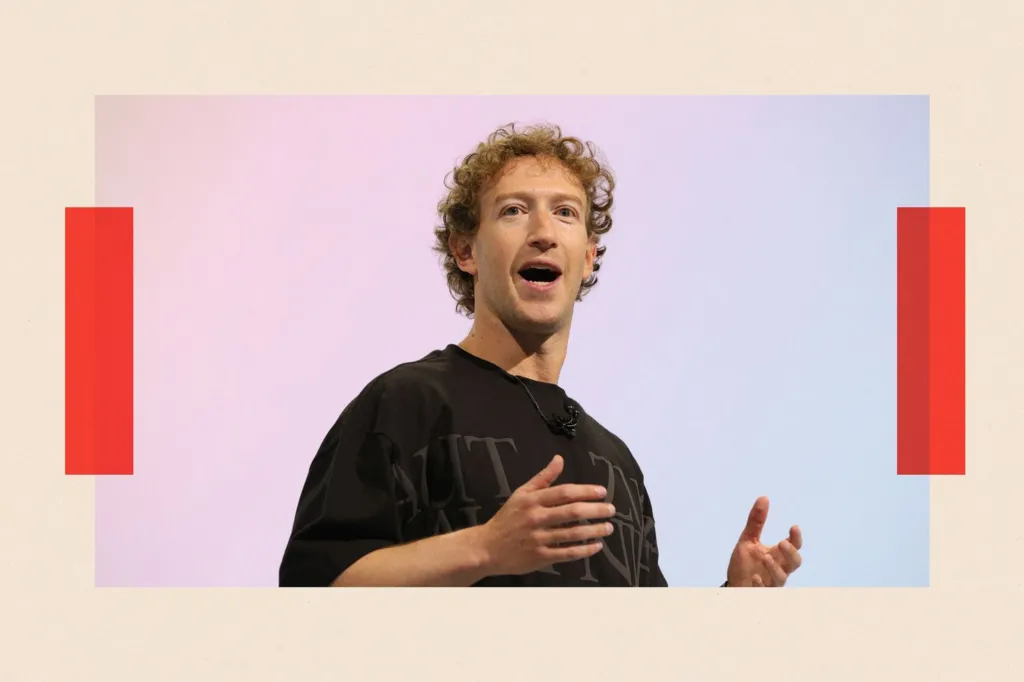
In October, Meta CEO Mark Zuckerberg announced during an earnings call that social media had entered a new phase, centered around AI.
Zuckerberg outlined the evolution of social media, explaining that the first phase involved content from friends, family, and followed accounts, while the second phase introduced creator content.
According to Zuckerberg, the third phase will incorporate a vast amount of content made possible by AI, which will enable easier creation and remixing of content.
Meta, the company behind Facebook, Instagram, and Threads, not only permits users to post AI-generated content but also offers tools to facilitate its creation, including image and video generators and advanced filters.
When approached for comment, Meta referred to their January earnings call, where Zuckerberg reiterated the company's commitment to AI, without mentioning any plans to restrict AI-generated content.
Zuckerberg predicted, "We will soon witness an explosion of new, immersive, and interactive media formats, made possible by advances in AI."
YouTube CEO Neal Mohan wrote in his 2026 look-ahead blog that over one million YouTube channels used the platform's AI tools to create content in December alone.
Mohan believes AI will benefit creatives, comparing its potential impact to that of the synthesizer, Photoshop, and CGI on sound and visuals.
However, Mohan acknowledged concerns about "low-quality content, aka AI slop" and stated that his team is working to improve systems for detecting and removing such content.
Mohan emphasized that YouTube will not dictate what content should or should not be allowed, citing the example of once-niche content like ASMR and live video game-playing, which have become mainstream.
Research by AI company Kapwing found that 20% of content displayed to a new YouTube account is "low-quality AI video."
Kapwing's study discovered that 104 of the first 500 YouTube Shorts clips shown to a new account featured AI-generated content, particularly in short-form videos.
The creator economy appears to be driving the production of AI-generated content, as individuals and channels can earn money from engagement and views.
According to Kapwing, the AI channel with the most views is India's Bandar Apna Dost, with 2.07 billion views, generating an estimated annual income of $4m (£2.9 million) for its creators.
A backlash against AI-generated content is gaining momentum.
Comments criticizing AI videos have become increasingly common under viral posts.
Théodore, the Parisian student, has played a significant role in driving this backlash.
Using his influence on X, Théodore reported disturbing AI cartoons to YouTube moderators, expressing concerns about their potential harm, especially to children.
These videos featured titles like "Mum cat saves kitten from deadly belly parasites" and depicted graphic scenes.
Another clip showed a woman consuming a parasite and transforming into a giant, angry monster, which was eventually healed by Jesus.
YouTube removed the channels in question, citing violations of their community guidelines and stating their focus on providing high-quality content.
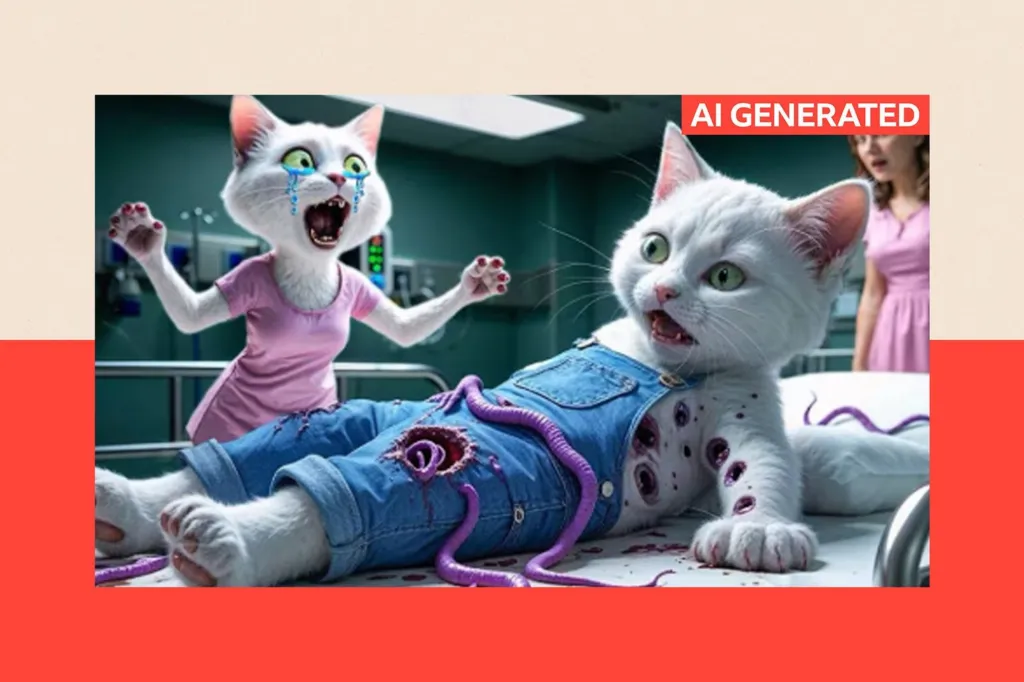
However, Théodore's efforts have taken a toll on him.
Even platforms like Pinterest, known for recipes and interior design ideas, have been affected by the influx of AI-generated content.

In response to user frustration, Pinterest introduced an opt-out system for AI-generated content, although its effectiveness relies on the platform's ability to detect such content or users self-identifying it.
On social media feeds, including my own, the backlash against AI-generated content has become relentless.
Across platforms like TikTok, Threads, Instagram, and X, a people-powered movement against AI-generated content appears to be gaining traction.
In some cases, comments criticizing AI-generated content receive more likes than the original post, such as a recent video showing a snowboarder rescuing a wolf from a bear, which garnered 932 likes, while a commenter expressing frustration with AI content received 2,400 likes.
The proliferation of online content has created a self-sustaining cycle, where engagement is the primary driver of social media platforms' success.
For these platforms, any form of engagement is beneficial, as their primary objective is to keep users actively scrolling through their feeds.
The question remains whether the authenticity of a video on social media matters, regardless of its emotional impact or shock value.
According to Emily Thorson, an associate professor at Syracuse University specializing in politics, misinformation, and misperceptions, the significance of content authenticity depends on the user's intentions on the platform.
Thorson notes that users seeking entertainment on short-video platforms prioritize content that is engaging, whereas those using the platform for educational or community purposes may be more discerning and view AI-generated content as problematic.
The perception of AI-generated content also hinges on how it is presented to the user.
When AI-generated content is clearly labeled as humorous, users tend to respond accordingly; however, when its purpose is to deceive, it can elicit anger.
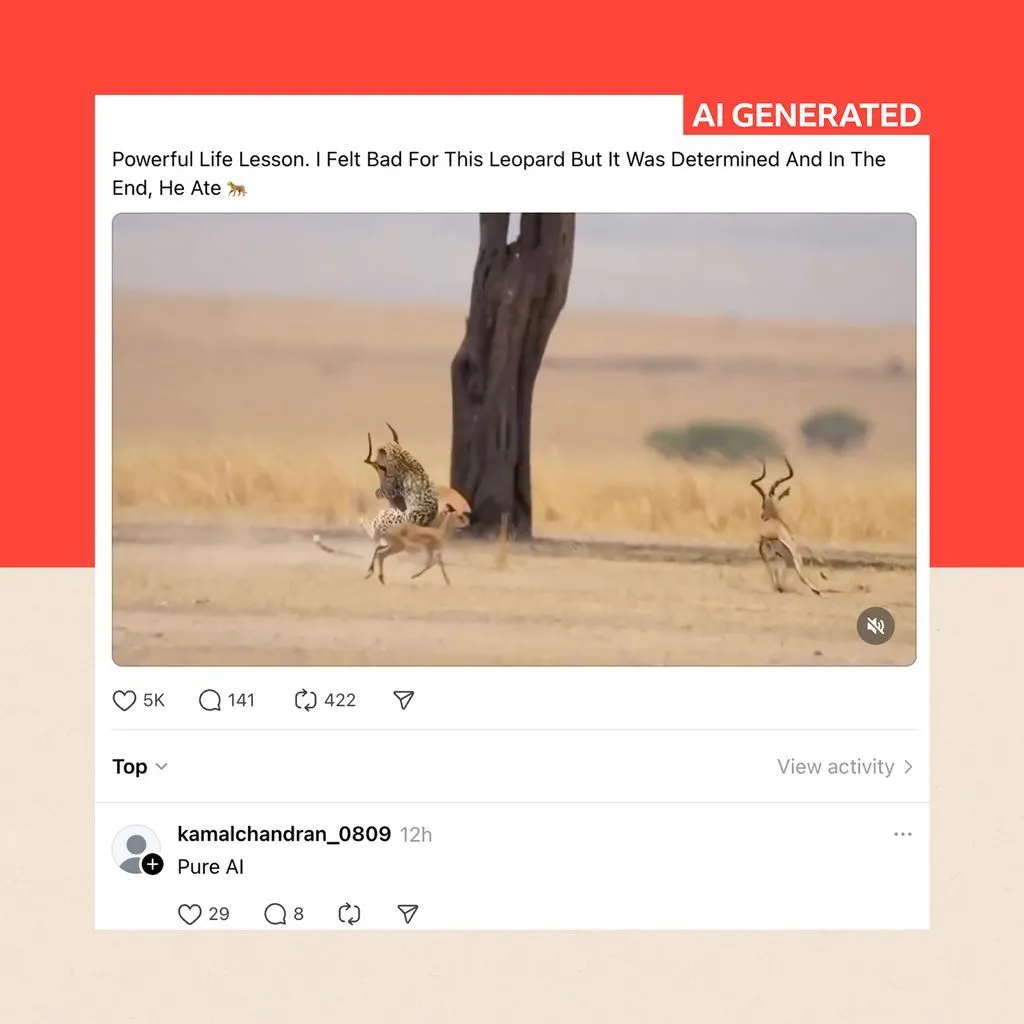
A recent example of an AI-generated video, depicting a realistic leopard hunt, illustrates this point, with some viewers being fooled and others expressing uncertainty about its authenticity.
Commenters asked for verification of the video's source, with one user requesting proof that it was not created using AI.
Alessandro Galeazzi, a researcher at the University of Padova in Italy, studies social media behavior and echo chambers, and he believes that verifying the authenticity of content requires mental effort.
Galeazzi fears that, over time, users will become increasingly apathetic and stop verifying the authenticity of content due to the sheer volume of low-quality, AI-generated material.
He warns that the abundance of such content may contribute to a decline in attention span, as users become desensitized to the constant stream of information.
Galeazzi differentiates between AI-generated content intended to deceive and more lighthearted, obviously fake content, such as images of fish wearing shoes or gorillas lifting weights.
However, even this type of content may have a negative impact, as it can contribute to the erosion of intellectual abilities due to constant exposure to social media.
Galeazzi suggests that AI-generated content can exacerbate the "brain rot" effect, where users mindlessly consume content that they know is unlikely to be real or meaningful.
Beyond the issue of AI-generated content, there are more severe implications of AI misuse.
Recently, Elon Musk's companies xAI and X were forced to revise their policies after a chatbot called Grok was used to digitally manipulate images of women and children on the X platform.
In the aftermath of the US attack on Venezuela, fake videos were circulated, showing people thanking the US and crying in the streets, which can shape public opinion and create a misleading narrative.
This is particularly concerning, as many individuals rely solely on social media for news and information, according to analysts.
Dr. Manny Ahmed, CEO of OpenOrigins, a company that develops technology to distinguish between AI-generated and real images, argues that a new system is needed to enable content creators to verify the authenticity of their material.
Ahmed states that it has become impossible to determine the authenticity of content through inspection alone and that a new infrastructure is required to allow real content to be publicly verified.
While it might be expected that social media companies would take on this responsibility, many, including Meta and X, have reduced their moderation teams and instead rely on users to identify and label fake or misleading content.
Given the current state of the tech industry, it is unlikely that a new social media platform could rise to challenge the existing giants by promising a slop-free alternative.
The detection of AI-generated content is becoming increasingly difficult, and machines are no longer able to accurately determine whether a video or image is fake or not.
However, if a new social media platform were to emerge and gain popularity by offering a more authentic experience, it could potentially influence the existing platforms to change their approach.
The rise of BeReal, a French social media app that encourages users to share unfiltered, authentic content, demonstrates that alternative platforms can gain traction and prompt larger companies to adapt.
It is possible that a similar phenomenon could occur if a new platform emerges with a focus on reducing AI-generated content.
Théodore, a user who has become disillusioned with the state of online content, feels that the battle against AI-generated slop is lost and that it has become an inherent part of the online experience.
Despite still receiving submissions from his 130,000 followers, Théodore has largely stopped posting and has resigned himself to the new reality of online life.
He clarifies that his opposition is not to AI itself, but to the proliferation of low-quality, AI-generated content designed solely for entertainment and views.
Image credits: BBC; AI image generated with Adobe Firefly.
Clarification, 4 February: This article was updated to include information about Pinterest's system for identifying AI-generated content.




News
UAE Defeats Canada to Enhance Super 8s Qualification Chances
The United Arab Emirates boosted their slim chances of advancing to the T20 World Cup Super 8s, securing a narrow five-wicket victory over Canada, thanks in part to Aryansh Sharma’s unbeaten 74.
In a crucial match for the United Arab Emirates, Aryansh Sharma achieved his fifth T20 international half-century, contributing to the team's victory over Canada.
The Men's T20 World Cup, being held in Group D in Delhi, saw an intense competition between the two teams.
Canada's innings resulted in a total of 150-7 after 20 overs, with Harsh Thaker scoring 50 runs off 41 balls, while Junaid Siddique took 5 wickets for 35 runs.
The UAE team responded with a total of 154 runs in 19.4 overs, led by Aryansh Sharma's unbeaten 74 runs off 53 balls and Sohaib Khan's 51 runs off 29 balls, despite Bin Zafar taking 3 wickets for 14 runs.
The United Arab Emirates secured a five-wicket win over Canada, boosting their chances in the tournament.
Aryansh Sharma played a pivotal role in the UAE's win, scoring an unbeaten 74 runs to help his team overcome Canada's total.
With four overs remaining, Canada seemed poised to defend their total, but Sohaib Khan's aggressive batting reignited the UAE's chase, as he scored 17 runs off Dillon Heyliger's bowling.
In the final over, the UAE required eight runs to win, and Aryansh Sharma eased the pressure by hitting a six off Jaskaran Singh's first ball.
Sohaib Khan was dismissed after scoring a rapid 51 runs off 29 balls, including four sixes, leaving the scores level.
Muhammad Arfan then sealed the victory with two balls to spare, hitting a four off Jaskaran Singh, as Aryansh Sharma top-scored with 74 runs off 53 balls.
The UAE now stands third in Group D with two points, but they face an uphill task in their upcoming matches against full members South Africa and Afghanistan to advance to the next phase.
Although the UAE has never beaten a full member in any World Cup format, their performance in this match has given them some confidence.
Earlier in the match, Junaid Siddique achieved the best bowling figures by a UAE player in a T20 World Cup, taking 5 wickets for 35 runs at the Arun Jaitley Stadium in Delhi.
Harsh Thaker's 41-ball half-century, which included three sixes and two fours, provided a solid foundation for Canada's total.
Thaker and Navneet Dhaliwal shared a 58-run partnership to help Canada recover from a difficult start, before Dhaliwal was run out for 34 runs.
After Thaker fell victim to Junaid Siddique's slower ball, Canada struggled to find boundaries against the UAE's tight bowling.
Shreyas Movva made a useful contribution of 21 runs off 21 balls, but Junaid Siddique took two wickets in the final over to claim his maiden five-wicket haul in T20 internationals.
In a separate match, Zimbabwe's Brilliant Muzarabani played a key role in his team's stunning win over Australia.
For more updates, notifications, and social media coverage, visit the BBC Sport website.
In another development, Paul Stirling has been ruled out of the remainder of the T20 World Cup due to injury.
News
GB’s Bankes knocked out in snowboard cross quarterfinals
Charlotte Bankes of Great Britain was knocked out in the quarter-final stage of the women’s snowboard cross event at the 2026 Winter Olympics.
Charlotte Bankes of Great Britain has been knocked out of the women's snowboard cross event at the 2026 Winter Olympics, failing to advance beyond the quarter-final stage.
For more Winter Olympics coverage, videos are available to stream.
Access to Winter Olympics video content is restricted to users in the United Kingdom.
News
Family of Murder Victim Expresses Frustration Over Delayed Trial Scheduling
A 21-year-old woman, Chloe Mitchell, lost her life in June 2023, and a man is set to stand trial, facing a murder charge.
The family of Chloe Mitchell, a 21-year-old woman from Ballymena, is facing further uncertainty as they await the outcome of a trial for her alleged murderer, which may be impacted by an ongoing barristers' strike.

Chloe Mitchell's life was cut short in June 2023, when she was killed in an incident that has left her family and community in shock.
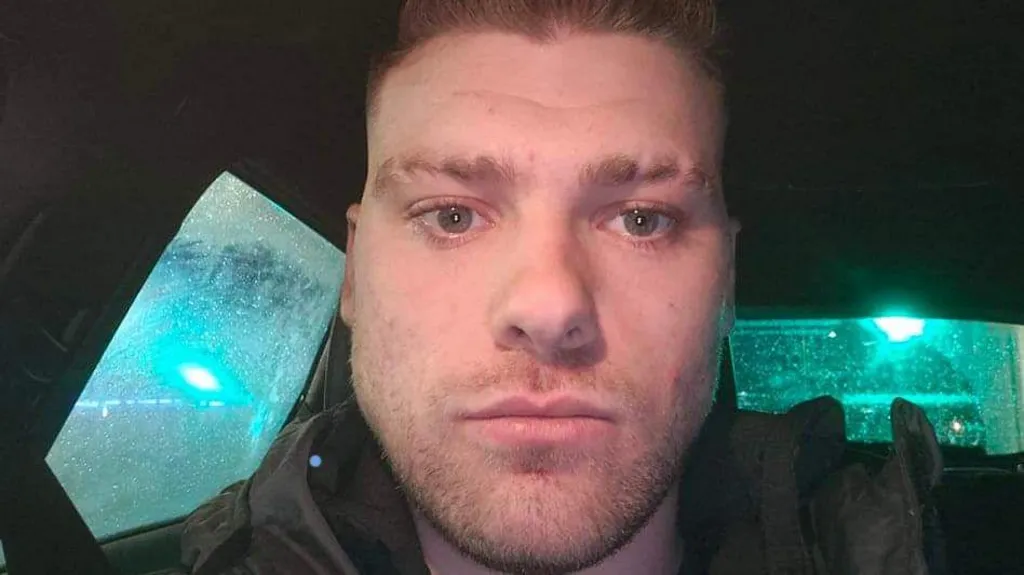
Brandon John Rainey, the man accused of her murder, is scheduled to stand trial on February 23, but the proceedings may be delayed due to the industrial action by defence barristers.
Following a recent court hearing to review trial arrangements, Nadine Mitchell, Chloe's sister, expressed her family's distress and frustration, telling BBC News NI that they are struggling to cope with the uncertainty.
Nadine Mitchell stated that her family has been left with no choice but to wait once again for a resolution, having already endured a prolonged period of anxiety and uncertainty.
The family's emotional turmoil is evident, with Nadine describing the experience as a prolonged period of distress, marked by sleepless nights and unbearable tension.
The Mitchell family is struggling to come to terms with their situation, which has left them feeling overwhelmed and distraught.
The current strike by defence barristers in Northern Ireland, which began last month, is a result of a long-standing dispute over legal aid fees, with barristers arguing that their fees have not kept pace with inflation.
The strike has brought almost all criminal trials in Northern Ireland to a standstill, with the exception of cases where the defendant does not require legal aid.
The Mitchell family has appealed for their case to be treated as an exception, allowing the trial to proceed as scheduled.
Chloe Mitchell, who was 21 at the time of her disappearance, was reported missing in early June 2023, prompting an extensive search operation.
Her remains were discovered about a week later, following a series of searches in the Ballymena area.
Brandon John Rainey was subsequently arrested and charged with Chloe's murder, which is alleged to have taken place between June 2 and June 5, 2023.
Rainey also faces a charge of attempting to prevent the lawful burial of a deceased body.
The dispute between barristers and the Department of Justice centres on the level of legal aid fees, which barristers claim have not increased since 2005.
Barristers argue that the fees have not kept pace with inflation, resulting in a significant decrease in their real-terms value over the past 20 years.
The Criminal Bar Association (CBA) has warned that the low fees have created a crisis in the justice system, with many younger barristers refusing to take on legal aid cases due to the low rates of pay.
The CBA has described the strike as a "last resort" in their dispute with the Department of Justice, which has been ongoing for some time.
Despite an announced 16% increase in fees, which is set to take effect in mid-January, the strike has continued, with barristers arguing that the increase does not go far enough to address their concerns.
Chloe's father, George Mitchell, has previously appealed for an exception to be made in their case, allowing the trial to proceed despite the strike.
George Mitchell has argued that any delay to the trial would cause further trauma and distress for the families of victims.
He had invited Justice Minister Naomi Long to meet with him and his wife, Georgina, to discuss the matter further.
However, Minister Long has stated that it is not feasible to allow individual cases to proceed while the dispute over legal aid fees remains unresolved, citing ethical and practical concerns.
The minister has reiterated that the decision to grant exceptions lies with the CBA, which must weigh the competing demands of their members and the needs of the justice system.
-
 News11 hours ago
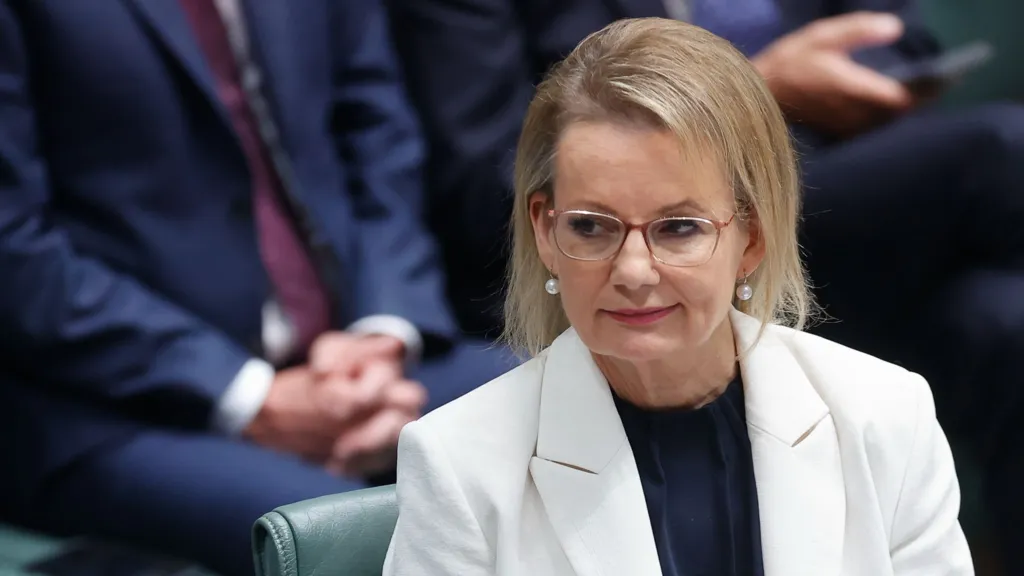
Australian Politics Faces Questions Over Gender Equality Amid Sussan Ley’s Appointment
-
 News8 hours ago
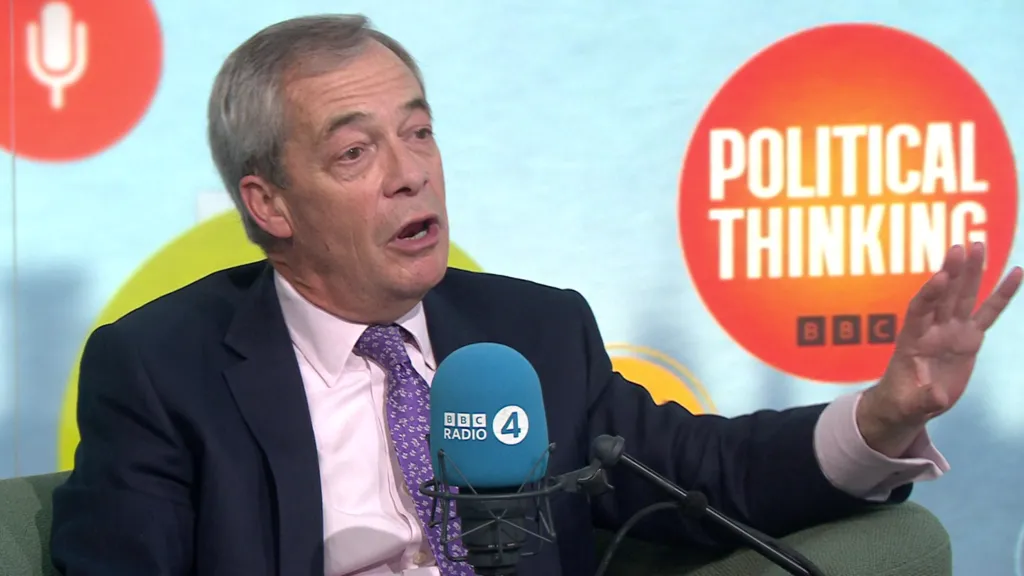
Farage Says Reform to Replace Traditional Tory Party
-
 News8 hours ago
Wrexham Pair Seek Win Against Former Team Ipswich
-
 News13 hours ago
Liberal Party Removes Australia’s First Female Leader
-
 News11 hours ago
UK Braces for Cold Snap with Snow and Ice Alerts Expected
-
 News8 hours ago
Husband’s alleged £600k theft for sex and antiques blamed on drug side effects
-
 News2 days ago
Sunbed ads spreading harmful misinformation to young people
-
 Business14 hours ago
BBC Reporter Exposed to Cyber Attack Due to Vulnerabilities in AI Coding Tool