
Business
Hospitality Industry Leaders Oppose Proposed England Holiday Tax
Some critics argue that the proposed tax may lead families to cut their trips short or decide to spend their vacation funds in other countries.
A group of 200 hospitality and leisure industry leaders are calling for the government to abandon plans for a tax on holidaymakers in England, citing concerns over the potential impact on local businesses.
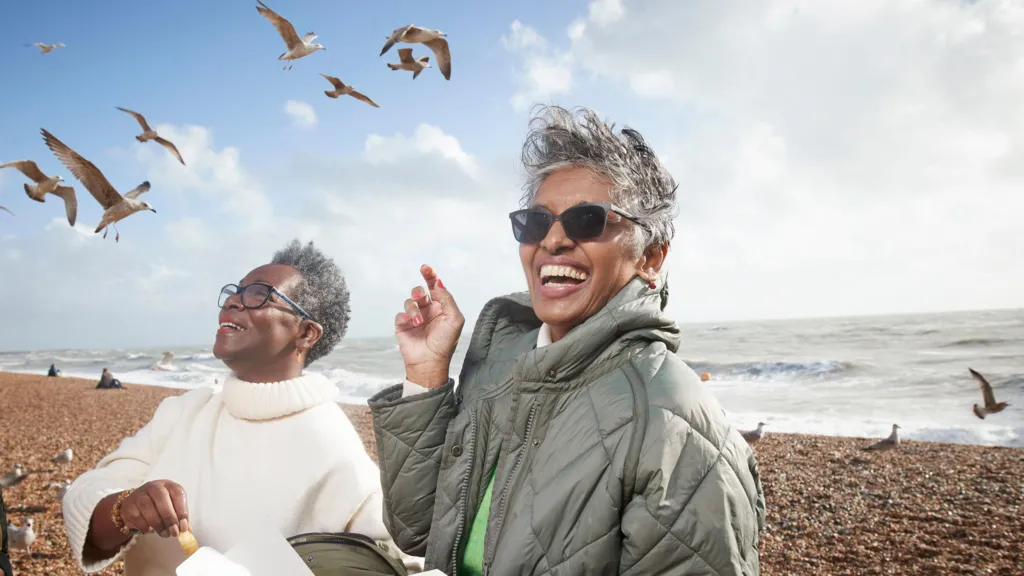
The government is exploring the possibility of granting mayors and local leaders in England the authority to introduce a tourist tax, also known as a visitor levy, as a means of generating revenue.
In some English cities, a form of this tax is already in effect, although it is currently implemented on a voluntary basis by local businesses, rather than being imposed by local authorities.
However, prominent holiday providers, including Butlin's, Hilton, Travelodge, and the owner of Alton Towers theme park, have warned the government that its proposed tax would have a detrimental effect on local businesses, leading to a loss of revenue.
In a letter to Chancellor Rachel Reeves, the groups argued that holidays should be a time for relaxation, not an opportunity for taxation.
According to the businesses, a tax of £2 per person, per night would result in an additional £100 or more for a two-week holiday, placing a significant burden on families and individuals.
This could lead to a reduction in the length of trips, a decrease in travel, or even a decision to vacation abroad, resulting in a loss of revenue for local economies.
The government's preferred approach is to calculate the tax as a proportion of the accommodation cost, rather than a flat rate, and has stated that local mayors should determine the appropriate level for their area.
A consultation on the proposal to grant English local leaders the power to introduce the tax is set to conclude on 18 February.
In Scotland and Wales, local authorities already possess the legal authority to implement a visitor levy, with some Scottish cities poised to introduce the tax this summer, while Wales will not introduce its version until 2027.
Meanwhile, Northern Ireland has no current plans to introduce a similar levy.
Local government secretary Steve Reed previously stated that decentralizing holiday tax policy and granting local mayors the authority to introduce the tax would help stimulate economic growth.
Reed argued that local leaders are well-positioned to identify and invest in projects and infrastructure that drive growth and make an area attractive to both visitors and residents.
By giving mayors the power to introduce the tax, the government aims to enable them to invest in initiatives that promote local economic development.
In certain areas of England, a form of the tax is already in operation, with groups of hospitality businesses in business improvement districts (BIDs) agreeing to add a levy to bills.
For example, Manchester introduced a £1 per room visitor tax in 2023, which generated £2.8m in its first year.
The revenue raised from the tax in Manchester was used to fund a campaign aimed at increasing stays during periods of traditionally low occupancy.
Similarly, Liverpool's accommodation BID introduced a levy in 2025.
Allen Simpson, chief executive of UKHospitality, noted that the UK already has high taxes, and the government's proposals would further increase the cost of holidays.
Simpson argued that the government should be encouraging tourism, rather than imposing additional taxes on visitors.
Starting this summer, Edinburgh will introduce a 5% levy on hotel, B&B, and holiday bookings.
Other Scottish cities, including Aberdeen and Glasgow, have also agreed to implement a visitor levy, while several councils have opted not to introduce the tax.
Many major tourist cities, such as Paris, Rome, and Brussels, already have their own version of a tourist tax in place.
A UK government spokesperson stated that the government is providing mayors with the power to harness revenue from tourism and invest it in local priorities, supporting economic growth and community development.
The spokesperson added that any new charges are expected to be modest and in line with those imposed in other countries, with mayors responsible for determining the appropriate level for their area.
However, Conservative MP Andrew Griffith argued that businesses are already struggling due to increases in business rates, and the proposed holiday tax would further exacerbate the issue.
Griffith warned that the tax would have a negative impact on families and drive trade away from local communities.
Business
DP World CEO departs amid fallout over Epstein connections
Sultan Ahmed bin Sulayem’s departure follows the revelation of hundreds of emails allegedly exchanged between him and Epstein, as revealed in recently disclosed documents.
DP World's global ports operator has undergone a change in leadership, with the previous head stepping down amidst scrutiny surrounding their association with convicted sex offender Jeffrey Epstein.
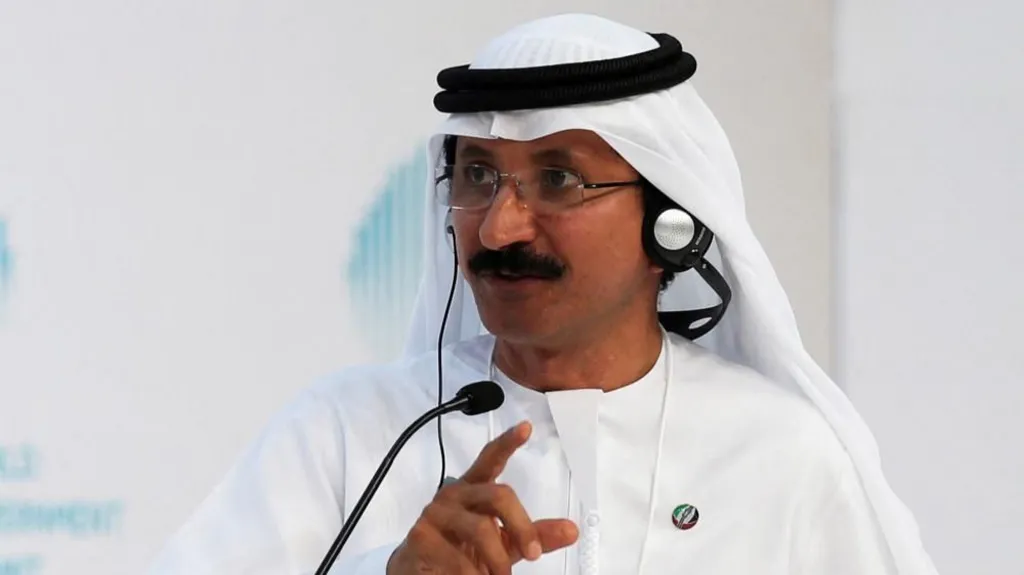
Sultan Ahmed bin Sulayem's departure as chairman and chief executive follows the release of newly uncovered files, which indicate he exchanged numerous emails with Epstein over the course of a decade.
The mention of an individual in these files does not imply any wrongdoing, and the BBC has reached out to Sulayem for a statement regarding the matter.
On Friday, DP World announced the appointments of Essa Kazim as chairman and Yuvraj Narayan as chief executive, without making any reference to Sulayem, whose photograph appears to have been removed from the company's website.
DP World, a Dubai-owned logistics company with a significant presence in global trade infrastructure, operating port terminals across six continents, has faced increasing pressure from its business partners in recent days.
Earlier in the week, the UK development finance agency and La Caisse, Canada's second-largest pension fund, announced that they would be suspending new investments in the firm.
Additionally, the Prince of Wales' Earthshot project, which received funding from DP World, was reported to the UK Charity Commission following Sulayem's appearance in the recently released files.
The documents suggest a close and extensive relationship between Sulayem, a prominent Gulf business figure, and Epstein, spanning multiple areas of interaction.
US lawmakers Ro Khanna and Thomas Massie have accused Sulayem of being one of several influential individuals associated with Epstein, citing him as one of "six powerful men" linked to the disgraced financier.
The lawmakers, who co-sponsored the legislation that led to the release of the Epstein files last year, claim that certain information was improperly redacted from the documents.
On 9 February, Thomas Massie highlighted a redacted document that appeared to contain an email from Epstein in 2009, referencing a "torture video"; the recipient responded that they would be traveling between China and the US, although the context of the exchange is unclear.
US officials have confirmed that Sulayem was the recipient of the email in question, which was sent by Epstein.
Business
Consider Alternatives to Your Current Bank Account
According to Martin Lewis, the current moment may be an opportune time to consider switching bank accounts.
The complete episode is available for streaming on the BBC Sounds platform.
Business
Veteran Designer of Hello Kitty Retires After 46-Year Tenure
Under Yuko Yamaguchi’s guidance, the feline character achieved global icon status.
After a 46-year tenure, the creator of Hello Kitty is relinquishing her design role, marking the end of an era for the beloved character that has become a global phenomenon.
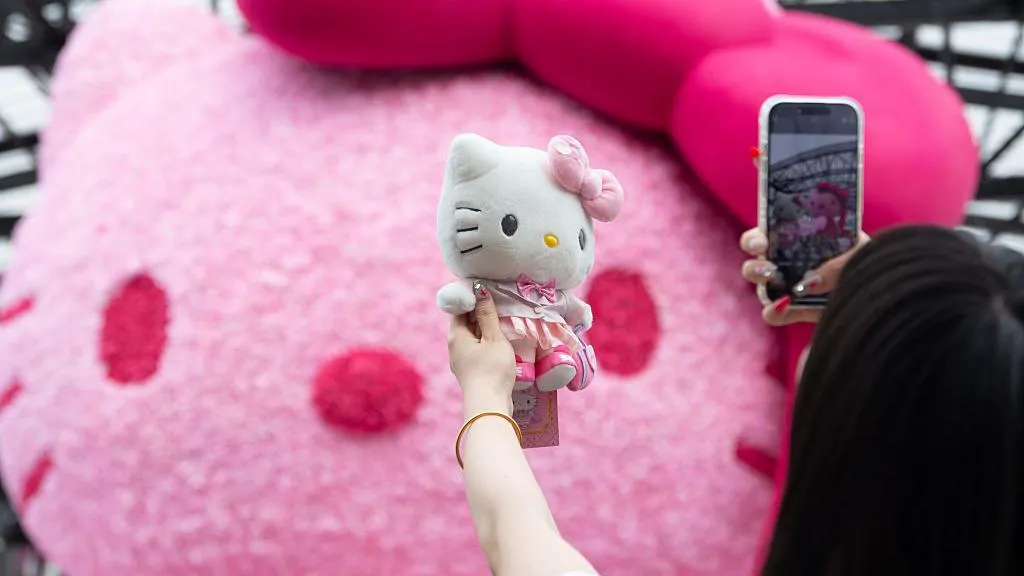
In 1980, Yuko Yamaguchi assumed design responsibilities for Hello Kitty, a character that, despite being commonly perceived as a feline, is actually a little girl from London, five years after the character's initial launch.
During Yamaguchi's four-decade stewardship, Hello Kitty has evolved into one of the most successful franchises worldwide, with its popularity extending far beyond its origins in Japan.
Sanrio, the company behind Hello Kitty, has expressed its gratitude to Yamaguchi, stating that she has "passed the torch" to the next generation of designers.
The launch of Hello Kitty coincided with the rising global popularity of Japanese 'kawaii' culture, a distinctively feminine and youthful aesthetic that has become a cultural phenomenon.
Yamaguchi often embodied the Hello Kitty spirit by wearing dresses inspired by the character and styling her hair in buns, reflecting her deep connection to the brand.
Now 70, Yamaguchi has been credited by Sanrio with transforming Hello Kitty into a universally beloved character, as noted on the company's website.
Sanrio has announced that one of its designers, known by the pseudonym "Aya", who has been working alongside Yamaguchi, will take over as the lead designer by the end of 2026.
Although Yamaguchi is stepping down from her design role, she will remain with Sanrio to offer guidance and support.
Hello Kitty first appeared on a coin purse in 1974, but it was in 1980 that the character began to gain widespread recognition, eventually becoming a global marketing sensation.
The character has been featured on a wide range of products, including clothing, accessories, video games, and even an Airbus plane, and has partnered with notable brands such as Unicef, Nintendo, and Balenciaga, as well as making an appearance as a float in the Macy's Thanksgiving Day Parade.
Hello Kitty-themed cafes can be found worldwide, and there is a dedicated theme park in Japan, with another park slated to open in China.
Unlike other popular Japanese exports, such as Pokemon, Hello Kitty has a relatively minimal backstory, with Sanrio describing her as "not quite a cat, but not a human either".
According to Sanrio, Hello Kitty was born in London, has a twin sister named Mimmy, and a boyfriend named Dear Daniel, although these details are not widely emphasized in the character's marketing.
A Warner Bros film featuring Hello Kitty is scheduled for release in 2028, marking the character's cinematic debut, although she has previously appeared in several animated series, always without speaking, due to her design lacking a mouth.
-
 News13 hours ago
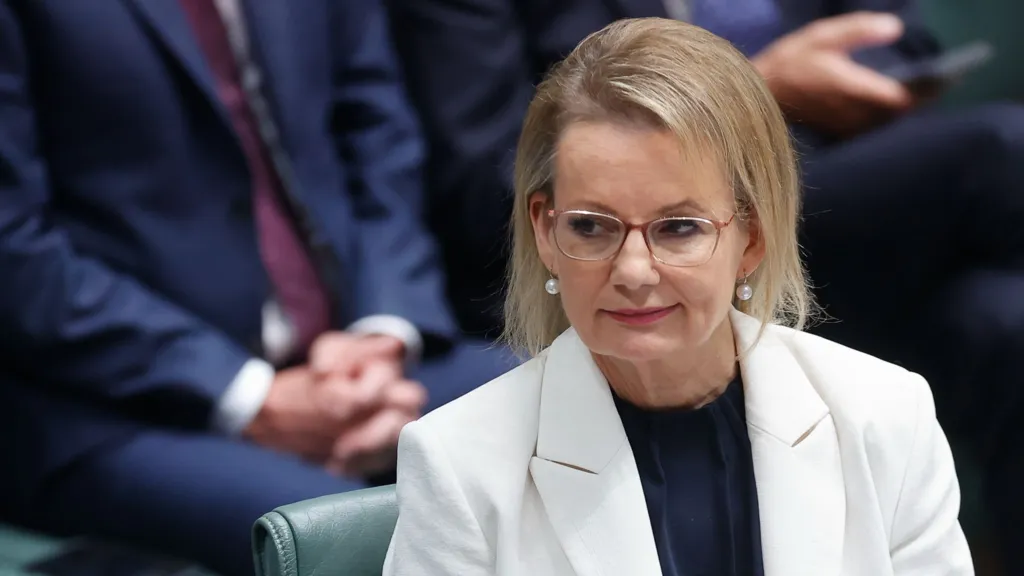
Australian Politics Faces Questions Over Gender Equality Amid Sussan Ley’s Appointment
-
 News11 hours ago
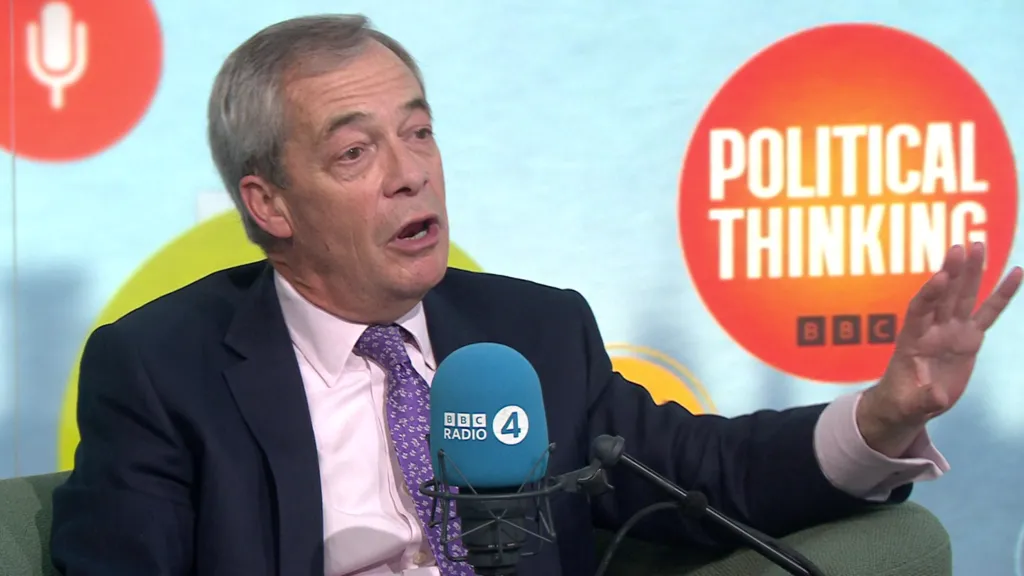
Farage Says Reform to Replace Traditional Tory Party
-
 News11 hours ago
Wrexham Pair Seek Win Against Former Team Ipswich
-
 News16 hours ago
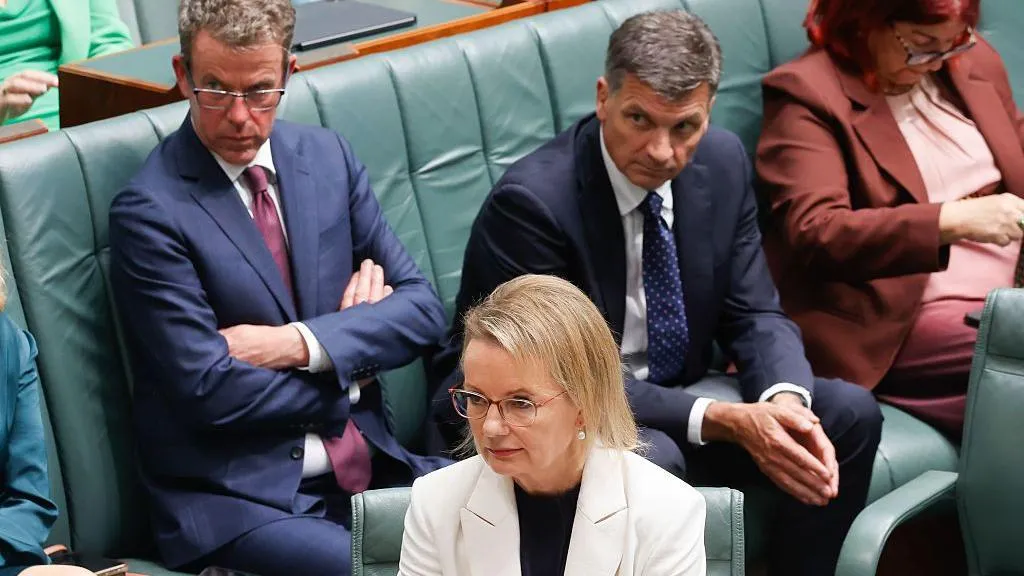
Liberal Party Removes Australia’s First Female Leader
-
 News14 hours ago
UK Braces for Cold Snap with Snow and Ice Alerts Expected
-
 News11 hours ago
Husband’s alleged £600k theft for sex and antiques blamed on drug side effects
-
 News2 days ago
Sunbed ads spreading harmful misinformation to young people
-
 Business16 hours ago
BBC Reporter Exposed to Cyber Attack Due to Vulnerabilities in AI Coding Tool