
News
The Paradox at the Heart of the AI Industry’s Growth
A lingering uncertainty surrounds the frenzy over AI, with concerns that it may be a bubble poised to collapse.
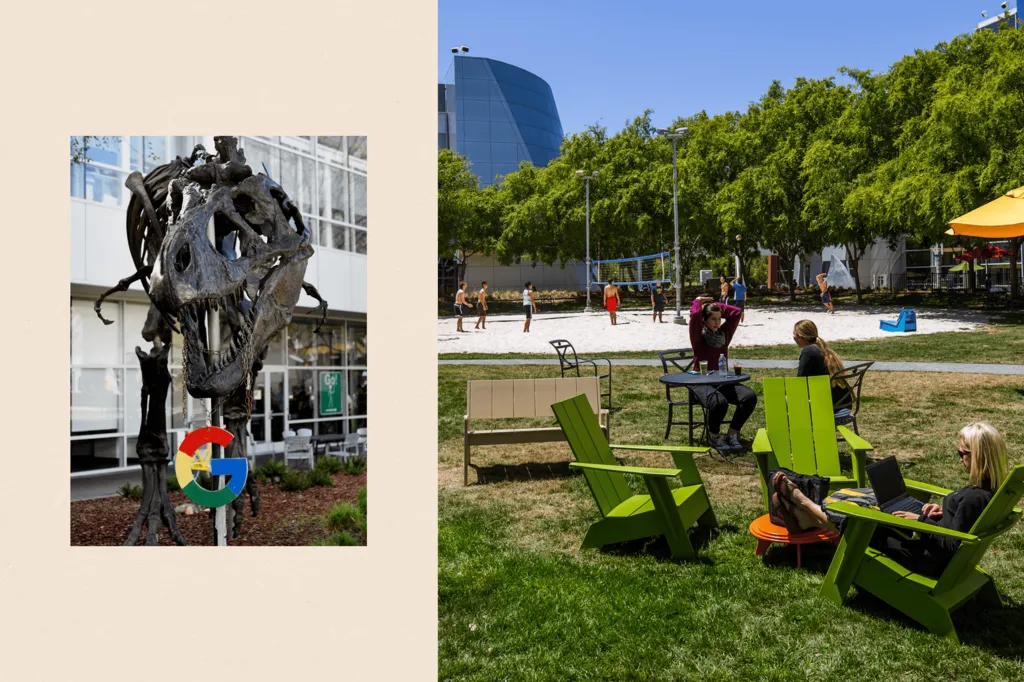
During a tour of Google's California headquarters, Googleplex, CEO Sundar Pichai highlights the company's innovative projects, including a walkway that passes by a giant dinosaur skeleton and a beach volleyball pitch, where dozens of employees are enjoying their lunch under the November sun.
Pichai is particularly enthusiastic about showing me a laboratory located at the back of the campus, hidden behind trees, where a groundbreaking invention is being developed.
This laboratory is the site of Google's secret weapon, a project that has the potential to revolutionize the tech industry.
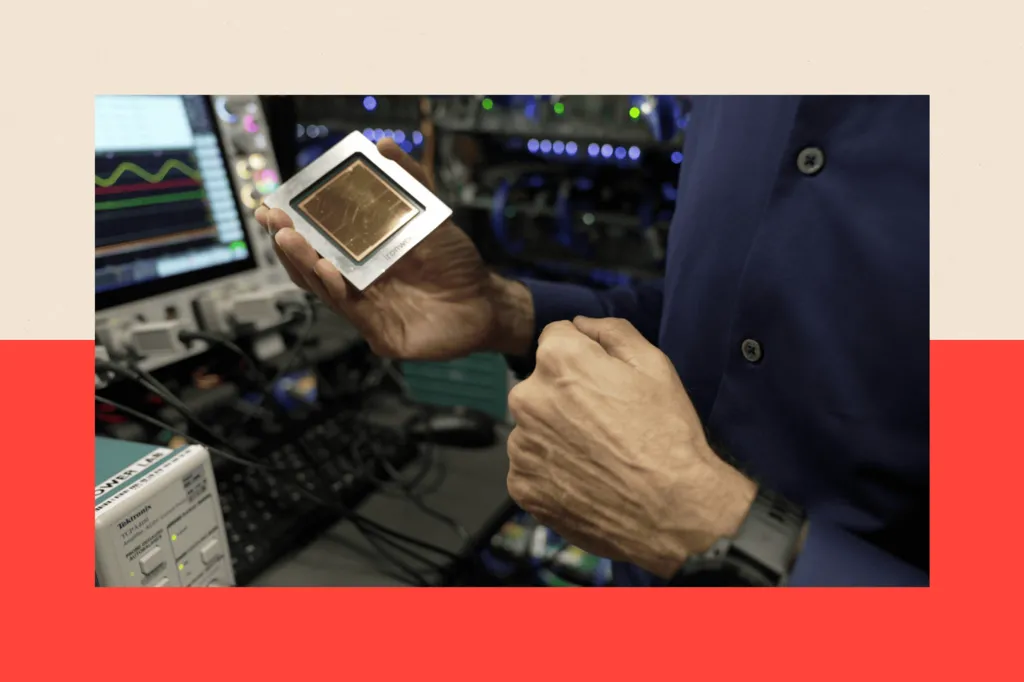
The Tensor Processing Unit, or TPU, is a small chip that may seem unassuming, but according to Pichai, it will eventually power all AI queries that go through Google, making it a crucial component in the world economy.
Pichai emphasizes that AI is a profound technology with the potential for extraordinary benefits, but also acknowledges the need to address potential societal disruptions.
However, there is uncertainty surrounding the AI hype, with concerns that it may be a bubble that could burst, potentially leading to significant consequences.
The Bank of England has warned of a potential "sudden correction" in global financial markets, citing stretched market valuations for tech AI firms, while OpenAI's Sam Altman has suggested that some areas of AI may be experiencing a bubble.
When asked if Google would be immune to a potential bubble burst, Pichai stated that the company could weather the storm but warned that no company, including Google, would be completely immune.
Despite these concerns, Google is investing over $90 billion annually in AI development, a three-fold increase in just four years, demonstrating the company's commitment to this technology.
The AI surge, in which Google is a key player, represents the largest market boom in terms of cash value that the world has seen.
The market value of Google and four other tech giants, all headquartered within a short drive of each other, exceeds $15 trillion.
Chipmaker Nvidia, now a pioneer in AI systems, is worth over $5 trillion, while Apple's value hovers around $4 trillion, and Meta, previously Facebook, is valued at $1.9 trillion; OpenAI, recently valued at $500 billion, is also a significant player.
The financial implications of this trend are substantial, with significant consequences for the economy.

The value of shares in these companies has helped cushion the US economy from trade wars and supported retirement plans and investments, not only in the US but also globally.
However, this trend also carries a significant risk, as the US stock market's growth is heavily dependent on the performance of a handful of tech giants, known as the Magnificent 7, which comprise one-third of the S&P 500's valuation.
According to the IMF, the market value is now more concentrated in a few firms than it was during the dotcom bubble in 1999.
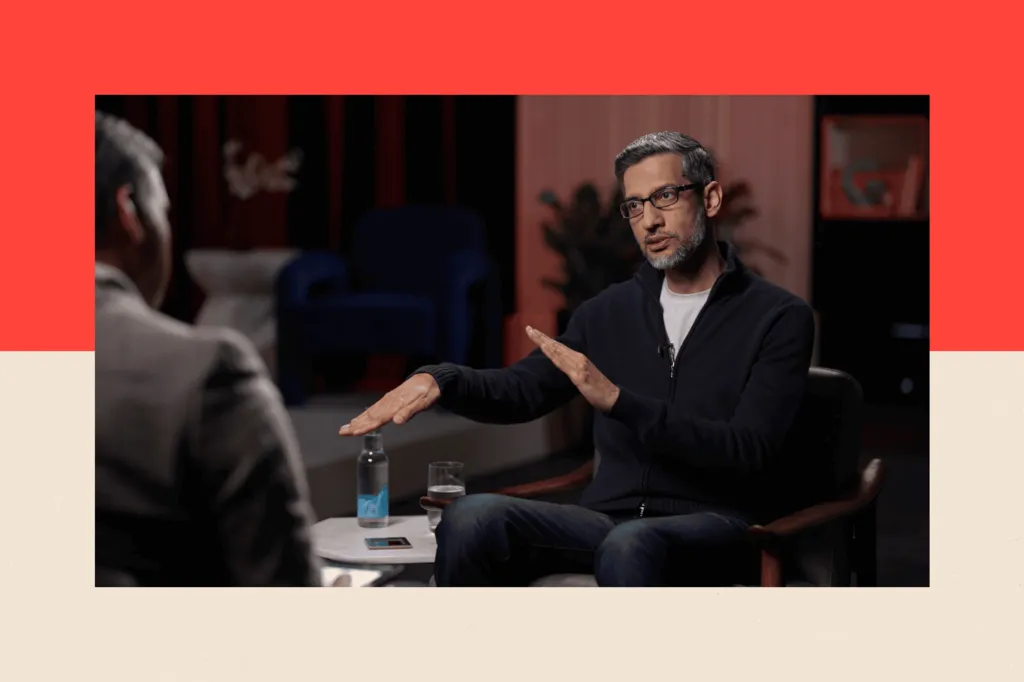
Pichai notes that every decade brings significant inflection points, such as the personal computer, the internet, mobile, and cloud, and now it is clearly the era of Artificial Intelligence.
The question remains whether the AI hype is a bubble that will burst.
Pichai offers two perspectives on this issue, citing the exciting progress of AI services and the potential for irrationality in investment cycles.
He acknowledges that while there is rational progress, there are also moments of collective overshooting in the industry.
Pichai concludes that the situation is a mix of rational and irrational elements.
A distinction is emerging in the markets between businesses that rely on borrowed money and complex deals to access AI-powered chips and the largest tech companies, such as Google, Microsoft, and Amazon, which can fund their own chip development.
Google's custom silicon chips, known as TPUs, are a key component in this landscape.
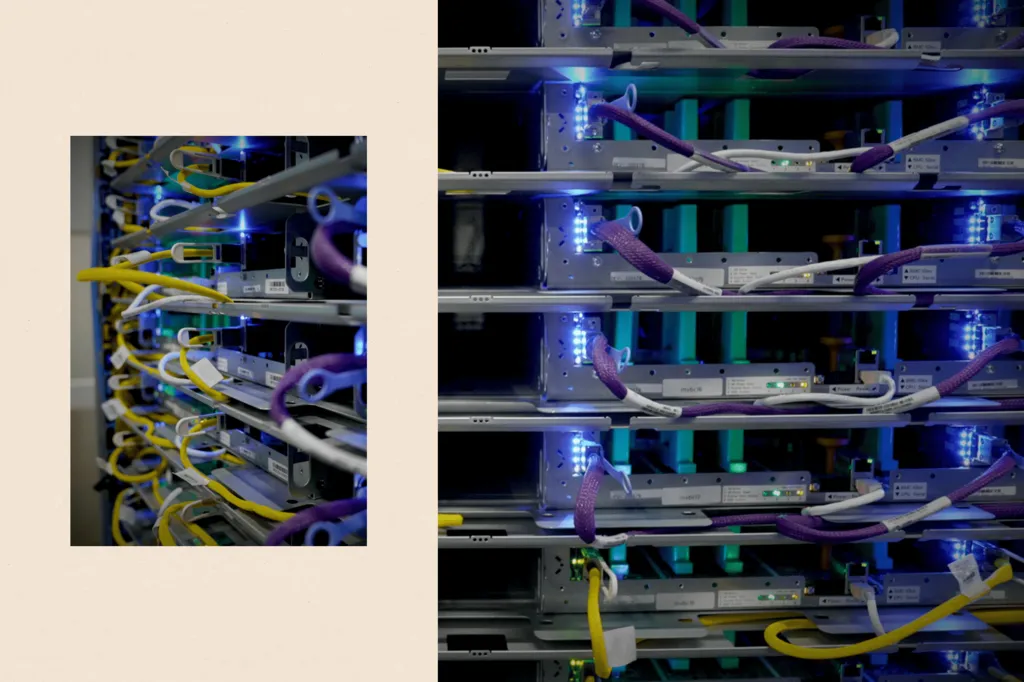
The lab where TPUs are tested is a large facility with a mesh of multicolored wires and deep blue blinking lights, surrounded by signs indicating restricted access.
The lab is notable for its high noise level, which is due to the cooling systems required to control the temperature of the chips, which can become extremely hot when processing trillions of calculations.
TPUs are designed to power AI machines and operate differently from other types of chips.
The central processing unit (CPU) is the primary component of a computer, performing most processing and control functions, while graphics processing units (GPUs) execute specialized tasks, including AI processing.
Application-specific integrated circuits (ASICs) are custom-built chips designed for specific purposes, such as AI algorithms, and Google's TPU is a type of ASIC.
The AI boom has been driven in part by the rush to amass high-performance chips and deploy them in data centers.
Nvidia's CEO, Jensen Huang, has referred to these data centers as "AI factories," which are equipped with massive energy and cooling systems.
While some data centers are enormous, such as those described by Mark Zuckerberg as being the size of Manhattan, Google's TPU lab is more modest, focused on testing technology for deployment elsewhere.
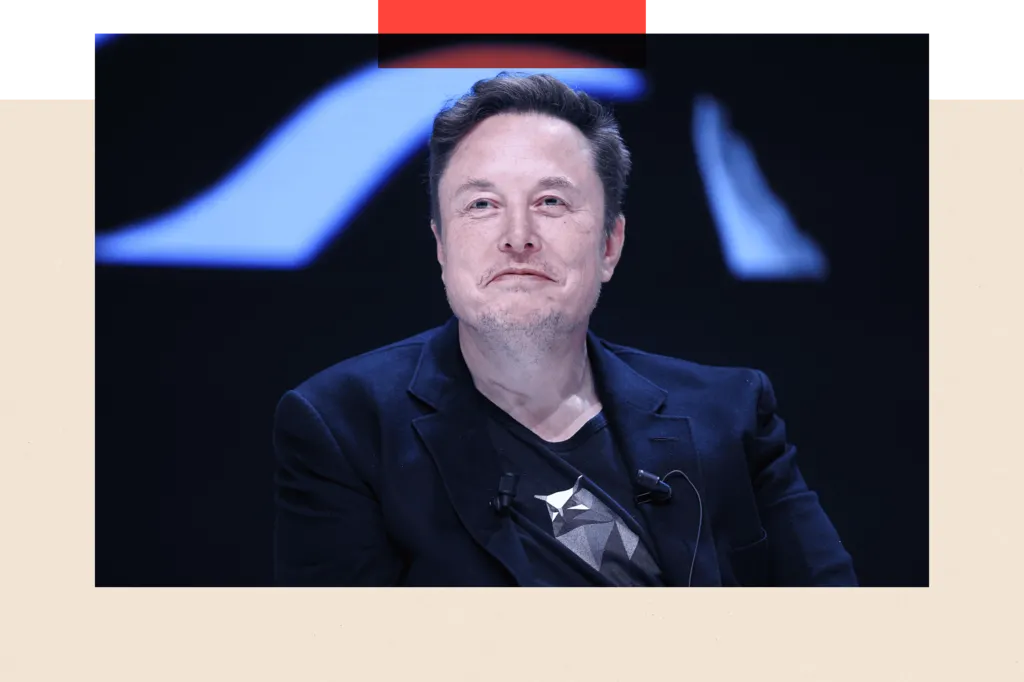
There are stories of tech executives, such as Elon Musk and Larry Ellison, attempting to secure large quantities of high-performance chips from manufacturers like Nvidia.
Ellison has described a dinner meeting with Nvidia's Jensen Huang, where he and Musk begged Huang to sell them more GPUs, offering to pay any price.
The competition to access high-performance chips and scale them up in massive data centers is driving the AI boom, with a perception that the only way to win is to continue spending heavily.
The Rosewood Sand Hill hotel, a hub for Silicon Valley deal-making, is where major transactions are negotiated, with its proximity to Stanford University and Meta's HQ, as well as major venture capital firms.
There are rumors about which companies will next announce customized AI chips, or ASICs, to compete with Google and Nvidia.
Before my visit, there was speculation about OpenAI's investment plans, which Elon Musk co-founded, and its efforts to establish a commercial structure.
OpenAI has experienced phenomenal user growth, particularly with its chatbot, ChatGPT, but there are questions about its spending commitments and revenue.
Some have speculated that OpenAI may need government support to design its own custom AI chips, despite its ambitions to do so.
In a recent podcast, an OpenAI investor questioned the company's spending commitments, prompting co-founder Sam Altman to respond, challenging the revenue figures and offering to find a buyer for the investor's shares.
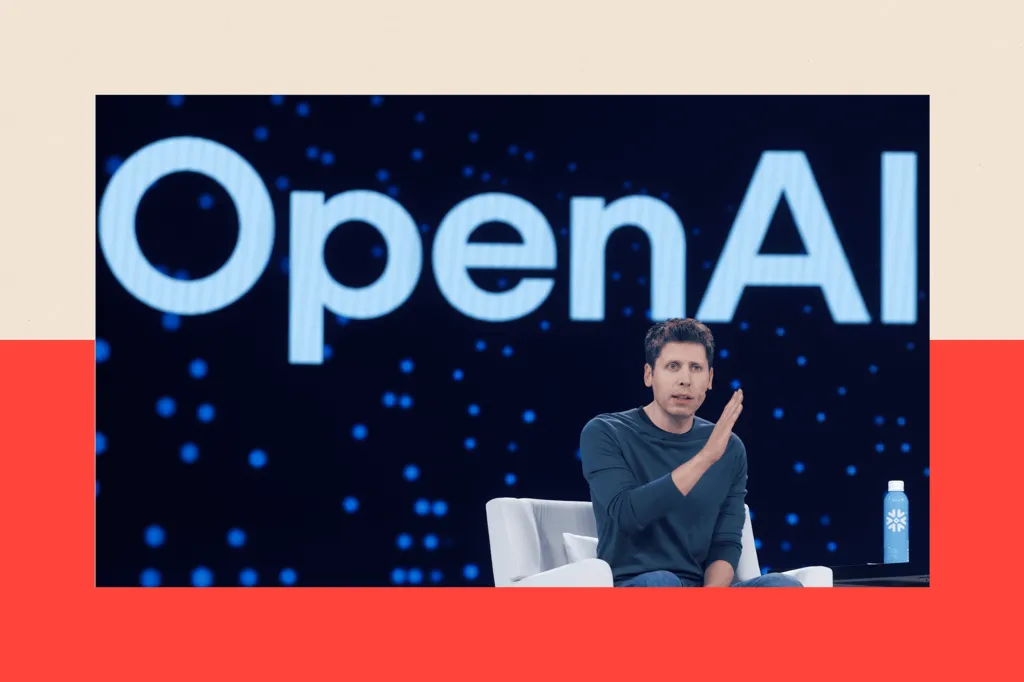
In a recent X post, he outlined OpenAI's plans, including commitments of approximately $1.4 trillion over the next eight years, and made the case for investing in scaling up their technology.
When asked about government involvement, he stated that he does not believe governments should provide insurance for AI companies.
However, he suggested that governments could play a role in developing and owning their own AI infrastructure, which could be beneficial.
Meanwhile, the share price of Coreweave, a start-up that supplies OpenAI, dropped by 26% earlier this month, reflecting the recent volatility in AI infrastructure companies.
There have also been market reactions to perceived credit risks among other firms, although most tech share prices have generally increased over the course of 2025, with a slight decline in recent days.
The excitement surrounding AI's potential remains unabated, with Google's recent launch of Gemini 3.0, a consumer AI model, poised to compete with OpenAI's ChatGPT for market share.
A question remains as to whether this investment will lead to more reliable information, or if it will exacerbate issues like chatbots providing inaccurate recommendations.
In response to this concern, he noted that relying solely on standalone AI systems could lead to unreliable information, emphasizing the need for a more comprehensive information ecosystem.
When pressed on the importance of truth, he concisely replied, "truth matters."
Another significant challenge facing the tech industry is the question of how to power AI technologies, which is not dampening enthusiasm for their development.
By 2030, global data centers are projected to consume as much electricity as India did in 2023, according to the IMF, highlighting the tension between energy demands and climate change targets.
This issue was raised with Google's leader, who was asked if it is feasible for a government to aim for 95% low-carbon electricity by 2030 while also aspiring to be an AI leader.
He replied that it is possible, but emphasized the need for governments to scale up infrastructure, including energy, to support their ambitions.
He cautioned against constraining economic growth due to energy limitations, warning of potential consequences.
Drawing from experience covering the 2000 dotcom bubble, it is clear that even in the face of significant challenges, catastrophe is not inevitable for all companies.
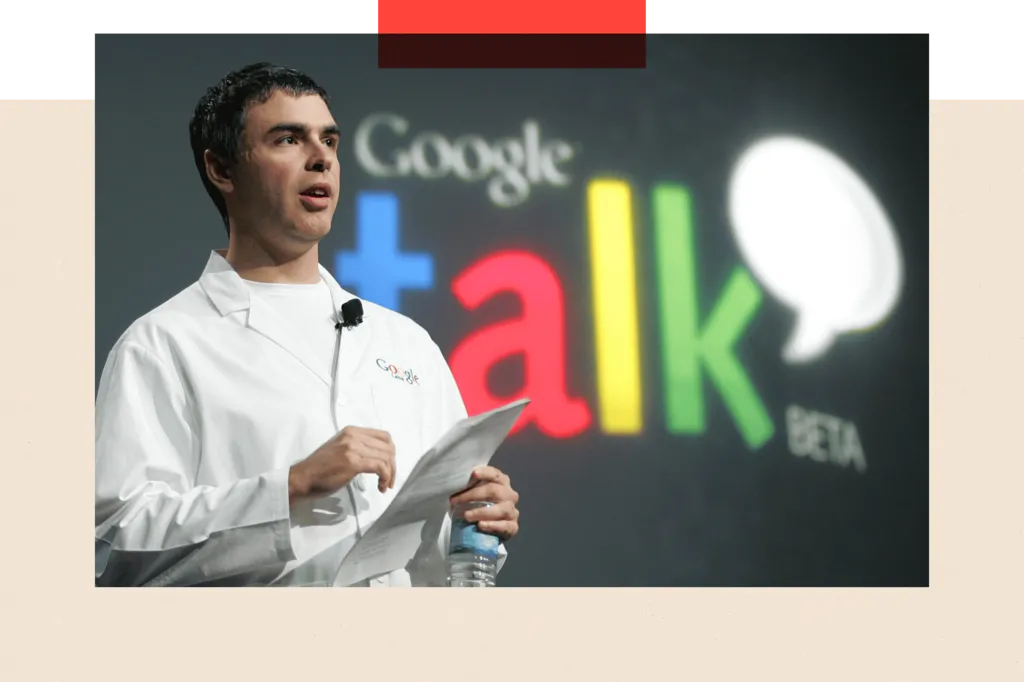
Having interviewed key figures like Steve Jobs and Larry Page, and witnessed the collapse of companies like WorldOfFruit.com, it is evident that some companies can weather the storm and thrive.
A key lesson from this period is that even in the worst-case scenarios, not all companies will fail, and some will emerge stronger.
Amazon, for example, saw its share price plummet to $6 and its market capitalization fall to $4bn during the crash, yet today the company is worth $2.4 trillion.
Similarly, companies affected by a potential AI bubble burst may also recover and continue to grow.
One factor driving the push for AI development, despite potential risks, is the prospect of achieving artificial general intelligence (AGI), a goal that many believe is within reach.
The pursuit of AGI, and potentially artificial super-intelligence (ASI), is a key driver of innovation, with many companies and governments investing heavily in this area.
A Silicon Valley figure noted that the question of whether there is an AI bubble is less important than the broader context of a global battle for AI supremacy, with the US and China at the forefront.
This competition is characterized by a mix of government funding and private investment, with the US relying on a free market approach, while China takes a more centralized approach.
Currently, the US has an advantage in terms of silicon technology, with companies like Nvidia and Google leading the way, but this landscape is likely to evolve.
As the pursuit of AI supremacy continues, some companies will fail, while others will succeed, leaving behind a significant computing infrastructure that will shape the economy and potentially transform the way we work and learn.
The outcome of this competition will have far-reaching consequences, influencing not only the tech industry but also the global economy and the balance of power in the 21st century.



Business
US inflation slows as used vehicle prices decline
According to the most recent official data, prices increased by 2.4% over the 12 months ending in January, marking the smallest gain since May.
The US experienced a slowdown in inflation last month, driven by decreases in energy and used car prices.

According to the Labor Department, the consumer price index increased by 2.4% over the past 12 months, ending in January, marking a decline from the previous month's 2.7% and the slowest rate since May.
This development may support the argument made by US President Donald Trump and others that the central bank has the flexibility to lower interest rates without triggering a surge in prices.
However, analysts caution that progress toward the Federal Reserve's inflation target of 2% may be hindered in the coming months if companies begin to pass on tariff costs to consumers more extensively.
Neil Birrell, chief investment officer at Premier Miton Investors, noted that the impact of tariffs remains uncertain and pointed out other data anomalies that could have influenced the January figures.
Birrell stated that the January report is likely to pave the way for a potential rate cut in the near future.
He added that the US economy appears to be performing well, with strong growth, stable inflation, a robust job market, and a Federal Reserve that has the ability to adjust its policies as needed.
News
Service Member Injured in Stabbing Incident Close to Military Base
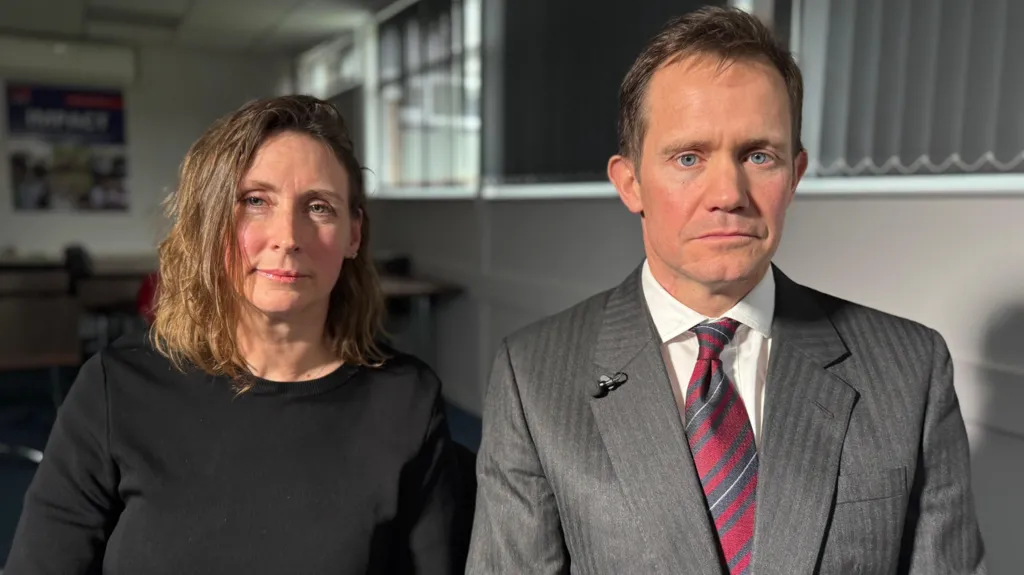
According to Lt Col Mark Teeton, he considers himself lucky following what he describes as a premeditated and intentional assault perpetrated by Anthony Esan.
Lt Col Mark Teeton recalled the moment his life was put in danger when Anthony Esan dropped his deceptive facade and unleashed a violent attack, saying, "I knew I was in trouble."
On 23 July 2024, at approximately 18:00 BST, Teeton's routine walk home from Brompton Barracks was disrupted when Esan approached him, requesting to borrow his mobile phone to seek help for his broken-down moped.
Within three minutes, Teeton had suffered a brutal stabbing, which was briefly interrupted when his wife intervened, pushing Esan away as he lunged at her husband.
In an interview with the BBC, Teeton reflected on his ordeal, stating, "I was fortunate to have survived."
Esan, aged 25, received a life sentence with a minimum term of seven years and 162 days at Maidstone Crown Court.
During the sentencing, Mr Justice Picken described the attack as having an "unimaginable horror."
The judge also ruled that Esan would be detained in a hospital for as long as necessary.
Prior to the attack, Esan had conducted online searches for knives, a terrorist attack in West Africa, and TikTok videos depicting knife attacks in other countries.

The court heard that Esan had also searched for information on the 2013 murder of Lee Rigby, referred to as the "Woolwich soldier murdered."
Forensic psychiatrists testified that Esan's actions were more likely driven by psychosis, but that he had intentionally targeted a soldier.
Mr Justice Picken stated, "The attack on Mr Teeton was targeted and deliberate."
Addressing Esan, the judge said, "You intentionally sought out a soldier with the intention of causing fatal harm, as evident from your online search of the Lee Rigby killing."
Eileen Teeton, Mark's wife, recounted how she rushed from their home and confronted the assailant, but Esan's gaze followed her.
She described how Esan then turned his attention back to her husband, at which point she realized the victim was her husband.
After Esan ceased his attack and fled on his moped, Eileen's priority was to get her husband medical attention as quickly as possible.
As Teeton drifted in and out of consciousness, guards from the nearby barracks, local residents, police, and paramedics arrived at the scene.
Teeton was rushed to Kings College Hospital in London, where he underwent emergency surgery, while his wife followed, unsure if he would survive.
Following the sentencing, Teeton stated that Esan's life imprisonment reflected the premeditation and planning that went into the attack against him, a British military officer.
He added, "Knife attacks have far-reaching consequences, affecting not only the victim but also their families and the communities where they occur."
Teeton expressed his empathy, saying, "We feel the pain of every knife attack we see in the news, and our thoughts are always with those affected."
Prior to the attack, Teeton, a 26-year veteran of the military, had completed four tours in Iraq and Afghanistan.

He credited the swift response of paramedics, who arrived by air ambulance, with helping to save his life.
Teeton also acknowledged the role of locals who provided first aid, saying, "The immediate care they provided, along with the basic first aid principles they applied, absolutely saved me."
After a three-week hospital stay, Teeton returned home to find that the military had relocated his family to a more private area.
He then spent five weeks at a rehabilitation centre for injured military personnel near Loughborough before returning to work full-time in January 2025.
In January, Esan pleaded guilty to attempted murder, following several delays in the case due to concerns about his mental health.
Esan had previously attempted to join the British Army on multiple occasions, with his first application submitted in 2020.
In the same year, he was referred to mental health services due to apparent mental health issues and reports of hearing voices.
Esan's mother believed that, given his mental state, he should not have been in the community, according to testimony presented in court.
Eileen Teeton, who sings in a military wives choir, expressed relief that Esan had pleaded guilty, sparing them the ordeal of a trial.
She stated, "We felt a massive sense of relief that he had taken responsibility for his actions and pleaded guilty, sparing us and the jurors from reliving the horrific ordeal."
News
Tudor to take interim charge of Tottenham
Igor Tudor has reached an agreement to take the reins as Tottenham’s interim head coach for the remainder of the season.
Tottenham has reached an agreement with Igor Tudor to take the helm as interim head coach for the remainder of the current season.
For the latest updates, in-depth analysis, and perspectives from fans, look to Tottenham's recent news and discussion.
Do you have any questions about Tottenham – what information are you seeking?
-
 News11 hours ago
Australian Politics Faces Questions Over Gender Equality Amid Sussan Ley’s Appointment
-
 News8 hours ago
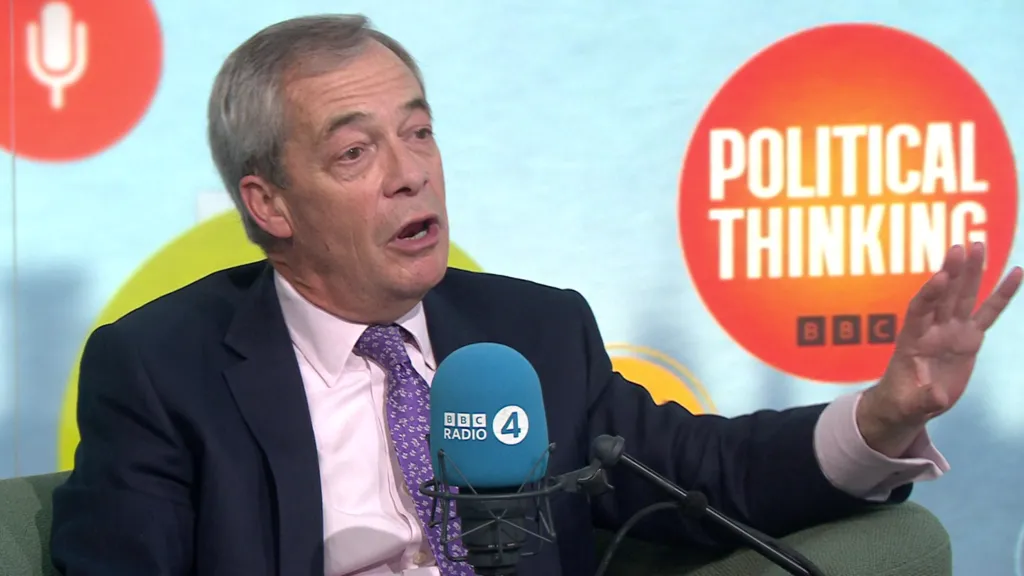
Farage Says Reform to Replace Traditional Tory Party
-
 News8 hours ago
Wrexham Pair Seek Win Against Former Team Ipswich
-
 News14 hours ago
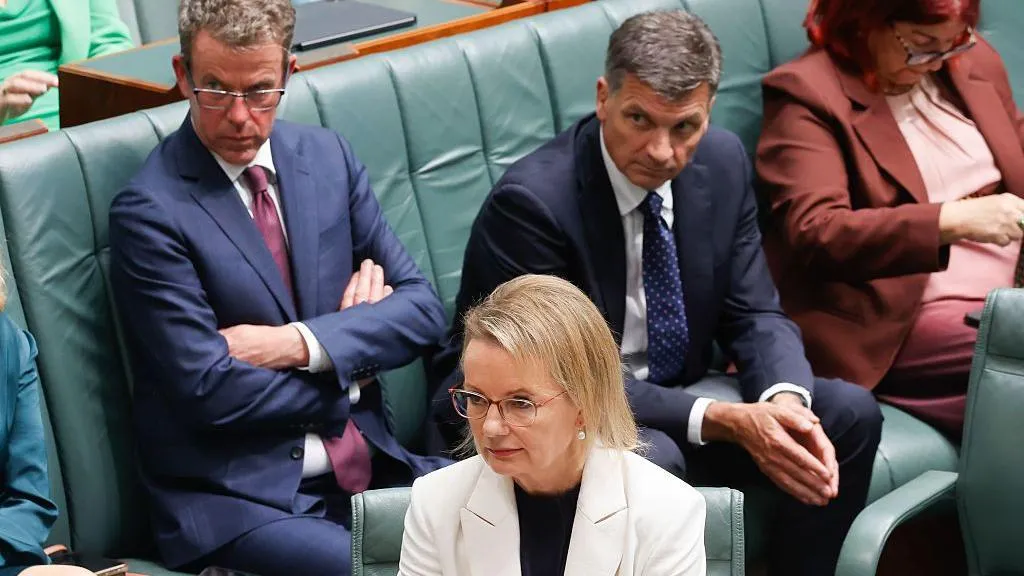
Liberal Party Removes Australia’s First Female Leader
-
 News11 hours ago
UK Braces for Cold Snap with Snow and Ice Alerts Expected
-
 News8 hours ago
Husband’s alleged £600k theft for sex and antiques blamed on drug side effects
-
 News2 days ago
Sunbed ads spreading harmful misinformation to young people
-
 Business14 hours ago
BBC Reporter Exposed to Cyber Attack Due to Vulnerabilities in AI Coding Tool