
News
The search for life beyond Earth and its implications for humans
The detection of extraterrestrial life could potentially have a profound impact on human self-perception and interpersonal relationships.
This article is available to stream on BBC Sounds.

Certain scientific breakthroughs have the power to fundamentally alter our understanding of the universe and our place within it, transcending mere advancements in knowledge.
The first images of Earth from space and the potential discovery of life on another planet are two such moments that have significantly impacted our perspective, with the latter taking a significant step forward with the detection of a gas on the planet K2-18b, which is produced by simple marine organisms on Earth.
According to the lead scientist on the team that made the discovery, the possibility of confirming the existence of alien life is now closer than ever.
Prof Nikku Madhusudhan of Cambridge University's Institute of Astronomy notes that this discovery has the potential to answer one of the most fundamental questions in science, and we may be on the cusp of a major breakthrough.
However, the potential discovery of life on another planet raises a multitude of questions, including the impact it could have on human society and our collective sense of identity.
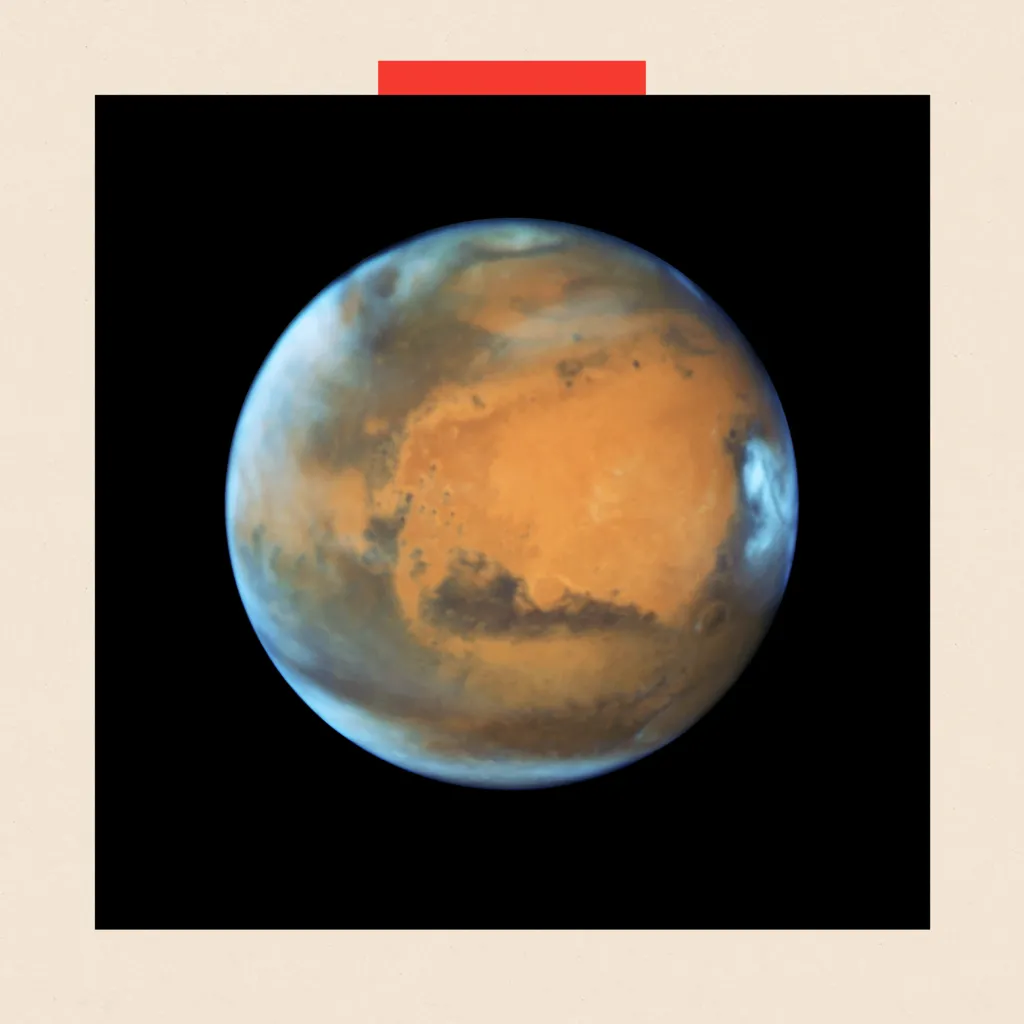
The concept of extraterrestrial life has long fascinated human imagination, with early 20th-century astronomers speculating about the possibility of advanced civilizations on Mars based on observations of straight line features on the planet's surface.
During the Cold War era, the depiction of alien life in science fiction often reflected the fears of the time, with extraterrestrial visitors frequently portrayed as menacing beings.
The latest development in the search for life beyond Earth comes not from our nearest planetary neighbors, but from a distant planet hundreds of trillions of miles away, orbiting a star other than the Sun.
One of the main challenges in the search for alien life is determining where to focus research efforts.
Until the 1990s, Mars was the primary target in the search for life, but the discovery of the first exoplanet in 1992 marked a significant shift in the field, as scientists began to explore the possibility of life on planets orbiting other stars.
Since then, nearly 6,000 exoplanets have been discovered, offering a vast array of potential candidates for hosting life.
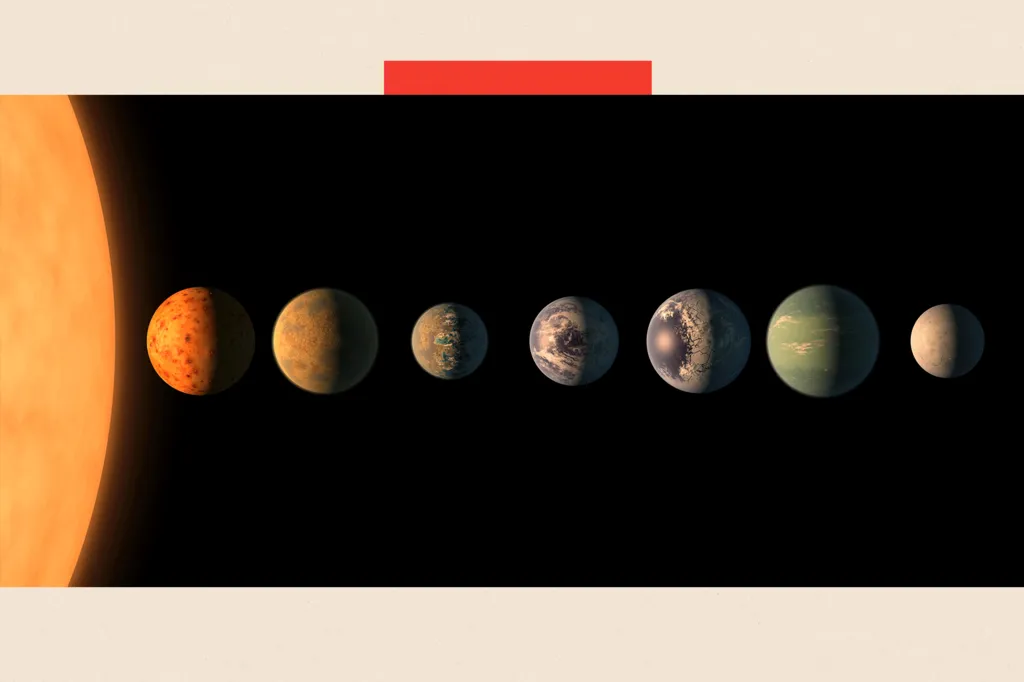
While many of these planets are gas giants or have conditions that are inhospitable to life, others exist in the so-called "Goldilocks Zone," where the distance from their star is suitable for supporting liquid water and potentially, life.
Prof Madhusudhan estimates that there could be thousands of planets in the Milky Way galaxy that fall within this zone.
As the discovery of exoplanets accelerated, scientists developed new instruments to analyze the chemical composition of their atmospheres, aiming to detect biosignatures that could indicate the presence of life.
By studying the light that passes through the atmospheres of these distant planets, researchers hope to identify chemical fingerprints that are unique to living organisms.
The development of advanced telescopes and spectrographs has enabled scientists to study the atmospheres of exoplanets in unprecedented detail.
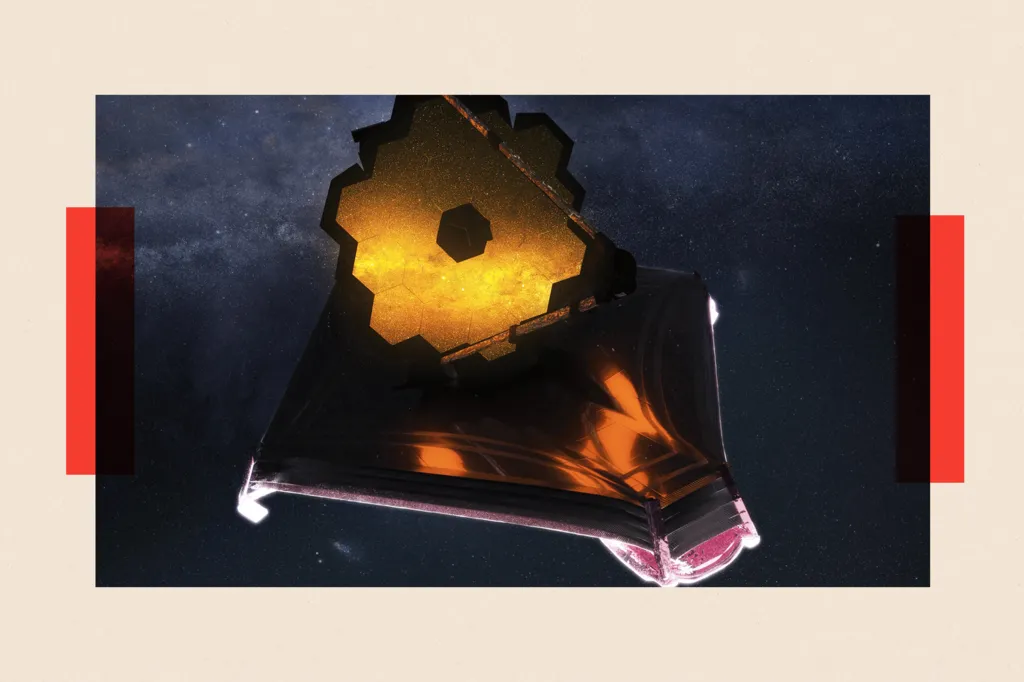
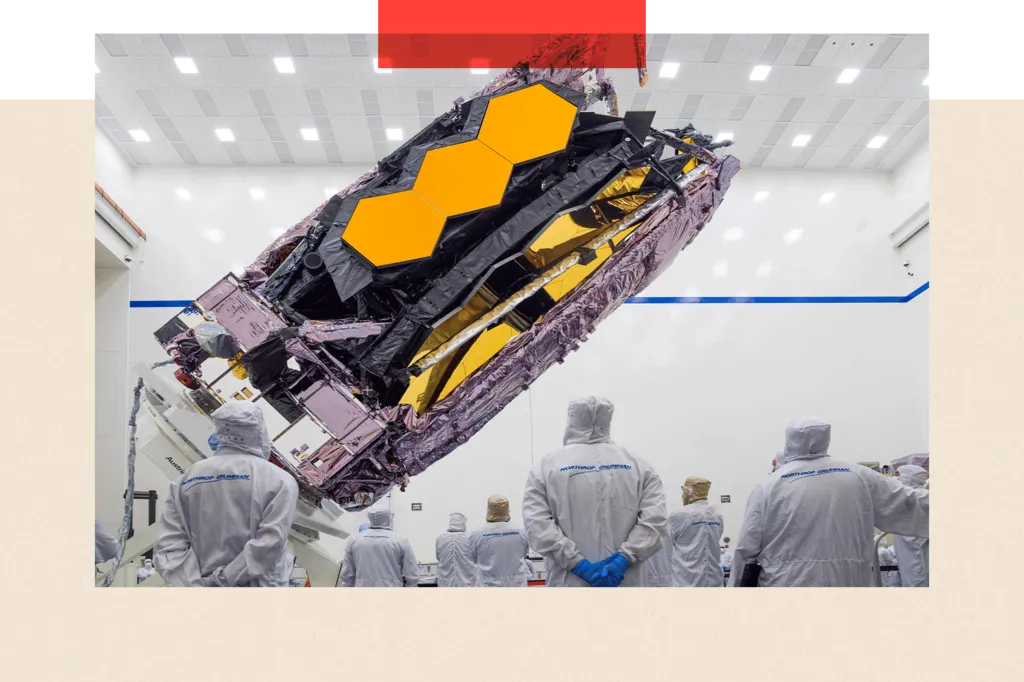
The launch of the James Webb Space Telescope in 2021 marked a major milestone in this effort, with its discovery of a gas on the planet K2-18b being a significant breakthrough.
However, the James Webb Space Telescope has limitations, and future missions, such as the Habitable Worlds Observatory, are being planned to study the atmospheres of smaller, Earth-like planets.
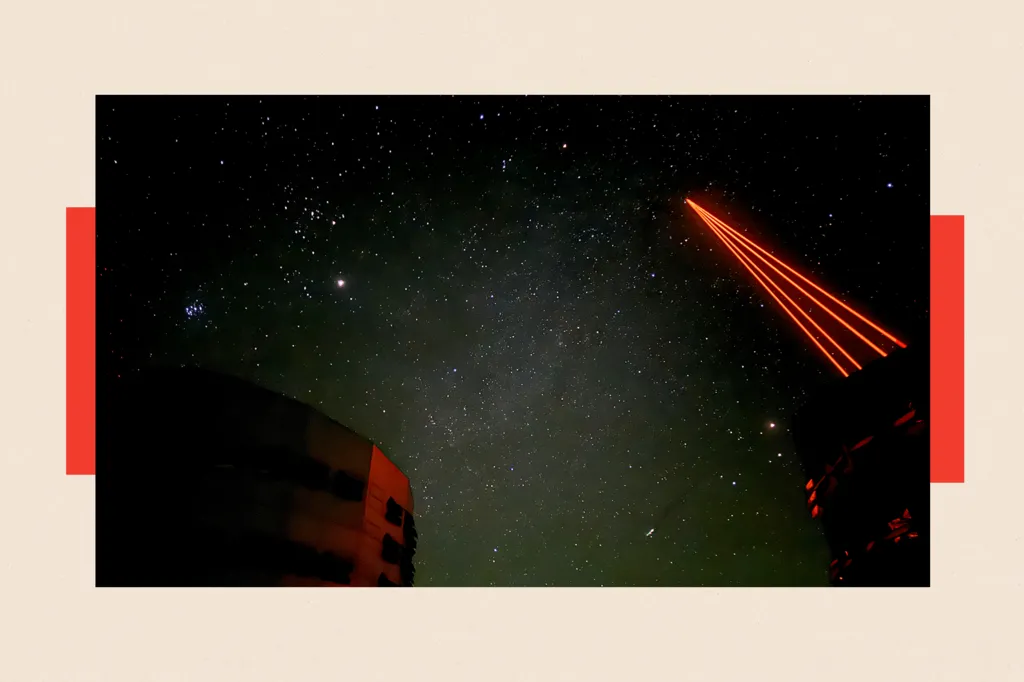
The European Southern Observatory's Extremely Large Telescope, set to come online later this decade, will provide unprecedented resolution and sensitivity for studying planetary atmospheres.
With its 39-meter diameter mirror, the ELT will be capable of detecting vastly more detail in the atmospheres of exoplanets than previous telescopes.
Prof Madhusudhan hopes to gather sufficient data within the next two years to confirm the detection of biosignatures on K2-18b, but even if successful, this will only be the beginning of a more extensive scientific debate.
The discovery of biosignatures will prompt further investigation into the possibility of non-living explanations for the observed chemical signals.
As more data is collected from various planetary atmospheres, the scientific consensus will gradually shift towards the likelihood of life existing elsewhere in the universe, according to Prof Catherine Heymans, Scotland's Astronomer Royal.
"As we gather more data and observe multiple systems, we will gain greater confidence in our understanding of the chemical compositions of these atmospheres," Prof Heymans notes.
The emergence of the world wide web was a gradual process, with individual technological advancements not necessarily seeming revolutionary at the time.
Similarly, the discovery of life beyond Earth may unfold as a series of incremental breakthroughs, with the cumulative impact only becoming apparent in retrospect.
A more definitive discovery of life would be to detect it in our own solar system using robotic spacecraft equipped with portable laboratories, which could analyze and potentially retrieve extraterrestrial organisms.
Recent data from spacecraft has strengthened the case for the possibility of life in our solar system, prompting several missions to search for signs of life.
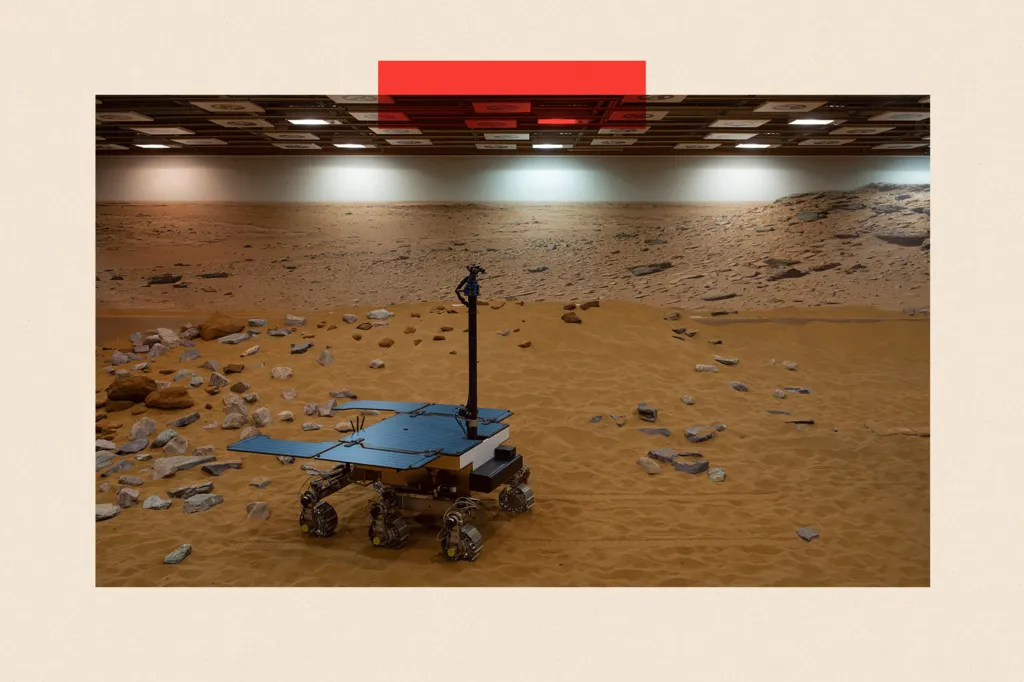
The European Space Agency's ExoMars rover, scheduled to launch in 2028, will drill into the Martian surface to search for signs of past or present life.
China's Tianwen-3 mission, also launching in 2028, aims to collect samples from Mars and return them to Earth by 2031, while NASA and ESA have spacecraft en route to the icy moons of Jupiter to search for water and potential habitats for life.
These missions will lay the groundwork for future endeavors, which will be designed to detect life itself, according to Prof Michele Dougherty of Imperial College, London.
"The process of searching for life is a long and gradual one," Prof Dougherty notes, "with each step building on the previous one to ultimately determine the best course of action for future missions."
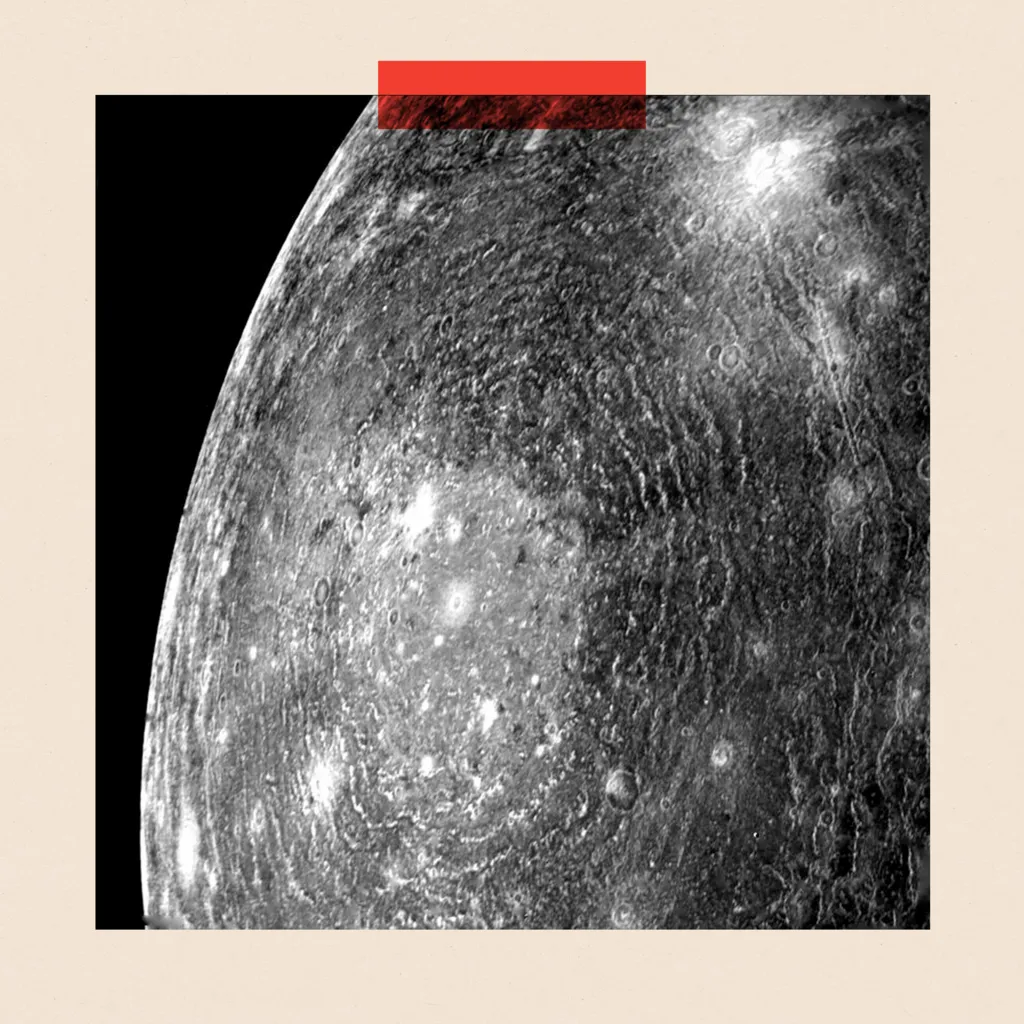
NASA's Dragonfly spacecraft, set to land on Saturn's moon Titan in 2034, will explore a world with conditions that are thought to be suitable for life, including lakes and clouds made of carbon-rich chemicals.
The discovery of life on Titan or other icy moons would be a major breakthrough, with Prof Dougherty expressing optimism about the possibility of finding life in these environments.
The presence of water, heat, and organic chemicals on these moons creates a favorable environment for life to emerge, according to Prof Dougherty.
As a leading planetary scientist, Prof Dougherty is confident that the conditions for life exist on one of the icy moons of Jupiter or Saturn.
"I would be surprised if there wasn't life on one of these moons," she says, citing the presence of the necessary ingredients for life, including heat, liquid water, and organic chemicals.
While the discovery of simple life forms would be a significant breakthrough, it would not necessarily imply the existence of more complex life forms.
The search for life beyond Earth is an ongoing and complex process, with each new discovery building on previous findings to gradually uncover the truth about the existence of life in the universe.
According to Prof Madhusudhan, the existence of simple life in the galaxy is likely to be a common phenomenon, but the transition from simple to complex life is a more significant and unresolved issue. The factors that drive this transition and the subsequent emergence of intelligent life remain unknown.
Dr Robert Massey, deputy executive director of the Royal Astronomical Society, concurs that the development of intelligent life on another planet is less probable than the existence of simple life forms.
The evolution of life on Earth was a complex and time-consuming process, with the emergence of multi-cellular life taking a considerable amount of time to develop into diverse species.
A key question is whether the specific conditions found on Earth, such as its size, oceans, and land masses, are essential for the evolution of complex life, or if similar outcomes can occur under different circumstances on other planets.
The discovery of even basic forms of alien life would mark another milestone in the reevaluation of humanity's position within the universe, according to Dr Massey.
Historically, humans have had to reassess their place in the universe with each major astronomical discovery, and the finding of life elsewhere would further diminish the notion of human centrality.

In contrast, Prof Dougherty believes that discovering life in our solar system would have a positive impact on both science and human perspective.
The detection of simple life would provide valuable insights into the origins of life on Earth, allowing for a better understanding of human evolution and our place within the universe.
Knowing that life exists elsewhere in the solar system or beyond could be a comforting realization, as it would suggest that humanity is part of a larger cosmic context, according to Prof Dougherty.
The current search for life on other planets is unprecedented in its scope and technological capabilities, leading many scientists to conclude that it is only a matter of time before life is discovered elsewhere, an event that would likely inspire hope rather than fear.
The revelation of alien life would fundamentally alter human perception, transforming the way we view the universe and our place within it, as we would no longer see the sky as merely a collection of physical objects, but as a living, vibrant entity.
This shift in perspective could have a profound impact on human society, breaking down barriers and fostering a sense of unity and shared existence, as people come to realize their common place within the universe.
The discovery of alien life would represent a significant step forward in human evolution, as we continue to explore and understand our place within the cosmos.
No text available for rewriting, as it is a picture credit.
No text available for rewriting, as it is a promotional statement.

Business
US inflation slows as used vehicle prices decline
According to the most recent official data, prices increased by 2.4% over the 12 months ending in January, marking the smallest gain since May.
The US experienced a slowdown in inflation last month, driven by decreases in energy and used car prices.

According to the Labor Department, the consumer price index increased by 2.4% over the past 12 months, ending in January, marking a decline from the previous month's 2.7% and the slowest rate since May.
This development may support the argument made by US President Donald Trump and others that the central bank has the flexibility to lower interest rates without triggering a surge in prices.
However, analysts caution that progress toward the Federal Reserve's inflation target of 2% may be hindered in the coming months if companies begin to pass on tariff costs to consumers more extensively.
Neil Birrell, chief investment officer at Premier Miton Investors, noted that the impact of tariffs remains uncertain and pointed out other data anomalies that could have influenced the January figures.
Birrell stated that the January report is likely to pave the way for a potential rate cut in the near future.
He added that the US economy appears to be performing well, with strong growth, stable inflation, a robust job market, and a Federal Reserve that has the ability to adjust its policies as needed.
News
Service Member Injured in Stabbing Incident Close to Military Base
According to Lt Col Mark Teeton, he considers himself lucky following what he describes as a premeditated and intentional assault perpetrated by Anthony Esan.
Lt Col Mark Teeton recalled the moment his life was put in danger when Anthony Esan dropped his deceptive facade and unleashed a violent attack, saying, "I knew I was in trouble."

On 23 July 2024, at approximately 18:00 BST, Teeton's routine walk home from Brompton Barracks was disrupted when Esan approached him, requesting to borrow his mobile phone to seek help for his broken-down moped.
Within three minutes, Teeton had suffered a brutal stabbing, which was briefly interrupted when his wife intervened, pushing Esan away as he lunged at her husband.
In an interview with the BBC, Teeton reflected on his ordeal, stating, "I was fortunate to have survived."
Esan, aged 25, received a life sentence with a minimum term of seven years and 162 days at Maidstone Crown Court.
During the sentencing, Mr Justice Picken described the attack as having an "unimaginable horror."
The judge also ruled that Esan would be detained in a hospital for as long as necessary.
Prior to the attack, Esan had conducted online searches for knives, a terrorist attack in West Africa, and TikTok videos depicting knife attacks in other countries.

The court heard that Esan had also searched for information on the 2013 murder of Lee Rigby, referred to as the "Woolwich soldier murdered."
Forensic psychiatrists testified that Esan's actions were more likely driven by psychosis, but that he had intentionally targeted a soldier.
Mr Justice Picken stated, "The attack on Mr Teeton was targeted and deliberate."
Addressing Esan, the judge said, "You intentionally sought out a soldier with the intention of causing fatal harm, as evident from your online search of the Lee Rigby killing."
Eileen Teeton, Mark's wife, recounted how she rushed from their home and confronted the assailant, but Esan's gaze followed her.
She described how Esan then turned his attention back to her husband, at which point she realized the victim was her husband.
After Esan ceased his attack and fled on his moped, Eileen's priority was to get her husband medical attention as quickly as possible.
As Teeton drifted in and out of consciousness, guards from the nearby barracks, local residents, police, and paramedics arrived at the scene.
Teeton was rushed to Kings College Hospital in London, where he underwent emergency surgery, while his wife followed, unsure if he would survive.
Following the sentencing, Teeton stated that Esan's life imprisonment reflected the premeditation and planning that went into the attack against him, a British military officer.
He added, "Knife attacks have far-reaching consequences, affecting not only the victim but also their families and the communities where they occur."
Teeton expressed his empathy, saying, "We feel the pain of every knife attack we see in the news, and our thoughts are always with those affected."
Prior to the attack, Teeton, a 26-year veteran of the military, had completed four tours in Iraq and Afghanistan.
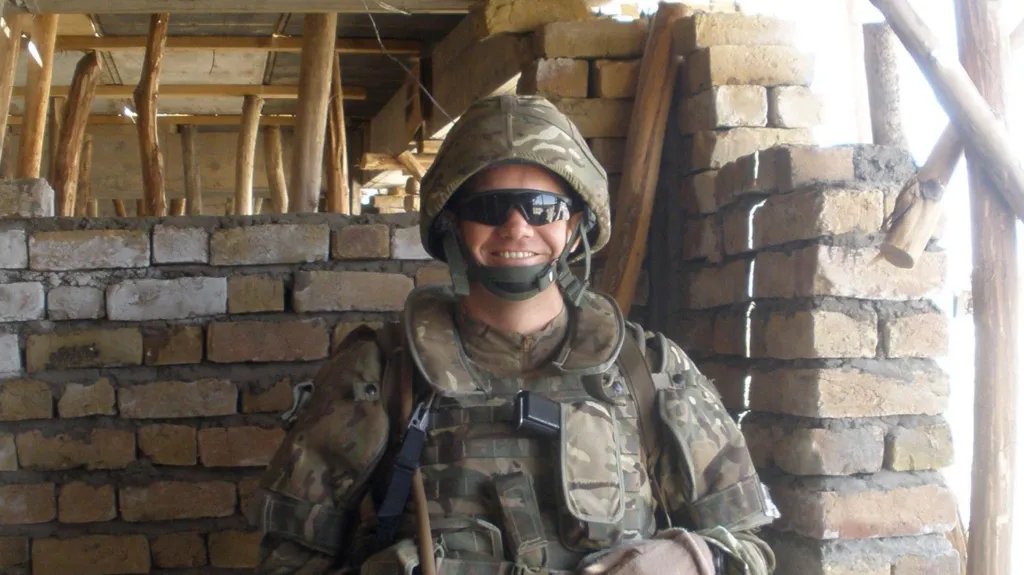
He credited the swift response of paramedics, who arrived by air ambulance, with helping to save his life.
Teeton also acknowledged the role of locals who provided first aid, saying, "The immediate care they provided, along with the basic first aid principles they applied, absolutely saved me."
After a three-week hospital stay, Teeton returned home to find that the military had relocated his family to a more private area.
He then spent five weeks at a rehabilitation centre for injured military personnel near Loughborough before returning to work full-time in January 2025.
In January, Esan pleaded guilty to attempted murder, following several delays in the case due to concerns about his mental health.
Esan had previously attempted to join the British Army on multiple occasions, with his first application submitted in 2020.
In the same year, he was referred to mental health services due to apparent mental health issues and reports of hearing voices.
Esan's mother believed that, given his mental state, he should not have been in the community, according to testimony presented in court.
Eileen Teeton, who sings in a military wives choir, expressed relief that Esan had pleaded guilty, sparing them the ordeal of a trial.
She stated, "We felt a massive sense of relief that he had taken responsibility for his actions and pleaded guilty, sparing us and the jurors from reliving the horrific ordeal."
News
Tudor to take interim charge of Tottenham
Igor Tudor has reached an agreement to take the reins as Tottenham’s interim head coach for the remainder of the season.
Tottenham has reached an agreement with Igor Tudor to take the helm as interim head coach for the remainder of the current season.
For the latest updates, in-depth analysis, and perspectives from fans, look to Tottenham's recent news and discussion.
Do you have any questions about Tottenham – what information are you seeking?
-
 News11 hours ago
Australian Politics Faces Questions Over Gender Equality Amid Sussan Ley’s Appointment
-
 News8 hours ago
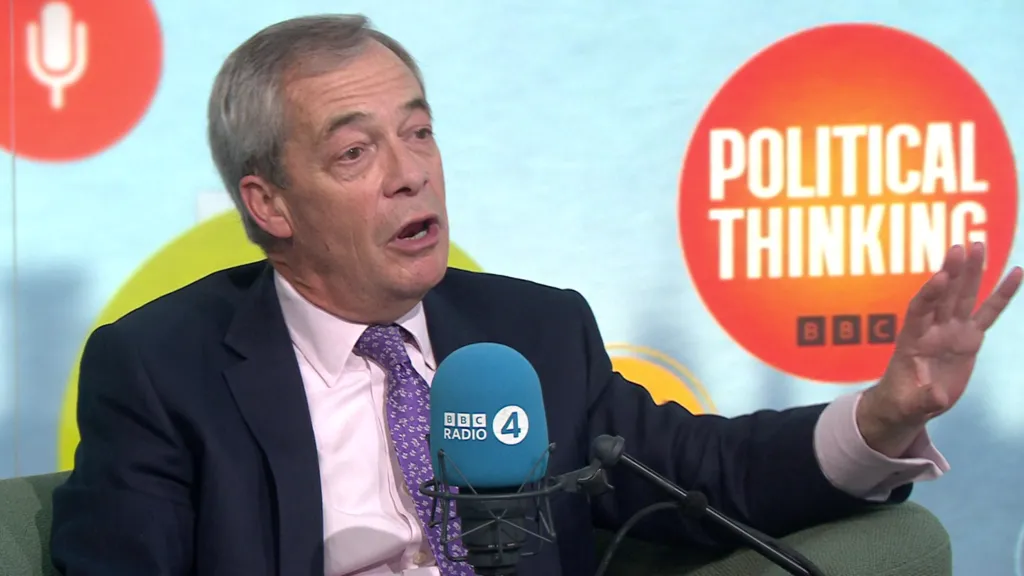
Farage Says Reform to Replace Traditional Tory Party
-
 News8 hours ago
Wrexham Pair Seek Win Against Former Team Ipswich
-
 News14 hours ago
Liberal Party Removes Australia’s First Female Leader
-
 News11 hours ago
UK Braces for Cold Snap with Snow and Ice Alerts Expected
-
 News8 hours ago
Husband’s alleged £600k theft for sex and antiques blamed on drug side effects
-
 News2 days ago
Sunbed ads spreading harmful misinformation to young people
-
 Business14 hours ago
BBC Reporter Exposed to Cyber Attack Due to Vulnerabilities in AI Coding Tool