
News
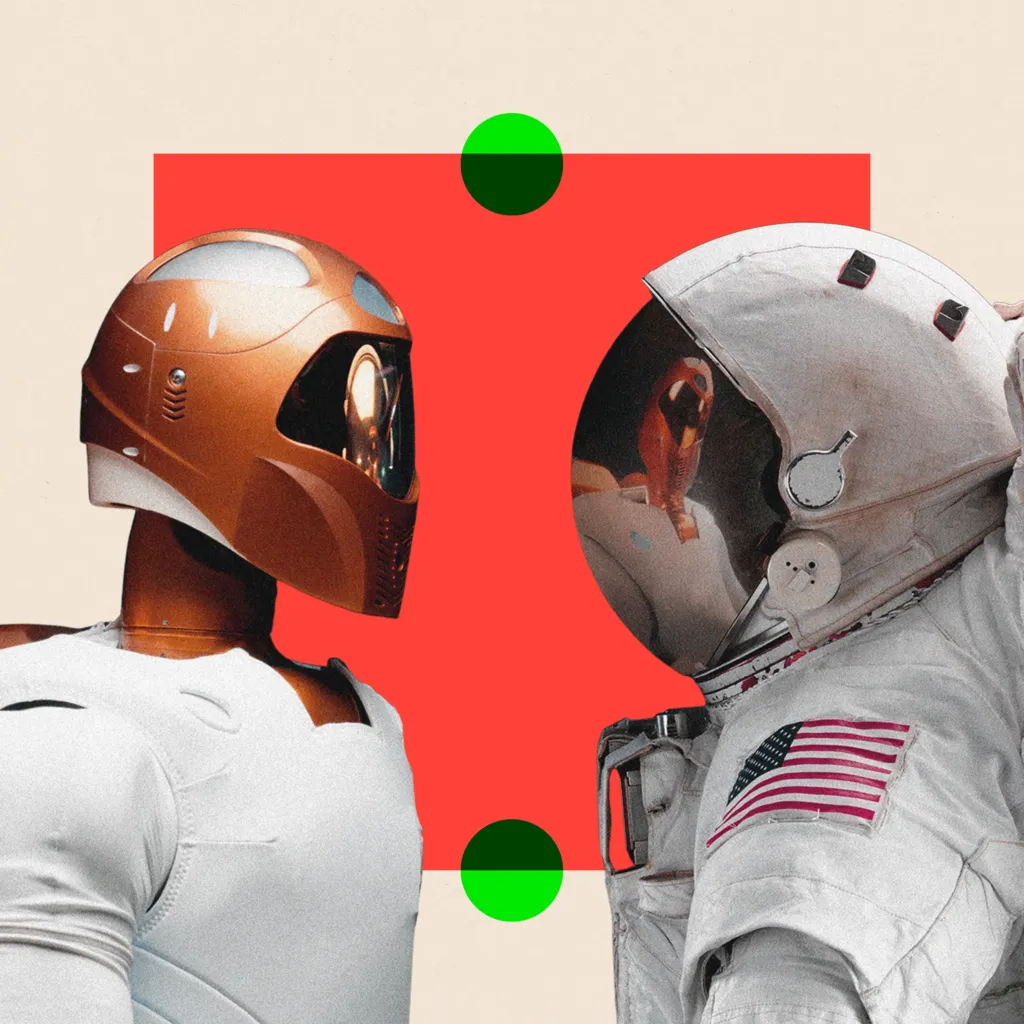
The potential for robots to replace human astronauts in space travel
The progression of technological capabilities has sparked debate regarding the necessity of manned space missions, highlighting concerns over associated risks and expenses.
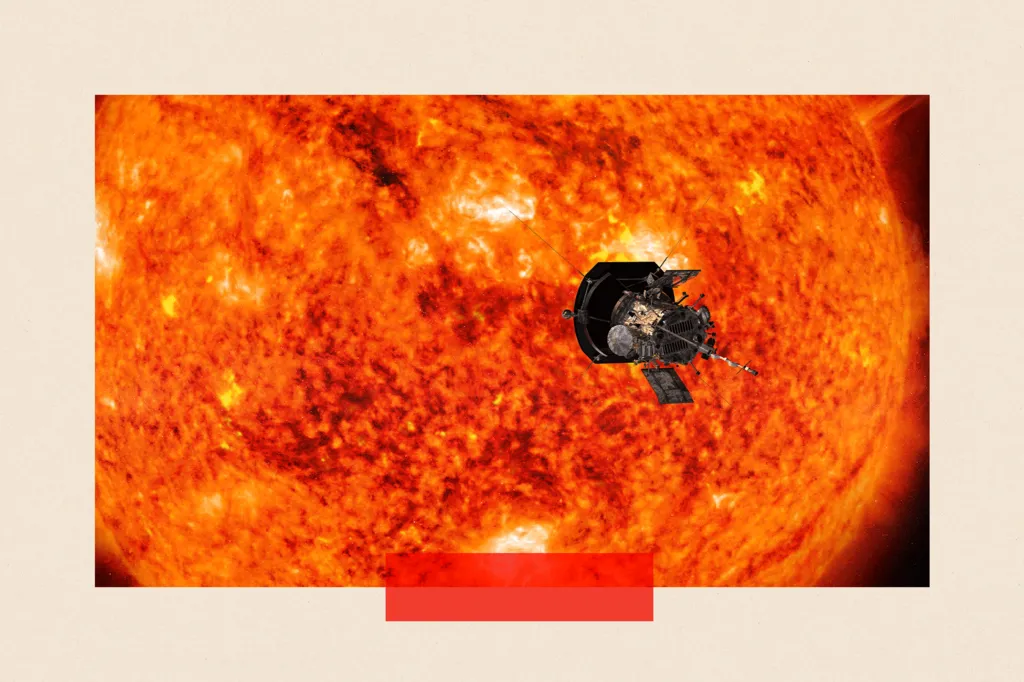
A historic milestone was achieved on Christmas Eve when Nasa's Parker Solar Probe flew closer to the Sun than any human-made object previously. This autonomous spacecraft's mission is to gather more information about the Sun and its impact on space weather on Earth, marking a significant step forward in space exploration.
The success of this mission highlights the capabilities of autonomous spacecraft, which can carry out complex tasks without human intervention. During its flyby, the Parker Solar Probe operated independently, with no communication with Earth, demonstrating the reliability of pre-programmed robotic systems.
For over six decades, robotic probes have been exploring the solar system, venturing into areas inaccessible to humans. The Parker Solar Probe's 10-day flyby took it through extreme temperatures of 1000C, showcasing the durability of these robotic systems.
The accomplishments of autonomous spacecraft, combined with advancements in artificial intelligence, raise questions about the role of humans in future space exploration. As technology continues to evolve, it is essential to consider the potential implications for human space travel.
Some experts are questioning the necessity of human astronauts in space exploration, given the capabilities of robotic systems.
According to Lord Martin Rees, the UK's Astronomer Royal, "The rapid development of robots and artificial intelligence is diminishing the case for sending humans into space." He believes that taxpayer funding should not be used for human space travel.
Lord Rees also emphasizes the risks associated with human space travel, highlighting the need for careful consideration of the costs and benefits.
He suggests that the only justification for sending humans to space is for adventure or personal experience, which should be funded privately. This perspective underscores the need for a nuanced discussion about the role of humans in space exploration.
Andrew Coates, a physicist from University College London, shares a similar view, stating, "For serious space exploration, I prefer robotics, as they can travel further and accomplish more tasks."
Coates also notes that robotic systems are more cost-effective than human missions, and as artificial intelligence advances, robots will become increasingly capable.

However, it is essential to consider the potential consequences for future generations of astronauts and the unique contributions humans can make in space, which may not be replicable by robotic systems.
While robotic spacecraft have visited every planet in the solar system, as well as numerous asteroids and comets, humans have only traveled to two destinations: Earth's orbit and the Moon.
Since Yuri Gagarin's historic spaceflight in 1961, approximately 700 people have ventured into space, with most of these journeys limited to Earth's orbit or suborbital flights.
Dr. Kelly Weinersmith, a biologist at Rice University, Texas, and co-author of A City on Mars, suggests that prestige is a significant motivator for human space travel, as it demonstrates a nation's capabilities and achievements.
Humans also play a crucial role in conducting research and experiments in space, such as on the International Space Station, which contributes to advancing scientific knowledge.
Robotic systems can support scientific research by exploring environments inhospitable to humans and using instruments to study and analyze atmospheres and surfaces.

Dr. Weinersmith notes that humans are more versatile than robots but require significant resources to survive in space, highlighting the challenges of human space travel.
Author Samantha Harvey, in her novel Orbital, eloquently describes the advantages of robotic systems, stating that they have no need for basic human necessities like hydration, nutrients, or sleep.
However, many robotic systems are slow and methodical, such as the Mars rovers, which move at a pace of approximately 0.1mph.
Dr. Ian Crawford, a planetary scientist at the University of London, questions whether artificial intelligence can replicate human capabilities in exploring complex environments.
He believes that AI algorithms can enhance the efficiency of rovers, but it is uncertain whether they can fully replace human capabilities.
Technology can complement human space travel by automating tasks, allowing astronauts to focus on more critical research and exploration.
Dr. Kiri Wagstaff, a computer and planetary scientist, explains that AI can automate tedious tasks, freeing humans to concentrate on higher-priority activities.
However, operating advanced AI systems like large language models requires significant power, which is currently a challenge for space-based applications.
The processors used in Mars rovers, for example, are much slower than those found in smartphones, limiting their ability to run complex AI algorithms.
Humanoid robots with robotic arms and limbs are being developed to perform tasks in space, potentially alleviating the need for human intervention in certain areas.
Nasa's Valkyrie robot, built by the Johnson Space Center, is an example of a humanoid machine designed for space exploration, with capabilities that rival those of humans.
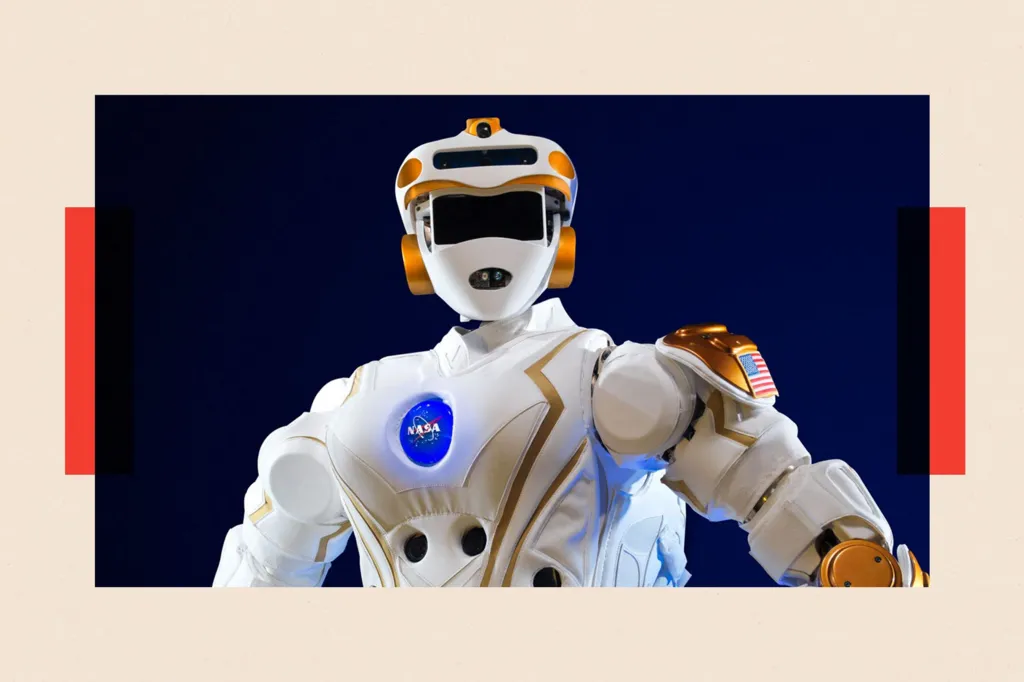
The Robonaut, another Nasa-developed humanoid robot, was designed for use in space and can perform complex tasks using its specially designed hands.
The Robonaut's capabilities include grasping objects and operating tools, demonstrating the potential for humanoid robots to support human astronauts in space.
A later model of the Robonaut was deployed to the International Space Station, where it assisted with maintenance and assembly tasks.
Dr. Shaun Azimi, lead of the dexterous robotics team at Nasa's Johnson Space Center, believes that robots can work alongside humans to secure habitats and perform tasks when humans are not present.
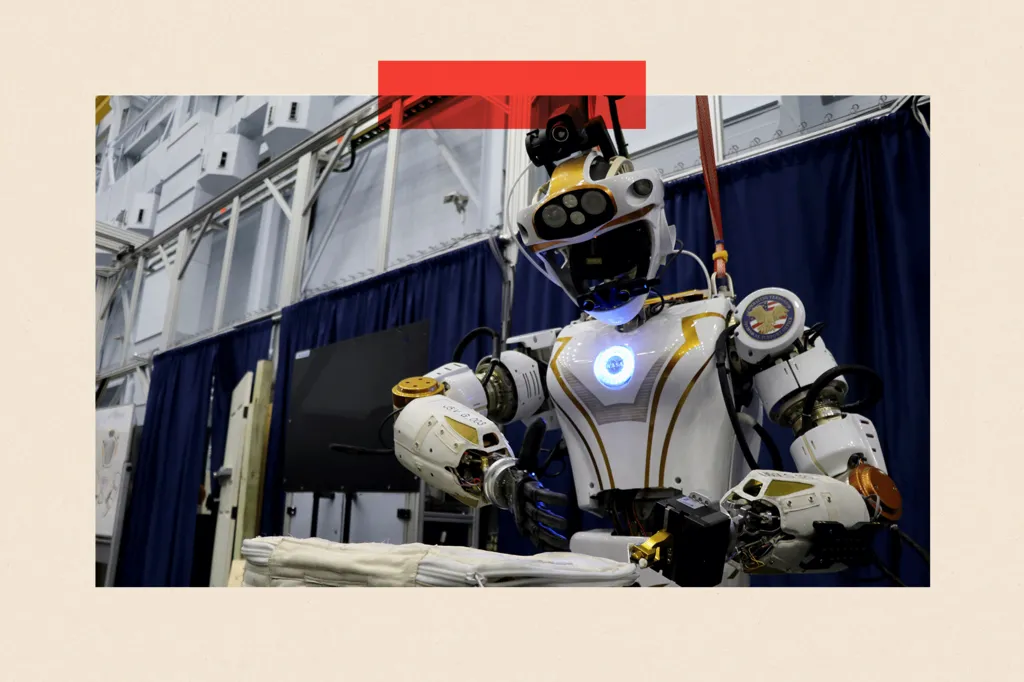
Azimi suggests that robots can complement human explorers, rather than replacing them, and can be used to maintain and assemble infrastructure in space.
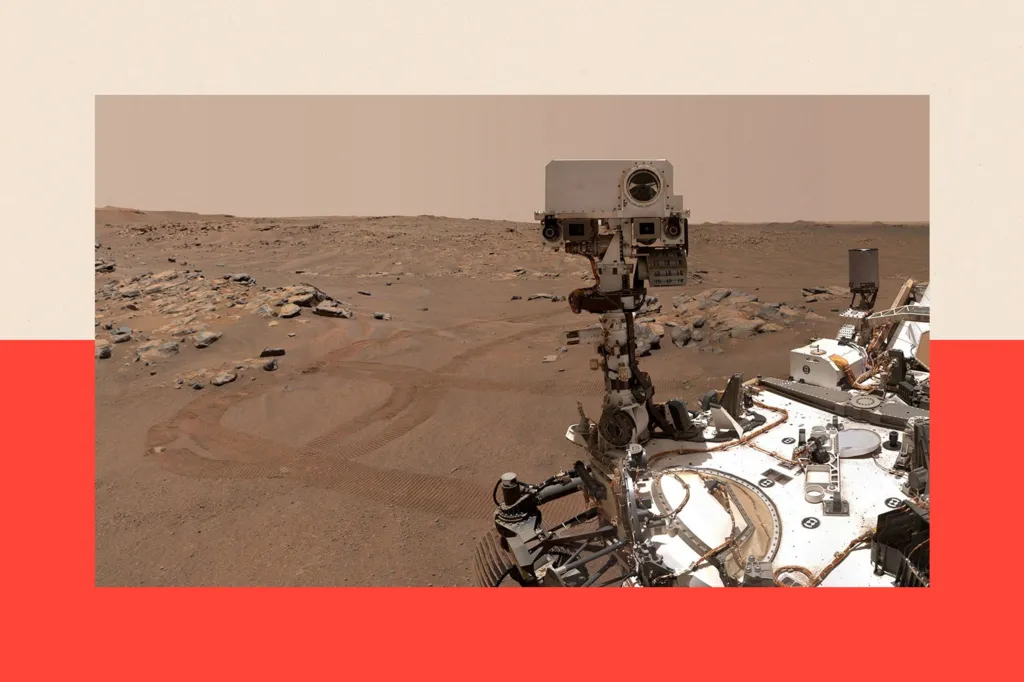
Some robots, like Nasa's Curiosity rover, are already operating autonomously on other planets, making decisions and conducting science experiments without human input.
Dr. Wagstaff explains that the Curiosity rover can be directed to take pictures, analyze rocks, and perform science experiments, demonstrating its capabilities as a autonomous robotic system.
The Curiosity rover can even conduct experiments and send data back to Earth while humans are asleep, highlighting its ability to operate independently.
However, the limitations of robotic systems, such as their slow pace, underscore the need for human involvement in space exploration.
Prof. Coates notes that inspiration is a critical aspect of human space travel, as it can motivate people and spark interest in space exploration.
Leroy Chiao, a retired Nasa astronaut, agrees that humans have a unique ability to inspire and captivate the public, which is essential for generating support for space exploration.
Chiao believes that the first human mission to Mars will have a significant impact, rivaling the excitement of the first Moon landing.
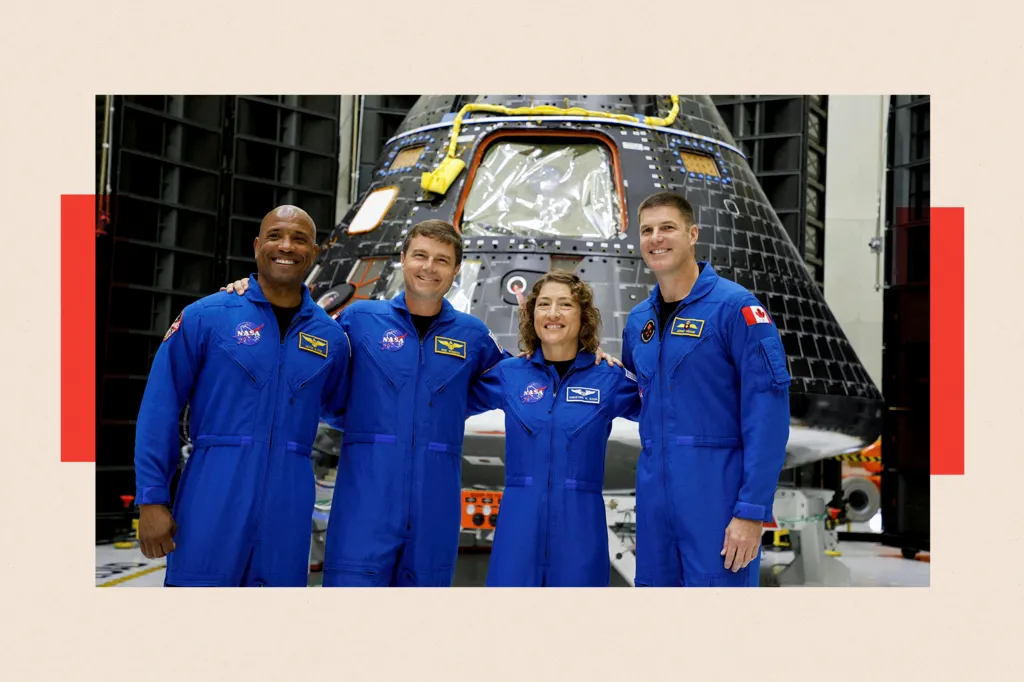
As Nasa plans to return humans to the Moon with its Artemis program, the debate about the role of humans in space exploration continues, with many experts weighing the benefits and challenges of human space travel.
In 2026, a crewed mission is slated to send four astronauts on a lunar flyby, with a subsequent mission planned for 2027 that will involve Nasa astronauts landing on the Moon's surface.
China's space agency is also working towards sending astronauts to the Moon, marking another significant development in the country's space program.
Elon Musk, the CEO of SpaceX, has outlined an ambitious plan to establish a human settlement on Mars, with the ultimate goal of creating a self-sustaining colony.
To achieve this, Musk's company is developing the Starship vehicle, which is designed to transport up to 100 people to Mars at a time, with the aim of establishing a population of one million people on the planet within 20 years.
According to Dr Weinersmith, Musk's rationale for colonizing Mars is to provide a safeguard for humanity in the event of a catastrophic event on Earth, highlighting the need for space exploration as a means of ensuring human survival.
However, numerous technical challenges and uncertainties surrounding life on Mars remain unresolved, including the potential risks and implications for human health and development.
Dr Weinersmith raises ethical concerns, such as the possibility that babies may not be able to develop properly in a Martian environment, highlighting the need for further research and consideration.
In light of these uncertainties, Dr Weinersmith advocates for a more cautious approach to space exploration and colonization.
Lord Rees, on the other hand, envisions a future where human and robotic exploration converge, potentially leading to the development of hybrid human-machine entities capable of thriving in extreme environments.
This could ultimately result in the emergence of a new species that is well-suited to life on Mars, according to Lord Rees.
For now, human space exploration is likely to continue at a gradual pace, building on the foundation laid by robotic missions that have paved the way for human exploration.
Image credit: NASA




News
GB men’s curling team suffers upset defeat to Italy
At the 2026 Winter Olympics, Great Britain’s men’s curling team mounted a comeback against Italy following a disappointing beginning, ultimately falling short in their inaugural match.
Despite a valiant comeback, Team GB ultimately fell short as Italy held their composure to secure the win in the final end.
A dismal start to the match proved costly for Team GB's men, as they suffered their first defeat of the Winter Olympics at the hands of host nation Italy, despite a spirited fightback in the packed Cortina Curling Stadium.
Following victories in their first two matches, including a win over the Swedish rink that beat them in the gold-medal match four years ago, Team GB entered their second high-profile encounter in as many days in a confident position.
However, a disastrous opening end, in which Italy stole four points, left Team GB trailing and facing an uphill battle in front of a boisterous home crowd.
The British team, currently ranked number one in the world, gradually regained their footing and managed to level the score by the ninth end.
Ultimately, Italy maintained their composure in the final end to emerge victorious, winning 9-7 and adding Team GB to their list of scalps, which already included the Swedes.
"We had to dig deep and play some solid curling, but unfortunately, it wasn't enough to get us over the line," Team GB lead Hammy McMillan said in an interview with BBC Sport.
With seven wins from nine round-robin matches guaranteeing a spot in the semi-finals, Team GB remains in a strong position, although fewer wins may still be sufficient to advance.
The women's team is set to take to the ice next, facing South Korea in their second match at 13:05 GMT, while the men will return to action on Saturday against the Czech Republic at the same time.
Team GB is at the forefront of curling's technological advancements.
Embracing what sets you apart can be a powerful asset, according to some athletes.
A daily guide to the Winter Olympics is available for those looking to stay up-to-date with the action.
The looks of shock on the faces of Team GB's curlers told the story of a disastrous opening end.
With a stone in play, Mouat attempted a risky shot in an effort to claim two points, but it backfired, resulting in none of Team GB's stones in the house and four Italian stones in position.
However, the Scottish quartet, ranked number one in the world, quickly regained their composure and got back to their game.
The teams exchanged singles before a impressive final throw by Mouat, aided by a measurement to determine which stone was closest to the button, allowed Team GB to claim two points and narrow the gap to 5-3.
Another excellent team effort, which included a well-judged throw by Mouat, a solid sweep by Hammy McMillan and Bobby Lammie, and Grant Hardie's strategic expertise, forced Italy to concede a point in the fourth end, reducing the deficit to a single point at the break.
Italy blanked the sixth end and added two points in the seventh to rebuild their lead, but Team GB fought back with two points of their own, remarkably levelling the score with one end remaining after a steal.
The match came down to the final end, but Italy held their nerve to secure the win, prompting a deafening roar from the crowd.
"It's an incredible experience, and we need to get used to it," McMillan added, describing the electric atmosphere as "surreal" and "cool," more akin to a football match than a typical curling crowd.
News
Scotland Kicks Off Nations League Against Slovenia
Uefa has released the schedule for the Nations League, with Scotland set to begin their campaign on 26 September with an away match against Slovenia.
Uefa has released the schedule for the Nations League, with Scotland's campaign set to begin on 26 September with an away match against Slovenia.
The team's six group stage games will be played within a three-month period, culminating in a match against Switzerland on 16 November.
The fixture list was announced following Thursday's draw, which placed Scotland in a group with Switzerland, Slovenia, and North Macedonia.
Having been relegated from League A after a play-off loss to Greece last year, Scotland will compete in the second tier of the Nations League this year.
In response to the draw, head coach Steve Clarke noted that the teams in the group appear to be evenly matched.
Clarke reflected on the team's past experience in the competition, stating that it has been beneficial for Scotland.
He emphasized the importance of the Nations League, citing its role in helping the team qualify for Euro 2020, and anticipated a challenging set of matches.
A key matchup in the Nations League will see Scotland face off against Switzerland.
The group stage will determine the teams' fates, with the winner earning promotion, the runner-up entering a play-off, the third-placed team facing a relegation play-off, and the fourth-placed team being relegated directly.
The upcoming group games will mark a reunion for Scotland and Switzerland, who previously drew 1-1 in Cologne at Euro 2024.
Scotland's last encounter with Slovenia was during the 2018 World Cup qualification campaign, when they won 1-0 at home and drew 2-2 away.
The team has not played North Macedonia since the 2014 World Cup qualifiers, when they drew 1-1 at home and won 2-1 away, with goals from Ikechi Anya and Shaun Maloney.
The schedule for Scotland's Nations League campaign begins on 26 September with a match against Slovenia.
The team will then host Switzerland on 29 September, followed by a trip to face North Macedonia on 3 October.
Scotland will then play Slovenia at home on 6 October, before hosting North Macedonia on 11 November.
The final group stage match will see Scotland travel to face Switzerland on 16 November.
The team's home match against North Macedonia is set for 11 November.
The campaign will conclude with an away match against Switzerland on 16 November.
News
Golfer McIlroy Sinks Bunker Shot at Pebble Beach Pro-Am
At the AT&T Pebble Beach Pro-Am in California, Rory McIlroy achieved an eagle on the 14th hole at Spyglass Hill, capping off his opening round with a score of 68.
During the AT&T Pebble Beach Pro-Am in California, Rory McIlroy achieved an eagle on the 14th hole at Spyglass Hill, contributing to his first-round score of 68.
For further information, Rory McIlroy had a solid opening round, while Hisatsune took the lead.
Access to this content is restricted to users in the United Kingdom.
-
 News8 hours ago
Australian Politics Faces Questions Over Gender Equality Amid Sussan Ley’s Appointment
-
 News5 hours ago
Farage Says Reform to Replace Traditional Tory Party
-
 News5 hours ago
Wrexham Pair Seek Win Against Former Team Ipswich
-
 News11 hours ago
Liberal Party Removes Australia’s First Female Leader
-
 News8 hours ago
UK Braces for Cold Snap with Snow and Ice Alerts Expected
-
 News5 hours ago
Husband’s alleged £600k theft for sex and antiques blamed on drug side effects
-
 Business11 hours ago
BBC Reporter Exposed to Cyber Attack Due to Vulnerabilities in AI Coding Tool
-
 News8 hours ago
Canadian Town Unites in Mourning After Mass Shooting Leaves Community Reeling