
News
Debate on using magic mushrooms to treat depression in the NHS
Clinical trials examining the potential of psychedelic medicines in treating conditions like depression have been in progress as of 2022, yielding notable outcomes.
An article on the potential therapeutic benefits of psilocybin will be read by Pallab.
Larissa Hope credits psilocybin, the active compound in magic mushrooms, with helping her cope with a challenging mental health condition.
At 17, Hope began her acting career with a role in the TV drama Skins, but the sudden fame triggered a previously suppressed trauma. After finding antidepressants ineffective, she turned to psilocybin under clinical supervision, which marked a significant turning point in her recovery.
Hope recalls the experience, saying, "I broke down in tears, feeling a deep sense of belonging and safety in my body for the first time in my life, repeating 'I'm home, I'm home'."
Nearly 20 years later, Hope attributes her recovery from suicidal feelings to the combination of psilocybin and therapy.
In contrast, Jules Evans, a university researcher, had a vastly different experience when he first took LSD at 18, which was not under clinical supervision.
The trip led to a state of delusion, as Evans describes it.
"I became convinced that everyone was criticizing and judging me, and I thought I had permanently damaged my mind," he says.
Evans describes this experience as the most terrifying of his life.
Now, as the director of the Challenging Psychedelic Experiences Project, Evans helps individuals who have struggled with difficult psychedelic experiences. He has also experienced social anxiety and panic attacks, eventually being diagnosed with post-traumatic stress disorder (PTSD).
The sharply contrasting experiences of Hope and Evans highlight a dilemma faced by medical professionals, regulators, and politicians.
The question at hand is whether doctors should be allowed to prescribe treatments involving magic mushrooms and other potentially beneficial psychedelic substances.
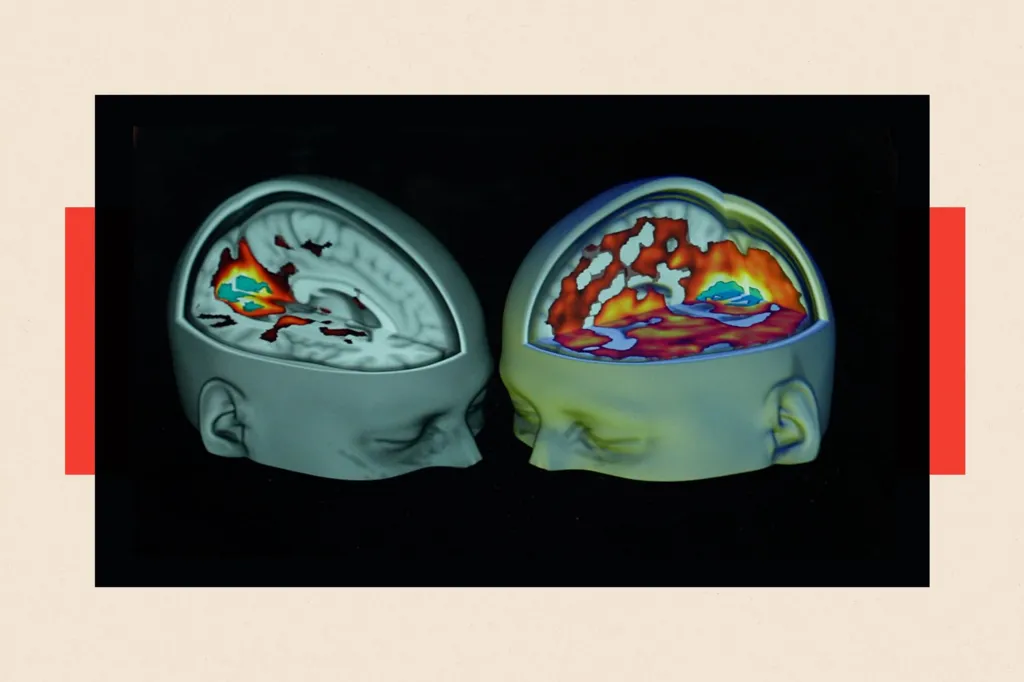
Recent studies suggest that psychedelic drugs may be effective in treating depression, obsessive-compulsive disorder, PTSD, trauma, and addictions, such as alcohol and gambling, which has brought the issue to the forefront.
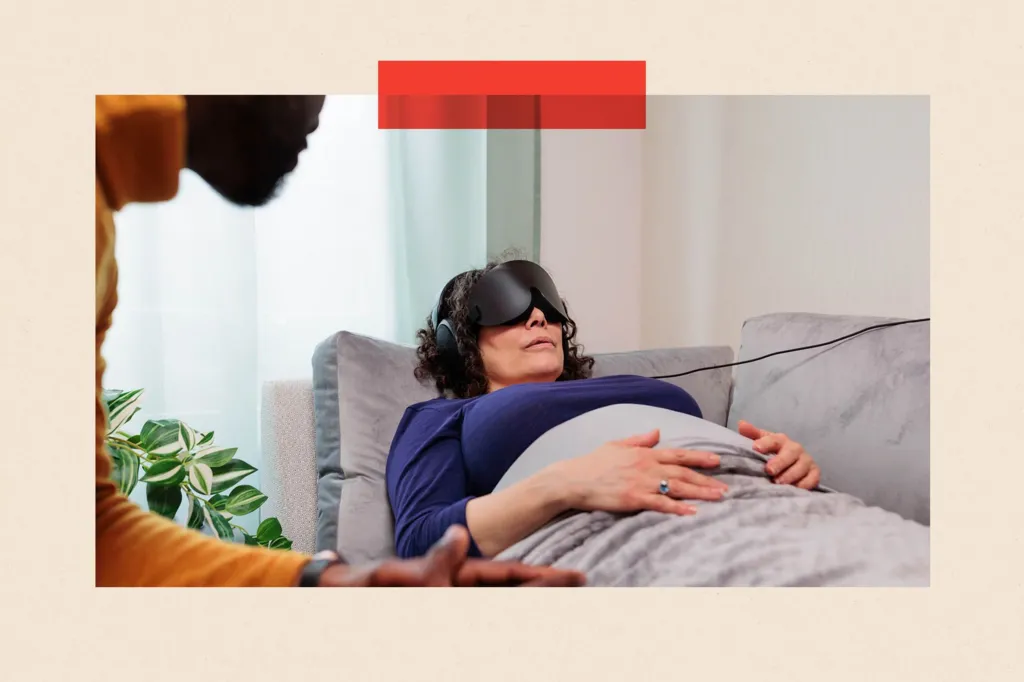
Currently, the use of psychedelic medicine is only permitted in authorized research or clinical trials, but since 2022, over 20 such trials have investigated various psychedelic medicines for conditions like depression, PTSD, and addiction.
Many of these studies have shown promising results, while others have yielded mixed or unclear outcomes.
Only a few studies have conclusively found no benefit from the treatments.
Results from a major clinical trial on psilocybin, conducted by UK biotech firm Compass Pathways, are expected later this year.
The UK's medicines regulator is awaiting these results as it considers potentially relaxing the strict restrictions on psychedelic medicine, allowing its use beyond research and trials.

Prof Oliver Howes, chair of the Royal College of Psychiatrists' Psychopharmacology Committee, is optimistic about the potential of psychedelics as a new treatment for psychiatric disorders, including for NHS patients.
"The key message is that we urgently need more and better treatments for mental health disorders… These treatments are promising because they have shown potential in small-scale studies and could work faster."
"It's crucial that we obtain evidence and avoid overhyping the potential benefits," he adds, emphasizing the need for caution.
Others have also urged caution, including a report by the Royal College of Psychiatrists published in September 2025, which warned of the potential dangers of psychedelics.
Doctors stress that taking psychedelic drugs can be harmful and is currently illegal, aside from in authorized research or clinical trials.
The use of psychoactive substances dates back to the dawn of civilization, with magic mushrooms, opium, and cannabis being used for both recreational and ritual purposes.
By the 1960s and 1970s, LSD had become associated with the counterculture movement, with figures like Harvard psychologist Timothy Leary promoting its use as a means to "turn on, tune in, and drop out."
However, the perceived link between these drugs and social unrest and moral decline soon led to their prohibition.
The resulting restrictions on scientific research into these substances were tightened in the late 1960s and early 1970s.

Groundbreaking research in the 2010s by Prof David Nutt and his team at Imperial College London has paved the way for a potential shift in this stance.
Clinical trials have indicated that psilocybin can be as effective as conventional antidepressants, with fewer side effects and a faster onset of action.
According to Prof Nutt, "Instead of waiting eight weeks for antidepressants to take effect, psilocybin could potentially produce the same results in a matter of minutes."
While this perspective is scientifically promising, it is not universally accepted.
Prof Nutt's assertions have generated controversy, and he was dismissed as chair of the Advisory Committee on the Misuse of Drugs in 2009.

The dismissal followed public comments, including his statement that the harm caused by horse-riding and ecstasy was comparable, which were deemed incompatible with his role as a government adviser.
Prof Nutt's studies have sparked numerous investigations worldwide into the potential therapeutic benefits of psychedelic substances.
At University College London, neuroscientist Dr Ravi Das is investigating why some habits develop into addictions, and he believes psychedelics may hold the key.
Dr Das is leading a study recruiting heavy drinkers to test whether dimethyltryptamine (DMT) can target the brain's memory and learning systems.
The study builds on evidence suggesting that psilocybin can disrupt habitual behaviors linked to addiction.
"Each time someone drinks, they learn to associate environmental cues with the rewarding effects of alcohol," Dr Das explains. "We're exploring whether psychedelics can break down these associations."
Although this study is in its early stages, the ultimate goal is to offer this treatment within the NHS, pending regulatory approval.
"If psychedelic therapies prove to be both safe and more effective than current treatments, I hope to see them become accessible through the NHS, rather than being limited to those who can afford private treatment," Dr Das says.
In the UK, ketamine is categorized differently and can be utilized as part of medical treatment, as previously explored in a trial led by Dr. Das.
Other psychedelic substances, including DMT, LSD, psilocybin, and MDMA, are currently classified as having no recognized medical use, restricting their application to research purposes, which requires stringent and difficult-to-obtain licenses.
Dr. Das is optimistic that favorable trial results could lead to a shift in perspective as scientific evidence accumulates, stating, "I hope that if sufficient evidence is presented, the government will be willing to reconsider the scheduling of these substances."
A study published in the British Medical Journal in November 2024, authored by PhD student Cédric Lemarchand and colleagues, raised questions about the challenges of determining the precise effects of psychedelic drugs.
The study noted that the combination of hallucinogens with psychotherapy components complicates the evaluation process, making it difficult to distinguish between the effects of the drug and the therapeutic context.
The analysis also suggested that short-term trials may not be sufficient to detect potential long-term harm or adverse events associated with hallucinogen use, emphasizing the need to consider the risk of abuse or misuse.
While research indicates potential therapeutic benefits of psychedelic medicines, doctors remain cautious, with Prof. Howes advocating that, except for ketamine, which has been assessed by regulators, psychedelic treatments should not be part of routine medical practice in the UK outside of research settings until more comprehensive trials provide robust evidence of their safety and efficacy.
Prof. Howes emphasized the importance of careful evaluation in clinical trial settings, warning that unsupervised use of these substances can pose significant safety risks, stating, "If people use these substances on their own or in unregulated clinics, there is no guarantee of safety, and safety issues become a major concern."
Studies compiled by Challenging Psychedelic Experiences support these concerns, revealing that 52% of regular psychedelic users reported having intensely challenging experiences, with 39% considering them among the most difficult experiences of their lives.
Furthermore, 6.7% of respondents reported considering self-harm or harm to others after a challenging experience, and 8.9% experienced impairment lasting more than a day after a difficult trip.
Some individuals required medical or psychiatric assistance and continued to experience negative effects for weeks, months, or even years after their experience, according to Mr. Evans.
Mr. Evans stressed the importance of understanding adverse effects and recovery processes before declaring these therapies safe, arguing, "Ideally, I would like doctors and regulators to be more aware of these adverse effects and how people can recover from them before approving these therapies."
Prof. Nutt, Prof. Howes, and Dr. Das believe that progress in bringing these treatments to the clinic is hindered by the difficulty of obtaining permission to conduct medically supervised clinical trials.
Prof. Nutt expressed his concern, stating, "Many people are suffering unnecessarily, and some are dying due to the unreasonable barriers to research and treatment that we face in this country, which I consider a moral failing."
He emphasized the need for these medicines to be made available through the NHS once proven safe and effective, rather than being limited to the private sector, as was the case with medical cannabis.
Although Prof. Howes urges caution, he shares Prof. Nutt's view on the need for increased access to these treatments.
Prof. Howes stated, "There are significant barriers to conducting this research, so we are calling on the government to review the regulations surrounding these substances to facilitate research, as the current regulations lead to lengthy delays, and we desperately need new treatments."
The analysis by Mr. Lemarchand advocates for more rigorous scrutiny of trials, emphasizing the need for medical journals to critically evaluate evidence, account for limitations, and avoid unsubstantiated claims to ensure that hallucinogens are thoroughly vetted before being endorsed as safe and effective treatments.
The Advisory Council on the Misuse of Drugs has stated that Schedule 1 substances, which are deemed to have no medicinal value, should be subject to the strictest controls, with ministers linking the Home Office licensing regime directly to public protection.
The government has announced plans to ease licensing requirements for certain clinical trials approved by the Medicines and Healthcare products Regulatory Agency and Health Research Authority, with work underway to implement exemptions for specific universities and NHS sites.

However, some doctors, including Prof. Howes, feel that these changes are not being implemented quickly enough, stating, "There is still a lot of red tape hindering progress."
Supporters of psychedelic medicines hope that phase three trials by Compass Pathways will lead to further relaxations of regulations, at least for research purposes.
Larissa Hope believes that these trials are crucial, sharing her personal experience with psilocybin, the active ingredient in magic mushrooms.
She credits her experience with psilocybin for helping her gain insight into her struggles with suicidal ideation and trauma, stating, "I had a solid plan to end my life, but under psilocybin, my nervous system began to recognize what peace felt like for the first time."
She described the profound impact of her experience, saying, "Suddenly, death wasn't the only way out."
(No changes, as this is an image credit)
(No changes, as this is a promotional statement)

Business
US inflation slows as used vehicle prices decline
According to the most recent official data, prices increased by 2.4% over the 12 months ending in January, marking the smallest gain since May.
The US experienced a slowdown in inflation last month, driven by decreases in energy and used car prices.

According to the Labor Department, the consumer price index increased by 2.4% over the past 12 months, ending in January, marking a decline from the previous month's 2.7% and the slowest rate since May.
This development may support the argument made by US President Donald Trump and others that the central bank has the flexibility to lower interest rates without triggering a surge in prices.
However, analysts caution that progress toward the Federal Reserve's inflation target of 2% may be hindered in the coming months if companies begin to pass on tariff costs to consumers more extensively.
Neil Birrell, chief investment officer at Premier Miton Investors, noted that the impact of tariffs remains uncertain and pointed out other data anomalies that could have influenced the January figures.
Birrell stated that the January report is likely to pave the way for a potential rate cut in the near future.
He added that the US economy appears to be performing well, with strong growth, stable inflation, a robust job market, and a Federal Reserve that has the ability to adjust its policies as needed.
News
Tudor to take interim charge of Tottenham
Igor Tudor has reached an agreement to take the reins as Tottenham’s interim head coach for the remainder of the season.
Tottenham has reached an agreement with Igor Tudor to take the helm as interim head coach for the remainder of the current season.
For the latest updates, in-depth analysis, and perspectives from fans, look to Tottenham's recent news and discussion.
Do you have any questions about Tottenham – what information are you seeking?
News
Court rejects bid to overturn single-sex toilet rules
Critics argued that the guidelines provided for establishments, including hospitals, retail stores, and eateries, contained legal inaccuracies and were overly simplistic in nature.
A recent ruling by a High Court judge has upheld the Equality and Human Rights Commission's stance on guidance regarding toilet and changing room access for transgender individuals in public and workplace settings.
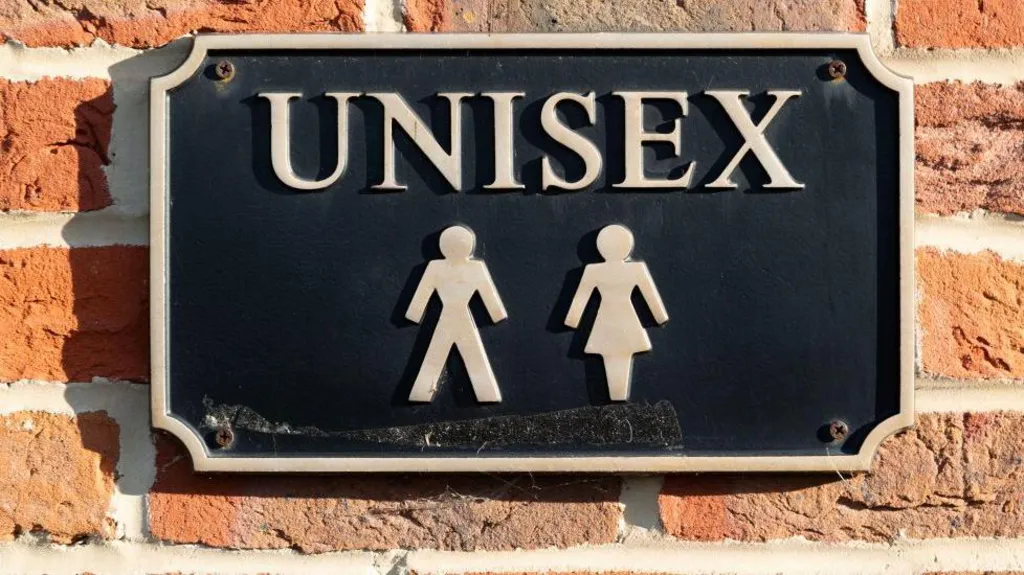
In April of the previous year, the EHRC released interim guidance, which was subsequently withdrawn six months later, stating that single-sex facilities should be restricted to individuals of the same biological sex.
According to the guidance, a transgender woman, who is biologically male but identifies as female, would be expected to utilize a gender-neutral or male facility, rather than female-designated toilets and changing rooms.
Critics argued that the EHRC's guidance for employers, including establishments like hospitals, shops, and restaurants, was flawed and oversimplified.
During the November hearing, the EHRC maintained that its temporary guidance did not infringe upon the human rights of transgender individuals.
Mr Justice Swift denied the Good Law Project's application for a judicial review, but requested further submissions from all parties to determine whether an appeal would be permitted.
The EHRC's withdrawn guidance was issued in the wake of a Supreme Court ruling in April 2025, which clarified that the terms "woman" and "sex" under the 2010 Equality Act refer to biological sex and women.
The EHRC is currently developing a comprehensive code of practice, which is under review by the government.
-
 News11 hours ago
Australian Politics Faces Questions Over Gender Equality Amid Sussan Ley’s Appointment
-
 News8 hours ago
Farage Says Reform to Replace Traditional Tory Party
-
 News8 hours ago
Wrexham Pair Seek Win Against Former Team Ipswich
-
 News13 hours ago
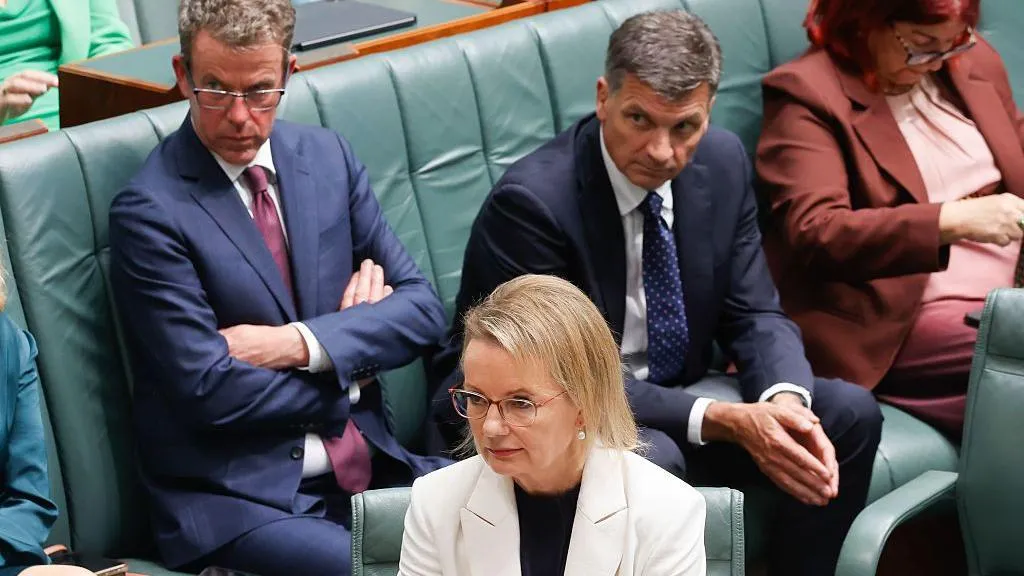
Liberal Party Removes Australia’s First Female Leader
-
 News11 hours ago
UK Braces for Cold Snap with Snow and Ice Alerts Expected
-
 News8 hours ago
Husband’s alleged £600k theft for sex and antiques blamed on drug side effects
-
 News2 days ago
Sunbed ads spreading harmful misinformation to young people
-
 Business14 hours ago
BBC Reporter Exposed to Cyber Attack Due to Vulnerabilities in AI Coding Tool