
News
Rising rat populations overwhelm urban areas
The rat population is experiencing rapid growth in urban environments, prompting questions about the underlying causes of this surge and whether it can still be controlled.
An article narrated by Justin is available for listening.
In a surprising discovery, John Gladwin found a torn bag of soil under his kitchen sink one morning last year, prompting an investigation into the cause.
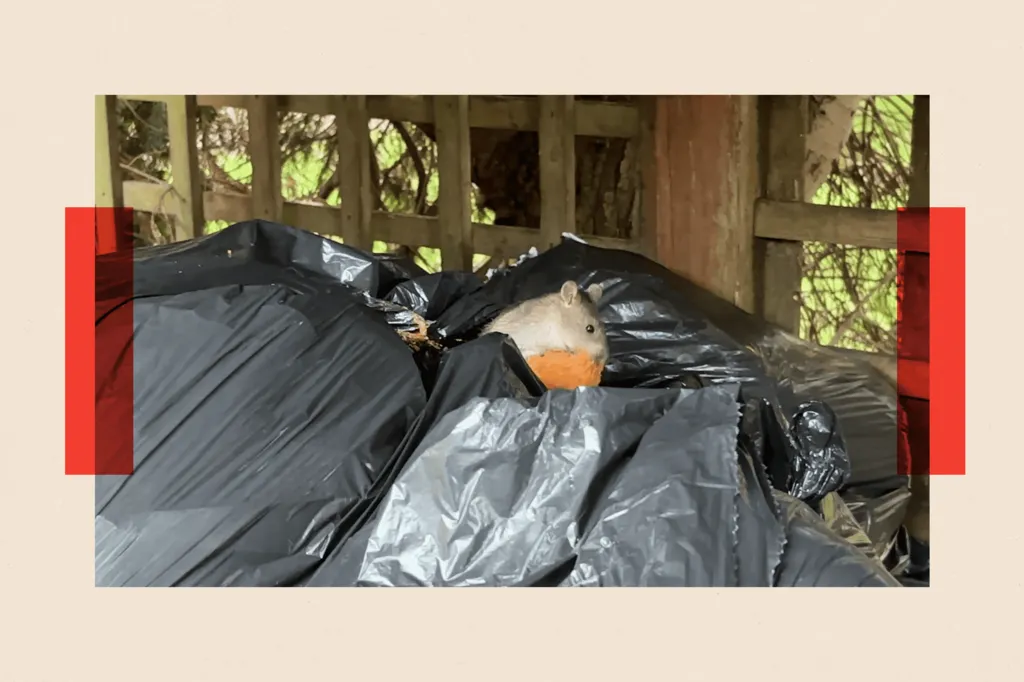
The presence of a strong, musty odor soon followed, reminiscent of the smell often found near communal trash areas.
John Gladwin's immediate reaction was, "I knew what it was straight away – rats."
Having previously spotted rats near the bins, he realized they had now invaded his home.
The sounds of rats scurrying in the cupboards and behind the bath panel, as well as the noise of them fighting under the bath, were unmistakable.
Taking swift action, Mr. Gladwin used peppermint oil and rat poison, successfully deterring the rats from returning, but the experience left him shaken, particularly due to concerns for his five children's health.
Additionally, he felt a sense of embarrassment about the situation.
Admitting to a rat infestation in one's home can be difficult, as it may be perceived as a reflection of the family's living conditions.
Cleankill, a pest control company, has reported a significant increase in rat-related callouts, with founder Clive Bury estimating a 20% rise over the past two years, primarily in the southern region of England.
Similar trends are being observed nationwide, with the British Pest Control Association noting that over half of its member companies have seen an increase in rat infestations over the past five years.
Due to their nocturnal nature and ability to live in hidden areas such as drains and sewers, accurately counting rat populations is challenging, with estimates ranging from 10 million to 120 million in the UK.
According to data gathered by Drain Detectives through Freedom of Information requests, more than 500,000 rodent infestations were reported to UK councils between 2023 and mid-this year.
The issue is not limited to the UK.
Several major cities, including Washington DC, San Francisco, New York City, Amsterdam, and Toronto, have also experienced a surge in rat populations.
As rats often scavenge in sewers and trash, they can transmit diseases such as leptospirosis and hantavirus to humans, highlighting the need for effective control measures.
Considering the difficulties in eradicating rats, it is essential to explore strategies for mitigating their impact on urban areas.
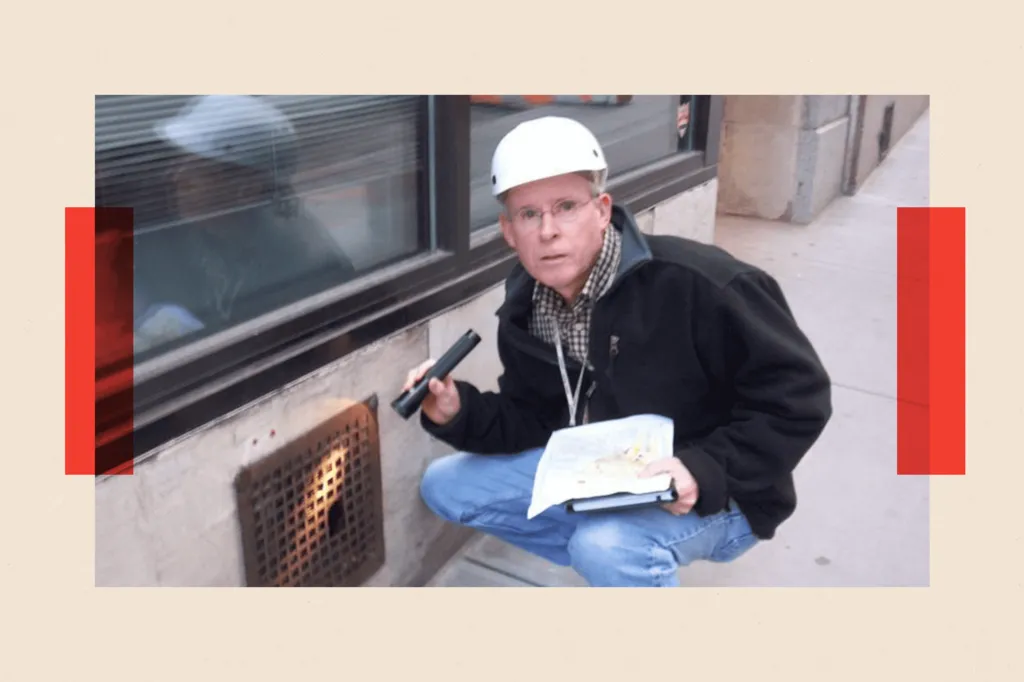
Bobby Corrigan, an expert in urban rodentology, has spent his career studying rats, from his early days as an exterminator in New York City to his current research endeavors.
His work has taken him to unusual locations, including sewers, where he has attempted to use poison baits to control rat populations.
During his academic pursuits, Corrigan went to great lengths to understand rat behavior, even sleeping in a rat-infested barn to observe them firsthand.
His observations revealed a complex social structure among rats, with evidence of altruistic behavior, such as young rats sharing food with older, less mobile individuals.
Corrigan is determined to understand the factors contributing to the rise in rat populations.
Several possible explanations have been proposed, including the growing demand for fast food, less frequent trash collection, and construction projects that disrupt sewer networks.
Additionally, research suggests that rising temperatures may also play a role in the increase in rat populations.
A study conducted by Corrigan and researchers from the University of Richmond found a correlation between temperature increases and rat activity in 16 cities, mostly in North America.
The results, published in Science Advances, showed significant increases in rat activity in 11 cities, with Washington DC experiencing a nearly 400% rise, San Francisco a 300% increase, and New York a 160% surge.
Only three cities, including Tokyo and New Orleans, saw declines in rat populations.
The study found that cities with greater temperature increases had larger rises in rat activity, with some areas experiencing temperature increases of up to 2C.
Corrigan believes that as temperatures continue to rise, particularly during winter months, the growth in rat populations is likely to persist.
According to the Climate Action Tracker, global temperatures are expected to rise by at least 1.9C and up to 2.7C above pre-industrial levels by 2100.
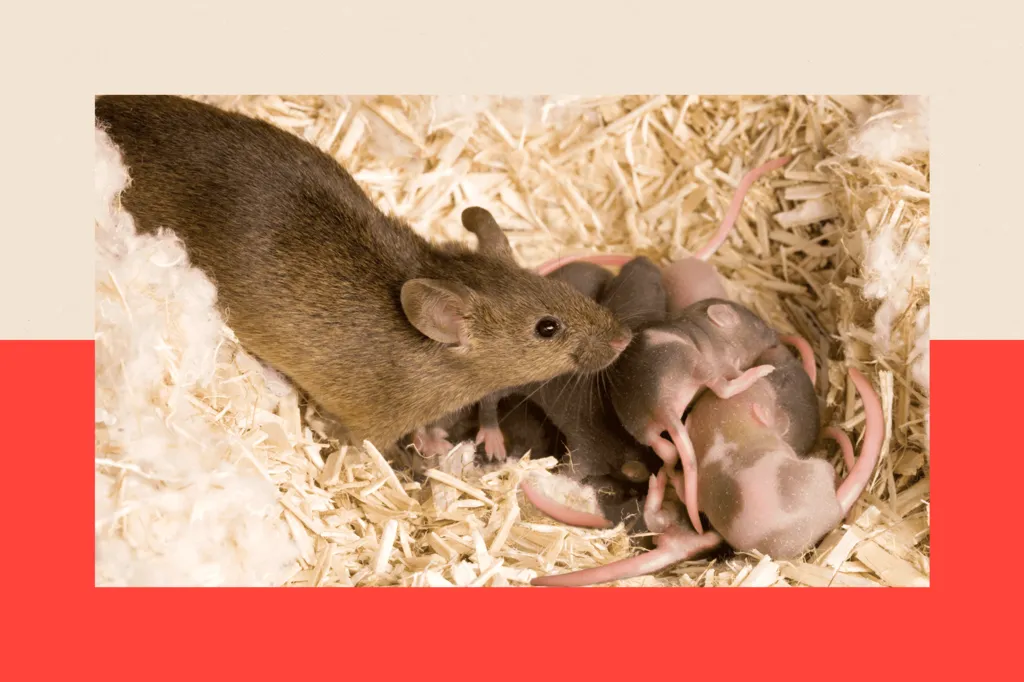
Rats are prolific breeders, with females producing up to six litters per year, each containing up to 12 pups.
These offspring can begin breeding after just nine weeks, allowing two rats to potentially produce over 1,000 descendants in a single year.
Urban areas, with their heat-trapping buildings and tarmac, tend to warm more quickly than rural areas, creating an ideal environment for rat populations to thrive.
The trend of people moving from rural areas to cities also contributes to the growth in rat populations, as it reduces their natural habitat and creates more opportunities for them to infest urban areas.
The increasing number of buildings and infrastructure in cities provides rats with more places to live and hide, making control efforts more challenging.
One interesting fact about rats is their inability to vomit, which, in theory, should make them more susceptible to poison baits.
However, rats are also neophobic, meaning they are cautious of new things, and this trait may be related to their inability to vomit, according to Professor Steven Belmain.
This cautious approach to life allows rats to avoid potential dangers, making them more resilient to control measures.
Rats will only try a small amount of a new food source before deciding whether it is safe to consume, demonstrating their adaptability and ability to thrive in various environments.
This unique combination of traits has enabled rats to survive and prosper in a wide range of settings, making them a formidable challenge for control efforts.
With three decades of experience under his belt, Dr. Alan Buckle from the University of Reading has dedicated his career to developing innovative rat poisons, but he admits that his efforts have been unsuccessful.

Rats are known to avoid substances that cause discomfort or pain, which is why anticoagulants, a type of poison that prevents blood clotting, are commonly used as they are slower-acting and allow rats to consume a lethal dose over time.
However, these substances can take up to a week to be effective and are considered inhumane as they cause internal bleeding, leading to a slow and painful death for the rats.
Furthermore, rats have developed genetic mutations in recent years, rendering them partially resistant to these potent drugs.
Researchers are exploring alternative methods, including the use of oral contraceptives, as a more humane approach to controlling rat populations.
Kathleen Corradi, who was appointed as New York's Rat Tsar by the Mayor in 2023, is all too familiar with the challenges of tackling rat infestations.
It's estimated that approximately three million rats inhabit the five boroughs of New York, and Corradi was allocated $3.5m (£2.6m) to increase public awareness about rat mitigation strategies.
Corradi established a "rat academy" to educate residents on how to prevent rat infestations in their neighborhoods.
As part of the academy, Corradi takes participants on a "rat walk" through neighborhoods, discussing both human and rat behavior and how they intersect.

The goal is to empower residents with knowledge on how to prevent rat infestations and take action in their own communities.
Corradi's team also encouraged residents to report rat sightings or evidence of rat-attracting behavior, which would prompt inspections and potential fines for non-compliance.
A key aspect of the initiative was the introduction of rat-proof bins, replacing traditional plastic bags, to reduce the availability of food sources for rats.
Although Corradi is stepping down from her role, she reports that the approach is showing promising results.
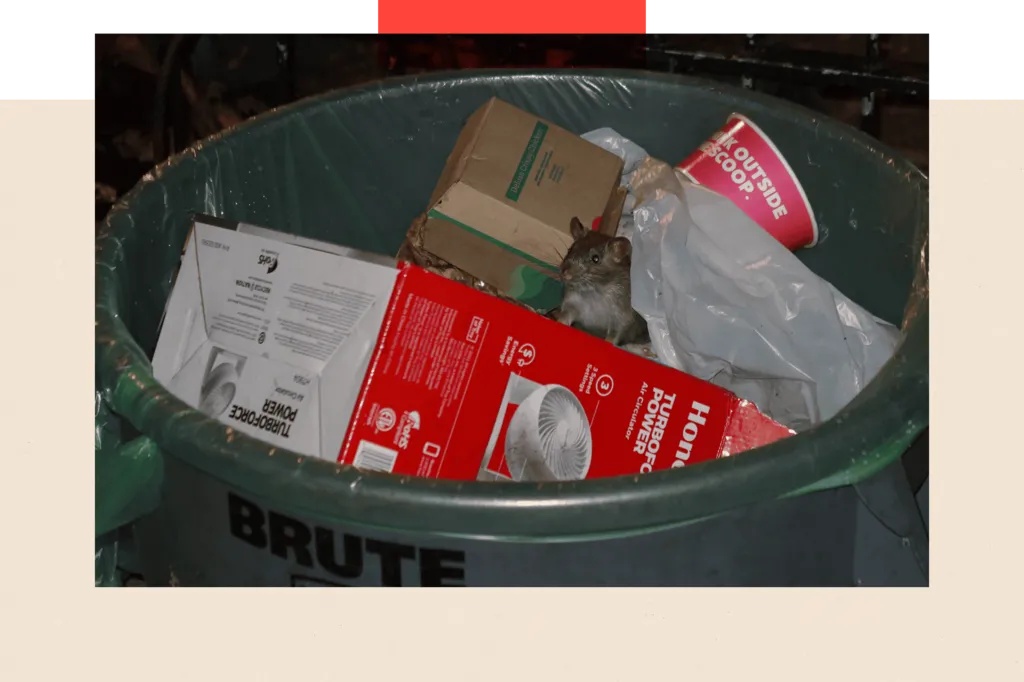
According to Corradi, the key to sustained reduction in rat populations lies in cutting off their access to food sources.
In Croydon, pest controller Alex Donnovan from Cleankill led an early-morning excursion to the backyard of an estate where John Gladwin resides, demonstrating the extent of the rat infestation.
As we stood still and quiet, a rat emerged from beneath the concrete walkway and scurried towards the communal bins, followed by another rat that appeared from a burrow at the end of the garden.
During our two-hour observation, several rats were seen climbing trees and one even jumped into a bin, rummaging through a plastic bag for food just meters away.
Donnovan believes that gaining control over such a severe infestation is nearly impossible, citing the abundance of food as a major obstacle.
He noted that even if rodenticide is used, the rats are unlikely to consume it due to the availability of alternative food sources, and the infested bins often become a deterrent for waste collection.
While warmer temperatures may contribute to growing rat populations, factors such as overflowing bins, fast food waste, and social fragmentation exacerbate the challenge of controlling rat infestations.

The UK's population is projected to increase from 67.6 million in 2022 to 72.5 million by 2032, with a growing proportion of people living in urban areas, according to the Office for National Statistics.
Instead of relying on poison, a more straightforward solution might be necessary to address the issue.
Dr. Corrigan argues that by taking care of the urban environment, the need for inhumane methods of rat control can be alleviated.
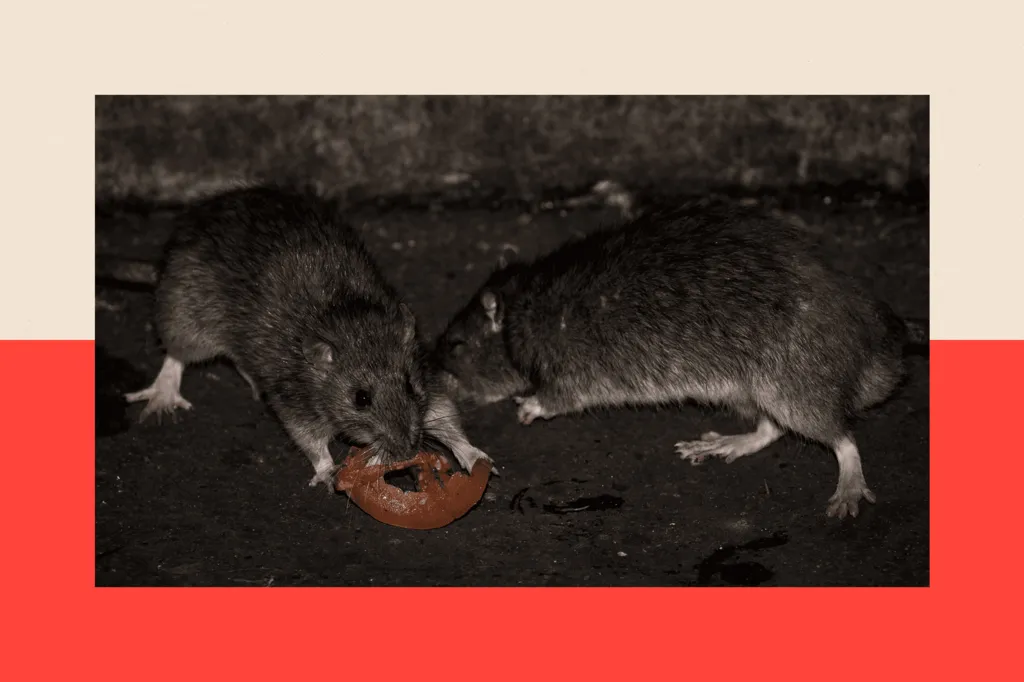
By denying rats access to food and scraps, the need for poisoning, killing, and torturing them can be avoided, according to Dr. Corrigan.
The challenge now is to implement this approach quickly, as Dr. Corrigan notes that the issue has been underestimated and neglected, allowing rat populations to spiral out of control.
The consequence of underestimating and ignoring the rat problem is now being felt, and it's essential to take action to address the issue.
Additional reporting for this article was provided by Florence Freeman.
The BBC InDepth section offers in-depth analysis, fresh perspectives, and thought-provoking content on the most pressing issues of the day, and readers can provide feedback by clicking on the button below.
News
Aberdeen to unveil new manager soon with Docherty set to take assistant role
Aberdeen has bolstered its interim management team with the return of Tony Docherty, who previously served as an assistant manager, to support Peter Leven, amid anticipation of a permanent appointment announcement that sporting director Lutz Pfannenstiel had indicated would be made “imminently”.
Ross County parted ways with Tony Docherty in December, and he has now taken on a new role.
Aberdeen have brought in former assistant manager Tony Docherty to support Peter Leven's interim management team, despite sporting director Lutz Pfannenstiel indicating that a permanent appointment was imminent.
Docherty's return to Aberdeen comes just a week after Eirik Horneland, a former coach of Rosenborg, Brann, and Saint-Etienne, emerged as a top contender to succeed Jimmy Thelin, who was sacked earlier.
As Aberdeen delays making a full-time appointment, speculation surrounding Eirik Horneland's availability has arisen, with reports suggesting the 50-year-old Norwegian may not be able to take on the role until summer.
Since Jimmy Thelin's dismissal on January 4, Lutz Pfannenstiel has been leading the search for a replacement, and he confirmed that Tony Docherty would be joining the team to assist Peter Leven during the interim period.
Dundee Utd are facing a challenging schedule, with four matches in 14 days set to take place on a weather-affected pitch.
According to Stavrum, Eirik Horneland's coaching style, characterized by intensity, would be a good fit for Aberdeen.
Tony Docherty initially joined Aberdeen in 2013 as part of Derek McInnes' management team and spent eight years at the club.
Before his stint at Aberdeen, Docherty served as McInnes' assistant at Kilmarnock and later managed Dundee and Ross County, but his time at Ross County ended in December when he was let go with the team at the bottom of the Championship.
Lutz Pfannenstiel praised Tony Docherty's experience, stating that he has a deep understanding of the club and will be a valuable asset during the transition period.
Pfannenstiel highlighted Docherty's extensive knowledge of the Scottish Premiership, gained through his experience as both a coach and manager, which will be beneficial to the team in the short term.
The club's managerial search is nearing its conclusion, and an announcement regarding the new head coach is expected soon, according to Pfannenstiel.
Peter Leven, who is serving as caretaker manager for the third time, expressed his enthusiasm for Tony Docherty's appointment.
Leven welcomed Docherty's return, stating that his experience will be a significant boost to the team, particularly during the upcoming matches.
Leven noted that Docherty was eager to join the team and that his presence will provide valuable support during both training sessions and matches.
Eirik Horneland left his position at Saint-Etienne in early February, at which point his team was fourth in France's second tier.
If Aberdeen decides to wait until summer for Horneland to take over, it will be similar to the six-month delay that occurred when Jimmy Thelin joined the club from Elfsborg in the summer of 2024.
For the latest news, analysis, and fan perspectives on Aberdeen, visit our dedicated page.
News
Peter Murrell faces allegations of misusing £459,000 in funds over 12 years
Allegations have been made that he bought various items, such as luxury goods, jewellery, cosmetics, two cars and a motorhome, in an improper manner.
Peter Murrell, the former chief executive of the Scottish National Party, is facing allegations of embezzling £459,000 from the party over a 12-year period.

An indictment document obtained by BBC News outlines the case against Murrell, who is the estranged husband of former Scottish First Minister Nicola Sturgeon.
The alleged embezzlement is said to have occurred between August 2010 and January 2023, according to the indictment.
It is claimed that Murrell used party funds to purchase luxury items, including jewellery, cosmetics, and vehicles, such as two cars and a motorhome.
The Scottish Sun was the first to report on the details of the indictment.
A preliminary hearing in the case is scheduled to take place at the High Court in Glasgow on Friday, 20 February, where Murrell is expected to appear.
During his initial court appearance at Edinburgh Sheriff Court, Murrell made no plea and was subsequently granted bail.
Murrell's arrest in 2023 was part of Operation Branchform, a police investigation into the SNP's funding and finances, which led to him being charged with embezzlement in April 2024.

Although Sturgeon was questioned by police as part of the investigation, she is no longer considered a suspect.
BBC News has obtained a copy of the indictment against Murrell ahead of his upcoming court appearance.
It is worth noting that the indictment is subject to change until the case is heard in court and may be amended throughout the judicial process.
The indictment alleges that Murrell purchased a £124,550 motorhome for personal use and created false documents to justify the expense as a legitimate party expenditure.
Murrell is also accused of using £57,500 of party funds to buy a Jaguar I-PACE car in 2019, and falsifying an invoice to conceal the true nature of the purchase.
Furthermore, it is alleged that when the Jaguar was sold in 2021, Murrell deposited more than £47,000 into his personal bank account.
The indictment also claims that Murrell embezzled £16,489 from the SNP to partially fund the purchase of a Volkswagen Golf in 2016.
A list of over 80 retailers is included in the indictment, where Murrell allegedly made purchases totalling more than £159,000 between 2014 and 2022, using party credit or charge cards for personal expenses.
The retailers named in the indictment include Harrods, the Royal Mint, John Lewis, Homebase, and Argos, among others.
It is alleged that Murrell used SNP credit or charge cards to make these purchases and then inserted false or inaccurate accounting codes and descriptions into the party's accounting systems.
The indictment also accuses Murrell of making purchases worth over £81,600 through Amazon using the same method.
Murrell served as the SNP's chief executive for 22 years before his departure.
Murrell and Sturgeon were married in 2010, but announced their separation in January 2025, after being together for many years.
News
Bangladesh Nationalist Party Wins Landslide in Country’s First Poll Since Youth-Led Protests
The public is looking forward to a shift back to democratic governance, following a 15-year period of authoritarian leadership by Sheikh Hasina.
In a significant shift in the country's political landscape, the Bangladesh Nationalist Party (BNP) has achieved a decisive majority in parliament, 18 months after widespread protests led to the ousting of Sheikh Hasina, the country's longest-serving prime minister.

The BNP secured over two-thirds of the seats in the recent general election, with the Jamaat party, the main Islamist party in the country, coming in second; meanwhile, the Awami League, led by Hasina, was not allowed to participate in the election.
As the BNP's leader, Tarique Rahman is poised to become the next prime minister, facing significant challenges in revitalizing the economy and restoring democratic principles after 15 years of authoritarian rule under Hasina's leadership.
In a concurrent referendum, voters also expressed support for comprehensive democratic reforms, which are expected to shape the country's future.
Following Friday prayers in Dhaka, Tarique Rahman expressed gratitude to his supporters, stating, "I am grateful for the love you have shown me"; his party has chosen not to hold a victory procession.
Rahman, who was elected to parliament for the first time, was among the 212 successful BNP candidates; according to the Election Commission, voter turnout was 59.44%.
This marks a significant turnaround for Rahman, who spent 17 years in self-imposed exile in London before taking over as party leader after his mother, former Prime Minister Khaleda Zia, passed away in December.
During his campaign, Rahman pledged to restore democratic principles and practices in the country.
The new government will need to address pressing issues, including economic revitalization, controlling rising food prices, and creating employment opportunities for the country's large youth population.
Rebuilding relations with neighboring India is also a key priority for the incoming government.
In the aftermath of his victory, Rahman received a congratulatory call from Indian Prime Minister Narendra Modi, who acknowledged his "remarkable victory".
Modi took to social media to reaffirm India's commitment to promoting peace, progress, and prosperity in both countries, citing their deep historical and cultural ties.
Although the BNP has pledged to bring about change, the party has faced criticism in the past for corruption and alleged human rights abuses during its previous tenure in government in the early 2000s.
The recent election represents a pivotal moment for the country, with one of the two main parties achieving a significant victory, presenting both opportunities and risks.
Proposed constitutional reforms include introducing term limits for the prime minister, establishing a directly elected upper house of parliament, strengthening presidential powers, and increasing judicial independence.
The reforms also aim to increase female representation in parliament, an area where significant progress is still needed, as evidenced by the limited number of successful female candidates in the recent election.
As the newly elected leader, Tarique Rahman will face intense scrutiny as he works to deliver on his promises to a predominantly young electorate eager for change, many of whom participated in the student-led protests that ultimately led to Hasina's removal and paved the way for the February 12 election.
-
 News9 hours ago
Australian Politics Faces Questions Over Gender Equality Amid Sussan Ley’s Appointment
-
 News7 hours ago
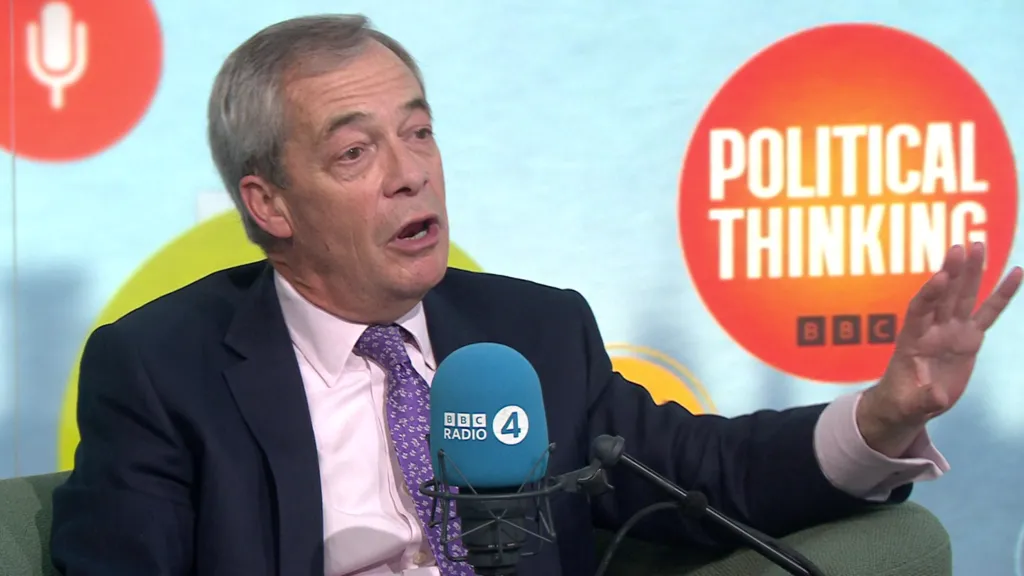
Farage Says Reform to Replace Traditional Tory Party
-
 News7 hours ago
Wrexham Pair Seek Win Against Former Team Ipswich
-
 News12 hours ago
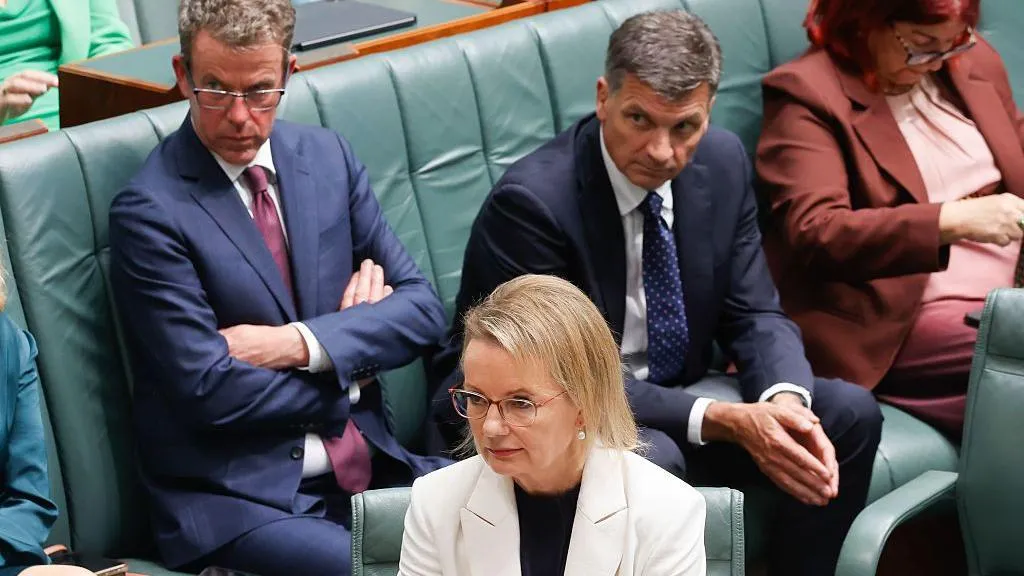
Liberal Party Removes Australia’s First Female Leader
-
 News10 hours ago
UK Braces for Cold Snap with Snow and Ice Alerts Expected
-
 News7 hours ago
Husband’s alleged £600k theft for sex and antiques blamed on drug side effects
-
 News2 days ago
Sunbed ads spreading harmful misinformation to young people
-
 Business12 hours ago
BBC Reporter Exposed to Cyber Attack Due to Vulnerabilities in AI Coding Tool