
Middle East
UAE-run secret prisons in Yemen hold detainees incommunicado
An investigation by the BBC has uncovered evidence of alleged abuse at sites in Yemen that were previously used as bases by the United Arab Emirates, according to detainee accounts.
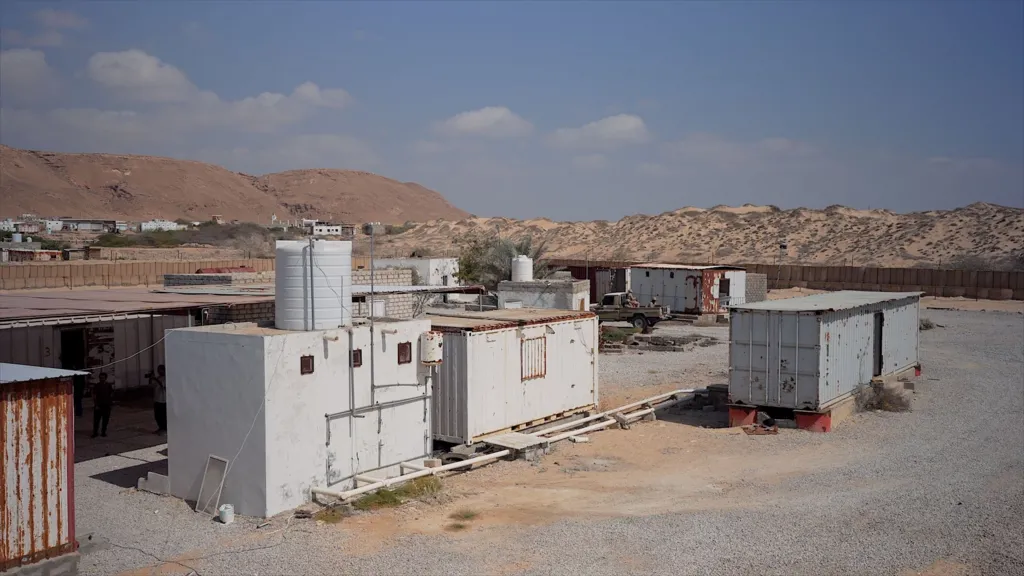
A recent visit by the BBC to former UAE military bases in Yemen has shed light on the existence of clandestine detention facilities, substantiating claims of a hidden prison network operated by the UAE and its allied forces amidst the country's ongoing 10-year conflict.
A former prisoner shared his account of being subjected to physical and sexual mistreatment during his time at one of these detention sites.
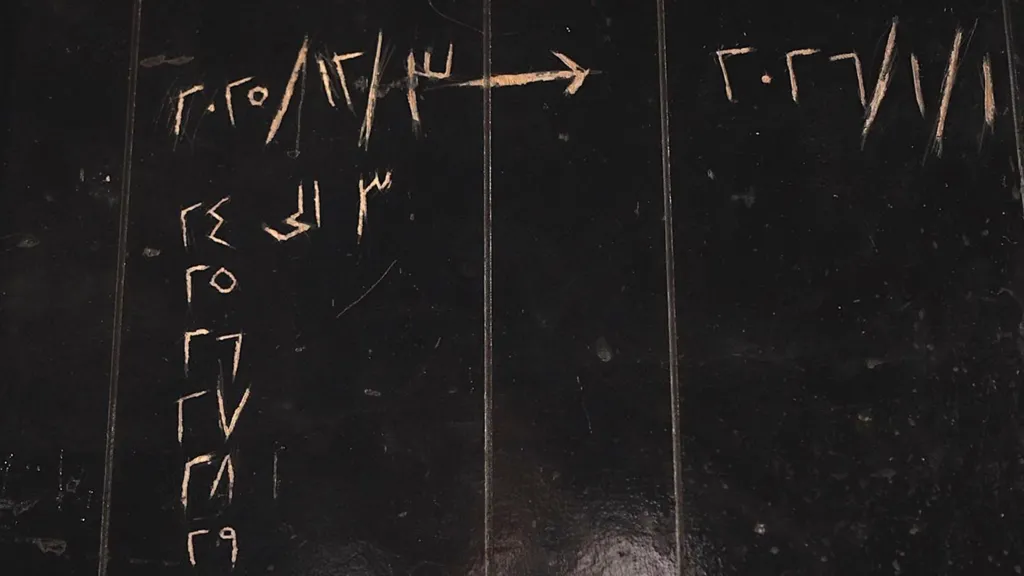
An inspection of two bases in southern Yemen revealed cells, including modified shipping containers bearing handwritten names and dates, presumably belonging to detainees.
The UAE declined to provide a statement in response to the BBC's inquiry, although it has previously disputed similar accusations.
Prior to a recent shift, the Yemeni government, which receives support from Saudi Arabia, had formed an alliance with the UAE to counter the Houthi insurgency, which maintains control over north-western Yemen.
A significant shift has occurred in the alliance between Yemen's two key Gulf state partners. In early January, UAE forces withdrew from Yemen, paving the way for Yemeni government forces and their allied groups to reclaim substantial territory in the south from UAE-backed separatists.
During a visit to the port of Mukalla, which was facilitated by a Saudi military plane, we were given access to the former UAE military bases located in the Al-Dhaba Oil Export Area, allowing for a firsthand look at the situation on the ground.
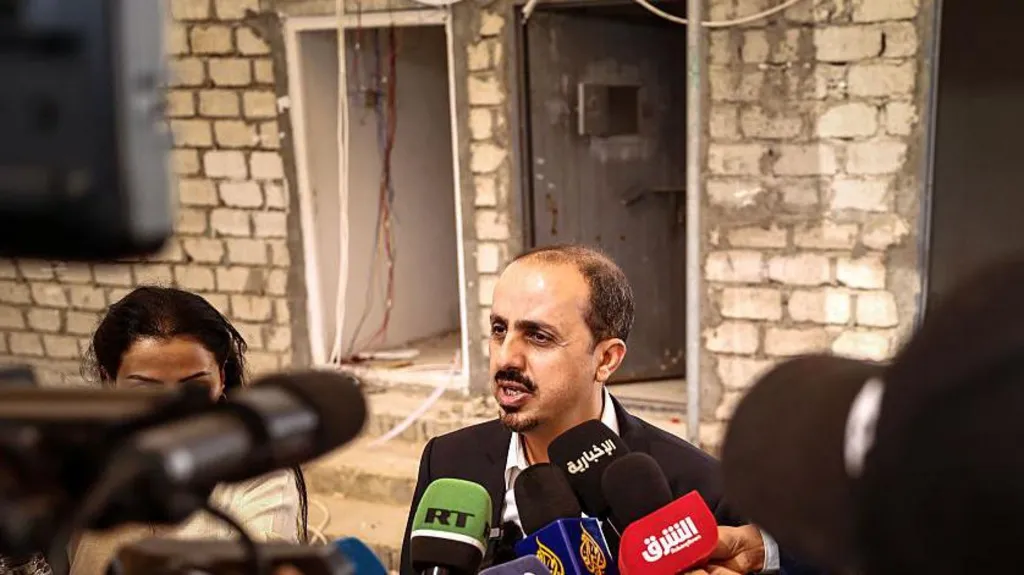
Due to stringent visa requirements, international journalists have faced considerable challenges in reporting from Yemen in recent years. However, the government has now extended an invitation to reporters to visit specific sites, with Yemen's Information Minister Moammar al-Eryani serving as escort.
The observations made during this visit align with the information gathered through independent reporting and interviews conducted in Yemen, separate from the government-organized tour, providing a consistent narrative.
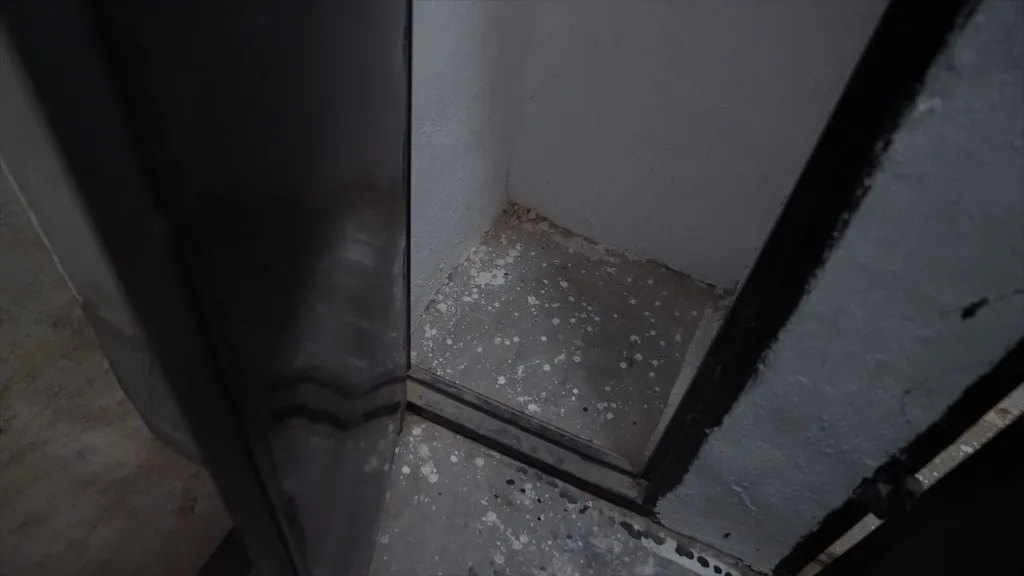
At one of the sites visited, approximately 10 shipping containers were observed, distinguished by their black interiors and limited ventilation, presenting a specific set of conditions.
Detainees' experiences were chronicled on the walls, with notations indicating when they were first taken into custody or tracking the duration of their detention.
Some of these markings were recorded as recently as December 2025, suggesting that the practice has continued into the present.
During a visit to another military base, the BBC observed a set of eight cells constructed from brick and cement, with dimensions of approximately one metre by one metre and two metres in height, which, according to Eryani, were utilized for solitary confinement.
For years, human rights organizations have collected and reported on accounts detailing the existence of such facilities.
Huda al-Sarari, a lawyer from Yemen, has been compiling testimonies from individuals who have experienced these conditions firsthand.
A gathering organised by a local individual was attended by the BBC, where approximately 70 attendees claimed to have been previously detained in Mukalla, while the families of 30 others reported that their relatives remained in custody.
According to multiple former detainees who shared their accounts, the shipping containers used for detention could accommodate as many as 60 men simultaneously.
The former prisoners described the harsh conditions they endured, which included being blindfolded and having their wrists bound, forcing them to maintain an upright position at all times.
One former detainee recounted his experience to the BBC, stating that the lack of space made it impossible to lie down, and that when someone fainted, their fellow prisoners had to provide support to keep them upright.
The same individual also shared with the BBC that he was subjected to physical abuse for a period of three days following his arrest, during which his interrogators pressured him to admit to being affiliated with al-Qaeda, an allegation he vehemently denies.
The individual recalled being threatened with imprisonment at the US military detention centre in Guantanamo Bay, Cuba, if he failed to cooperate, with his captors warning him that refusal to admit to certain allegations would result in his transfer to the facility.
It was only when he was taken to a prison that he began to understand the implications of the term "Guantanamo", having been previously unfamiliar with its meaning.
During his year-and-a-half-long detention, the individual reported being subjected to daily beatings and mistreatment at the hands of his captors.
He described the living conditions as harsh, with inadequate food provisions and limited access to basic amenities, such as toilet facilities, which were only made available to him once, leaving him to resort to desperate measures at times.
The individual alleged that his captors, who included both Emirati soldiers and Yemeni fighters, employed various forms of torture during interrogations, including sexual abuse, and would often threaten to bring in a "doctor" as part of their intimidation tactics.
A man who claimed to be a medical professional, identifying as Emirati, allegedly subjected detainees to physical abuse, instructing Yemeni soldiers to do the same, prompting one individual to attempt suicide on multiple occasions in an effort to escape the ordeal.
During the UAE's counter-terrorism efforts in southern Yemen, which began in response to security concerns, human rights organizations reported that thousands of individuals, including political activists and critics, were taken into custody, sparking concerns over the campaign's impact on civilians.
The mother of a young man recounted her son's experience, stating that he was detained at the age of 16 and has remained in custody for nearly a decade.
According to the mother, her son was an athlete who had recently returned from an international competition and went missing after visiting the gym, never to return home.
The mother reported that she was left without any news of her son's whereabouts or well-being for a period of seven months following his disappearance.
After a brief waiting period, she was allowed a 10-minute visit with him, during which she observed the physical evidence of the mistreatment he had endured, including visible scars.
The mother claimed that her teenage son was subjected to severe mistreatment at the Emirati-run detention facility, which included electrocution, exposure to ice-cold water, and repeated instances of sexual abuse.
According to her account, she was present at a court hearing where a recording was played, purportedly featuring her son's confession.
However, she maintained that the recording was coerced, stating that the sound of beating could be heard in the background, and that her son was being instructed on what to say; she emphatically denied that her son was involved in terrorist activities, and expressed her concern that his youth had been unfairly taken from him.
In the last 10 years, various human rights organisations and news outlets, including the BBC and Associated Press, have compiled evidence of alleged human rights abuses, including arbitrary detention, enforced disappearance, and torture, at detention facilities operated by the UAE and its affiliated parties.
In 2017, Human Rights Watch compiled accounts from detainees who reported being held in unofficial detention centers without charge or judicial review, where they were allegedly subjected to physical abuse, including beatings and electric shocks.
When these claims surfaced, the UAE issued a denial.
The BBC forwarded specific allegations regarding the detention facilities and instances of mistreatment to the UAE government, but did not receive a response.
Throughout the civil war, all parties involved have faced accusations of committing human rights abuses, which have contributed to a severe humanitarian crisis in the country.
According to the BBC, families of detainees have consistently expressed their concerns to Yemeni authorities regarding the treatment of their loved ones.
It is thought that the UAE and its allies could not have operated a network of detention centers without the knowledge of the Yemeni government and its Saudi supporters.
According to Information Minister Eryani, his government had been unable to inspect locations under UAE control until recently.
Eryani explained that upon gaining access to these areas, they found prisons, corroborating claims made by numerous victims who had previously reported their existence.
The Yemeni government's move to allow international media access comes at a time when tensions between Saudi Arabia and the UAE are escalating.
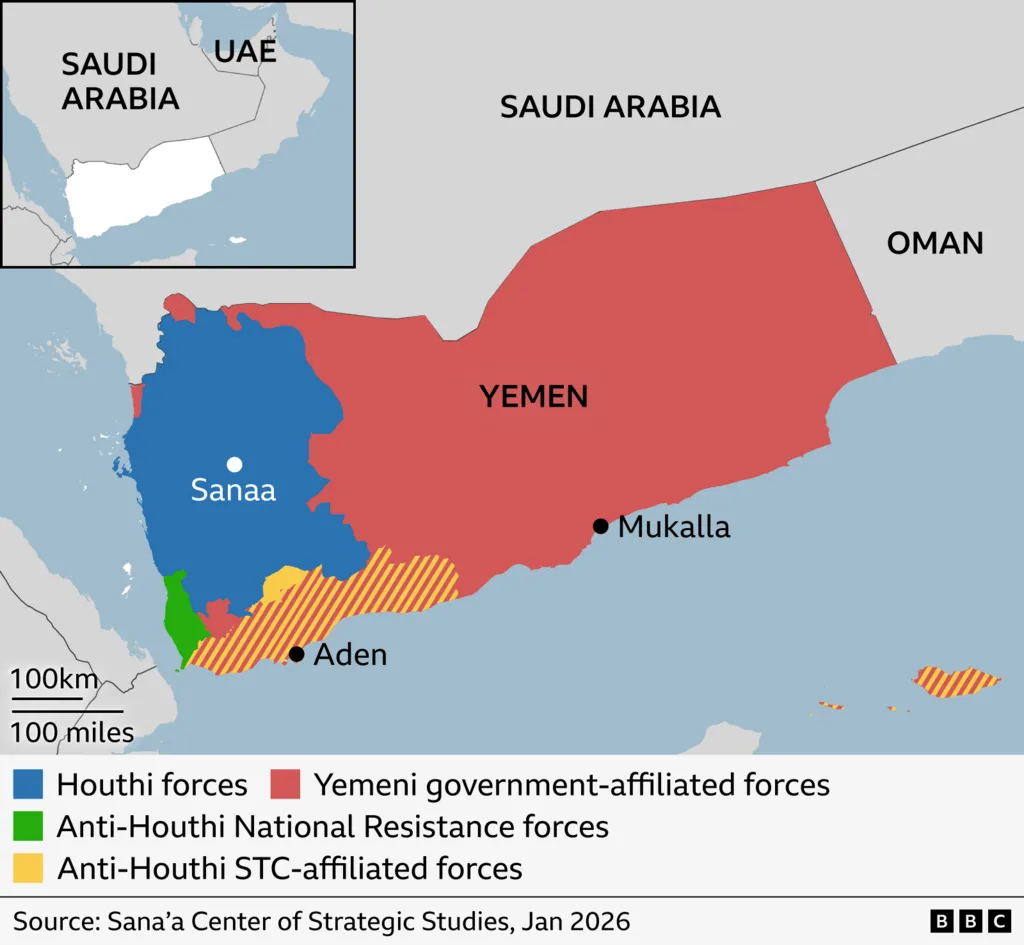
The relationship between Saudi Arabia and the UAE has been under strain for some time, but took a turn for the worse in December when the UAE-backed Southern Transition Council (STC) seized control of government-held territory in two western provinces.
A military operation was conducted by Saudi Arabia, targeting a purported arms shipment from the UAE to the STC in Mukalla, with Saudi Arabia also backing a call from Yemen's presidential council for the Emirati military to withdraw from the country.
Following the UAE's withdrawal, government forces and their allies quickly regained control of the western provinces and the entire southern region within a matter of days.
Nevertheless, separatist groups continue to pose a challenge to the government's authority in certain areas, including the key southern port city of Aden.
The UAE disputed Saudi claims regarding the contents of the shipment and the UAE's alleged involvement in the STC's recent military actions, denying any wrongdoing.
In a directive issued on 12 January 2026, Rashad al-Alimi, president of Yemen's Presidential Leadership Council, ordered the shutdown of all unofficial detention centers in southern provinces formerly under STC control, calling for the immediate release of detainees being held without legal justification.
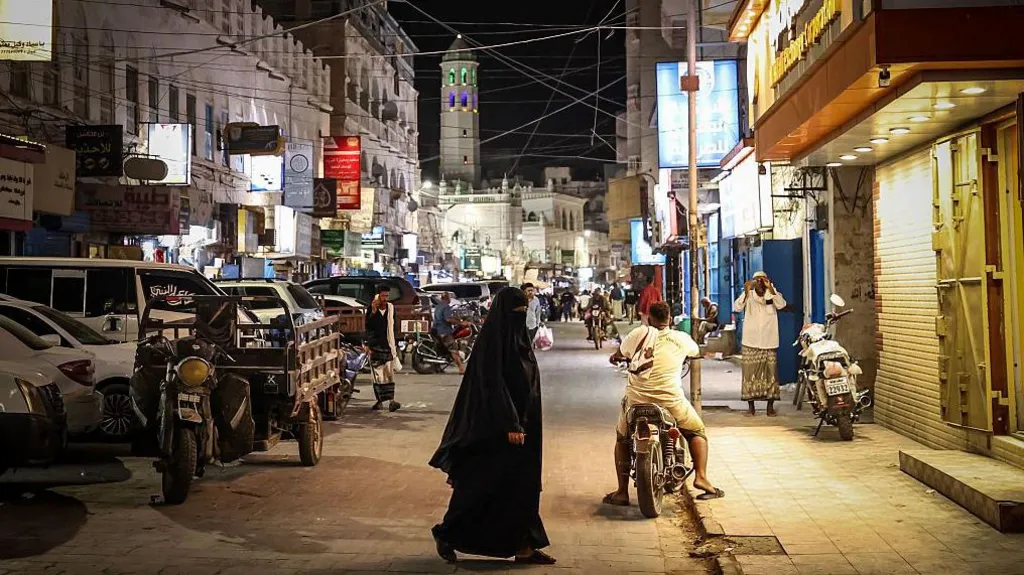
According to Eryani, detainees were found within the facilities, although specific numbers and additional information were not provided.
Relatives of the detainees, including the athlete's mother, informed the BBC that the individuals have been relocated to prisons that are now supposedly under government jurisdiction.
Yemeni authorities acknowledge that integrating prisoners into the formal justice system is a complicated process, while human rights organizations caution that arbitrary detention may persist, albeit under a different authority.
The mother expressed concern, stating, "The terrorists are now out on the streets."
She also maintained, "Our sons are not terrorists."
Middle East
BBC reports from Tehran as Iran commemorates Islamic revolution anniversary
BBC correspondent Lyse Doucet has arrived in Iran, marking her first visit to the country since authorities suppressed widespread demonstrations against the government.
Iran's government has staged a display of strength to commemorate the 47th anniversary of the Islamic revolution, following a period of intense repression of anti-government demonstrations.
The BBC has gained access to Tehran for the first time since the authorities' crackdown on protests, which resulted in the deaths of at least 6,490 people, according to estimates by human rights activists.
Lyse Doucet, the BBC's chief international correspondent, observes that the capital's streets, adorned with festive decorations and filled with crowds of supporters, reflect the government's desired image of a unified nation, with Iranians demonstrating their allegiance to the Islamic Republic and its founding revolution.
Middle East
BBC reports from Tehran for the first time since the protest crackdown
In Iran, the aftermath of the government’s crackdown on protests remains a sensitive issue, with the effects of the unusually strong measures still being felt, according to Lyse Doucet, reporting from the country.
For the first time since a nationwide crackdown on anti-government demonstrations, a BBC team has entered Iran to report on the current situation.
As Iran commemorates the 47th anniversary of the Islamic Revolution, the streets of Tehran are adorned with festive decorations, yet the memory of the recent protests and the subsequent use of force by security personnel remains a sensitive issue.
According to human rights activists, the confirmed number of protester fatalities stands at a minimum of 6,400, although they caution that the actual death toll may ultimately be significantly higher.
Asia
Indonesia plans to deploy up to 8,000 troops to Gaza
As part of the second phase of the ceasefire agreement facilitated by the US in the previous year, this nation would become the first to take such action.
Indonesia is making preparations to deploy a contingent of up to 8,000 soldiers to Gaza, marking the first such commitment under the second phase of a ceasefire agreement facilitated by the United States towards the end of last year.
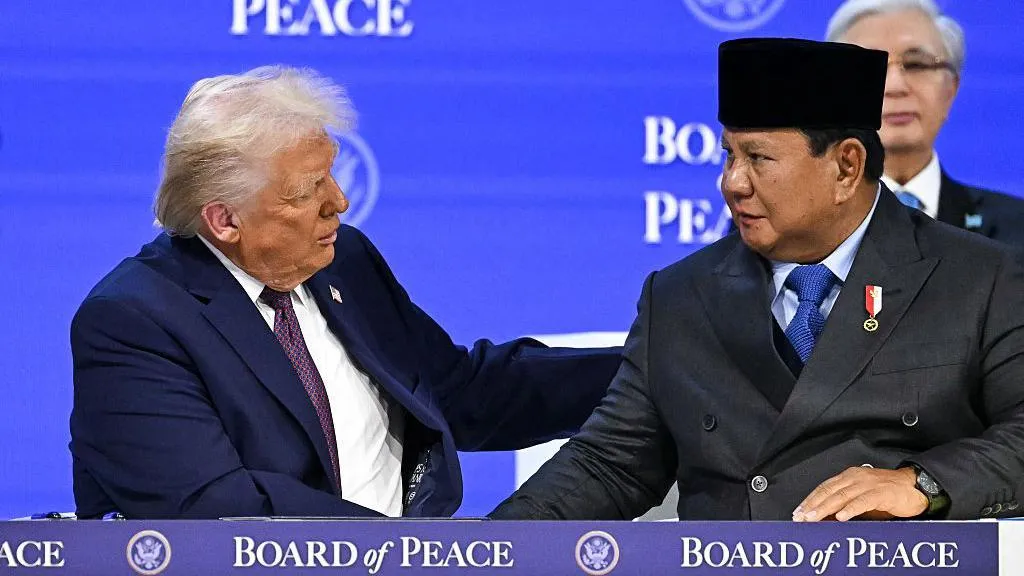
According to General Maruli Simanjuntak, the army's chief of staff, training for these troops is already underway, with a focus on providing medical and engineering support in Gaza.
Indonesia has recently joined the Board of Peace initiated by President Donald Trump, an announcement that was made last month.
The United Nations Security Council has given Indonesia a mandate to establish an International Stabilization Force, tasked with securing border areas in Gaza and overseeing the demilitarization of the territory, including the disarmament of Hamas.
The Board of Peace, scheduled to convene for the first time in Washington on February 19, will also play a role in overseeing the establishment of a new technocratic government in Gaza and guiding post-conflict reconstruction efforts.
While the specifics of the Indonesian troop deployment, including timing and role, have yet to be finalized, it appears that President Prabowo Subianto is moving forward with the plan.
President Subianto's decision to participate in Trump's Board of Peace has drawn criticism from certain Islamic groups within Indonesia, where there is significant public discontent regarding the US role in Israel's military actions in Gaza.
President Subianto has countered that, as the world's most populous Muslim nation, Indonesia has a responsibility to contribute to stabilizing Gaza, with the ultimate goal of achieving a two-state solution to the Israeli-Palestinian conflict.
A report by Israel's public broadcaster Kan indicates that a location in southern Gaza, situated between Rafah and Khan Younis, has been designated for the Indonesian army to construct barracks that will accommodate several thousand troops.
Other Muslim countries, including Turkey and Pakistan, are considering troop deployments as well, but have emphasized that their roles would be limited to peacekeeping and would not involve participation in the planned disarmament of Hamas.
However, given Hamas's refusal to disarm as long as Israel maintains its presence in parts of Gaza, a lasting peace that an international force could support has yet to be achieved.
-
 News11 hours ago
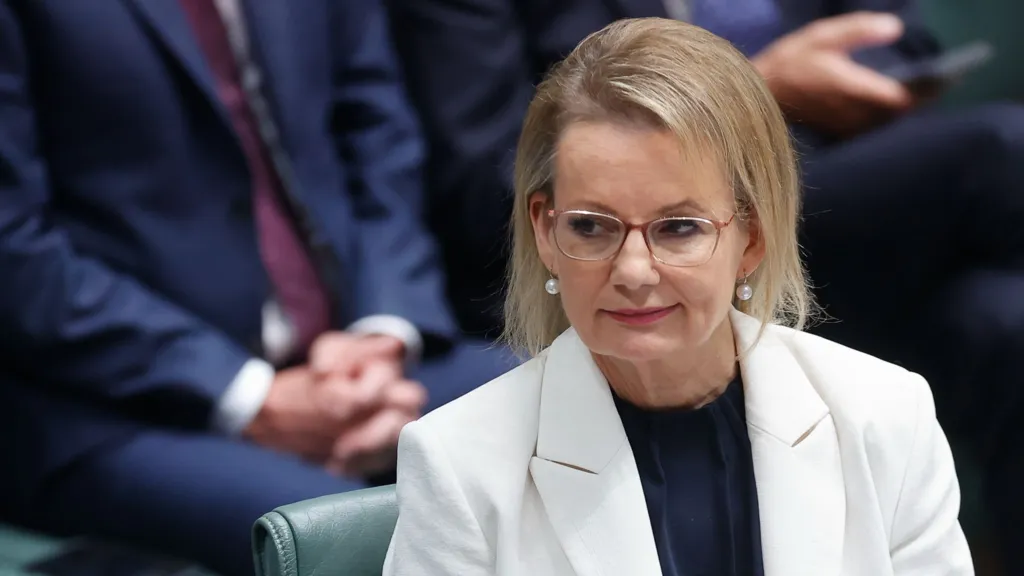
Australian Politics Faces Questions Over Gender Equality Amid Sussan Ley’s Appointment
-
 News8 hours ago
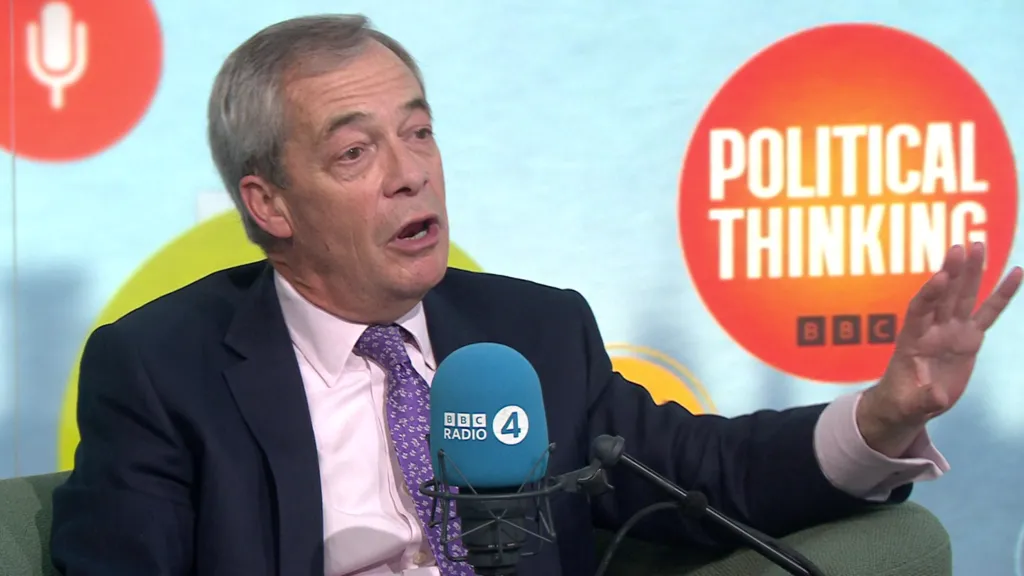
Farage Says Reform to Replace Traditional Tory Party
-
 News8 hours ago
Wrexham Pair Seek Win Against Former Team Ipswich
-
 News13 hours ago
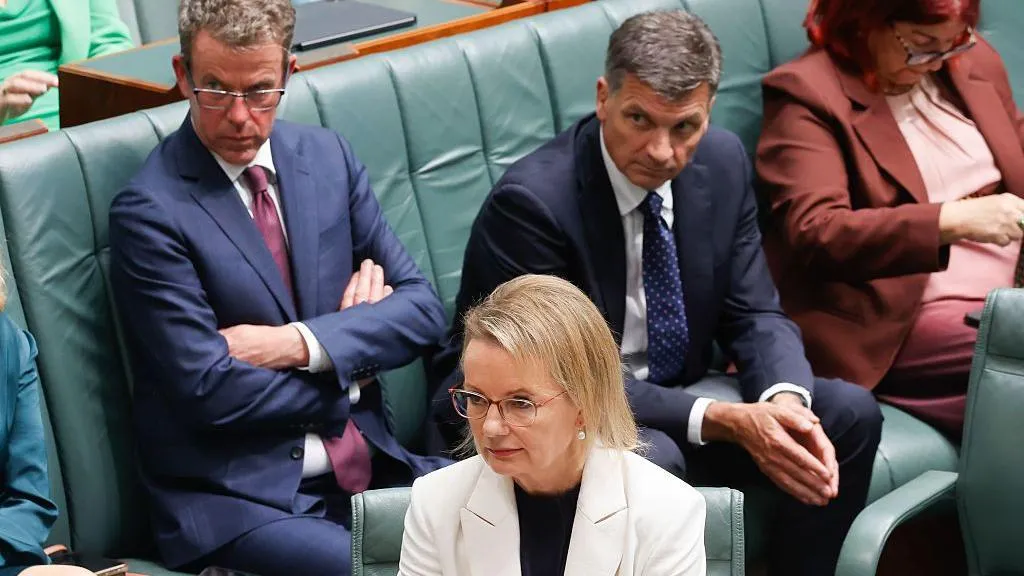
Liberal Party Removes Australia’s First Female Leader
-
 News11 hours ago
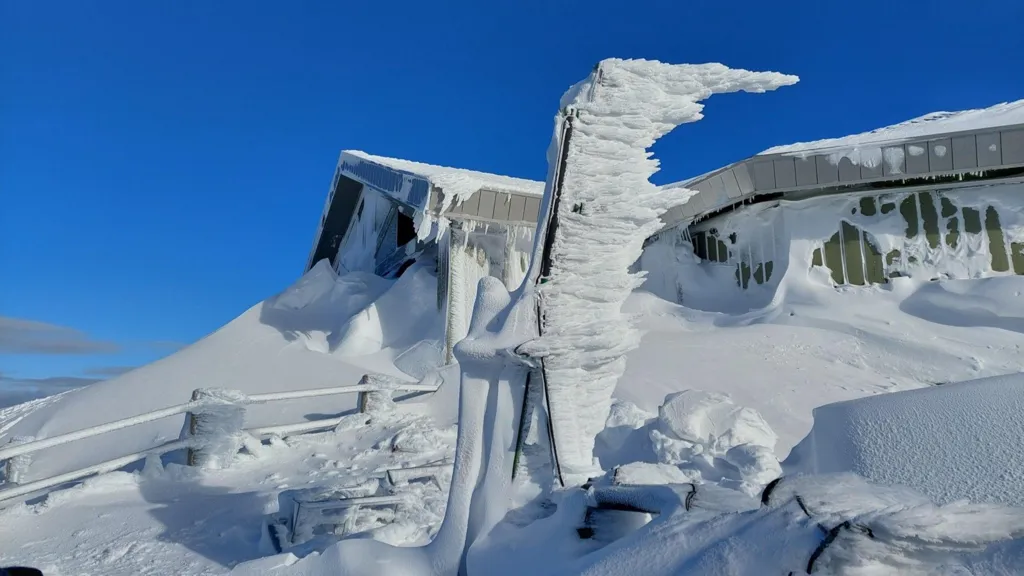
UK Braces for Cold Snap with Snow and Ice Alerts Expected
-
 News8 hours ago
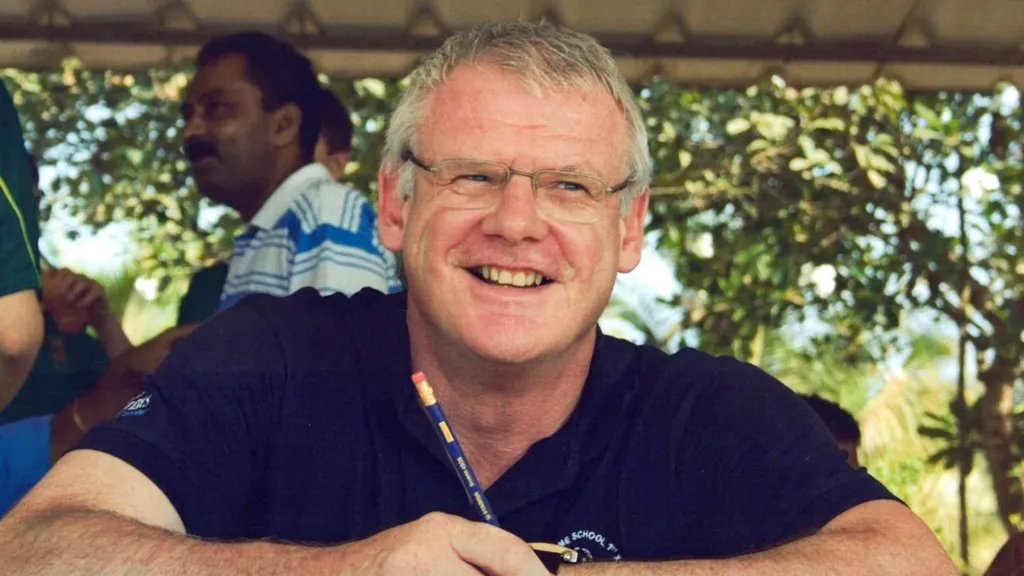
Husband’s alleged £600k theft for sex and antiques blamed on drug side effects
-
 News2 days ago
Sunbed ads spreading harmful misinformation to young people
-
 Business14 hours ago
BBC Reporter Exposed to Cyber Attack Due to Vulnerabilities in AI Coding Tool