
Latin America
Caribbean cannabis producers explore domestic and export markets
Jamaican and Antiguan producers are anticipating that greater liberalisation will result in increased revenue.
As Michaelus Tracey demonstrates, rubbing the leaf and taking a whiff reveals the plant's distinct fragrance.
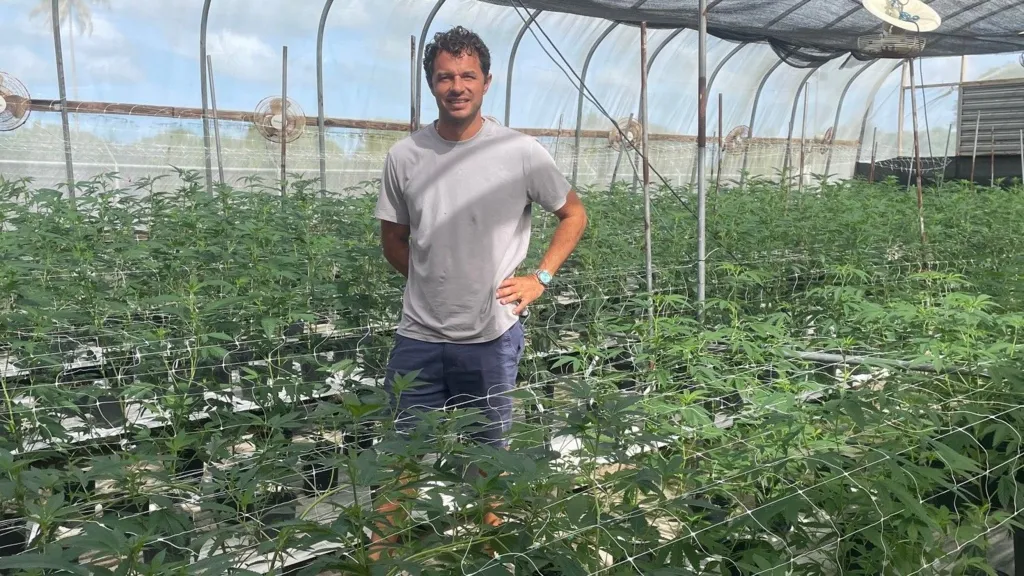
A comparison of the two plants he is holding highlights the difference in their scents, with one emitting a musky aroma and the other a citrusy one.
At first glance, the organized rows of flowering cannabis crops appear identical, with no visible distinguishing features.
However, master cultivator Michaelus Tracey is able to distinguish between the various types by their unique fragrances and leaf shapes.
Pineapple Road, a rural farm on the Caribbean island of Antigua, is currently cultivating nine different strains of cannabis, taking advantage of the island's ideal climate, which features warm temperatures, plenty of sunshine, and high humidity.
According to Tracey, extensive trials were undertaken to develop diverse strains of cannabis, each with unique characteristics. The goal was to create products that offered a range of benefits, including relaxation, energy, pain relief, and anxiety reduction, while maintaining medicinal value.
Jamaica's decision to decriminalise recreational cannabis use and legalise its production and sale for medical purposes marked a significant milestone, having taken place a decade ago. This move has been followed by other Caribbean countries, such as Antigua and Barbuda, which adopted similar policies in 2018.
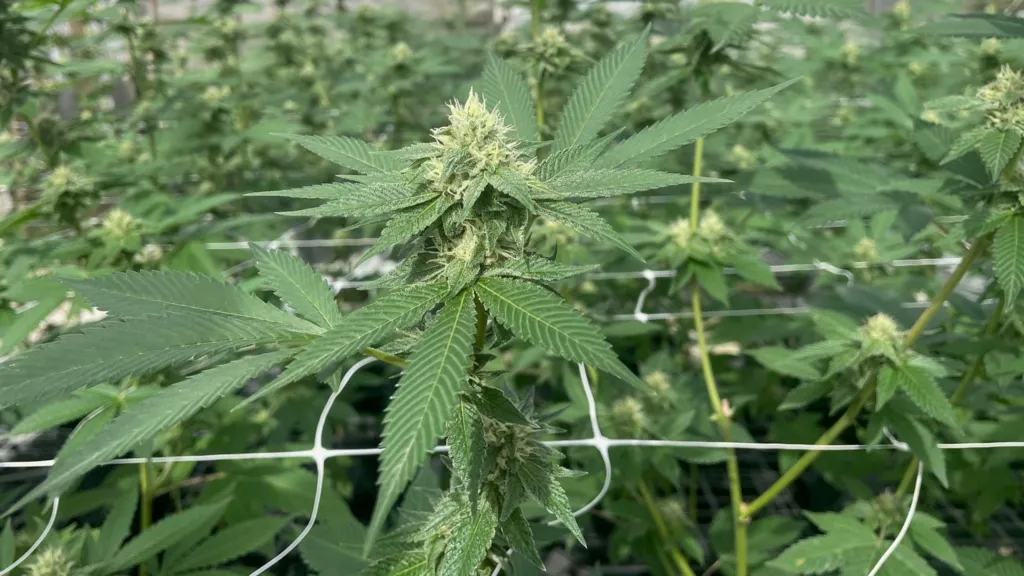
The association between cannabis and Caribbean culture is a longstanding one, often perpetuated as a stereotype. However, the region's prominence in the cannabis industry is less well-known, despite its rich history and widespread acceptance of the plant.
The Caribbean is now home to numerous licensed cannabis farms and medicinal dispensaries, catering to both local residents and tourists who possess a valid medical authorisation card. These establishments provide a regulated environment for the purchase and use of cannabis.
Prof Rose-Marie Belle Antoine, a leading expert on the Caribbean cannabis industry, argues that additional reforms are necessary to further liberalise the sector and unlock its full potential.
Antoine, former chair of the Caribbean Community's Regional Commission on Marijuana, advocates for a more comprehensive approach, stating that decriminalization falls short and that regulated legalization is the preferred solution.
As campus principal at the University of the West Indies in Trinidad, Antoine oversees an institution where researchers are poised to embark on a study exploring the potential benefits of cannabis.
The research, slated to take place in Antigua due to its more permissive legislation, is expected to delve into various areas, including the potential of cannabis to mitigate the side effects of cancer treatment and its possible role in enhancing agricultural productivity through improved soil health.
Antoine acknowledges that the research holds significant promise, but notes that a legalized framework would greatly facilitate the process.
According to Antoine, the Caribbean has a rich history and expertise in cannabis, boasting a wide range of strains and traditional knowledge; however, she believes that stringent laws and the "war on drugs" have hindered not only the industry's growth but also the advancement of research and development in the region.
The Caribbean region is awaiting potential benefits from a recent move by US President Donald Trump, who signed an executive order in December to reclassify cannabis as a less restricted substance.
According to Alexandra Chong, CEO of Jacana, a Jamaica-based company that offers various cannabis-derived products, including oil drops and skin cream, the development marks a notable turning point.
Chong notes that US public policy often has a ripple effect in the Caribbean, and the previous classification of cannabis as a schedule one drug, equivalent to heroin, had a limiting impact on regional regulatory approaches.
In Chong's view, the US decision to reclassify cannabis to a schedule three level, comparable to certain prescription medications like paracetamol-codeine tablets, is a more suitable categorization.
The reclassification of cannabis by the White House may pave the way for Caribbean countries to export the substance to the US for recreational purposes in the future.
The federal law in the US still prohibits the importation of cannabis, despite recreational use being legalized in 24 states.
Jamaica and Antigua are poised to capitalize on the legal export of cannabis, with Jamaica's Cannabis Licensing Authority establishing temporary procedures to enable licensed exporters to ship the product to countries with valid import permits.
Antigua and Barbuda's Medicinal Cannabis Authority is actively developing its cannabis export sector, leveraging the country's strategic location, international airport, and existing legal framework, according to Chief Executive Regis Burton.
Burton expresses confidence that Antigua will likely secure export opportunities, partly due to the unique appeal of its cannabis products, noting that few people have experienced Antiguan cannabis.
However, the domestic cannabis markets in Jamaica and Antigua and Barbuda face challenges, including high operational costs and restrictive sales regulations, which have created an environment where illegal producers dominate the market.
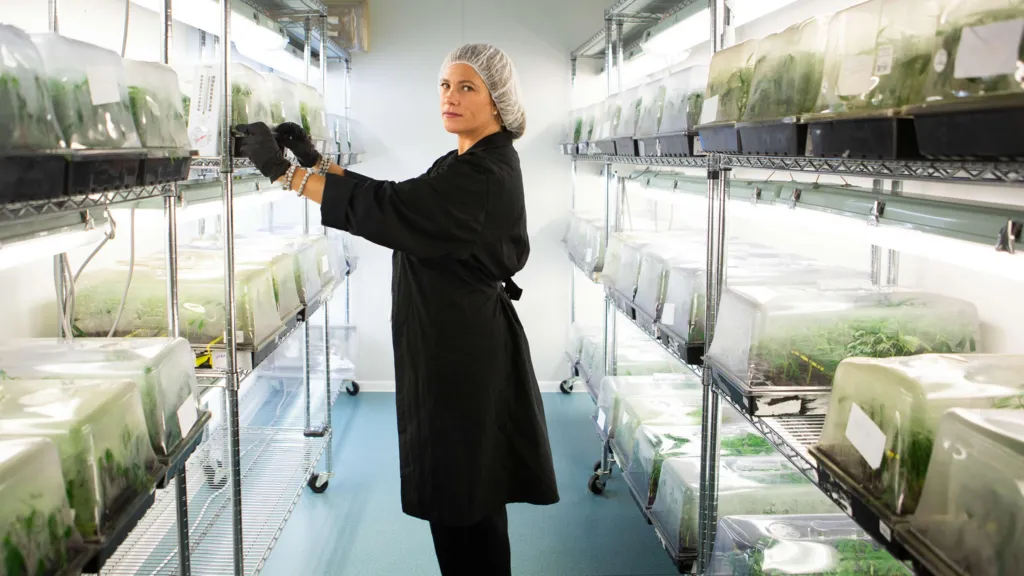
According to Jacana, Jamaica's cannabis usage is substantial, with approximately 800,000 individuals consuming the drug annually, half of whom are visitors to the island. However, it is estimated that around 90% of the 87 tonnes of cannabis used each year is obtained through unauthorized channels.
Chong notes that the industry has been hindered by excessive regulation, which has made it challenging to operate. Although the situation has improved over time, significant issues persist, and the current state of affairs is far from ideal.
As a result of these challenges, it is estimated that only a small fraction of the more than 160 licenses issued by Jamaica's Cannabis Licensing Authority between 2017 and 2024 remain active, with many licensees ceasing operations due to the difficulties faced.
Robert Hill, an industry consultant in Antigua, observes that the illegal importation of cannabis remains a more lucrative option due to the lower overhead costs, as private companies have expenses such as employee salaries and utility bills that illegal dealers do not incur.
The current state of Antigua's cannabis industry is marked by a limited number of licensed operators, with only six farms, four dispensaries, and one cannabis lounge, where on-site consumption is permitted. Meanwhile, authorities on the island recently intercepted 45kg of illegally imported cannabis in a single 24-hour period in September, highlighting the ongoing issue of illicit cannabis trade.
Antigua is taking a unique approach to addressing domestic illicit cannabis cultivation, opting for education over prosecution. The government has introduced a complimentary six-week program aimed at teaching unauthorized growers how to enter the legal market.
According to Burton, speaking to the BBC, 22 individuals have already completed the course, with two set to launch their own medicinal cannabis businesses. Burton emphasizes that the success of the industry relies on regulating the illicit market.
The gradual loosening of cannabis laws in the Caribbean is reportedly yielding positive outcomes for a specific community in terms of social justice.
In 2018, Antigua's Prime Minister Gaston Browne formally apologized to the Rastafarian community for the historical persecution, stigma, and mistreatment they faced due to their cannabis use. By 2024, the government had granted Rastafarians formal permission to cultivate cannabis for sacramental purposes.
The following year, the government announced its intention to clear the criminal records of individuals previously convicted of possessing small amounts of marijuana, marking another step forward in the country's evolving approach to cannabis regulation.
High Priest Selah, a member of Antigua's Nyabinghi Rastafarian community, still recalls the difficulties his group faced in the past, including harassment and persecution.
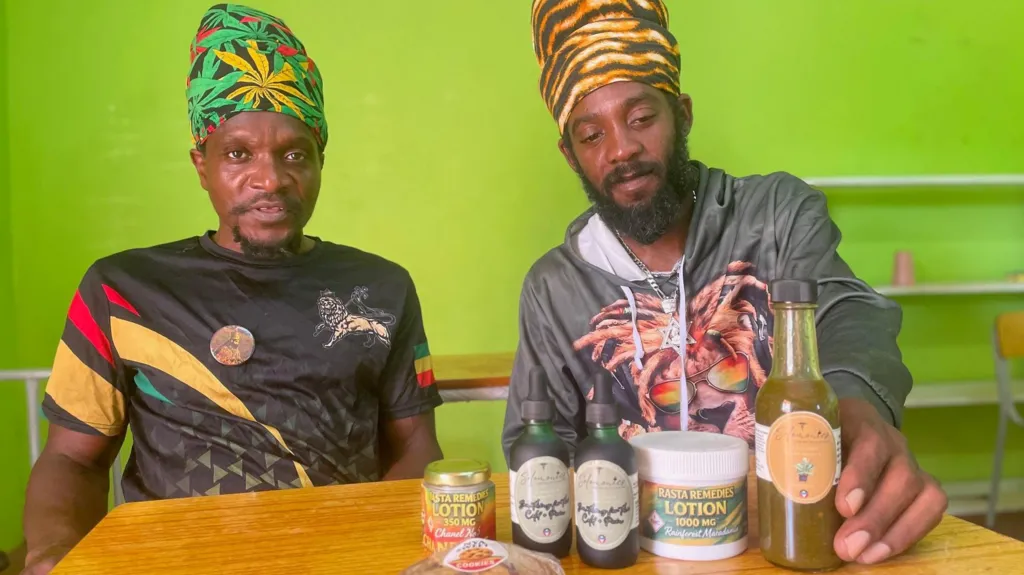
Selah remembers the frequent police raids, during which officers would arrest community members, destroy their crops, and publicly humiliate them. However, through the efforts of campaigners from his community, the plant was eventually decriminalized.
At the Pineapple Road facility, employees are meticulously crafting joints, each containing one gram of marijuana, which will be sold in the on-site dispensary.
Burton's goal is to encourage more local farmers to participate in the industry, thereby keeping the financial benefits within the Caribbean region.
Hill shares this vision, noting that the region's favorable climate allows for cost-effective production, enabling local growers to compete with larger countries. He emphasizes that the focus is on promoting wellness, rather than recreating a tourist-oriented model like Amsterdam.
Latin America
Venezuelan opposition politician under house arrest following kidnapping, according to son
Venezuelan security forces rearrested Juan Pablo Guanipa on Sunday, a short time following his release along with other jailed politicians.
Following his capture by security forces on Sunday, Venezuelan opposition politician Juan Pablo Guanipa has been returned to his home, where he is currently under house arrest, according to his son.
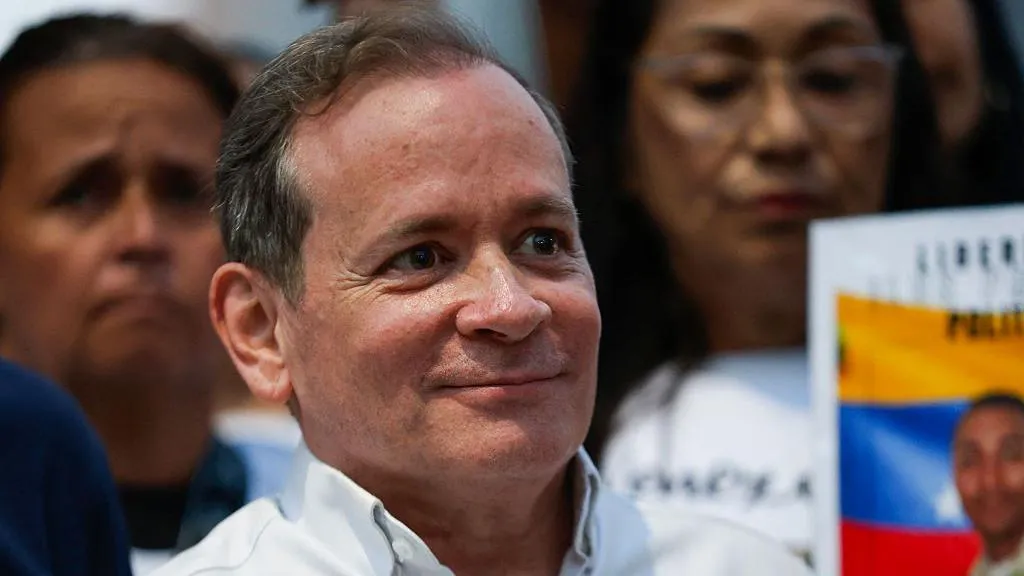
Ramón Guanipa expressed relief that his family has been reunited, but emphasized that his father's continued detention is unwarranted.
Opposition leader María Corina Machado reported that Guanipa was taken into custody by heavily armed individuals in Caracas on Sunday, just hours after his initial release from prison, along with other political prisoners.
In a subsequent statement, Interior and Justice Minister Diosdado Cabello confirmed that an individual had been rearrested for allegedly violating the terms of their release.
Cabello stated on Monday that some politicians apparently believed they could act with impunity.
Guanipa, a former vice-president of the National Assembly, had spent eight months in prison before being freed, along with several other political prisoners, after the US took action against Venezuelan President Nicolás Maduro in January.
In a BBC interview on Tuesday, Ramón Guanipa recounted that his father, the leader of the Justice First party, was initially released from prison on Sunday at approximately 11:00 local time.
After his release, Guanipa spent time with families awaiting the release of other political prisoners.
According to Ramón, his father made public statements, mobilized supporters, and participated in an interview before being detained by unidentified security forces.
Ramón stated that he was informed his father would be returned home and placed under house arrest, but no further details were provided regarding the timing of his transport.
Later on Tuesday, Ramón posted an update on his father's X account, confirming that Juan Pablo Guanipa was back at their home in Maracaibo and expressing relief that their family would soon be reunited.
However, Ramón emphasized that his father remains unjustly detained, as house arrest is still a form of imprisonment, and called for his full freedom, as well as that of all political prisoners.
Ramón expressed gratitude to the US government, including President Donald Trump and Secretary of State Marco Rubio, for their support of freedom in Venezuela and their efforts on behalf of political prisoners.
The Justice First party had previously stated that the 61-year-old Guanipa was kidnapped by government forces while traveling between locations.
The party reported that those accompanying Guanipa were warned that weapons were pointed at them before he was taken away in a car.
The Justice First party held Delcy Rodríguez, Jorge Rodríguez, and Diosdado Cabello accountable for any harm that might come to Guanipa, referencing the interim president, National Assembly speaker, and interior minister, respectively.
The party also urged the international community to demand Guanipa's immediate release and an end to the Venezuelan government's persecution of opposition members.
After Guanipa's recapture on Sunday, Ramón and opposition figure Edmundo González requested proof of his safety.
According to the Venezuelan human rights group Foro Penal, Guanipa was among at least 30 individuals released from prison on Sunday.
Guanipa was elected governor of the Zulia region in 2017 but was barred from taking office after refusing to swear an oath before Maduro's National Constituent Assembly.
He then went into hiding after being accused of terrorism and treason for challenging the 2024 election results.
Guanipa was eventually tracked down and detained by security forces in May 2025.
Opposition groups and human rights organizations have long maintained that the Maduro government uses detention of political prisoners to suppress dissent and silence critics.
Many political prisoners were detained after the 2024 presidential election, which Maduro claimed to have won despite opposition from his opponents and many countries.
The Venezuelan government has consistently denied holding political prisoners, instead asserting that those detained were arrested for criminal activities.
Latin America
Venezuelan opposition leader kidnapped shortly after release
María Corina Machado, a Nobel Peace Prize recipient, has stated that Juan Pablo Guanipa, a prominent political figure, was forcibly detained in the city of Caracas.
According to María Corina Machado, a prominent figure in Venezuela's opposition, her colleague Juan Pablo Guanipa was abducted shortly after his release from custody, in a disturbing turn of events.
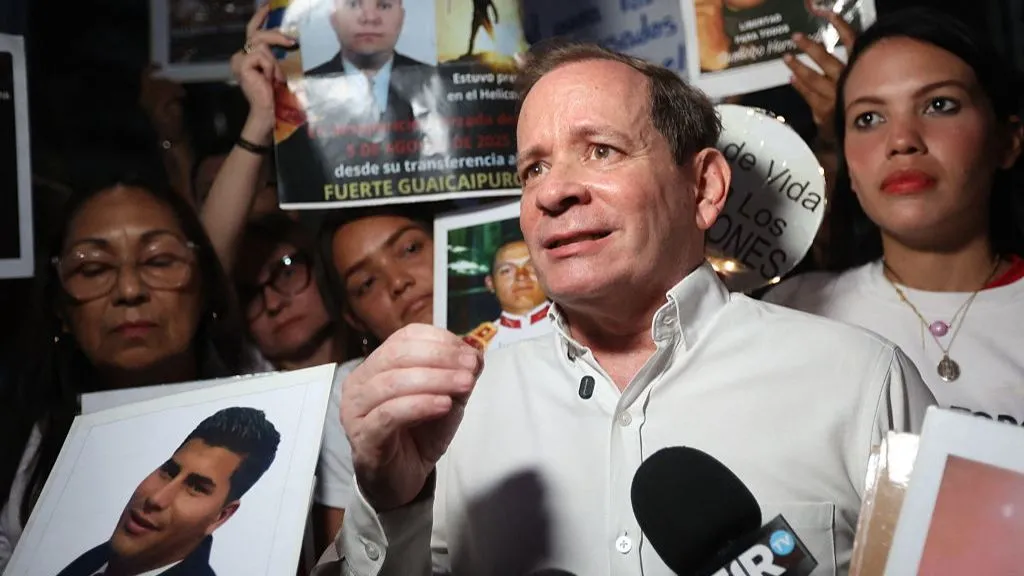
On Sunday, it was reported that Guanipa, who leads the Justice First party, was taken in the Los Chorros area of Caracas, the Venezuelan capital, sparking concern among his supporters.
In a social media post made early on Monday, Machado described the circumstances of Guanipa's disappearance, stating that a group of heavily armed individuals, dressed in plain clothes and traveling in four vehicles, forcibly took him away.
Guanipa, a former vice-president of the National Assembly, had been imprisoned for eight months before his release, which was part of a broader wave of releases that followed the US action against Venezuelan President Nicolás Maduro in January.
The Justice First party, a centre-right political organization, issued a statement alleging that Guanipa's kidnapping was carried out by the "repressive forces" of the government, while he was en route between two locations.
According to individuals who were with him, Guanipa was forced into a vehicle after guns were allegedly trained on the group.
In a social media statement, Justice First assigned responsibility for Juan Pablo Guanipa's safety to several high-ranking Venezuelan officials, including Delcy Rodríguez, Jorge Rodríguez, and Diosdado Cabello, who hold key positions in the government.
The party has urged the global community to call for Guanipa's immediate liberation and an end to the Venezuelan government's alleged harassment of opposition members.
Edmundo González, a prominent opposition figure, has requested confirmation of Guanipa's status, stating that the lack of information regarding his whereabouts is equivalent to a forced disappearance.
In a social media post made just hours prior, Ramón Guanipa, Juan Pablo's son, had expressed optimism about his father's expected release, anticipating a family reunion.
Following his detention, a video was uploaded online in which he called for immediate evidence confirming his father's safety and well-being.
In the video, Ramón Guanipa explicitly stated that he holds the current regime accountable for his father's fate, condemning the ongoing repression and urging an end to it.
According to Foro Penal, an organization that supports political prisoners in Venezuela, Guanipa was one of at least 30 individuals released on Sunday.
As the leader of the Justice First party, Guanipa won the governorship of the Zulia region in the 2017 election; however, he was prevented from assuming office after refusing to take an oath before the National Constituent Assembly established by Maduro.
After questioning the outcome of the 2024 election, Guanipa faced accusations of terrorism and treason, prompting him to go into hiding for his own protection.
In May 2025, Venezuelan security forces located and took him into custody.
According to opposition groups and human rights organizations, the Maduro government has a history of detaining political prisoners as a means of suppressing opposition and quieting critics.
Latin America
Giant jellyfish spotted off Argentina’s coast
Scientists conducting research in the deep waters of the South Atlantic have made a notable discovery, encountering a rare species of jellyfish known as the phantom jellyfish.
In the deep waters off Argentina, researchers have made a notable discovery, encountering a rare species of jellyfish that is not often seen.
The giant phantom jellyfish, known scientifically as Stygiomedusa gigantea, was captured on film at a depth of 250 metres in the South Atlantic Ocean.
A team of scientists from the Schmidt Ocean Institute has obtained footage of the creature, which can reach a diameter of up to 1 metre (3.3 feet) and has arms that extend up to 10 metres (33 feet) in length.
Characterised by their long, pink, ribbon-like appendages, the four arms of the giant phantom jellyfish are used for capturing prey, including fish and plankton, rather than for stinging, as the institute's findings indicate.
In addition to the jellyfish, the research team's expedition also yielded discoveries of 28 potentially new species, among them corals, sea urchins, and sea anemones.
-
 News11 hours ago
Australian Politics Faces Questions Over Gender Equality Amid Sussan Ley’s Appointment
-
 News8 hours ago
Farage Says Reform to Replace Traditional Tory Party
-
 News8 hours ago
Wrexham Pair Seek Win Against Former Team Ipswich
-
 News13 hours ago
Liberal Party Removes Australia’s First Female Leader
-
 News11 hours ago
UK Braces for Cold Snap with Snow and Ice Alerts Expected
-
 News8 hours ago
Husband’s alleged £600k theft for sex and antiques blamed on drug side effects
-
 News2 days ago
Sunbed ads spreading harmful misinformation to young people
-
 Business14 hours ago
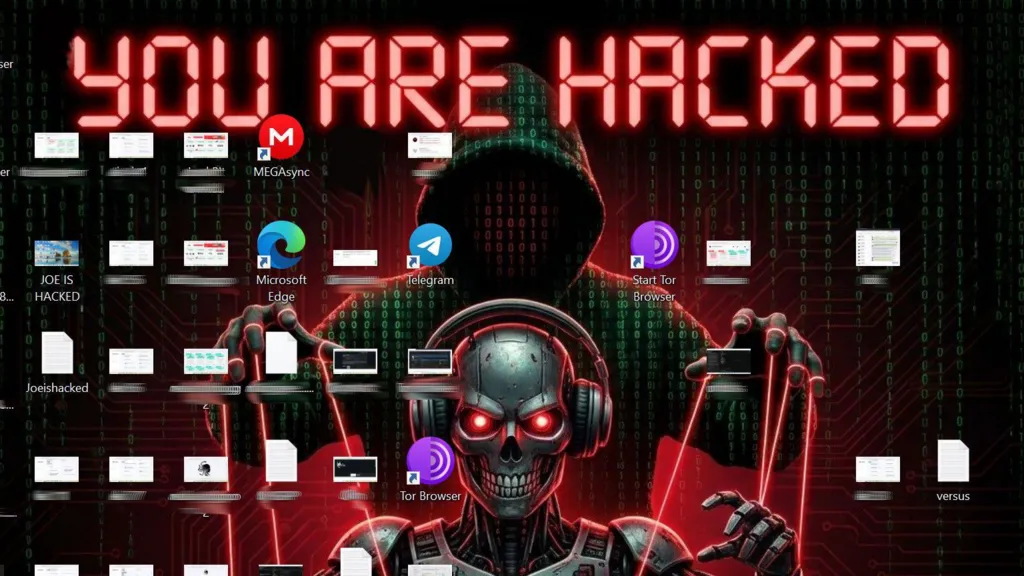
BBC Reporter Exposed to Cyber Attack Due to Vulnerabilities in AI Coding Tool