
Middle East
Israel debates reinstating death penalty for deadly attacks
Israeli lawmakers have proposed legislation that would impose the death penalty on Palestinians convicted of carrying out attacks.
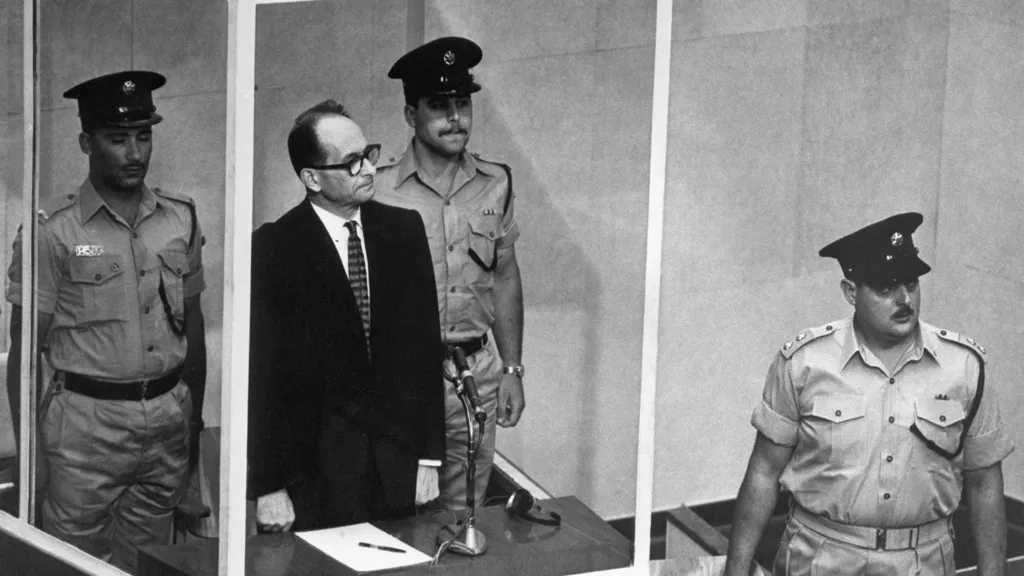
Israel's use of the death penalty has been extremely rare, with only two instances on record, the most recent being over 60 years ago when Adolf Eichmann, a notorious Nazi war criminal, was executed by hanging.
Following the devastating Hamas-led attacks on October 7, 2023, which resulted in Israel's deadliest day on record, there is a growing political movement to introduce a new capital punishment law aimed at Palestinians convicted of carrying out fatal terrorist attacks in Israeli courts.
According to Zvika Fogel, the chair of the parliamentary national security committee, who holds far-right views, implementing the death penalty is a necessary measure, stating that it is "the most moral, the most Jewish, and the most decent thing" to do in the context of the country's defense.
However, human rights organizations strongly oppose the proposed bill, describing it as one of the most extreme legislative proposals in Israel's history, citing ethical concerns and arguing that its application would be limited to Palestinians, effectively leading to "racialized capital punishment".
The Israeli parliament has hosted heated debates on the issue, with participation from various experts, including rabbis, medical professionals, lawyers, and security officials, as well as families of victims who have spoken out both for and against the proposed legislation, which follows a brutal assault on southern Israel and the subsequent conflict in Gaza over two years ago.
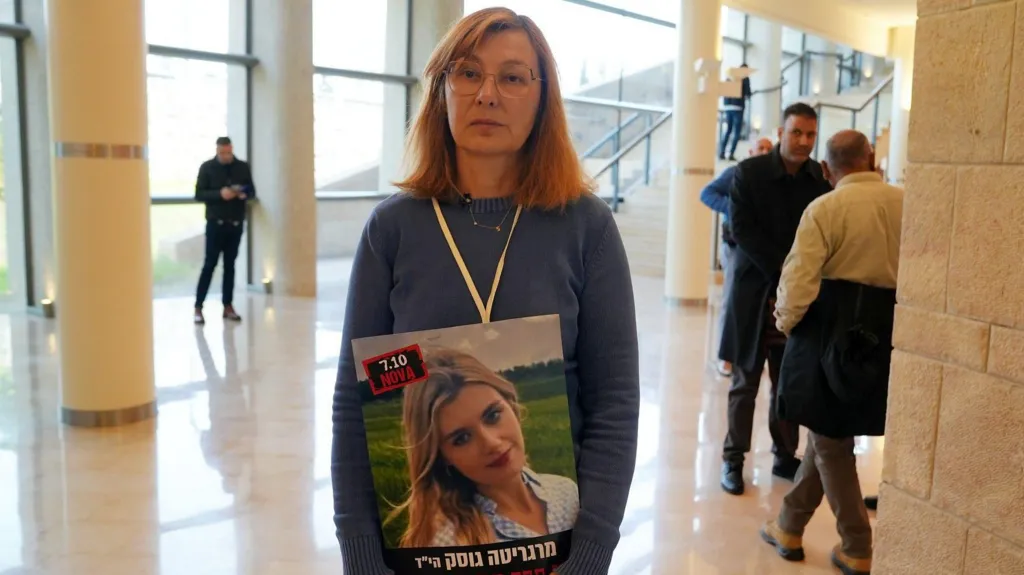
Dr. Valentina Gusak, a bereaved mother, expressed her support for the bill, stating that only a small fraction of the law, approximately 10 to 20 percent, is focused on delivering justice, while the remainder serves as a deterrent and preventive measure.
During her appearance before the national security committee, Dr. Gusak showed a photograph of her 21-year-old daughter, Margarita, who had aspired to pursue a career in medicine, following in the footsteps of her parents. Tragically, Margarita and her boyfriend, Simon Vigdergaus, lost their lives while attempting to flee the Nova music festival in 2023.
According to Dr. Gusak, the reintroduction of capital punishment can be viewed as a preventive measure, similar to medical treatment. She believes that this approach could have potentially saved her daughter's life, describing it as a means of preventing future murders and safeguarding the well-being of children.
In Israel, the death penalty is currently applicable to specific crimes, although instances of military courts imposing death sentences on convicted terrorists or enemy combatants have been rare, and such sentences have consistently been commuted to life imprisonment upon appeal.
A notable exception was the case of SS Lieutenant Colonel Eichmann, a key figure in the Holocaust, who was abducted by Israeli secret service agents from Argentina in 1960. He was subsequently put on trial in a special court in Jerusalem, marking a significant and highly publicized proceeding.
Before this, in June 1948, shortly after Israel's establishment, Captain Meir Tobianski was put on trial by a makeshift military court and executed for treason, only to be cleared of the charges posthumously.
Critics of the death penalty argue that it contradicts Jewish law, infringes on the right to life, and carries the risk of wrongful executions, citing ethical, religious, and legal concerns. Additionally, Israeli human rights organizations contend that the proposed legislation would perpetuate discrimination by exclusively targeting Palestinians convicted of terrorism, while exempting Jewish Israelis.
According to Tal Steiner, executive director of HaMoked, an Israeli NGO, the mere consideration of reinstating capital punishment in Israel's legal system is a troubling development.
Steiner further emphasizes that the proposed law is inherently biased, as it would only apply to Palestinians and not to Jewish Israelis, and would only be used in cases where Israeli citizens are killed, not when Palestinians are victims of violence, revealing a clear motive behind the legislation.
The draft bill aims to safeguard Israel, its citizens, and residents, by deterring enemies, reducing the incentive for kidnappings and hostage-takings in exchange for the release of terrorists, and providing a means of retribution for criminal offenses.
In Israeli military courts, which have jurisdiction over Palestinians from the occupied West Bank, a new law would introduce mandatory death sentences for those convicted of fatal terrorist attacks. Following a required appeal, executions would be carried out within a 90-day timeframe.
The proposed legislation would also permit the use of capital punishment in Israeli civilian courts, albeit without making it compulsory, and within the same accelerated 90-day period.
Previous attempts to introduce the death penalty for terrorist offenses have been met with opposition from the security establishment, which has argued that such a measure would exacerbate tensions and fail to serve as an effective deterrent.
It is worth noting that a significant number of Palestinians who commit fatal attacks on Israelis are already killed by security personnel or armed civilians during the incidents.
During a meeting with Zvika Fogel, a representative of the Jewish Power party, which has sponsored the new death penalty bill, he claims that the current leaders of Israel's security services support the initiative, and rejects suggestions that the proposed law is unjust.
According to the bill's sponsor, the legislation specifically addresses terrorism and terrorist acts, with a clear definition that leaves no room for discrimination. He emphasizes that the term "terrorist" is a legal concept, and he has not introduced any alternative definitions. Additionally, he notes that he does not acknowledge the existence of terrorism tied to a specific ethnicity or religion.
In early 2023, Jewish Power introduced a bill proposing the death penalty, but its progress was halted following the October 7 attacks. Security officials cautioned that moving forward with the legislation at that time could compromise efforts to secure the release of 251 hostages, including both living and deceased individuals, being held by Palestinian armed groups in Gaza.
In the previous year, Itamar Ben Gvir, the head of Jewish Power and national security minister, was among the minority of ministers who opposed the US-brokered Gaza ceasefire agreement. This deal resulted in the release of the remaining hostages in exchange for approximately 2,000 Palestinian prisoners and detainees, with around 250 of them having been sentenced to life or lengthy prison terms for crimes including the killing of Israelis. Ben Gvir stated his opposition to any agreement involving hostage exchanges.
Jewish Power subsequently threatened to withdraw from the government if the death penalty bill was not brought to a vote. In November, the bill passed its first reading in the 120-seat Knesset, with 39 votes in favor and 16 against. To celebrate this outcome, Ben Gvir distributed sweets.
Jewish Power argues that implementing capital punishment would deter future hostage-taking and eliminate the need for contentious prisoner exchanges. The party's lawmakers have begun wearing a lapel pin in the shape of a golden noose, symbolizing their support for the death penalty.
Zvika Fogel has stated that no further prisoner releases will occur. Instead, individuals convicted of murder will face the death penalty, thereby eliminating the possibility of using them as bargaining chips in future negotiations to secure the release of hostages.
During a parliamentary session, Limor Son Har-Melech, a Jewish Power member and sponsor of the proposed legislation, shared a personal anecdote. In 2003, while traveling by car in a West Bank settlement, she and her husband were targeted by Palestinian gunmen, resulting in her husband's death and her own injury, which led to an emergency caesarean section.
Son Har-Melech noted that one of the individuals responsible for her husband's death was later released as part of a prisoner exchange aimed at freeing an Israeli soldier held in Gaza. According to her account, the released individual went on to orchestrate a fatal attack on another Israeli and participated in the October 7 attacks before being killed during the subsequent Gaza conflict.
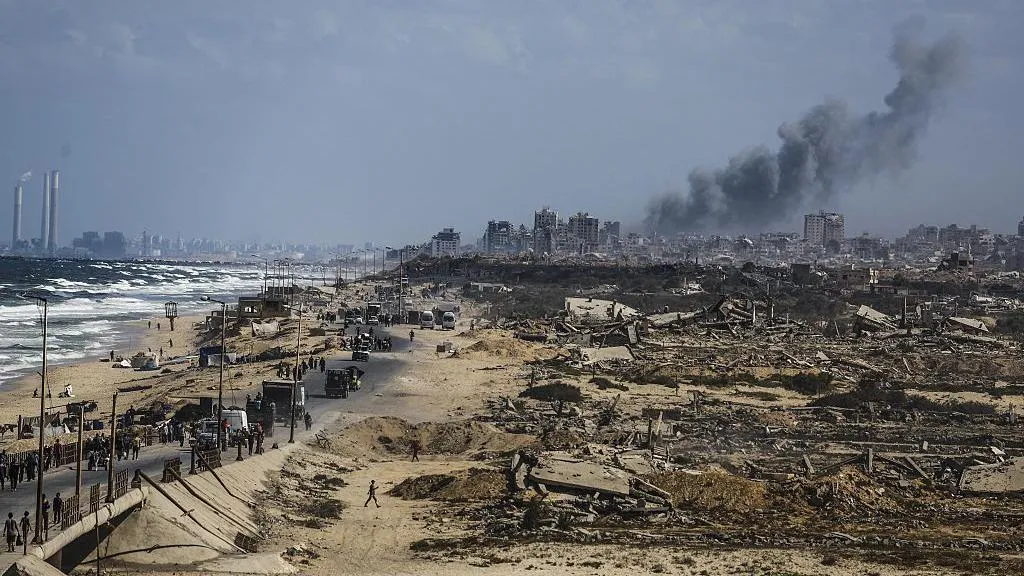
The October 7 attack on southern Israel, which occurred over two years ago, resulted in approximately 1,200 fatalities and sparked the deadliest conflict in Gaza's history, with the Hamas-run Health Ministry reporting more than 71,600 Palestinian deaths.
Amidst a perceived shift in public opinion in Israel towards supporting more severe punishments, Aida Touma-Suleiman, an Arab-Israeli legislator from the opposition Hadash party, cautioned her colleagues to exercise careful consideration in their response to these developments.
According to Touma-Suleiman, Ben Gvir is tapping into the existing sentiment of revenge and anger within society. However, she emphasizes that legislative and judicial decisions should not be driven by emotional instincts.
Touma-Suleiman is fundamentally opposed to the death penalty and argues that the proposed bill contravenes international law and previous agreements signed by Israel. She predicts that if the legislation is passed after two more parliamentary votes, the Supreme Court will likely overturn it.
Touma-Suleiman notes that even if the bill is ultimately struck down, its introduction serves a political purpose for Jewish Power, particularly in an election year. The party, as part of the government, has been attempting to limit the authority of the courts.
Touma-Suleiman believes that promoting this law is a strategic move for Ben Gvir and his party, as it will appeal to their constituency if passed. If the law is enacted and subsequently overturned by the Supreme Court, Ben Gvir can use this as an opportunity to claim that the judiciary is overstepping its bounds.
Ben Gvir has appeared in social media videos filmed in Israeli prisons, posing with prisoners from the Hamas Nukhba force, who were allegedly involved in the 7 October attacks. The prisoners are shown bound and blindfolded, with Ben Gvir boasting that they are being held in minimal conditions.
A report by the Israeli news outlet Walla has revealed that 110 Palestinian security detainees have lost their lives under current policies over the past two and a half years, marking a record high.
In late last year, the UN Committee against Torture expressed deep concern over allegations of systematic torture and mistreatment of Palestinians in Israeli custody, stating that such claims had significantly escalated following the 2023 attacks, although Israel has disputed these assertions.
As lawmakers finalize the draft of the death penalty legislation, a separate parliamentary committee is concurrently working on a proposal to establish a specialized military court for Nukhba prisoners.
The prisoners are likely to face prosecution for war crimes and crimes against humanity, similar to the trial of Eichmann over 60 years ago, with the possibility of facing capital punishment if convicted.
At a time when many countries have repealed the death penalty, Israel is moving forward with plans to reinstate it, taking a different path from the global trend.

Middle East
BBC reports from Tehran as Iran commemorates Islamic revolution anniversary
BBC correspondent Lyse Doucet has arrived in Iran, marking her first visit to the country since authorities suppressed widespread demonstrations against the government.
Iran's government has staged a display of strength to commemorate the 47th anniversary of the Islamic revolution, following a period of intense repression of anti-government demonstrations.
The BBC has gained access to Tehran for the first time since the authorities' crackdown on protests, which resulted in the deaths of at least 6,490 people, according to estimates by human rights activists.
Lyse Doucet, the BBC's chief international correspondent, observes that the capital's streets, adorned with festive decorations and filled with crowds of supporters, reflect the government's desired image of a unified nation, with Iranians demonstrating their allegiance to the Islamic Republic and its founding revolution.
Middle East
BBC reports from Tehran for the first time since the protest crackdown
In Iran, the aftermath of the government’s crackdown on protests remains a sensitive issue, with the effects of the unusually strong measures still being felt, according to Lyse Doucet, reporting from the country.
For the first time since a nationwide crackdown on anti-government demonstrations, a BBC team has entered Iran to report on the current situation.
As Iran commemorates the 47th anniversary of the Islamic Revolution, the streets of Tehran are adorned with festive decorations, yet the memory of the recent protests and the subsequent use of force by security personnel remains a sensitive issue.
According to human rights activists, the confirmed number of protester fatalities stands at a minimum of 6,400, although they caution that the actual death toll may ultimately be significantly higher.
Asia
Indonesia plans to deploy up to 8,000 troops to Gaza
As part of the second phase of the ceasefire agreement facilitated by the US in the previous year, this nation would become the first to take such action.
Indonesia is making preparations to deploy a contingent of up to 8,000 soldiers to Gaza, marking the first such commitment under the second phase of a ceasefire agreement facilitated by the United States towards the end of last year.
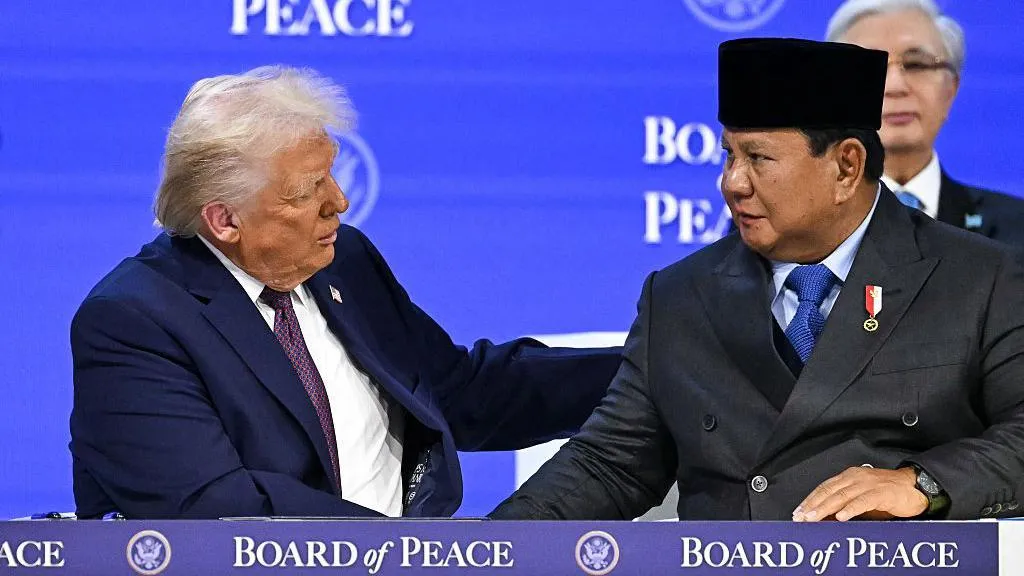
According to General Maruli Simanjuntak, the army's chief of staff, training for these troops is already underway, with a focus on providing medical and engineering support in Gaza.
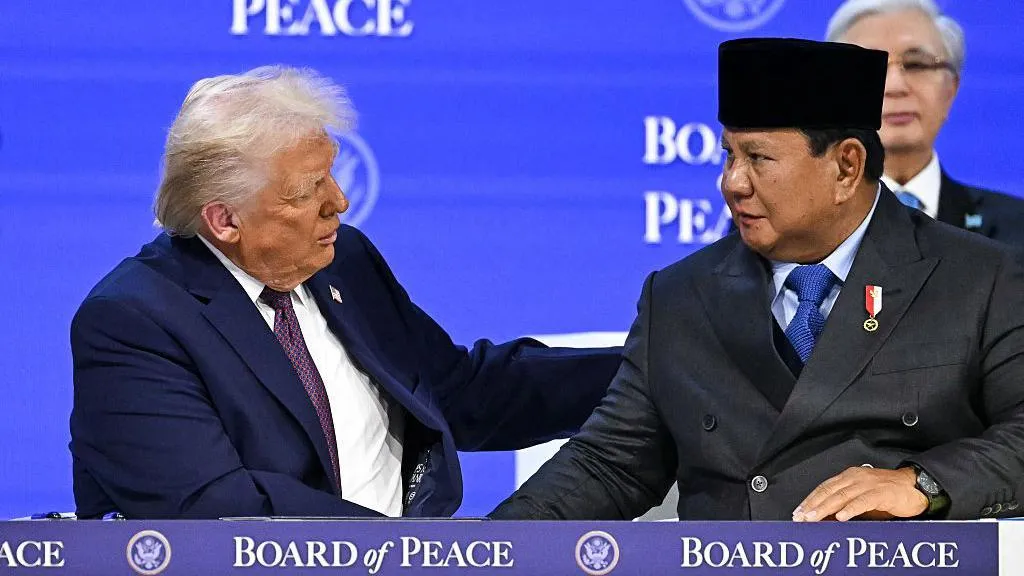
Indonesia has recently joined the Board of Peace initiated by President Donald Trump, an announcement that was made last month.
The United Nations Security Council has given Indonesia a mandate to establish an International Stabilization Force, tasked with securing border areas in Gaza and overseeing the demilitarization of the territory, including the disarmament of Hamas.
The Board of Peace, scheduled to convene for the first time in Washington on February 19, will also play a role in overseeing the establishment of a new technocratic government in Gaza and guiding post-conflict reconstruction efforts.
While the specifics of the Indonesian troop deployment, including timing and role, have yet to be finalized, it appears that President Prabowo Subianto is moving forward with the plan.
President Subianto's decision to participate in Trump's Board of Peace has drawn criticism from certain Islamic groups within Indonesia, where there is significant public discontent regarding the US role in Israel's military actions in Gaza.
President Subianto has countered that, as the world's most populous Muslim nation, Indonesia has a responsibility to contribute to stabilizing Gaza, with the ultimate goal of achieving a two-state solution to the Israeli-Palestinian conflict.
A report by Israel's public broadcaster Kan indicates that a location in southern Gaza, situated between Rafah and Khan Younis, has been designated for the Indonesian army to construct barracks that will accommodate several thousand troops.
Other Muslim countries, including Turkey and Pakistan, are considering troop deployments as well, but have emphasized that their roles would be limited to peacekeeping and would not involve participation in the planned disarmament of Hamas.
However, given Hamas's refusal to disarm as long as Israel maintains its presence in parts of Gaza, a lasting peace that an international force could support has yet to be achieved.
-
 News9 hours ago
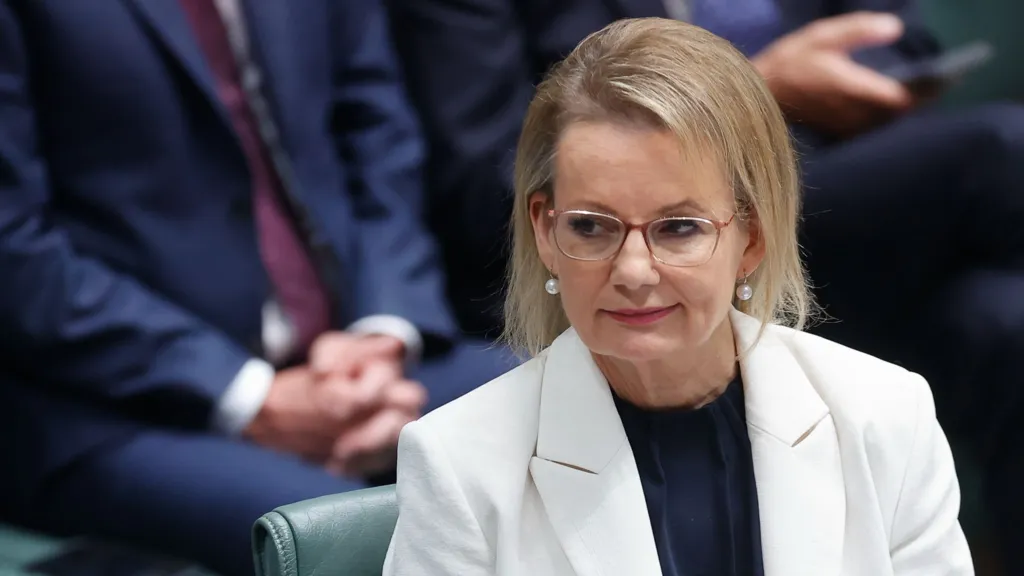
Australian Politics Faces Questions Over Gender Equality Amid Sussan Ley’s Appointment
-
 News6 hours ago
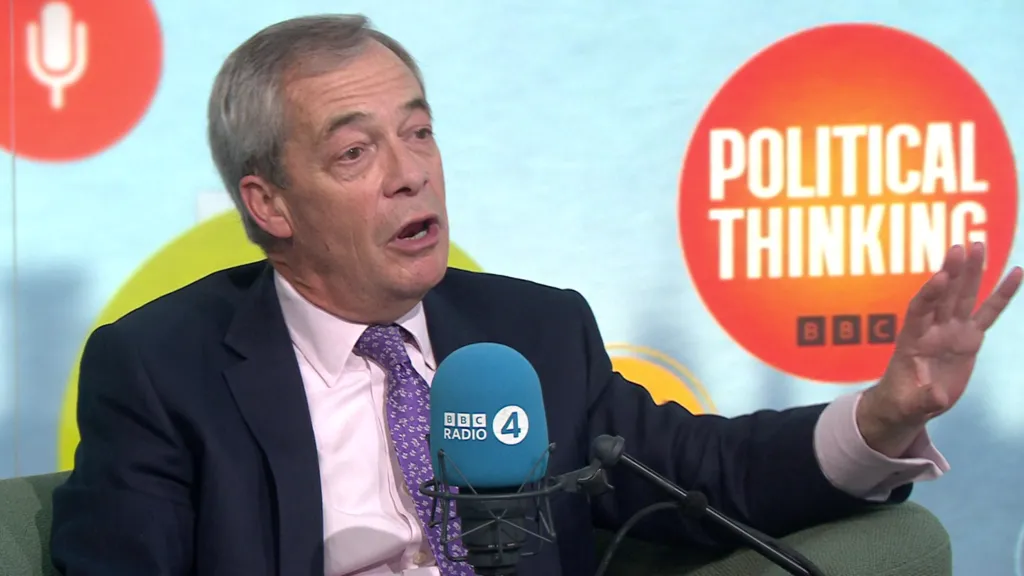
Farage Says Reform to Replace Traditional Tory Party
-
 News6 hours ago
Wrexham Pair Seek Win Against Former Team Ipswich
-
 News11 hours ago
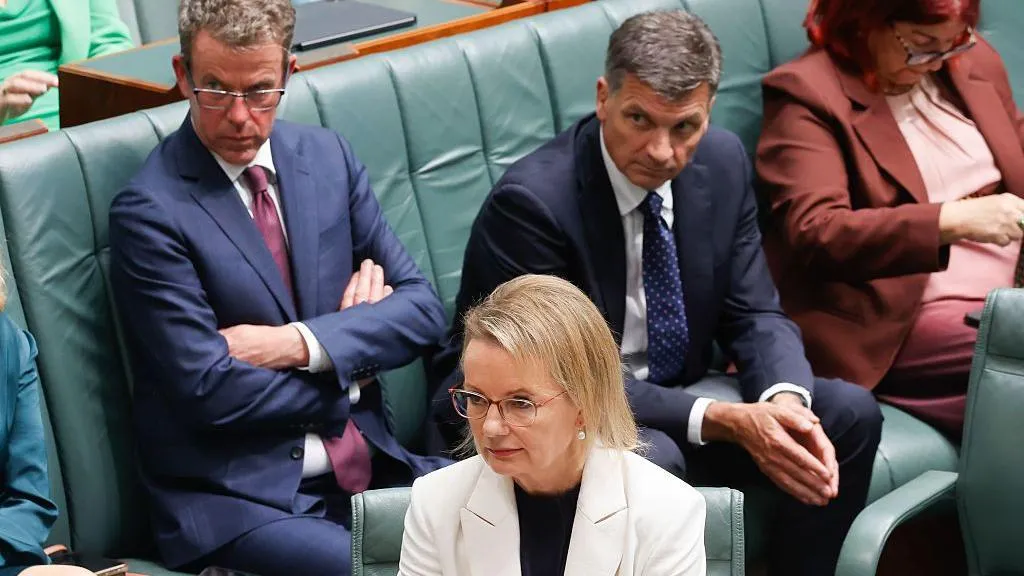
Liberal Party Removes Australia’s First Female Leader
-
 News9 hours ago
UK Braces for Cold Snap with Snow and Ice Alerts Expected
-
 News6 hours ago
Husband’s alleged £600k theft for sex and antiques blamed on drug side effects
-
 News2 days ago
Sunbed ads spreading harmful misinformation to young people
-
 Business12 hours ago
BBC Reporter Exposed to Cyber Attack Due to Vulnerabilities in AI Coding Tool