
Middle East
Syria’s sole female minister advocates for change
Journalist Lyse Doucet, from the BBC, accompanies Hind Kabawat as she navigates the complexities of a divided Syria in the aftermath of the Assad regime.
According to Hind Kabawat, her initial inquiry upon taking office was about the underrepresentation of women, prompting her to ask, "Why are there no more women?"
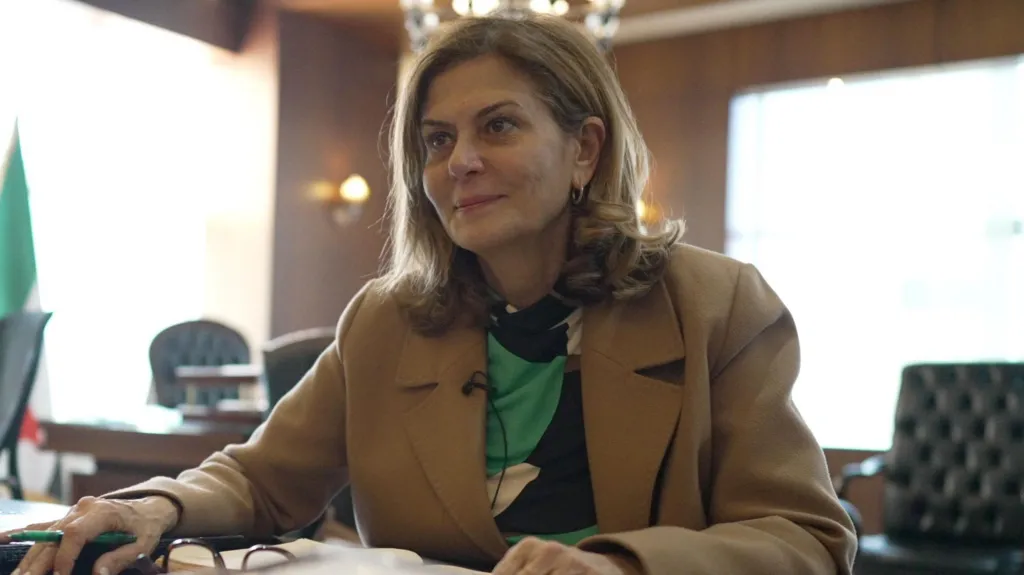
As Syria's sole female minister, responsible for social affairs and labour, Kabawat holds a unique position within the transitional government, which is working to guide the country through its difficult transition from conflict to peace.
The early months of the transitional government have been marked by sectarian violence, resulting in the loss of thousands of lives, with many minority communities in Syria attributing the violence to government forces.
Kabawat, formerly an opposition leader in exile, acknowledges that the government has made errors since President Ahmed al-Sharaa's rebel forces took control of the capital on 8 December 2024, bringing an end to the Assad family's decades-long dictatorship.
Kabawat downplays these mistakes, saying they are an inevitable part of the transition process, and that "mistakes happen in transition" is a reality the government must confront.
According to Kabawat, a key error by the president has been the lack of female representation in his cabinet, although he has reportedly informed her that additional appointments are forthcoming.
Kabawat's role in the cabinet, which comprises primarily close associates and former fighters, presents a difficult balancing act.
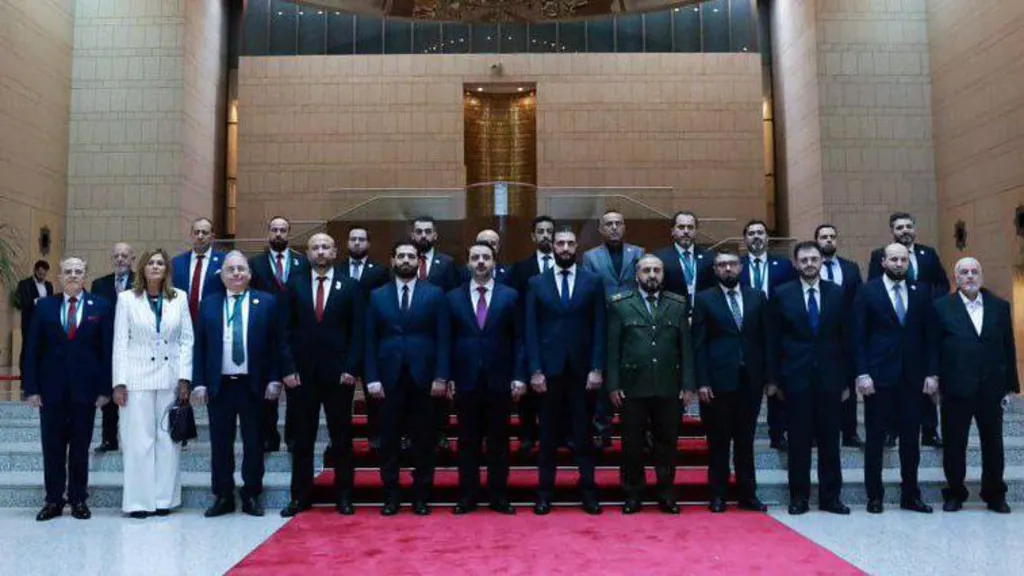
As part of a special report for the BBC's Global Women, we accompanied Kabawat and observed firsthand her extensive files on Syria's most at-risk populations, including orphaned children, widows, and families of the tens of thousands who vanished under Assad's rule.
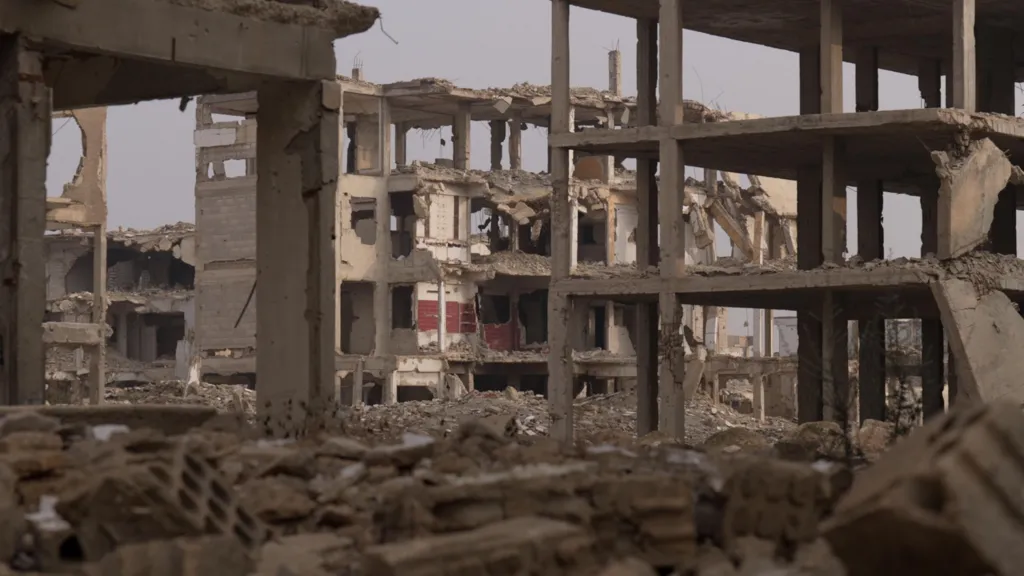
Other critical issues that require attention include generating employment opportunities and providing housing for the millions uprooted by nearly 14 years of conflict, as well as alleviating the hardship faced by those fleeing recent communal clashes.
In a country beset by crisis and economic hardship, the sense of urgency is pervasive; the United Nations reports that 90% of the Syrian population lives below the poverty line.
Following a surge in violence between government forces and the Kurdish-led Syrian Democratic Forces in early January, Kabawat traveled to Aleppo to assess the situation in shelters that were providing refuge to thousands of displaced individuals.
During the previous summer, Kabawat attempted to deliver aid to a city in southern Syria that had been affected by sectarian clashes involving Druze, Bedouin, and government forces, resulting in significant loss of life.
Kabawat also extended support to the family of an Alawite woman, a member of the same Shia sect as the Assad family, who alleged that she had been raped by armed men wearing military uniforms.
Some critics argue that Kabawat has not done enough to address the deep-seated divisions within Syria's diverse communities.
When questioned about potential government missteps in responding to sectarian violence, Kabawat acknowledged that errors can occur during times of transition and post-conflict, stating that such mistakes are regrettable and acknowledged by the president himself.
She notes that an investigation was established, resulting in the imprisonment of many individuals responsible for those crimes.
Kabawat's professional career has been marked by a pursuit of understanding the foundations of trust and peace. With a diverse educational background that spans universities in Syria, Lebanon, Canada, and the United States, she has established herself as a skilled lawyer and negotiator, having held a key position in the Syrian opposition in exile during the civil war.
In her approach, Kabawat relies heavily on the power of conversation as a means to achieve her goals.
"Regaining trust after 50 years of authoritarian rule is a time-consuming process," she observes, highlighting the importance of fostering trust both between the government and its citizens, as well as among the population at large.
Accompanying her on a visit to Idlib, the provincial capital in northwestern Syria and former stronghold of the rebel group Hayat Tahrir al-Sham, led by Sharaa.
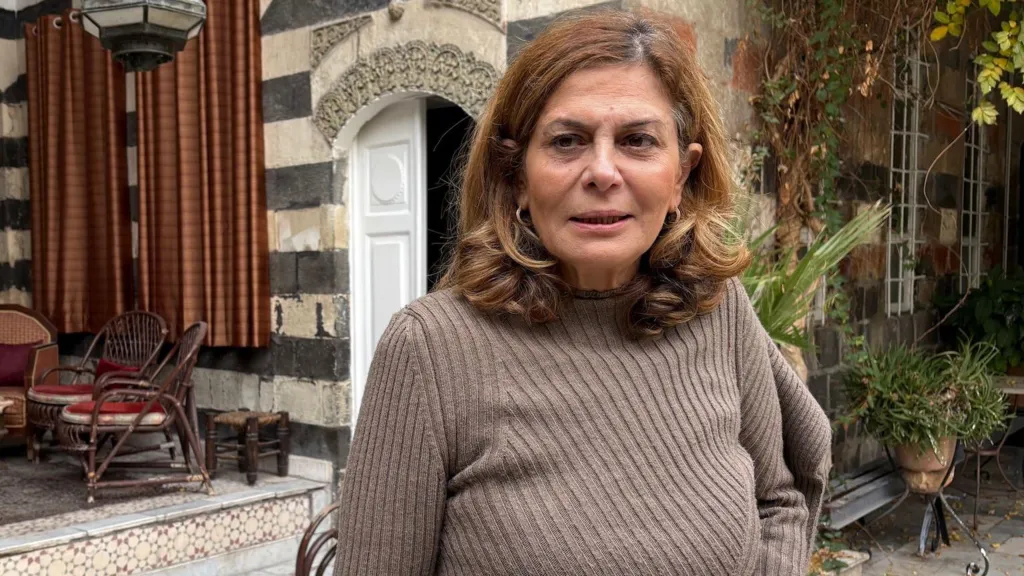
During the civil war, she was actively involved with Tastakel, an organization she established that translates to "becoming independent" in Arabic, reflecting her vision for a newly emerging Syria.
A diverse group of Syrians, including women and men of various ages, have assembled in a crowded, well-lit hall to mark the end of the old regime and discuss ways to enhance women's participation in decision-making at all levels.
According to Kabawat, the key to progress lies in assuming responsibility.
The recent indirect elections for the transitional parliament, also known as the People's Assembly, yielded disappointing results for women in Idlib, with no female candidates securing seats; overall, women accounted for only 4% of the elected representatives.
Kabawat addresses the women, stating, "You should have presented a united front and adopted a more strategic approach to ensure at least one or two women were elected," emphasizing the importance of effective political strategy.
The gathering of articulate women, dressed in various forms of attire, including headscarves, veils, and some without, showcased the diversity of Syrian women, with Kabawat being one of them.
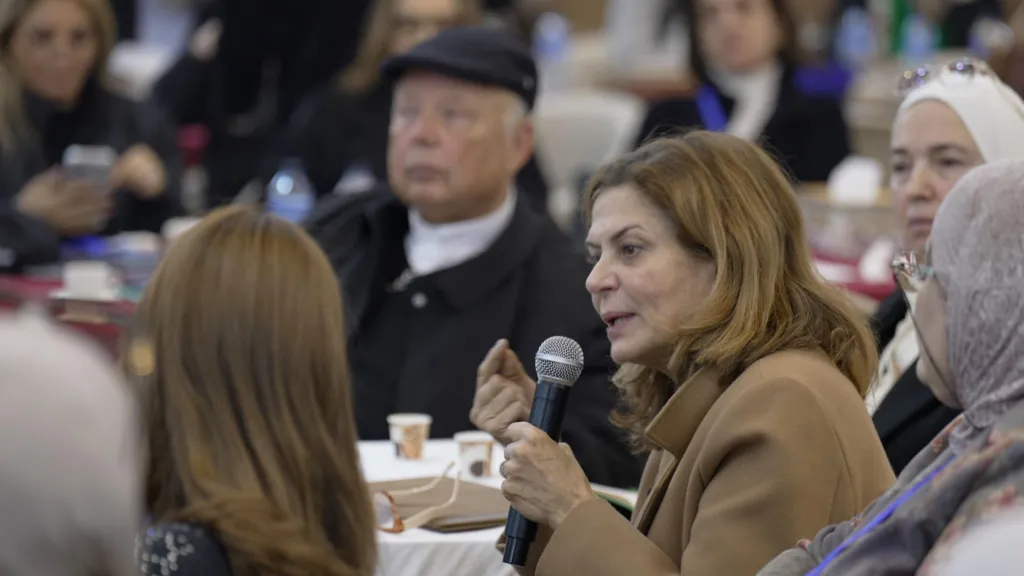
Syria has long been characterized by its multicultural and traditional society, comprising a diverse range of customs and practices. Although there were initial concerns about the potential imposition of stricter Islamist laws by Sharaa and his supporters, who follow a strict Sunni Islamic ideology, these concerns have largely not come to fruition, yet some individuals remain apprehensive.
Sharaa, a former al-Qaeda commander who now leads an Islamist rebel group, has traded his military uniform for a Western-style suit, presenting himself as a pragmatic leader.
According to Kabawat, during the announcement of his government in March of the previous year, the president informed her that more female appointments would be made, saying, "It's coming, we are in transition."
Kabawat strongly disagrees with the notion that she serves as a symbolic female figure in the president's administration, dismissing such suggestions outright.
In a statement of determination, she asserts that her professional identity is not defined by her religion or gender. Instead, she identifies as a Syrian citizen, emphasizing that recognizing herself as a minority or a woman would undermine her authority.
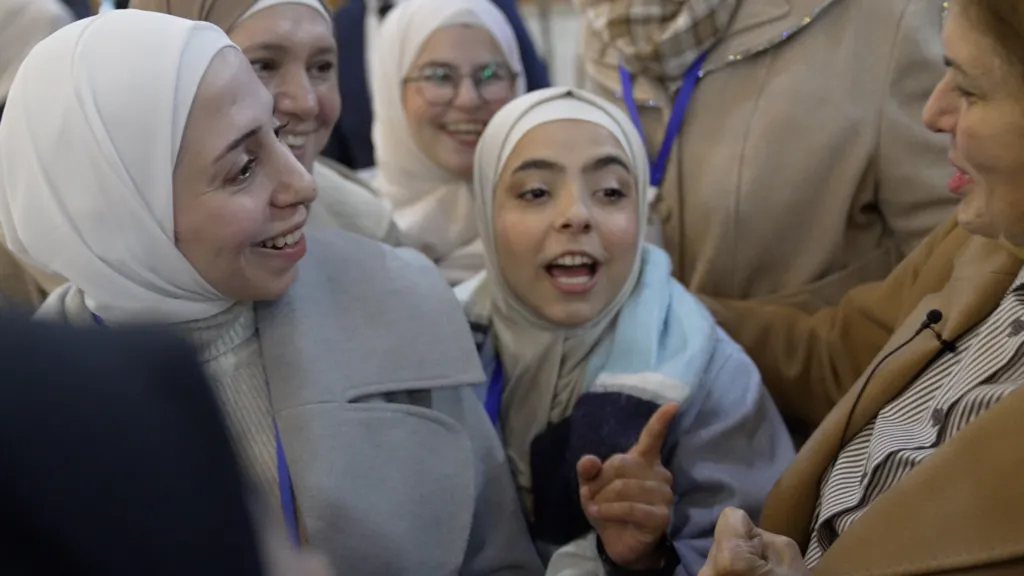
A notable shift in societal dynamics is evident at the Idlib conference, where a group of young women, all former students of Kabawat's Tastakel classes, gather around her with enthusiasm, eager to engage in conversation.
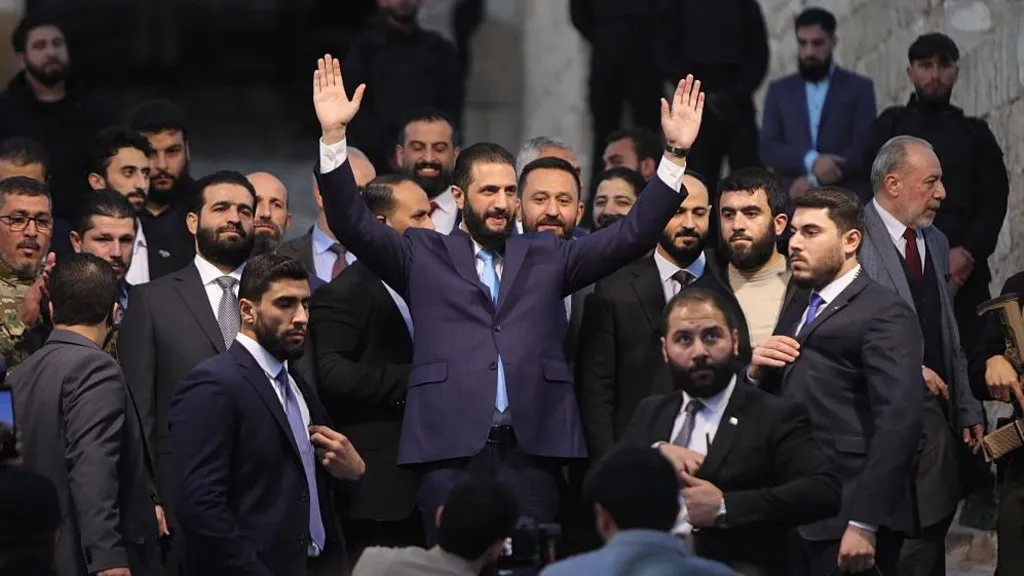
One of the women, Siwar, explains that they are working to put into practice the principles Kabawat taught them, while also seeking to expand their knowledge and skills in preparation for future challenges.
Kabawat expresses her approval as another student, Ghufran, gestures emphatically, stating that they aim to either hold positions of decision-making power or decline to participate altogether.
In Idlib, a region known for its conservative values, women from an older generation have taken on key roles in civil society during the conflict, demonstrating a precedent for female leadership.
Ahlam al-Rasheed, a softly spoken individual with a confident demeanor, currently holds the position of director of social affairs within the provincial government.
In 2017, her efforts to promote women's rights earned her a spot on the BBC's list of 100 notable women, a recognition that highlighted her dedication to the cause.
According to al-Rasheed, during the civil war, women played a pivotal role in various sectors, including politics, humanitarian aid, education, and healthcare, often serving as the primary earners for their families.
A visit to a makeshift camp on the outskirts of the city reveals the harsh conditions that al-Rasheed identifies as a major obstacle for Syrian women, underscoring the severity of their situation.
This camp, along with numerous others throughout the country, is home to millions of Syrians who remain displaced, their homes still in a state of destruction.
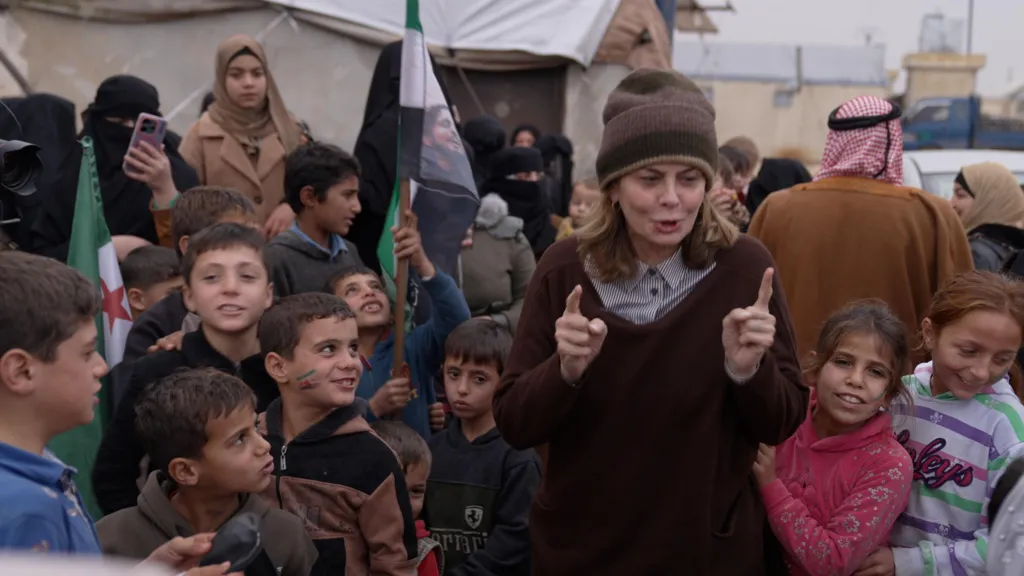
Upon arrival, Kabawat exchanges brief greetings with the men waiting to meet her, before turning her attention to a group of children and women, many of whom are dressed in traditional black attire. Her wool cap, covering her honey-brown hair, appears to be a considerate touch, acknowledging both the winter chill and local customs.
Inside a tent serving as a mosque, Kabawat sits among a gathering of women, including numerous widows, who share their struggles with poverty and hardship, emphasizing their need for support.
Kabawat poses a question to the group, inquiring about interest in learning handicraft skills for international sale, and is met with an enthusiastic response, as many hands are raised in interest.
Kabawat then departs, leading a procession of children in a playful "choo-choo train" formation, bringing moments of joy and levity to the scene, although the community's deeper needs remain unaddressed.
In a later conversation, I inquire about Kabawat's response to a man who expressed frustration about his ongoing struggles, despite his efforts in the opposition movement, and his current living situation in a tent.
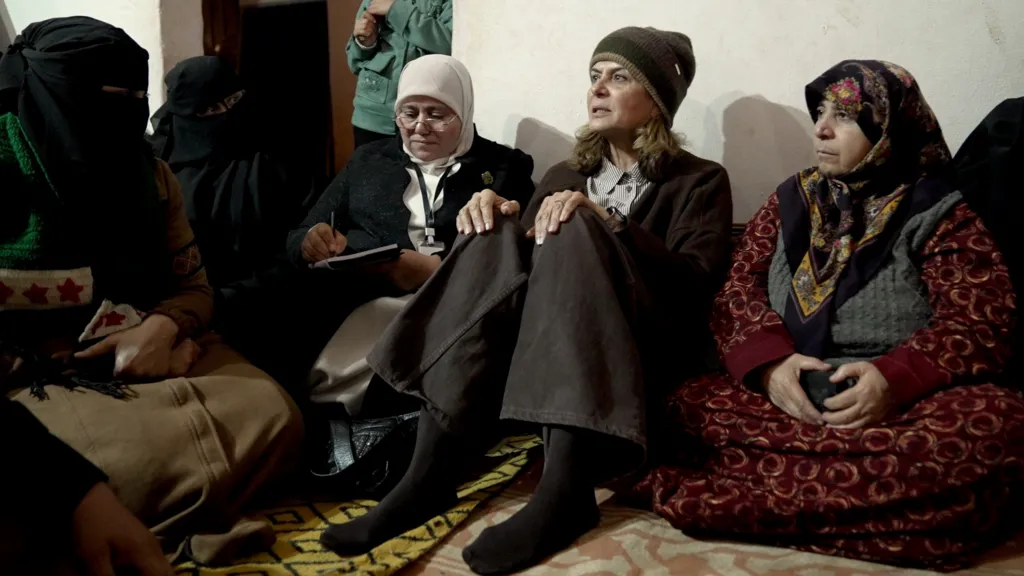
She acknowledges the concerns, stating that she understands the urgency of the situation and emphasizes the necessity of a collective response from the global community to address the issues at hand.
It is noted that international donors are calling for the government to accelerate its efforts in establishing a new legal framework and increasing transparency.
In response, she counters that the country was left in a state of devastation, and the process of rebuilding and introducing new laws is a time-consuming endeavor, given the circumstances.
When questioned about allegations that Sharaa's inner circle is forming a parallel government by limiting ministers' authority to select their own deputies, her response becomes more forceful.
She asserts that she will not remain in her position if she is unable to appoint her own deputy or develop her own strategy, emphasizing her independence and autonomy in decision-making.
According to Sharaa, a sole reliance on one entity is not viable. She emphasizes that for the government to be effective, it must be inclusive and representative of a broad spectrum of the population, as the current situation is unsustainable.
In the post-Assad era, Syria has received substantial financial assistance, totaling hundreds of millions of dollars, from a multitude of countries.
The United States, with the direct support of President Donald Trump, has played a key role in alleviating severe economic sanctions.
However, the World Bank has estimated that the cost of rebuilding Syria's devastated infrastructure will be at least $200bn (£145bn). Some potential donors are exercising caution due to the country's unstable environment and the broader regional volatility, which has been further complicated by Israel's recurring military strikes against its neighbor.
Israel maintains that its actions are a response to perceived security threats posed by armed groups operating within Syria.
In the midst of Kabawat's elegantly decorated living room, surrounded by family photos and the new Syrian flag, her composed demeanor momentarily falters.
Kabawat's voice cracks as she acknowledges the plight of those around her, saying, "I am deeply affected by the people's suffering and feel a sense of responsibility for their hardships." She reveals that her doubts surface when she feels ill-equipped to provide assistance, prompting her to question her decisions.
The sound of movement outside the door signals the arrival of another group awaiting an audience with her.
With renewed determination, Kabawat declares, "Khalas, no more tears." She steels herself for another day of work, leaving her emotions aside.

Middle East
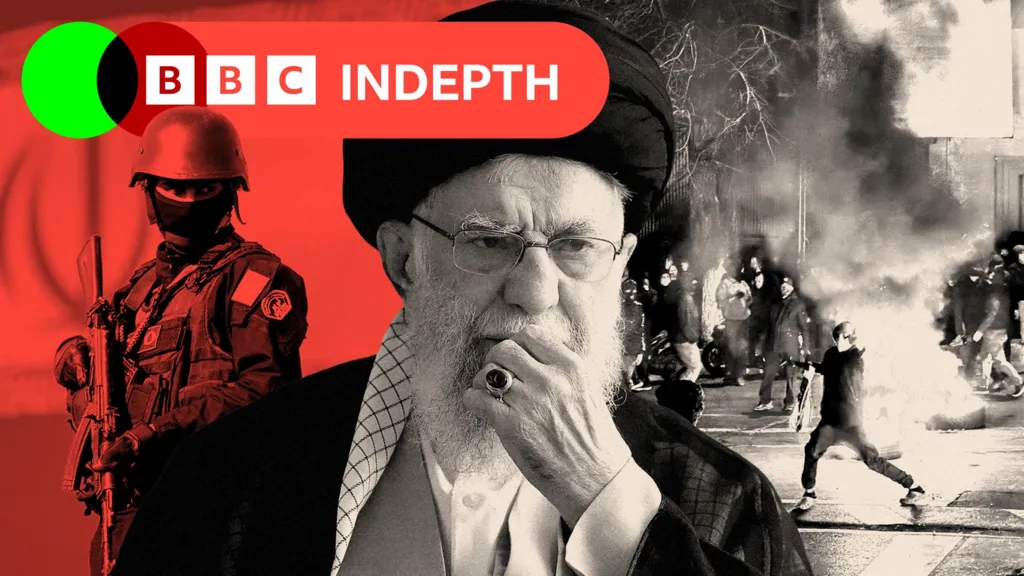
BBC reports from Tehran as Iran commemorates Islamic revolution anniversary
BBC correspondent Lyse Doucet has arrived in Iran, marking her first visit to the country since authorities suppressed widespread demonstrations against the government.
Iran's government has staged a display of strength to commemorate the 47th anniversary of the Islamic revolution, following a period of intense repression of anti-government demonstrations.
The BBC has gained access to Tehran for the first time since the authorities' crackdown on protests, which resulted in the deaths of at least 6,490 people, according to estimates by human rights activists.
Lyse Doucet, the BBC's chief international correspondent, observes that the capital's streets, adorned with festive decorations and filled with crowds of supporters, reflect the government's desired image of a unified nation, with Iranians demonstrating their allegiance to the Islamic Republic and its founding revolution.
Middle East
BBC reports from Tehran for the first time since the protest crackdown
In Iran, the aftermath of the government’s crackdown on protests remains a sensitive issue, with the effects of the unusually strong measures still being felt, according to Lyse Doucet, reporting from the country.
For the first time since a nationwide crackdown on anti-government demonstrations, a BBC team has entered Iran to report on the current situation.
As Iran commemorates the 47th anniversary of the Islamic Revolution, the streets of Tehran are adorned with festive decorations, yet the memory of the recent protests and the subsequent use of force by security personnel remains a sensitive issue.
According to human rights activists, the confirmed number of protester fatalities stands at a minimum of 6,400, although they caution that the actual death toll may ultimately be significantly higher.
Asia
Indonesia plans to deploy up to 8,000 troops to Gaza
As part of the second phase of the ceasefire agreement facilitated by the US in the previous year, this nation would become the first to take such action.
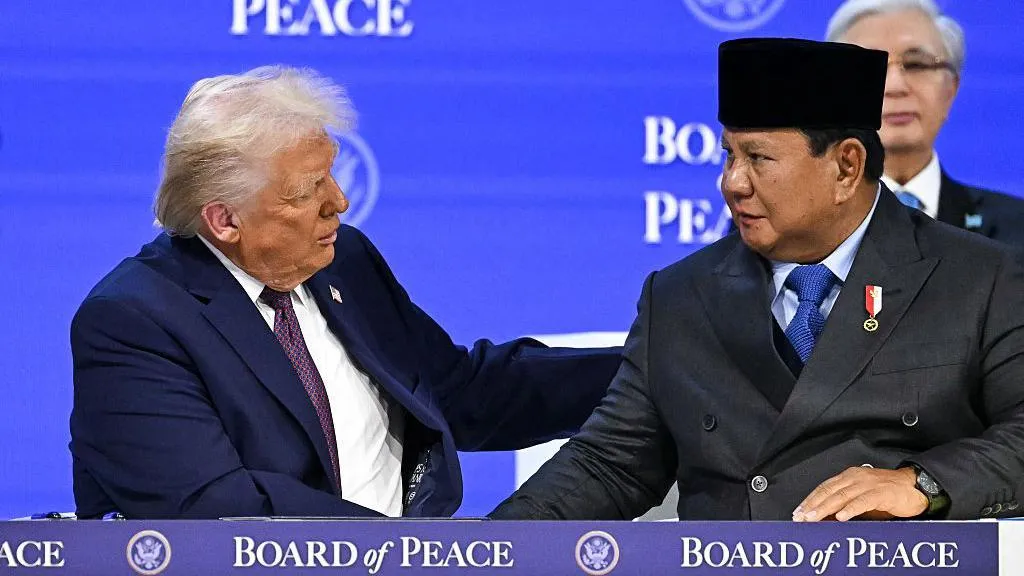
Indonesia is making preparations to deploy a contingent of up to 8,000 soldiers to Gaza, marking the first such commitment under the second phase of a ceasefire agreement facilitated by the United States towards the end of last year.
According to General Maruli Simanjuntak, the army's chief of staff, training for these troops is already underway, with a focus on providing medical and engineering support in Gaza.
Indonesia has recently joined the Board of Peace initiated by President Donald Trump, an announcement that was made last month.
The United Nations Security Council has given Indonesia a mandate to establish an International Stabilization Force, tasked with securing border areas in Gaza and overseeing the demilitarization of the territory, including the disarmament of Hamas.
The Board of Peace, scheduled to convene for the first time in Washington on February 19, will also play a role in overseeing the establishment of a new technocratic government in Gaza and guiding post-conflict reconstruction efforts.
While the specifics of the Indonesian troop deployment, including timing and role, have yet to be finalized, it appears that President Prabowo Subianto is moving forward with the plan.
President Subianto's decision to participate in Trump's Board of Peace has drawn criticism from certain Islamic groups within Indonesia, where there is significant public discontent regarding the US role in Israel's military actions in Gaza.
President Subianto has countered that, as the world's most populous Muslim nation, Indonesia has a responsibility to contribute to stabilizing Gaza, with the ultimate goal of achieving a two-state solution to the Israeli-Palestinian conflict.
A report by Israel's public broadcaster Kan indicates that a location in southern Gaza, situated between Rafah and Khan Younis, has been designated for the Indonesian army to construct barracks that will accommodate several thousand troops.
Other Muslim countries, including Turkey and Pakistan, are considering troop deployments as well, but have emphasized that their roles would be limited to peacekeeping and would not involve participation in the planned disarmament of Hamas.
However, given Hamas's refusal to disarm as long as Israel maintains its presence in parts of Gaza, a lasting peace that an international force could support has yet to be achieved.
-
 News11 hours ago
Australian Politics Faces Questions Over Gender Equality Amid Sussan Ley’s Appointment
-
 News8 hours ago
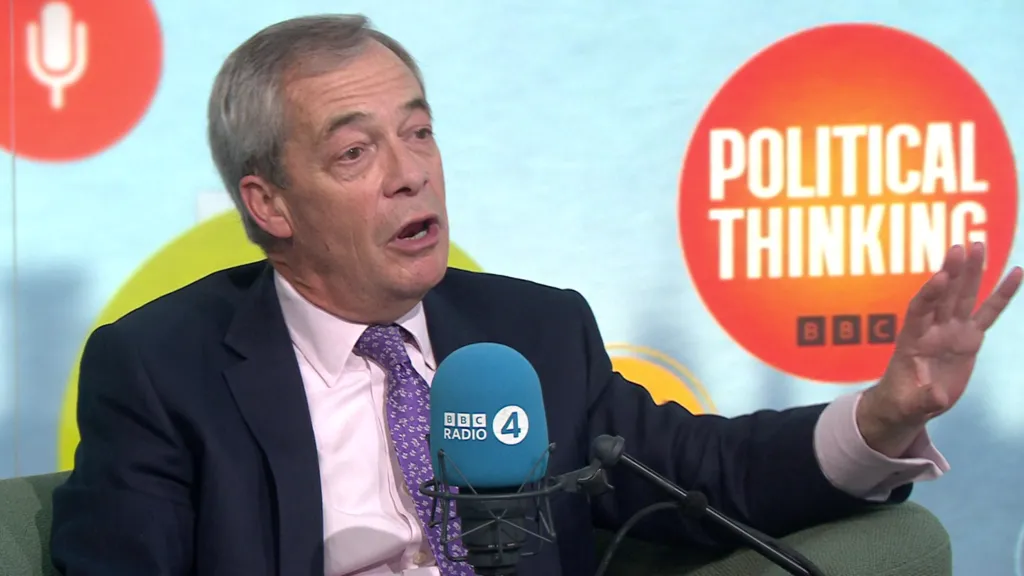
Farage Says Reform to Replace Traditional Tory Party
-
 News8 hours ago
Wrexham Pair Seek Win Against Former Team Ipswich
-
 News13 hours ago
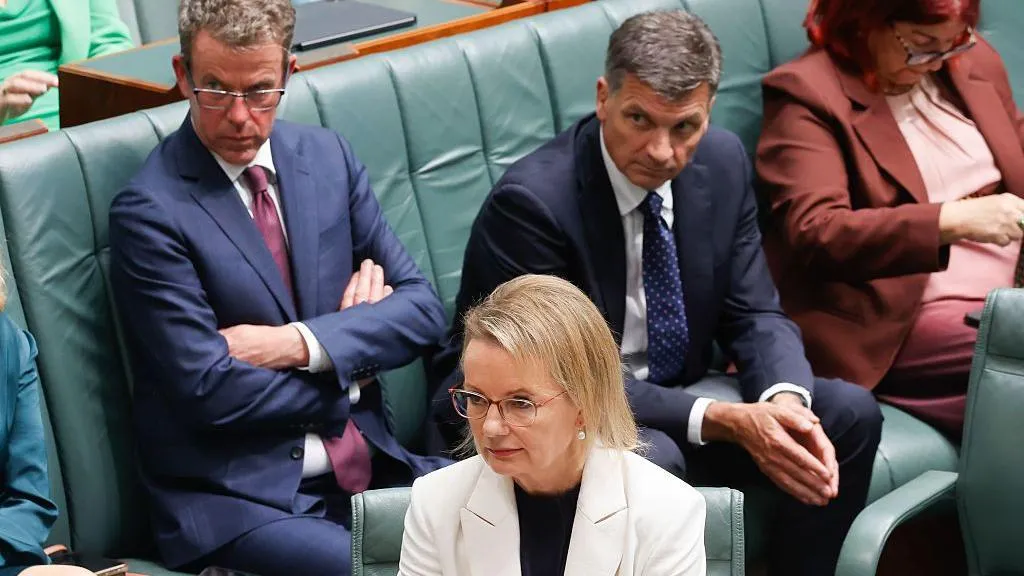
Liberal Party Removes Australia’s First Female Leader
-
 News11 hours ago
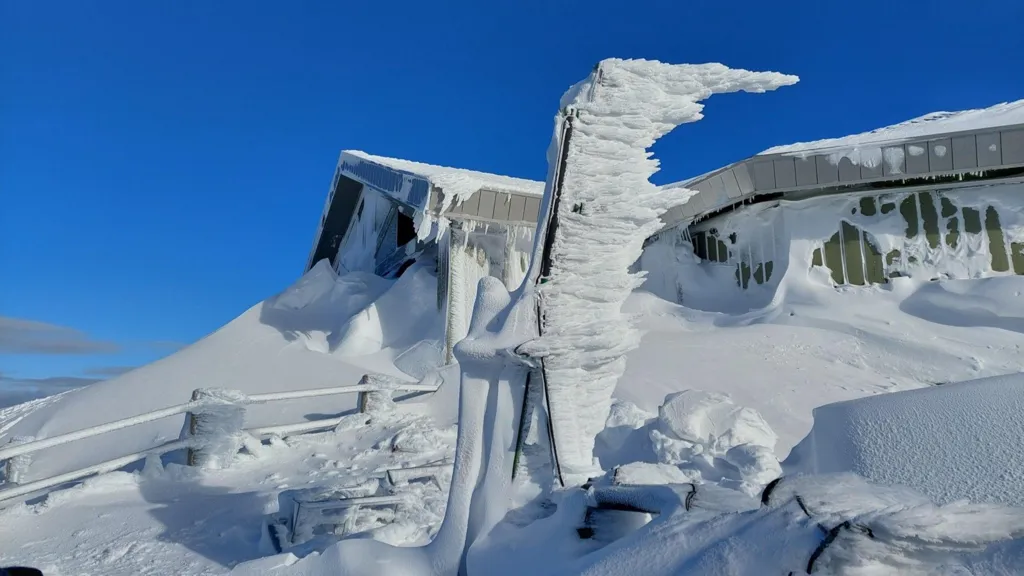
UK Braces for Cold Snap with Snow and Ice Alerts Expected
-
 News8 hours ago
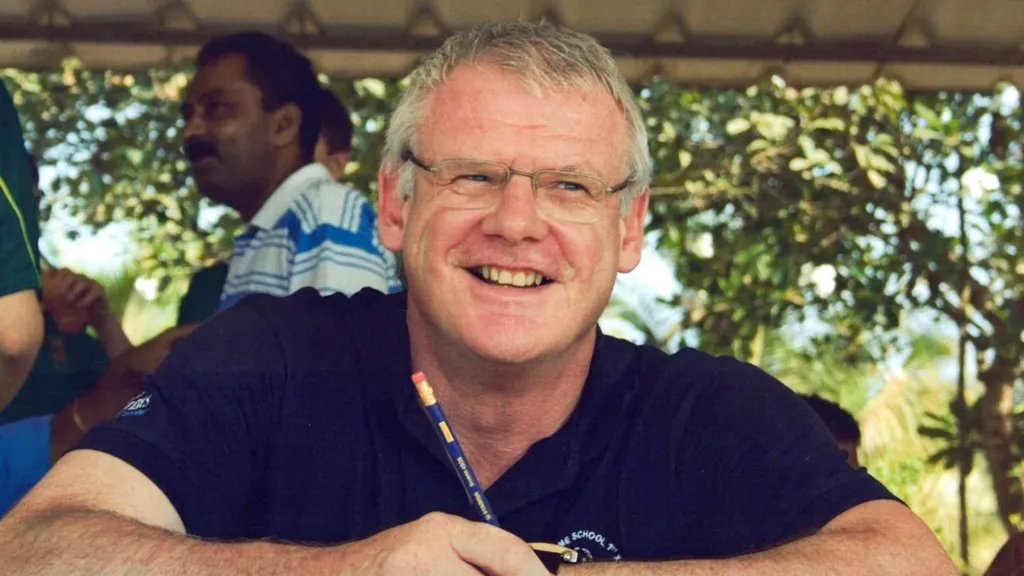
Husband’s alleged £600k theft for sex and antiques blamed on drug side effects
-
 News2 days ago
Sunbed ads spreading harmful misinformation to young people
-
 Business14 hours ago
BBC Reporter Exposed to Cyber Attack Due to Vulnerabilities in AI Coding Tool