
Middle East
US downs Iranian drone approaching aircraft carrier
According to a US military spokesperson, a drone was downed as it approached a US ship in the Arabian Sea.
A US military spokesman reported that an Iranian drone was downed after it made an aggressive approach towards a US aircraft carrier in the Arabian Sea on Tuesday.
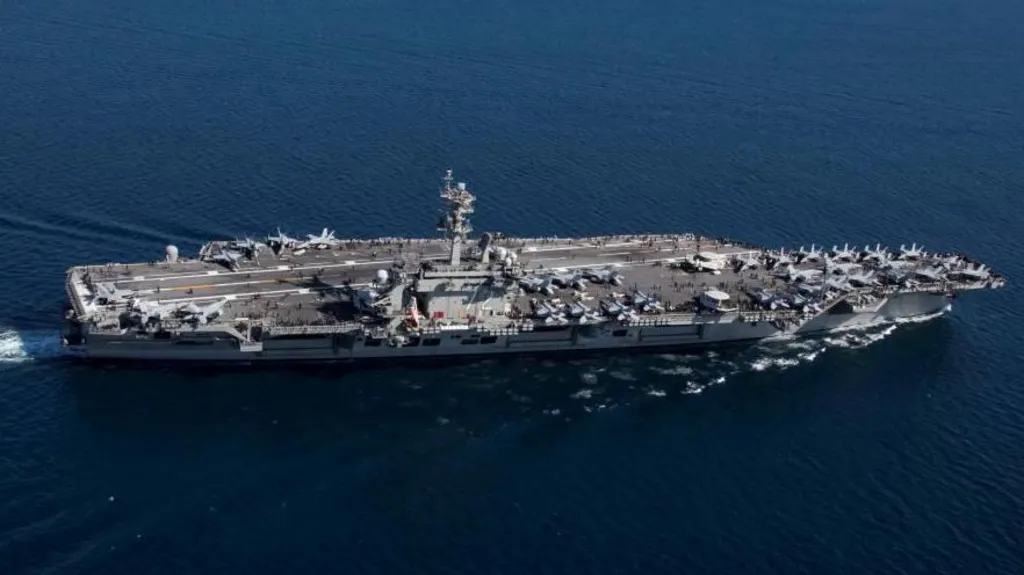
According to US Central Command spokesman Capt Tim Hawkins, an F-35C stealth fighter jet launched from the USS Abraham Lincoln warship intercepted and shot down the drone in a defensive measure to safeguard the carrier and its crew.
At the time of the incident, the USS Abraham Lincoln was roughly 500 miles offshore from Iran, where the drone had approached with unclear intentions.
The encounter resulted in no damage to US equipment or harm to service members.
This incident occurs amidst a significant US military buildup in the region, where tensions remain elevated between the US and Iran.
The US is considering military action against Iran if the country fails to reach a nuclear agreement, according to President Donald Trump.
This is not the first time Trump has suggested intervening in Iran, having previously mentioned the possibility during the government's suppression of protests in Tehran.
Following the destruction of an Iranian drone, White House Press Secretary Karoline Leavitt appeared on Fox News to confirm that US-Iran talks are still set to take place later in the week.
Leavitt stated that President Trump prioritizes diplomatic approaches, but also keeps all options available, including the potential use of military force.
Ayatollah Ali Khamenei, Iran's Supreme Leader, has cautioned that an attack on Iran would lead to a broader conflict in the region.
The Iranian government has remained silent regarding the drone incident that occurred on Tuesday.
On the same day, the US military reported an incident in the Strait of Hormuz, where the IRGC allegedly "harassed" a US-operated merchant ship, which was flying the American flag and had a US crew, in a key waterway that handles a significant portion of global oil shipments.
According to Capt Hawkins, the intervention of military support helped to ease tensions, allowing the tanker to continue its journey without further incident.
Additionally, on Tuesday, Leavitt announced that Steve Witkoff, the US special envoy and the White House's most senior representative abroad, will participate in the upcoming talks.
Prior reports by US media outlets indicated that Witkoff was scheduled to meet with Iranian Foreign Minister Abbas Araghchi in Istanbul on Friday, with the foreign ministers of several countries, including Egypt, Oman, Pakistan, Qatar, Saudi Arabia, and the United Arab Emirates, also expected to attend.
According to Axios, a US news outlet, two sources have indicated that Iran proposed relocating the meeting to Oman, with attendance limited to Iranian and American officials.
The website, citing an Arab source, reported that the US had accepted this proposal. The BBC is seeking a response from the White House regarding this development.
In a statement earlier on Tuesday, Iranian President Masoud Pezeshkian expressed Iran's willingness to engage in negotiations with the US, provided certain conditions are met.
As the planned talks approach, the US has been reminding Iran of the airstrikes it conducted against the country last year, which President Trump claimed had destroyed Iran's nuclear enrichment capabilities.
President Trump has warned that any future attack would have more severe consequences than the airstrikes launched in June of last year, during the 12-day conflict between Israel and Iran.
During a brief period of direct conflict, the Israeli military launched attacks on Iranian nuclear facilities, scientists, high-ranking military officials, and missile stockpiles.
In retaliation for the Israeli strikes, Iran unleashed a barrage of missiles and drones against Israel, and also targeted a major US military base in Qatar with a missile attack.
The Iranian government maintains that its nuclear program is solely for peaceful purposes, and it denies any intentions to develop nuclear weaponry.
In a recent statement to the press at the White House, Trump asserted that Iranian officials are willing to negotiate a deal, but emphasized that any agreement must include a commitment to forgo nuclear development and an end to the violence against protesters.
According to the US-based Human Rights Activists News Agency (HRANA), a total of 6,424 protesters, 152 children, 214 government-affiliated individuals, and 58 non-participants have been confirmed killed, with the agency currently investigating an additional 11,280 reported fatalities.
According to Norway-based Iran Human Rights, the total number of fatalities may ultimately surpass 25,000.
Official Iranian sources have confirmed a minimum of 3,117 deaths, attributing most of these to security personnel or innocent bystanders allegedly killed by protesters.
Initially triggered by economic concerns, including the devaluation of the Iranian currency and rising living costs, the protests soon evolved to encompass calls for broader political reforms.
In a statement, Khamenei characterized the unrest as a deliberate act of "sedition" masterminded by the United States and Israel.
Middle East
BBC reports from Tehran as Iran commemorates Islamic revolution anniversary
BBC correspondent Lyse Doucet has arrived in Iran, marking her first visit to the country since authorities suppressed widespread demonstrations against the government.
Iran's government has staged a display of strength to commemorate the 47th anniversary of the Islamic revolution, following a period of intense repression of anti-government demonstrations.
The BBC has gained access to Tehran for the first time since the authorities' crackdown on protests, which resulted in the deaths of at least 6,490 people, according to estimates by human rights activists.
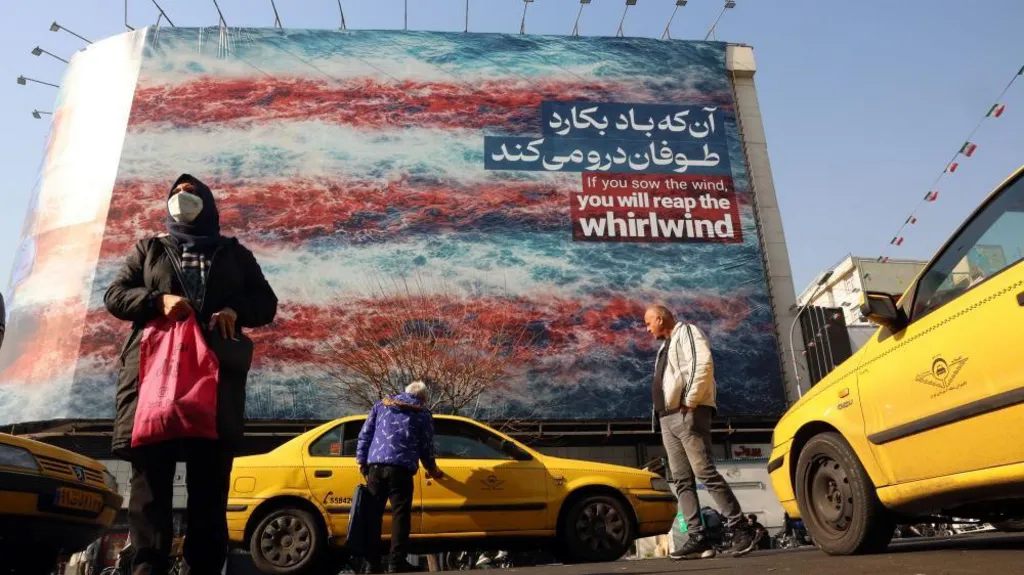
Lyse Doucet, the BBC's chief international correspondent, observes that the capital's streets, adorned with festive decorations and filled with crowds of supporters, reflect the government's desired image of a unified nation, with Iranians demonstrating their allegiance to the Islamic Republic and its founding revolution.
Middle East
BBC reports from Tehran for the first time since the protest crackdown
In Iran, the aftermath of the government’s crackdown on protests remains a sensitive issue, with the effects of the unusually strong measures still being felt, according to Lyse Doucet, reporting from the country.
For the first time since a nationwide crackdown on anti-government demonstrations, a BBC team has entered Iran to report on the current situation.
As Iran commemorates the 47th anniversary of the Islamic Revolution, the streets of Tehran are adorned with festive decorations, yet the memory of the recent protests and the subsequent use of force by security personnel remains a sensitive issue.
According to human rights activists, the confirmed number of protester fatalities stands at a minimum of 6,400, although they caution that the actual death toll may ultimately be significantly higher.
Asia
Indonesia plans to deploy up to 8,000 troops to Gaza
As part of the second phase of the ceasefire agreement facilitated by the US in the previous year, this nation would become the first to take such action.
Indonesia is making preparations to deploy a contingent of up to 8,000 soldiers to Gaza, marking the first such commitment under the second phase of a ceasefire agreement facilitated by the United States towards the end of last year.
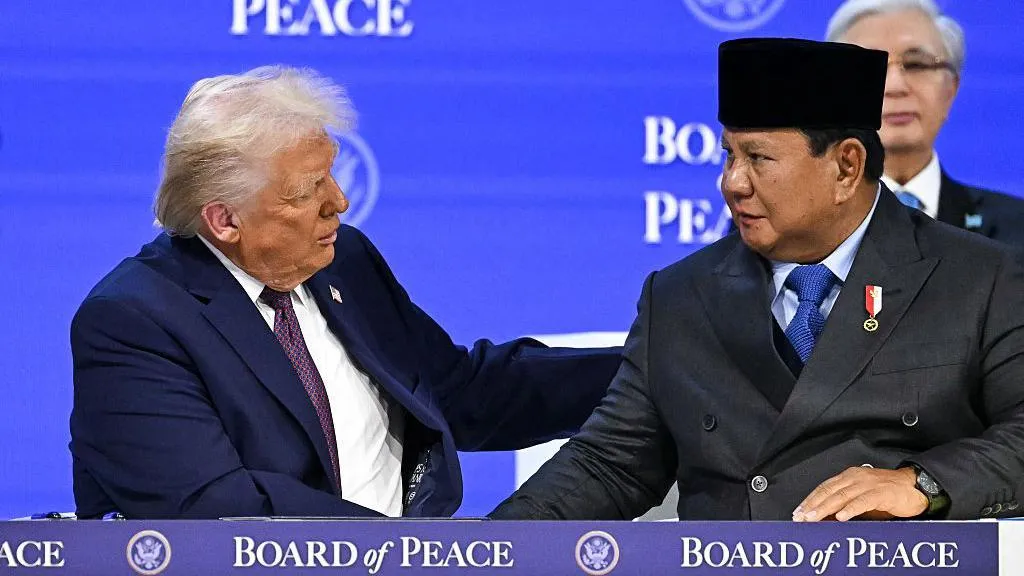
According to General Maruli Simanjuntak, the army's chief of staff, training for these troops is already underway, with a focus on providing medical and engineering support in Gaza.
Indonesia has recently joined the Board of Peace initiated by President Donald Trump, an announcement that was made last month.
The United Nations Security Council has given Indonesia a mandate to establish an International Stabilization Force, tasked with securing border areas in Gaza and overseeing the demilitarization of the territory, including the disarmament of Hamas.
The Board of Peace, scheduled to convene for the first time in Washington on February 19, will also play a role in overseeing the establishment of a new technocratic government in Gaza and guiding post-conflict reconstruction efforts.
While the specifics of the Indonesian troop deployment, including timing and role, have yet to be finalized, it appears that President Prabowo Subianto is moving forward with the plan.
President Subianto's decision to participate in Trump's Board of Peace has drawn criticism from certain Islamic groups within Indonesia, where there is significant public discontent regarding the US role in Israel's military actions in Gaza.
President Subianto has countered that, as the world's most populous Muslim nation, Indonesia has a responsibility to contribute to stabilizing Gaza, with the ultimate goal of achieving a two-state solution to the Israeli-Palestinian conflict.
A report by Israel's public broadcaster Kan indicates that a location in southern Gaza, situated between Rafah and Khan Younis, has been designated for the Indonesian army to construct barracks that will accommodate several thousand troops.
Other Muslim countries, including Turkey and Pakistan, are considering troop deployments as well, but have emphasized that their roles would be limited to peacekeeping and would not involve participation in the planned disarmament of Hamas.
However, given Hamas's refusal to disarm as long as Israel maintains its presence in parts of Gaza, a lasting peace that an international force could support has yet to be achieved.
-
 News8 hours ago
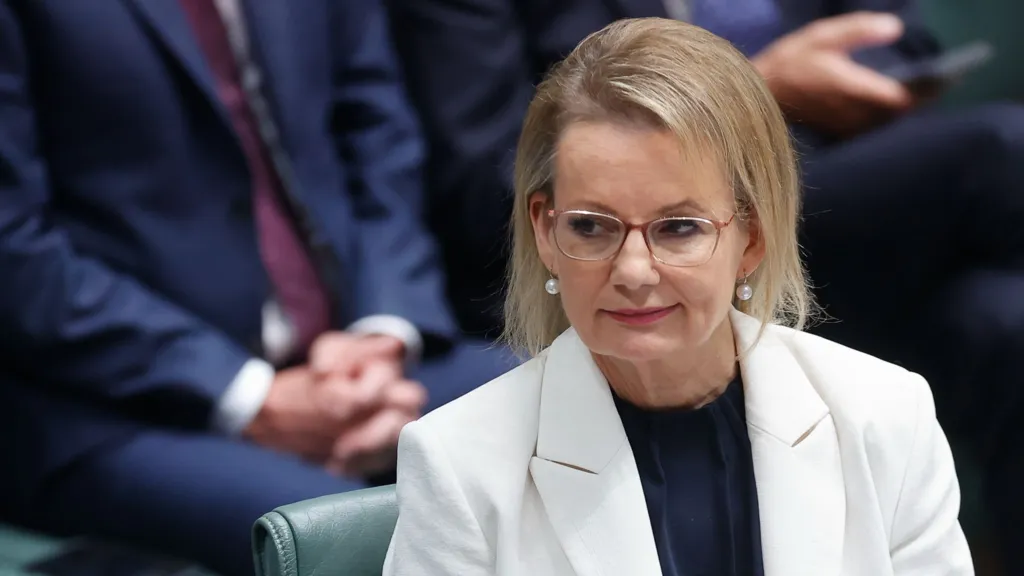
Australian Politics Faces Questions Over Gender Equality Amid Sussan Ley’s Appointment
-
 News5 hours ago
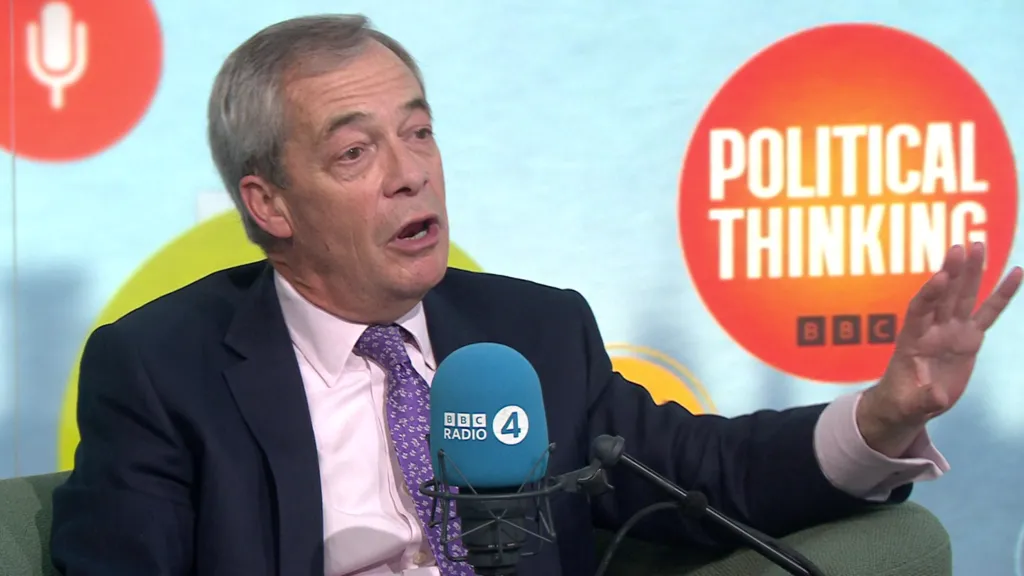
Farage Says Reform to Replace Traditional Tory Party
-
 News5 hours ago
Wrexham Pair Seek Win Against Former Team Ipswich
-
 News11 hours ago
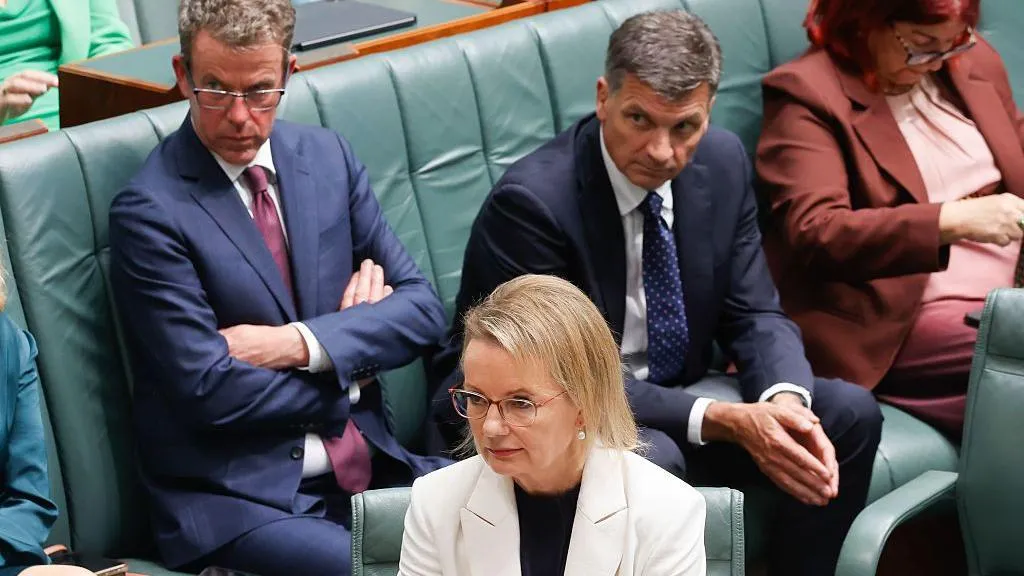
Liberal Party Removes Australia’s First Female Leader
-
 News9 hours ago
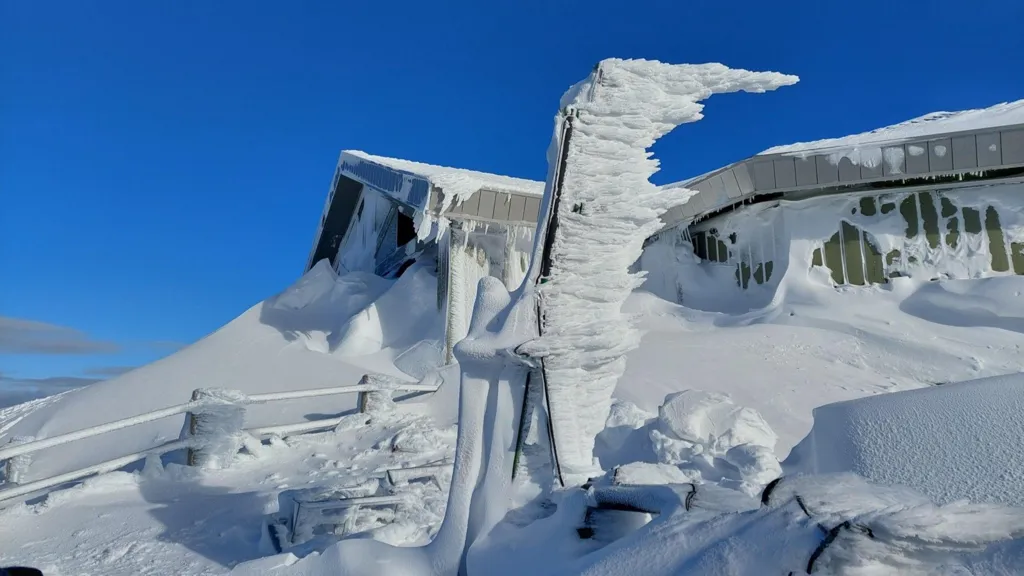
UK Braces for Cold Snap with Snow and Ice Alerts Expected
-
 News5 hours ago
Husband’s alleged £600k theft for sex and antiques blamed on drug side effects
-
 News2 days ago
Sunbed ads spreading harmful misinformation to young people
-
 Business11 hours ago
BBC Reporter Exposed to Cyber Attack Due to Vulnerabilities in AI Coding Tool