
News
Ukraine Skeleton Athlete Faces Ban in Contentious Ruling
A major controversy surrounding the Milan-Cortina 2026 Winter Olympics escalated on Thursday morning with the announcement that Ukrainian athlete Vladyslav Heraskevych is ineligible to participate.
This video is currently unavailable for playback.
IOC President Kirsty Coventry had an emotional meeting with Ukrainian skeleton athlete Vladyslav Heraskevych on the morning of discussions regarding his participation in the Milan-Cortina 2026 Winter Olympics.
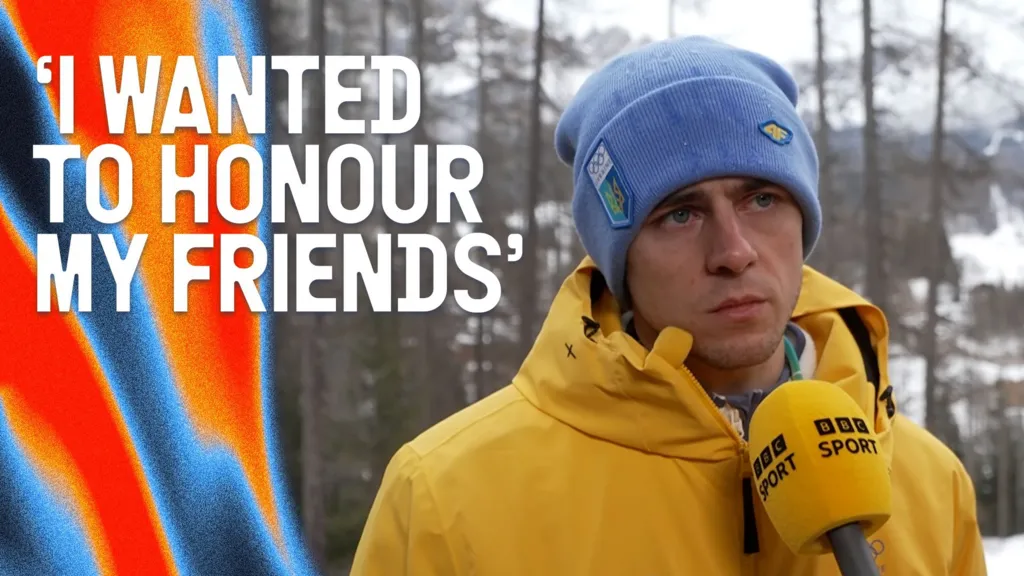
A major controversy at the Milan-Cortina 2026 Winter Olympics came to a head on Thursday morning when Ukrainian skeleton racer Vladyslav Heraskevych was barred from competing due to a helmet he wished to wear.
Heraskevych, who served as Ukraine's flagbearer during the opening ceremony, had planned to compete in the men's skeleton event while wearing a specially designed helmet that honored Ukrainian athletes who lost their lives during the Russian invasion.
However, the International Olympic Committee (IOC) determined that this helmet violated the Olympic Charter, citing a rule that prohibits certain types of expression during competition, and informed Heraskevych on Tuesday that he would not be allowed to wear it.
Following two days of negotiations, during which Heraskevych refused to back down, it was officially announced on Thursday morning that he had been disqualified from competing.
Prior to the competition, Heraskevych was seen wearing the helmet in question during practice runs in Cortina and in media mixed zones.
Heraskevych had worn the helmet consistently throughout his training runs and during interactions with the media, but IOC rules prohibit such displays during official competitions.
According to IOC regulations, athletes are not permitted to wear attire or accessories that could be perceived as making a political statement during competition.
The IOC cited rule 40.2 of the Olympic Charter, which emphasizes the importance of maintaining freedom of expression while adhering to Olympic values and principles.
These guidelines, established in 2023, have been incorporated into Olympic law and provide a framework for athlete expression.
The guidelines state that the primary focus of the Olympic Games should be on athletic performance, sportsmanship, and unity, rather than political or social statements.
The IOC maintains that sport at the Olympic Games must remain neutral and separate from external influences, with the focus on celebrating athletic achievements during competitions and ceremonies.
Athletes are permitted to express their views through various channels, including media interviews, social media, and introductory ceremonies, but are restricted from doing so during medal ceremonies, competitions, and in the Olympic Village.
Failure to comply with these regulations may result in disciplinary action, as outlined by the IOC.
The IOC has emphasized that these rules have been established after consulting with approximately 4,500 athletes, with the goal of maintaining a focus on sportsmanship and athletic performance.
Initially, the IOC incorrectly cited rule 50 as the basis for Heraskevych's disqualification, which prohibits demonstrations or propaganda at Olympic sites.
Heraskevych's father, Mykhailo, received condolences from members of other federations after the decision was announced.
IOC President Kirsty Coventry met with Heraskevych and his father at 7:30 am on the day of the competition to make a final appeal for him to reconsider wearing the helmet.
Coventry described the meeting as respectful and lengthy but ultimately unsuccessful in reaching a compromise.
Coventry stated that the IOC is not disputing the message behind Heraskevych's helmet but rather the manner in which it is being expressed.
"The message is one of remembrance and tribute, and we are not disagreeing with that," Coventry explained to the media.
Coventry proposed an alternative solution, suggesting that Heraskevych could pay homage to the message before competing and then display the helmet in the mixed zone after the event.
Unfortunately, this proposal was not accepted, and Coventry expressed her disappointment, stating that it had been an emotional morning.
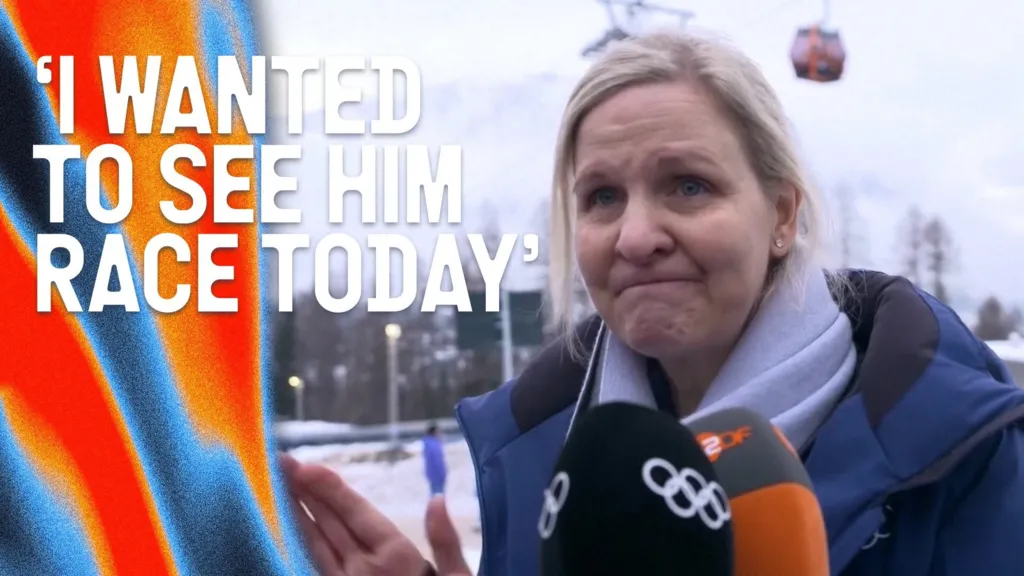
Coventry was visibly tearful after leaving the meeting, having competed as an Olympian herself and won two gold medals in swimming for Zimbabwe.
The IOC has reinstated Heraskevych's accreditation, allowing him to remain in the Olympic Village and attend the Games for the remainder of the competition.
During a tense media conference on Thursday morning, IOC spokesperson Mark Adams defended the decision to ban Heraskevych from competing.
Adams argued that permitting athletes to wear commemorative attire could lead to the exploitation of the Games for political purposes.
"With over 130 ongoing conflicts worldwide, we cannot allow the Games to become a platform for political expression," Adams stated.
Adams emphasized that the IOC's primary goal is to maintain a level playing field, free from external pressures and influences.
He reiterated that the IOC is committed to upholding the principles of neutrality and sportsmanship.
Adams denied allegations that the IOC had been pressured by the Russian Olympic Committee or government to ban Heraskevych.
Heraskevych has announced plans to file an urgent appeal with the Court of Arbitration for Sport (CAS) regarding the decision to ban him from competing.
The CAS has the authority to convene ad-hoc committees during the Games, potentially allowing for a swift resolution to Heraskevych's appeal.
IOC President Kirsty Coventry was visibly emotional when addressing the media after her meeting with Heraskevych.
A day-by-day guide to the Winter Olympics is available, including schedules and medal events.
The full schedule of events, including medal ceremonies, can be found online.
The current Winter Olympics 2026 medal table is also available.
The decision to ban Heraskevych has sparked widespread shock and criticism from former and current Olympic athletes.
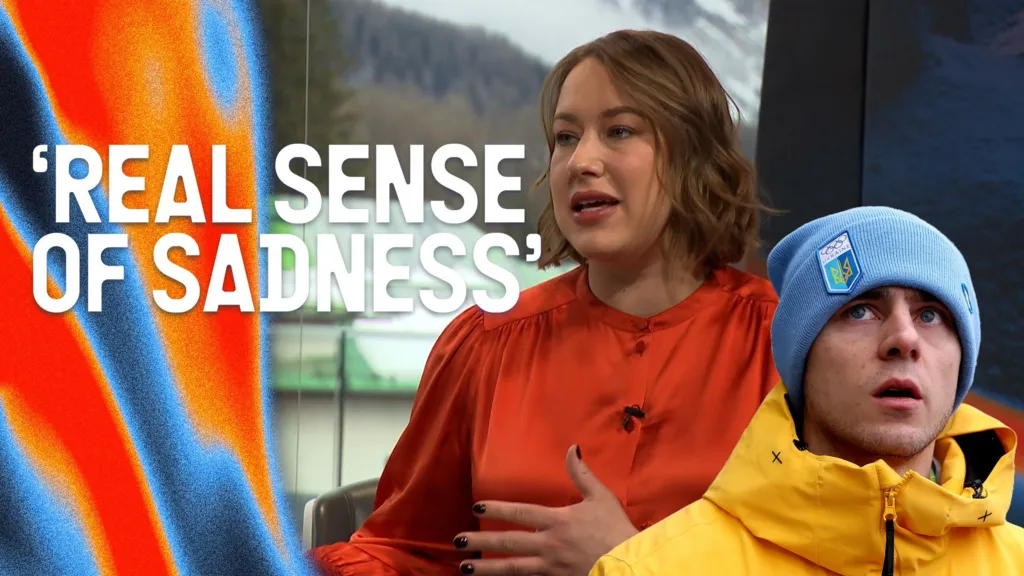
Lizzy Yarnold, a two-time Olympic skeleton gold medalist from Team GB, expressed her surprise and confusion at the decision, stating that it has sent shockwaves through the sliding community.
The decision to wear the helmet was a meaningful tribute, holding significant emotional value for the individual involved, and served as a poignant memorial.
Critics argue that the IOC should reconsider their stance and offer an apology, as the decision has been widely perceived as misguided.
Olympic bobsledder John Jackson, a veteran and former Royal Marines commando, also expressed disappointment with the IOC's handling of the situation.
In an interview with the BBC, Jackson emphasized the importance of remembrance, particularly for those who have lost comrades in conflict, stating that it is a vital aspect of the military community.
As someone who has experienced the loss of friends and colleagues, Jackson underscored the significance of honoring their memory, highlighting the ultimate sacrifice they made.
Jackson voiced his support for the athlete's intention to pay tribute, stressing that it is essential to remember those who have made the ultimate sacrifice, and that their memory should be honored.
Meanwhile, Heraskevych described the feeling of being banned from competition as one of emptiness, following a strong training performance that had positioned him as a potential medallist.
Heraskevych expressed his frustration, stating that his disqualification was the result of an interpretation of the rules that he disagrees with, which has now prevented him from competing.
He questioned the IOC's expression guidelines, pointing out that other athletes have worn helmets with various designs and symbols, which could also be considered a form of expression.
Heraskevych noted that some of his competitors had worn helmets featuring national symbols, which were allowed, while his own helmet was deemed unacceptable, leading to his disqualification.
Heraskevych reiterated his desire to honor the memories of those who have fallen, believing that their sacrifice deserves recognition and that they should be remembered.
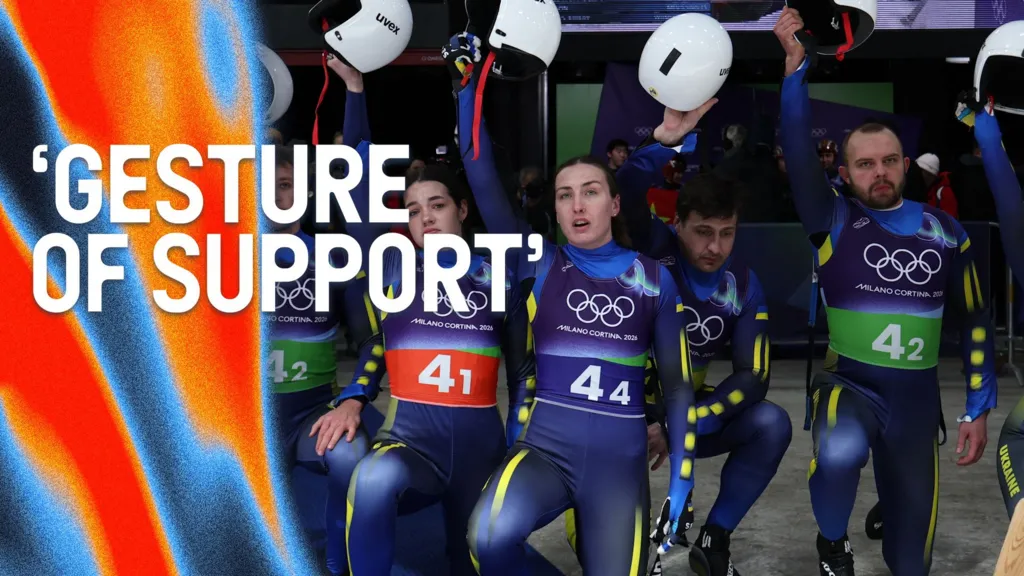
On Thursday, Heraskevych's international teammates showed their support for him during the competition in Italy.
Alpine skier Dmytro Shepiuk and luger Olena Smaha both demonstrated their support for Heraskevych, with Shepiuk displaying a note that read "Ukrainian heroes with us" and Smaha wearing a glove with the phrase "Remembrance is not a violation."
Ukraine's President Volodymyr Zelensky criticized the IOC's decision, accusing the organization of inadvertently supporting Russian aggression by disqualifying Heraskevych.
Zelensky argued that the Olympic movement should promote peace and prevent wars, rather than taking actions that could be seen as favoring aggressors, stating that "sport shouldn't mean amnesia."
The Ukrainian president expressed his disappointment with the IOC's decision, which he believes contradicts the principles of the Olympic movement.
This video is currently unavailable for playback.
The IOC's decision to ban Ukrainian athlete Vladyslav Heraskevych has sparked controversy and raised questions about the organization's policies.
News
Serie A to air on BBC with live coverage of Scottish matches
A new multi-game rights deal has enabled the BBC to broadcast live coverage of matches featuring several Scotland internationals, including Scott McTominay, Billy Gilmour, Lewis Ferguson, Che Adams, Lennon Miller, Kieron Bowie, and Josh Doig, starting this Sunday.
A number of Scottish players, including Che Adams, Scott McTominay, Billy Gilmour, Lennon Miller, and Lewis Ferguson, are currently competing in Italy's top division, Serie A.
The upcoming Serie A match between Torino and Bologna will be a notable fixture, featuring several Scottish players.
The match is scheduled to take place on Sunday, 15 February, with a kick-off time of 17:00 GMT, at a venue that will be announced.
Fans can catch the live coverage of the match on BBC Alba, starting from 16:50.
A growing list of Scottish players, including Scott McTominay, Billy Gilmour, Lewis Ferguson, Che Adams, Lennon Miller, Josh Doig, and Kieron Bowie, are making a name for themselves in Serie A.
With a record number of Scots playing in Italy's top flight, the BBC is now providing live coverage of their matches, allowing fans to follow their favorite players.
As part of a new package, the BBC will broadcast eight live Serie A matches, showcasing the talents of Scottish players as they prepare for the upcoming World Cup.
The first match to be broadcast on BBC Alba will be the encounter between Torino, featuring striker Che Adams, and Bologna, featuring midfielder Lewis Ferguson, on Sunday, with a 17:00 GMT kick-off.
Bologna will be looking to bounce back from five consecutive domestic defeats, despite recent impressive results in the Europa League and against Celtic.
During their recent run, Bologna drew 2-2 with Celtic and secured a 3-0 win over Maccabi Tel Aviv in the Europa League.
Torino, on the other hand, has only managed one win in their last five outings but will be seeking to build on their recent 2-2 draw against Fiorentina.
Scotland's Nations League campaign is set to begin in Slovenia.
Clarke has confirmed that Barnes will not be making a switch to Scotland.
Scotland is scheduled to face Switzerland in the Nations League.
Future BBC Alba broadcasts will feature matches involving Napoli's Scottish duo, Scott McTominay and Billy Gilmour, who is nearing a return from injury, as well as Lennon Miller's Udinese, Josh Doig's Sassuolo, and Kieron Bowie's Hellas Verona.
The number of Scottish players in Serie A has reached a record high, with the likes of Liam Henderson, who has played for several Italian clubs, now competing in Serie B.
Further details of the Serie A matches to be broadcast on BBC Alba will be announced in the coming weeks.
Margaret Cameron, director of content at BBC Alba, expressed her excitement about the opportunity for Scottish fans to watch their favorite players in action, free-to-air, ahead of the World Cup.
Presenter Alex O'Henley is looking forward to hosting the coverage of what he describes as a "golden era" for Scottish players in Italy.
With the World Cup approaching, O'Henley believes it's an exciting time for Scottish fans to follow the fortunes of their players in Italy.
Kieron Bowie made his debut for Verona against Pisa.
Che Adams, who was born in Leicester, has established himself as a key player for Scotland, earning 45 caps and scoring 11 goals since switching allegiances in 2021.
This season, Adams has scored six goals in 26 appearances for Torino, who currently sit 13th in the Serie A table.
Kieron Bowie, who began his career with Raith Rovers, has risen to prominence with Hibernian, scoring nine goals in 30 appearances before joining Hellas Verona in January.
Bowie made his debut for Verona in a 0-0 draw against Pisa, earning his first start for the club.
Josh Doig, who started his career with Hibernian, has become a regular player in Serie A, first with Verona and now with Sassuolo, earning one cap for Scotland.
Doig has made 24 appearances, including 20 starts, for Sassuolo this season.
Lewis Ferguson, who began his career with Hamilton Academical, has become a key player for Bologna, earning 21 caps for Scotland and leading his team to a Coppa Italia final win over AC Milan.
Ferguson has made 29 appearances, including 21 starts, for Bologna this season, helping the team to eighth place in the table.
Billy Gilmour, who started his career with Rangers, has played for several clubs, including Chelsea and Norwich City, before joining Napoli in 2024, where he won his first league title.
Gilmour has been limited to 12 appearances, including six starts, this season due to injury, but is nearing a return to action.
Scott McTominay, who came through Manchester United's youth ranks, has become a key player for Napoli, earning 67 caps for Scotland and scoring 14 goals, including a notable overhead kick against Denmark.
McTominay has made 34 appearances for Napoli this season, scoring 10 goals and helping the team to a strong position in the table.
Lennon Miller, who began his career with Motherwell, has made a promising start to his career, earning four caps for Scotland and joining Udinese in August.
Miller has made 14 appearances, including six starts, for Udinese this season.
Fans can stay up-to-date with their favorite clubs through BBC Sport.
News
GB men’s curling team suffers upset defeat to Italy
At the 2026 Winter Olympics, Great Britain’s men’s curling team mounted a comeback against Italy following a disappointing beginning, ultimately falling short in their inaugural match.
Despite a valiant comeback, Team GB ultimately fell short as Italy held their composure to secure the win in the final end.
A dismal start to the match proved costly for Team GB's men, as they suffered their first defeat of the Winter Olympics at the hands of host nation Italy, despite a spirited fightback in the packed Cortina Curling Stadium.
Following victories in their first two matches, including a win over the Swedish rink that beat them in the gold-medal match four years ago, Team GB entered their second high-profile encounter in as many days in a confident position.
However, a disastrous opening end, in which Italy stole four points, left Team GB trailing and facing an uphill battle in front of a boisterous home crowd.
The British team, currently ranked number one in the world, gradually regained their footing and managed to level the score by the ninth end.
Ultimately, Italy maintained their composure in the final end to emerge victorious, winning 9-7 and adding Team GB to their list of scalps, which already included the Swedes.
"We had to dig deep and play some solid curling, but unfortunately, it wasn't enough to get us over the line," Team GB lead Hammy McMillan said in an interview with BBC Sport.
With seven wins from nine round-robin matches guaranteeing a spot in the semi-finals, Team GB remains in a strong position, although fewer wins may still be sufficient to advance.
The women's team is set to take to the ice next, facing South Korea in their second match at 13:05 GMT, while the men will return to action on Saturday against the Czech Republic at the same time.
Team GB is at the forefront of curling's technological advancements.
Embracing what sets you apart can be a powerful asset, according to some athletes.
A daily guide to the Winter Olympics is available for those looking to stay up-to-date with the action.
The looks of shock on the faces of Team GB's curlers told the story of a disastrous opening end.
With a stone in play, Mouat attempted a risky shot in an effort to claim two points, but it backfired, resulting in none of Team GB's stones in the house and four Italian stones in position.
However, the Scottish quartet, ranked number one in the world, quickly regained their composure and got back to their game.
The teams exchanged singles before a impressive final throw by Mouat, aided by a measurement to determine which stone was closest to the button, allowed Team GB to claim two points and narrow the gap to 5-3.
Another excellent team effort, which included a well-judged throw by Mouat, a solid sweep by Hammy McMillan and Bobby Lammie, and Grant Hardie's strategic expertise, forced Italy to concede a point in the fourth end, reducing the deficit to a single point at the break.
Italy blanked the sixth end and added two points in the seventh to rebuild their lead, but Team GB fought back with two points of their own, remarkably levelling the score with one end remaining after a steal.
The match came down to the final end, but Italy held their nerve to secure the win, prompting a deafening roar from the crowd.
"It's an incredible experience, and we need to get used to it," McMillan added, describing the electric atmosphere as "surreal" and "cool," more akin to a football match than a typical curling crowd.
News
Scotland Kicks Off Nations League Against Slovenia
Uefa has released the schedule for the Nations League, with Scotland set to begin their campaign on 26 September with an away match against Slovenia.
Uefa has released the schedule for the Nations League, with Scotland's campaign set to begin on 26 September with an away match against Slovenia.
The team's six group stage games will be played within a three-month period, culminating in a match against Switzerland on 16 November.
The fixture list was announced following Thursday's draw, which placed Scotland in a group with Switzerland, Slovenia, and North Macedonia.
Having been relegated from League A after a play-off loss to Greece last year, Scotland will compete in the second tier of the Nations League this year.
In response to the draw, head coach Steve Clarke noted that the teams in the group appear to be evenly matched.
Clarke reflected on the team's past experience in the competition, stating that it has been beneficial for Scotland.
He emphasized the importance of the Nations League, citing its role in helping the team qualify for Euro 2020, and anticipated a challenging set of matches.
A key matchup in the Nations League will see Scotland face off against Switzerland.
The group stage will determine the teams' fates, with the winner earning promotion, the runner-up entering a play-off, the third-placed team facing a relegation play-off, and the fourth-placed team being relegated directly.
The upcoming group games will mark a reunion for Scotland and Switzerland, who previously drew 1-1 in Cologne at Euro 2024.
Scotland's last encounter with Slovenia was during the 2018 World Cup qualification campaign, when they won 1-0 at home and drew 2-2 away.
The team has not played North Macedonia since the 2014 World Cup qualifiers, when they drew 1-1 at home and won 2-1 away, with goals from Ikechi Anya and Shaun Maloney.
The schedule for Scotland's Nations League campaign begins on 26 September with a match against Slovenia.
The team will then host Switzerland on 29 September, followed by a trip to face North Macedonia on 3 October.
Scotland will then play Slovenia at home on 6 October, before hosting North Macedonia on 11 November.
The final group stage match will see Scotland travel to face Switzerland on 16 November.
The team's home match against North Macedonia is set for 11 November.
The campaign will conclude with an away match against Switzerland on 16 November.
-
 News8 hours ago
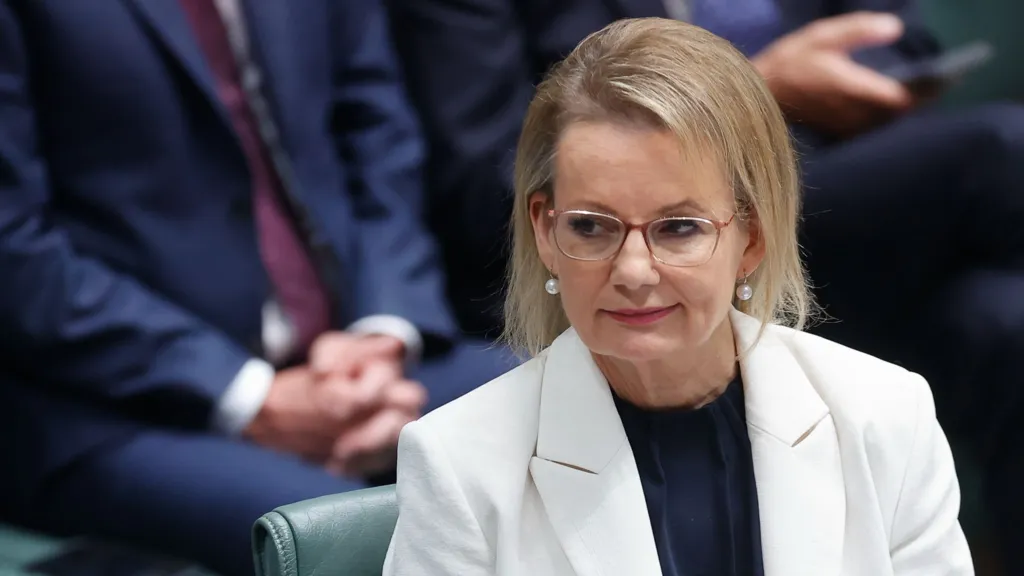
Australian Politics Faces Questions Over Gender Equality Amid Sussan Ley’s Appointment
-
 News6 hours ago
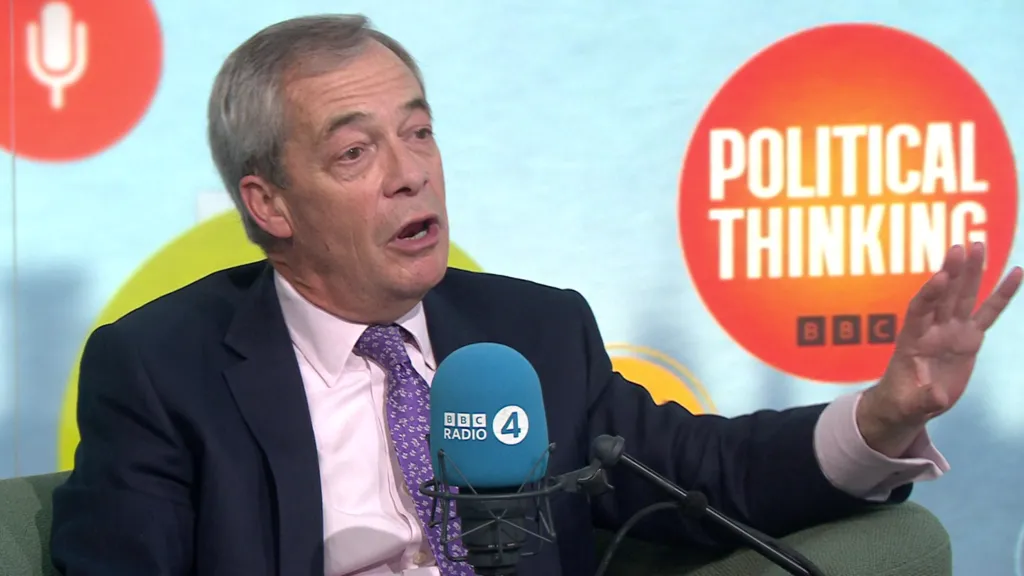
Farage Says Reform to Replace Traditional Tory Party
-
 News6 hours ago
Wrexham Pair Seek Win Against Former Team Ipswich
-
 News11 hours ago
Liberal Party Removes Australia’s First Female Leader
-
 News9 hours ago
UK Braces for Cold Snap with Snow and Ice Alerts Expected
-
 News6 hours ago
Husband’s alleged £600k theft for sex and antiques blamed on drug side effects
-
 News2 days ago
Sunbed ads spreading harmful misinformation to young people
-
 Business11 hours ago
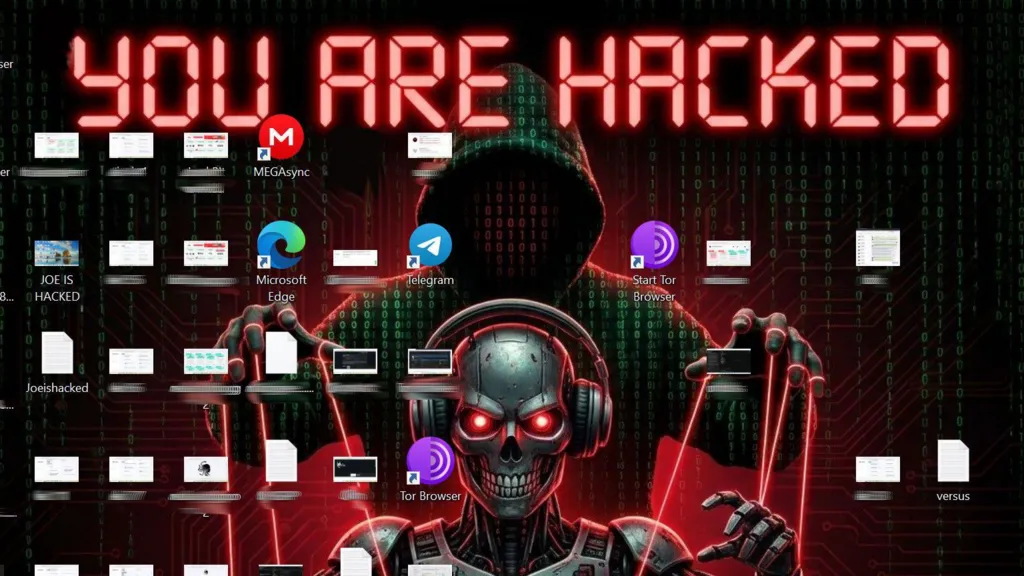
BBC Reporter Exposed to Cyber Attack Due to Vulnerabilities in AI Coding Tool