
News
Rise in Violence: Are European Away Fans Facing Increased Danger?
An examination of the safety concerns encountered by fans traveling to support their teams throughout Europe is being undertaken by BBC Sport.
Concerns have been raised about the safety of European away football matches, with reports of violent incidents and poor treatment of fans.
For many football enthusiasts, traveling to Europe to watch their team compete is a dream come true, offering a chance to experience the best of the continent's football alongside fellow supporters.
However, the reality of European away trips can be far from ideal, with a number of high-profile security incidents in recent years putting fans' safety at risk.
The 2022 Champions League final was marred by poor organization, which nearly resulted in a catastrophic incident, while fans of Manchester City, Manchester United, and Newcastle have criticized the policing and security measures at matches in Istanbul, Lyon, and Marseille.
This season, some fans were barred from attending away matches in the Champions League due to concerns over security, highlighting the worrying trends that are affecting the dignity and safety of supporters.
Common issues reported by fans include:
excessive use of force by police
crushing due to inadequate stadium entry and exit procedures
limited access to toilets
invasive searches
confiscation of essential items such as power banks and medication
The question remains whether safety conditions at top European matches are indeed deteriorating.
According to Ronan Evain, executive director of Football Supporters Europe, some countries are experiencing a decline in safety standards, including Germany, Belgium, and the Netherlands.
Evain also noted that certain countries and clubs have a history of failing to provide acceptable conditions for visiting fans, with no signs of improvement.
Major tourist destinations like France, Spain, Portugal, and Italy, which are accustomed to hosting international visitors, seem to treat football fans differently, often viewing them as a threat or second-class citizens.
The development of security arrangements and policing strategies for European matches involves a collaboration between host clubs, national governments, local authorities, and regional police forces, with input from Uefa.
The treatment of fans can vary significantly depending on the location, local policies, and the behavior of home fans, resulting in diverse experiences for visiting supporters.
Evain highlighted the humiliating experiences some fans face, such as being forced to enter stadiums hours before kickoff, being confined to buses with no toilet access, and having personal items confiscated.
These practices are often unnecessary and seem to be a means of exerting social control or are simply outdated.
More serious concerns arise when fans are pushed through narrow gates, highlighting policing and infrastructural failures that put lives at risk.
The potential for panic and chaos is ever-present, and it only takes a few individuals to spark a larger incident.
BBC Sport asked experienced European away travelers to share their experiences of English clubs' trips during the last two Champions League and Europa League matchweeks, covering a range of games and policing approaches.
Gemma Manns, a 44-year-old Chelsea fan, reported a mixed experience in Naples, Italy, where her group avoided arriving until the afternoon of the game due to concerns about hostility from Napoli fans.
Although they did not encounter trouble around the stadium, they were kept behind for over an hour after the game and felt at risk when the police disappeared.
The group was packed onto buses with open doors, leaving them feeling vulnerable.
Jude Aston, a 21-year-old Aston Villa fan and wheelchair user, had a distressing experience in Istanbul, Turkey, where he was forced to sit in a cage in front of the away end with limited visibility.
The cage was locked for most of the match, and Aston was unable to access the toilet until halftime, leaving him feeling claustrophobic and worried about his safety.
His personal assistant was separated from him, and he was concerned about his phone dying in an emergency, as he was not allowed to bring a power bank.
Aston believes that there must be a better way to ensure the safety of disabled fans, given the advancements in 2026.
Jane Boland, a 61-year-old Liverpool fan, reported a difficult experience in Marseille, France, where riot police made entering and exiting the stadium challenging.
The group was held in overcrowded areas with limited toilet access and was forced to wait for extended periods.
Leaving the stadium took over two hours, with fans packed onto stairwells, leading to discomfort and health concerns.
Boland felt that the treatment of fans was unacceptable, particularly given the significant amount of money spent on the trip.
Sue Fox, a 68-year-old Spurs fan, had a mixed experience in Frankfurt, Germany, where the meeting point was well-organized, but the subsequent march through a dark, muddy forest was uncomfortable and poorly managed.
The group was packed close together, and the gates were locked, resulting in a lengthy queue.
Despite some efficient aspects of the trip, such as the transport, the overall experience was marred by poor planning and inadequate crowd management.
The treatment of fans as "customers" was particularly disappointing, given the significant expenditure on the trip.
Fox's experience highlights the need for improved planning and communication to ensure the safety and dignity of visiting fans.
The accounts of these fans demonstrate the varied and often challenging experiences of European away travelers, emphasizing the need for enhanced safety measures and more respectful treatment of supporters.
By sharing their stories, these fans hope to raise awareness about the issues they face and promote positive change in the way they are treated at European football matches.
Female fans faced significant challenges when nature called, as they were forced to wait nearly two hours without access to facilities, while their male counterparts could use the bushes.
The sole women's restroom was located in the home end, which posed a problem for visiting fans, who had to use these facilities despite potential safety concerns.
Marseille matches are typically characterized by a heavy police presence.
Dylan White, a 21-year-old Arsenal fan, recounted his experience in Milan, Italy, where he and others had to wait in long, crowded lines for a designated metro before being packed in like sardines.
Upon arrival at the stadium, fans encountered rigorous ticket checks, resulting in dense queues that continued to grow as the entry gates remained locked until 20 minutes before kickoff.
Once the gates opened, fans had to navigate the stadium's massive spiral walkways to reach their seats, barely making it in time for the start of the match.
The crowd was able to exit the San Siro stadium within about 30 minutes of the final whistle, but some fans then had to collect their confiscated portable chargers.
While the police treated the fans well, the process of getting to and entering the stadium was marred by significant issues that require improvement.
Luke Stanley, a 22-year-old Man City fan, had a vastly different experience in Bodo, Norway, where the entire process, from entry to the stadium to interacting with locals, was smooth and friendly.
The police presence was minimal, and the officers they did encounter were helpful in guiding fans.
Although there were limited toilets and food options in the away section, the overall treatment of fans was good.
This video is currently unavailable for playback.
The question remains whether safety is deteriorating for fans on European away trips.
numerous fans have reported experiencing various negatives, including inadequate facilities for fans with disabilities, limited access to restrooms, and travel restrictions, all of which contravene Uefa's guidelines.
Fans with disabilities often face particularly dire situations.
Owain Davies, chief executive of Level Playing Field, expressed outrage and frustration over the treatment of disabled fans, citing the use of "cages" for wheelchair users.
These incidents are not isolated, with reports of disabled fans being carried into stadiums or forced to change in unsanitary conditions, and 79% of fans surveyed stating they were made to sit in home sections, potentially exposing them to abuse.
The inequality faced by disabled fans in a major tournament organized by Uefa is heartbreaking and constitutes an attack on dignity.
Uefa published accessibility guidelines 16 months ago, giving them the power to effect change, but enforcement has been lacking.
A photo shows the "cage" in which Aston Villa supporters using wheelchairs were confined, visible behind the team's players.
In recent years, regional police forces have increasingly banned away fans from attending certain matches, a trend observed in countries such as France, Italy, and the Netherlands.
Last autumn, West Midlands Police prohibited Maccabi Tel-Aviv supporters from attending their team's match against Aston Villa, a rare instance of a travel ban in England.
In some cases, fans are allowed to travel but are restricted from visiting the host city's center, as happened to Marseille fans in Bruges and Juventus fans in Nice.
According to Evain, away travel bans demonstrate a country's inability to host a match in an acceptable manner, warranting a response from the tournament organizer.
This response could include relocating the match or preventing the home club from competing.
Earlier this season, Frankfurt fans were banned from traveling to their away match against Napoli.
BBC Sport posed questions to Uefa regarding the issues raised by fans.
Uefa stated that they have strengthened partnerships with key stakeholders responsible for safety and security in recent years.
For the first time in a decade, Uefa has reported a decline in the proportion of matches affected by incidents, indicating progress.
Since 2022, Uefa has implemented enhanced operational planning and increased safety and security measures at finals.
Local authorities retain their powers and decision-making authority for safety and security measures at matches held in their territory.
Regarding disability access, Uefa emphasized their commitment to ensuring a barrier-free and inclusive matchday experience for disabled supporters.
While acknowledging challenges and the need for improvement, Uefa reaffirmed their dedication to safe, inclusive, and welcoming football environments.
On travel bans, Uefa stated that all stakeholders have expressed a commitment to cooperation in finding sustainable solutions, although changes will not occur overnight.
Many fans reported that issues with organization and authorities occurred more frequently than risks posed by rival fans.
The question remains as to why a decline in standards appears to be happening.
Evain attributes the current political atmosphere in Europe, which emphasizes police accountability, as a contributing factor.
Governments seeking to demonstrate their authority often target football fans, an easy target.
British clubs are better equipped to handle these situations, thanks to UK police delegations that travel with fans and the clubs' own pre-match security measures.
The final report into the 2022 fiasco, commissioned by Uefa, found the organization primarily at fault and recommended that Uefa take more responsibility for security as the event organizer.
Clifford Stott, a professor of social psychology at Keele University and co-author of the report, has expressed significant concern over the absence of concrete reforms following the publication of their findings.
According to the report's authors, Uefa's reaction to the findings was restricted to official statements, lacking any meaningful actions or proof of actual reforms being put in place.
As a result, the wellbeing and security of attendees at future events continue to be jeopardized.
An illustration by Eleanor Shakespeare is featured herein.
Business
US inflation slows as used vehicle prices decline
According to the most recent official data, prices increased by 2.4% over the 12 months ending in January, marking the smallest gain since May.
The US experienced a slowdown in inflation last month, driven by decreases in energy and used car prices.

According to the Labor Department, the consumer price index increased by 2.4% over the past 12 months, ending in January, marking a decline from the previous month's 2.7% and the slowest rate since May.
This development may support the argument made by US President Donald Trump and others that the central bank has the flexibility to lower interest rates without triggering a surge in prices.
However, analysts caution that progress toward the Federal Reserve's inflation target of 2% may be hindered in the coming months if companies begin to pass on tariff costs to consumers more extensively.
Neil Birrell, chief investment officer at Premier Miton Investors, noted that the impact of tariffs remains uncertain and pointed out other data anomalies that could have influenced the January figures.
Birrell stated that the January report is likely to pave the way for a potential rate cut in the near future.
He added that the US economy appears to be performing well, with strong growth, stable inflation, a robust job market, and a Federal Reserve that has the ability to adjust its policies as needed.
News
Tudor to take interim charge of Tottenham
Igor Tudor has reached an agreement to take the reins as Tottenham’s interim head coach for the remainder of the season.
Tottenham has reached an agreement with Igor Tudor to take the helm as interim head coach for the remainder of the current season.
For the latest updates, in-depth analysis, and perspectives from fans, look to Tottenham's recent news and discussion.
Do you have any questions about Tottenham – what information are you seeking?
News
Court rejects bid to overturn single-sex toilet rules
Critics argued that the guidelines provided for establishments, including hospitals, retail stores, and eateries, contained legal inaccuracies and were overly simplistic in nature.
A recent ruling by a High Court judge has upheld the Equality and Human Rights Commission's stance on guidance regarding toilet and changing room access for transgender individuals in public and workplace settings.
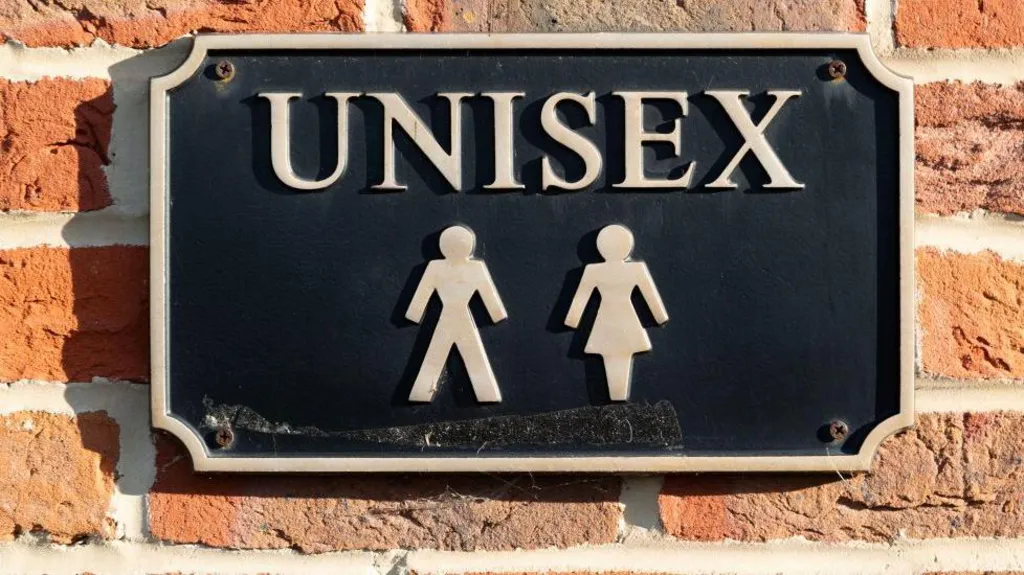
In April of the previous year, the EHRC released interim guidance, which was subsequently withdrawn six months later, stating that single-sex facilities should be restricted to individuals of the same biological sex.
According to the guidance, a transgender woman, who is biologically male but identifies as female, would be expected to utilize a gender-neutral or male facility, rather than female-designated toilets and changing rooms.
Critics argued that the EHRC's guidance for employers, including establishments like hospitals, shops, and restaurants, was flawed and oversimplified.
During the November hearing, the EHRC maintained that its temporary guidance did not infringe upon the human rights of transgender individuals.
Mr Justice Swift denied the Good Law Project's application for a judicial review, but requested further submissions from all parties to determine whether an appeal would be permitted.
The EHRC's withdrawn guidance was issued in the wake of a Supreme Court ruling in April 2025, which clarified that the terms "woman" and "sex" under the 2010 Equality Act refer to biological sex and women.
The EHRC is currently developing a comprehensive code of practice, which is under review by the government.
-
 News11 hours ago
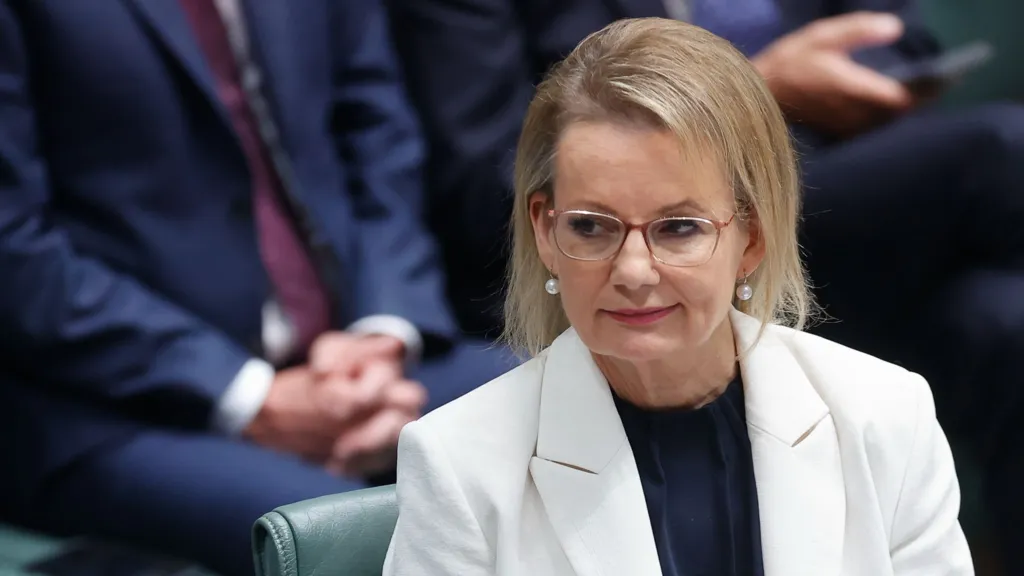
Australian Politics Faces Questions Over Gender Equality Amid Sussan Ley’s Appointment
-
 News8 hours ago
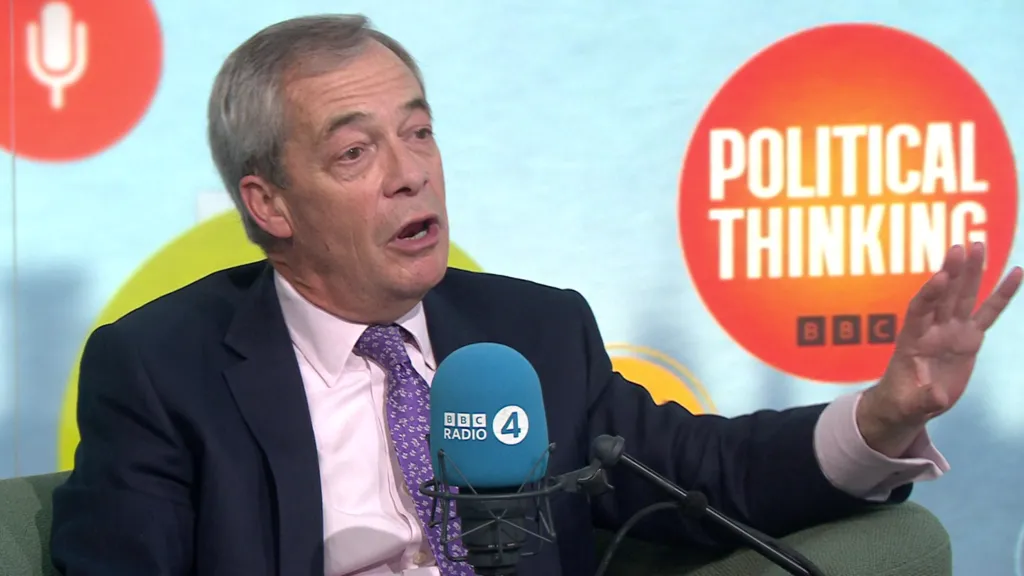
Farage Says Reform to Replace Traditional Tory Party
-
 News8 hours ago
Wrexham Pair Seek Win Against Former Team Ipswich
-
 News13 hours ago
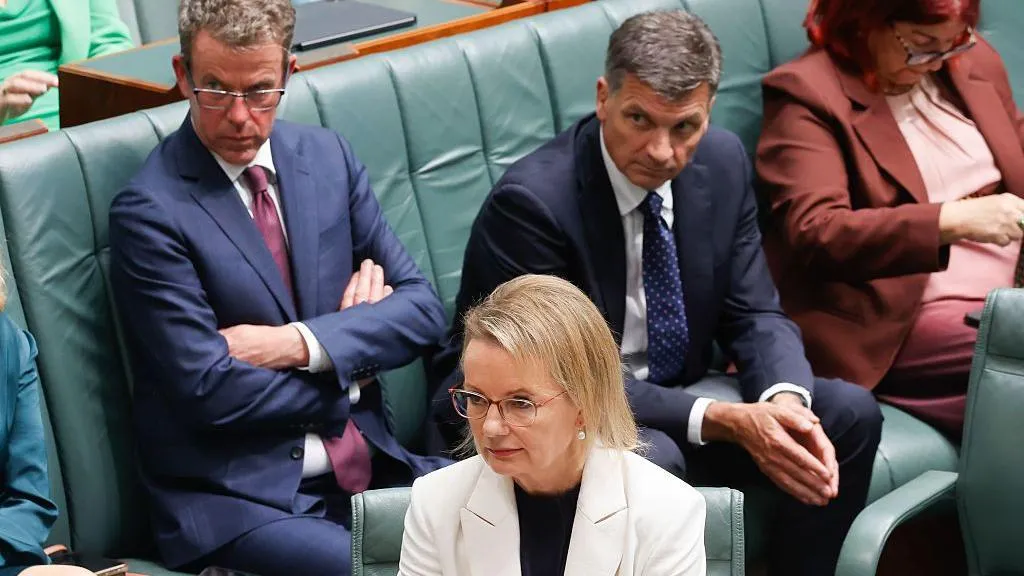
Liberal Party Removes Australia’s First Female Leader
-
 News11 hours ago
UK Braces for Cold Snap with Snow and Ice Alerts Expected
-
 News8 hours ago
Husband’s alleged £600k theft for sex and antiques blamed on drug side effects
-
 News2 days ago
Sunbed ads spreading harmful misinformation to young people
-
 Business14 hours ago
BBC Reporter Exposed to Cyber Attack Due to Vulnerabilities in AI Coding Tool