
News
Australian Politics Faces Questions Over Gender Equality Amid Sussan Ley’s Appointment
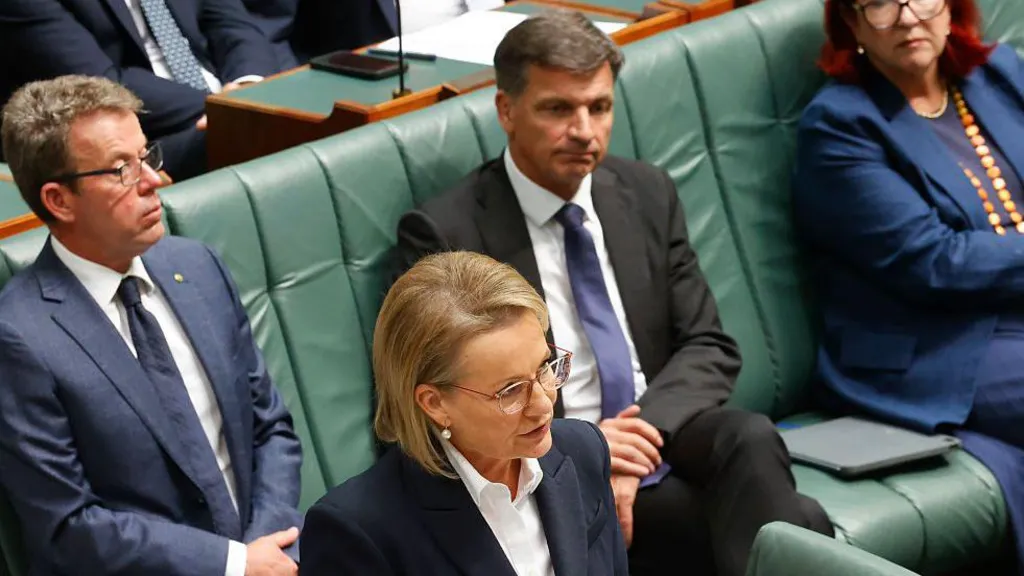
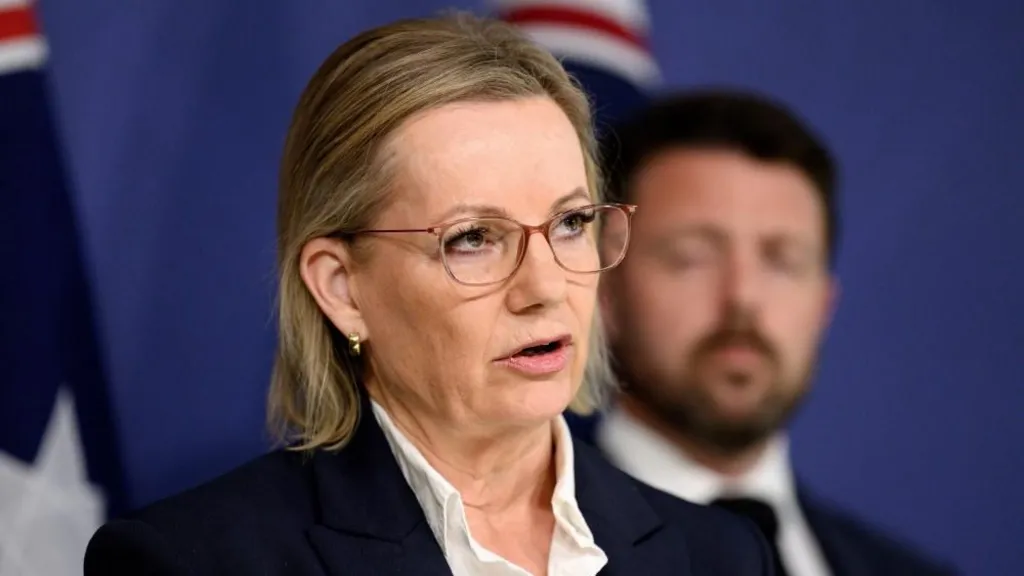
The Liberal Party chose a woman to helm the party for the first time during a period of turmoil, but her tenure was brief, spanning less than 12 months.
Sussan Ley's historic appointment as the first female leader of Australia's Liberal Party was seen as a significant milestone, but her tenure was marked by challenges that raised questions about the party's commitment to diversity and inclusion.
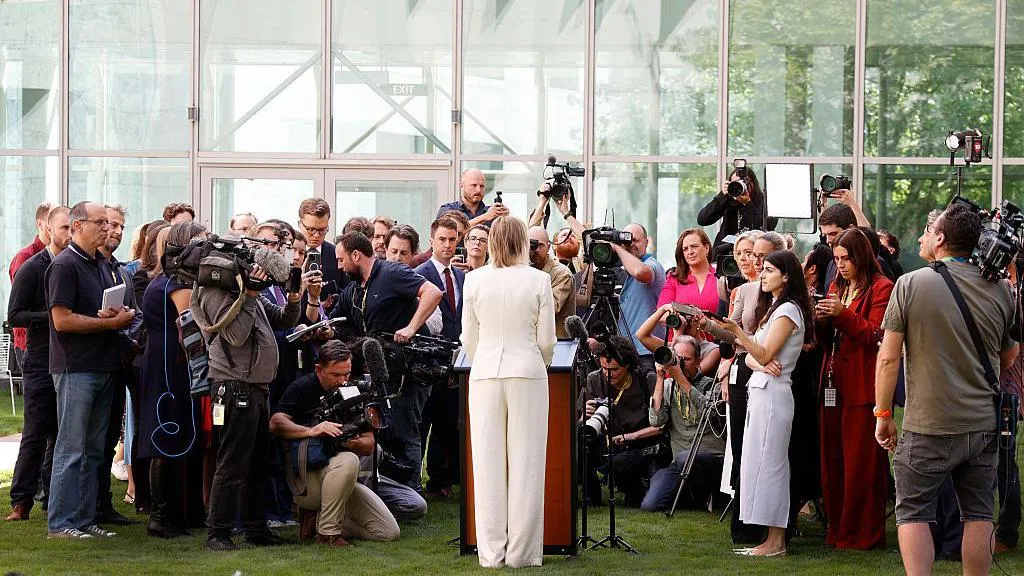
Ley's achievement was notable for breaking down a long-standing barrier that had limited women's access to positions of power, highlighting the need for greater representation and equality in Australian politics.
However, some observers argued that Ley's leadership was an example of the "glass cliff" phenomenon, where women are appointed to high-profile roles during times of crisis, only to be set up for failure.
The concept of the glass cliff suggests that women are often promoted to leadership positions when the organization is facing significant challenges, making it more difficult for them to succeed and increasing the likelihood of failure.
Ley's leadership was cut short after just under a year, as she was ousted by Angus Taylor in a leadership ballot, with Senator Jane Hume elected as his deputy, winning 34 votes to Ley's 17.
Taylor's victory marked a significant shift in the party's leadership, with some arguing that Ley was never given a fair chance to succeed, while others claimed that her performance was the primary reason for her demise.
The debate surrounding Ley's leadership has sparked a renewed conversation about the role of gender in Australian politics, with some arguing that it played a significant factor in her ousting, while others claim it was purely a matter of performance.
The Liberal Party's struggle to reflect the diversity of the Australian population has been a long-standing issue, with the party's progress on this front being closely watched by voters and commentators alike.
The challenges facing the Liberal Party's new leader are significant, with the party still reeling from a devastating election defeat and grappling with internal divisions and a toxic relationship with its coalition partner, the National Party.
The new leader must navigate a complex web of competing interests and ideologies within the party, while also addressing the concerns of voters who have abandoned the party in recent years.
The party's policy platform is in need of a significant overhaul, and the new leader must balance the demands of conservative and progressive factions within the party, all while repairing the party's reputation with women, who have been alienated by the party's handling of allegations of misogyny.
The party's reputation with women is a major concern, with many having deserted the party in recent years, and the new leader must find a way to win back their trust and support.
According to Michelle Ryan, Director of the Global Institute for Women's Leadership, the challenges facing Ley were a classic example of the glass cliff phenomenon, where women are appointed to leadership roles during times of crisis.
From the outset, Ley was aware of the challenges she faced, and she and her supporters argued that she was the right person to lead the party through this difficult period.
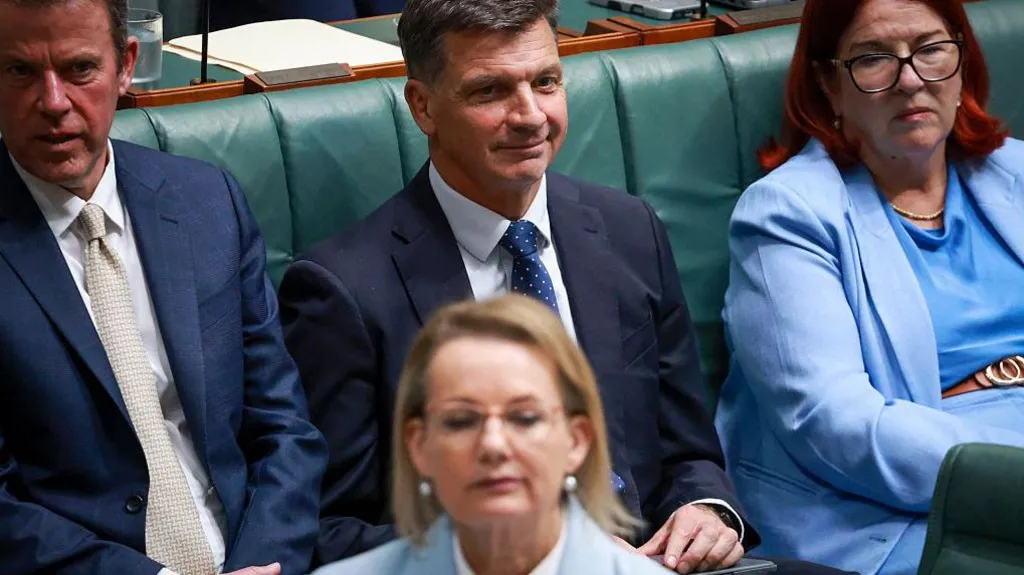
Ley's backers claimed that she was selected for her unique blend of skills and experience, which made her the ideal candidate to lead the party out of its current crisis.
With a 20-year career in parliament and a cabinet minister for five years, Ley brought a wealth of experience to the role, and her unusual background, which includes time as a pilot and a sheep musterer, made her a compelling candidate.
Some critics have argued that the concept of the glass cliff is itself problematic, as it can be seen as diminishing the achievements of women and assuming that they are unable to succeed in leadership roles.
Ley herself has pushed back against this idea, arguing that it is not about gender, but about performance, and that she earned her shot at the leadership.
In an op-ed for the Women's Agenda, Ley wrote that the idea that women are only promoted to leadership roles during times of crisis is not supported by the evidence, and that she was selected for her skills and experience, not her gender.
Ley's statement was seen as a powerful rebuke to those who would argue that her gender played a role in her appointment, and she emphasized that she had earned her place as leader.
The Liberal Party's history of promoting women to leadership roles is patchy, and the decision to pass over Julie Bishop in 2018 was seen as a significant setback for women in the party.
Some observers have suggested that Ley was only keeping the seat warm for Angus Taylor, who had previously made a bid for the leadership, and that her appointment was always intended to be temporary.
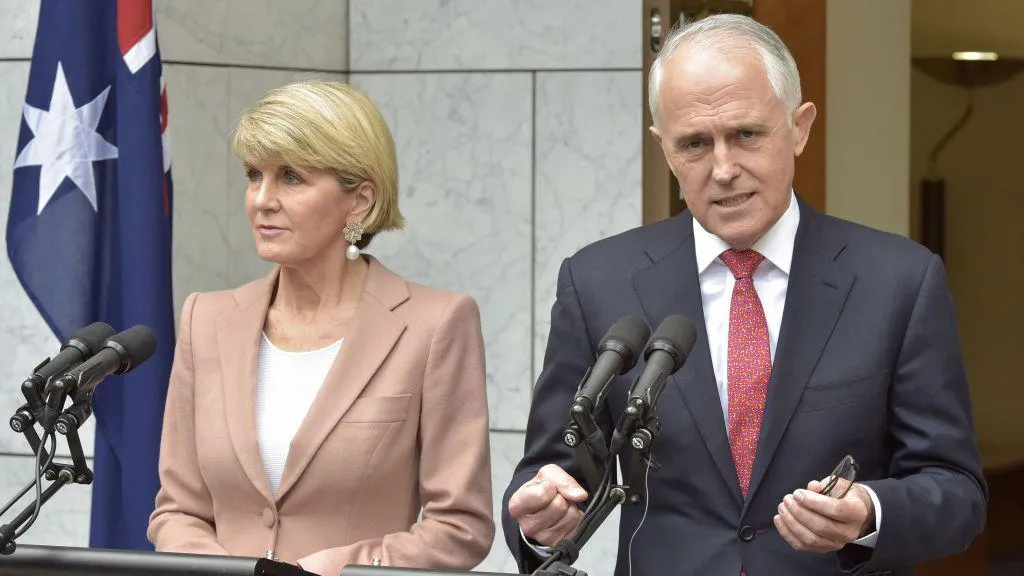
However, Niki Savva, a veteran political commentator and former Liberal Party advisor, argues that the glass cliff phenomenon does not accurately capture the complexities of Ley's tenure.
Savva told the BBC that while gender may have played a small role in Ley's ousting, it was not the primary factor, and that Ley's performance as leader was the main reason for her demise.
According to Savva, Ley's leadership style and decision-making were significant factors in her downfall, and that she was the architect of her own fortunes.
Ley's promise not to make unilateral decisions as leader ultimately created an environment in which she was subject to relentless pressure from her peers, and her attempts to navigate the party's climate policy ultimately ended in failure.
Despite some significant achievements, including her role in pushing for a royal commission into antisemitism, Ley's leadership was marked by controversy and criticism, including accusations of politicizing a tragedy and overseeing a series of ugly break-ups between the Liberals and Nationals.
Liberal Senator James Paterson, a prominent supporter of Taylor, argued that Ley's performance as leader was the primary reason for her ousting, citing her negative personal approval rating of -39, the worst for an opposition leader in 23 years.
Savva agrees that Ley's lack of conviction on key issues was a significant factor in her downfall, and that she failed to stake out her territory and fight for her vision.
However, Michelle Ryan argues that the issue is not just about Ley's performance, but about the broader context in which she was appointed, and the challenges that women face in leadership roles.
Ryan suggests that the question is not whether Ley was qualified for the job, but when the party will put a woman in a leadership role and give her the support and resources she needs to succeed.
The issue of women in leadership is a complex one, and Ryan argues that it is not just about individual performance, but about the systemic barriers and biases that women face.
Julia Gillard, Australia's first female prime minister, has spoken about the challenges she faced in her role, and the ways in which her gender was used to explain her experiences.
Gillard's legacy continues to shape the conversation about women in politics, and her party, Labor, has made significant strides in promoting women to leadership roles, including setting ambitious quotas for female candidates and promoting them into leadership positions.
The Labor caucus is now majority female, with 57% of members being women, and the party has achieved gender equality in cabinet, marking a significant milestone in the pursuit of diversity and inclusion.
However, despite this progress, women are still underrepresented in the highest levels of leadership, and the issue of the glass cliff remains a significant challenge for women in politics.
The Liberal Party's struggles with diversity and inclusion are well-documented, and the party's failure to promote women to leadership roles has been cited as a major factor in its decline.
The party's coalition partner, the National Party, also has a significant role to play in promoting diversity and inclusion, and the relationship between the two parties will be closely watched in the coming months.
As the Liberal Party looks to rebuild and recover, the issue of women in leadership will remain a significant challenge, and the party's ability to address this challenge will be a key factor in its success.
The leadership team of Anthony Albanese, the current Labor leader, is the first without a female deputy since 2001, aside from a brief period in 2013, highlighting the ongoing challenges faced by women in politics.
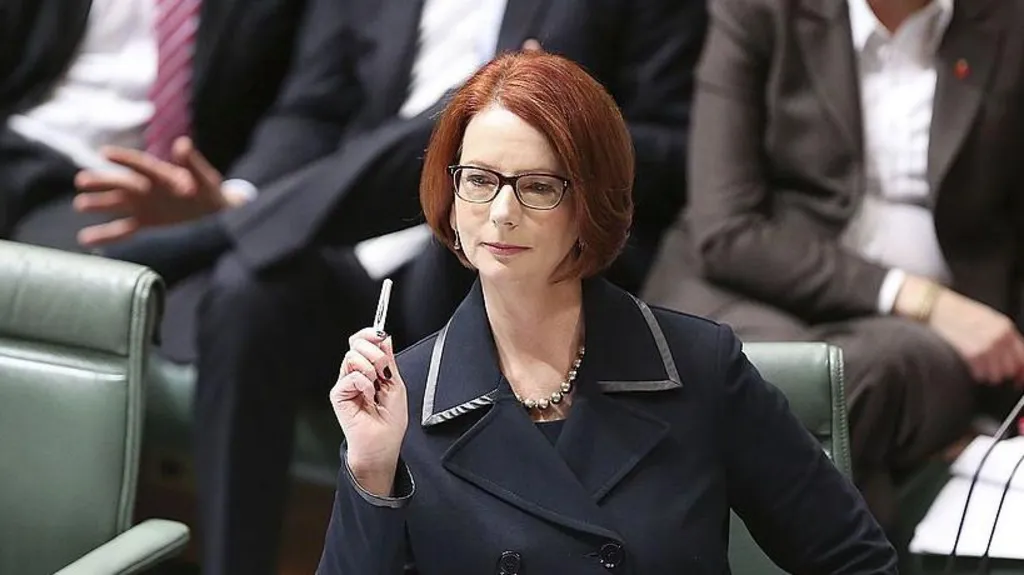
Despite Penny Wong's prominent roles as senate leader and foreign minister, women are often relegated to junior cabinet positions or non-cabinet ministries, highlighting a persistent disparity in representation.
Ryan emphasizes the need for sustained progress, stating, "Having a female prime minister is a significant milestone, but it's essential to replicate this achievement multiple times to create lasting change."
Over the past three decades, Labor has implemented quotas to increase gender diversity, whereas key figures in the Liberal and National parties, including Ley, have argued against such measures, much to the frustration of many female party members.
Proponents of a quota-free approach argue that gender should not be a factor in politics, a stance critics contend ignores the historical and ongoing impact of gender on political representation.
Savva criticizes Ley's approach, saying, "Rather than advocating for quotas, Ley claimed to be a passionate supporter of increasing female representation in parliament, yet remained neutral on quotas – a statement I found unconvincing."
Savva further questions the substance of Ley's commitment, asking, "What did she actually do to promote gender diversity, and what were the results? Essentially, nothing."
Analysts attribute the rise of independent candidates, over 70% of whom are women in the current parliament, to the Liberal Party's reluctance to actively support and promote strong female candidates, particularly in traditionally conservative seats.

Following the leadership spill, Ley announced her resignation from parliament, acknowledging the challenges she faced as leader and stating, "There is no doubt it has been a difficult time for the party."
In a parting comment, Ley noted, "It's crucial for the new leader to have a clear path forward, which isn't always the case for leaders," in a remark perceived as a critique of her successor.
This development is unlikely to resolve the Liberal Party's ongoing issues, which have been exacerbated by recent events.
Post-election analyses, polling data, and feedback from interest groups all suggest that the Liberal Party needs to become more diverse and reflective of modern Australia, as well as more cooperative and stable, in order to regain traction.
Commentators characterize the recent events as, at best, indicative of disorganization and disunity within the Liberal Party, and at worst, a demonstration of the party's stubborn refusal to learn from its mistakes and adapt to changing circumstances.
Entertainment And Arts
Spielberg Contributes $25,000 to Van Der Beek’s $2 Million Crowdfunding Campaign
The relatives of the deceased actor, known for his role in Dawson’s Creek, have expressed gratitude to those who contributed to the $2m fund.
A donation of $25,000 (£21,000) has been made by film director Steven Spielberg and his wife, Kate Capshaw, to a GoFundMe campaign that has raised over $2m (£1.6m) for the family of late actor James Van Der Beek.
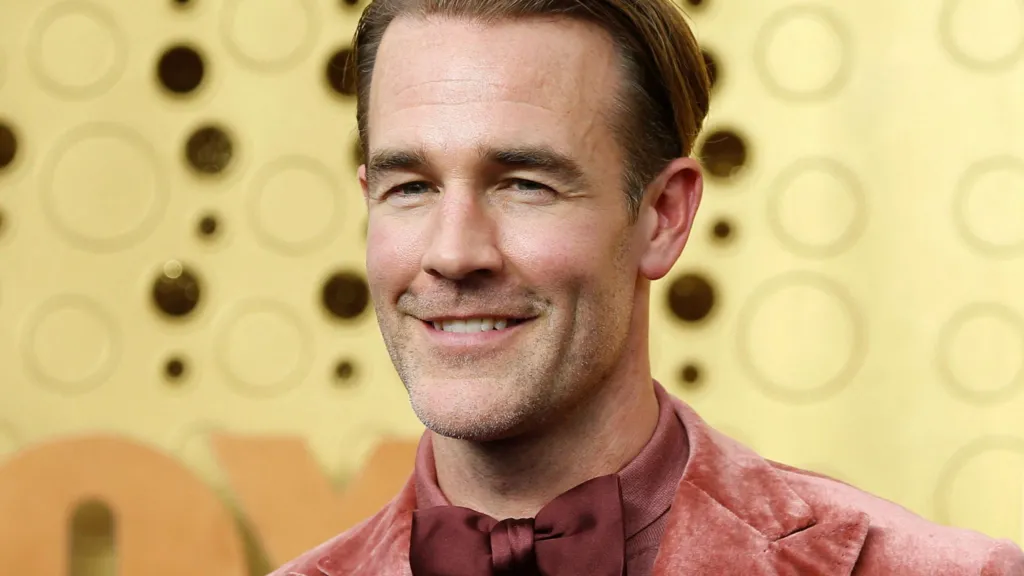
Van Der Beek, who passed away at the age of 48, is survived by his wife Kimberly and their six children, and the crowdfunding effort to support his family has now exceeded its initial target of $2m.
Other notable donors include Oscar-winning actress Zoe Saldana, who contributed $2,500 (£2,108), and director Jon M Chu, who gave $10,000 (£8,432) to the cause.
A statement from the organizers of the fundraiser, Friends of the Van Der Beek family, expressed gratitude to all contributors, stating that their support is deeply appreciated.
The statement highlighted the significance of the donations, saying that the kindness shown by contributors is beyond words.
It also noted that the outpouring of support has been a source of comfort during a difficult time, serving as a reminder of the power of love, community, and the enduring legacy of James Van Der Beek.
Van Der Beek was perhaps best known for his starring role in the popular US teen drama series Dawson's Creek, which aired from 1998 to 2003, although he remained associated with the show until 2023.
Although Van Der Beek and Spielberg never collaborated on a project, the late actor's character in Dawson's Creek was a fan of Spielberg's work, with posters of films like ET and Schindler's List featured in his bedroom.
At a Dawson's Creek cast reunion event last year, Spielberg paid tribute to Van Der Beek by sending a video message.
In the message, Spielberg said, "Dawson, you made it," and jokingly added that he hoped to one day have a room like Dawson's, filled with memorabilia from his films.
Van Der Beek passed away on Wednesday after a battle with bowel cancer.

He had been dealing with the diagnosis since August 2023 and publicly disclosed his condition in November 2024.
The GoFundMe campaign was launched to help the family with medical expenses, which had depleted their funds.
The statement from the organizers concluded by saying that the family is currently taking time to grieve and be together, and thanked everyone for their compassionate and generous support in honoring James Van Der Beek's life.
News
Zimbabwe Shocks Australia with Muzarabani’s Exceptional Performance
Zimbabwe secured a stunning 23-run victory over Australia in the T20 World Cup, with Blessing Muzarabani playing a key role by taking 4-17.
In the current T20 world rankings, Zimbabwe occupies the 12th position.
The Men's T20 World Cup is underway in Group B at Colombo.
Zimbabwe's innings concluded at 169-2 after 20 overs, with Bennett scoring an unbeaten 64 off 56 deliveries, while Green claimed 1-6.
Australia's reply ended at 146 after 19.3 overs, as Renshaw top-scored with 65 off 44 balls, and Muzarabani took 4-17.
The match resulted in a 23-run victory for Zimbabwe.
A standout performance from Blessing Muzarabani, who took 4-17, helped Zimbabwe secure a thrilling 23-run win over Australia in the T20 World Cup.
After being set a target of 170, Australia found themselves in trouble at 29-4, but a 77-run partnership between Matthew Renshaw and Glenn Maxwell for the fifth wicket gave them hope.
With 34 runs needed from the last two overs, Renshaw's dismissal for 65, caught off Muzarabani with eight balls remaining, essentially sealed the game's outcome.
The result has left Group B finely balanced after two matches each, with Australia trailing Zimbabwe and Sri Lanka by two points, ahead of their meeting with Sri Lanka on Monday.
Initially, Zimbabwe's approach to batting first at the R. Premadasa Stadium appeared overly cautious.
Brian Bennett's innings of 64 not out from 56 balls, including seven fours, was played at a strike rate of 114.28, as he anchored the Zimbabwean batting.
In contrast, Tadiwanashe Marumani and Ryan Burl adopted a more aggressive approach, scoring 35 off 21 and 30 balls, respectively.
A late surge from Zimbabwe skipper Sikandar Raza, who scored 25 off 13 balls, including the team's only six on the final ball, provided a boost to their total.
Australia's target seemed achievable, given their total of 182-6 in their previous win against Ireland.
However, the Australian batting line-up was severely dented by the loss of key wickets, including Josh Inglis, Travis Head, Cameron Green, and Tim David, courtesy of Muzarabani and Brad Evans.
A partnership between Renshaw and Maxwell offered some respite, but when Maxwell fell for 31, dragged on to Burl, the pressure mounted on Australia.
Muzarabani's return to bowl the penultimate over proved decisive, as he removed Renshaw, and Zimbabwe subsequently wrapped up the win.
There are calls for the ICC to review the rules regarding 12th men.
For more information, including notifications and social media updates, visit BBC Sport.
A blogger who participates in the FPL is also competing in the T20 World Cup.
News
FA Cup Finalists Outside the Big Six Since 2008
As the FA Cup resumes this weekend, assess your understanding of past finalists that have competed from beyond the Premier League’s top six clubs.
This weekend, the FA Cup resumes with 32 teams remaining in contention for the historic trophy, which has been awarded for 155 years and will be presented to the winner in May.
Historically, the Premier League's top six clubs – Arsenal, Chelsea, Liverpool, Manchester City, Manchester United, and Tottenham – have dominated the FA Cup, claiming 32 titles out of the last 37.
However, in recent years, teams outside of this elite group have experienced some notable victories in the competition.
Since 2008, 10 teams from outside the traditional 'big six' have advanced to the FA Cup final – can you identify all of them?
For more quizzes, visit our Football Quizzes and Sports Quizzes sections, where you can also subscribe to receive the latest quizzes directly on your device.
We have a quiz question tailored to each Premier League team – test your knowledge and see how you score.
Can you recall every team that has won the Women's Champions League?
Which players have made the most appearances in the Premier League – can you name them all?
Explore our Sports Quizzes page for a wide range of challenging and engaging quizzes.
-
 News4 hours ago
Farage Says Reform to Replace Traditional Tory Party
-
 News4 hours ago
Wrexham Pair Seek Win Against Former Team Ipswich
-
 News9 hours ago
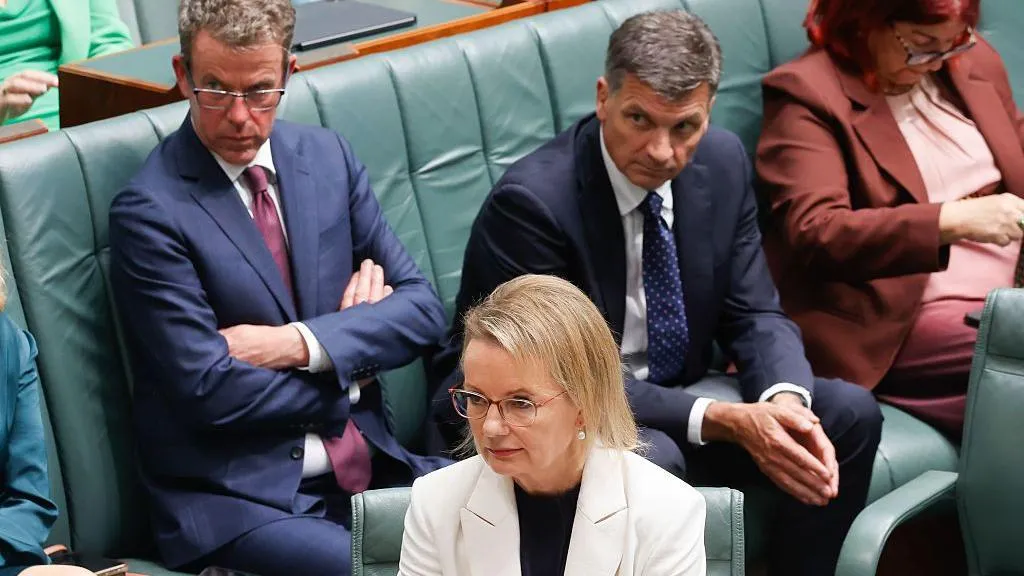
Liberal Party Removes Australia’s First Female Leader
-
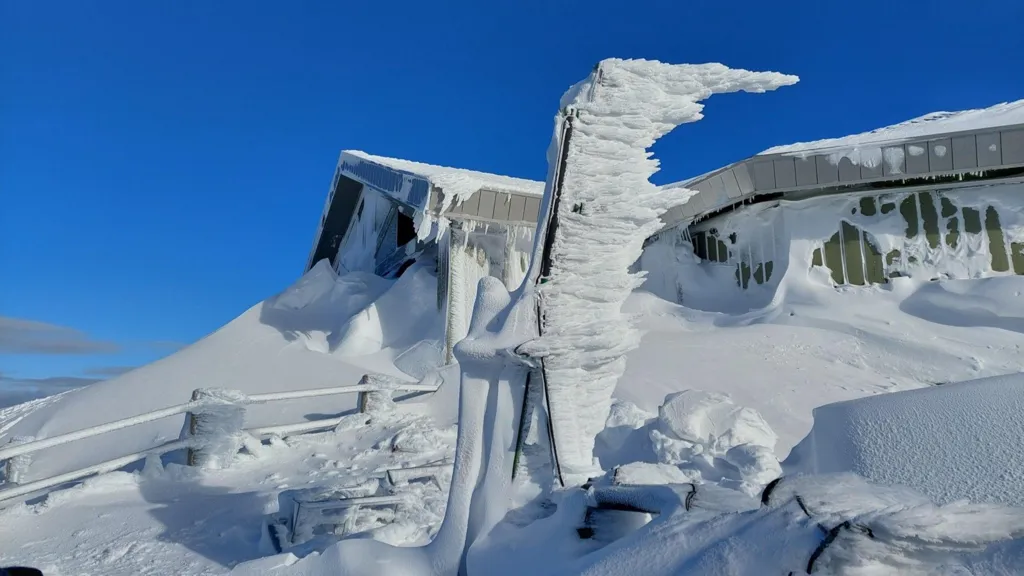 News7 hours ago
UK Braces for Cold Snap with Snow and Ice Alerts Expected
-
 News4 hours ago
Husband’s alleged £600k theft for sex and antiques blamed on drug side effects
-
 Business10 hours ago
BBC Reporter Exposed to Cyber Attack Due to Vulnerabilities in AI Coding Tool
-
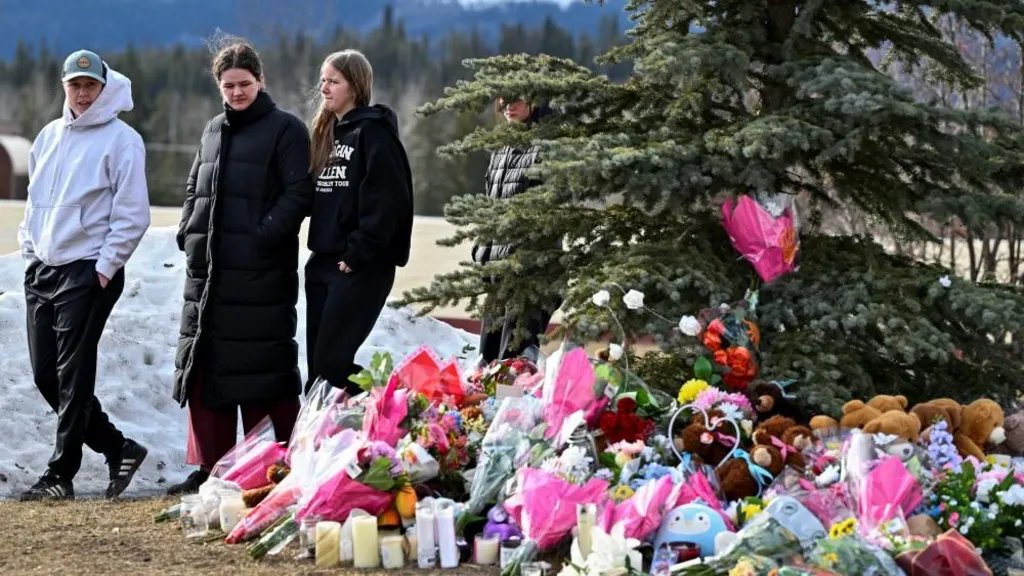 News7 hours ago
Canadian Town Unites in Mourning After Mass Shooting Leaves Community Reeling
-
 News2 days ago
Sunbed ads spreading harmful misinformation to young people