
Business
Decline of Dining Out Trend Raises Concerns
According to the restaurant industry, it is currently dealing with a dual challenge: increasing expenses and a decrease in consumer spending power.
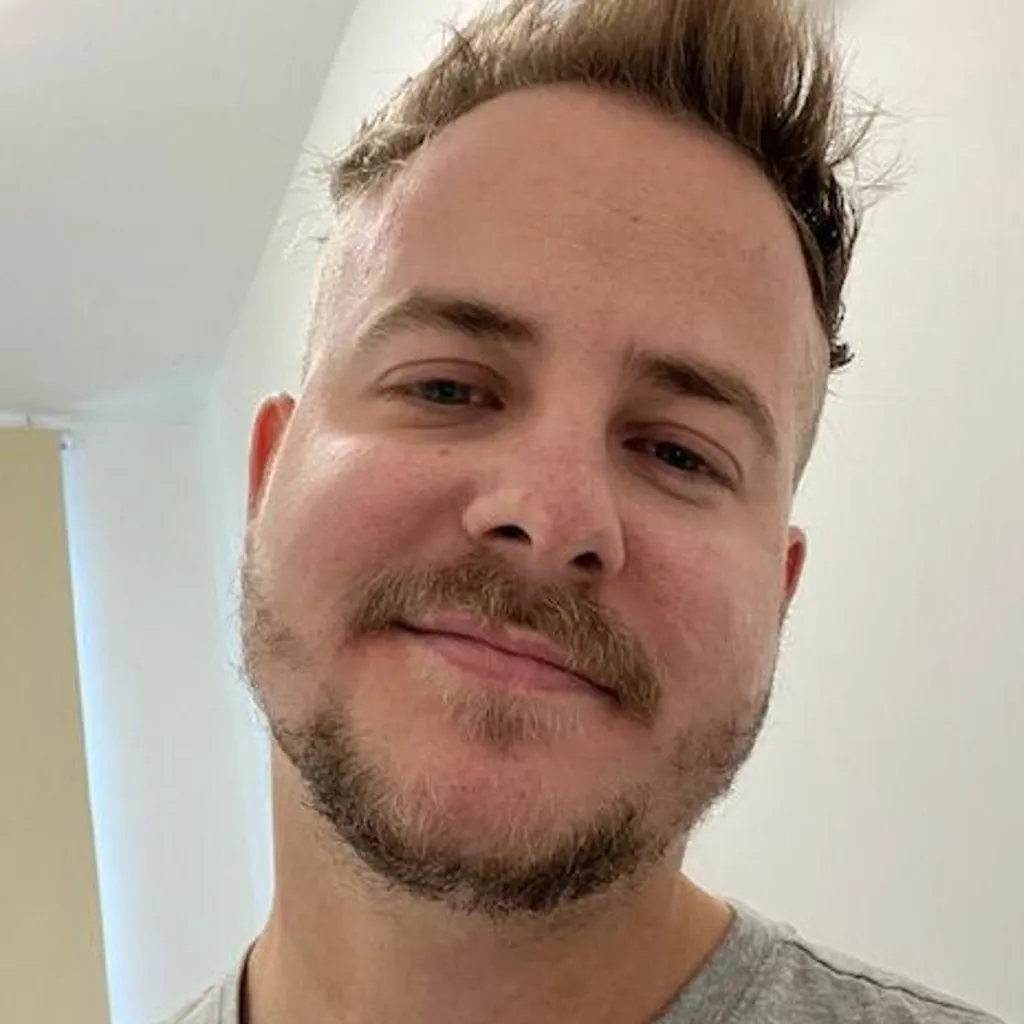
James Deegan's go-to order at his favorite restaurant, the grilled chicken burger, has lost its appeal due to a significant price hike.

The price increase from £12 to £18, plus the cost of a drink, has made dining out a costly affair for James.
This substantial price jump has led to James reducing his restaurant visits to just a couple of times a month, as he can no longer afford to dine out as frequently as he used to.
As a 27-year-old carer for autistic individuals, James must closely monitor his expenses to cover all his outgoings, limiting his social activities in the process.
James emphasizes the need to budget for small pleasures, which he once took for granted, in order to make ends meet.
The UK's cost of living crisis has been well-documented, with James having relied on a food bank in the past when his finances were strained, and one of its effects is a decrease in people's disposable income.
This reduction in disposable income means people have less money to spend on social activities, such as vacations, drinks at the pub, or eating out at restaurants.
The hospitality industry is facing a significant challenge due to decreased consumer spending and rising business costs, including taxes, food, wages, and energy expenses.
Many restaurants have increased their prices to remain operational, but some have still been forced to close down.
According to the Hospitality Market Monitor, the number of restaurants in the UK decreased by nearly a fifth between December 2019 and December 2025, from 43,000 to 35,500.
A YouGov report found that people in Britain are dining out less frequently, with the majority citing price increases and the rising cost of living as the primary reasons.
The report, published in October, surveyed 2,000 respondents, with 38% stating they were eating out less often than the previous year.
Of those who reported eating out less, 63% attributed it to price increases, while 62% cited the increased cost of living.
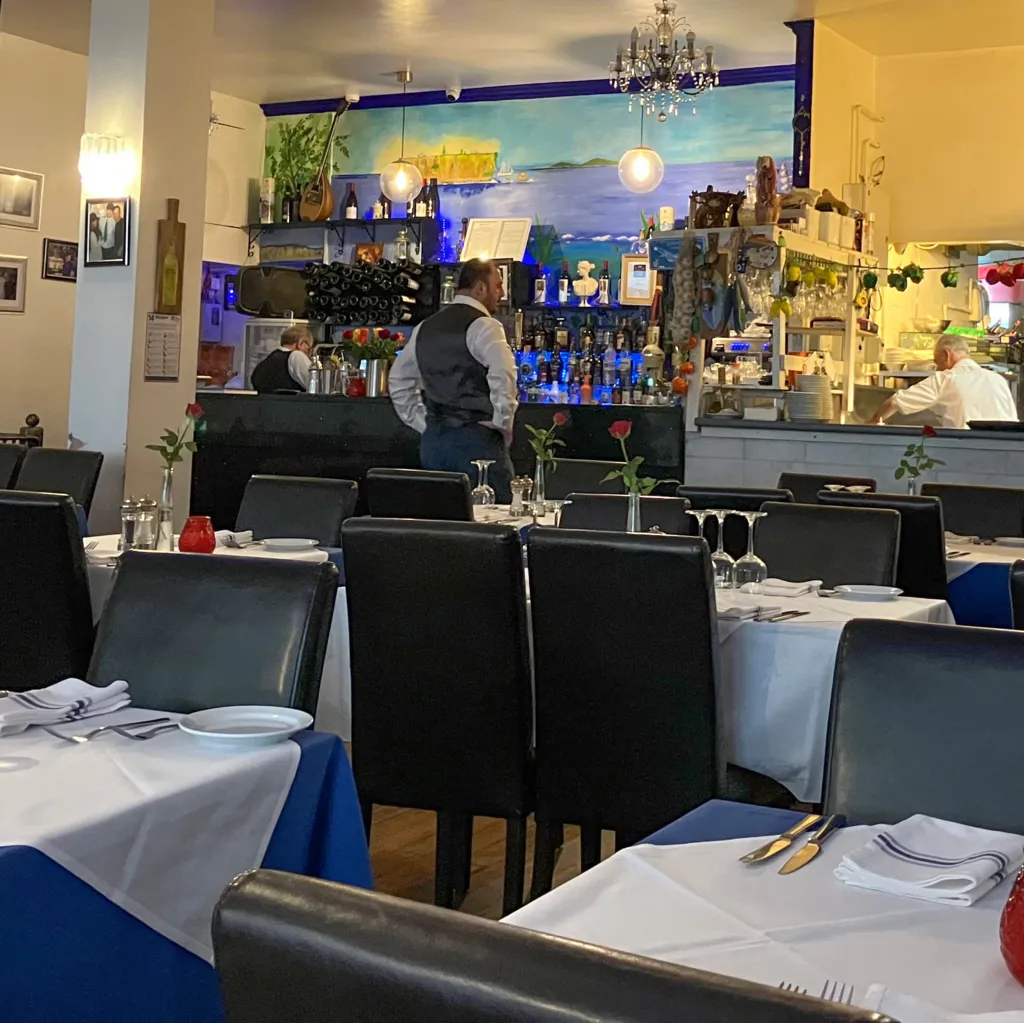
Petrit Velaj, a 30-year veteran of the restaurant industry, opened his own Greek restaurant, Rozafa, in central Manchester in 2010.
Rozafa has received awards for its cuisine and has hosted famous diners, including Priscilla Presley and Boris Johnson.
Petrit, who hails from Corfu, enjoys sharing traditional Greek culture and music with his customers, in addition to serving authentic Greek dishes.
However, he is uncertain about the restaurant's future prospects.
Petrit expressed his passion for cooking and providing excellent service, stating that it brings him joy to see customers happy.
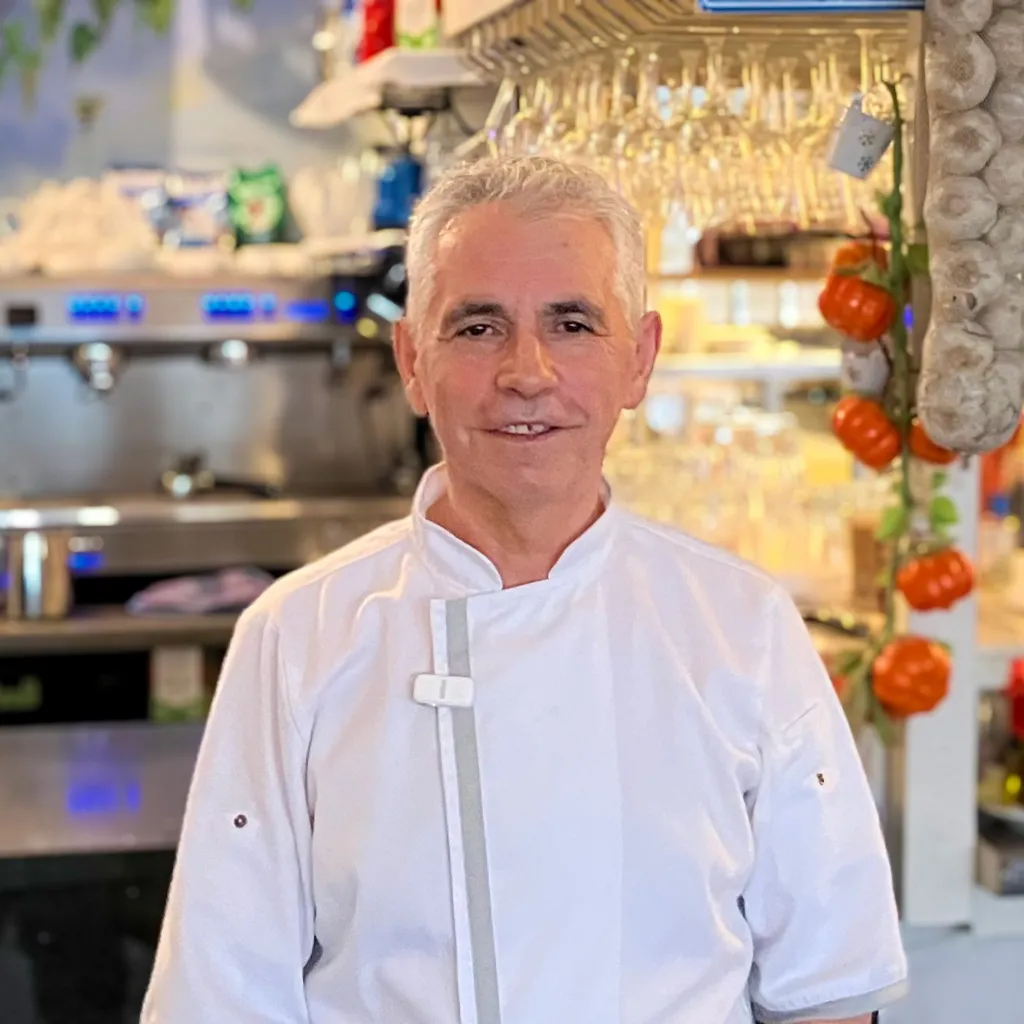
He explained that for every £100 the restaurant earns, approximately £55 goes towards paying various taxes, leaving £45 to cover other expenses.
These expenses, including gas, electricity, water, rent, food, and wages, have increased over the years, making it challenging for the restaurant to operate.
As the owner of two restaurants, including one in Stockport, Petrit is responsible for 18 employees, some of whom have been with him for 20 years.
He is aware of the financial burdens his staff face and sometimes forgoes his own salary to ensure they are paid.
Fortunately, Petrit's children are now financially independent, alleviating some of his concerns.
He believes that running a restaurant has become increasingly difficult since he started in the industry.
Petrit, like many chefs, is critical of National Insurance rises and increasing business rates, as well as local issues such as limited parking and unclean streets, which deter customers.
Celebrity chef Gordon Ramsay shares Petrit's concerns about tax, warning that restaurants are "facing a bloodbath" and advocating for more cautious implementation of business rate increases.
Shortly after Ramsay's comments, the government announced a support package for pubs, but not restaurants.
Chancellor Rachel Reeves expressed particular concern about the impact of business rates on pubs compared to other high street businesses.
Petrit fears the potential closure of Rozafa, not only for himself and his staff but also for the local community it serves.
Several well-known restaurants in Manchester city centre, including TNQ Restaurant & Bar, have closed down in the past year.
Petrit believes that restaurants play a vital role in society, providing a space for people to come together and experience different cultures.
Kate Nicholls, chairwoman of the UK Hospitality trade body, agrees that restaurants are essential to the cultural and economic well-being of British towns and cities.
Nicholls emphasizes the importance of restaurants in creating jobs and attracting people to high streets, which in turn benefits other local businesses.
She stresses that restaurants are valuable assets that must be supported to prevent their loss.

Nicholls warns that if restaurants are not utilized, they will be lost, highlighting the need for community support.
Even individuals with above-average disposable incomes are feeling the effects of the higher cost of living, leading to changes in their dining habits.
Vicki Broadbent, a children's author and parenting blogger, comes from a family of restaurateurs and values the importance of restaurants in bringing people together.
Vicki and her husband, who live in Harrogate with their three children, typically dine out once a week, which they consider a privilege.
For Vicki, dining out is not only about enjoying good food but also about spending quality time with her family and reconnecting after a busy schedule.
However, as a higher rate taxpayer, Vicki and her husband are also feeling the financial strain and have adapted their restaurant habits accordingly.
Vicki notes that she and her family have stopped ordering starters due to their high cost, with prices ranging from £7-9 per dish, which could be better spent on a more substantial main course.
The expense of dining out is further compounded by Vicki's two teenage boys, who have outgrown the children's menu and now require more substantial portions, driving up the overall cost of their meals.
To keep costs in check, Vicki and her husband typically opt for soft drinks and water instead of alcoholic beverages, reserving the latter for special occasions such as birthdays or anniversaries.

In an effort to save money, the Broadbents sometimes choose to order takeaways instead of eating out, although Vicki observes that portion sizes have decreased over time, making it challenging to find good value.
Vicki remarks that the value of takeaways is often short-lived, as her teenagers tend to feel hungry again just a few hours later, leading her to question the worth of spending £100 on a meal that does not provide long-lasting satisfaction.
When selecting a restaurant, Vicki is often swayed by establishments that offer discounts, a strategy that Sarika Rana, head of consumer research at YouGov, says is common among many diners.
According to YouGov's October report, the rising cost of living is significantly influencing people's dining habits, with many still valuing the experience of eating out but being forced to make adjustments due to financial constraints.
The report found that half of the surveyed diners had altered their behavior to save money, with strategies including choosing less expensive restaurants and reducing the number of dishes ordered, while 46% of respondents said they forego desserts altogether.
In Crewe, James is being mindful of his expenses, recognizing that careful budgeting is necessary to enjoy a meal with friends or family without breaking the bank.
For James, eating out serves as a vital way to unwind and recharge after periods of intense care work, but he wishes that indulging in such small pleasures did not require so much financial planning and effort.
James expresses frustration at the difficulty of affording modest luxuries like dining out, describing the situation as "crazy" and "ridiculous".
Business
Heathrow Chief Cites Pedestrian Navigation Issues Despite Low Crowding
According to chief executive Thomas Woldbye, Europeans and Brits often collide due to their differing walking habits, with each group favoring a different side.
According to Heathrow Airport's boss, the perceived crowding at Terminal 5 can be attributed to pedestrians walking in areas that contribute to congestion, rather than an actual excess of people.
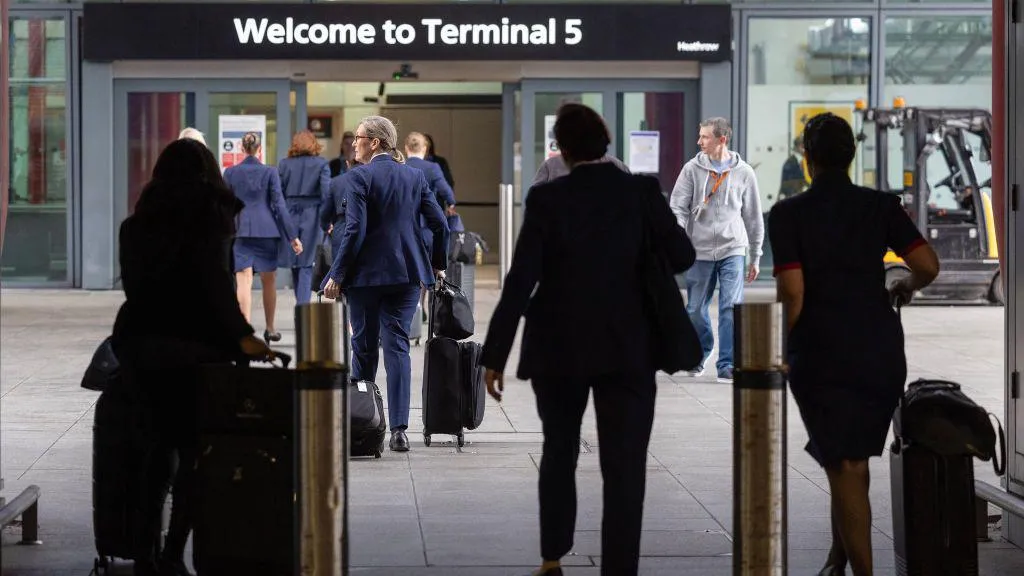
At an industry event, Thomas Woldbye noted that the tendency of British passengers to keep to the left and European passengers to keep to the right can create the illusion of overcrowding in the terminal.
Woldbye shared his personal observation that this phenomenon occurs in both directions, resulting in collisions between people and contributing to the perception of overcrowding.
As the UK's busiest airport, Heathrow's proposal to construct a third runway has been met with resistance from climate campaigners and local residents, despite receiving government backing.
During the Aviation Club UK event, Woldbye expressed uncertainty about the project's future, stating that he was "not sure of anything" despite government support for the expansion.
Woldbye outlined the airport's plans, stating that they have a clear understanding of the project's scope and design.
However, he emphasized the need for modernized airspace and a long-term regulatory framework to establish a viable business case.
Woldbye highlighted the lack of clear regulations as a significant obstacle, making it challenging to move forward with the project.
He stressed that several key tasks must be completed this year to facilitate the commencement of construction.
With 84 million passengers passing through Heathrow annually, the airport believes that a third runway could increase this number to 150 million.
The government has argued that the expansion is necessary for economic growth, although some economists have disputed this claim.
Others have voiced opposition to the expansion due to environmental concerns and the potential disruption to local residents.
Woldbye suggested that the airport could implement "soft skills" to manage increased passenger traffic, such as improving pedestrian flow by separating travelers moving in different directions.
He proposed that by adjusting the flow of pedestrians, the airport could reduce congestion and improve the overall travel experience.
Woldbye acknowledged that this solution might be oversimplified but emphasized the importance of creative problem-solving in addressing the airport's challenges.
The airport measures both crowding and passengers' perceptions of crowding, with Terminal 3 receiving the highest score and Terminal 5 ranking among the lowest, despite having more space.
Woldbye attributed Terminal 3's success to the removal of seating, telephone boxes, and other obstacles, which has resulted in a less crowded atmosphere.
He observed that by reducing clutter and improving visibility, passengers feel more at ease and can navigate the terminal more efficiently.
Business
Ring Drops Partnership With Surveillance Company Amid Criticism
A commercial aired during the Super Bowl has drawn fresh attention to the smart doorbell company’s handling of user privacy.
Amazon's Ring, a smart doorbell company, has ended its partnership with Flock Safety, a firm that provides surveillance services, following criticism over its handling of user privacy.

In October, Ring and Flock Safety announced a deal that would have enabled law enforcement agencies to access video footage from Ring devices, with customer consent, for investigative purposes.
The proposed agreement would have allowed agencies partnered with Flock to retrieve relevant video recordings from Ring devices, provided customers had given their permission.
The decision to cancel the partnership came shortly after a Ring advertisement aired during the Super Bowl, sparking widespread criticism for its perceived invasiveness.
According to Ring, the partnership with Flock would have required significantly more time and resources than initially anticipated, leading to the decision to terminate the agreement.
Ring also stated that the integration of its cameras with Flock's systems never took place, and as a result, no customer videos were shared with Flock Safety.
A Flock Safety spokesperson described the cancellation of the partnership as a mutual decision, stating that it would allow both companies to better serve their customers and communities.
Flock Safety released a statement saying, "We believe this decision allows both companies to best serve their respective customers and communities," following the cancellation of the partnership.
Ring, acquired by Amazon in 2018, has previously faced concerns regarding its privacy policies, particularly with regards to its collaboration with law enforcement agencies and its handling of user data.
A recent Ring advertisement, which showcased the company's Search Party feature, drew new criticism and sparked concerns about surveillance and privacy.
The advertisement, which depicted a neighborhood using Ring devices to locate a lost dog, was widely criticized for promoting a form of community surveillance.
Senator Ed Markey, a Democrat from Massachusetts, responded to the advertisement by calling on Amazon to discontinue its monitoring features, citing concerns about the potential for a "surveillance state."
The Electronic Frontier Foundation, a non-profit organization that advocates for internet rights, criticized the advertisement, saying it used a relatable scenario to promote a feature that could potentially enable widespread surveillance and tracking.
The advertisement was also mocked on social media, with rival company Wyze releasing a satirical video that poked fun at Ring's Search Party feature.
In the video, Wyze co-founder Dave Crosby jokingly suggests that the technology could be used to track anyone, but claims it is only used for finding lost dogs, highlighting the potential risks and concerns surrounding the feature.
Both Ring and Flock Safety have faced public scrutiny over their handling of user privacy and their collaborations with law enforcement agencies.
Flock Safety, founded in 2017, has experienced rapid growth, with its cameras and license plate readers currently active in over 5,000 US cities, primarily through contracts with police agencies.
The company's plans to partner with Ring were announced amidst controversy, with Senator Ron Wyden accusing Flock of not doing enough to prevent the misuse of its cameras, particularly in relation to immigration and abortion laws.
Flock Safety has disputed these allegations, denying any wrongdoing.
Ring also collaborates with law enforcement agencies, receiving thousands of requests for footage from customer cameras each year, and complying with these requests when legally required.
Business
Andrew Accused of Leaking Treasury Document to Banker
Allegations have surfaced that a sensitive Treasury document was shared by the ex-royal during his tenure as a trade envoy.
New allegations have surfaced against Andrew Mountbatten-Windsor, suggesting he shared confidential government information with a personal business associate, sparking further scrutiny of his actions during his time as a trade envoy.
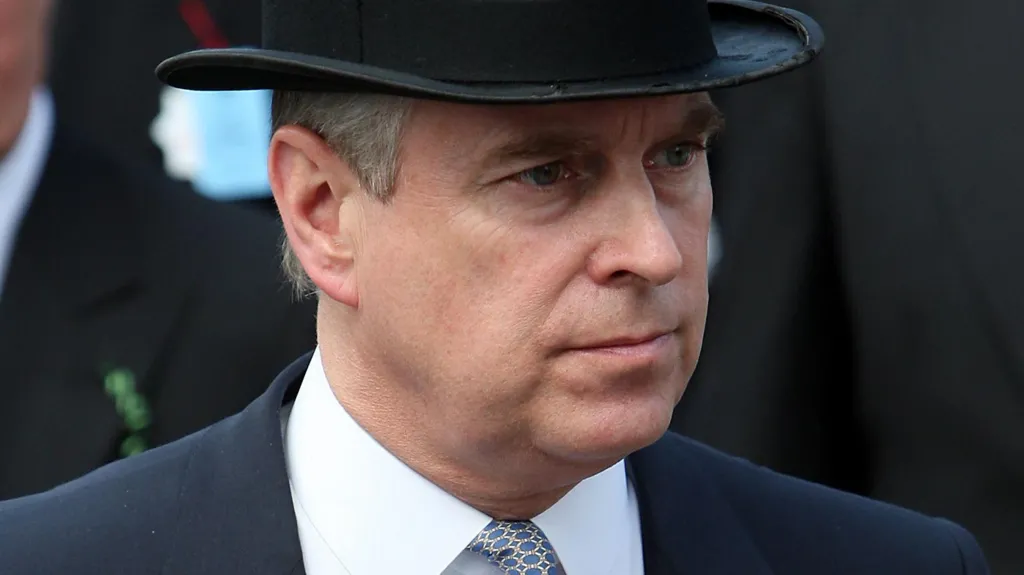
According to emails obtained by the Telegraph, in 2010, Prince Andrew requested information from Treasury officials regarding Iceland's banking issues, which was then shared with his business contact, Jonathan Rowland.
The briefing, which included details on the UK's position on deposits and guarantee schemes in Iceland, was forwarded to Rowland, whose father, David, had taken over a portion of a struggling Icelandic bank.
This development has increased pressure on the former prince, who is already facing accusations of misusing his public position to share official information with private associates during his tenure as the UK's trade envoy.
In response to the allegations, Jonathan Rowland stated that he was unaware of the emails' reference to him and claimed the quoted emails were from an old legal proceeding.
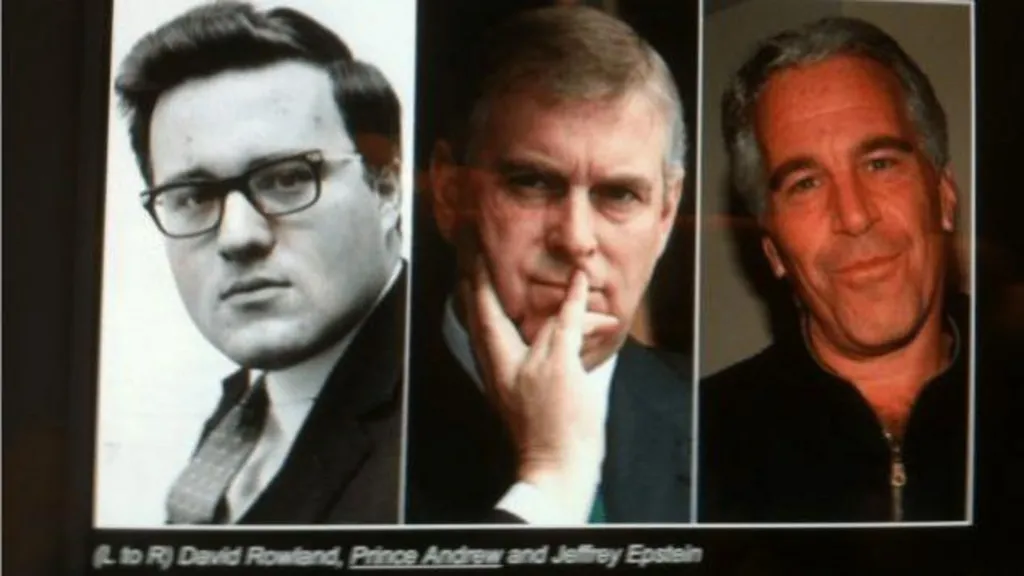
The Cabinet Office has declined to comment on the matter but has not disputed the authenticity of the emails in question.
A Cabinet Office spokesperson referred to the current stance of Thames Valley Police, which is assessing whether to launch an investigation into potential misconduct in public office.
This latest revelation follows previous emails from the Epstein files, which suggested that Mountbatten-Windsor had shared official documents, including reports from overseas trade trips and a briefing on investment in Afghanistan, with Jeffrey Epstein.
The Treasury briefing requested by Mountbatten-Windsor, through his adviser, pertained to the UK's position on deposits and guarantee schemes in Iceland, as outlined in emails published by the Telegraph.
At the time, Iceland's banking sector was facing significant challenges, having nationalized three major banks after the 2008 financial crisis.
In 2010, a dispute arose between Iceland and the UK regarding Iceland's potential contribution to compensating UK depositors who had lost money in the failed Icelandic banks.
Shortly after receiving the briefing from the Treasury, Mountbatten-Windsor forwarded the information to Jonathan Rowland.
The former prince accompanied the briefing with a message, asking Rowland for his opinion and potential solutions, stating, "I pass this on to you for comment and a suggestion or solution?"
The message also included a note from Mountbatten-Windsor, saying, "The essence is that Amanda is getting signals that we should allow the democratic process [to] happen before you make your move. Interested in your opinion? A."
David Rowland, Jonathan's father, had acquired the Luxembourg operations of Kaupthing, a major Icelandic bank, which was later rebranded as Banque Havilland.
Jonathan Rowland served as the chief executive of Banque Havilland until his departure in 2013.
The Epstein files reveal a close relationship between Andrew and David Rowland, with the former prince referring to Rowland as his "trusted money man".

It appears that Mountbatten-Windsor was promoting Rowland's business ventures to Epstein.
In an email to Epstein, Mountbatten-Windsor wrote, "He is actively seeking high net worth individuals for his Private Bank. Perhaps this is an avenue for your undecided Chinese?" in reference to Rowland's Banque Havilland.
Epstein responded, expressing interest in learning more about the bank, saying, "His bank just might be the place.. I guess i should learn more."
The emails released by the US Department of Justice also suggest that Rowland's bank had provided loans to Sarah Ferguson, Mountbatten-Windsor's ex-wife, who was facing debt issues at the time.
Banque Havilland has faced regulatory issues in the UK and Europe, resulting in the loss of its banking license in 2024, a decision the bank is currently appealing.
The Rowlands, Jonathan and David, appeared to have a close relationship with Mountbatten-Windsor, often accompanying him on official trade trips to countries such as China and former Soviet states.
Mountbatten-Windsor had attended the opening of Banque Havilland, and David Rowland had been a guest at the former prince's birthday party and his daughter Princess Eugenie's wedding.
Jonathan Rowland denied to the BBC that he or his father had ever met or had contact with Jeffrey Epstein.
While Jonathan Rowland did not deny that he, his father, or Banque Havilland might have provided financial assistance to Mountbatten-Windsor or Ferguson, he denied that any such assistance was given in exchange for access to contacts.
There is no indication of any wrongdoing on the part of Jonathan and David Rowland.
Andrew Mountbatten-Windsor has been contacted regarding the allegations and has strongly denied any wrongdoing in his association with Jeffrey Epstein.
For the latest news and analysis on the royal family, sign up for our Royal Watch newsletter, available to subscribers worldwide.

-
 News24 hours ago
Australian Politics Faces Questions Over Gender Equality Amid Sussan Ley’s Appointment
-
 News21 hours ago
Farage Says Reform to Replace Traditional Tory Party
-
 News21 hours ago
Wrexham Pair Seek Win Against Former Team Ipswich
-
 News1 day ago
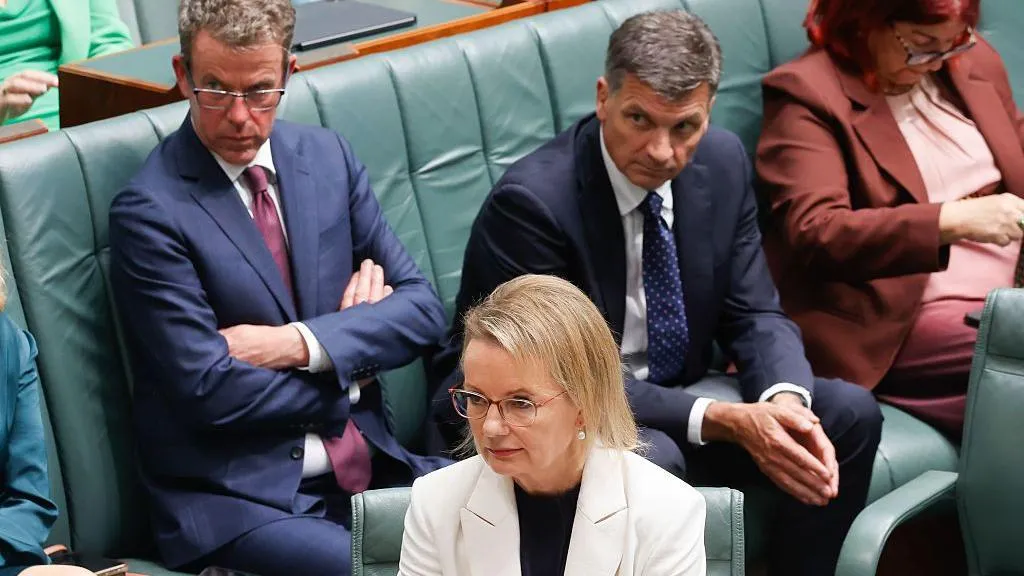
Liberal Party Removes Australia’s First Female Leader
-
 News1 day ago
UK Braces for Cold Snap with Snow and Ice Alerts Expected
-
 News21 hours ago
Husband’s alleged £600k theft for sex and antiques blamed on drug side effects
-
 News3 days ago
Sunbed ads spreading harmful misinformation to young people
-
 Business1 day ago
BBC Reporter Exposed to Cyber Attack Due to Vulnerabilities in AI Coding Tool