
Asia
Japanese stocks soar after Takaichi’s historic election win
In Sunday’s election, the Liberal Democratic Party, led by Prime Minister Sanae Takaichi, won 316 seats out of a total of 465.
The Japanese stock market experienced a significant upswing on Monday, with shares reaching an all-time high following the Liberal Democratic Party's (LDP) historic win in the recent election, led by Prime Minister Sanae Takaichi.
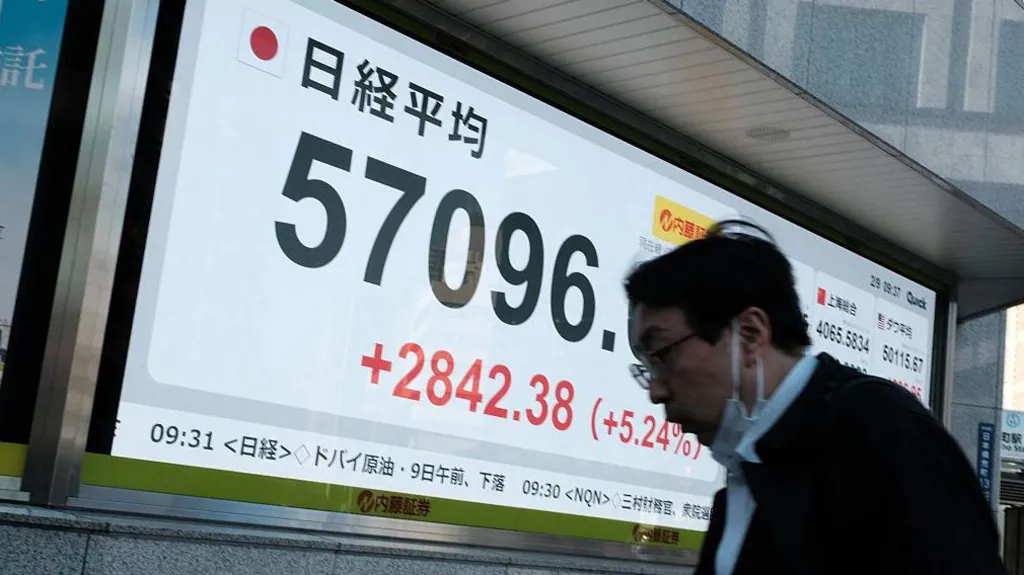
In Sunday's election, the LDP achieved a notable milestone by securing 316 out of 465 seats, marking the first instance since 1947 that a single party has attained a two-thirds majority in the lower house of Japan's parliament.
The LDP's coalition partner, the Japan Innovation Party, also performed well, winning an additional 36 seats, which brought the combined total of the coalition to 352 seats.
Prime Minister Sanae Takaichi's decision to hold elections has yielded a decisive victory, granting her a strong mandate to address Japan's economic challenges, including stagnant growth and rising living costs.
On Monday, the Nikkei 225 index saw a substantial increase of over 5% in early trading, momentarily surpassing the 57,000 threshold for the first time, before closing at a record high of 56,363.94, representing a 3.9% gain.
The LDP's victory is expected to give Takaichi the momentum she needs to implement her business-friendly agenda, potentially minimizing the need for protracted negotiations with opposition parties.
In a statement to the press on Sunday, Takaichi outlined her plans for a fiscal policy that balances prudence with bold action, while also confirming that she intends to maintain the current Cabinet configuration, which has been in place since late October.
Having become Japan's first female prime minister in October, Takaichi's decision to call a snap election just a few months into her term has proven to be a strategic success, setting her apart from her predecessors who faced significant challenges, including parliamentary setbacks, corruption allegations, and rising expenses.
According to market observers, Takaichi's economic initiatives have the potential to stimulate growth in Japan's economy.
Investment analyst Yuka Marosek noted in an interview with the BBC that the election results, combined with anticipated measures such as economic stimulus, tax adjustments, and deregulation, could provide further impetus to the existing upward market trend.
According to Chris Scicluna, head of research at Daiwa Capital Markets Europe, Takaichi has enjoyed long-standing support from Japanese stock investors.
Scicluna explained to the BBC's Today programme that Japanese investors are optimistic about the potential benefits of Takaichi's policies, including her plans to abandon austerity measures, increase investments to stimulate growth, and provide targeted support to key sectors such as defence and artificial intelligence.
In contrast, Scicluna noted that investors in Japanese government bonds and the yen have adopted a more cautious stance towards Takaichi's proposals.
He stated that these investors are seeking clarification on how Takaichi intends to fund her initiatives, given the significant level of Japanese government debt.
Japan's historical experience of low inflation has made the country particularly vulnerable to the impact of rising living costs in recent years.
According to voters interviewed by the BBC at polling stations, concerns about rising grocery and rent costs were a major issue in this election.
Japan's economy is facing additional strain due to its ageing population, resulting in a decreasing workforce and escalating social care expenses.
Takaichi's economic plan involves tax cuts and increased spending to stimulate Japan's economy, but the source of the funding remains uncertain, given the country's substantial government debt, prompting critics to warn about potential economic instability.
On Sunday, as the LDP's victory became apparent, Takaichi stated, as reported by Kyodo, that her party has a significant responsibility to fulfill its campaign promises in a consistent manner.
Under the leadership of Takaichi's predecessor, Shigeru Ishiba, the LDP had previously lost its parliamentary majority, but Takaichi relied on her personal popularity to revive the party's fortunes.
Takaichi has managed to garner significant backing from the Liberal Democratic Party's conservative faction by revisiting and reinvigorating previously dormant objectives, such as amending Japan's constitution to move away from pacifism, and placing a strong emphasis on upholding traditional values.
Moreover, she has successfully resonated with a younger demographic in a manner that has not been observed before, with certain personal accessories, including her handbags and pens, becoming unexpected cultural phenomena.
Following her election victory, Takaichi received congratulations from US President Donald Trump, who took to Truth Social to express his sentiments, stating that it was an "honor" to have endorsed her prior to the election.
In a statement, Trump expressed his admiration for the Japanese electorate, saying, "The wonderful people of Japan, who turned out to vote with such enthusiasm, will always have my strong support."
In October of the previous year, just a week into Takaichi's tenure, the city of Tokyo hosted a high-profile visit from Trump, marking her inaugural foray into diplomacy; the event featured a notable display of camaraderie, with Trump praising Takaichi in front of a large audience of US military personnel.
A trip to Washington is scheduled for Takaichi in March, where a second meeting with Trump is set to take place.
This report was supplemented by contributions from Peter Hoskins and Adam Hancock.

Asia
Emergency call recording reveals boy’s heroic swim to save family
A 13-year-old boy, Austin Appelbee, took action to secure assistance for his mother and siblings when they were pulled out into the ocean.
An audio recording has been made public by authorities, capturing a distress call made by a 13-year-old Australian boy who swam for an extended period to seek assistance for his family after they were caught in a strong current at sea in early February.
During the call, the boy, identified as Austin Appelbee, informs emergency services that his brother, Beau, 12, sister, Grace, eight, and their mother remain in the water, awaiting rescue.
Austin expresses concern for his family's well-being, stating that he is unsure of their current condition, which is causing him significant distress.
The teenager also reports feeling severely exhausted, a result of his prolonged and physically demanding effort to reach shore and call for help.
Following the call, Austin lost consciousness and was hospitalized, where he later received news that his mother, brother, and sister had been rescued approximately 14 kilometers offshore and were in good health.
Asia
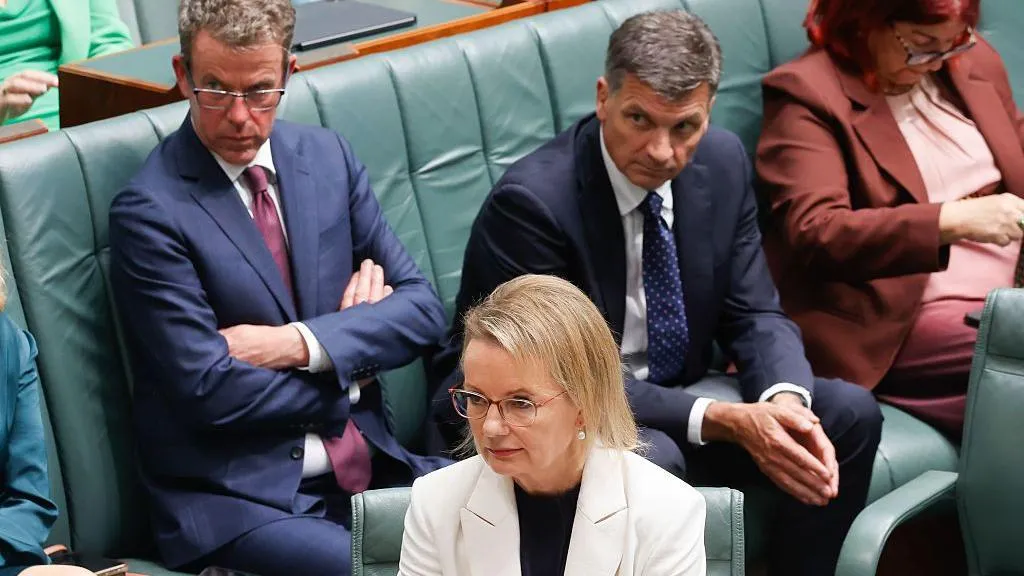
Australian opposition leader faces pressure after key staff member quits
The departure of a high-ranking colleague has created an opportunity for a potential challenge to Sussan Ley, who holds the distinction of being the first female leader of the Liberal party.
Sussan Ley, the first female leader of the Liberal Party, is facing renewed scrutiny following the departure of Angus Taylor, her shadow defence minister, from the party's leadership team.
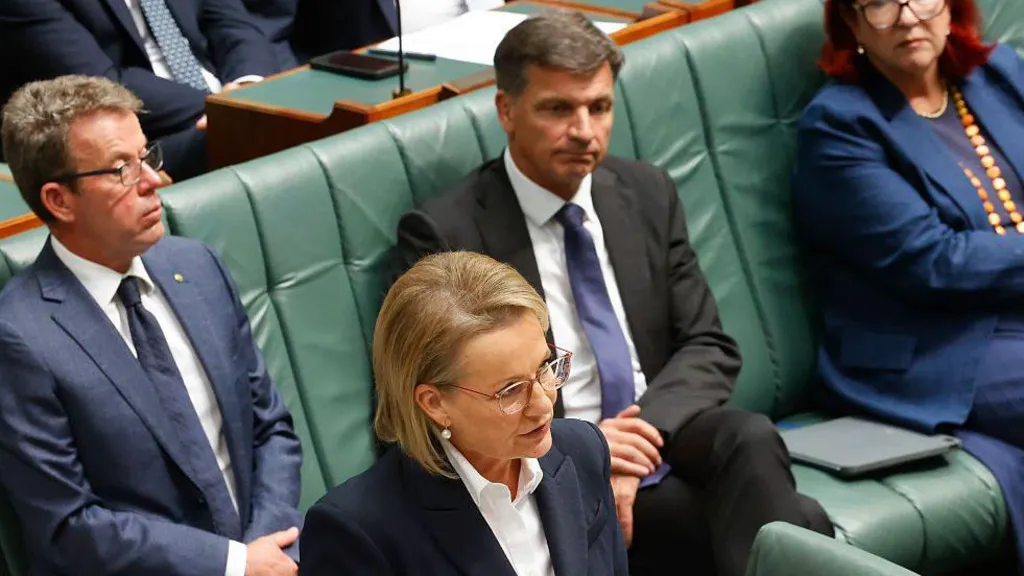
Taylor's resignation is expected to pave the way for a potential challenge to Ley's leadership, with local media outlets suggesting he has been quietly working to unseat her for some time.
Ley's tenure has been marked by struggles, including a narrow victory over Taylor in a leadership contest last year, which was held in the aftermath of the party's worst-ever electoral performance.
The Liberal-National coalition, a partnership that dates back to the 1940s, has experienced significant instability under Ley's leadership, having split and reunited twice during her tenure.
On Wednesday, Taylor, a member of the party's conservative faction, announced his resignation from the leadership team, citing his commitment to continuing to serve the Liberal Party.
In a statement to reporters, Taylor expressed his disappointment with the party's inability to hold the current Labor government accountable, emphasizing the need to protect Australians' way of life and restore their standard of living.
Taylor stated that he does not believe Ley is capable of leading the party effectively, citing the need for a change in leadership.
It remains to be seen whether Taylor's allies within the shadow cabinet will follow his lead and resign from their positions.
Local media reports suggest that Taylor's supporters are planning to request a special party meeting to consider a spill motion, which would allow the party to reconsider its leadership.
If Taylor were to succeed in his bid for leadership, it would bring an end to the ongoing speculation surrounding Ley's tenure, which has been marred by uncertainty.
The coalition's most recent split, which occurred in January, was followed by a reunification just days ago, after a dispute over hate speech laws, which Ley had supported in the wake of the Bondi Beach attack in December.
At the time of the initial split, Nationals leader David Littleproud explicitly stated that his party could not continue to serve in a shadow cabinet under Ley's leadership.
Recent polling data has shown the One Nation party, which secured 6% of the national vote in the previous election, surpassing the Coalition to take second place behind Labor, while Ley's personal approval ratings remain low.
The coalition has yet to reach a consensus on the factors that contributed to its decisive election loss to Labor, which saw the Liberals suffer significant losses in major cities.
In the aftermath of the election, the coalition briefly split over disagreements on climate and energy policy, including its commitment to achieving net-zero emissions by 2050, a policy that the Liberals later abandoned under pressure from the Nationals and their own right-wing faction.
The Nationals, which have a strong presence in rural areas and tend to lean more conservative than the Liberals, have been pushed further to the right in response to the surge in support for the One Nation party, according to political analysts, who note that this shift may hinder the Liberals' ability to appeal to centrist voters in urban areas.
Asia
India sets 3-hour deadline for social media firms to remove illegal content
Concerns have been raised that the regulations may pose a difficulty for tech companies in terms of compliance and potentially lead to increased censorship.
In a significant update to its existing regulations, India has implemented new rules requiring social media companies to delete unlawful content within a three-hour window after being notified, a substantial reduction from the previous 36-hour timeframe.

These revised guidelines, set to come into effect on February 20, will apply to prominent platforms such as Meta, YouTube, and X, as well as content generated using artificial intelligence.
The government has not provided a specific reason for shortening the deadline for removing objectionable content.
Critics, however, are concerned that this move may be part of a broader effort to increase oversight of online content, potentially leading to censorship in a country with over a billion internet users, which is the world's largest democracy.
In the past, Indian authorities have utilized existing Information Technology rules to direct social media platforms to remove content deemed illegal under laws related to national security and public order, granting them broad authority over online content.
According to transparency reports, Indian authorities requested the removal of more than 28,000 URLs or web links in 2024, which were subsequently blocked.
The BBC has sought comment from the Ministry of Electronics and Information Technology regarding the latest amendments, while Meta has declined to comment; the BBC has also reached out to X and Google, the owner of YouTube, for their response.
The updated regulations also introduce new guidelines for AI-generated content, marking a significant development in the country's approach to regulating online material.
For the first time, Indian law defines AI-generated content, including audio and video that has been created or altered to appear realistic, such as deepfakes, while excluding ordinary editing, accessibility features, and genuine educational or design work.
Platforms that allow users to create or share AI-generated content must clearly label it, and where possible, add permanent markers to facilitate tracing its origin.
Once labels are added to AI-generated content, companies will not be permitted to remove them; furthermore, they must utilize automated tools to detect and prevent the dissemination of illegal AI content, including deceptive or non-consensual material.
Technology experts and digital rights groups have expressed concerns regarding the feasibility and implications of the new regulations.
The Internet Freedom Foundation has stated that the shortened timeline will effectively transform platforms into "rapid fire censors," highlighting the potential risks associated with the updated rules.
The group has argued that the extremely short deadlines will eliminate the possibility of meaningful human review, forcing platforms to rely on automated removals, which may lead to over-removal of content.
Anushka Jain, a research associate at the Digital Futures Lab, has welcomed the requirement for labeling AI-generated content, suggesting that it could enhance transparency; however, she has also cautioned that the three-hour deadline may push companies towards complete automation.
Jain has noted that companies are already struggling to comply with the 36-hour deadline due to the need for human oversight, and that a fully automated process may result in the censorship of legitimate content.
Prasanto K Roy, a Delhi-based technology analyst, has described the new regulations as "perhaps the most extreme takedown regime in any democracy," highlighting the challenges associated with compliance.
Roy has stated that meeting the new requirements will be "nearly impossible" without extensive automation and minimal human oversight, as the tight deadline leaves little room for assessing the legitimacy of removal requests.
Regarding the labeling of AI-generated content, Roy has acknowledged the positive intention behind the regulation but has also noted that reliable and tamper-proof labeling technologies are still in development.
The BBC has requested a response from the Indian government regarding the concerns raised by technology experts and digital rights groups.
-
 News7 hours ago
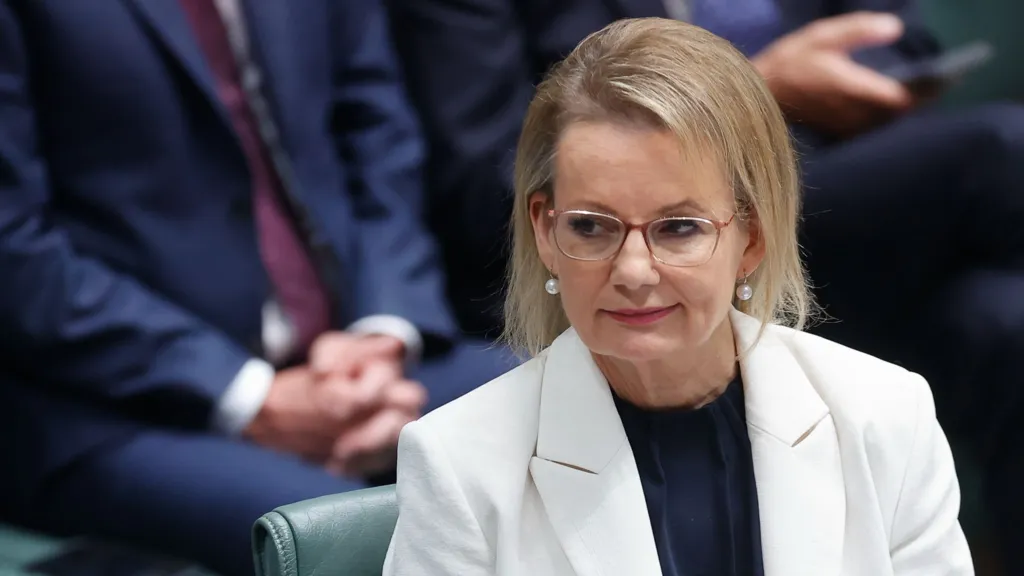
Australian Politics Faces Questions Over Gender Equality Amid Sussan Ley’s Appointment
-
 News4 hours ago
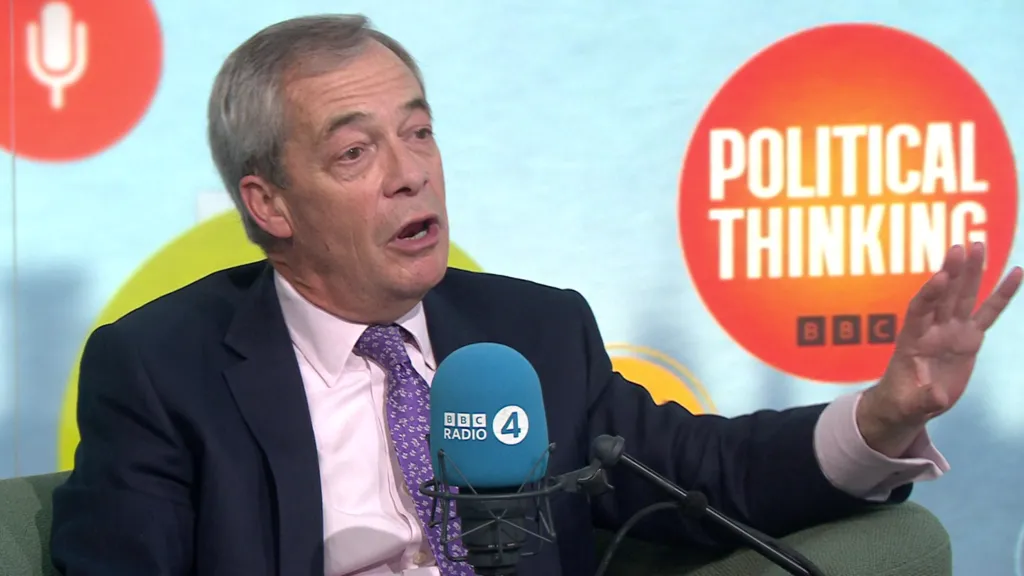
Farage Says Reform to Replace Traditional Tory Party
-
 News4 hours ago
Wrexham Pair Seek Win Against Former Team Ipswich
-
 News9 hours ago
Liberal Party Removes Australia’s First Female Leader
-
 News7 hours ago
UK Braces for Cold Snap with Snow and Ice Alerts Expected
-
 News4 hours ago
Husband’s alleged £600k theft for sex and antiques blamed on drug side effects
-
 Business10 hours ago
BBC Reporter Exposed to Cyber Attack Due to Vulnerabilities in AI Coding Tool
-
 News7 hours ago
Canadian Town Unites in Mourning After Mass Shooting Leaves Community Reeling