
News
AI ‘slop’ is transforming social media – and a backlash is brewing
The proliferation of artificial intelligence-generated content, including images and videos, has inundated social media platforms, raising questions about whether most users will be concerned by this development.
An article is being read by Joe, providing an opportunity to listen in.

Théodore Cazals recalls the moment when AI-generated content pushed him to his limits.
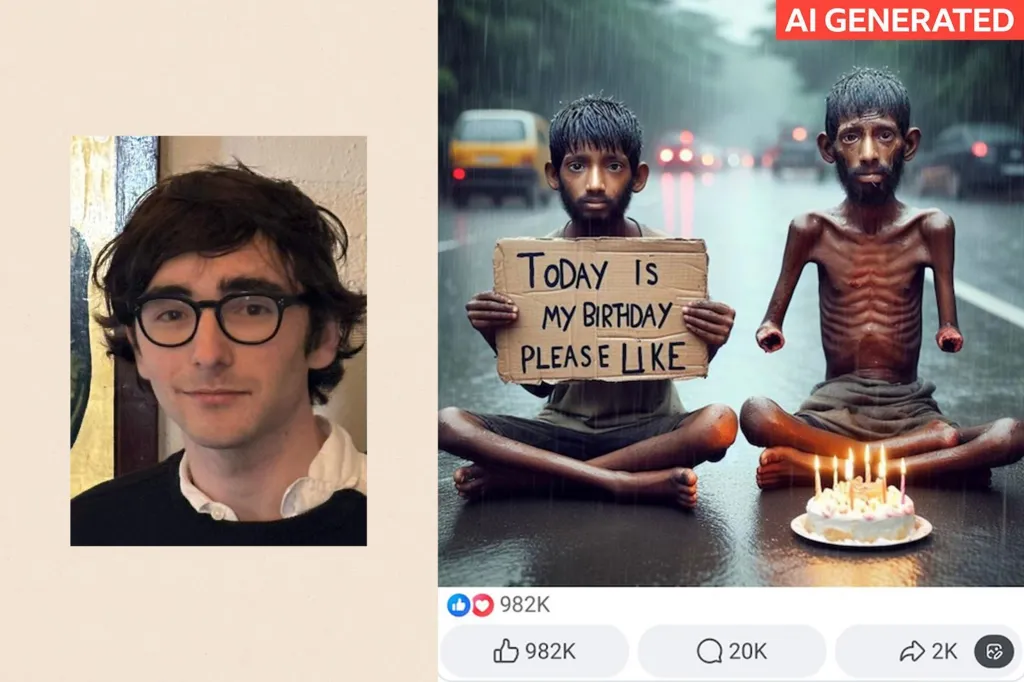
The image in question depicted two underprivileged South Asian children with unusual features, including thick beards, despite their youthful appearance. One child was missing hands and had only one foot, while the other held a sign wishing for likes on their birthday. The scene was set in the middle of a busy road on a rainy day, complete with a birthday cake, and exhibited clear signs of AI generation.
Despite its obvious artificial nature, the image gained nearly one million likes and heart emojis on Facebook, sparking widespread engagement.
This incident marked a turning point for Théodore.
The 20-year-old student from Paris expressed his astonishment, stating, "The fact that these absurd AI-generated images were spreading rapidly on Facebook without any scrutiny was mind-boggling to me."
In response, Théodore created an account on X, formerly known as Twitter, titled "Insane AI Slop," where he began to critique and mock AI-generated content that deceived people. His inbox soon filled with submissions from others who shared his concern.
As Théodore delved deeper, common themes emerged, including religion, military, and impoverished children engaging in heartwarming activities.
Théodore observed, "People tend to find stories about underprivileged children doing remarkable things to be wholesome, which may encourage creators to fabricate more content of this nature."
Théodore's account gained significant traction, amassing over 133,000 followers.
The proliferation of AI-generated content, which Théodore refers to as "fake, unconvincing videos and pictures made quickly," has become unstoppable. Tech companies have embraced AI, with some claiming to crack down on certain forms of AI-generated content, although social media feeds remain filled with such material.
The experience of using social media has undergone a profound transformation over the past couple of years, raising questions about the cause and societal impact of this shift.
Moreover, it remains to be seen how much social media users genuinely care about this issue.
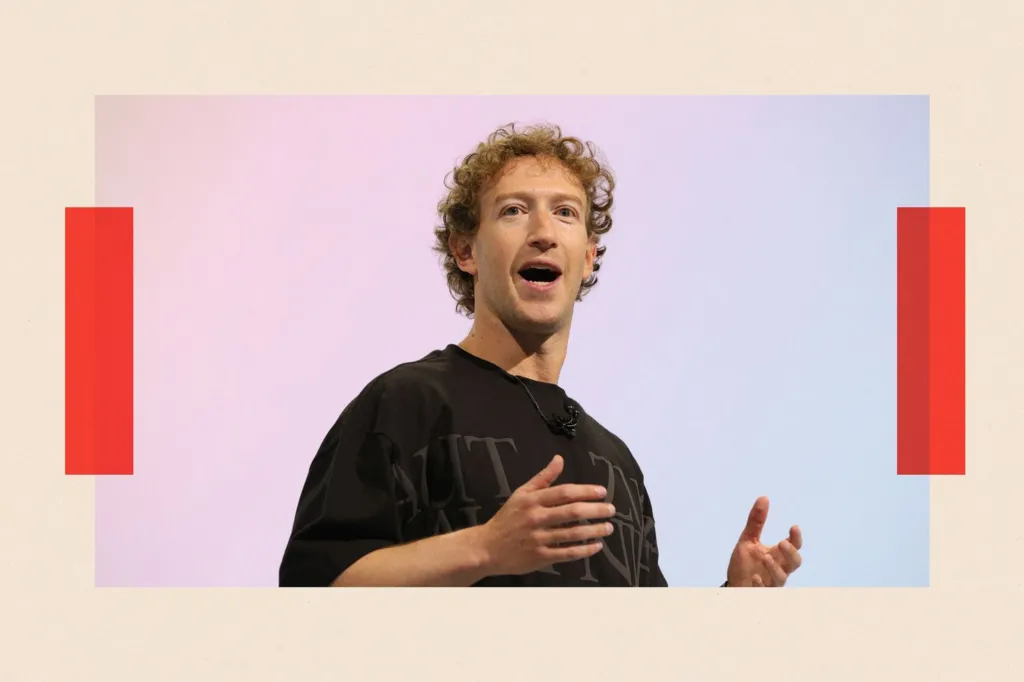
In October, Meta CEO Mark Zuckerberg announced during an earnings call that social media had entered a new phase, centered around AI.
Zuckerberg outlined the evolution of social media, explaining that the first phase involved content from friends, family, and followed accounts, while the second phase introduced creator content.
According to Zuckerberg, the third phase will incorporate a vast amount of content made possible by AI, which will enable easier creation and remixing of content.
Meta, the company behind Facebook, Instagram, and Threads, not only permits users to post AI-generated content but also offers tools to facilitate its creation, including image and video generators and advanced filters.
When approached for comment, Meta referred to their January earnings call, where Zuckerberg reiterated the company's commitment to AI, without mentioning any plans to restrict AI-generated content.
Zuckerberg predicted, "We will soon witness an explosion of new, immersive, and interactive media formats, made possible by advances in AI."
YouTube CEO Neal Mohan wrote in his 2026 look-ahead blog that over one million YouTube channels used the platform's AI tools to create content in December alone.
Mohan believes AI will benefit creatives, comparing its potential impact to that of the synthesizer, Photoshop, and CGI on sound and visuals.
However, Mohan acknowledged concerns about "low-quality content, aka AI slop" and stated that his team is working to improve systems for detecting and removing such content.
Mohan emphasized that YouTube will not dictate what content should or should not be allowed, citing the example of once-niche content like ASMR and live video game-playing, which have become mainstream.
Research by AI company Kapwing found that 20% of content displayed to a new YouTube account is "low-quality AI video."
Kapwing's study discovered that 104 of the first 500 YouTube Shorts clips shown to a new account featured AI-generated content, particularly in short-form videos.
The creator economy appears to be driving the production of AI-generated content, as individuals and channels can earn money from engagement and views.
According to Kapwing, the AI channel with the most views is India's Bandar Apna Dost, with 2.07 billion views, generating an estimated annual income of $4m (£2.9 million) for its creators.
A backlash against AI-generated content is gaining momentum.
Comments criticizing AI videos have become increasingly common under viral posts.
Théodore, the Parisian student, has played a significant role in driving this backlash.
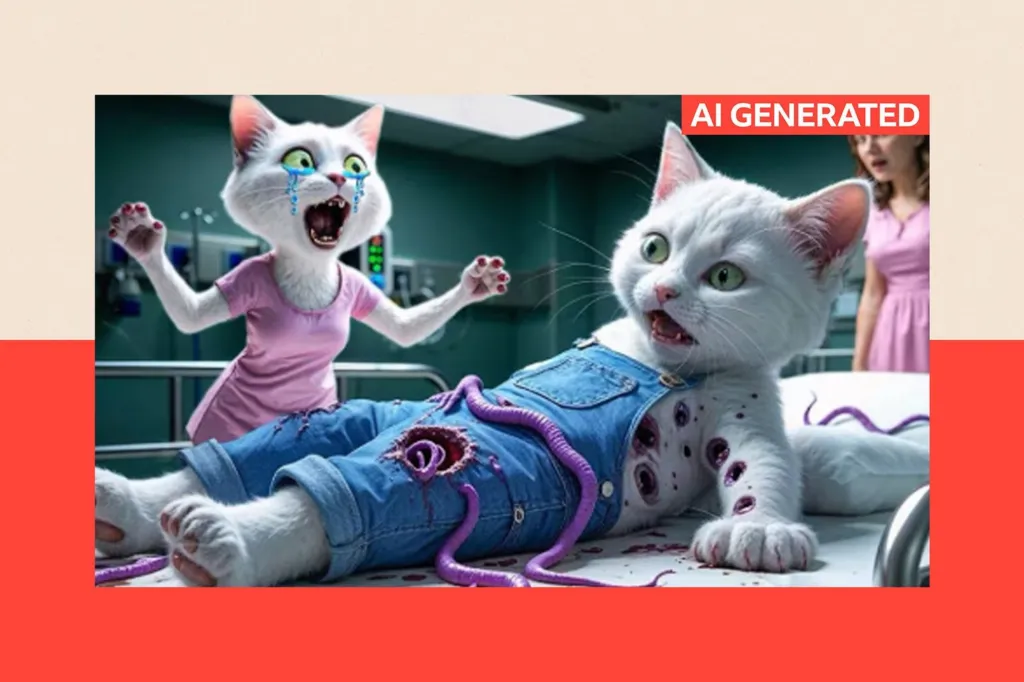
Using his influence on X, Théodore reported disturbing AI cartoons to YouTube moderators, expressing concerns about their potential harm, especially to children.
These videos featured titles like "Mum cat saves kitten from deadly belly parasites" and depicted graphic scenes.
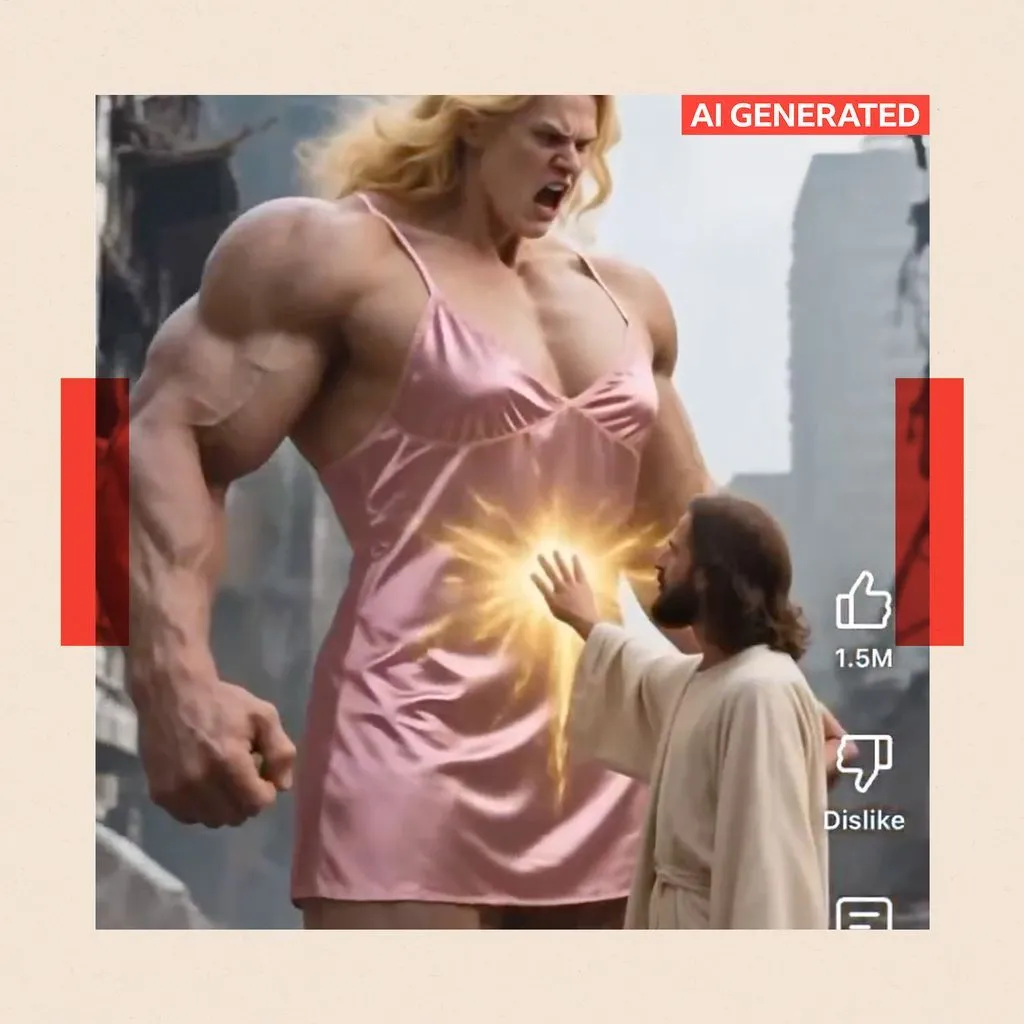
Another clip showed a woman consuming a parasite and transforming into a giant, angry monster, which was eventually healed by Jesus.
YouTube removed the channels in question, citing violations of their community guidelines and stating their focus on providing high-quality content.
However, Théodore's efforts have taken a toll on him.
Even platforms like Pinterest, known for recipes and interior design ideas, have been affected by the influx of AI-generated content.
In response to user frustration, Pinterest introduced an opt-out system for AI-generated content, although its effectiveness relies on the platform's ability to detect such content or users self-identifying it.
On social media feeds, including my own, the backlash against AI-generated content has become relentless.
Across platforms like TikTok, Threads, Instagram, and X, a people-powered movement against AI-generated content appears to be gaining traction.
In some cases, comments criticizing AI-generated content receive more likes than the original post, such as a recent video showing a snowboarder rescuing a wolf from a bear, which garnered 932 likes, while a commenter expressing frustration with AI content received 2,400 likes.
The proliferation of online content has created a self-sustaining cycle, where engagement is the primary driver of social media platforms' success.
For these platforms, any form of engagement is beneficial, as their primary objective is to keep users actively scrolling through their feeds.
The question remains whether the authenticity of a video on social media matters, regardless of its emotional impact or shock value.
According to Emily Thorson, an associate professor at Syracuse University specializing in politics, misinformation, and misperceptions, the significance of content authenticity depends on the user's intentions on the platform.
Thorson notes that users seeking entertainment on short-video platforms prioritize content that is engaging, whereas those using the platform for educational or community purposes may be more discerning and view AI-generated content as problematic.
The perception of AI-generated content also hinges on how it is presented to the user.
When AI-generated content is clearly labeled as humorous, users tend to respond accordingly; however, when its purpose is to deceive, it can elicit anger.
A recent example of an AI-generated video, depicting a realistic leopard hunt, illustrates this point, with some viewers being fooled and others expressing uncertainty about its authenticity.
Commenters asked for verification of the video's source, with one user requesting proof that it was not created using AI.
Alessandro Galeazzi, a researcher at the University of Padova in Italy, studies social media behavior and echo chambers, and he believes that verifying the authenticity of content requires mental effort.
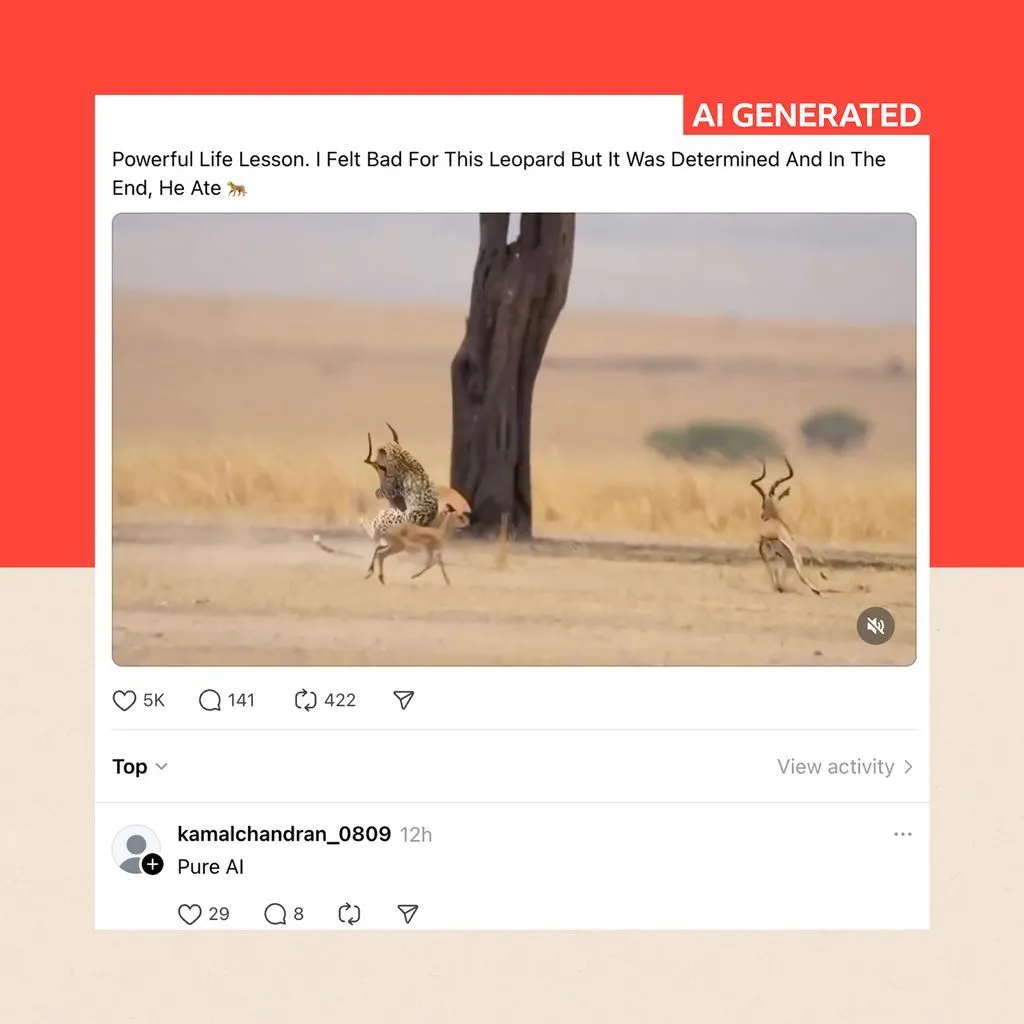
Galeazzi fears that, over time, users will become increasingly apathetic and stop verifying the authenticity of content due to the sheer volume of low-quality, AI-generated material.
He warns that the abundance of such content may contribute to a decline in attention span, as users become desensitized to the constant stream of information.
Galeazzi differentiates between AI-generated content intended to deceive and more lighthearted, obviously fake content, such as images of fish wearing shoes or gorillas lifting weights.
However, even this type of content may have a negative impact, as it can contribute to the erosion of intellectual abilities due to constant exposure to social media.
Galeazzi suggests that AI-generated content can exacerbate the "brain rot" effect, where users mindlessly consume content that they know is unlikely to be real or meaningful.
Beyond the issue of AI-generated content, there are more severe implications of AI misuse.
Recently, Elon Musk's companies xAI and X were forced to revise their policies after a chatbot called Grok was used to digitally manipulate images of women and children on the X platform.
In the aftermath of the US attack on Venezuela, fake videos were circulated, showing people thanking the US and crying in the streets, which can shape public opinion and create a misleading narrative.
This is particularly concerning, as many individuals rely solely on social media for news and information, according to analysts.
Dr. Manny Ahmed, CEO of OpenOrigins, a company that develops technology to distinguish between AI-generated and real images, argues that a new system is needed to enable content creators to verify the authenticity of their material.
Ahmed states that it has become impossible to determine the authenticity of content through inspection alone and that a new infrastructure is required to allow real content to be publicly verified.
While it might be expected that social media companies would take on this responsibility, many, including Meta and X, have reduced their moderation teams and instead rely on users to identify and label fake or misleading content.
Given the current state of the tech industry, it is unlikely that a new social media platform could rise to challenge the existing giants by promising a slop-free alternative.
The detection of AI-generated content is becoming increasingly difficult, and machines are no longer able to accurately determine whether a video or image is fake or not.
However, if a new social media platform were to emerge and gain popularity by offering a more authentic experience, it could potentially influence the existing platforms to change their approach.
The rise of BeReal, a French social media app that encourages users to share unfiltered, authentic content, demonstrates that alternative platforms can gain traction and prompt larger companies to adapt.
It is possible that a similar phenomenon could occur if a new platform emerges with a focus on reducing AI-generated content.
Théodore, a user who has become disillusioned with the state of online content, feels that the battle against AI-generated slop is lost and that it has become an inherent part of the online experience.
Despite still receiving submissions from his 130,000 followers, Théodore has largely stopped posting and has resigned himself to the new reality of online life.
He clarifies that his opposition is not to AI itself, but to the proliferation of low-quality, AI-generated content designed solely for entertainment and views.
Image credits: BBC; AI image generated with Adobe Firefly.
Clarification, 4 February: This article was updated to include information about Pinterest's system for identifying AI-generated content.




News
GB men’s curling team suffers upset defeat to Italy
At the 2026 Winter Olympics, Great Britain’s men’s curling team mounted a comeback against Italy following a disappointing beginning, ultimately falling short in their inaugural match.
Despite a valiant comeback, Team GB ultimately fell short as Italy held their composure to secure the win in the final end.
A dismal start to the match proved costly for Team GB's men, as they suffered their first defeat of the Winter Olympics at the hands of host nation Italy, despite a spirited fightback in the packed Cortina Curling Stadium.
Following victories in their first two matches, including a win over the Swedish rink that beat them in the gold-medal match four years ago, Team GB entered their second high-profile encounter in as many days in a confident position.
However, a disastrous opening end, in which Italy stole four points, left Team GB trailing and facing an uphill battle in front of a boisterous home crowd.
The British team, currently ranked number one in the world, gradually regained their footing and managed to level the score by the ninth end.
Ultimately, Italy maintained their composure in the final end to emerge victorious, winning 9-7 and adding Team GB to their list of scalps, which already included the Swedes.
"We had to dig deep and play some solid curling, but unfortunately, it wasn't enough to get us over the line," Team GB lead Hammy McMillan said in an interview with BBC Sport.
With seven wins from nine round-robin matches guaranteeing a spot in the semi-finals, Team GB remains in a strong position, although fewer wins may still be sufficient to advance.
The women's team is set to take to the ice next, facing South Korea in their second match at 13:05 GMT, while the men will return to action on Saturday against the Czech Republic at the same time.
Team GB is at the forefront of curling's technological advancements.
Embracing what sets you apart can be a powerful asset, according to some athletes.
A daily guide to the Winter Olympics is available for those looking to stay up-to-date with the action.
The looks of shock on the faces of Team GB's curlers told the story of a disastrous opening end.
With a stone in play, Mouat attempted a risky shot in an effort to claim two points, but it backfired, resulting in none of Team GB's stones in the house and four Italian stones in position.
However, the Scottish quartet, ranked number one in the world, quickly regained their composure and got back to their game.
The teams exchanged singles before a impressive final throw by Mouat, aided by a measurement to determine which stone was closest to the button, allowed Team GB to claim two points and narrow the gap to 5-3.
Another excellent team effort, which included a well-judged throw by Mouat, a solid sweep by Hammy McMillan and Bobby Lammie, and Grant Hardie's strategic expertise, forced Italy to concede a point in the fourth end, reducing the deficit to a single point at the break.
Italy blanked the sixth end and added two points in the seventh to rebuild their lead, but Team GB fought back with two points of their own, remarkably levelling the score with one end remaining after a steal.
The match came down to the final end, but Italy held their nerve to secure the win, prompting a deafening roar from the crowd.
"It's an incredible experience, and we need to get used to it," McMillan added, describing the electric atmosphere as "surreal" and "cool," more akin to a football match than a typical curling crowd.
News
Scotland Kicks Off Nations League Against Slovenia
Uefa has released the schedule for the Nations League, with Scotland set to begin their campaign on 26 September with an away match against Slovenia.
Uefa has released the schedule for the Nations League, with Scotland's campaign set to begin on 26 September with an away match against Slovenia.
The team's six group stage games will be played within a three-month period, culminating in a match against Switzerland on 16 November.
The fixture list was announced following Thursday's draw, which placed Scotland in a group with Switzerland, Slovenia, and North Macedonia.
Having been relegated from League A after a play-off loss to Greece last year, Scotland will compete in the second tier of the Nations League this year.
In response to the draw, head coach Steve Clarke noted that the teams in the group appear to be evenly matched.
Clarke reflected on the team's past experience in the competition, stating that it has been beneficial for Scotland.
He emphasized the importance of the Nations League, citing its role in helping the team qualify for Euro 2020, and anticipated a challenging set of matches.
A key matchup in the Nations League will see Scotland face off against Switzerland.
The group stage will determine the teams' fates, with the winner earning promotion, the runner-up entering a play-off, the third-placed team facing a relegation play-off, and the fourth-placed team being relegated directly.
The upcoming group games will mark a reunion for Scotland and Switzerland, who previously drew 1-1 in Cologne at Euro 2024.
Scotland's last encounter with Slovenia was during the 2018 World Cup qualification campaign, when they won 1-0 at home and drew 2-2 away.
The team has not played North Macedonia since the 2014 World Cup qualifiers, when they drew 1-1 at home and won 2-1 away, with goals from Ikechi Anya and Shaun Maloney.
The schedule for Scotland's Nations League campaign begins on 26 September with a match against Slovenia.
The team will then host Switzerland on 29 September, followed by a trip to face North Macedonia on 3 October.
Scotland will then play Slovenia at home on 6 October, before hosting North Macedonia on 11 November.
The final group stage match will see Scotland travel to face Switzerland on 16 November.
The team's home match against North Macedonia is set for 11 November.
The campaign will conclude with an away match against Switzerland on 16 November.
News
Golfer McIlroy Sinks Bunker Shot at Pebble Beach Pro-Am
At the AT&T Pebble Beach Pro-Am in California, Rory McIlroy achieved an eagle on the 14th hole at Spyglass Hill, capping off his opening round with a score of 68.
During the AT&T Pebble Beach Pro-Am in California, Rory McIlroy achieved an eagle on the 14th hole at Spyglass Hill, contributing to his first-round score of 68.
For further information, Rory McIlroy had a solid opening round, while Hisatsune took the lead.
Access to this content is restricted to users in the United Kingdom.
-
 News8 hours ago
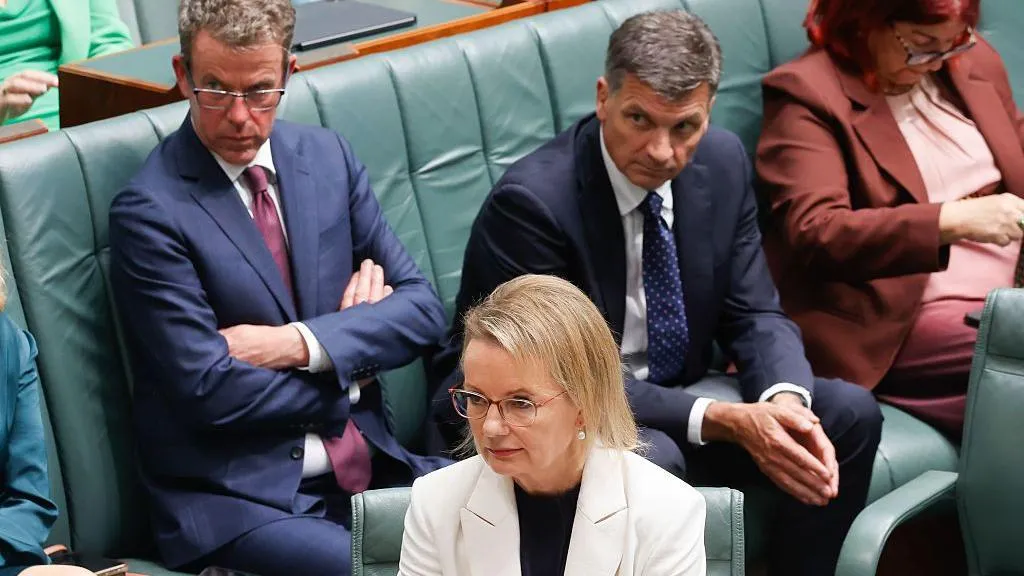
Australian Politics Faces Questions Over Gender Equality Amid Sussan Ley’s Appointment
-
 News5 hours ago
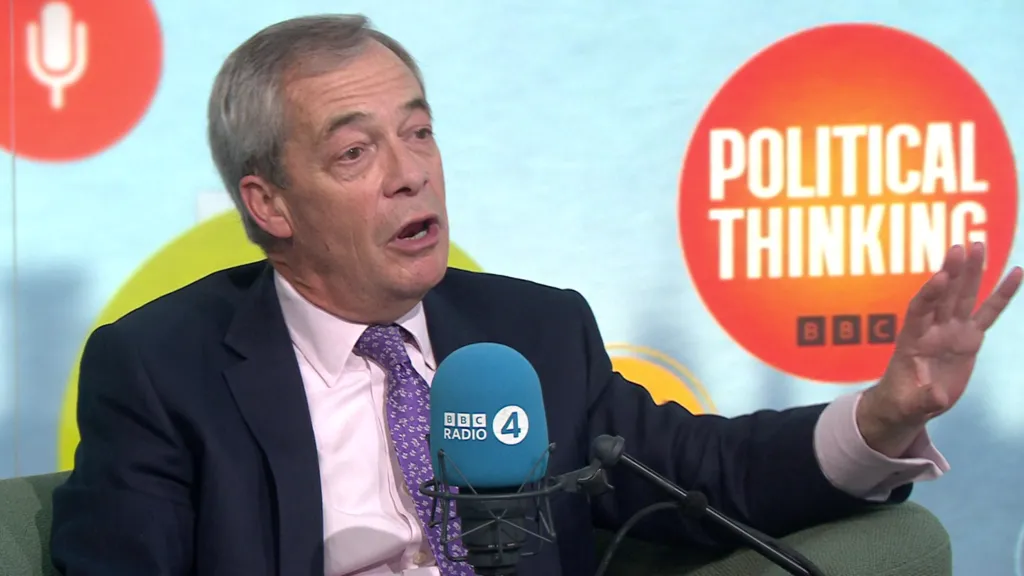
Farage Says Reform to Replace Traditional Tory Party
-
 News5 hours ago
Wrexham Pair Seek Win Against Former Team Ipswich
-
 News11 hours ago
Liberal Party Removes Australia’s First Female Leader
-
 News9 hours ago
UK Braces for Cold Snap with Snow and Ice Alerts Expected
-
 News5 hours ago
Husband’s alleged £600k theft for sex and antiques blamed on drug side effects
-
 News2 days ago
Sunbed ads spreading harmful misinformation to young people
-
 Business11 hours ago
BBC Reporter Exposed to Cyber Attack Due to Vulnerabilities in AI Coding Tool