
News
COP30 summit faces challenges as leaders skip attendance
Notable figures, including the US president and other global leaders, are not attending these UN climate discussions, raising inquiries about the current relevance of the COP.
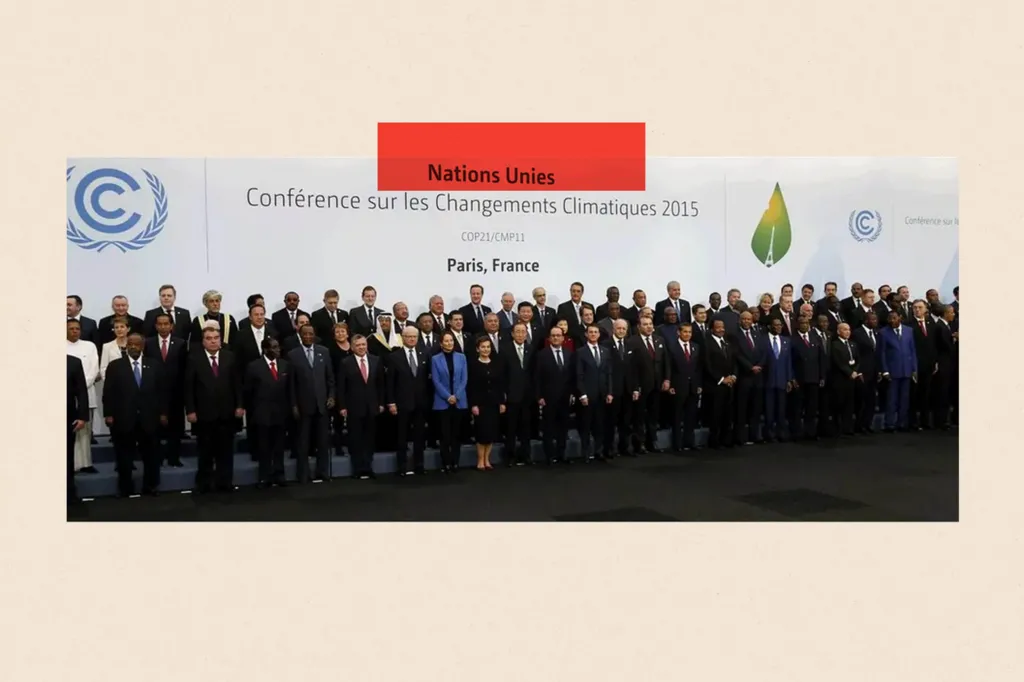
A decade-old photograph from Paris serves as a nostalgic reminder of a bygone era, highlighting the stark contrast between then and now.
The image features a sea of dignitaries, all dressed in formal attire, standing in front of a massive COP21 Paris sign, a symbol of international cooperation on climate change.
At the center of the photograph, the UK's then-Prime Minister David Cameron is seen beaming with pride, flanked by the future King Charles III and China's Xi Jinping, while then-US President Barack Obama is engaged in a conversation with someone partially cut out of the frame, a testament to the large number of leaders in attendance.
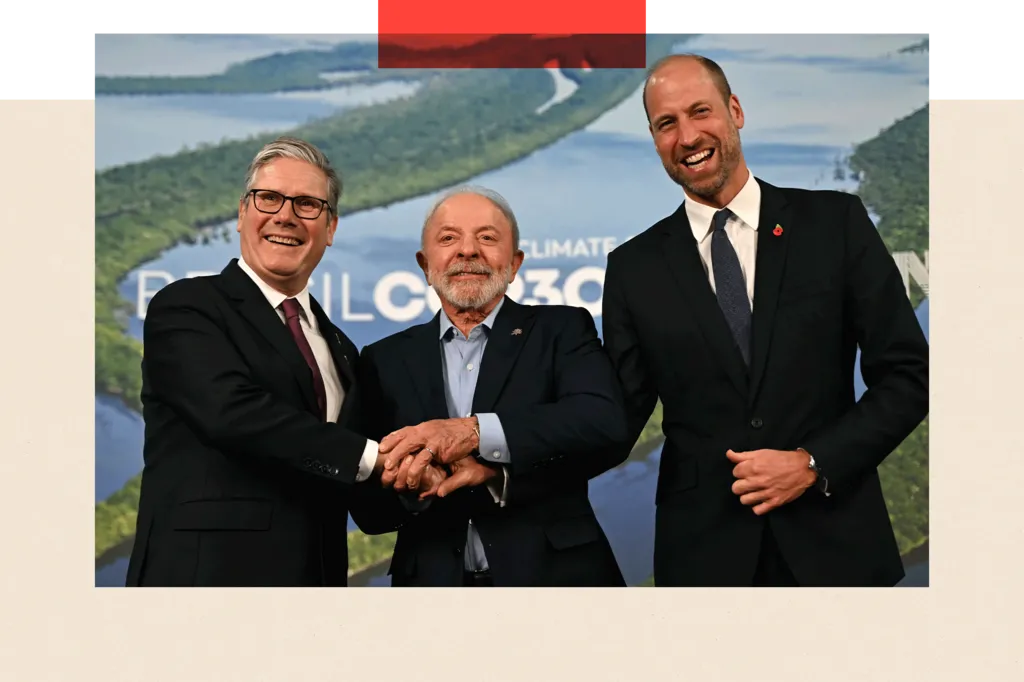
Fast-forward to the present, and the scene is vastly different, as evident from the family photograph taken at the COP30 summit in Brazil, which tells a story of absenteeism.
Notable absentees included Xi, Modi, and the leaders of around 160 other countries, as well as US President Donald Trump, highlighting a significant shift in global priorities.
The Trump administration has effectively withdrawn from the process, opting not to send high-level officials to the summit this year, a move that raises questions about the event's relevance.
This begs the question: what is the point of hosting a two-week-long multinational gathering if a significant number of key leaders are not in attendance?
Christiana Figueres, the former head of the UN's climate process, has expressed concerns that the COP process is no longer fit for purpose, a sentiment echoed by others.
Joss Garman, a former climate activist and current head of the think tank Loom, agrees, stating that the golden era of multilateral diplomacy has come to an end.
Garman believes that climate politics has become increasingly focused on capturing and controlling the economic benefits of new energy industries, a shift that has significant implications.

Despite 29 COP meetings aimed at reducing carbon dioxide emissions, the fact that emissions continue to rise raises doubts about the effectiveness of these gatherings.
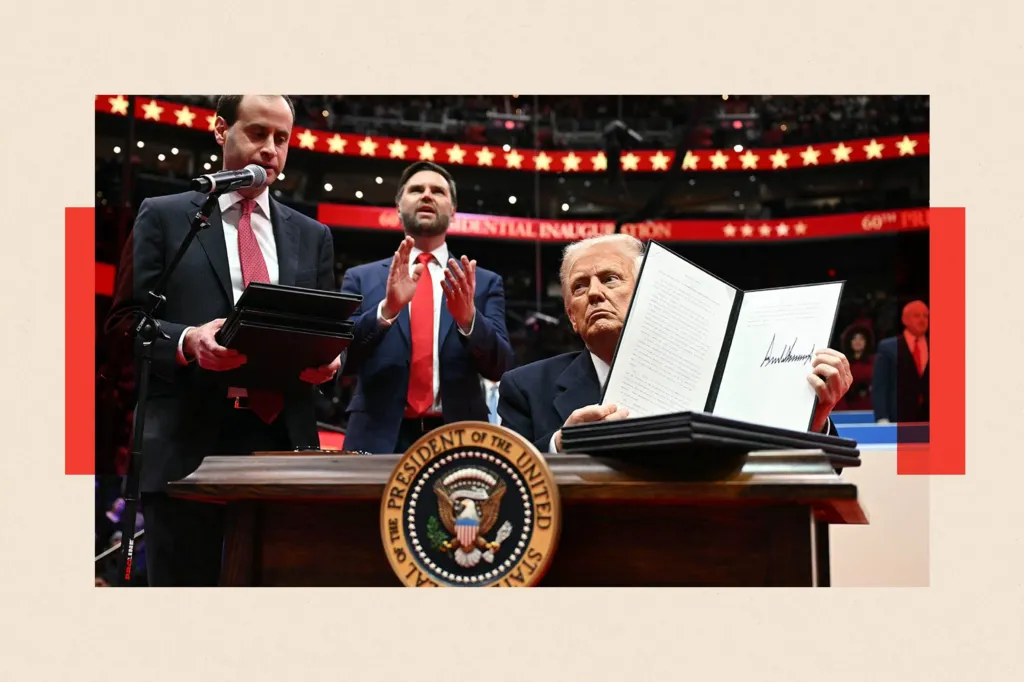
On his first day back in office, Trump signed an executive order withdrawing the US from the Paris Agreement, a treaty aimed at limiting global warming to 1.5°C, marking a significant departure from his predecessor's climate policies.
Trump has been vocal about his skepticism regarding climate change, calling it a "con job" and urging countries to abandon their renewable energy programs in favor of US oil and gas, a move that has been met with resistance from some nations.
The Trump administration has rolled back restrictions on fossil fuels, signed tax breaks for oil and gas companies, and opened up federal lands for extraction, a policy shift that has significant environmental implications.
Trump has also encouraged countries to purchase US hydrocarbons, with some nations, including Japan and South Korea, agreeing to do so, often with the threat of punitive tariffs looming in the background.
The US President's objective is clear: to establish the US as the world's leading energy superpower, a goal that has far-reaching consequences for the global energy landscape.
Meanwhile, Trump has been working to dismantle his predecessor Joe Biden's clean energy agenda, a move that has been met with criticism from environmental groups and Democratic lawmakers.
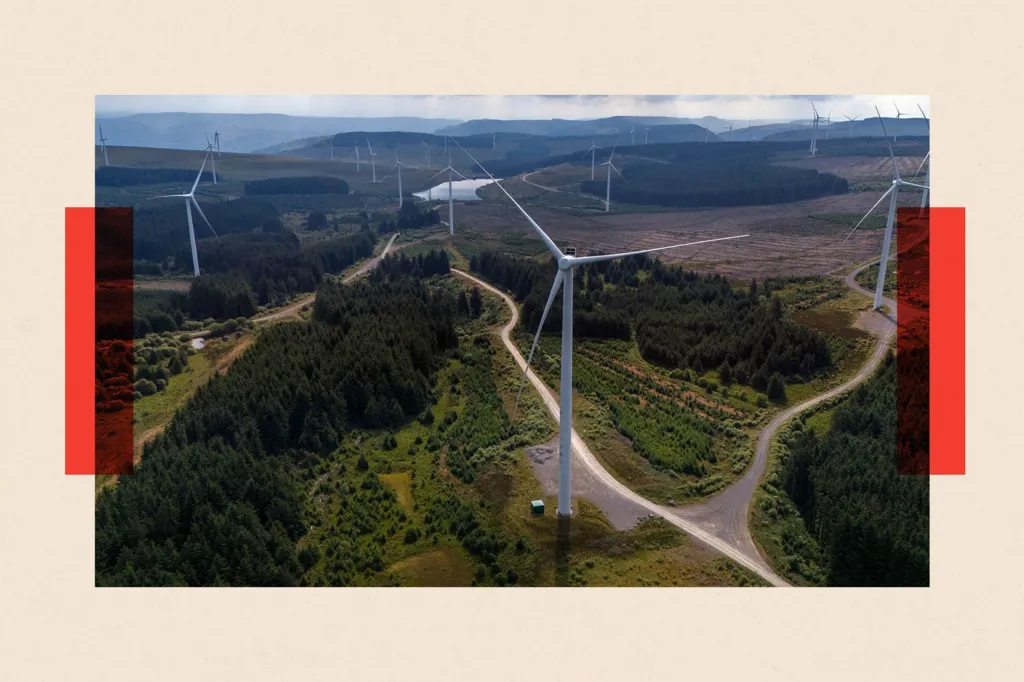
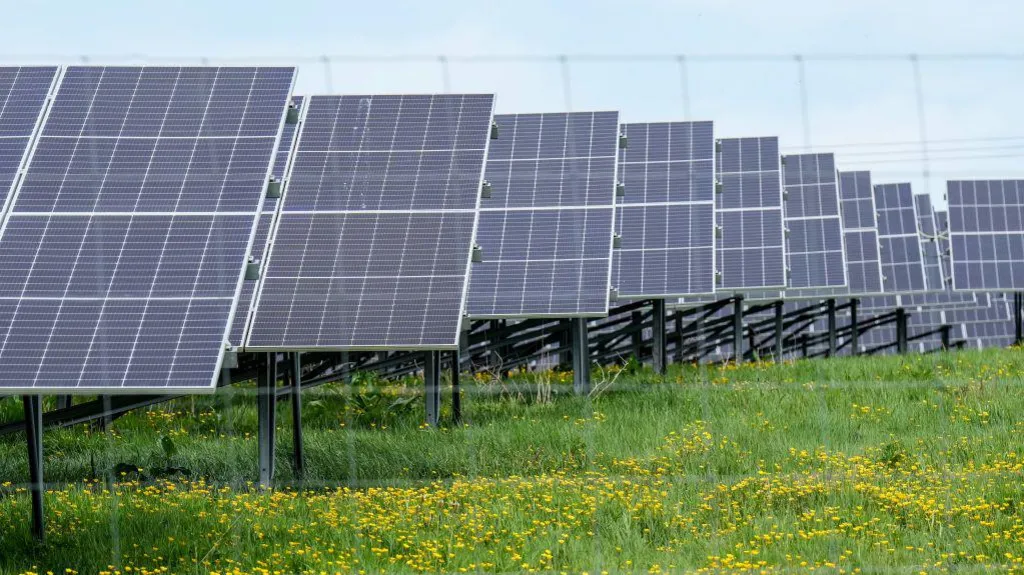
The administration has slashed subsidies and tax breaks for wind and solar energy, withdrawn permits, and canceled projects, while also cutting research funding, a policy shift that has significant implications for the renewable energy sector.
US Energy Secretary Chris Wright has defended the administration's policy, stating that the wind power industry has been subsidized for over three decades and that it is time for it to stand on its own, a view that has been disputed by critics.
John Podesta, a senior adviser on climate to both Obama and Biden, has criticized the Trump administration's approach, arguing that it is taking a "wrecking ball" to clean energy, a move that has significant implications for the environment and the economy.
Podesta believes that the administration's policies are an attempt to turn back the clock, not just to the 20th century but to the 19th, a view that highlights the significant differences between the two administrations' approaches to energy and the environment.
A recent landmark deal aimed at reducing global shipping emissions was abandoned after the US, along with Saudi Arabia, succeeded in ending the talks, a move that has significant implications for global efforts to address climate change.
The failure of this deal has raised concerns among supporters of the COP talks, who worry that the US's approach may lead to other countries dialing down their commitments, a scenario that could have far-reaching consequences for global efforts to address climate change.
Anna Aberg, a Research Fellow at Chatham House's Environment and Society Centre, notes that the current COP talks are taking place in a challenging political context, given Trump's stance on climate change, a view that highlights the significant obstacles facing global efforts to address the issue.
Aberg believes that it is more important than ever for the COP to send a signal to the world that there are still governments, businesses, and institutions committed to acting on climate change, a view that underscores the need for continued international cooperation on the issue.
The Trump administration's energy strategy has put the US on a collision course with China, which has been working to dominate the global energy landscape through clean technology, a move that has significant implications for the global energy market.
In 2023, clean technologies accounted for roughly 40% of China's economic growth, according to the climate website Carbon Brief, a figure that highlights the country's significant investments in the sector.
China is not only focused on domestic energy production but is also taking its energy model global, a move that has significant implications for the global energy landscape and the future of international cooperation on climate change.
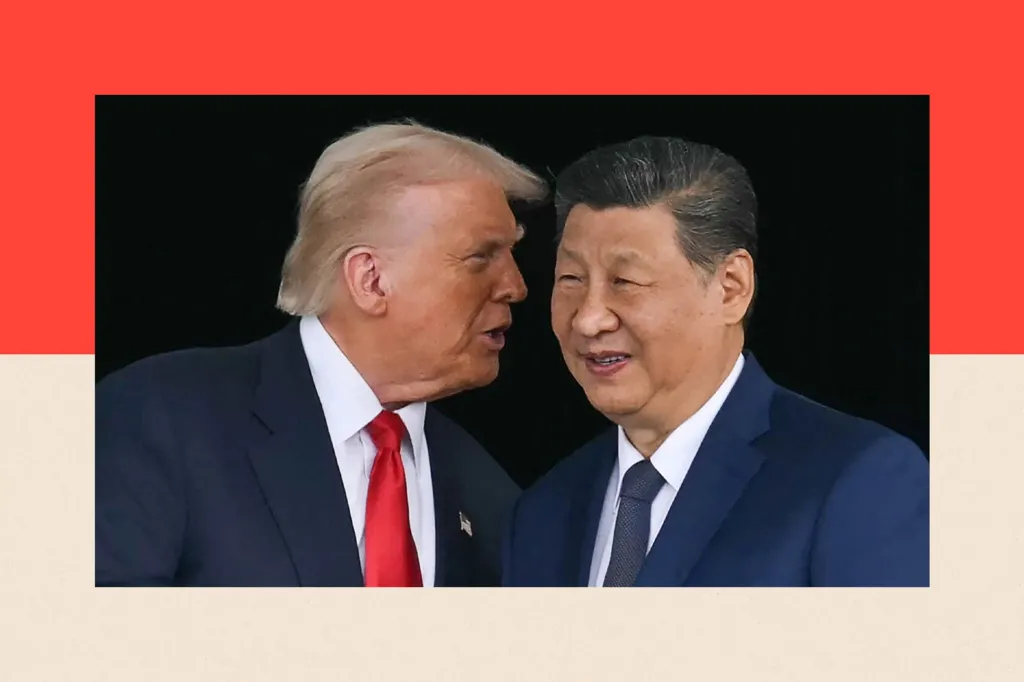
The split between the US and China has transformed the climate debate, pitting the two superpowers against each other in a battle for control of the global energy industry, a move that has significant implications for the future of international cooperation on climate change.
This has left countries like the UK, Europe, and emerging powers like India, Indonesia, Turkey, and Brazil caught in the middle, struggling to navigate the complex and rapidly changing global energy landscape.
A source in government at a major developed country has expressed concern that criticizing Trump's climate policies is a significant fear, a view that highlights the challenges facing countries that seek to address climate change in the face of US opposition.
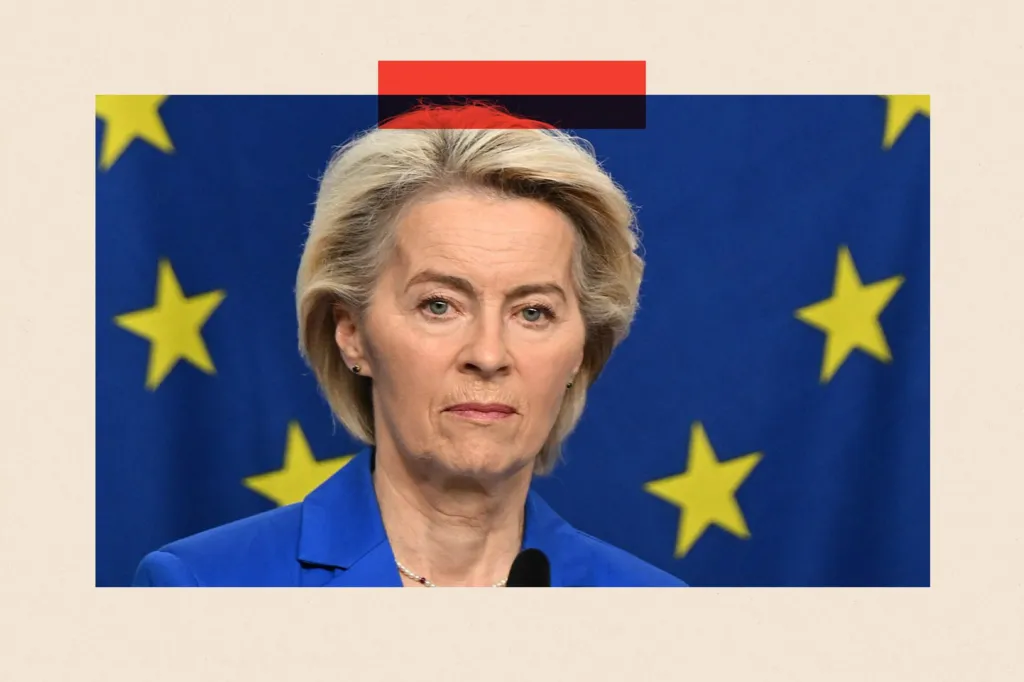
European Commission President Ursula von der Leyen has warned that Europe must not repeat past mistakes and lose another strategic industry to China, a view that underscores the need for European countries to develop a coordinated approach to energy and climate policy.
Von der Leyen has cited the loss of Europe's solar manufacturing base to cheaper Chinese rivals as a cautionary tale, a move that has significant implications for European industries and the future of international cooperation on climate change.
The European Commission has forecasted significant growth in the market for renewables and clean energy sources, with the market expected to grow from €600bn to €2 trillion within a decade, a figure that highlights the significant economic opportunities available in the sector.
However, this ambition may come too late, as China has already established itself as a dominant player in the global clean energy market, a move that has significant implications for the future of international cooperation on climate change.
Li Shuo, director of the China Climate Hub at the Asia Policy Institute, believes that China's dominance in solar, wind, EVs, and advanced battery technologies is now virtually unassailable, a view that highlights the significant challenges facing countries that seek to compete with China in the clean energy sector.
Shuo likens the challenge of surpassing China in clean energy to trying to beat the Chinese national team at table tennis, a task that is virtually impossible, a view that underscores the need for countries to develop new and innovative approaches to energy and climate policy.
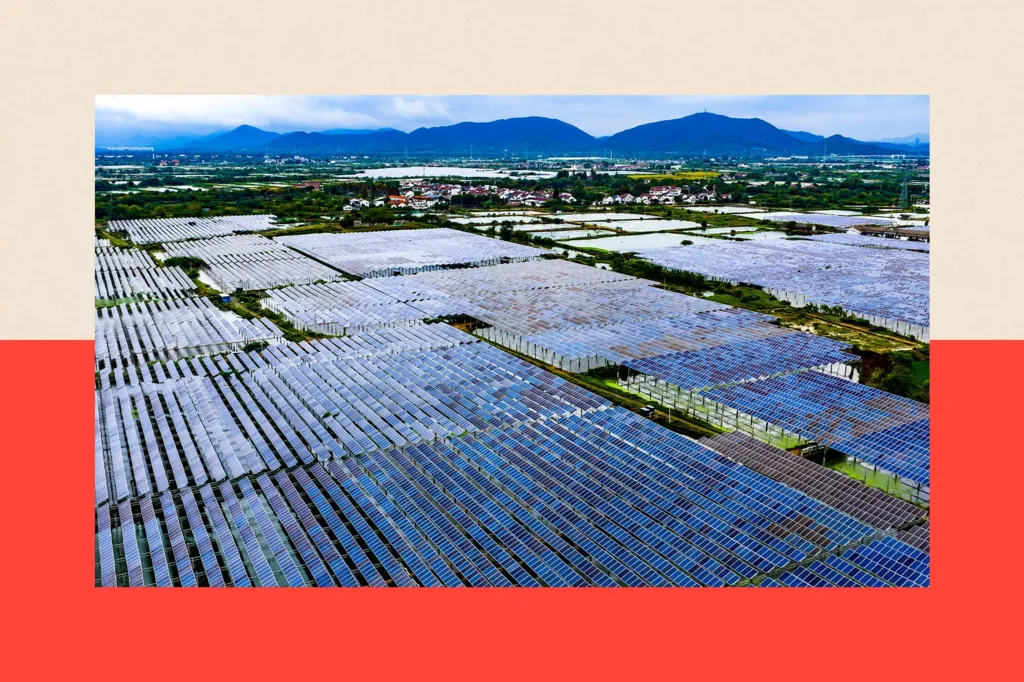
China's dominance in the clean energy sector is evident in its production of over 80% of the world's solar panels, a similar share of advanced batteries, 70% of EVs, and more than 60% of wind turbines, all at phenomenally low prices, a move that has significant implications for the global energy market.
The EU's recent move to raise tariffs on Chinese EVs reflects the scale of the dilemma facing European countries, which must balance the need to reduce emissions with the need to protect domestic industries, a challenge that has significant implications for the future of international cooperation on climate change.
Joss Garman argues that restricting Chinese access to these markets may slow emissions reductions, but he believes that ignoring questions about economic security, jobs, and national security risks undermining public and political support for the entire climate effort, a view that highlights the complex and challenging nature of the climate debate.
As global politics and priorities continue to evolve, Anna Aberg anticipates that the Conference of the Parties (COP) will transform into an annual platform for holding countries and organizations accountable, a function she considers crucial.
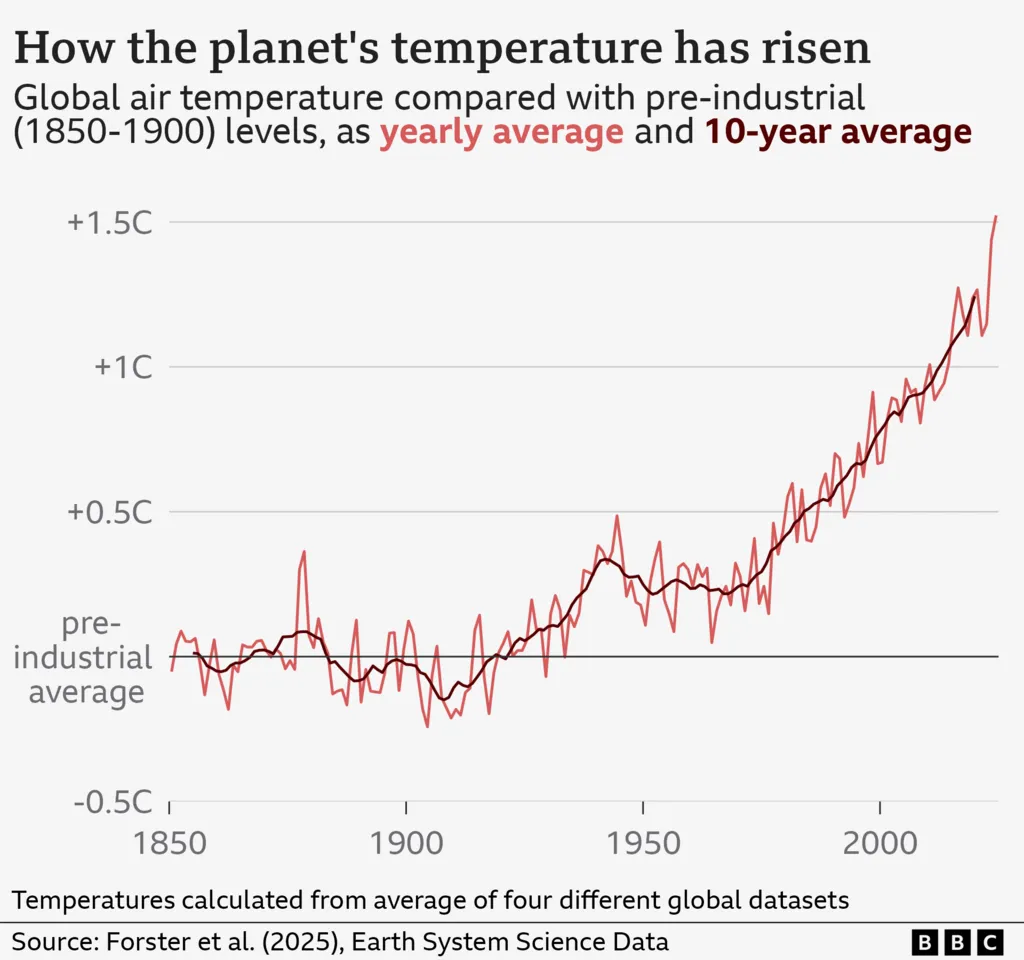
The upcoming gathering in Brazil takes place against the backdrop of UN Secretary-General António Guterres' acknowledgement that the world will likely exceed the 1.5°C target set in Paris, a situation he has described as a result of "deadly negligence" by the global community.
With last year being the hottest on record and 60 leading climate scientists warning that the 1.5°C threshold could be breached in as little as three years at current carbon dioxide emission levels, some are questioning the necessity of annual COP gatherings.
According to Michael Liebreich, founder of Bloomberg New Energy Finance and host of the Cleaning Up podcast, a more effective approach might be to hold a major COP every five years, with the intervening periods used for implementation and progress.
Liebreich argues that constant commitments from politicians are not sufficient, and that time is needed for industries to develop and for the real economy to adapt, allowing for tangible progress to be made.
He suggests that smaller, focused meetings on removing barriers to clean energy could be a more productive way to drive progress, rather than large, annual gatherings.
Liebreich also believes that certain issues, such as implementation, would be better addressed in locations like Wall Street, where funding and investment decisions are made, rather than in remote locations like the Brazilian rainforest.
This year's COP is expected to be significant, with negotiations aiming to establish a multi-billion-dollar fund to support the world's rainforests, including the Amazon and the Congo Basin.
Michael Jacobs, a professor of politics at Sheffield University and former climate policy advisor to Gordon Brown, emphasizes the importance of continued collective support for the COP process.
Jacobs sees the COP as a way to send a strong message to businesses that governments will continue to enact climate policies, providing a stable environment for investment in decarbonisation, and countering efforts by individuals like Donald Trump to undermine the collective process.
UK Energy Secretary Ed Miliband believes that the COP has driven real progress by engaging countries in the fight against climate change and enabling the development of renewable energy policies.
Miliband acknowledges that the COP process can be dry and complicated, but stresses that it is essential for making progress on climate change.
Many experts now agree that there is a strong case for scaling down international climate gatherings, making them more focused and efficient.
Ultimately, the choice for many nations will depend on whether they align with China's clean energy revolution or continue to prioritize fossil fuels, a decision that will have significant implications for the future of the COP process.
Observers suggest that the future of decarbonisation will depend less on multi-country commitments and more on large-scale deals between individual countries, which may shape the direction of the COP process in the years to come.
Image credit: Getty Images




News
Aberdeen to unveil new manager soon with Docherty set to take assistant role
Aberdeen has bolstered its interim management team with the return of Tony Docherty, who previously served as an assistant manager, to support Peter Leven, amid anticipation of a permanent appointment announcement that sporting director Lutz Pfannenstiel had indicated would be made “imminently”.
Ross County parted ways with Tony Docherty in December, and he has now taken on a new role.
Aberdeen have brought in former assistant manager Tony Docherty to support Peter Leven's interim management team, despite sporting director Lutz Pfannenstiel indicating that a permanent appointment was imminent.
Docherty's return to Aberdeen comes just a week after Eirik Horneland, a former coach of Rosenborg, Brann, and Saint-Etienne, emerged as a top contender to succeed Jimmy Thelin, who was sacked earlier.
As Aberdeen delays making a full-time appointment, speculation surrounding Eirik Horneland's availability has arisen, with reports suggesting the 50-year-old Norwegian may not be able to take on the role until summer.
Since Jimmy Thelin's dismissal on January 4, Lutz Pfannenstiel has been leading the search for a replacement, and he confirmed that Tony Docherty would be joining the team to assist Peter Leven during the interim period.
Dundee Utd are facing a challenging schedule, with four matches in 14 days set to take place on a weather-affected pitch.
According to Stavrum, Eirik Horneland's coaching style, characterized by intensity, would be a good fit for Aberdeen.
Tony Docherty initially joined Aberdeen in 2013 as part of Derek McInnes' management team and spent eight years at the club.
Before his stint at Aberdeen, Docherty served as McInnes' assistant at Kilmarnock and later managed Dundee and Ross County, but his time at Ross County ended in December when he was let go with the team at the bottom of the Championship.
Lutz Pfannenstiel praised Tony Docherty's experience, stating that he has a deep understanding of the club and will be a valuable asset during the transition period.
Pfannenstiel highlighted Docherty's extensive knowledge of the Scottish Premiership, gained through his experience as both a coach and manager, which will be beneficial to the team in the short term.
The club's managerial search is nearing its conclusion, and an announcement regarding the new head coach is expected soon, according to Pfannenstiel.
Peter Leven, who is serving as caretaker manager for the third time, expressed his enthusiasm for Tony Docherty's appointment.
Leven welcomed Docherty's return, stating that his experience will be a significant boost to the team, particularly during the upcoming matches.
Leven noted that Docherty was eager to join the team and that his presence will provide valuable support during both training sessions and matches.
Eirik Horneland left his position at Saint-Etienne in early February, at which point his team was fourth in France's second tier.
If Aberdeen decides to wait until summer for Horneland to take over, it will be similar to the six-month delay that occurred when Jimmy Thelin joined the club from Elfsborg in the summer of 2024.
For the latest news, analysis, and fan perspectives on Aberdeen, visit our dedicated page.
News
Peter Murrell faces allegations of misusing £459,000 in funds over 12 years
Allegations have been made that he bought various items, such as luxury goods, jewellery, cosmetics, two cars and a motorhome, in an improper manner.
Peter Murrell, the former chief executive of the Scottish National Party, is facing allegations of embezzling £459,000 from the party over a 12-year period.

An indictment document obtained by BBC News outlines the case against Murrell, who is the estranged husband of former Scottish First Minister Nicola Sturgeon.
The alleged embezzlement is said to have occurred between August 2010 and January 2023, according to the indictment.
It is claimed that Murrell used party funds to purchase luxury items, including jewellery, cosmetics, and vehicles, such as two cars and a motorhome.
The Scottish Sun was the first to report on the details of the indictment.
A preliminary hearing in the case is scheduled to take place at the High Court in Glasgow on Friday, 20 February, where Murrell is expected to appear.
During his initial court appearance at Edinburgh Sheriff Court, Murrell made no plea and was subsequently granted bail.
Murrell's arrest in 2023 was part of Operation Branchform, a police investigation into the SNP's funding and finances, which led to him being charged with embezzlement in April 2024.

Although Sturgeon was questioned by police as part of the investigation, she is no longer considered a suspect.
BBC News has obtained a copy of the indictment against Murrell ahead of his upcoming court appearance.
It is worth noting that the indictment is subject to change until the case is heard in court and may be amended throughout the judicial process.
The indictment alleges that Murrell purchased a £124,550 motorhome for personal use and created false documents to justify the expense as a legitimate party expenditure.
Murrell is also accused of using £57,500 of party funds to buy a Jaguar I-PACE car in 2019, and falsifying an invoice to conceal the true nature of the purchase.
Furthermore, it is alleged that when the Jaguar was sold in 2021, Murrell deposited more than £47,000 into his personal bank account.
The indictment also claims that Murrell embezzled £16,489 from the SNP to partially fund the purchase of a Volkswagen Golf in 2016.
A list of over 80 retailers is included in the indictment, where Murrell allegedly made purchases totalling more than £159,000 between 2014 and 2022, using party credit or charge cards for personal expenses.
The retailers named in the indictment include Harrods, the Royal Mint, John Lewis, Homebase, and Argos, among others.
It is alleged that Murrell used SNP credit or charge cards to make these purchases and then inserted false or inaccurate accounting codes and descriptions into the party's accounting systems.
The indictment also accuses Murrell of making purchases worth over £81,600 through Amazon using the same method.
Murrell served as the SNP's chief executive for 22 years before his departure.
Murrell and Sturgeon were married in 2010, but announced their separation in January 2025, after being together for many years.
News
Bangladesh Nationalist Party Wins Landslide in Country’s First Poll Since Youth-Led Protests
The public is looking forward to a shift back to democratic governance, following a 15-year period of authoritarian leadership by Sheikh Hasina.
In a significant shift in the country's political landscape, the Bangladesh Nationalist Party (BNP) has achieved a decisive majority in parliament, 18 months after widespread protests led to the ousting of Sheikh Hasina, the country's longest-serving prime minister.
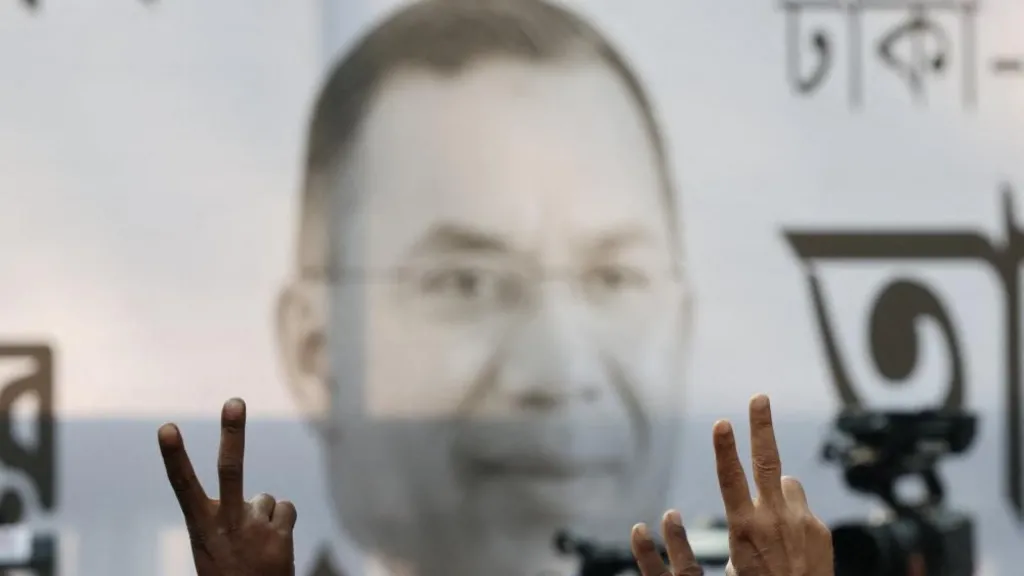
The BNP secured over two-thirds of the seats in the recent general election, with the Jamaat party, the main Islamist party in the country, coming in second; meanwhile, the Awami League, led by Hasina, was not allowed to participate in the election.
As the BNP's leader, Tarique Rahman is poised to become the next prime minister, facing significant challenges in revitalizing the economy and restoring democratic principles after 15 years of authoritarian rule under Hasina's leadership.
In a concurrent referendum, voters also expressed support for comprehensive democratic reforms, which are expected to shape the country's future.
Following Friday prayers in Dhaka, Tarique Rahman expressed gratitude to his supporters, stating, "I am grateful for the love you have shown me"; his party has chosen not to hold a victory procession.
Rahman, who was elected to parliament for the first time, was among the 212 successful BNP candidates; according to the Election Commission, voter turnout was 59.44%.
This marks a significant turnaround for Rahman, who spent 17 years in self-imposed exile in London before taking over as party leader after his mother, former Prime Minister Khaleda Zia, passed away in December.
During his campaign, Rahman pledged to restore democratic principles and practices in the country.
The new government will need to address pressing issues, including economic revitalization, controlling rising food prices, and creating employment opportunities for the country's large youth population.
Rebuilding relations with neighboring India is also a key priority for the incoming government.
In the aftermath of his victory, Rahman received a congratulatory call from Indian Prime Minister Narendra Modi, who acknowledged his "remarkable victory".
Modi took to social media to reaffirm India's commitment to promoting peace, progress, and prosperity in both countries, citing their deep historical and cultural ties.
Although the BNP has pledged to bring about change, the party has faced criticism in the past for corruption and alleged human rights abuses during its previous tenure in government in the early 2000s.
The recent election represents a pivotal moment for the country, with one of the two main parties achieving a significant victory, presenting both opportunities and risks.
Proposed constitutional reforms include introducing term limits for the prime minister, establishing a directly elected upper house of parliament, strengthening presidential powers, and increasing judicial independence.
The reforms also aim to increase female representation in parliament, an area where significant progress is still needed, as evidenced by the limited number of successful female candidates in the recent election.
As the newly elected leader, Tarique Rahman will face intense scrutiny as he works to deliver on his promises to a predominantly young electorate eager for change, many of whom participated in the student-led protests that ultimately led to Hasina's removal and paved the way for the February 12 election.
-
 News10 hours ago
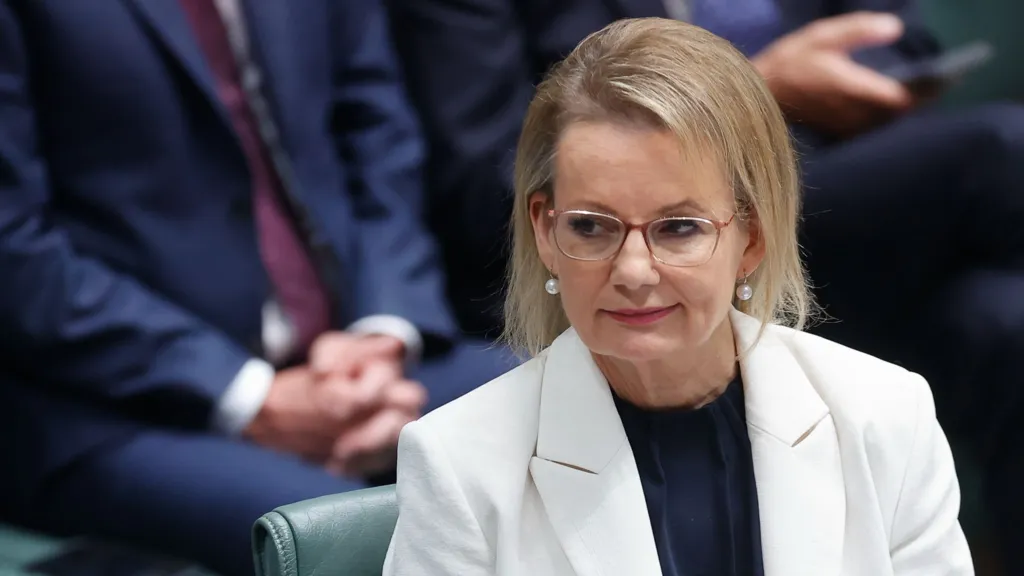
Australian Politics Faces Questions Over Gender Equality Amid Sussan Ley’s Appointment
-
 News7 hours ago
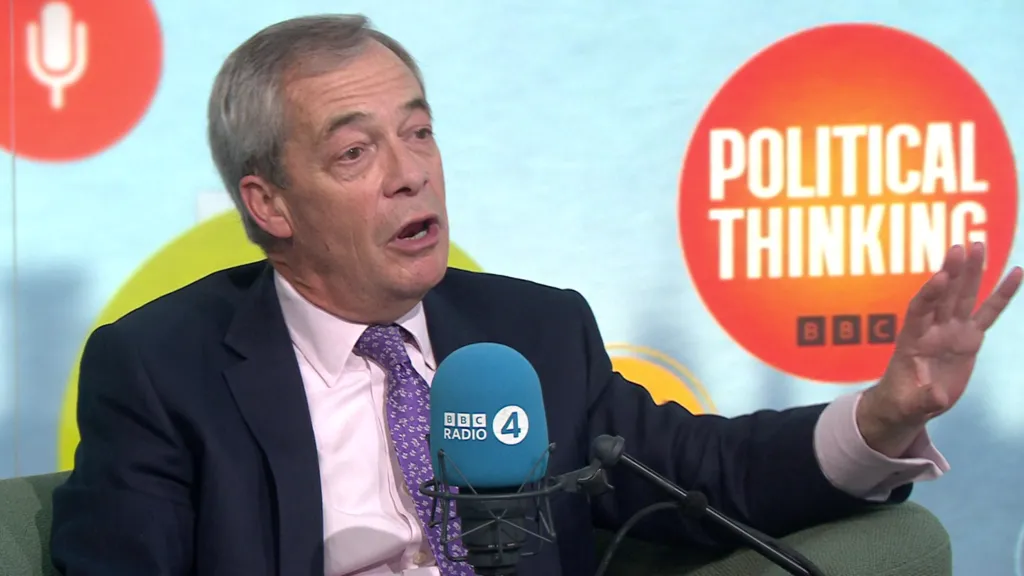
Farage Says Reform to Replace Traditional Tory Party
-
 News7 hours ago
Wrexham Pair Seek Win Against Former Team Ipswich
-
 News12 hours ago
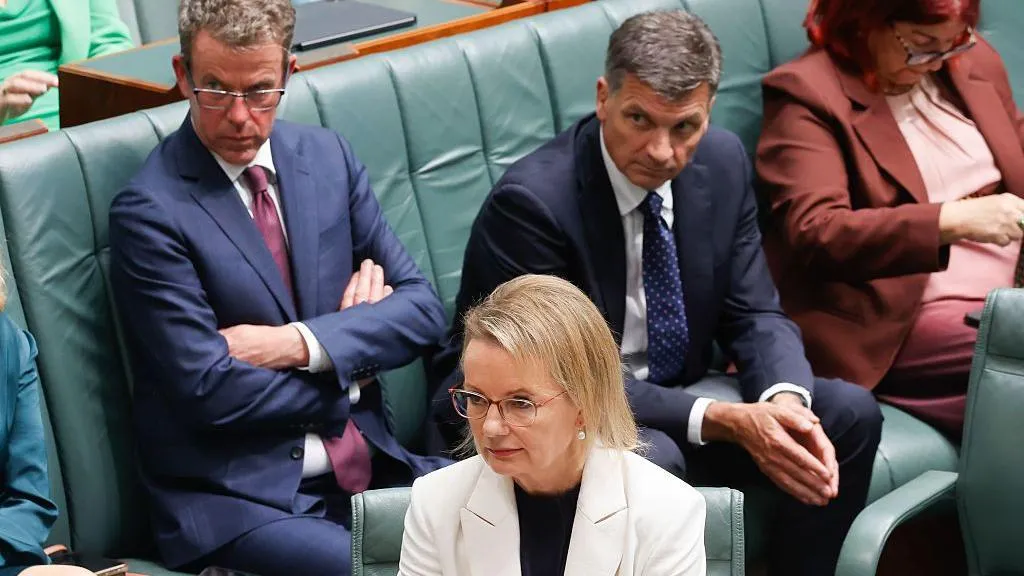
Liberal Party Removes Australia’s First Female Leader
-
 News10 hours ago
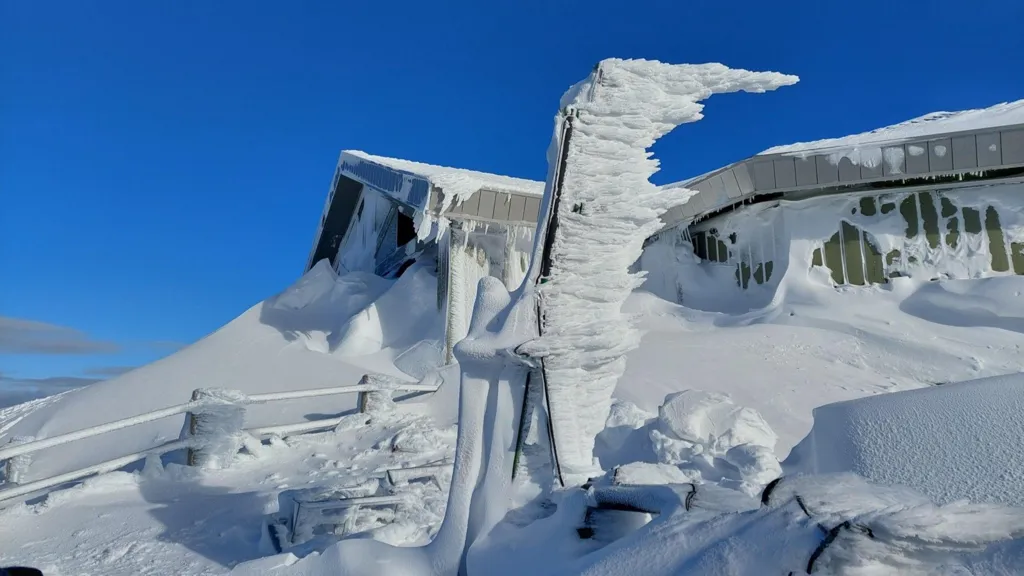
UK Braces for Cold Snap with Snow and Ice Alerts Expected
-
 News7 hours ago
Husband’s alleged £600k theft for sex and antiques blamed on drug side effects
-
 News2 days ago
Sunbed ads spreading harmful misinformation to young people
-
 Business12 hours ago
BBC Reporter Exposed to Cyber Attack Due to Vulnerabilities in AI Coding Tool