
News
The potential for robots to replace human astronauts in space travel
The progression of technological capabilities has sparked debate regarding the necessity of manned space missions, highlighting concerns over associated risks and expenses.
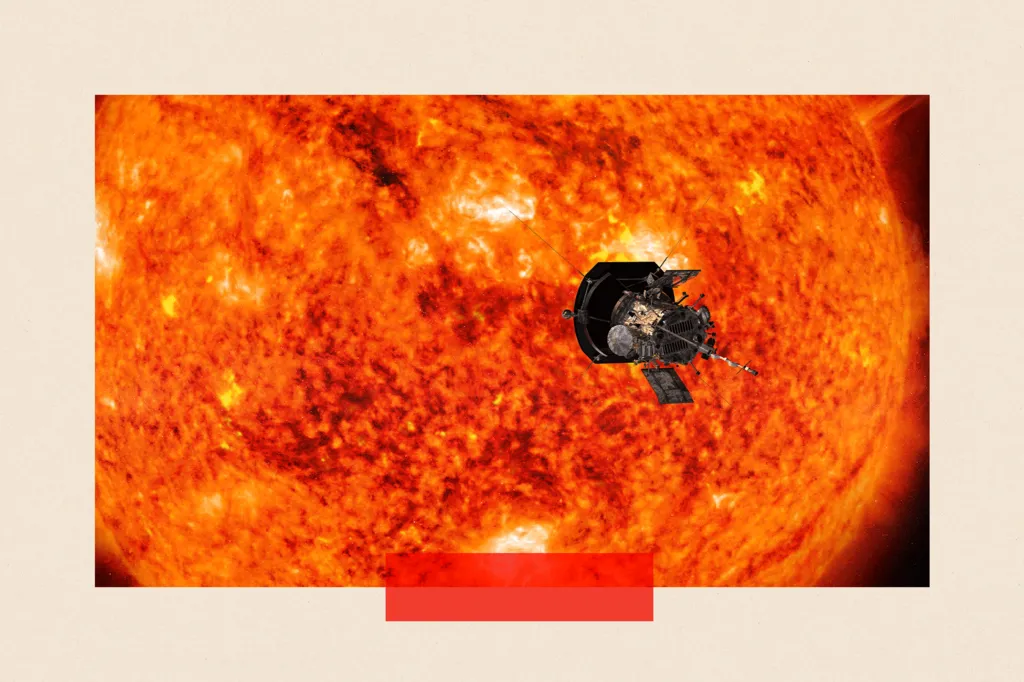
A historic milestone was achieved on Christmas Eve when Nasa's Parker Solar Probe flew closer to the Sun than any human-made object previously. This autonomous spacecraft's mission is to gather more information about the Sun and its impact on space weather on Earth, marking a significant step forward in space exploration.
The success of this mission highlights the capabilities of autonomous spacecraft, which can carry out complex tasks without human intervention. During its flyby, the Parker Solar Probe operated independently, with no communication with Earth, demonstrating the reliability of pre-programmed robotic systems.
For over six decades, robotic probes have been exploring the solar system, venturing into areas inaccessible to humans. The Parker Solar Probe's 10-day flyby took it through extreme temperatures of 1000C, showcasing the durability of these robotic systems.
The accomplishments of autonomous spacecraft, combined with advancements in artificial intelligence, raise questions about the role of humans in future space exploration. As technology continues to evolve, it is essential to consider the potential implications for human space travel.
Some experts are questioning the necessity of human astronauts in space exploration, given the capabilities of robotic systems.
According to Lord Martin Rees, the UK's Astronomer Royal, "The rapid development of robots and artificial intelligence is diminishing the case for sending humans into space." He believes that taxpayer funding should not be used for human space travel.
Lord Rees also emphasizes the risks associated with human space travel, highlighting the need for careful consideration of the costs and benefits.
He suggests that the only justification for sending humans to space is for adventure or personal experience, which should be funded privately. This perspective underscores the need for a nuanced discussion about the role of humans in space exploration.
Andrew Coates, a physicist from University College London, shares a similar view, stating, "For serious space exploration, I prefer robotics, as they can travel further and accomplish more tasks."
Coates also notes that robotic systems are more cost-effective than human missions, and as artificial intelligence advances, robots will become increasingly capable.
However, it is essential to consider the potential consequences for future generations of astronauts and the unique contributions humans can make in space, which may not be replicable by robotic systems.
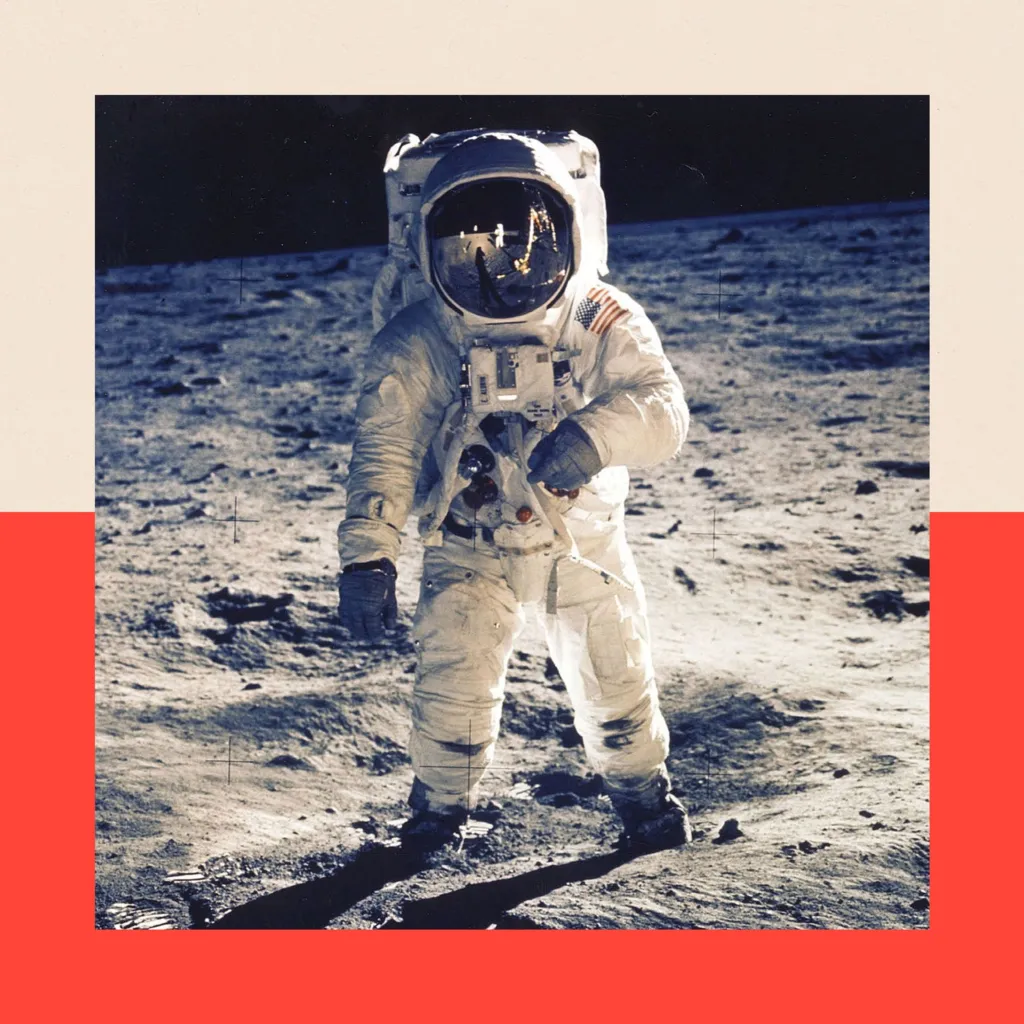
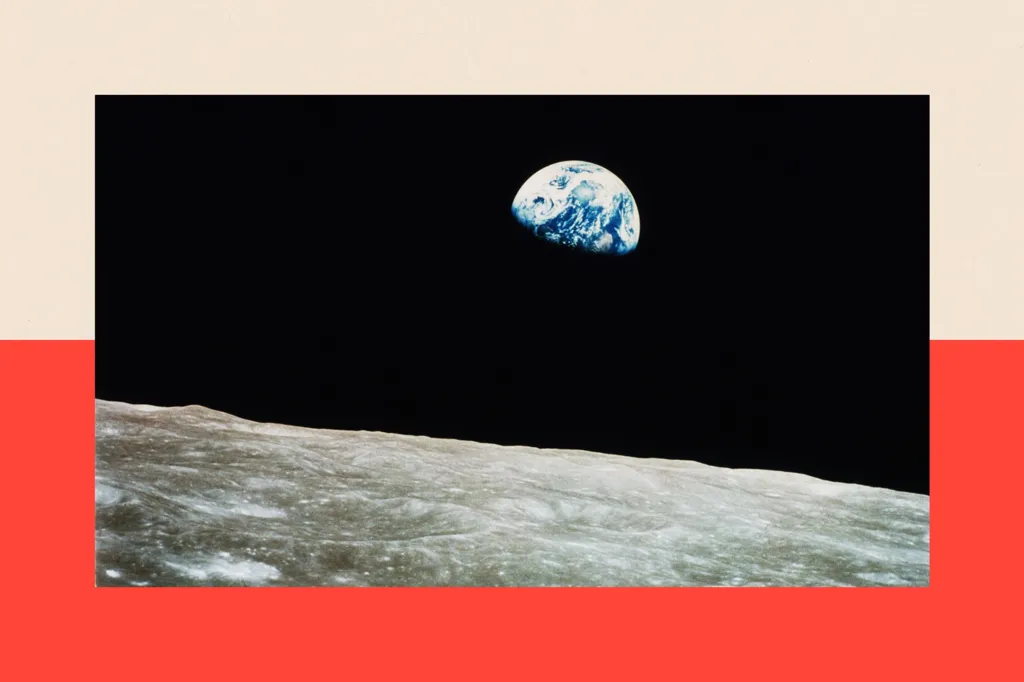
While robotic spacecraft have visited every planet in the solar system, as well as numerous asteroids and comets, humans have only traveled to two destinations: Earth's orbit and the Moon.
Since Yuri Gagarin's historic spaceflight in 1961, approximately 700 people have ventured into space, with most of these journeys limited to Earth's orbit or suborbital flights.
Dr. Kelly Weinersmith, a biologist at Rice University, Texas, and co-author of A City on Mars, suggests that prestige is a significant motivator for human space travel, as it demonstrates a nation's capabilities and achievements.
Humans also play a crucial role in conducting research and experiments in space, such as on the International Space Station, which contributes to advancing scientific knowledge.
Robotic systems can support scientific research by exploring environments inhospitable to humans and using instruments to study and analyze atmospheres and surfaces.
Dr. Weinersmith notes that humans are more versatile than robots but require significant resources to survive in space, highlighting the challenges of human space travel.
Author Samantha Harvey, in her novel Orbital, eloquently describes the advantages of robotic systems, stating that they have no need for basic human necessities like hydration, nutrients, or sleep.
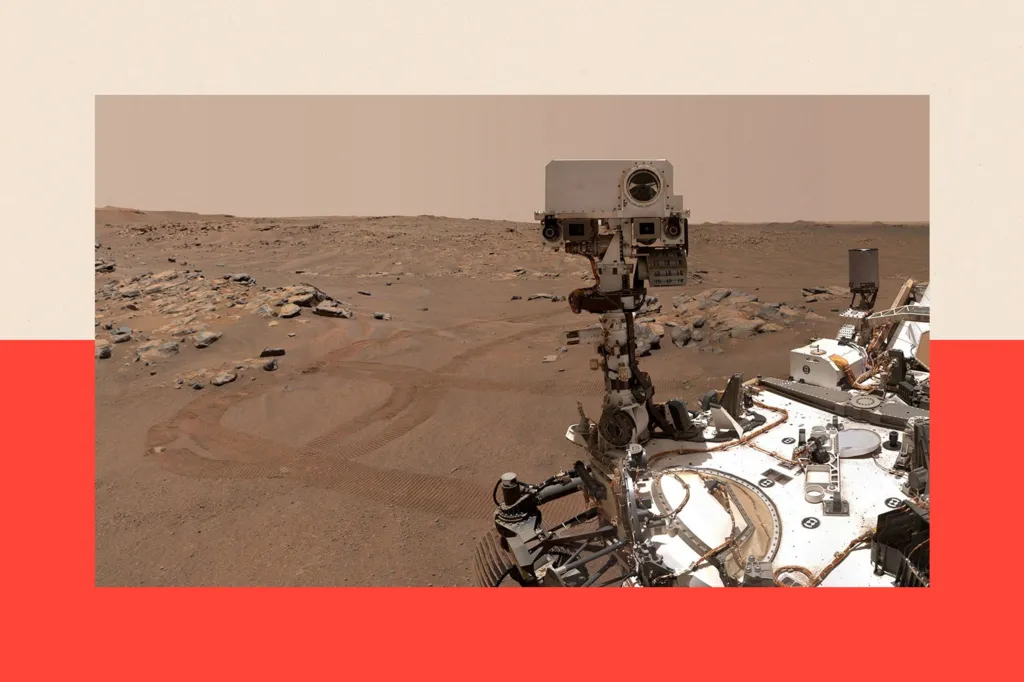
However, many robotic systems are slow and methodical, such as the Mars rovers, which move at a pace of approximately 0.1mph.
Dr. Ian Crawford, a planetary scientist at the University of London, questions whether artificial intelligence can replicate human capabilities in exploring complex environments.
He believes that AI algorithms can enhance the efficiency of rovers, but it is uncertain whether they can fully replace human capabilities.
Technology can complement human space travel by automating tasks, allowing astronauts to focus on more critical research and exploration.
Dr. Kiri Wagstaff, a computer and planetary scientist, explains that AI can automate tedious tasks, freeing humans to concentrate on higher-priority activities.
However, operating advanced AI systems like large language models requires significant power, which is currently a challenge for space-based applications.
The processors used in Mars rovers, for example, are much slower than those found in smartphones, limiting their ability to run complex AI algorithms.
Humanoid robots with robotic arms and limbs are being developed to perform tasks in space, potentially alleviating the need for human intervention in certain areas.
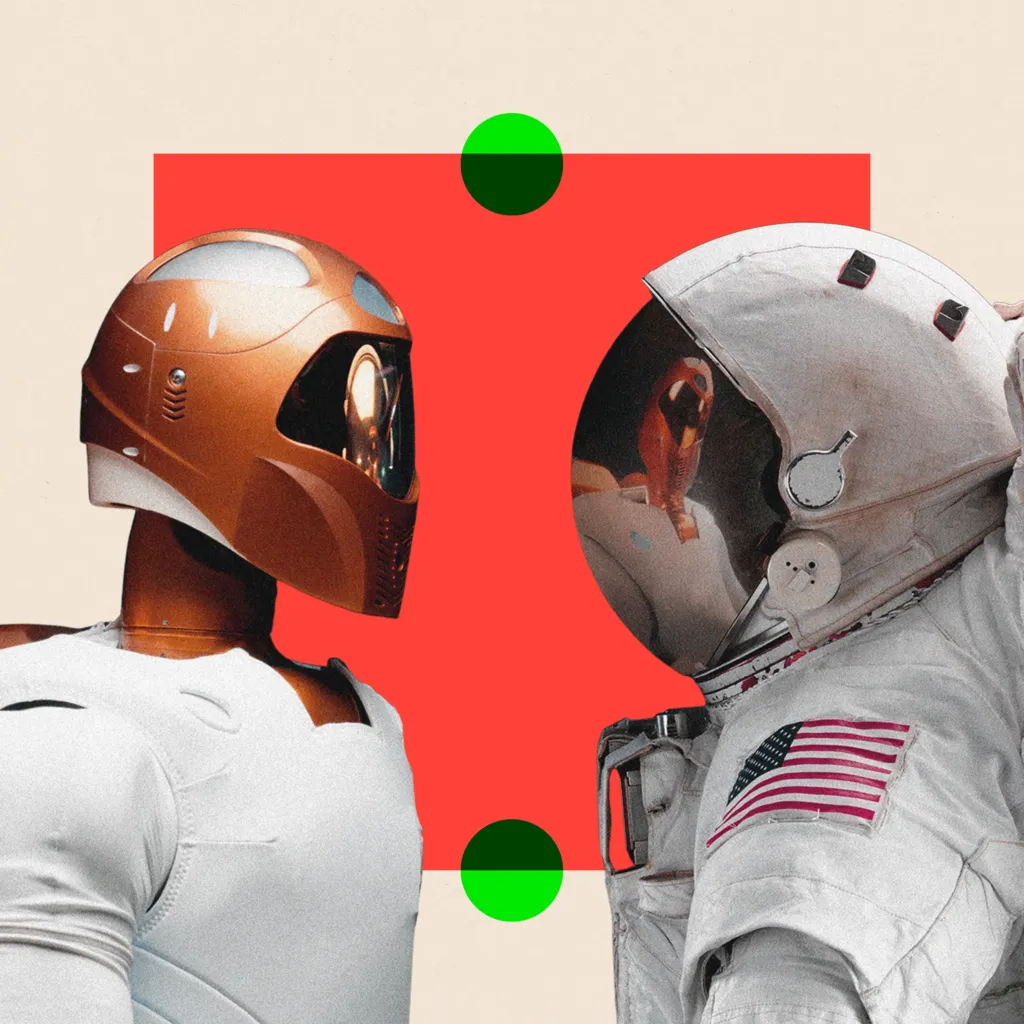
Nasa's Valkyrie robot, built by the Johnson Space Center, is an example of a humanoid machine designed for space exploration, with capabilities that rival those of humans.
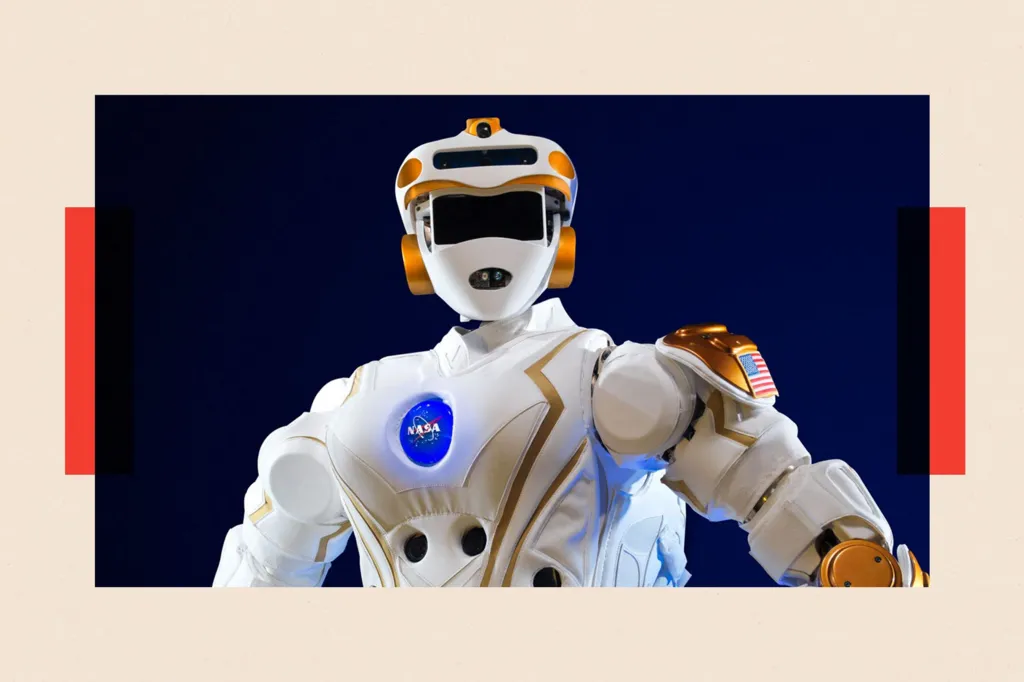
The Robonaut, another Nasa-developed humanoid robot, was designed for use in space and can perform complex tasks using its specially designed hands.
The Robonaut's capabilities include grasping objects and operating tools, demonstrating the potential for humanoid robots to support human astronauts in space.
A later model of the Robonaut was deployed to the International Space Station, where it assisted with maintenance and assembly tasks.
Dr. Shaun Azimi, lead of the dexterous robotics team at Nasa's Johnson Space Center, believes that robots can work alongside humans to secure habitats and perform tasks when humans are not present.
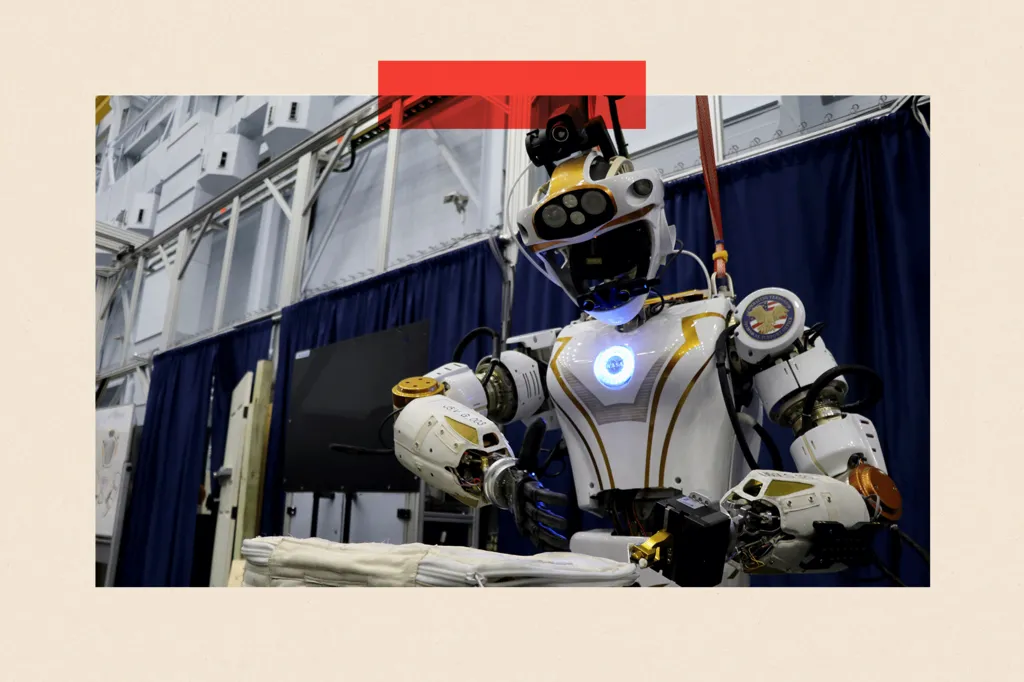
Azimi suggests that robots can complement human explorers, rather than replacing them, and can be used to maintain and assemble infrastructure in space.
Some robots, like Nasa's Curiosity rover, are already operating autonomously on other planets, making decisions and conducting science experiments without human input.
Dr. Wagstaff explains that the Curiosity rover can be directed to take pictures, analyze rocks, and perform science experiments, demonstrating its capabilities as a autonomous robotic system.
The Curiosity rover can even conduct experiments and send data back to Earth while humans are asleep, highlighting its ability to operate independently.
However, the limitations of robotic systems, such as their slow pace, underscore the need for human involvement in space exploration.
Prof. Coates notes that inspiration is a critical aspect of human space travel, as it can motivate people and spark interest in space exploration.
Leroy Chiao, a retired Nasa astronaut, agrees that humans have a unique ability to inspire and captivate the public, which is essential for generating support for space exploration.
Chiao believes that the first human mission to Mars will have a significant impact, rivaling the excitement of the first Moon landing.
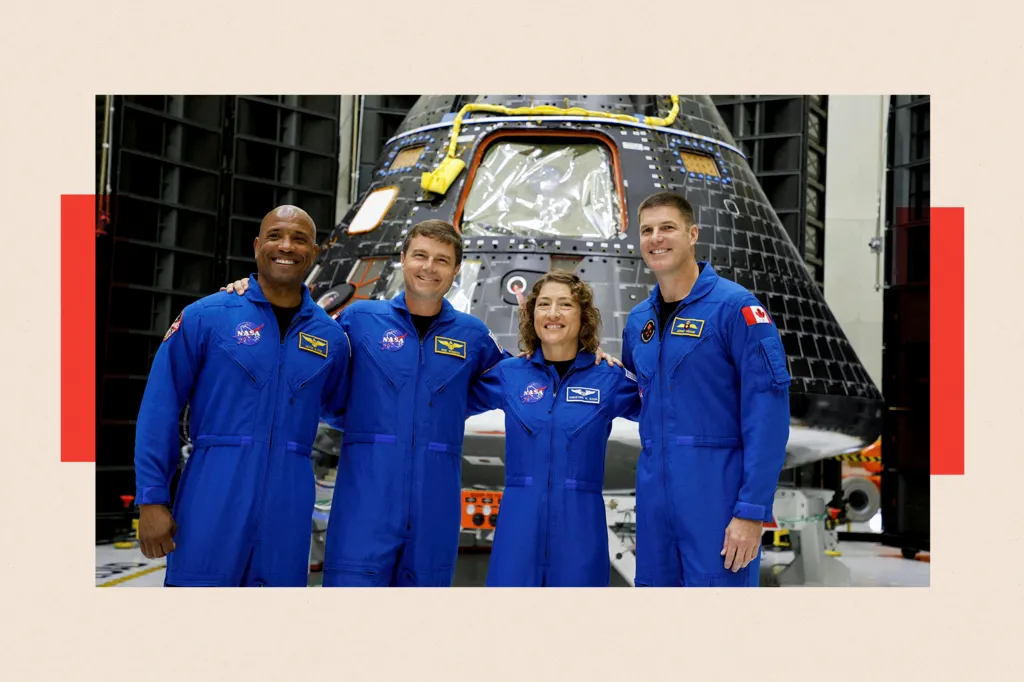
As Nasa plans to return humans to the Moon with its Artemis program, the debate about the role of humans in space exploration continues, with many experts weighing the benefits and challenges of human space travel.
In 2026, a crewed mission is slated to send four astronauts on a lunar flyby, with a subsequent mission planned for 2027 that will involve Nasa astronauts landing on the Moon's surface.
China's space agency is also working towards sending astronauts to the Moon, marking another significant development in the country's space program.
Elon Musk, the CEO of SpaceX, has outlined an ambitious plan to establish a human settlement on Mars, with the ultimate goal of creating a self-sustaining colony.
To achieve this, Musk's company is developing the Starship vehicle, which is designed to transport up to 100 people to Mars at a time, with the aim of establishing a population of one million people on the planet within 20 years.
According to Dr Weinersmith, Musk's rationale for colonizing Mars is to provide a safeguard for humanity in the event of a catastrophic event on Earth, highlighting the need for space exploration as a means of ensuring human survival.
However, numerous technical challenges and uncertainties surrounding life on Mars remain unresolved, including the potential risks and implications for human health and development.
Dr Weinersmith raises ethical concerns, such as the possibility that babies may not be able to develop properly in a Martian environment, highlighting the need for further research and consideration.
In light of these uncertainties, Dr Weinersmith advocates for a more cautious approach to space exploration and colonization.
Lord Rees, on the other hand, envisions a future where human and robotic exploration converge, potentially leading to the development of hybrid human-machine entities capable of thriving in extreme environments.
This could ultimately result in the emergence of a new species that is well-suited to life on Mars, according to Lord Rees.
For now, human space exploration is likely to continue at a gradual pace, building on the foundation laid by robotic missions that have paved the way for human exploration.
Image credit: NASA



Entertainment And Arts
Spielberg Contributes $25,000 to Van Der Beek’s $2 Million Crowdfunding Campaign
The relatives of the deceased actor, known for his role in Dawson’s Creek, have expressed gratitude to those who contributed to the $2m fund.
A donation of $25,000 (£21,000) has been made by film director Steven Spielberg and his wife, Kate Capshaw, to a GoFundMe campaign that has raised over $2m (£1.6m) for the family of late actor James Van Der Beek.
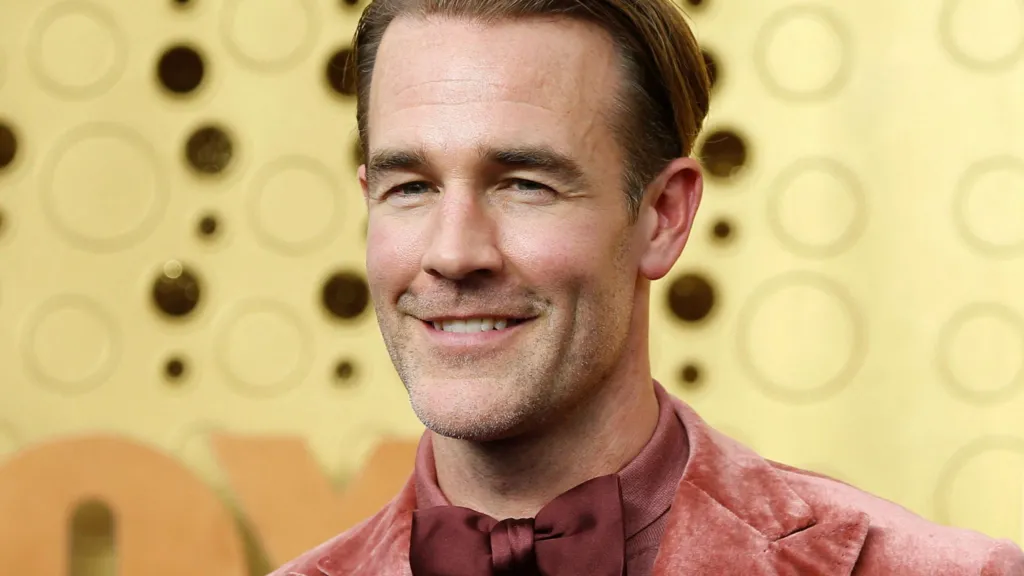
Van Der Beek, who passed away at the age of 48, is survived by his wife Kimberly and their six children, and the crowdfunding effort to support his family has now exceeded its initial target of $2m.
Other notable donors include Oscar-winning actress Zoe Saldana, who contributed $2,500 (£2,108), and director Jon M Chu, who gave $10,000 (£8,432) to the cause.
A statement from the organizers of the fundraiser, Friends of the Van Der Beek family, expressed gratitude to all contributors, stating that their support is deeply appreciated.
The statement highlighted the significance of the donations, saying that the kindness shown by contributors is beyond words.
It also noted that the outpouring of support has been a source of comfort during a difficult time, serving as a reminder of the power of love, community, and the enduring legacy of James Van Der Beek.
Van Der Beek was perhaps best known for his starring role in the popular US teen drama series Dawson's Creek, which aired from 1998 to 2003, although he remained associated with the show until 2023.
Although Van Der Beek and Spielberg never collaborated on a project, the late actor's character in Dawson's Creek was a fan of Spielberg's work, with posters of films like ET and Schindler's List featured in his bedroom.
At a Dawson's Creek cast reunion event last year, Spielberg paid tribute to Van Der Beek by sending a video message.
In the message, Spielberg said, "Dawson, you made it," and jokingly added that he hoped to one day have a room like Dawson's, filled with memorabilia from his films.
Van Der Beek passed away on Wednesday after a battle with bowel cancer.

He had been dealing with the diagnosis since August 2023 and publicly disclosed his condition in November 2024.
The GoFundMe campaign was launched to help the family with medical expenses, which had depleted their funds.
The statement from the organizers concluded by saying that the family is currently taking time to grieve and be together, and thanked everyone for their compassionate and generous support in honoring James Van Der Beek's life.
News
Zimbabwe Shocks Australia with Muzarabani’s Exceptional Performance
Zimbabwe secured a stunning 23-run victory over Australia in the T20 World Cup, with Blessing Muzarabani playing a key role by taking 4-17.
In the current T20 world rankings, Zimbabwe occupies the 12th position.
The Men's T20 World Cup is underway in Group B at Colombo.
Zimbabwe's innings concluded at 169-2 after 20 overs, with Bennett scoring an unbeaten 64 off 56 deliveries, while Green claimed 1-6.
Australia's reply ended at 146 after 19.3 overs, as Renshaw top-scored with 65 off 44 balls, and Muzarabani took 4-17.
The match resulted in a 23-run victory for Zimbabwe.
A standout performance from Blessing Muzarabani, who took 4-17, helped Zimbabwe secure a thrilling 23-run win over Australia in the T20 World Cup.
After being set a target of 170, Australia found themselves in trouble at 29-4, but a 77-run partnership between Matthew Renshaw and Glenn Maxwell for the fifth wicket gave them hope.
With 34 runs needed from the last two overs, Renshaw's dismissal for 65, caught off Muzarabani with eight balls remaining, essentially sealed the game's outcome.
The result has left Group B finely balanced after two matches each, with Australia trailing Zimbabwe and Sri Lanka by two points, ahead of their meeting with Sri Lanka on Monday.
Initially, Zimbabwe's approach to batting first at the R. Premadasa Stadium appeared overly cautious.
Brian Bennett's innings of 64 not out from 56 balls, including seven fours, was played at a strike rate of 114.28, as he anchored the Zimbabwean batting.
In contrast, Tadiwanashe Marumani and Ryan Burl adopted a more aggressive approach, scoring 35 off 21 and 30 balls, respectively.
A late surge from Zimbabwe skipper Sikandar Raza, who scored 25 off 13 balls, including the team's only six on the final ball, provided a boost to their total.
Australia's target seemed achievable, given their total of 182-6 in their previous win against Ireland.
However, the Australian batting line-up was severely dented by the loss of key wickets, including Josh Inglis, Travis Head, Cameron Green, and Tim David, courtesy of Muzarabani and Brad Evans.
A partnership between Renshaw and Maxwell offered some respite, but when Maxwell fell for 31, dragged on to Burl, the pressure mounted on Australia.
Muzarabani's return to bowl the penultimate over proved decisive, as he removed Renshaw, and Zimbabwe subsequently wrapped up the win.
There are calls for the ICC to review the rules regarding 12th men.
For more information, including notifications and social media updates, visit BBC Sport.
A blogger who participates in the FPL is also competing in the T20 World Cup.
News
FA Cup Finalists Outside the Big Six Since 2008
As the FA Cup resumes this weekend, assess your understanding of past finalists that have competed from beyond the Premier League’s top six clubs.
This weekend, the FA Cup resumes with 32 teams remaining in contention for the historic trophy, which has been awarded for 155 years and will be presented to the winner in May.
Historically, the Premier League's top six clubs – Arsenal, Chelsea, Liverpool, Manchester City, Manchester United, and Tottenham – have dominated the FA Cup, claiming 32 titles out of the last 37.
However, in recent years, teams outside of this elite group have experienced some notable victories in the competition.
Since 2008, 10 teams from outside the traditional 'big six' have advanced to the FA Cup final – can you identify all of them?
For more quizzes, visit our Football Quizzes and Sports Quizzes sections, where you can also subscribe to receive the latest quizzes directly on your device.
We have a quiz question tailored to each Premier League team – test your knowledge and see how you score.
Can you recall every team that has won the Women's Champions League?
Which players have made the most appearances in the Premier League – can you name them all?
Explore our Sports Quizzes page for a wide range of challenging and engaging quizzes.
-
 News7 hours ago
Australian Politics Faces Questions Over Gender Equality Amid Sussan Ley’s Appointment
-
 News4 hours ago
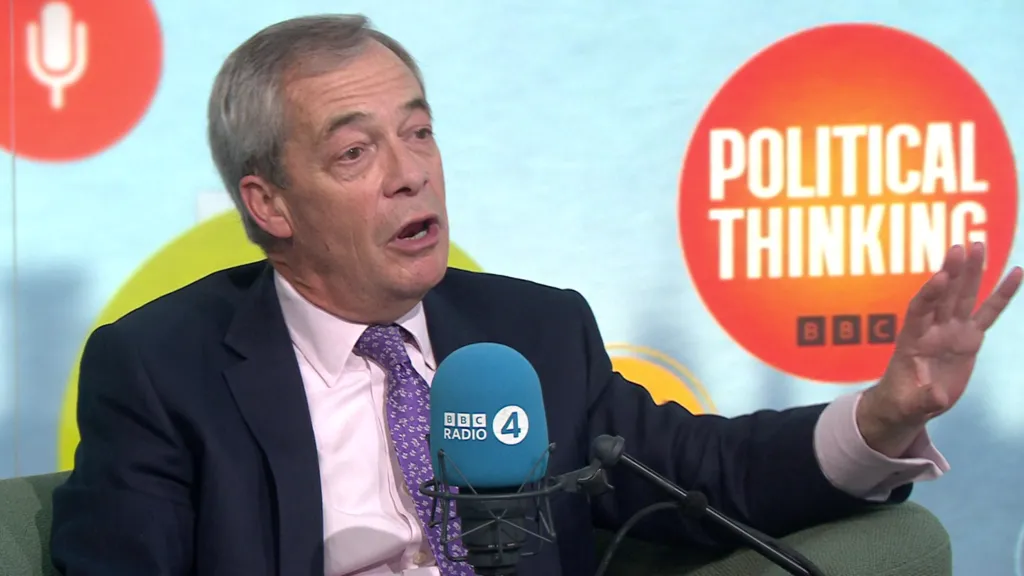
Farage Says Reform to Replace Traditional Tory Party
-
 News4 hours ago
Wrexham Pair Seek Win Against Former Team Ipswich
-
 News7 hours ago
UK Braces for Cold Snap with Snow and Ice Alerts Expected
-
 News9 hours ago
Liberal Party Removes Australia’s First Female Leader
-
 News4 hours ago
Husband’s alleged £600k theft for sex and antiques blamed on drug side effects
-
 News2 days ago
Sunbed ads spreading harmful misinformation to young people
-
 Business10 hours ago
BBC Reporter Exposed to Cyber Attack Due to Vulnerabilities in AI Coding Tool