
News
Scientists predict more heat records despite 2025 temperature dip
According to records, the past three years have been the warmest globally, coinciding with the ongoing rise in carbon emissions released by human activities.
According to data from the European Copernicus climate service and the Met Office, global temperatures in 2025 fell short of the previous year's highs, due in part to the cooling effects of the La Niña weather pattern in the Pacific.

The past three years have been the warmest on record globally, edging the planet closer to exceeding international climate targets.
Despite the natural cooling influence of La Niña, 2025 temperatures remained significantly higher than those of just a decade ago, reflecting the ongoing impact of human-caused carbon emissions on global heating.
Unless carbon emissions are substantially reduced, scientists warn that further temperature records and more severe weather extremes are inevitable.
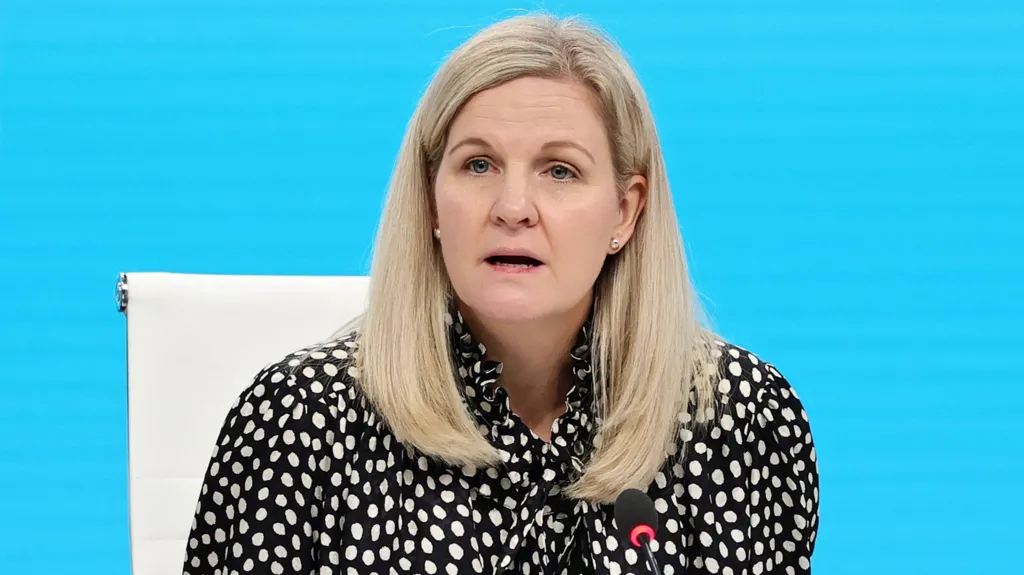
Dr Samantha Burgess, deputy director of Copernicus, noted that looking back from twenty years in the future, the mid-2020s will likely be seen as a relatively cool period.
The global average temperature in 2025 was over 1.4C above pre-industrial levels of the late 1800s, according to data from Copernicus and the Met Office.
While there are minor variations in the precise figures among major climate groups, these differences stem primarily from disparate calculations of pre-industrial temperatures, and do not impact the overall trend of long-term global warming.
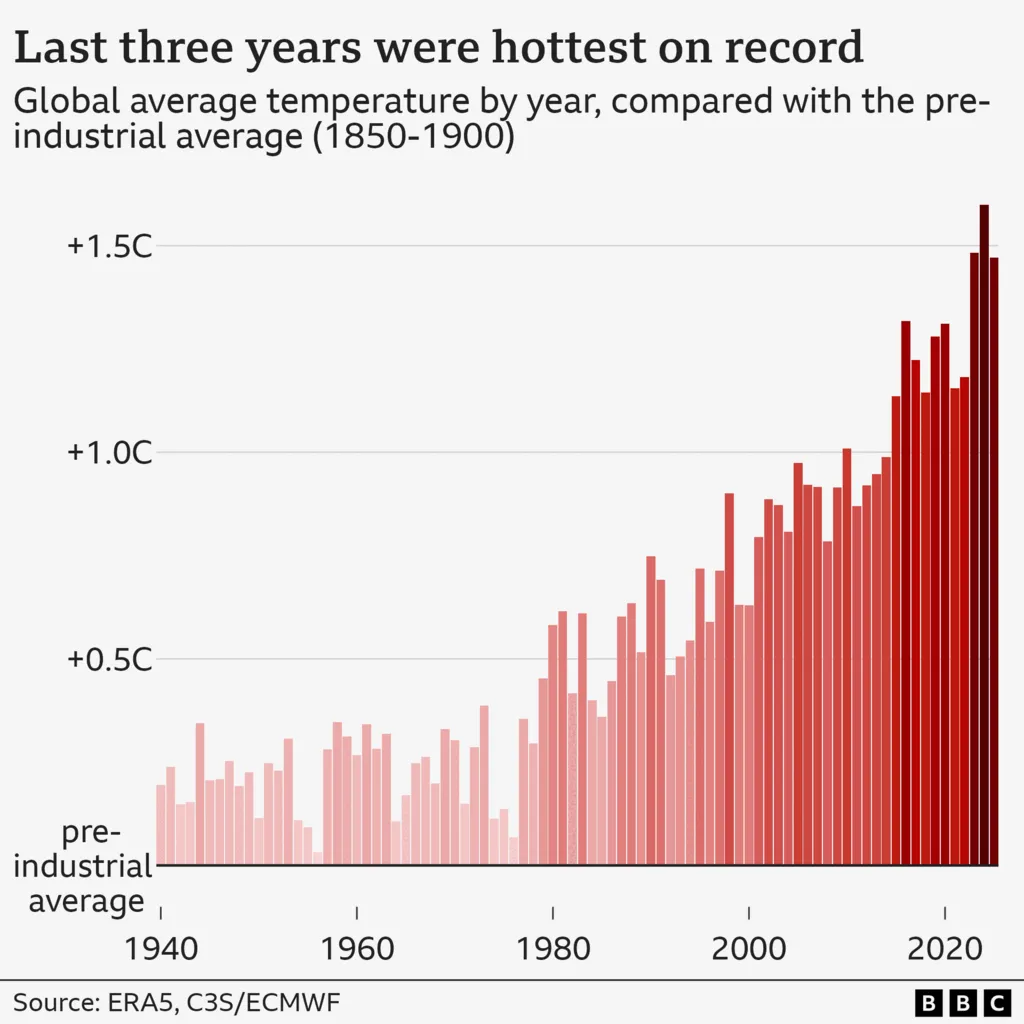
Prof Rowan Sutton, director of the Met Office Hadley Centre, explained that the ongoing release of greenhouse gases into the atmosphere leads to increased concentrations, resulting in planetary warming.
Although 2025 did not set a new global temperature record, extreme weather events linked to climate change continued to occur.
Notable examples of such events include the January Los Angeles fires and October's Hurricane Melissa, which scientists believe were partly fueled by climate change.
The sustained warmth is bringing the world closer to surpassing the international target of limiting global temperature rise to 1.5C above pre-industrial levels.

This target was agreed upon by nearly 200 countries in 2015, with the aim of mitigating the more severe consequences of climate change associated with 2C of warming.
According to Dr Burgess, the latest data suggest that the 1.5C threshold will likely be exceeded by the end of the decade.
While human activities drive long-term warming, natural variability can cause individual years to be slightly warmer or cooler.
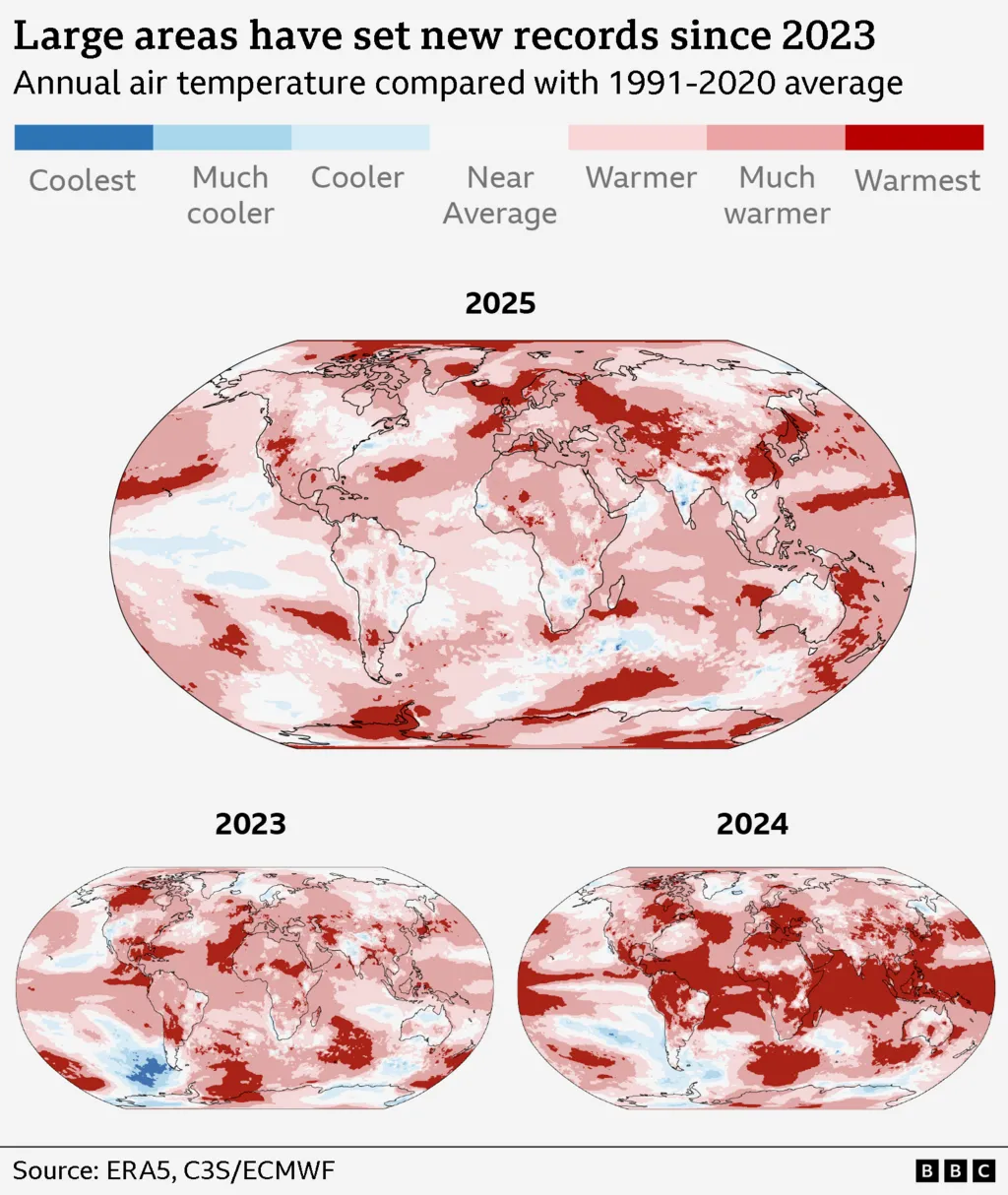
One key factor influencing this variability is the fluctuation between El Niño and La Niña weather patterns.
These patterns, which primarily affect Pacific weather, have a ripple effect on global temperatures, with El Niño years tend to be warmer and La Niña years cooler.
The El Niño phenomenon contributed to the record warmth in 2024 and, to a lesser extent, 2023.
The return of La Niña conditions in 2025 is believed to have suppressed temperatures, but the fact that temperatures remained high despite this cooling influence is a concern, according to Dr Zeke Hausfather, a climate scientist at Berkeley Earth.
The past three years have seen significant breaks in global temperature records, with new monthly records set since 2023, as indicated by Copernicus data.
The substantial jump in temperatures in 2023 surprised many scientists, prompting speculation about the underlying factors contributing to this surge, beyond carbon emissions and El Niño.
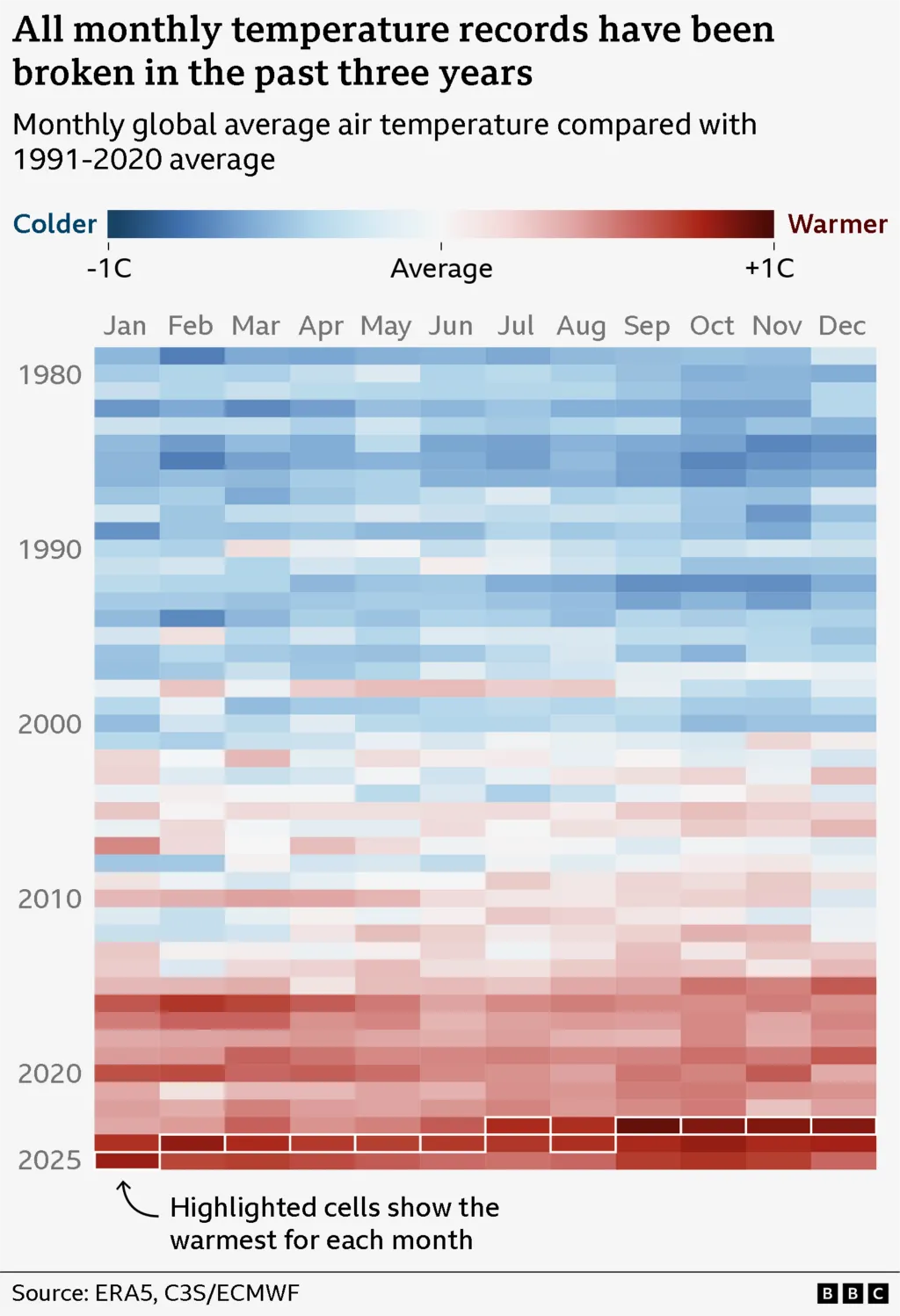
Theories include changes in cloud cover and aerosol particles, which appear to be reflecting less solar energy back into space.
The persistence of extreme warmth in 2025 suggests that there may be unresolved factors at play, according to Dr Hausfather.
Prof Sutton noted that the current rate of warming is at the upper end of longer-term expectations.
However, it is unclear whether the past three years have significant implications for the long term, and more data is needed to draw firm conclusions, according to Sutton.
While scientists anticipate further record-breaking temperatures, they emphasize that the future impacts of climate change are not predetermined.
Prof Sutton stated that human actions can strongly influence the course of climate change, both by reducing greenhouse gas emissions to stabilize warming and by adapting to ongoing changes to build resilience.
Additional reporting was provided by Jess Carr.


News
Aberdeen to unveil new manager soon with Docherty set to take assistant role
Aberdeen has bolstered its interim management team with the return of Tony Docherty, who previously served as an assistant manager, to support Peter Leven, amid anticipation of a permanent appointment announcement that sporting director Lutz Pfannenstiel had indicated would be made “imminently”.
Ross County parted ways with Tony Docherty in December, and he has now taken on a new role.
Aberdeen have brought in former assistant manager Tony Docherty to support Peter Leven's interim management team, despite sporting director Lutz Pfannenstiel indicating that a permanent appointment was imminent.
Docherty's return to Aberdeen comes just a week after Eirik Horneland, a former coach of Rosenborg, Brann, and Saint-Etienne, emerged as a top contender to succeed Jimmy Thelin, who was sacked earlier.
As Aberdeen delays making a full-time appointment, speculation surrounding Eirik Horneland's availability has arisen, with reports suggesting the 50-year-old Norwegian may not be able to take on the role until summer.
Since Jimmy Thelin's dismissal on January 4, Lutz Pfannenstiel has been leading the search for a replacement, and he confirmed that Tony Docherty would be joining the team to assist Peter Leven during the interim period.
Dundee Utd are facing a challenging schedule, with four matches in 14 days set to take place on a weather-affected pitch.
According to Stavrum, Eirik Horneland's coaching style, characterized by intensity, would be a good fit for Aberdeen.
Tony Docherty initially joined Aberdeen in 2013 as part of Derek McInnes' management team and spent eight years at the club.
Before his stint at Aberdeen, Docherty served as McInnes' assistant at Kilmarnock and later managed Dundee and Ross County, but his time at Ross County ended in December when he was let go with the team at the bottom of the Championship.
Lutz Pfannenstiel praised Tony Docherty's experience, stating that he has a deep understanding of the club and will be a valuable asset during the transition period.
Pfannenstiel highlighted Docherty's extensive knowledge of the Scottish Premiership, gained through his experience as both a coach and manager, which will be beneficial to the team in the short term.
The club's managerial search is nearing its conclusion, and an announcement regarding the new head coach is expected soon, according to Pfannenstiel.
Peter Leven, who is serving as caretaker manager for the third time, expressed his enthusiasm for Tony Docherty's appointment.
Leven welcomed Docherty's return, stating that his experience will be a significant boost to the team, particularly during the upcoming matches.
Leven noted that Docherty was eager to join the team and that his presence will provide valuable support during both training sessions and matches.
Eirik Horneland left his position at Saint-Etienne in early February, at which point his team was fourth in France's second tier.
If Aberdeen decides to wait until summer for Horneland to take over, it will be similar to the six-month delay that occurred when Jimmy Thelin joined the club from Elfsborg in the summer of 2024.
For the latest news, analysis, and fan perspectives on Aberdeen, visit our dedicated page.
News
Peter Murrell faces allegations of misusing £459,000 in funds over 12 years
Allegations have been made that he bought various items, such as luxury goods, jewellery, cosmetics, two cars and a motorhome, in an improper manner.
Peter Murrell, the former chief executive of the Scottish National Party, is facing allegations of embezzling £459,000 from the party over a 12-year period.

An indictment document obtained by BBC News outlines the case against Murrell, who is the estranged husband of former Scottish First Minister Nicola Sturgeon.
The alleged embezzlement is said to have occurred between August 2010 and January 2023, according to the indictment.
It is claimed that Murrell used party funds to purchase luxury items, including jewellery, cosmetics, and vehicles, such as two cars and a motorhome.
The Scottish Sun was the first to report on the details of the indictment.
A preliminary hearing in the case is scheduled to take place at the High Court in Glasgow on Friday, 20 February, where Murrell is expected to appear.
During his initial court appearance at Edinburgh Sheriff Court, Murrell made no plea and was subsequently granted bail.
Murrell's arrest in 2023 was part of Operation Branchform, a police investigation into the SNP's funding and finances, which led to him being charged with embezzlement in April 2024.

Although Sturgeon was questioned by police as part of the investigation, she is no longer considered a suspect.
BBC News has obtained a copy of the indictment against Murrell ahead of his upcoming court appearance.
It is worth noting that the indictment is subject to change until the case is heard in court and may be amended throughout the judicial process.
The indictment alleges that Murrell purchased a £124,550 motorhome for personal use and created false documents to justify the expense as a legitimate party expenditure.
Murrell is also accused of using £57,500 of party funds to buy a Jaguar I-PACE car in 2019, and falsifying an invoice to conceal the true nature of the purchase.
Furthermore, it is alleged that when the Jaguar was sold in 2021, Murrell deposited more than £47,000 into his personal bank account.
The indictment also claims that Murrell embezzled £16,489 from the SNP to partially fund the purchase of a Volkswagen Golf in 2016.
A list of over 80 retailers is included in the indictment, where Murrell allegedly made purchases totalling more than £159,000 between 2014 and 2022, using party credit or charge cards for personal expenses.
The retailers named in the indictment include Harrods, the Royal Mint, John Lewis, Homebase, and Argos, among others.
It is alleged that Murrell used SNP credit or charge cards to make these purchases and then inserted false or inaccurate accounting codes and descriptions into the party's accounting systems.
The indictment also accuses Murrell of making purchases worth over £81,600 through Amazon using the same method.
Murrell served as the SNP's chief executive for 22 years before his departure.
Murrell and Sturgeon were married in 2010, but announced their separation in January 2025, after being together for many years.
News
Bangladesh Nationalist Party Wins Landslide in Country’s First Poll Since Youth-Led Protests
The public is looking forward to a shift back to democratic governance, following a 15-year period of authoritarian leadership by Sheikh Hasina.
In a significant shift in the country's political landscape, the Bangladesh Nationalist Party (BNP) has achieved a decisive majority in parliament, 18 months after widespread protests led to the ousting of Sheikh Hasina, the country's longest-serving prime minister.
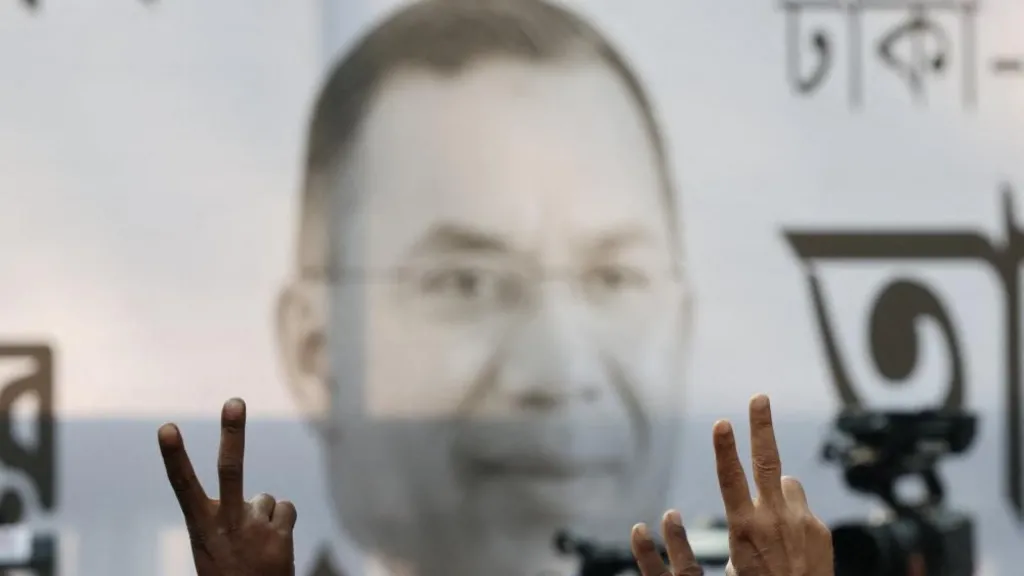
The BNP secured over two-thirds of the seats in the recent general election, with the Jamaat party, the main Islamist party in the country, coming in second; meanwhile, the Awami League, led by Hasina, was not allowed to participate in the election.
As the BNP's leader, Tarique Rahman is poised to become the next prime minister, facing significant challenges in revitalizing the economy and restoring democratic principles after 15 years of authoritarian rule under Hasina's leadership.
In a concurrent referendum, voters also expressed support for comprehensive democratic reforms, which are expected to shape the country's future.
Following Friday prayers in Dhaka, Tarique Rahman expressed gratitude to his supporters, stating, "I am grateful for the love you have shown me"; his party has chosen not to hold a victory procession.
Rahman, who was elected to parliament for the first time, was among the 212 successful BNP candidates; according to the Election Commission, voter turnout was 59.44%.
This marks a significant turnaround for Rahman, who spent 17 years in self-imposed exile in London before taking over as party leader after his mother, former Prime Minister Khaleda Zia, passed away in December.
During his campaign, Rahman pledged to restore democratic principles and practices in the country.
The new government will need to address pressing issues, including economic revitalization, controlling rising food prices, and creating employment opportunities for the country's large youth population.
Rebuilding relations with neighboring India is also a key priority for the incoming government.
In the aftermath of his victory, Rahman received a congratulatory call from Indian Prime Minister Narendra Modi, who acknowledged his "remarkable victory".
Modi took to social media to reaffirm India's commitment to promoting peace, progress, and prosperity in both countries, citing their deep historical and cultural ties.
Although the BNP has pledged to bring about change, the party has faced criticism in the past for corruption and alleged human rights abuses during its previous tenure in government in the early 2000s.
The recent election represents a pivotal moment for the country, with one of the two main parties achieving a significant victory, presenting both opportunities and risks.
Proposed constitutional reforms include introducing term limits for the prime minister, establishing a directly elected upper house of parliament, strengthening presidential powers, and increasing judicial independence.
The reforms also aim to increase female representation in parliament, an area where significant progress is still needed, as evidenced by the limited number of successful female candidates in the recent election.
As the newly elected leader, Tarique Rahman will face intense scrutiny as he works to deliver on his promises to a predominantly young electorate eager for change, many of whom participated in the student-led protests that ultimately led to Hasina's removal and paved the way for the February 12 election.
-
 News10 hours ago
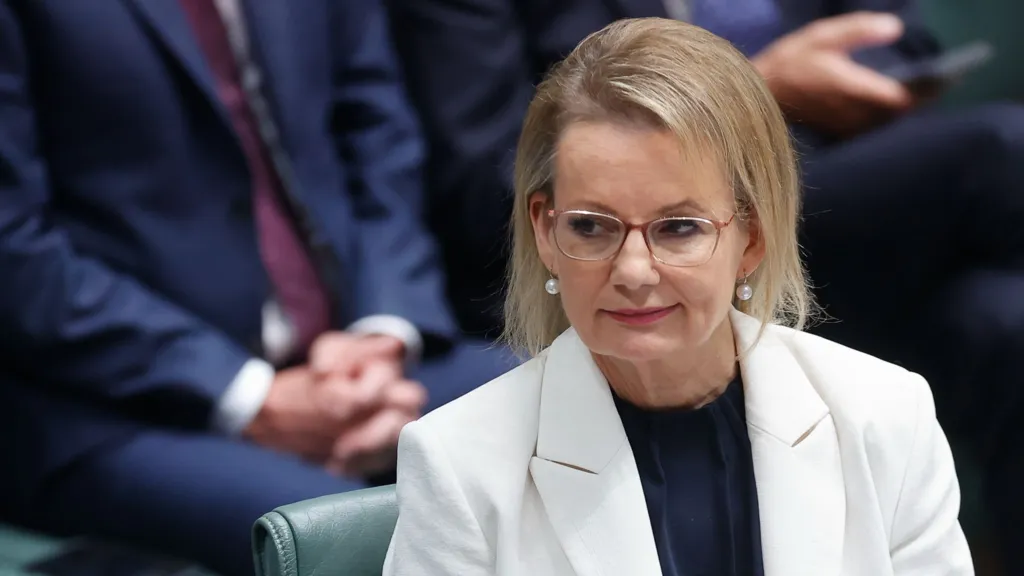
Australian Politics Faces Questions Over Gender Equality Amid Sussan Ley’s Appointment
-
 News7 hours ago
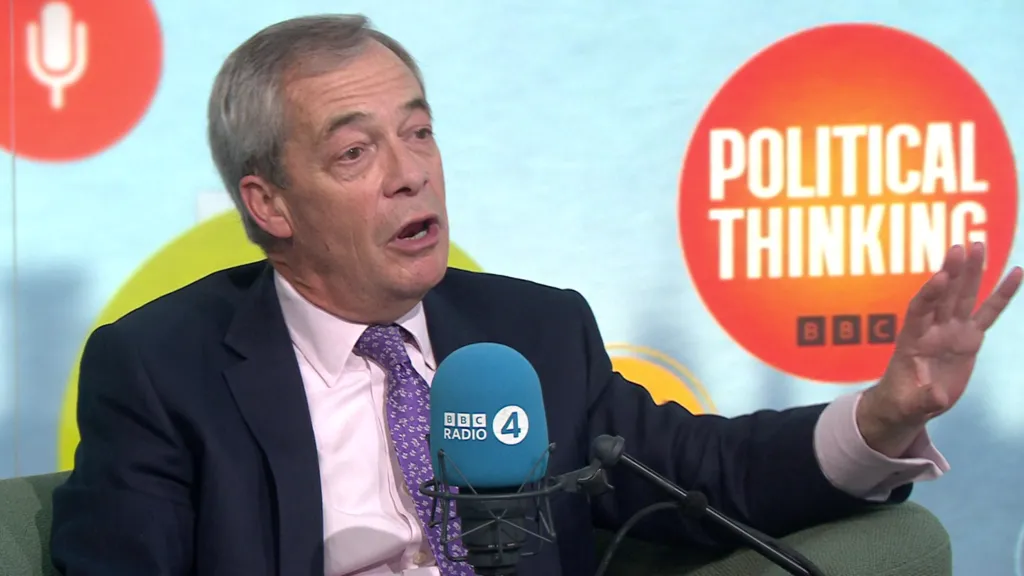
Farage Says Reform to Replace Traditional Tory Party
-
 News7 hours ago
Wrexham Pair Seek Win Against Former Team Ipswich
-
 News12 hours ago
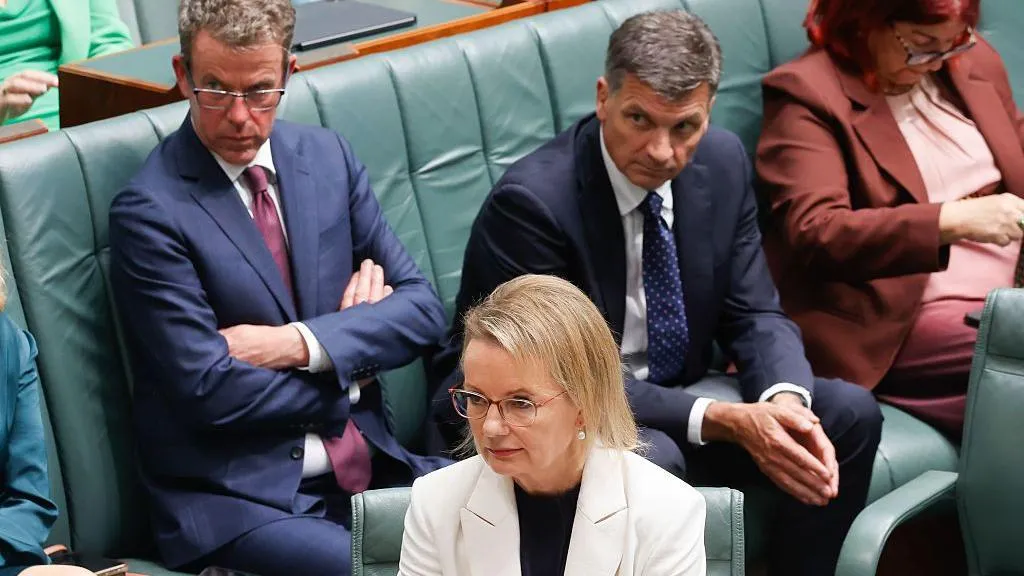
Liberal Party Removes Australia’s First Female Leader
-
 News10 hours ago
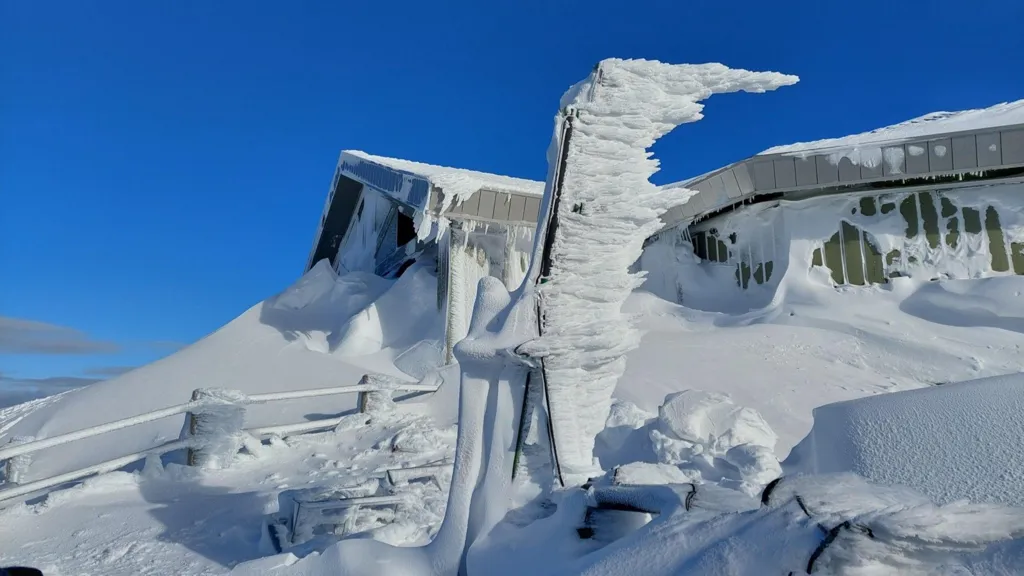
UK Braces for Cold Snap with Snow and Ice Alerts Expected
-
 News7 hours ago
Husband’s alleged £600k theft for sex and antiques blamed on drug side effects
-
 News2 days ago
Sunbed ads spreading harmful misinformation to young people
-
 Business12 hours ago
BBC Reporter Exposed to Cyber Attack Due to Vulnerabilities in AI Coding Tool