
News
The Paradox at the Heart of the AI Industry’s Growth
A lingering uncertainty surrounds the frenzy over AI, with concerns that it may be a bubble poised to collapse.
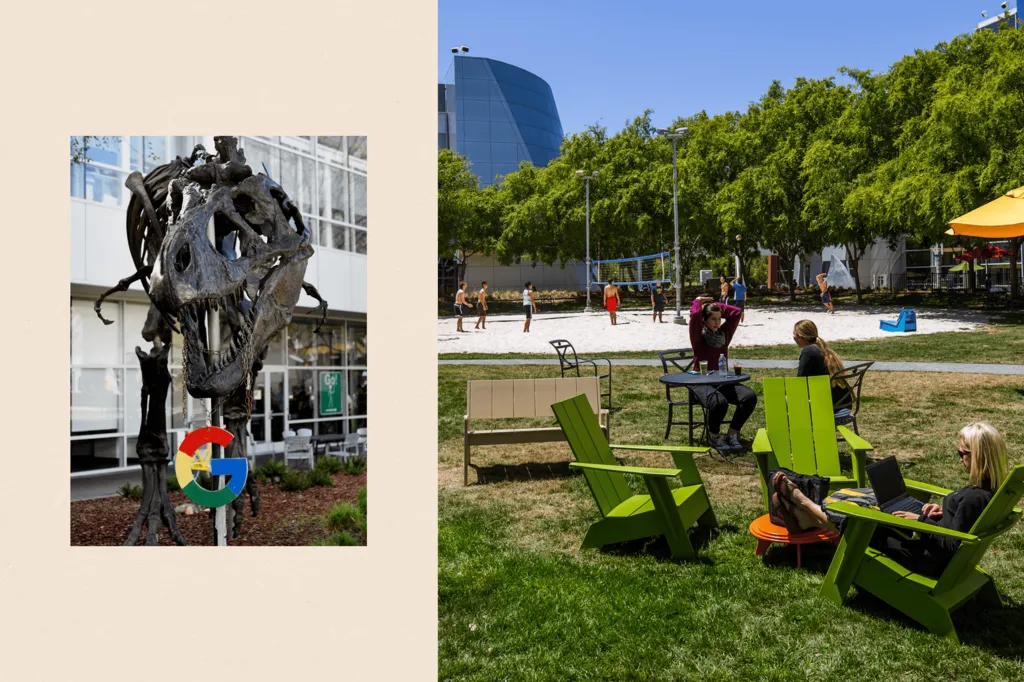
During a tour of Google's California headquarters, Googleplex, CEO Sundar Pichai highlights the company's innovative projects, including a walkway that passes by a giant dinosaur skeleton and a beach volleyball pitch, where dozens of employees are enjoying their lunch under the November sun.

Pichai is particularly enthusiastic about showing me a laboratory located at the back of the campus, hidden behind trees, where a groundbreaking invention is being developed.
This laboratory is the site of Google's secret weapon, a project that has the potential to revolutionize the tech industry.
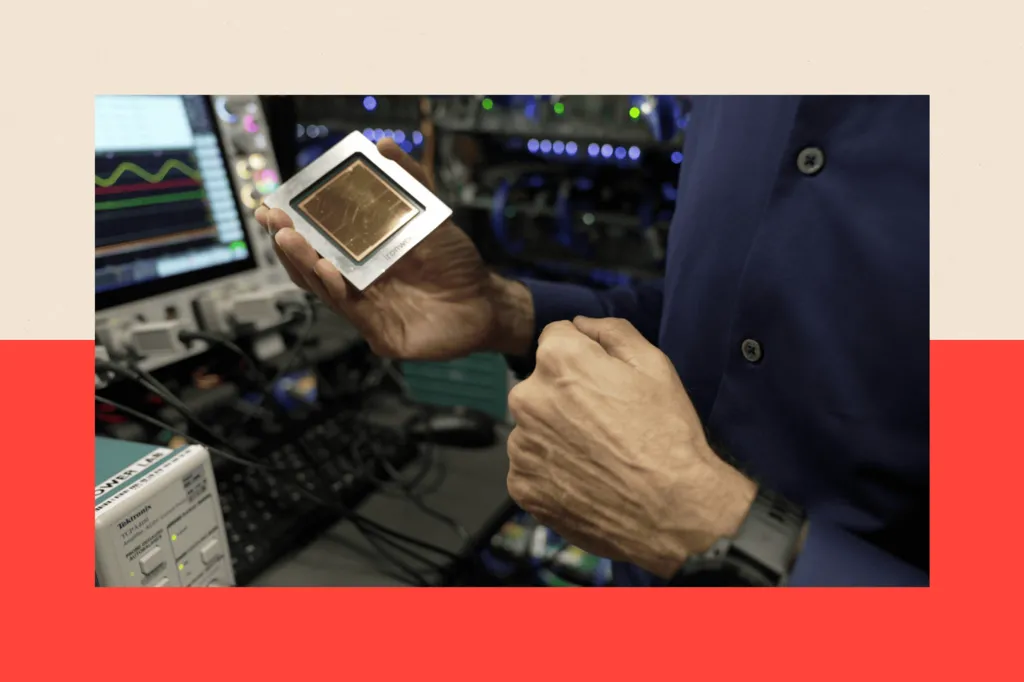
The Tensor Processing Unit, or TPU, is a small chip that may seem unassuming, but according to Pichai, it will eventually power all AI queries that go through Google, making it a crucial component in the world economy.
Pichai emphasizes that AI is a profound technology with the potential for extraordinary benefits, but also acknowledges the need to address potential societal disruptions.
However, there is uncertainty surrounding the AI hype, with concerns that it may be a bubble that could burst, potentially leading to significant consequences.
The Bank of England has warned of a potential "sudden correction" in global financial markets, citing stretched market valuations for tech AI firms, while OpenAI's Sam Altman has suggested that some areas of AI may be experiencing a bubble.
When asked if Google would be immune to a potential bubble burst, Pichai stated that the company could weather the storm but warned that no company, including Google, would be completely immune.
Despite these concerns, Google is investing over $90 billion annually in AI development, a three-fold increase in just four years, demonstrating the company's commitment to this technology.
The AI surge, in which Google is a key player, represents the largest market boom in terms of cash value that the world has seen.
The market value of Google and four other tech giants, all headquartered within a short drive of each other, exceeds $15 trillion.
Chipmaker Nvidia, now a pioneer in AI systems, is worth over $5 trillion, while Apple's value hovers around $4 trillion, and Meta, previously Facebook, is valued at $1.9 trillion; OpenAI, recently valued at $500 billion, is also a significant player.
The financial implications of this trend are substantial, with significant consequences for the economy.

The value of shares in these companies has helped cushion the US economy from trade wars and supported retirement plans and investments, not only in the US but also globally.
However, this trend also carries a significant risk, as the US stock market's growth is heavily dependent on the performance of a handful of tech giants, known as the Magnificent 7, which comprise one-third of the S&P 500's valuation.
According to the IMF, the market value is now more concentrated in a few firms than it was during the dotcom bubble in 1999.
Pichai notes that every decade brings significant inflection points, such as the personal computer, the internet, mobile, and cloud, and now it is clearly the era of Artificial Intelligence.
The question remains whether the AI hype is a bubble that will burst.
Pichai offers two perspectives on this issue, citing the exciting progress of AI services and the potential for irrationality in investment cycles.
He acknowledges that while there is rational progress, there are also moments of collective overshooting in the industry.
Pichai concludes that the situation is a mix of rational and irrational elements.
A distinction is emerging in the markets between businesses that rely on borrowed money and complex deals to access AI-powered chips and the largest tech companies, such as Google, Microsoft, and Amazon, which can fund their own chip development.
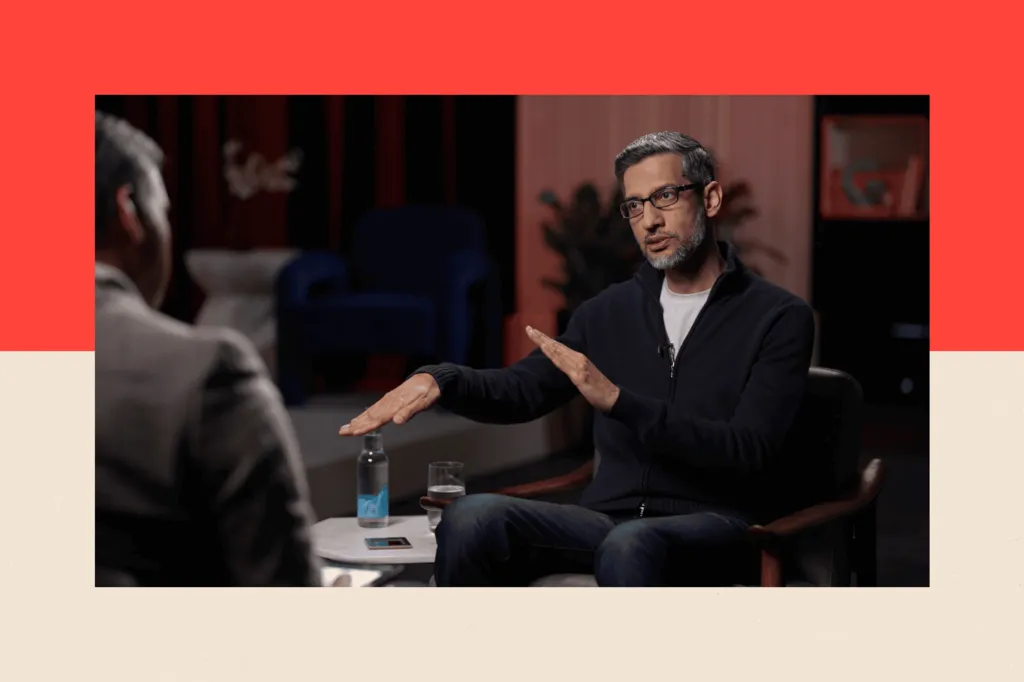
Google's custom silicon chips, known as TPUs, are a key component in this landscape.
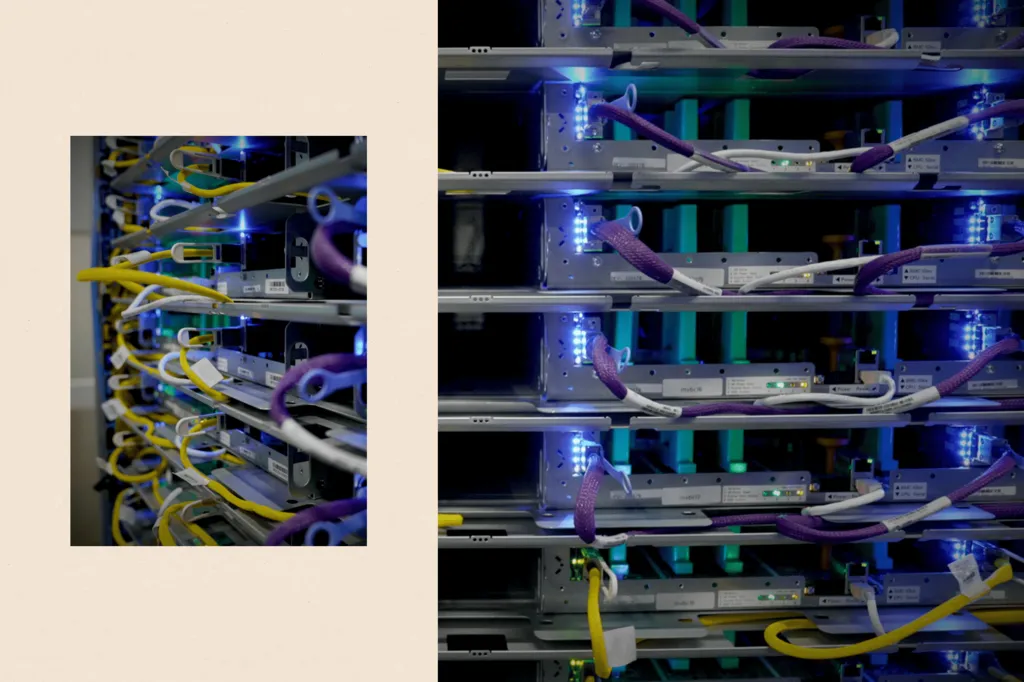
The lab where TPUs are tested is a large facility with a mesh of multicolored wires and deep blue blinking lights, surrounded by signs indicating restricted access.
The lab is notable for its high noise level, which is due to the cooling systems required to control the temperature of the chips, which can become extremely hot when processing trillions of calculations.
TPUs are designed to power AI machines and operate differently from other types of chips.
The central processing unit (CPU) is the primary component of a computer, performing most processing and control functions, while graphics processing units (GPUs) execute specialized tasks, including AI processing.
Application-specific integrated circuits (ASICs) are custom-built chips designed for specific purposes, such as AI algorithms, and Google's TPU is a type of ASIC.
The AI boom has been driven in part by the rush to amass high-performance chips and deploy them in data centers.
Nvidia's CEO, Jensen Huang, has referred to these data centers as "AI factories," which are equipped with massive energy and cooling systems.
While some data centers are enormous, such as those described by Mark Zuckerberg as being the size of Manhattan, Google's TPU lab is more modest, focused on testing technology for deployment elsewhere.
There are stories of tech executives, such as Elon Musk and Larry Ellison, attempting to secure large quantities of high-performance chips from manufacturers like Nvidia.
Ellison has described a dinner meeting with Nvidia's Jensen Huang, where he and Musk begged Huang to sell them more GPUs, offering to pay any price.
The competition to access high-performance chips and scale them up in massive data centers is driving the AI boom, with a perception that the only way to win is to continue spending heavily.
The Rosewood Sand Hill hotel, a hub for Silicon Valley deal-making, is where major transactions are negotiated, with its proximity to Stanford University and Meta's HQ, as well as major venture capital firms.
There are rumors about which companies will next announce customized AI chips, or ASICs, to compete with Google and Nvidia.
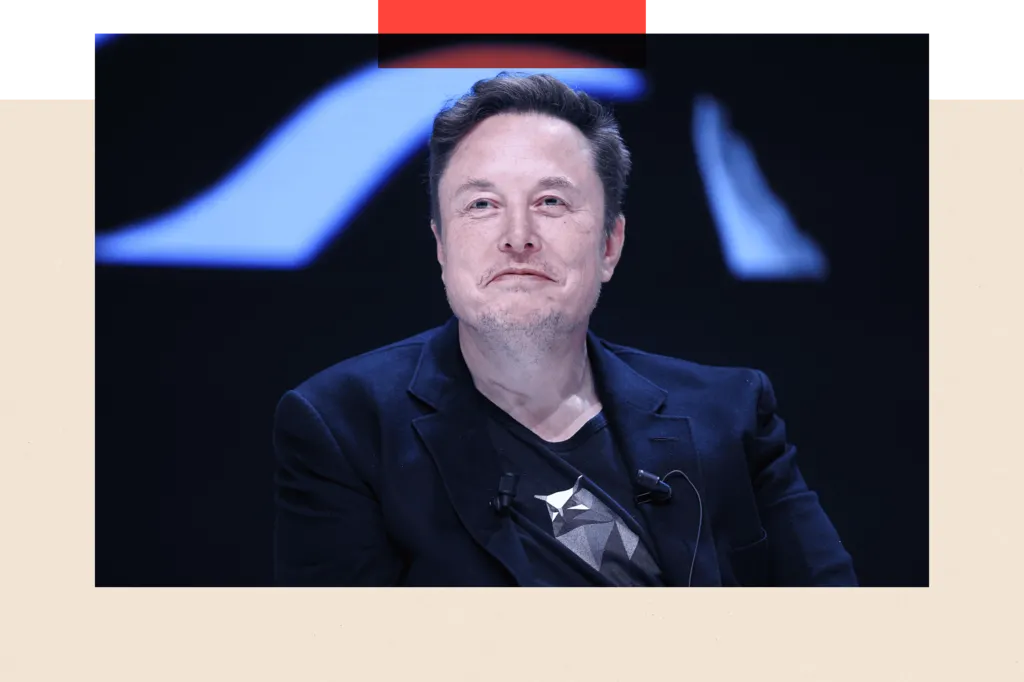
Before my visit, there was speculation about OpenAI's investment plans, which Elon Musk co-founded, and its efforts to establish a commercial structure.
OpenAI has experienced phenomenal user growth, particularly with its chatbot, ChatGPT, but there are questions about its spending commitments and revenue.
Some have speculated that OpenAI may need government support to design its own custom AI chips, despite its ambitions to do so.
In a recent podcast, an OpenAI investor questioned the company's spending commitments, prompting co-founder Sam Altman to respond, challenging the revenue figures and offering to find a buyer for the investor's shares.
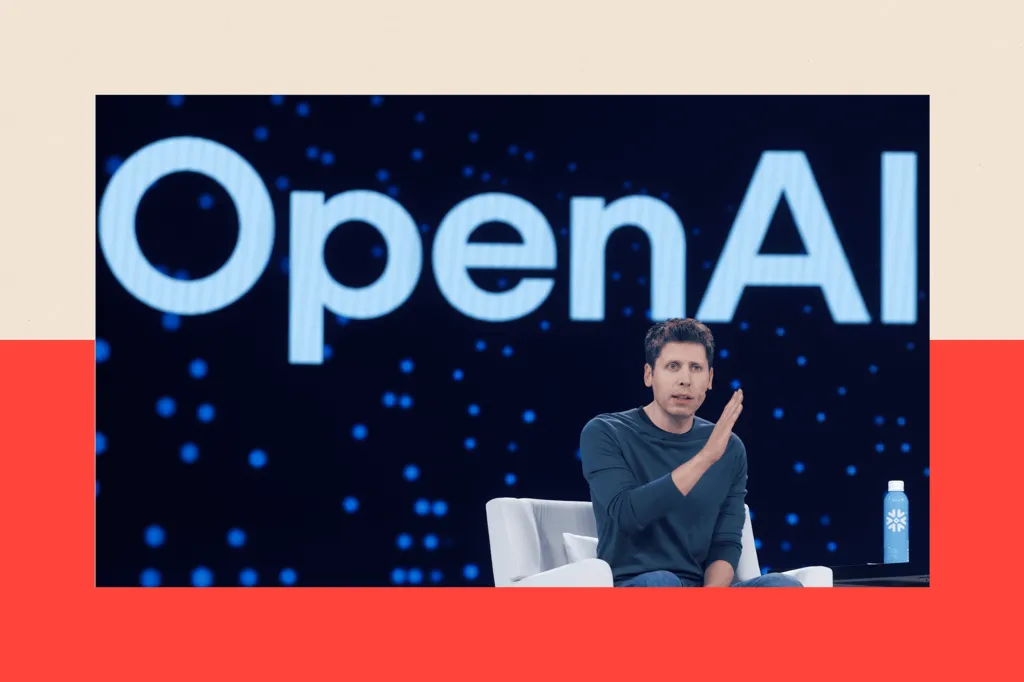
In a recent X post, he outlined OpenAI's plans, including commitments of approximately $1.4 trillion over the next eight years, and made the case for investing in scaling up their technology.
When asked about government involvement, he stated that he does not believe governments should provide insurance for AI companies.
However, he suggested that governments could play a role in developing and owning their own AI infrastructure, which could be beneficial.
Meanwhile, the share price of Coreweave, a start-up that supplies OpenAI, dropped by 26% earlier this month, reflecting the recent volatility in AI infrastructure companies.
There have also been market reactions to perceived credit risks among other firms, although most tech share prices have generally increased over the course of 2025, with a slight decline in recent days.
The excitement surrounding AI's potential remains unabated, with Google's recent launch of Gemini 3.0, a consumer AI model, poised to compete with OpenAI's ChatGPT for market share.
A question remains as to whether this investment will lead to more reliable information, or if it will exacerbate issues like chatbots providing inaccurate recommendations.
In response to this concern, he noted that relying solely on standalone AI systems could lead to unreliable information, emphasizing the need for a more comprehensive information ecosystem.
When pressed on the importance of truth, he concisely replied, "truth matters."
Another significant challenge facing the tech industry is the question of how to power AI technologies, which is not dampening enthusiasm for their development.
By 2030, global data centers are projected to consume as much electricity as India did in 2023, according to the IMF, highlighting the tension between energy demands and climate change targets.
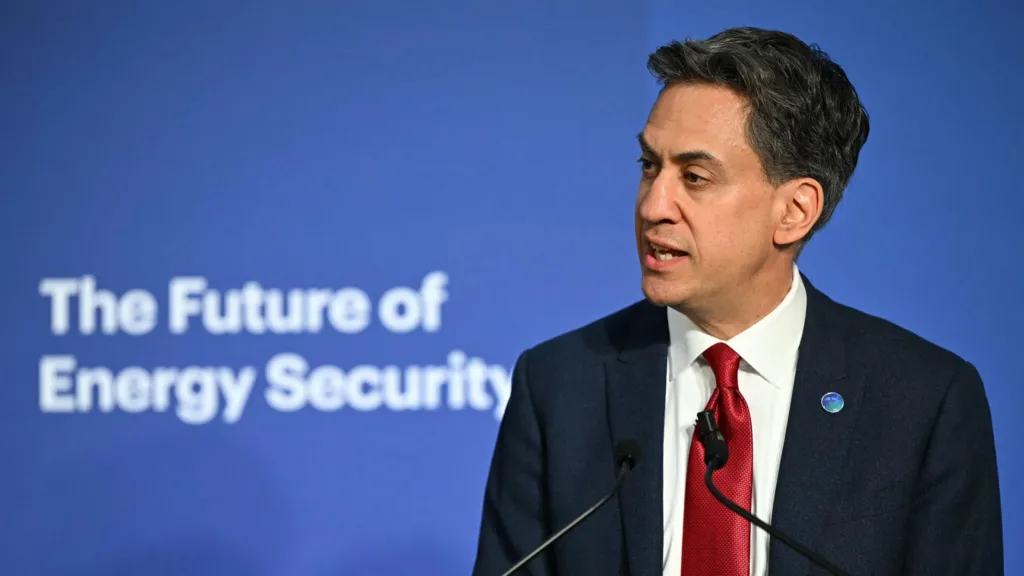
This issue was raised with Google's leader, who was asked if it is feasible for a government to aim for 95% low-carbon electricity by 2030 while also aspiring to be an AI leader.
He replied that it is possible, but emphasized the need for governments to scale up infrastructure, including energy, to support their ambitions.
He cautioned against constraining economic growth due to energy limitations, warning of potential consequences.
Drawing from experience covering the 2000 dotcom bubble, it is clear that even in the face of significant challenges, catastrophe is not inevitable for all companies.
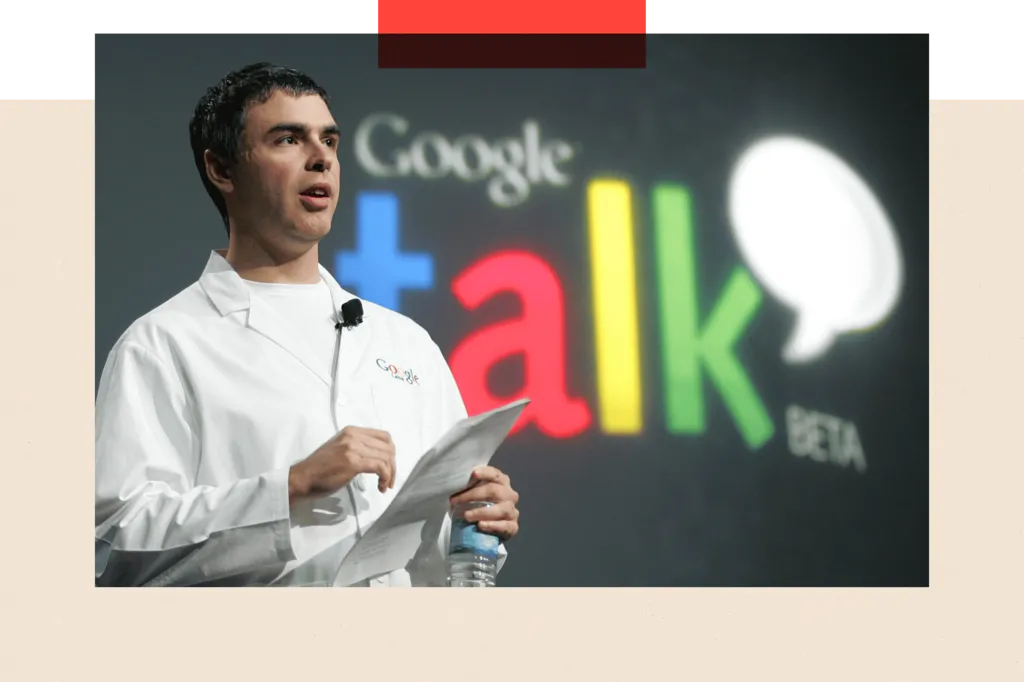
Having interviewed key figures like Steve Jobs and Larry Page, and witnessed the collapse of companies like WorldOfFruit.com, it is evident that some companies can weather the storm and thrive.
A key lesson from this period is that even in the worst-case scenarios, not all companies will fail, and some will emerge stronger.
Amazon, for example, saw its share price plummet to $6 and its market capitalization fall to $4bn during the crash, yet today the company is worth $2.4 trillion.
Similarly, companies affected by a potential AI bubble burst may also recover and continue to grow.
One factor driving the push for AI development, despite potential risks, is the prospect of achieving artificial general intelligence (AGI), a goal that many believe is within reach.
The pursuit of AGI, and potentially artificial super-intelligence (ASI), is a key driver of innovation, with many companies and governments investing heavily in this area.
A Silicon Valley figure noted that the question of whether there is an AI bubble is less important than the broader context of a global battle for AI supremacy, with the US and China at the forefront.
This competition is characterized by a mix of government funding and private investment, with the US relying on a free market approach, while China takes a more centralized approach.
Currently, the US has an advantage in terms of silicon technology, with companies like Nvidia and Google leading the way, but this landscape is likely to evolve.
As the pursuit of AI supremacy continues, some companies will fail, while others will succeed, leaving behind a significant computing infrastructure that will shape the economy and potentially transform the way we work and learn.
The outcome of this competition will have far-reaching consequences, influencing not only the tech industry but also the global economy and the balance of power in the 21st century.




News
Aberdeen to unveil new manager soon with Docherty set to take assistant role
Aberdeen has bolstered its interim management team with the return of Tony Docherty, who previously served as an assistant manager, to support Peter Leven, amid anticipation of a permanent appointment announcement that sporting director Lutz Pfannenstiel had indicated would be made “imminently”.
Ross County parted ways with Tony Docherty in December, and he has now taken on a new role.
Aberdeen have brought in former assistant manager Tony Docherty to support Peter Leven's interim management team, despite sporting director Lutz Pfannenstiel indicating that a permanent appointment was imminent.
Docherty's return to Aberdeen comes just a week after Eirik Horneland, a former coach of Rosenborg, Brann, and Saint-Etienne, emerged as a top contender to succeed Jimmy Thelin, who was sacked earlier.
As Aberdeen delays making a full-time appointment, speculation surrounding Eirik Horneland's availability has arisen, with reports suggesting the 50-year-old Norwegian may not be able to take on the role until summer.
Since Jimmy Thelin's dismissal on January 4, Lutz Pfannenstiel has been leading the search for a replacement, and he confirmed that Tony Docherty would be joining the team to assist Peter Leven during the interim period.
Dundee Utd are facing a challenging schedule, with four matches in 14 days set to take place on a weather-affected pitch.
According to Stavrum, Eirik Horneland's coaching style, characterized by intensity, would be a good fit for Aberdeen.
Tony Docherty initially joined Aberdeen in 2013 as part of Derek McInnes' management team and spent eight years at the club.
Before his stint at Aberdeen, Docherty served as McInnes' assistant at Kilmarnock and later managed Dundee and Ross County, but his time at Ross County ended in December when he was let go with the team at the bottom of the Championship.
Lutz Pfannenstiel praised Tony Docherty's experience, stating that he has a deep understanding of the club and will be a valuable asset during the transition period.
Pfannenstiel highlighted Docherty's extensive knowledge of the Scottish Premiership, gained through his experience as both a coach and manager, which will be beneficial to the team in the short term.
The club's managerial search is nearing its conclusion, and an announcement regarding the new head coach is expected soon, according to Pfannenstiel.
Peter Leven, who is serving as caretaker manager for the third time, expressed his enthusiasm for Tony Docherty's appointment.
Leven welcomed Docherty's return, stating that his experience will be a significant boost to the team, particularly during the upcoming matches.
Leven noted that Docherty was eager to join the team and that his presence will provide valuable support during both training sessions and matches.
Eirik Horneland left his position at Saint-Etienne in early February, at which point his team was fourth in France's second tier.
If Aberdeen decides to wait until summer for Horneland to take over, it will be similar to the six-month delay that occurred when Jimmy Thelin joined the club from Elfsborg in the summer of 2024.
For the latest news, analysis, and fan perspectives on Aberdeen, visit our dedicated page.
News
Peter Murrell faces allegations of misusing £459,000 in funds over 12 years
Allegations have been made that he bought various items, such as luxury goods, jewellery, cosmetics, two cars and a motorhome, in an improper manner.
Peter Murrell, the former chief executive of the Scottish National Party, is facing allegations of embezzling £459,000 from the party over a 12-year period.

An indictment document obtained by BBC News outlines the case against Murrell, who is the estranged husband of former Scottish First Minister Nicola Sturgeon.
The alleged embezzlement is said to have occurred between August 2010 and January 2023, according to the indictment.
It is claimed that Murrell used party funds to purchase luxury items, including jewellery, cosmetics, and vehicles, such as two cars and a motorhome.
The Scottish Sun was the first to report on the details of the indictment.
A preliminary hearing in the case is scheduled to take place at the High Court in Glasgow on Friday, 20 February, where Murrell is expected to appear.
During his initial court appearance at Edinburgh Sheriff Court, Murrell made no plea and was subsequently granted bail.
Murrell's arrest in 2023 was part of Operation Branchform, a police investigation into the SNP's funding and finances, which led to him being charged with embezzlement in April 2024.

Although Sturgeon was questioned by police as part of the investigation, she is no longer considered a suspect.
BBC News has obtained a copy of the indictment against Murrell ahead of his upcoming court appearance.
It is worth noting that the indictment is subject to change until the case is heard in court and may be amended throughout the judicial process.
The indictment alleges that Murrell purchased a £124,550 motorhome for personal use and created false documents to justify the expense as a legitimate party expenditure.
Murrell is also accused of using £57,500 of party funds to buy a Jaguar I-PACE car in 2019, and falsifying an invoice to conceal the true nature of the purchase.
Furthermore, it is alleged that when the Jaguar was sold in 2021, Murrell deposited more than £47,000 into his personal bank account.
The indictment also claims that Murrell embezzled £16,489 from the SNP to partially fund the purchase of a Volkswagen Golf in 2016.
A list of over 80 retailers is included in the indictment, where Murrell allegedly made purchases totalling more than £159,000 between 2014 and 2022, using party credit or charge cards for personal expenses.
The retailers named in the indictment include Harrods, the Royal Mint, John Lewis, Homebase, and Argos, among others.
It is alleged that Murrell used SNP credit or charge cards to make these purchases and then inserted false or inaccurate accounting codes and descriptions into the party's accounting systems.
The indictment also accuses Murrell of making purchases worth over £81,600 through Amazon using the same method.
Murrell served as the SNP's chief executive for 22 years before his departure.
Murrell and Sturgeon were married in 2010, but announced their separation in January 2025, after being together for many years.
News
Bangladesh Nationalist Party Wins Landslide in Country’s First Poll Since Youth-Led Protests
The public is looking forward to a shift back to democratic governance, following a 15-year period of authoritarian leadership by Sheikh Hasina.
In a significant shift in the country's political landscape, the Bangladesh Nationalist Party (BNP) has achieved a decisive majority in parliament, 18 months after widespread protests led to the ousting of Sheikh Hasina, the country's longest-serving prime minister.
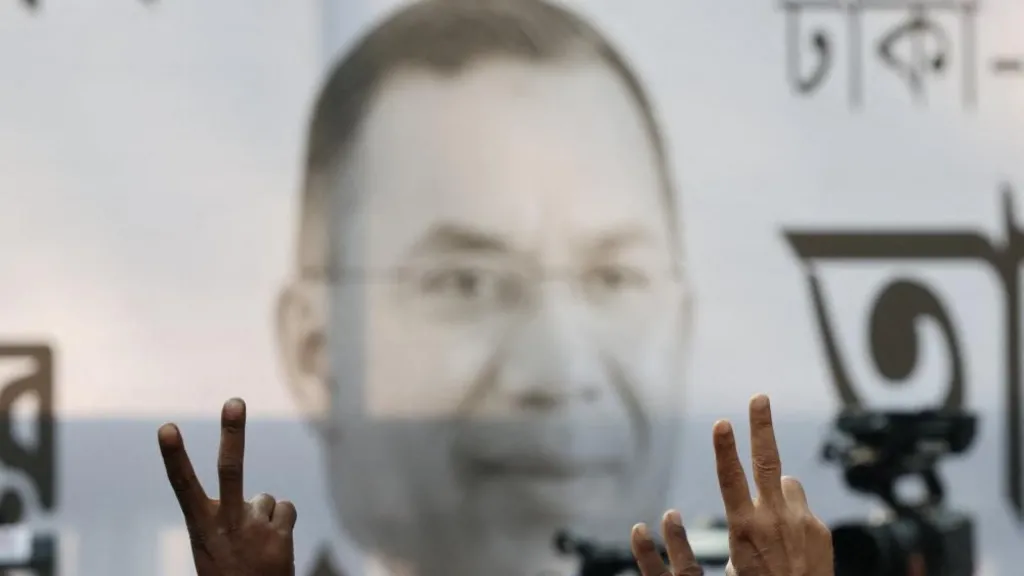
The BNP secured over two-thirds of the seats in the recent general election, with the Jamaat party, the main Islamist party in the country, coming in second; meanwhile, the Awami League, led by Hasina, was not allowed to participate in the election.
As the BNP's leader, Tarique Rahman is poised to become the next prime minister, facing significant challenges in revitalizing the economy and restoring democratic principles after 15 years of authoritarian rule under Hasina's leadership.
In a concurrent referendum, voters also expressed support for comprehensive democratic reforms, which are expected to shape the country's future.
Following Friday prayers in Dhaka, Tarique Rahman expressed gratitude to his supporters, stating, "I am grateful for the love you have shown me"; his party has chosen not to hold a victory procession.
Rahman, who was elected to parliament for the first time, was among the 212 successful BNP candidates; according to the Election Commission, voter turnout was 59.44%.
This marks a significant turnaround for Rahman, who spent 17 years in self-imposed exile in London before taking over as party leader after his mother, former Prime Minister Khaleda Zia, passed away in December.
During his campaign, Rahman pledged to restore democratic principles and practices in the country.
The new government will need to address pressing issues, including economic revitalization, controlling rising food prices, and creating employment opportunities for the country's large youth population.
Rebuilding relations with neighboring India is also a key priority for the incoming government.
In the aftermath of his victory, Rahman received a congratulatory call from Indian Prime Minister Narendra Modi, who acknowledged his "remarkable victory".
Modi took to social media to reaffirm India's commitment to promoting peace, progress, and prosperity in both countries, citing their deep historical and cultural ties.
Although the BNP has pledged to bring about change, the party has faced criticism in the past for corruption and alleged human rights abuses during its previous tenure in government in the early 2000s.
The recent election represents a pivotal moment for the country, with one of the two main parties achieving a significant victory, presenting both opportunities and risks.
Proposed constitutional reforms include introducing term limits for the prime minister, establishing a directly elected upper house of parliament, strengthening presidential powers, and increasing judicial independence.
The reforms also aim to increase female representation in parliament, an area where significant progress is still needed, as evidenced by the limited number of successful female candidates in the recent election.
As the newly elected leader, Tarique Rahman will face intense scrutiny as he works to deliver on his promises to a predominantly young electorate eager for change, many of whom participated in the student-led protests that ultimately led to Hasina's removal and paved the way for the February 12 election.
-
 News10 hours ago
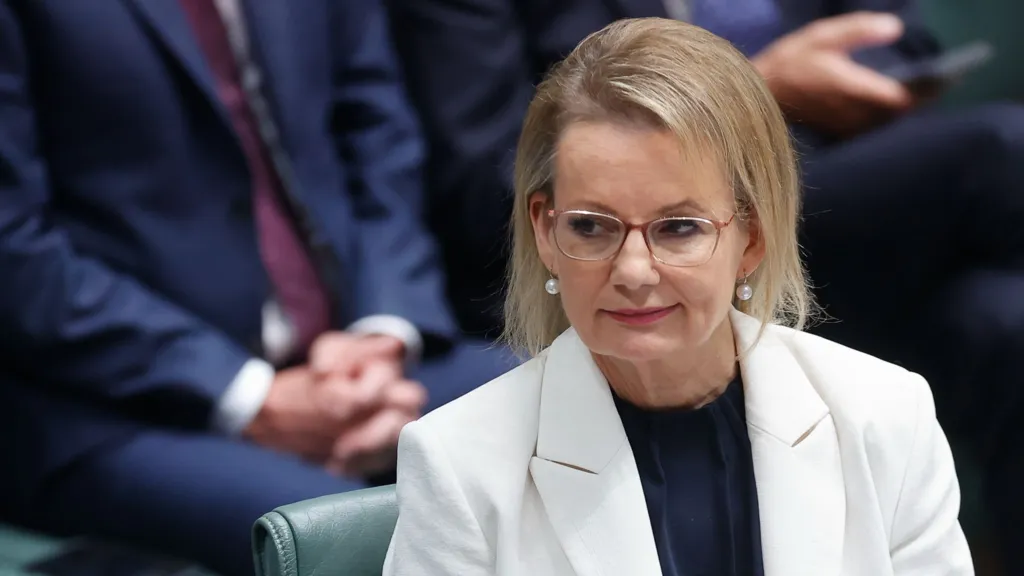
Australian Politics Faces Questions Over Gender Equality Amid Sussan Ley’s Appointment
-
 News7 hours ago
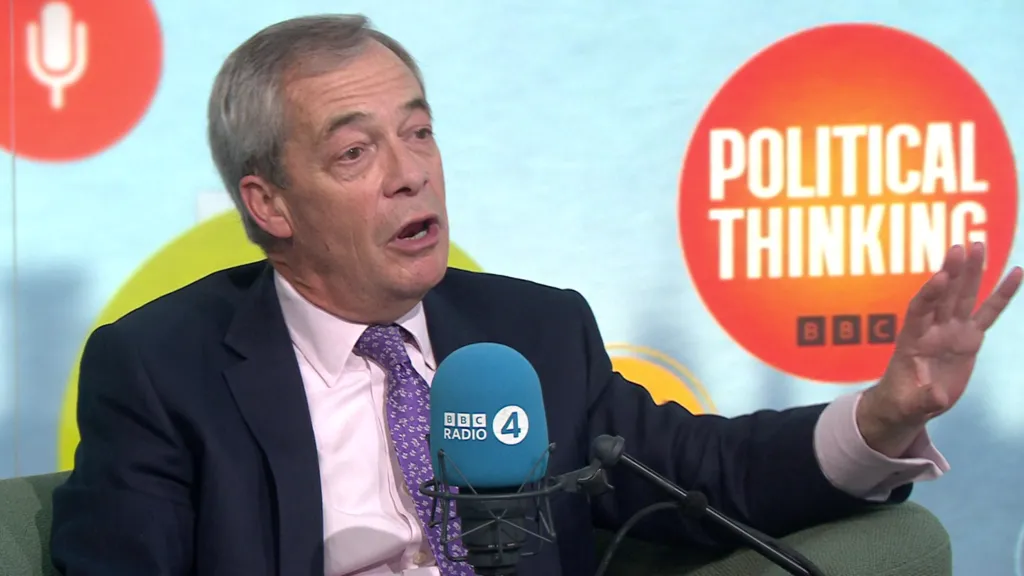
Farage Says Reform to Replace Traditional Tory Party
-
 News7 hours ago
Wrexham Pair Seek Win Against Former Team Ipswich
-
 News12 hours ago
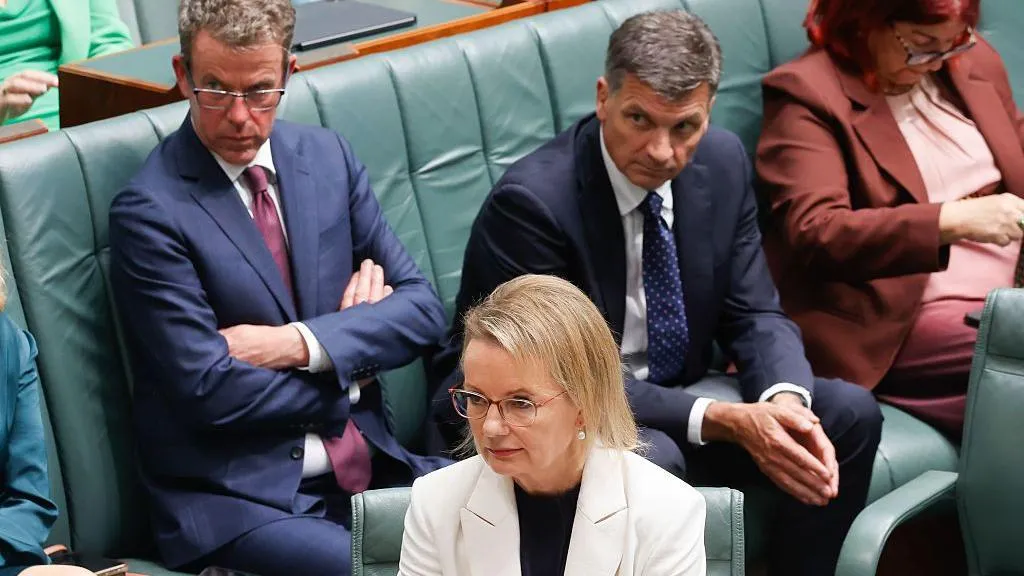
Liberal Party Removes Australia’s First Female Leader
-
 News10 hours ago
UK Braces for Cold Snap with Snow and Ice Alerts Expected
-
 News7 hours ago
Husband’s alleged £600k theft for sex and antiques blamed on drug side effects
-
 News2 days ago
Sunbed ads spreading harmful misinformation to young people
-
 Business12 hours ago
BBC Reporter Exposed to Cyber Attack Due to Vulnerabilities in AI Coding Tool