
News
The intriguing life of Paris’ reclusive ‘crazy spinster lady’
A fresh exhibition is being unveiled to commemorate the 150th anniversary of a previously underappreciated artist, showcasing the breadth of her work.
Born in the Victorian era, Gwen John defied societal expectations, forging her own path in life and pursuing artistic expression with unwavering determination.
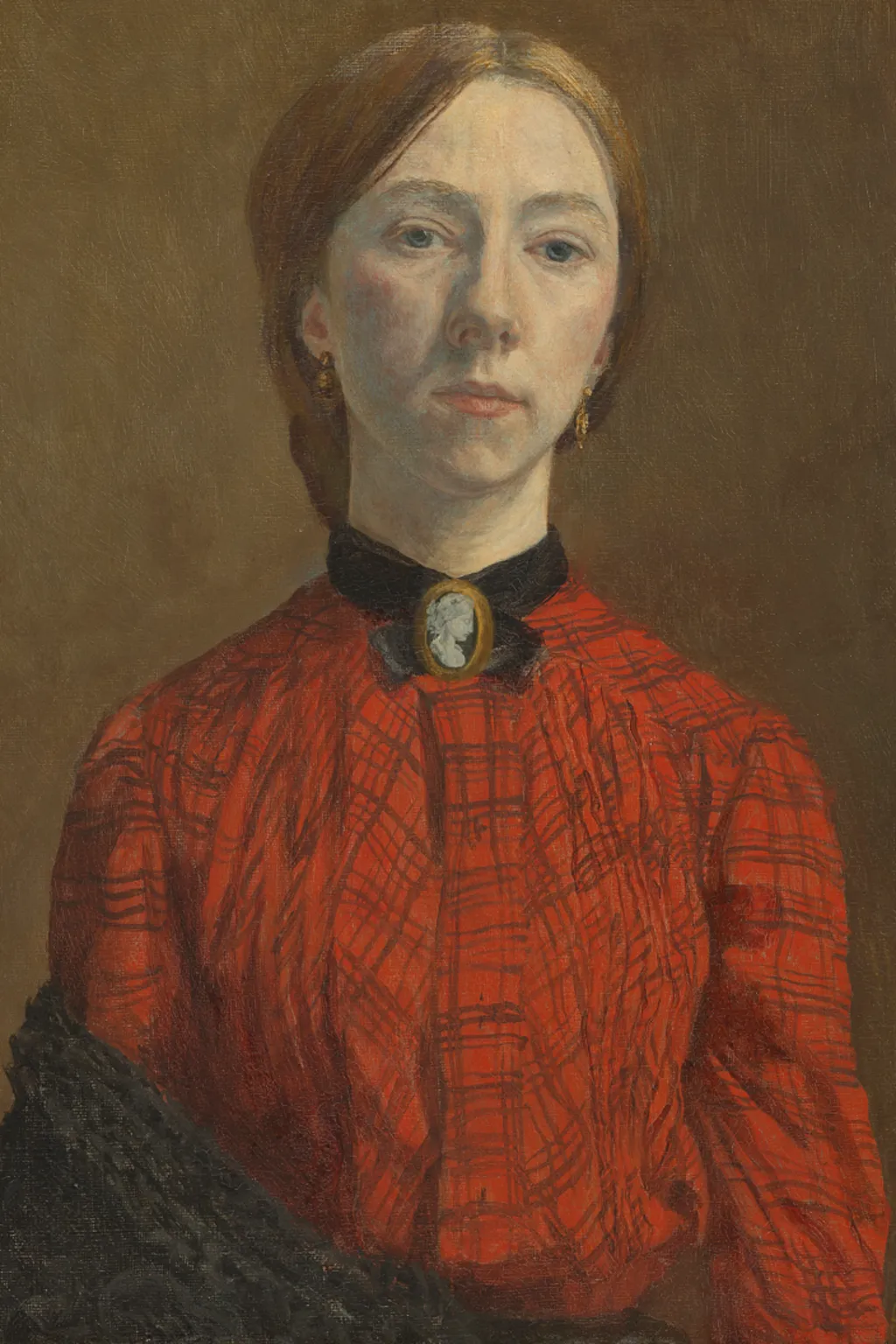
Despite being perceived as reclusive, John was resolute in her pursuit of freedom and creative expression, rejecting the conventions that constrained women of her time.
To commemorate the 150th anniversary of her birth, a major retrospective of John's work is being held in Cardiff, bringing together pieces from the UK and the USA for the first time in a comprehensive exhibition.
A BBC documentary, Keeping the World Away: Finding Gwen John, has been produced to coincide with the exhibition, shedding new light on the artist's life and work.
According to Lucy Wood, curator of Gwen John: Strange Beauties, the National Museum Cardiff acquired a substantial collection of John's works in 1976, which has only recently been thoroughly researched and exhibited.
John was born in 1876 in Haverfordwest, Pembrokeshire, as one of four siblings, including her younger brother Augustus, who would also become an artist.
During their lifetimes, Augustus John was widely regarded as one of the most prominent artists in Britain, overshadowing his sister's work.
However, as curator Lucy Wood observes, attitudes towards Gwen John have shifted over time, with Augustus John himself once remarking that he would eventually be known as Gwen John's brother.
This prediction appears to have come to fruition, as Gwen John's reputation as a significant artist continues to grow.
French-American author Lauren Elkin notes that a mythology surrounding John's life portrayed her as a reclusive spinster, rarely leaving her home and devoting herself to painting.
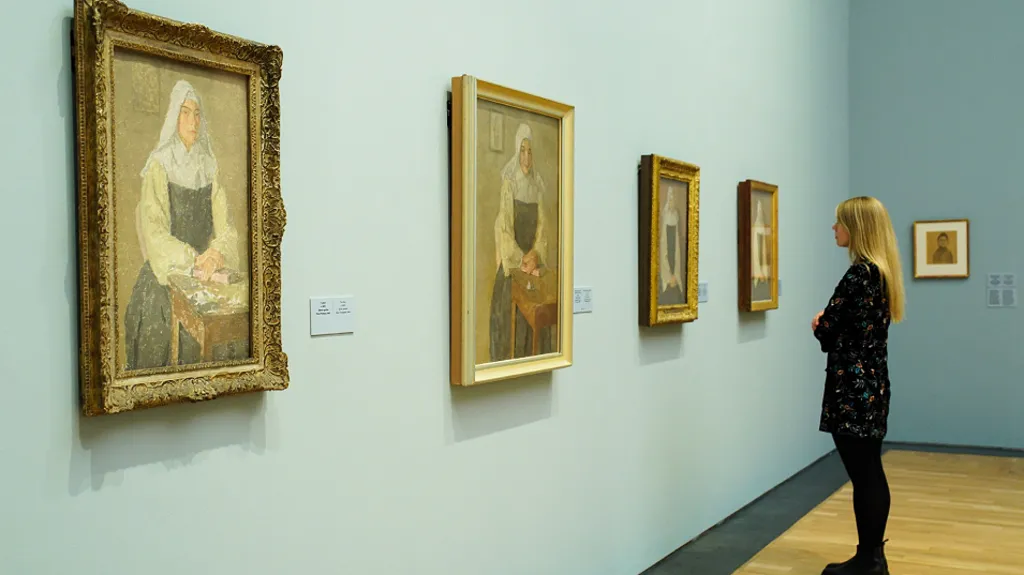
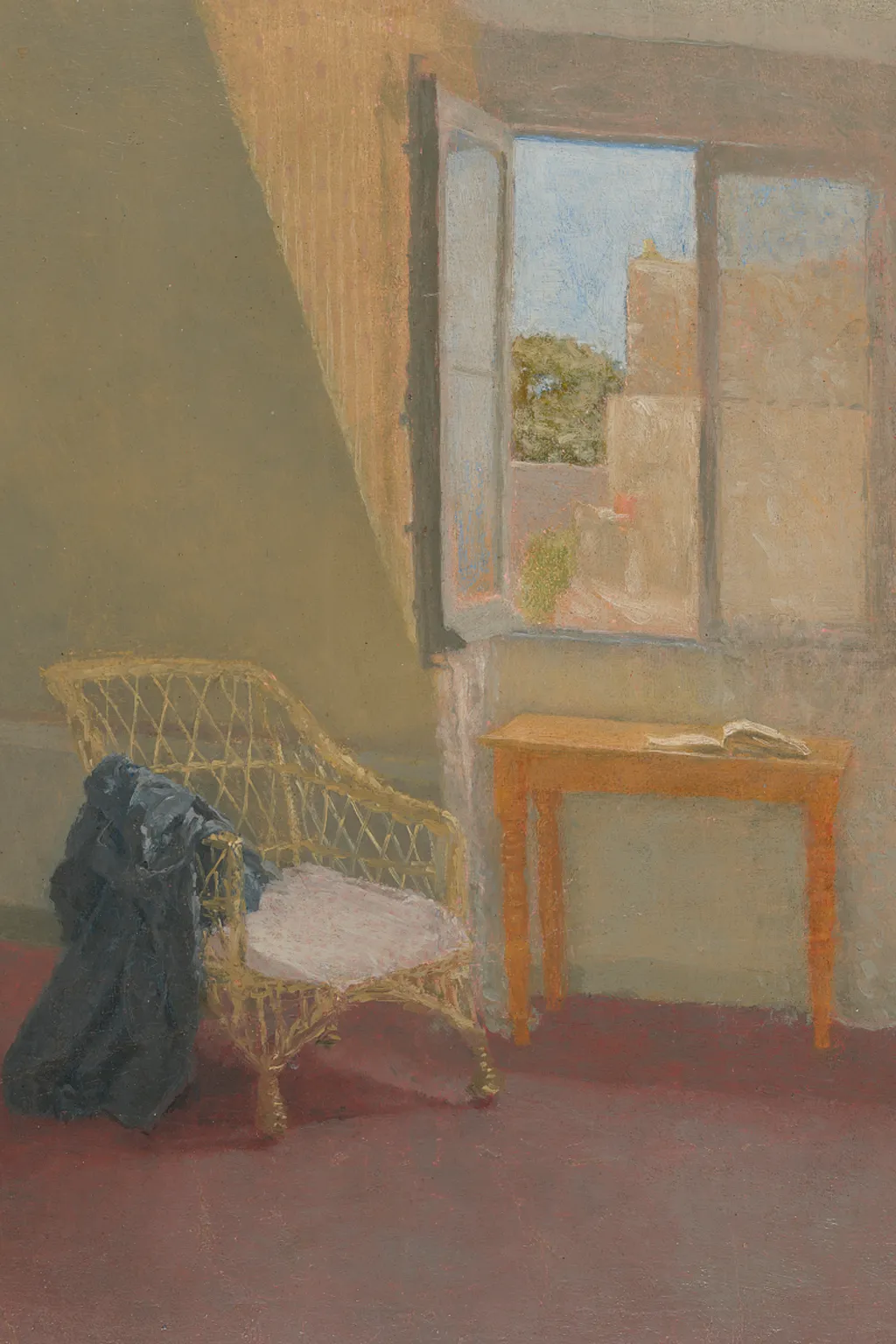
This image was perpetuated by a book written by Augustus John after her death, which depicted her as an eccentric, solitary figure living in Paris.
However, biographers have since established that John was, in fact, a highly social and engaged individual, passionate about people and the world around her, and not simply a solitary artist.
Art historian and novelist Alicia Foster describes John as having a strong sense of ambition from a young age, driven to become a great artist and undeterred by obstacles.
Following the death of her mother, Augusta, a talented watercolour painter, when John was just eight years old, her family relocated to Tenby.
In their Tenby home, John's mother's paintings adorned the walls, and John herself had a studio in the attic, where she would often invite local children to pose for portraits.
According to Hannah Saunders, curator of Tenby Museum, John's exposure to her mother's artistic talent likely inspired her own ambitions, as she sought to showcase her abilities to the world.
The loss of their mother had a lasting impact on the lives of all the John siblings.
A rare painting of John's hometown, believed to have been created during her time as a student in London, is now held in the museum's collection.
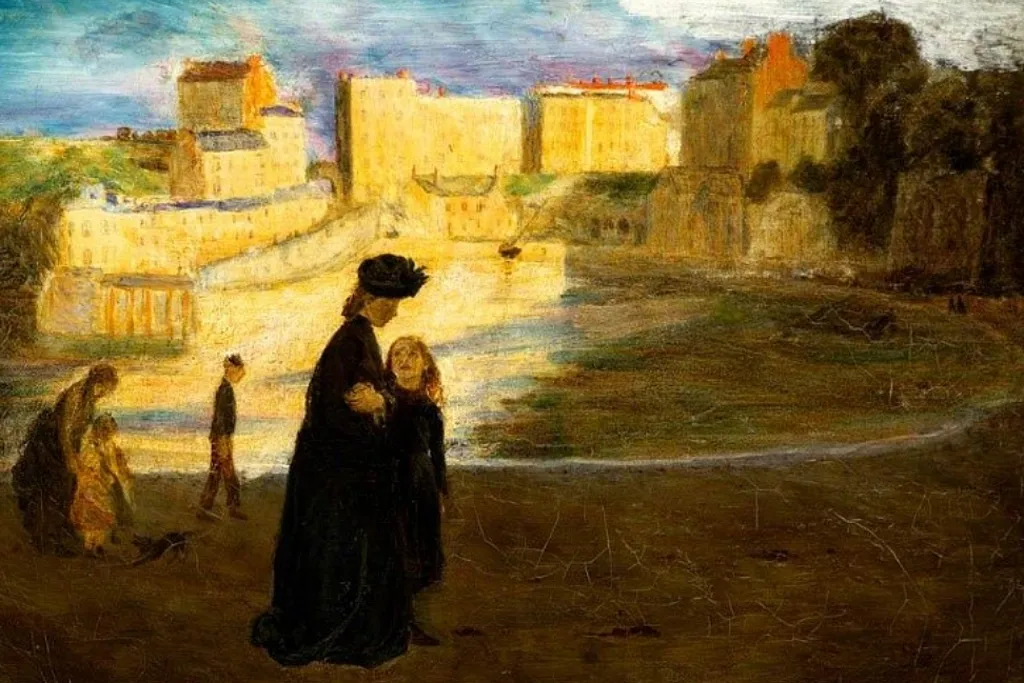
Biographer Judith Mackrell notes that this painting, which captures the beach at twilight, is tinged with melancholy and features two family groups without fathers, possibly reflecting John's own experiences of emotional absence.
The painting also depicts two young mothers with their children, conveying a sense of idealised care and attention, which Mackrell suggests may be a nod to John's own memories of her mother.
Musician Nicky Wire, a long-time admirer of John's work, recalls that this painting was the first of hers he ever saw.
Wire notes that this piece stands out from John's typical style, which often focused on interior, rather than exterior, scenes.
Inspired by the complex relationship between John and her brother Augustus, Wire wrote a song titled The Secret He Had Missed.
The two siblings had distinctly different approaches to art and its role in life.
According to Wire, while Augustus sought to engage with the world, Gwen John preferred to retreat into her own creative sphere.
Mackrell believes that the death of their mother and the subsequent hardship they faced motivated all the John siblings to pursue their own paths in life.
For Gwen John, this driving factor was the desire to create a new, alternative world, one that differed from the dark, claustrophobic environment of her childhood.
When Augustus John enrolled in the Slade School of Fine Art in London in 1895, Gwen John persuaded her father to allow her to follow in his footsteps the next year.
A self-portrait created during her time at the Slade, now held in the Tate Britain, impressed her tutor Frederick Brown, who purchased the piece and displayed it in his home.
According to Tate curator Thomas Kennedy, this self-portrait was recognised as a masterpiece from the outset of John's career.
After completing her studies at the Slade, John moved to Paris to study under James McNeill Whistler for six months, before returning to England.
In 1903, John and her friend Dorelia McNeill, who was also Augustus John's mistress, embarked on a journey to Rome, but ultimately settled in Paris, which would remain John's home until shortly before her death.
Kennedy suggests that John's desire for recognition as an artist in her own right may have contributed to her decision to leave Britain and establish herself in France.
By doing so, John was able to flourish as an artist, free from the shadow of her more famous brother.
John supported herself as an artist's model, including working with sculptor Auguste Rodin, with whom she had a decade-long, passionate affair, exchanging over 1,000 letters.
Following the end of her affair with Rodin, which concluded before World War I, John channelled her energy into spirituality, embracing Catholicism and being received into the church.
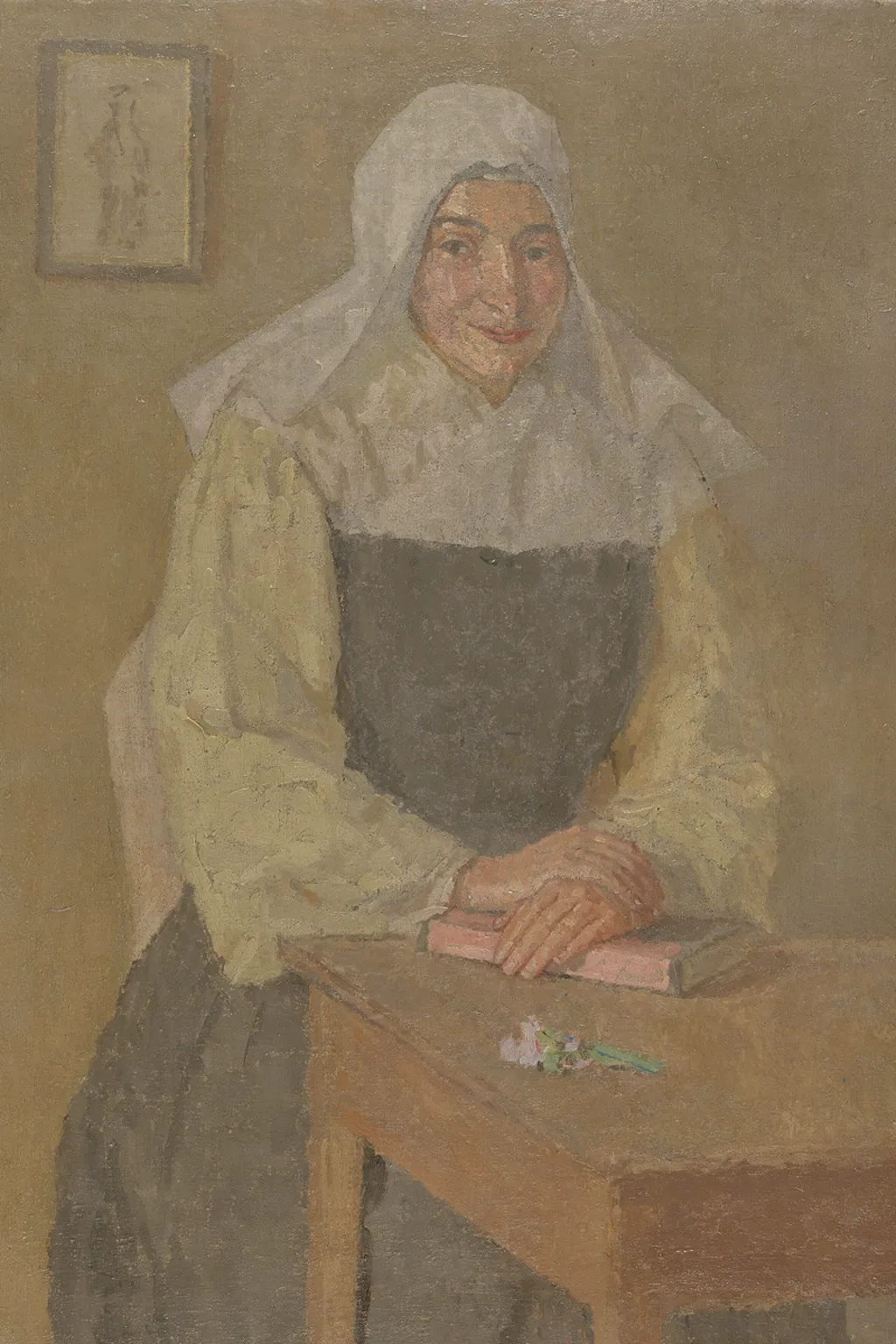
Although Rodin was a significant figure in her life, many of John's other notable relationships were with women.
Biographer Judith Mackrell notes that John's sexuality was a fundamental aspect of her identity, with her earliest relationships being with women, and her affair with Rodin being a notable exception.
Mackrell suggests that John may have viewed Rodin as a unique figure, separate from other men, which may have contributed to the intensity of their relationship.
This complex and multifaceted aspect of John's personality continues to fascinate and inspire those who study her life and work.
Her professional life was gaining momentum, separate from her personal relationships.
The financial backing of American patron John Quinn, from 1911 until his passing in 1924, allowed her to relocate to Meudon, a Parisian suburb, and focus exclusively on her work, which was increasingly shaped by her growing faith.
According to Wood, her art and spirituality were deeply intertwined, as she once stated that "my art and my religion are my whole life", suggesting that these two aspects of her life were closely linked.
She described herself as "God's little artist, a seer of strange beauties, a teller of harmonies, a diligent worker", highlighting her unique perspective and approach to her craft.
The exhibition showcases John's propensity for creating three-quarter portraits of women, often depicted seated and engaged in reading, among other activities.
John's artistic process involved creating multiple iterations of similar subjects, refining her technique through repetition on moderately sized canvases.
During her lifetime, John had a single solo exhibition, which took place in 1926; she left Paris shortly before the onset of World War II and passed away in Dieppe, reportedly while en route to Britain.
Wood noted that the 1970s and 1980s saw a renewed interest in John's work, with a reevaluation of her life and art as embodying the emerging feminist ideals of the early 20th century.
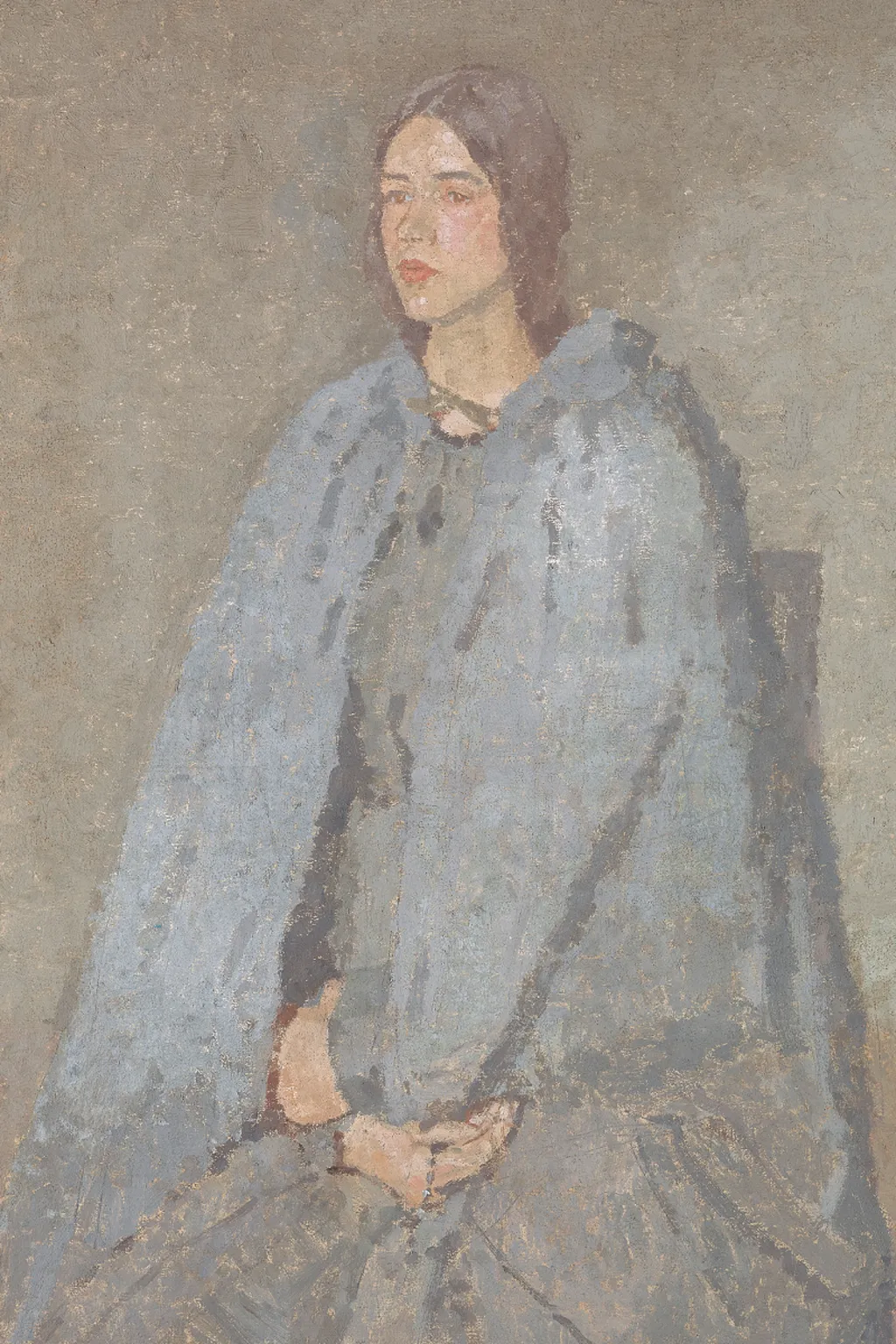
This reexamination led to a shift in perception, from viewing John as a feminine artist to recognizing her as a feminist artist, underscoring her commitment to her craft and personal autonomy.
Elkin observed that John was a woman who deliberately crafted her life to align with her desires, extending beyond her art to her personal choices and independence from societal expectations.
This determination enabled her to forge a path that diverged from traditional norms, eschewing the conventional trappings of married life and family to pursue her own vision.
The exhibition "Gwen John: Strange Beauties" will be on display at the National Museum Cardiff from February 7 to June 28, 2026.
Entertainment And Arts
Spielberg Contributes $25,000 to Van Der Beek’s $2 Million Crowdfunding Campaign
The relatives of the deceased actor, known for his role in Dawson’s Creek, have expressed gratitude to those who contributed to the $2m fund.
A donation of $25,000 (£21,000) has been made by film director Steven Spielberg and his wife, Kate Capshaw, to a GoFundMe campaign that has raised over $2m (£1.6m) for the family of late actor James Van Der Beek.

Van Der Beek, who passed away at the age of 48, is survived by his wife Kimberly and their six children, and the crowdfunding effort to support his family has now exceeded its initial target of $2m.
Other notable donors include Oscar-winning actress Zoe Saldana, who contributed $2,500 (£2,108), and director Jon M Chu, who gave $10,000 (£8,432) to the cause.
A statement from the organizers of the fundraiser, Friends of the Van Der Beek family, expressed gratitude to all contributors, stating that their support is deeply appreciated.
The statement highlighted the significance of the donations, saying that the kindness shown by contributors is beyond words.
It also noted that the outpouring of support has been a source of comfort during a difficult time, serving as a reminder of the power of love, community, and the enduring legacy of James Van Der Beek.
Van Der Beek was perhaps best known for his starring role in the popular US teen drama series Dawson's Creek, which aired from 1998 to 2003, although he remained associated with the show until 2023.
Although Van Der Beek and Spielberg never collaborated on a project, the late actor's character in Dawson's Creek was a fan of Spielberg's work, with posters of films like ET and Schindler's List featured in his bedroom.
At a Dawson's Creek cast reunion event last year, Spielberg paid tribute to Van Der Beek by sending a video message.
In the message, Spielberg said, "Dawson, you made it," and jokingly added that he hoped to one day have a room like Dawson's, filled with memorabilia from his films.
Van Der Beek passed away on Wednesday after a battle with bowel cancer.

He had been dealing with the diagnosis since August 2023 and publicly disclosed his condition in November 2024.
The GoFundMe campaign was launched to help the family with medical expenses, which had depleted their funds.
The statement from the organizers concluded by saying that the family is currently taking time to grieve and be together, and thanked everyone for their compassionate and generous support in honoring James Van Der Beek's life.
News
Zimbabwe Shocks Australia with Muzarabani’s Exceptional Performance
Zimbabwe secured a stunning 23-run victory over Australia in the T20 World Cup, with Blessing Muzarabani playing a key role by taking 4-17.
In the current T20 world rankings, Zimbabwe occupies the 12th position.
The Men's T20 World Cup is underway in Group B at Colombo.
Zimbabwe's innings concluded at 169-2 after 20 overs, with Bennett scoring an unbeaten 64 off 56 deliveries, while Green claimed 1-6.
Australia's reply ended at 146 after 19.3 overs, as Renshaw top-scored with 65 off 44 balls, and Muzarabani took 4-17.
The match resulted in a 23-run victory for Zimbabwe.
A standout performance from Blessing Muzarabani, who took 4-17, helped Zimbabwe secure a thrilling 23-run win over Australia in the T20 World Cup.
After being set a target of 170, Australia found themselves in trouble at 29-4, but a 77-run partnership between Matthew Renshaw and Glenn Maxwell for the fifth wicket gave them hope.
With 34 runs needed from the last two overs, Renshaw's dismissal for 65, caught off Muzarabani with eight balls remaining, essentially sealed the game's outcome.
The result has left Group B finely balanced after two matches each, with Australia trailing Zimbabwe and Sri Lanka by two points, ahead of their meeting with Sri Lanka on Monday.
Initially, Zimbabwe's approach to batting first at the R. Premadasa Stadium appeared overly cautious.
Brian Bennett's innings of 64 not out from 56 balls, including seven fours, was played at a strike rate of 114.28, as he anchored the Zimbabwean batting.
In contrast, Tadiwanashe Marumani and Ryan Burl adopted a more aggressive approach, scoring 35 off 21 and 30 balls, respectively.
A late surge from Zimbabwe skipper Sikandar Raza, who scored 25 off 13 balls, including the team's only six on the final ball, provided a boost to their total.
Australia's target seemed achievable, given their total of 182-6 in their previous win against Ireland.
However, the Australian batting line-up was severely dented by the loss of key wickets, including Josh Inglis, Travis Head, Cameron Green, and Tim David, courtesy of Muzarabani and Brad Evans.
A partnership between Renshaw and Maxwell offered some respite, but when Maxwell fell for 31, dragged on to Burl, the pressure mounted on Australia.
Muzarabani's return to bowl the penultimate over proved decisive, as he removed Renshaw, and Zimbabwe subsequently wrapped up the win.
There are calls for the ICC to review the rules regarding 12th men.
For more information, including notifications and social media updates, visit BBC Sport.
A blogger who participates in the FPL is also competing in the T20 World Cup.
News
FA Cup Finalists Outside the Big Six Since 2008
As the FA Cup resumes this weekend, assess your understanding of past finalists that have competed from beyond the Premier League’s top six clubs.
This weekend, the FA Cup resumes with 32 teams remaining in contention for the historic trophy, which has been awarded for 155 years and will be presented to the winner in May.
Historically, the Premier League's top six clubs – Arsenal, Chelsea, Liverpool, Manchester City, Manchester United, and Tottenham – have dominated the FA Cup, claiming 32 titles out of the last 37.
However, in recent years, teams outside of this elite group have experienced some notable victories in the competition.
Since 2008, 10 teams from outside the traditional 'big six' have advanced to the FA Cup final – can you identify all of them?
For more quizzes, visit our Football Quizzes and Sports Quizzes sections, where you can also subscribe to receive the latest quizzes directly on your device.
We have a quiz question tailored to each Premier League team – test your knowledge and see how you score.
Can you recall every team that has won the Women's Champions League?
Which players have made the most appearances in the Premier League – can you name them all?
Explore our Sports Quizzes page for a wide range of challenging and engaging quizzes.
-
 News7 hours ago
Australian Politics Faces Questions Over Gender Equality Amid Sussan Ley’s Appointment
-
 News4 hours ago
Farage Says Reform to Replace Traditional Tory Party
-
 News4 hours ago
Wrexham Pair Seek Win Against Former Team Ipswich
-
 News9 hours ago
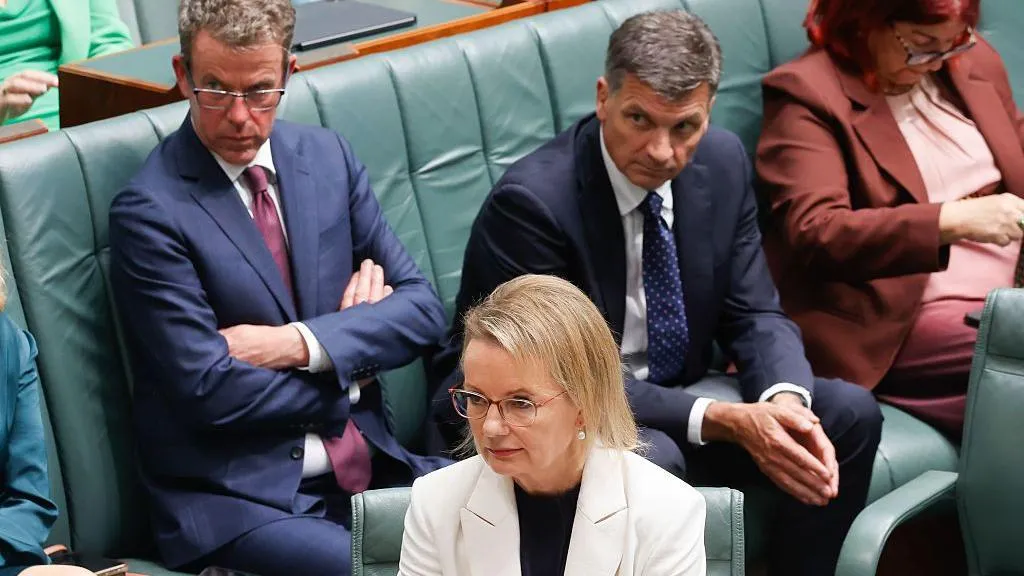
Liberal Party Removes Australia’s First Female Leader
-
 News7 hours ago
UK Braces for Cold Snap with Snow and Ice Alerts Expected
-
 News4 hours ago
Husband’s alleged £600k theft for sex and antiques blamed on drug side effects
-
 Business10 hours ago
BBC Reporter Exposed to Cyber Attack Due to Vulnerabilities in AI Coding Tool
-
 News7 hours ago
Canadian Town Unites in Mourning After Mass Shooting Leaves Community Reeling