
News
Artifacts Discovered on HS2 Route Stored in Secure Facility
The BBC has been given exclusive access to archaeological discoveries unearthed during the development of the HS2 rail project.
The BBC has been given exclusive access to a vast array of treasures discovered by archaeologists during the construction of the HS2 train line, a project that has been marred by controversy.
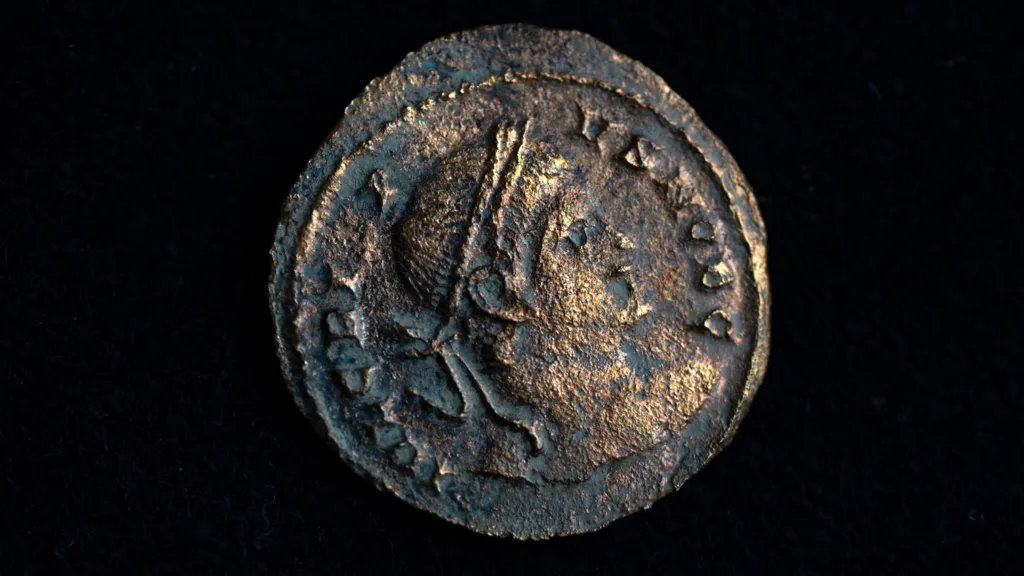
A staggering 450,000 objects have been unearthed, including a potential Roman gladiator's tag, a hand axe estimated to be over 40,000 years old, and a set of 19th-century gold dentures, all of which are currently stored in a secure warehouse.
According to the Centre for British Archaeology, the sheer volume and diversity of these finds are unparalleled, offering a unique opportunity to shed new light on Britain's rich history.
As part of the planning process for major construction projects in the UK, archaeologists are required to assess the land to identify and protect heritage sites, a crucial step in preserving the country's cultural legacy.
Since 2018, approximately 1,000 archaeologists have been involved in excavations along the proposed HS2 route, which spans from London to Birmingham, uncovering a wealth of historical artifacts in the process.

Although the HS2 project has been delayed, with a projected completion date beyond 2033, archaeologists have largely finished their fieldwork, having made significant discoveries that will contribute to our understanding of the past.
The artifacts are being stored in a secret location in Yorkshire, where they are carefully organized on pallets and in boxes, awaiting further research and analysis, with approximately 7,300 boxes currently in storage.
The long-term fate of these objects, including whether they will be put on display or remain in storage, and issues of ownership, have yet to be determined.
Historic England has praised the team for unearthing "new and exciting sites that span over 10,000 years of our past," highlighting the significance of these discoveries.
The construction of HS2 has had a profound impact on the landscape, cutting through fields and communities, and sparking intense debate about its value and legitimacy.
Critics, including Greg Smith, MP for Mid Buckinghamshire, argue that the project's exorbitant costs, delays, and environmental damage make it a questionable investment, with some even suggesting that it is not worth pursuing.
Smith has stated that the project's enormous cost to taxpayers, coupled with its destructive impact, makes it a misguided endeavor, saying "it should not have cost the taxpayer tens of billions of pounds to build a railway that no-one wants and brings so much destruction."
In response, HS2 has acknowledged the project's shortcomings, with Chief Executive Mark Wild committing to addressing the issues of cost increases and delays that have plagued the project.
The HS2 team has emphasized its commitment to careful excavation and respect for the historical sites and artifacts uncovered during the project, highlighting the importance of preserving the country's cultural heritage.
Historian Graham Evans, chair of the Northamptonshire Battlefields Society, has noted that while opinions about HS2 may vary, the archaeological work being done is invaluable, saying "if they built the railway and they didn't do the archaeology, that would be more tragic."
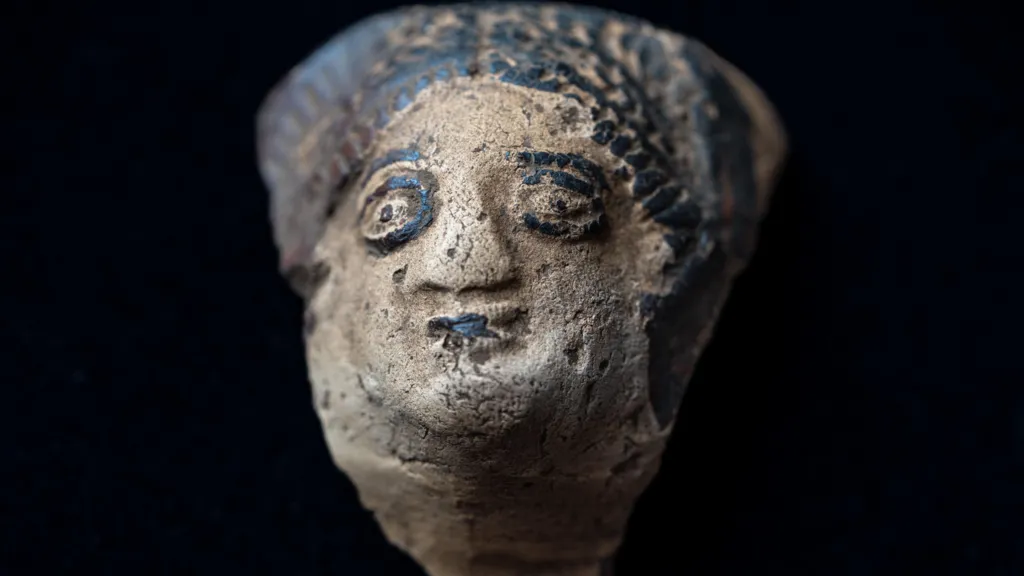
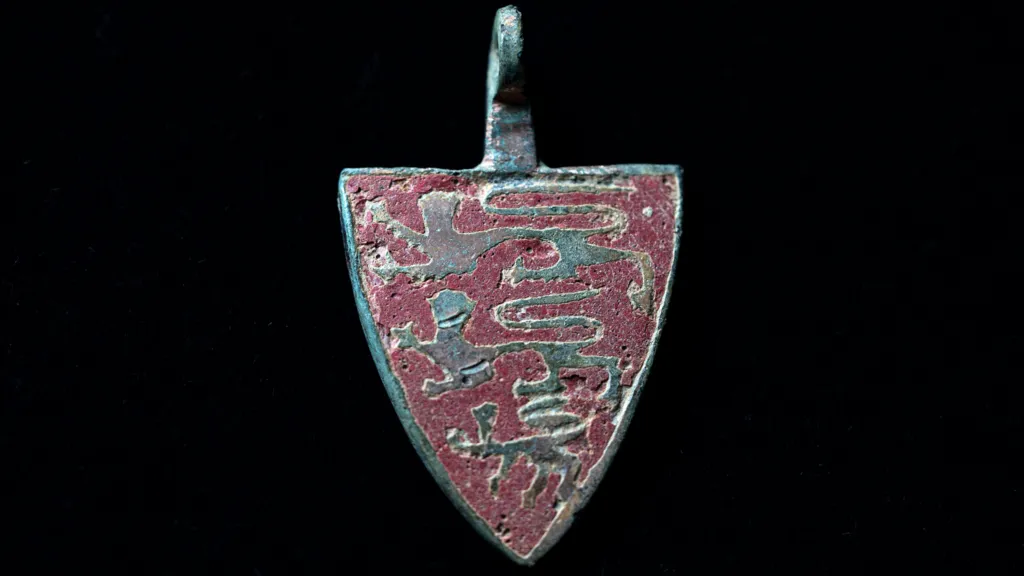
The storage facility holds an impressive array of artifacts, including Roman statue heads and a gold 'three lions' pendant from the 13th-14th Century, each one offering a unique glimpse into the past.
A poignant reminder of the human stories behind these artifacts is the presence of a bubble-wrapped coffin from 1799, found on the ground in one area, alongside a smaller coffin wrapped in masking tape, serving as a sobering reminder of the lives once lived.
Some of the discovered objects have already been showcased to the public, providing a fascinating insight into the country's history and cultural heritage.
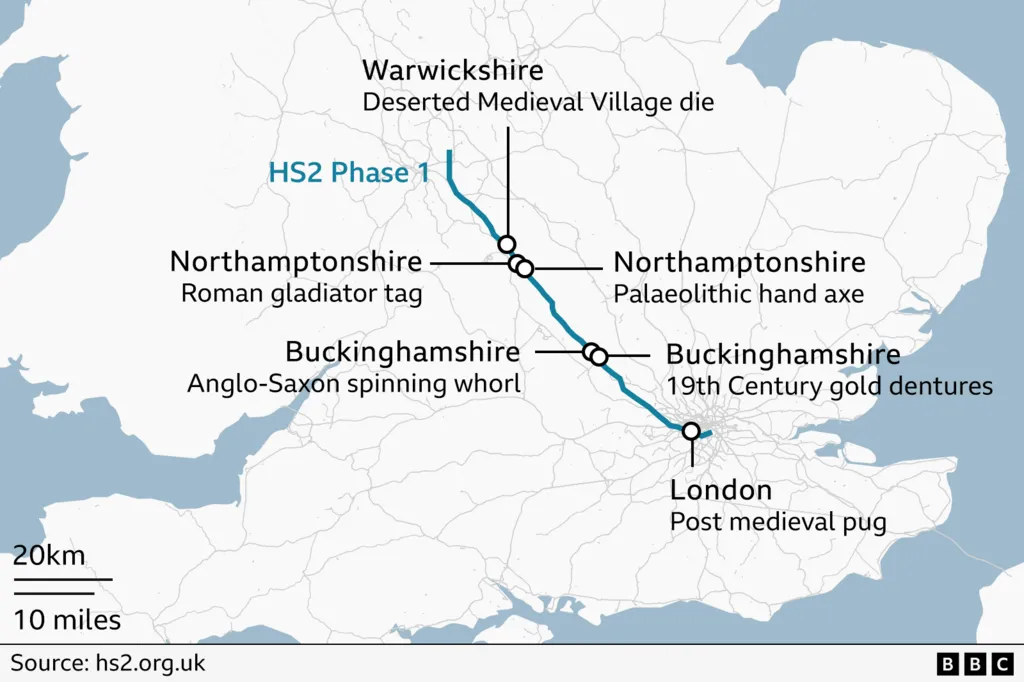
Six previously unseen artifacts have been selected for display, with their locations marked on the HS2 route map, allowing visitors to explore the history behind each object.
Experts believe that one of the hand axes discovered is over 40,000 years old, crafted by Neanderthals or an earlier human species, offering a fascinating glimpse into the lives of our ancient ancestors.
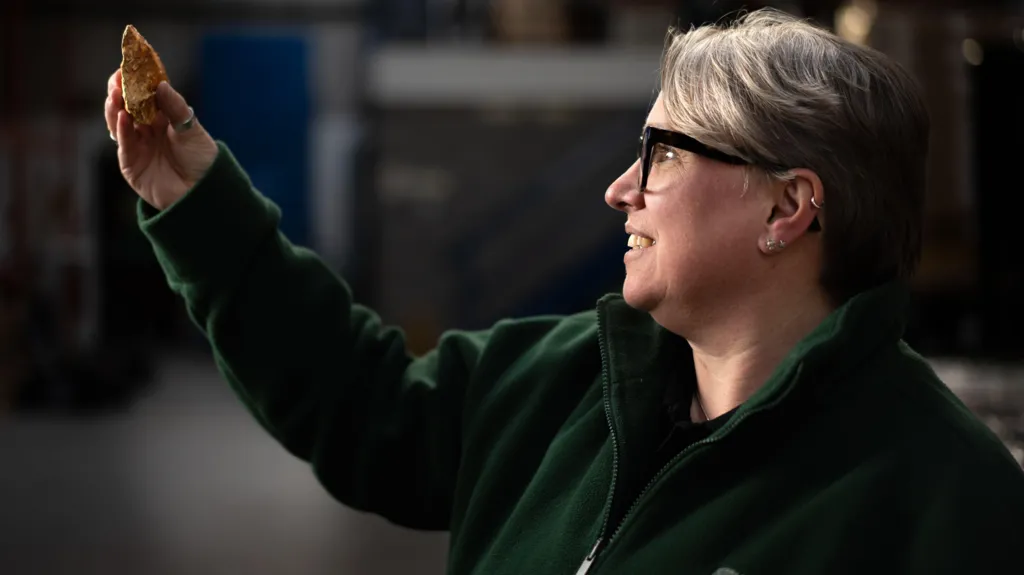
Found in the Edgcote area of Northamptonshire, this hand axe features a sharp edge, likely used for butchering animals, and is a remarkable example of the ingenuity and craftsmanship of early humans.
Hand axes were typically held in the palm, rather than attached to a wooden handle, and this particular example is a testament to the resourcefulness of our ancient ancestors.
Dr Sara Machin, the finds lead for the Access + consortium, has noted that holding the hand axe is a tactile experience, saying "even now it fits snugly in my hand," highlighting the enduring connection between past and present.
A small, intricately carved bone fragment bears an inscription, which, if complete, would read "DOMINE VICTOR VINCAS FELIX" or "Lord Victor, may you win and be lucky," offering a glimpse into the lives of the people who created it.
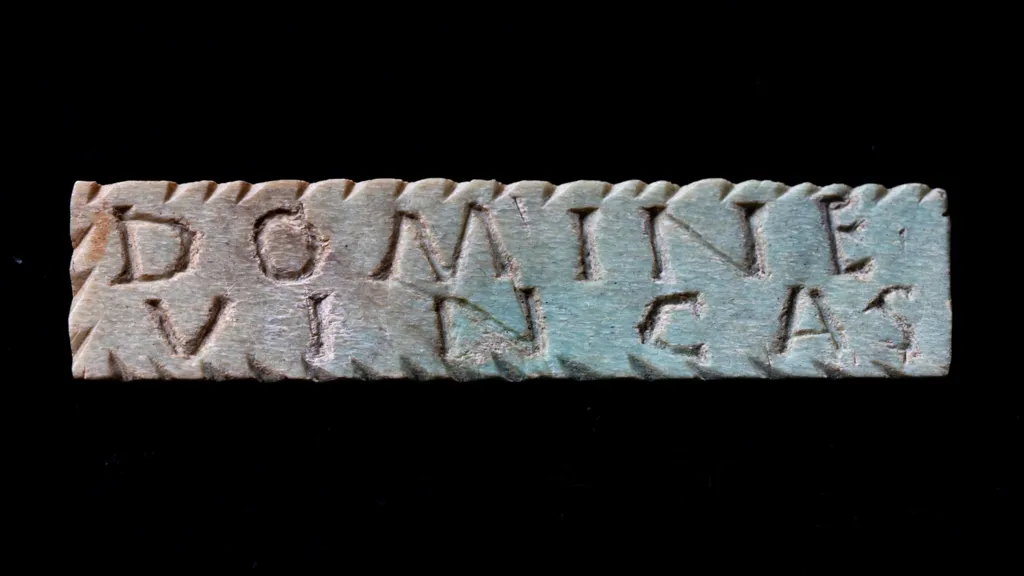
Discovered in Northamptonshire, this bone fragment may have belonged to a Roman gladiator or a spectator, although the lack of evidence of an arena or circus in the area has sparked debate about its origins.
The bone fragment was recovered from a large pottery vessel containing cremated human remains, with an X marked on the lid, adding to the mystery surrounding this artifact.
Dr John Pearce, Reader in Archaeology at King's College University, has suggested that while a link to a gladiator is possible, further forensic analysis of the burial may reveal a different story, highlighting the complexities of interpreting historical artifacts.
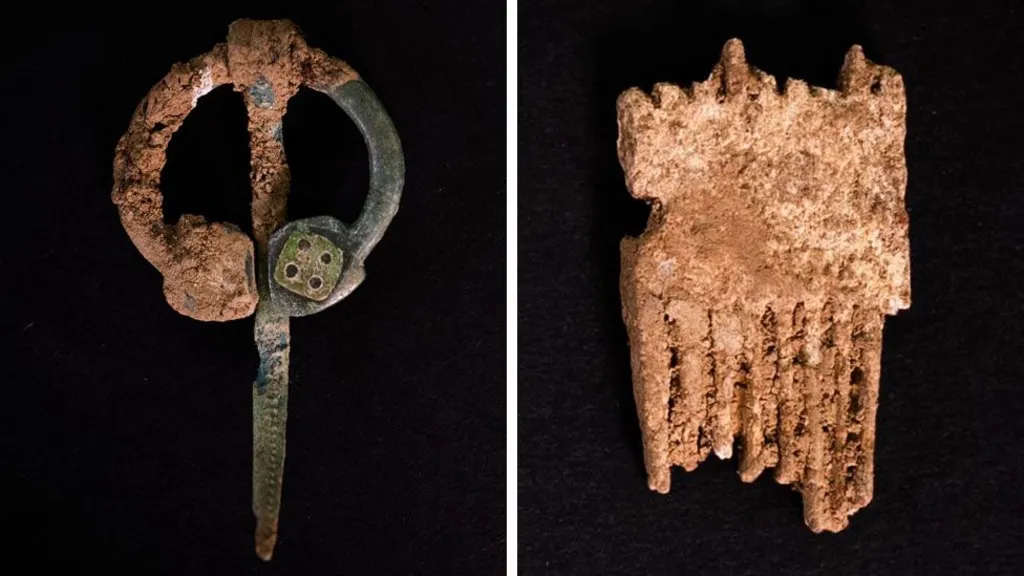
A decorated Anglo-Saxon spindle whorl, used for spinning yarn, was unearthed from farmland near Bishopstone, Buckinghamshire, and is a significant find, offering insights into textile production during this period.
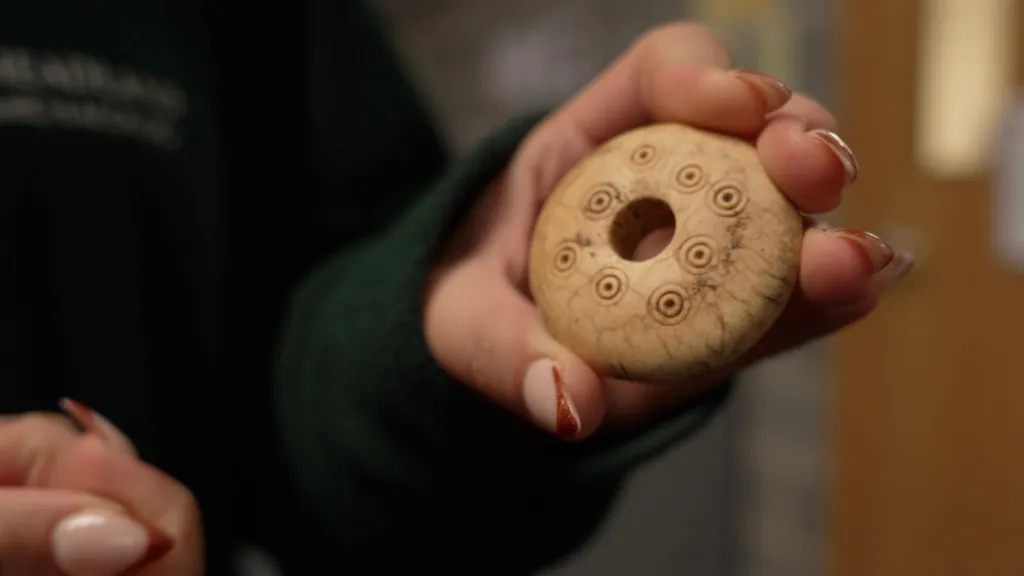
According to Willow Major, a post-excavation assistant, the spindle whorl is a fascinating example of the craftsmanship and technological advancements of the Anglo-Saxon period, with its polished surface suggesting extensive use.
The ring and dot motif on the spindle whorl is reminiscent of earlier Iron Age designs, highlighting the continuity and evolution of artistic traditions over time.
A small, polished die was discovered in a deserted medieval village in Lower Radbourne, Warwickshire, and is notable for its unique numbering format, which differs from modern dice.

The die's imperfections, including one side being longer than the others, distinguish it from mass-produced dice, highlighting the craftsmanship and individuality of this artifact.
A complete figurine of a seated pug dog, crafted from plain white-glazed porcelain with black details, was found in a grave at St James' Gardens in Euston, and is believed to have been made at the Derby porcelain factory between 1770 and 1800.

This charming figurine offers a glimpse into the lives and interests of people in the past, highlighting the importance of everyday objects in understanding historical contexts.
A set of lower gold dentures, discovered at St Mary's Old Church in Stoke Mandeville, is a surprising find, with six teeth and a numbered stamp on the inside, sparking curiosity about the person who once wore them.
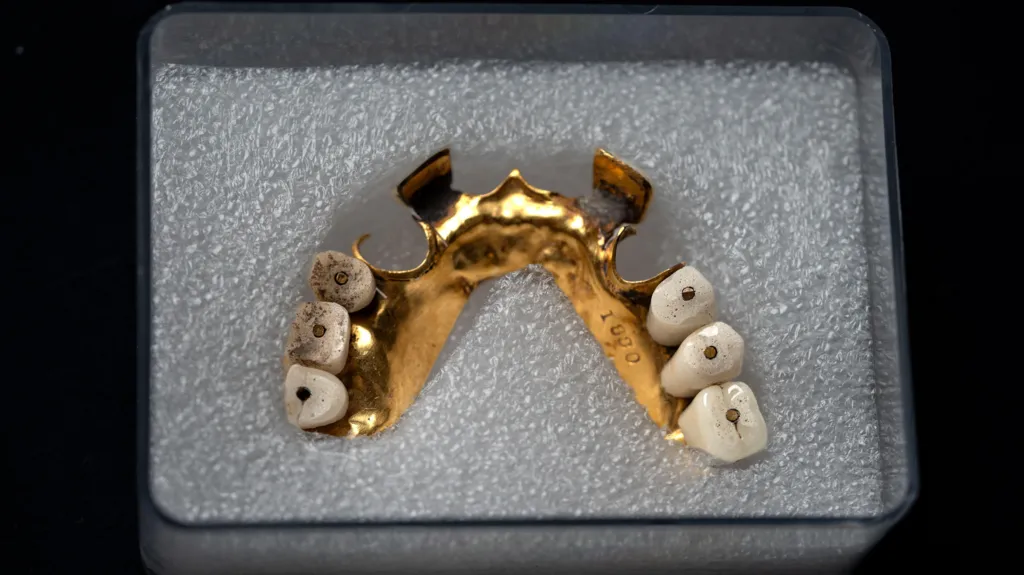
The dentures are a poignant reminder of the personal stories behind each artifact, with Dr Sara Machin noting that "these are objects, but they all relate to people," highlighting the human connection that underlies each discovery.
Machin has emphasized that the significance of these artifacts lies in their ability to tell us about the people who lived in these areas, spanning thousands of years, and the stories they can tell us about their lives.
Neil Redfern, from the Council for British Archaeology, has noted that the scale of the HS2 project is what makes it so extraordinary, with the sheer volume of artifacts and sites discovered offering a unique opportunity for research and analysis.
The length of the scheme and the diverse landscapes it passes through have resulted in a remarkable collection of sites and materials, with Redfern believing that the research potential of these findings is remarkable, and will help people understand wider landscape change now and in the past.
The discoveries made during the HS2 project have the potential to significantly contribute to our understanding of Britain's history and cultural heritage, highlighting the importance of preserving and protecting our collective past.
Archaeologists have initiated the next stage of their investigation, which involves conducting thorough assessments, cleaning, and conserving the discovered items to uncover more about their stories.
Plans are underway to showcase the artefacts, including those from the Wendover Saxon cemetery, where 122 graves were excavated, in an upcoming exhibition at the Discover Bucks Museum, marking their first public display.
The long-term fate of certain items remains uncertain at this point.
According to HS2, under English property law, the ownership of archaeological and historical objects unearthed during the project will be either vested in the government or the landowners.
The HS2 spokesperson noted that in some cases, landowners may choose to retain ownership of the objects, in which case they will be returned to the landowners' custody.
Charlotte Self, the project's archive manager, is reaching out to landowners to consider donating the items, allowing communities along the route to access and appreciate them.
Self expressed her desire to see most of the items placed in local museums near their discovery sites, making them available for public viewing.
Subscribe to our daily newsletter to stay informed with the latest headlines; registration is available here.

News
Tudor to take interim charge of Tottenham
Igor Tudor has reached an agreement to take the reins as Tottenham’s interim head coach for the remainder of the season.
Tottenham has reached an agreement with Igor Tudor to take the helm as interim head coach for the remainder of the current season.
For the latest updates, in-depth analysis, and perspectives from fans, look to Tottenham's recent news and discussion.
Do you have any questions about Tottenham – what information are you seeking?
News
UAE Defeats Canada to Enhance Super 8s Qualification Chances
The United Arab Emirates boosted their slim chances of advancing to the T20 World Cup Super 8s, securing a narrow five-wicket victory over Canada, thanks in part to Aryansh Sharma’s unbeaten 74.
In a crucial match for the United Arab Emirates, Aryansh Sharma achieved his fifth T20 international half-century, contributing to the team's victory over Canada.
The Men's T20 World Cup, being held in Group D in Delhi, saw an intense competition between the two teams.
Canada's innings resulted in a total of 150-7 after 20 overs, with Harsh Thaker scoring 50 runs off 41 balls, while Junaid Siddique took 5 wickets for 35 runs.
The UAE team responded with a total of 154 runs in 19.4 overs, led by Aryansh Sharma's unbeaten 74 runs off 53 balls and Sohaib Khan's 51 runs off 29 balls, despite Bin Zafar taking 3 wickets for 14 runs.
The United Arab Emirates secured a five-wicket win over Canada, boosting their chances in the tournament.
Aryansh Sharma played a pivotal role in the UAE's win, scoring an unbeaten 74 runs to help his team overcome Canada's total.
With four overs remaining, Canada seemed poised to defend their total, but Sohaib Khan's aggressive batting reignited the UAE's chase, as he scored 17 runs off Dillon Heyliger's bowling.
In the final over, the UAE required eight runs to win, and Aryansh Sharma eased the pressure by hitting a six off Jaskaran Singh's first ball.
Sohaib Khan was dismissed after scoring a rapid 51 runs off 29 balls, including four sixes, leaving the scores level.
Muhammad Arfan then sealed the victory with two balls to spare, hitting a four off Jaskaran Singh, as Aryansh Sharma top-scored with 74 runs off 53 balls.
The UAE now stands third in Group D with two points, but they face an uphill task in their upcoming matches against full members South Africa and Afghanistan to advance to the next phase.
Although the UAE has never beaten a full member in any World Cup format, their performance in this match has given them some confidence.
Earlier in the match, Junaid Siddique achieved the best bowling figures by a UAE player in a T20 World Cup, taking 5 wickets for 35 runs at the Arun Jaitley Stadium in Delhi.
Harsh Thaker's 41-ball half-century, which included three sixes and two fours, provided a solid foundation for Canada's total.
Thaker and Navneet Dhaliwal shared a 58-run partnership to help Canada recover from a difficult start, before Dhaliwal was run out for 34 runs.
After Thaker fell victim to Junaid Siddique's slower ball, Canada struggled to find boundaries against the UAE's tight bowling.
Shreyas Movva made a useful contribution of 21 runs off 21 balls, but Junaid Siddique took two wickets in the final over to claim his maiden five-wicket haul in T20 internationals.
In a separate match, Zimbabwe's Brilliant Muzarabani played a key role in his team's stunning win over Australia.
For more updates, notifications, and social media coverage, visit the BBC Sport website.
In another development, Paul Stirling has been ruled out of the remainder of the T20 World Cup due to injury.
News
Guardiola Advocates for Cultural Embrace to Foster a Better Society
Pep Guardiola, the manager of Manchester City, has stated that accepting diverse cultures will lead to a more harmonious society, in reaction to comments made by Sir Jim Ratcliffe regarding immigration.
As a player, Pep Guardiola earned 47 international caps for Spain, showcasing his skills on the global stage.
Manchester City's manager, Pep Guardiola, believes that embracing diverse cultures is essential for creating a more harmonious society.
Guardiola was questioned about his thoughts on comments made by Manchester United co-owner Sir Jim Ratcliffe, who stated that the UK had been "colonised by immigrants", sparking a debate.
Following criticism, Ratcliffe apologised for any offence caused, while still advocating for open discussion on the issue.
Ahead of Manchester City's FA Cup fourth-round match against Salford, Guardiola shared his perspective, saying that people seek better lives and opportunities, which can be found in their birthplace or elsewhere.
According to Guardiola, one's birthplace is not a determining factor in their potential or aspirations.
Many individuals are forced to leave their homelands due to problems in their native countries, rather than a desire to abandon their roots.
Guardiola emphasized that by genuinely embracing other cultures, society as a whole can improve, a notion he has no doubts about.
An examination of the facts behind Jim Ratcliffe's statements on immigration and benefits is also underway.
Sir Jim Ratcliffe, a billionaire, has made headlines, but who is he and how did he accumulate his wealth?
Born in Santpedor, Catalonia, Spain, Guardiola has had a diverse career, playing in Spain, Italy, Qatar, and Mexico, before transitioning to management.
As a manager, the 55-year-old has had stints in Spain, Germany, and England, taking the helm at Manchester City in 2016.
Guardiola views the issue of immigration as a global problem, stating that it is a concern that affects many countries.
He believes that immigrants are often unfairly blamed for problems in their adopted countries, highlighting the fact that one's birthplace is often a matter of circumstance.
Guardiola reiterated that people from all backgrounds strive for a better life, seeking opportunities that may be available in their birth country or elsewhere.
He stressed that factors such as skin colour or birthplace should not be barriers to achieving one's goals.
For the latest news, analysis, and fan perspectives on Manchester City, please refer to our dedicated section.
Do you have any questions about Manchester City that you would like answered?
-
 News11 hours ago
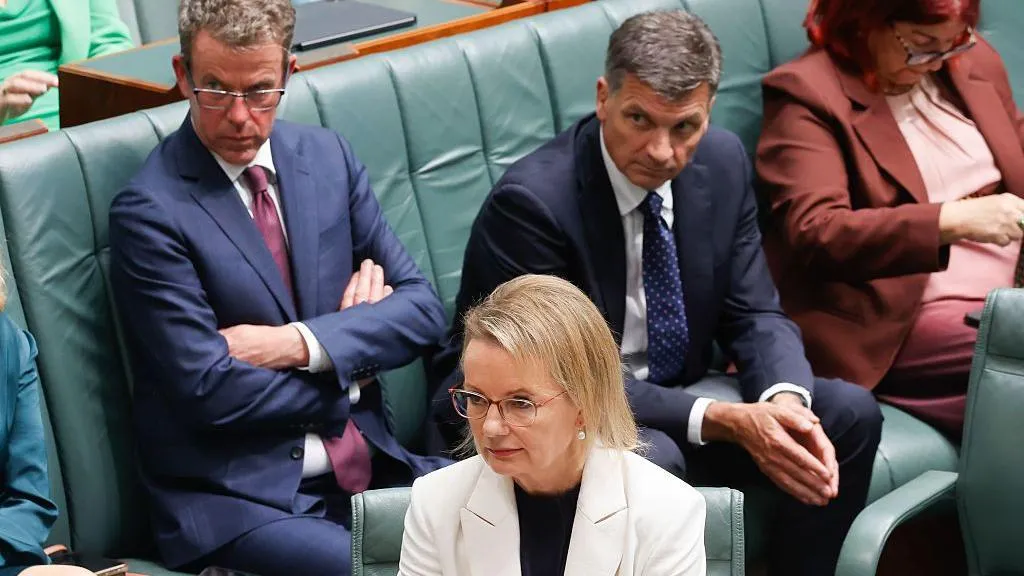
Australian Politics Faces Questions Over Gender Equality Amid Sussan Ley’s Appointment
-
 News8 hours ago
Farage Says Reform to Replace Traditional Tory Party
-
 News8 hours ago
Wrexham Pair Seek Win Against Former Team Ipswich
-
 News13 hours ago
Liberal Party Removes Australia’s First Female Leader
-
 News11 hours ago
UK Braces for Cold Snap with Snow and Ice Alerts Expected
-
 News8 hours ago
Husband’s alleged £600k theft for sex and antiques blamed on drug side effects
-
 News2 days ago
Sunbed ads spreading harmful misinformation to young people
-
 Business14 hours ago
BBC Reporter Exposed to Cyber Attack Due to Vulnerabilities in AI Coding Tool