
News
Ireland secures maiden victory after fending off Italy challenge
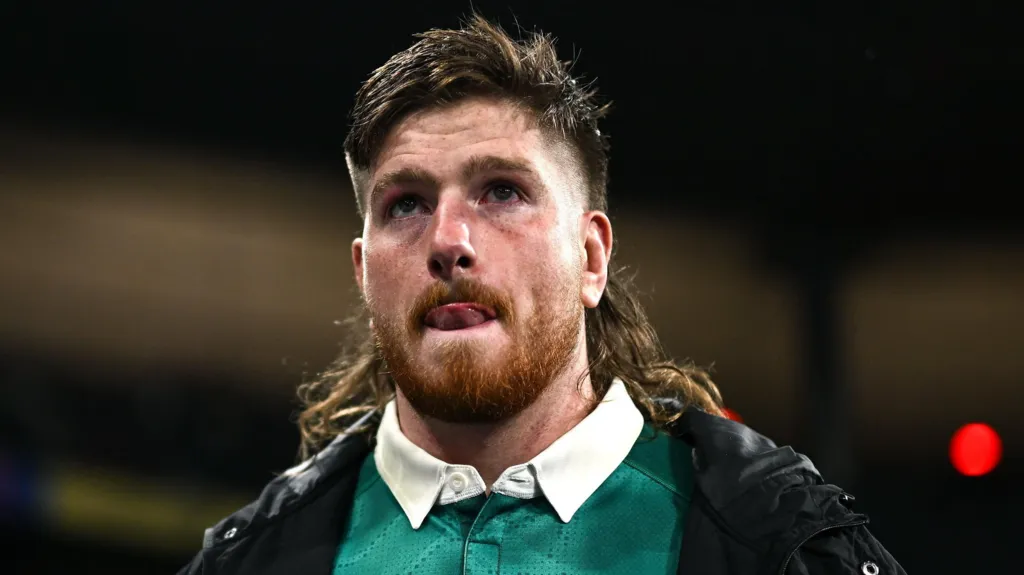
Ireland secured their first victory of this year’s Six Nations campaign, overcoming a significant challenge from Italy, and in doing so, prevented the Azzurri from achieving their maiden championship win in Dublin.
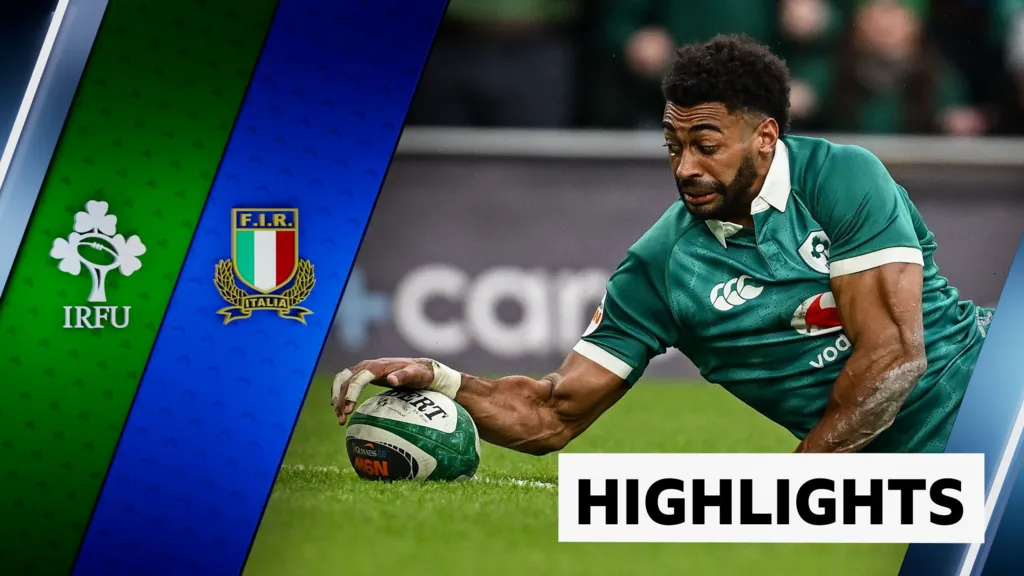
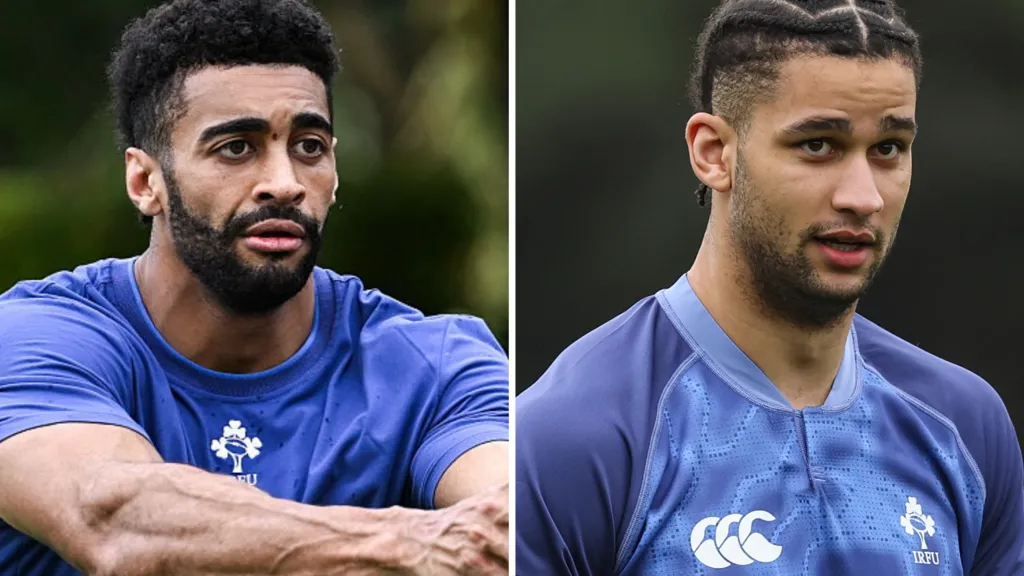
Ireland managed to turn the tables on Italy in their Six Nations match, thanks in part to a try from debutant Rob Baloucoune, who helped his team recover from a deficit at halftime.
The scoring breakdown for the match included tries from Osborne, Conan, and Baloucoune, with Crowley contributing a conversion and a penalty, while Italy's points came from a Nicotera try, converted by Garbisi, and two penalties from Garbisi.
Italy's scoring consisted of a try by Nicotera, which was converted by Garbisi, and two penalties kicked by Garbisi.
In a closely contested match, Ireland secured their first win of the Six Nations campaign, narrowly defeating Italy and preventing the Azzurri from achieving their first championship victory in Dublin.
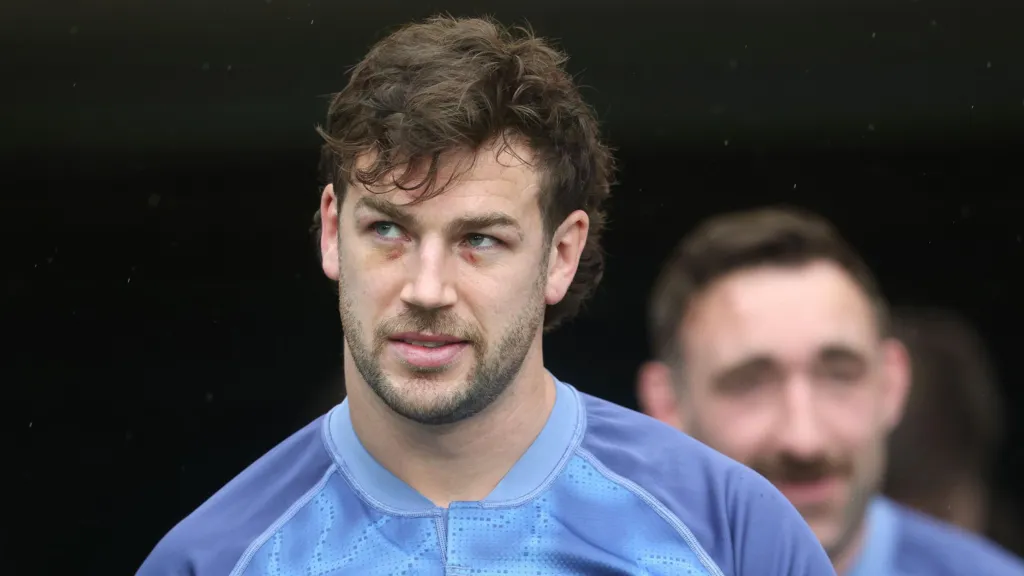
Following a disappointing loss to France the previous week, Ireland initially took the lead when Jamie Osborne scored an unconverted try, capitalizing on a yellow card given to Italy's Louis Lynagh for a deliberate knock-on.
However, the momentum shifted in Italy's favor, and after Paolo Garbisi kicked a penalty, Ireland's Craig Casey received a yellow card, allowing Italy to gain an advantage that ultimately led to Giacomo Nicotera scoring a try and giving the Italians a halftime lead.
Three minutes into the second half, Ireland responded with a try from Jack Conan, but the score remained tied at 10-10 after Sam Prendergast missed the conversion attempt.
Ireland breathed a sigh of relief when a would-be try by Louis Lynagh was disallowed due to a forward pass, leaving the score still tied and setting the stage for a tense conclusion to the match.
As the game hung in the balance, Rob Baloucoune marked his Six Nations debut with a crucial try, and Jack Crowley's subsequent penalty gave Ireland a 10-point cushion.
Although Italy managed to close the gap, Ireland withstood a frenzied late surge from the visitors and ultimately dashed their hopes of a historic win.
A reaction to Ireland's come-from-behind victory over Italy in the Six Nations is available.
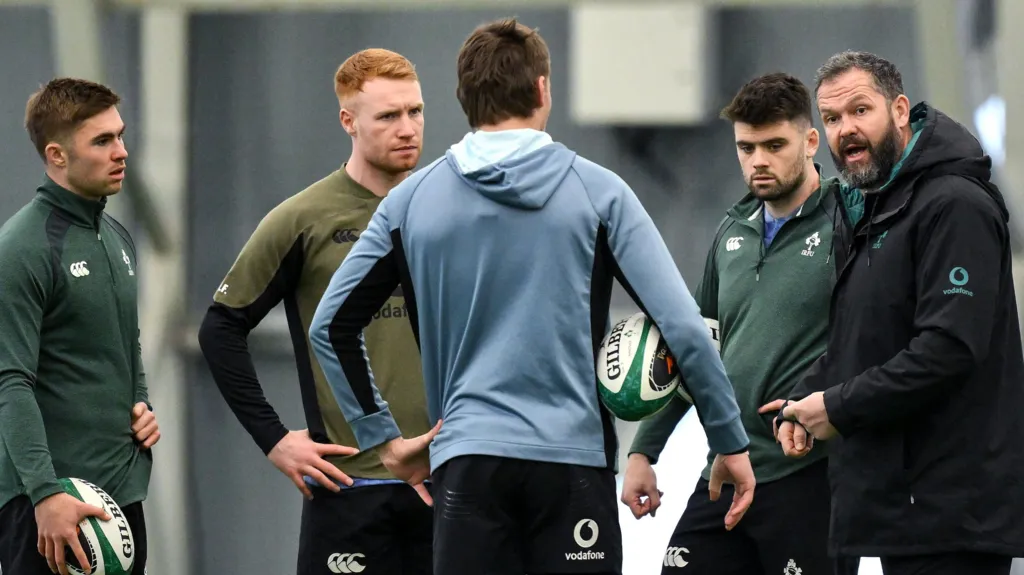
Having had nine days to reflect on their disappointing loss to France, during which coach Farrell criticized the team's lack of intent, Ireland were under pressure to deliver a strong performance and generate positive discussion around the team.
Italy, who had suffered several significant defeats in Dublin in the past, were determined to prevent Ireland from bouncing back and instead sought their first Six Nations win on Irish soil in 14 attempts.
Despite being down a player for 10 minutes after Lynagh's yellow card, Italy's defense held firm, allowing only five points to Ireland's struggling attack before Garbisi's penalty narrowed the gap to two points after 20 minutes.
As the first half progressed, Italy increased the pressure on Ireland, and after Craig Casey was sin-binned for a high tackle on Michele Lamaro, the Azzurri kicked to the corner and drove towards the Irish line, resulting in Nicotera's try.
Ireland's situation could have been even more dire if not for Michele Lamaro's knock-on after full-back Lorenzo Pani had intercepted a poor kick by Sam Prendergast and beaten the Irish fly-half.
The Ireland team consisted of Osborne, Baloucoune, Ringrose, McCloskey, Lowe, S Prendergast, Casey, Loughman, Sheehan, Clarkson, McCarthy, Ryan, Izuchukwu, Doris, and Conan.
Ireland's replacements included Kelleher, O'Toole, Furlong, Edogbo, Beirne, Timoney, Gibson-Park, and Crowley.
Craig Casey received a yellow card in the 32nd minute.
The Italy team was composed of Pani, Lynagh, Menoncello, Marin, Ioane, P Garbisi, Fusco, Fischetti, Nicotera, Ferrari, N Cannone, Zambonin, Lamaro, Zuliani, and L Cannone.
Italy's replacements included Di Bartolomeo, Spagnolo, Hasa, Ruzza, Favretto, Odiase, A Garbisi, and Odogwu.
Louis Lynagh was given a yellow card in the 10th minute.
The match referee was Hollie Davidson from Scotland.
The assistant referees were Matthew Carley from England and Luc Ramos from France.
The television match official was Ian Tempest from England.
The foul play review officer was Tual Trainini from France.

News
Markram Scores 86 in Match Against New Zealand
Aiden Markram, captain of South Africa, produced an impressive performance, scoring an unbeaten 86 runs from 44 deliveries in a T20 World Cup match against New Zealand, with the highlights of his innings available to view.
Highlights from the T20 World Cup feature South Africa captain Aiden Markram's impressive unbeaten 86, scored from just 44 deliveries, in a match against New Zealand.
For further details on the match, see the report on Aiden Markram's performance, which helped the Proteas secure a dominant victory over New Zealand.
Access to this content is restricted to users in the United Kingdom.
News
Mansfield’s Reed stuns Burnley with impressive free-kick goal
Mansfield Town’s Louis Reed scored a remarkable free kick, helping his team advance to the FA Cup fifth round with a stunning upset over Premier League club Burnley.
In a stunning turn of events, Louis Reed of Mansfield Town showcased his exceptional skill, scoring a remarkable free kick that caught Premier League team Burnley off guard and secured his team's spot in the FA Cup's fifth round.
A detailed account of the match can be found in the report: Burnley 1-2 Mansfield Town
Access to this content is restricted to users within the United Kingdom.
News
Catholic Archbishop Urges Church to Heed Lessons from Abuse Survivors
A crowd of 2,000 gathered at Westminster Cathedral as Archbishop Richard Moth addressed them during his installation ceremony.
During his installation ceremony, the new leader of Catholics in England and Wales acknowledged the church's past shortcomings, particularly in cases where vulnerable individuals were abused.
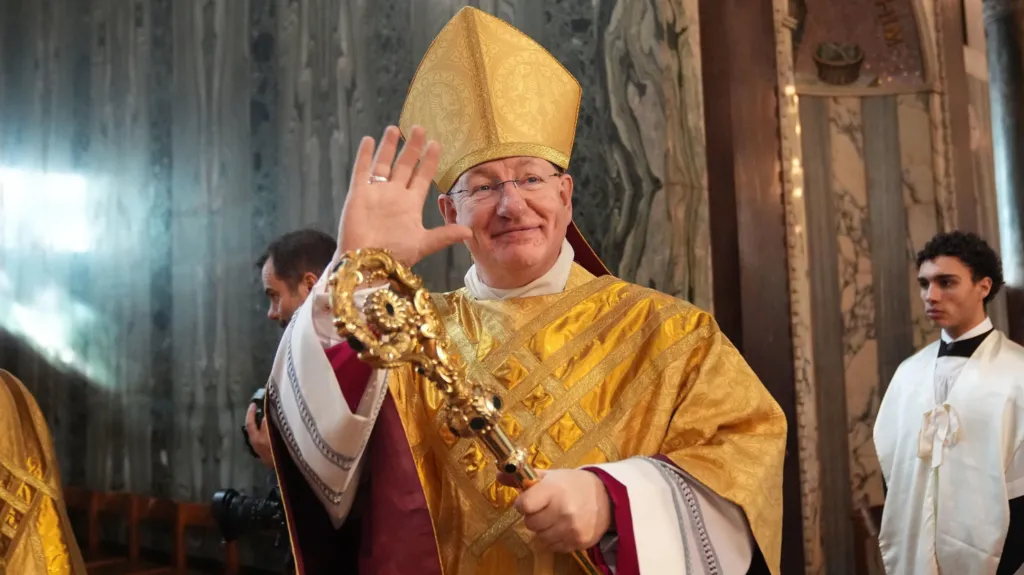
At Westminster Cathedral, Archbishop Richard Moth also expressed solidarity with refugees and emphasized the importance of listening to abuse victims, as he formally took office.
Succeeding Cardinal Vincent Nichols, who retired in December after a 16-year tenure, Archbishop Moth has become the 12th Archbishop of Westminster, assuming the role at the age of 68, following his predecessor's decision to step down at 80.
The Archbishop of Canterbury, Dame Sarah Mullally, was in attendance and welcomed Moth's appointment, noting his strong commitment to upholding the dignity of every individual.
As part of the installation rituals, Archbishop Moth knelt at the Great West Door of Westminster Cathedral, blessed attendees with holy water, and proceeded down the nave, marking the beginning of his tenure.
As the newly appointed Archbishop of Westminster, Moth now leads an estimated four million Catholics in England and Wales and serves as president of the Bishops' Conference of England and Wales.
Prior to his appointment, Archbishop Moth served as the Bishop of Arundel and Brighton for 10 years, during which time he focused on social justice and accountability, areas he has pledged to continue prioritizing.
Addressing a congregation of 2,000, Archbishop Moth highlighted the Church's crucial evangelical work, acknowledging that it has been impacted by the Church's past failures, including those related to love, power, and self-control.
He acknowledged the Church's failures, particularly in cases where vulnerable individuals were harmed, stating that these instances require the Church to listen to and learn from those who have suffered.
The archbishop emphasized the need to address key issues, including promoting peace, upholding human dignity, protecting the vulnerable, and preserving the environment, stressing that the Church should not be afraid to confront these challenges.
The Most Rev Dame Sarah Mullally, the first female leader of the Church of England, attended the event in her capacity as representative of Churches Together in England, an organization that fosters unity among different Christian traditions.
Dame Mullally expressed her eagerness to collaborate with Archbishop Moth, stating, "I look forward to working with you to deepen our relationships and strengthen our shared Christian witness."
-
 News2 days ago
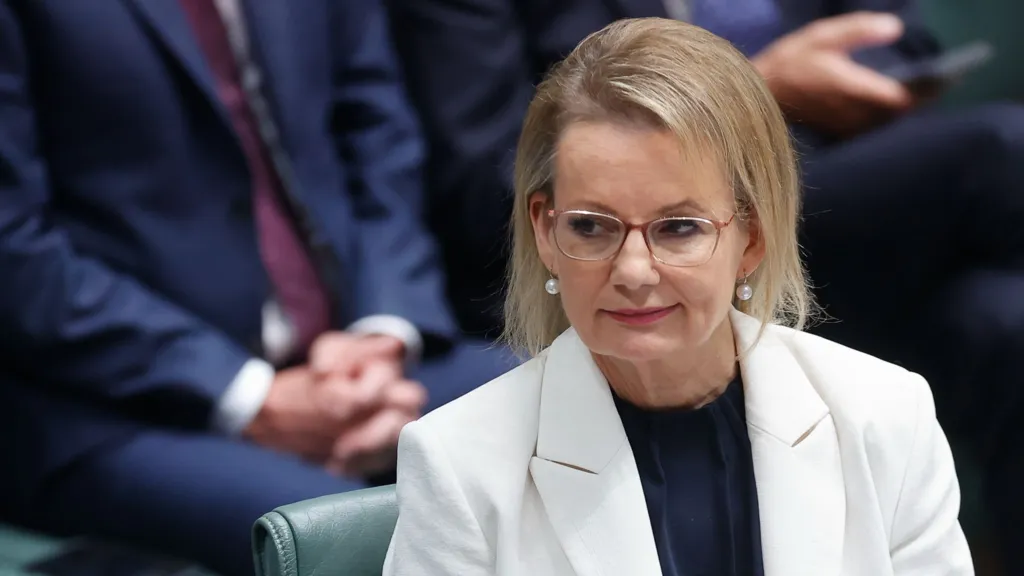
Australian Politics Faces Questions Over Gender Equality Amid Sussan Ley’s Appointment
-
 News1 day ago
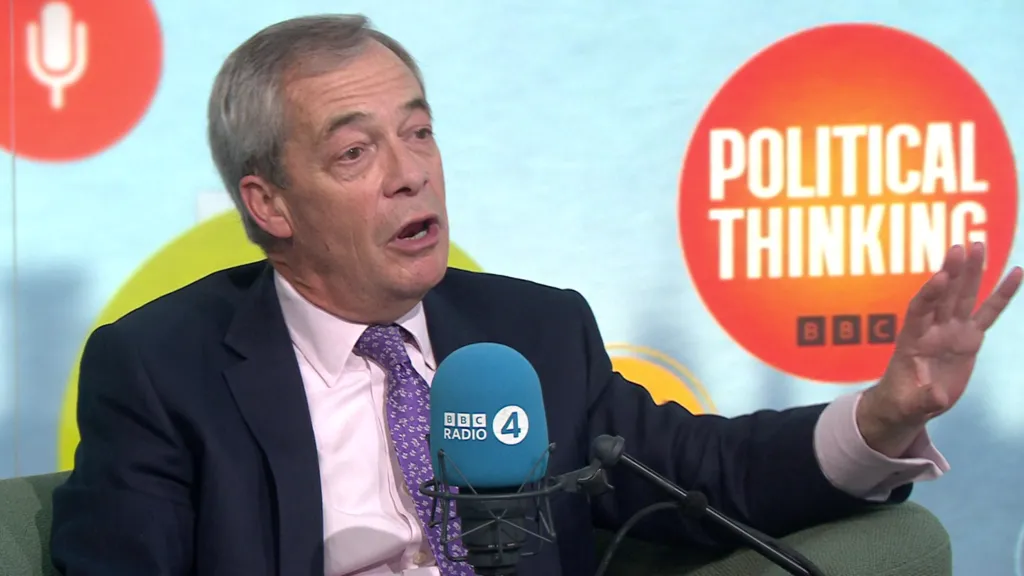
Farage Says Reform to Replace Traditional Tory Party
-
 News1 day ago
Husband’s alleged £600k theft for sex and antiques blamed on drug side effects
-
 Business2 days ago
BBC Reporter Exposed to Cyber Attack Due to Vulnerabilities in AI Coding Tool
-
 News1 day ago
Wrexham Pair Seek Win Against Former Team Ipswich
-
 News2 days ago
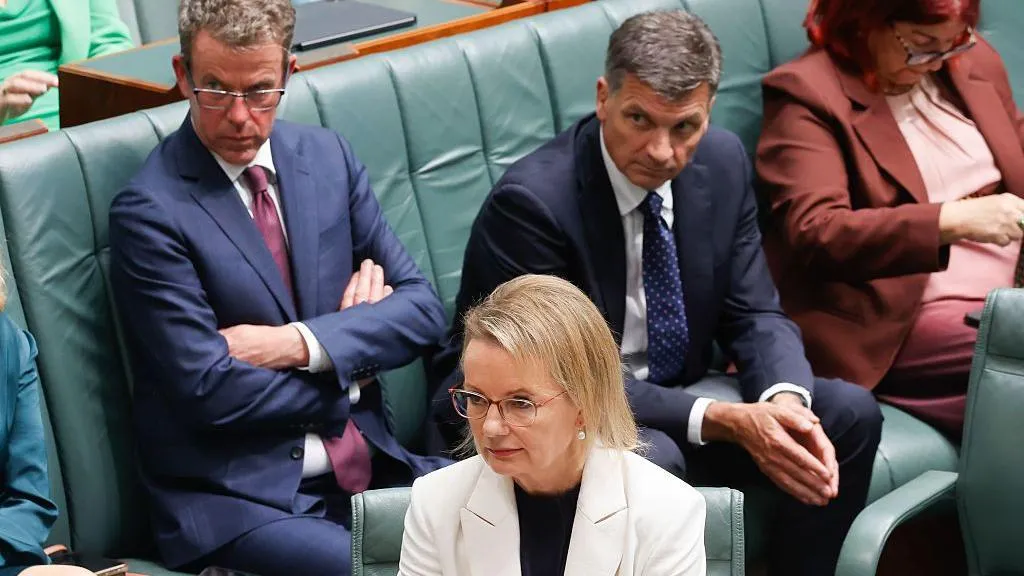
Liberal Party Removes Australia’s First Female Leader
-
 News2 days ago
UK Braces for Cold Snap with Snow and Ice Alerts Expected
-
 News3 days ago
Sunbed ads spreading harmful misinformation to young people