
Africa
US funding cuts hinder South Africa’s efforts to combat AIDS
Concerns are being raised by health experts that a decline in testing and monitoring efforts could lead to an increased risk of HIV transmission.
A year has passed since a presidential signature in Washington sent ripples across the globe, affecting lives in South Africa, over 13,000km (8,000 miles) away.
The health sector in South Africa held its breath when, shortly after his inauguration, President Donald Trump issued an executive order that put a hold on US aid commitments, sparking widespread concern.
The move had significant implications for South Africa, which stood to lose around $400m (£295m) in annual US funding for its HIV programmes, accounting for roughly one-fifth of the country's overall expenditure on the issue.
In response to the US decision, the South African government allocated $46m last year, covering only 11.5% of the lost funding.
To mitigate the shortfall, a "bridge plan" worth $115m was agreed upon by the US, providing temporary support until the end of March, as a substitute for the regular disbursements from the US President's Emergency Fund for Aids Relief (Pepfar).
The US government has committed over $110 billion to the global fight against HIV-Aids through Pepfar since its establishment by President George W. Bush in 2003, resulting in approximately 26 million lives saved, as reported by the state department.
South Africa has been significantly impacted, with around 13% of its population living with HIV, earning it the unfortunate distinction of having the world's largest HIV-positive population.
Decades of progress in HIV treatment and prevention have led to substantial improvements in survival rates, but these advances come at a cost, and any reduction in funding could jeopardize the health and well-being of many individuals.
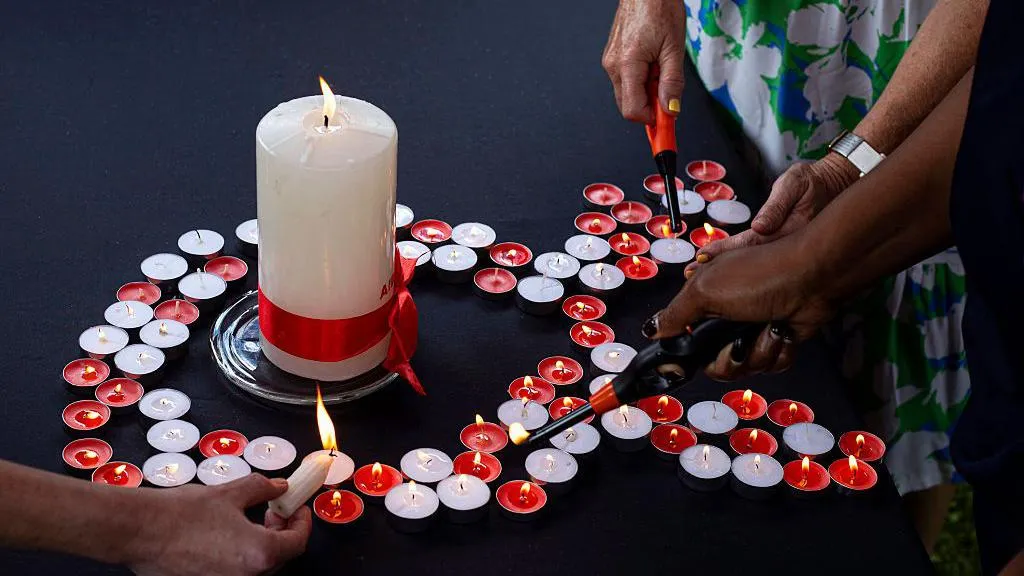
According to Prof Linda-Gail Bekker, a renowned HIV researcher and co-founder of the Desmond Tutu Health Foundation, there is clear evidence of decreased testing and service gaps, highlighting the need for sustained support.
The Desmond Tutu Health Foundation, led by Prof Bekker, has relied heavily on US government funding, with approximately $8 million – or 40% of its funding – coming from this source.
In an interview with the BBC, she highlights the importance of this funding in supporting a wide range of initiatives that target hard-to-reach populations.
The funding enables outreach to individuals who have not sought care, as well as providing alternative services for those who face challenges accessing public-sector clinics. Although the South African government allocated emergency funds, the amount was insufficient to offset the significant losses incurred.
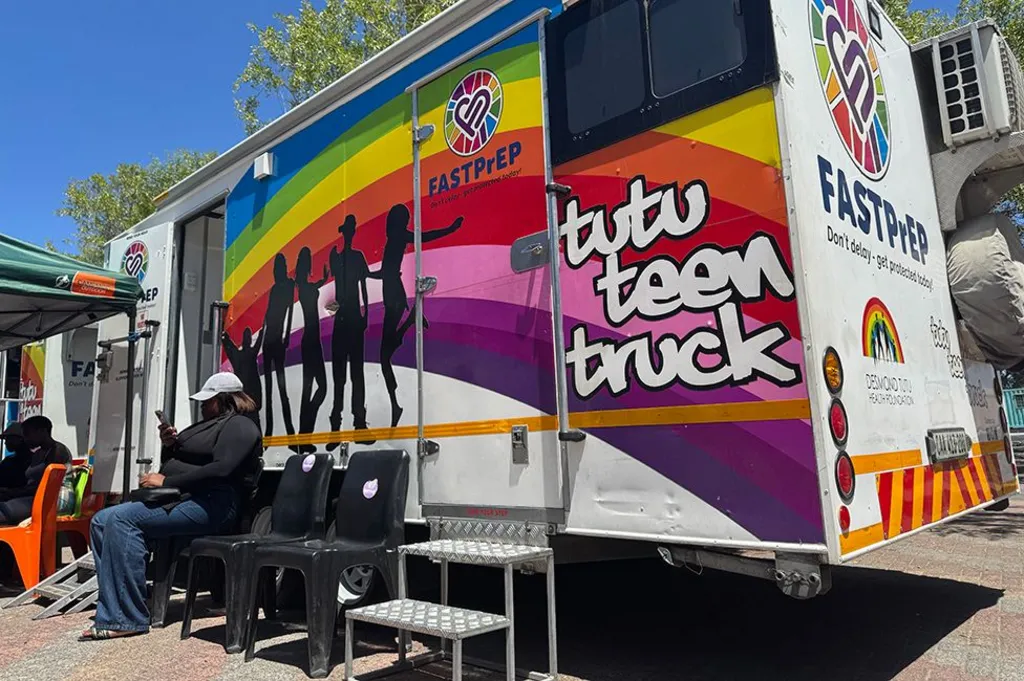
The Tutu Foundation allocates its resources to various initiatives, including mobile clinics that cater to individuals who are unable or unwilling to visit government-funded facilities.
Unlike other charities that have been forced to discontinue their mobile clinic services, the Tutu Foundation has managed to sustain its operations.
On a sunny day, a group of women gather beneath a canopy outside a mobile clinic in Philippi, a notorious township in Cape Town, where the foundation's services are making a notable impact.
A health worker from the foundation is explaining various forms of preventative HIV medication to a group of attentive listeners. Their goal is to avoid contributing to the country's HIV statistics.
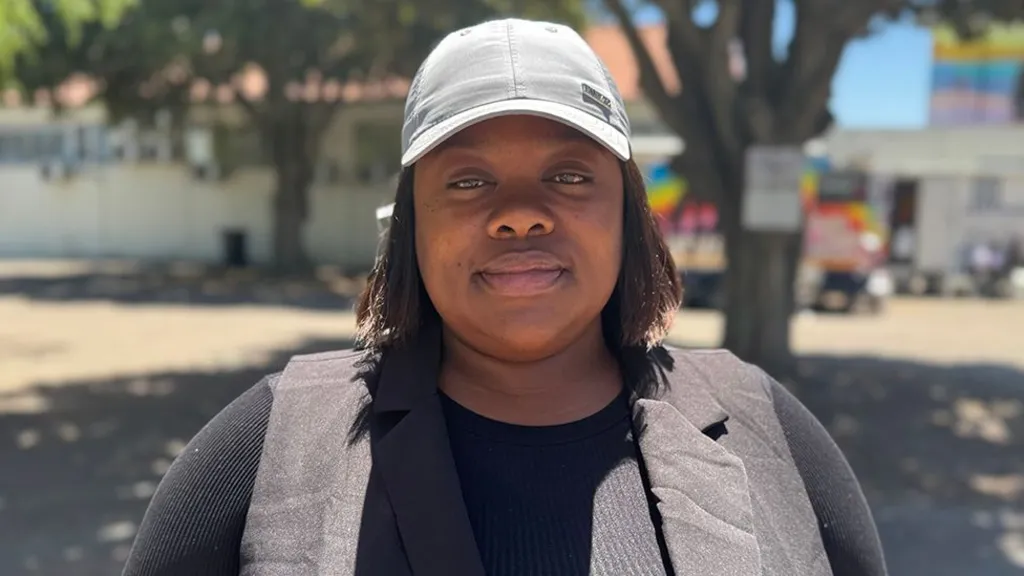
Esethu, a 28-year-old, expresses her desire to take preventative measures, stating, "I want to take preventative medicine because anything can happen." She has returned for her second injection of Cabotegravir, also known as CAB-LA, an injectable pre-exposure prophylaxis (PrEP) that reduces the risk of HIV infection by nearly 80%.
Esethu emphasizes the importance of taking control of her health, saying, "It's difficult to trust anyone, even those you're in a relationship with. Condoms can fail, but with this medication, I feel safe at all times."
Esethu recalls learning about the US funding cuts on social media last year, which sparked concerns that services in Philippi might be discontinued.
According to Esethu, the mobile clinics have been incredibly useful, as they eliminate the need for lengthy walks or expensive taxi rides to access healthcare services.
The clinics are particularly beneficial for younger individuals, as they offer a more relatable and comfortable environment. In contrast to government clinics, where patients are often treated by older healthcare providers, these clinics are staffed by young people who can better understand and connect with their peers.
Okuhle, a 19-year-old, has visited the clinic to learn more about Lenecapavir, a novel preventative medication administered via injection twice a year. With its potential to significantly impact the fight against HIV, Okuhle is concerned that the closure of more mobile clinics could lead to a decline in preventative care among young people and township residents.
If the mobile clinics were to shut down, it could have severe consequences, as many individuals are hesitant to visit public clinics. This reluctance could result in a higher risk of HIV transmission, exacerbating the existing health concerns.
Dr. Aaron Motsoaledi, the Health Minister, is pushing for increased HIV funding in the upcoming budget. Additionally, his government is collaborating with other donors to address the funding gap created by the US withdrawal.
The government has secured 900,000 doses of Lenacapavir through the Global Fund, sufficient to treat 450,000 people, with plans for distribution to begin within months. However, researchers emphasize that further resources will be necessary to effectively curb the rise in new infections.
According to Bekker, South Africa has implemented oral prep on a larger scale than any other country globally.
Approximately three million individuals have been given the option of taking a daily oral prep pill, but adherence has proven challenging, particularly among young people who are healthy and asymptomatic, making Lenacapavir a promising alternative for more effective prevention.
To achieve significant reductions in HIV infections, Bekker emphasizes the need to administer Lenacapavir to millions of South Africans, underscoring the importance of scaling up efforts to meet the country's prevention targets.
Bekker notes that South Africa recorded 180,000 new HIV cases in the previous year, but the current year's figures are uncertain due to recent budget cuts.
Prof Helen Rees, founder and executive director of the renowned Wits RHI HIV research institute, describes the impact of the funding cuts as severe and sudden, warning of potential long-term consequences.
Discontinuing testing, prevention, and treatment will inevitably lead to an increase in cases, as sustained efforts are crucial to mitigating the issue.
The loss of funding has resulted in a lack of comprehensive data, which is particularly significant given that data collection was one of the areas previously supported by the funding.
Without access to this information, identifying areas of high risk and targeting resources effectively becomes challenging. It is essential to track the number of individuals who default on treatment due to service disruptions caused by the cuts, highlighting the importance of data collection.
Currently, there is no indication that the United States will resume funding for South Africa's HIV response initiatives.
According to Motsoaledi, the US has shifted its stance, and a reversal is unlikely. He criticized the new America First Global Health Strategy, stating that no self-respecting nation should accept such a policy, as expressed to the BBC.
The US has recently established bilateral health agreements with several nations, including Kenya, Malawi, and Nigeria, which were the subject of the discussion.
The funding reductions are likely to impact HIV research, with far-reaching consequences that extend beyond South Africa's borders.
South African researchers have attained international prominence in their field, thanks in part to financial support from the US.
According to Bekker of the Desmond Tutu Foundation, it is crucial to acknowledge the link between South Africa and the global community.
Bekker emphasized that "to bring an end to the epidemic worldwide, it is essential to first contain it in South Africa; if left uncontrolled, there is a significant risk of the epidemic persisting for decades to come."
Reporting for this story was also contributed by Ed Habershon.
For further coverage of African news, visit the BBCAfrica.com website.
Africa
Understanding the crisis in South Sudan: a simple guide
A deepening political divide is raising concerns of potential renewed conflict following allegations of treason leveled against the vice-president.
Concerns are mounting that South Sudan, the world's newest nation, is on the brink of descending into all-out civil war as clashes persist in Jonglei state, located northeast of the capital city, Juba.
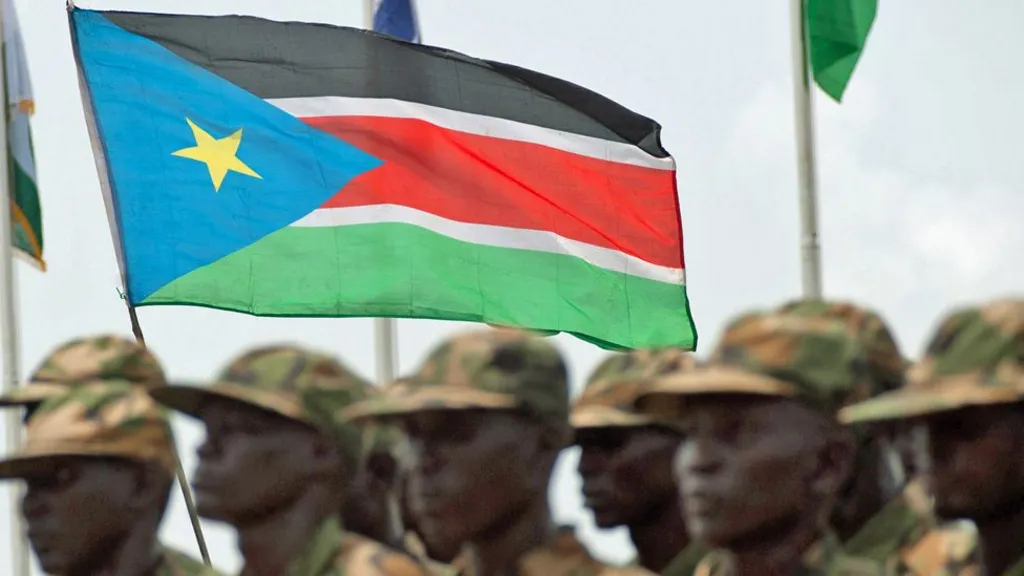
The government is attempting to reclaim territory from forces loyal to First Vice-President Riek Machar, who has been suspended from his position amid allegations of plotting to overthrow President Salva Kiir.
Machar is currently standing trial in Juba, facing charges of murder, treason, and crimes against humanity, all of which he denies.
The Sudan People's Liberation Movement/Army In Opposition (SPLM/A-IO), Machar's party, has rejected the charges as a politically motivated attack aimed at dismantling the 2018 peace agreement that brought an end to a five-year civil war.
The SPLM/A-IO and its allied groups claim to have captured territory, including military bases, in Jonglei and other states since the end of last year.
In response, South Sudan's army launched a counteroffensive last month.
In a statement that has raised concerns, Deputy Army Chief Gen Johnson Oluny urged troops to show no restraint, including against civilians, when deployed to Jonglei, although the government later clarified that this was not an official order.
The government has reaffirmed its commitment to protecting civilians, contradicting Gen Oluny's statement.
The recent violence in Jonglei has displaced at least 280,000 people, forcing them to flee their homes.
Aid agencies, including Oxfam, have reported that their facilities, such as clinics, have been looted, and staff have been assaulted.
South Sudan gained independence from Sudan in 2011, following decades of fighting led by the Sudan People's Liberation Movement (SPLM), and has been one of the world's poorest countries.
Two years after independence, a civil war broke out when Kiir removed Machar as vice-president, accusing him of plotting a coup.
The conflict, largely driven by ethnic divisions between supporters of Kiir and Machar, resulted in an estimated 400,000 deaths and the displacement of 2.5 million people, which is more than a fifth of the population.
As part of the peace agreement, Machar was reinstated as vice-president in a unity government, which was intended to pave the way for elections.
Although the current conflict in Jonglei is primarily driven by national political rivalries, the state has a history of inter-communal violence, particularly between sub-clans of the Dinka and Nuer ethnic groups.
Cycles of violence linked to cattle raiding, land access, and revenge attacks continue to shape and complicate the current conflict.
The SPLM/A-IO draws significant support from Nuer communities, while the government and its allied forces are dominated by Dinka leadership, leading to national political confrontations that often reignite local grievances and increase the risk of communal violence.
The current crisis began in March last year when the White Army militia, allied to Machar during the civil war, clashed with the army in Upper Nile state and seized a military base in Nasir.
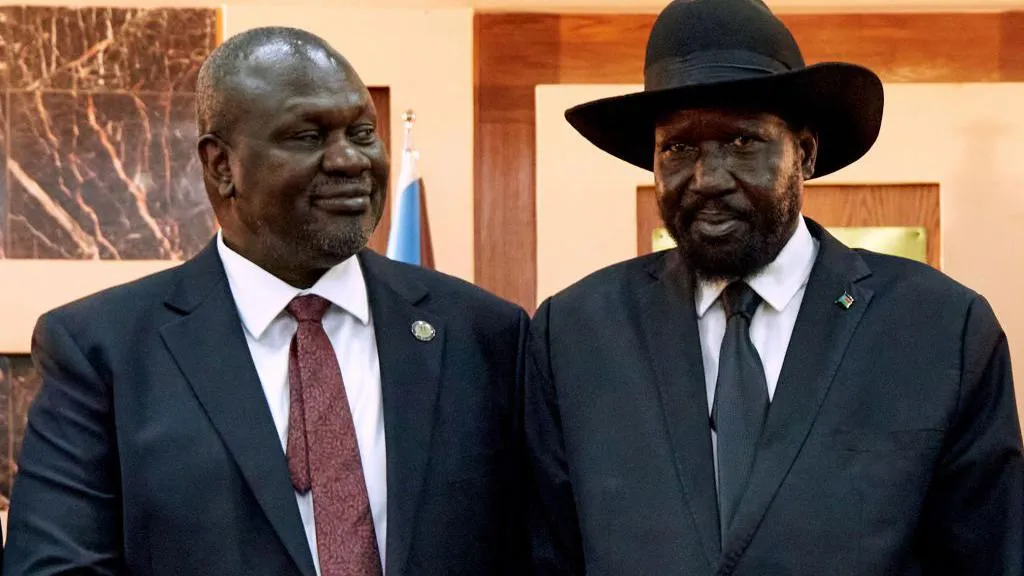
On 7 March, a UN helicopter attempting to evacuate troops came under fire, resulting in several fatalities, including a high-ranking army general.
Nearly three weeks later, Machar and several of his associates were placed under house arrest, accused of attempting to incite a rebellion.
At the time, Oyet Nathaniel Pierino, deputy leader of the SPLM/A-IO, stated that the prospect for peace and stability in South Sudan had been severely jeopardized.
Instead of easing tensions, the government intensified its actions against Machar, charging him with treason, among other crimes, in September.
Days later, the SPLM/A-IO escalated its rhetoric, denouncing Kiir's government as a dictatorship and calling for regime change.
Although Machar's inclusion in the unity government was a key aspect of the peace agreement, other provisions have not been implemented.
A major concern for many South Sudanese is the security arrangement, which has not been fully realized.
The peace agreement outlined a plan to integrate former rebel forces and government soldiers into a unified national army of 83,000 troops, with the remainder to be disarmed and demobilized.
However, this has not occurred, and numerous militias aligned with different political groups remain active.
The agreement also called for the establishment of a court, with the help of the African Union, to try those responsible for the violence, but this has not been created, partly due to the reluctance of those in power to face trial.
Elections scheduled for 2022 have not taken place, and a new constitution has not been drafted.
Kenyan mediators are attempting to revive the peace process.
The Tumaini Initiative, which translates to "hope" in Swahili, aims to hold talks in Kenya to lay the groundwork for credible elections.
Kiir and Machar, both in their 70s, were part of the SPLM that fought for independence, but long-standing tensions exist between them.
These tensions have been fueled by ethnic divisions, with Kiir being Dinka and Machar being Nuer, as well as competing political ambitions.
When Kiir dismissed Machar as vice-president in 2013, triggering the civil war, Machar denounced him as a dictator.
The repeated postponements of elections have created further problems between the two leaders.
The delays, which have occurred four times, have prevented Machar from realizing his presidential ambitions, while perceptions grow that Kiir intends to remain in power indefinitely.
Born in 1953, the 72-year-old Machar was the 27th son of the chief of Ayod and Leer and was raised in the Presbyterian Church.
Machar studied mechanical engineering at the University of Khartoum as an undergraduate and later earned a PhD in philosophy and strategic planning from the UK's Bradford University in 1984.
During the struggle for secession from Sudan, Machar switched sides on several occasions, seeking to strengthen his position and that of his Nuer ethnic group.
He became vice-president of South Sudan at independence in 2011, but was later sacked in 2013 and reinstated as part of a deal in 2016, only to flee as fighting resumed.
In 1951, a child was born to a family of modest means, with his father working as a cattle herder, and he was the eighth of nine siblings; today, at 74, he remains a devoted Roman Catholic.
At the age of 17, he enlisted with the Anyanya rebel group, which was fighting for southern independence during the First Sudanese Civil War that began in 1967; 16 years later, he co-founded the Sudan People's Liberation Army/Movement, one of five key individuals to do so, amidst the Second Sudanese Civil War.
As a former rebel commander with expertise in military intelligence, he emerged as a voice of moderation within the SPLM, assuming leadership of the group in 2005 following the death of John Garang in a helicopter accident.
Upon South Sudan's independence, he took office as president, a position he has held for 14 years, as the country has not yet conducted elections.
Nicholas Haysom, the UN mission head in South Sudan, cautioned last year that the nation was on the verge of plunging back into full-scale civil war, which would have devastating consequences for a country still reeling from its previous conflict.
According to Daniel Akech, an analyst with the Crisis Group think-tank, a resurgence of fighting could lead to "proxy warfare in the region", prompting concerns about the potential consequences.
Akech outlined two primary consequences of renewed conflict: the escalation of ethnic tensions as opposing sides seek to rally support, and the likelihood that neighbouring countries would become embroiled in the conflict.
The leaders of the Igad regional grouping, which includes Uganda, are tasked with upholding the 2018 agreement as its guarantors.
As part of a long-standing accord to support the army, some Ugandan troops have been deployed to South Sudan, according to the government.
For additional news and updates from the African continent, visit BBCAfrica.com.
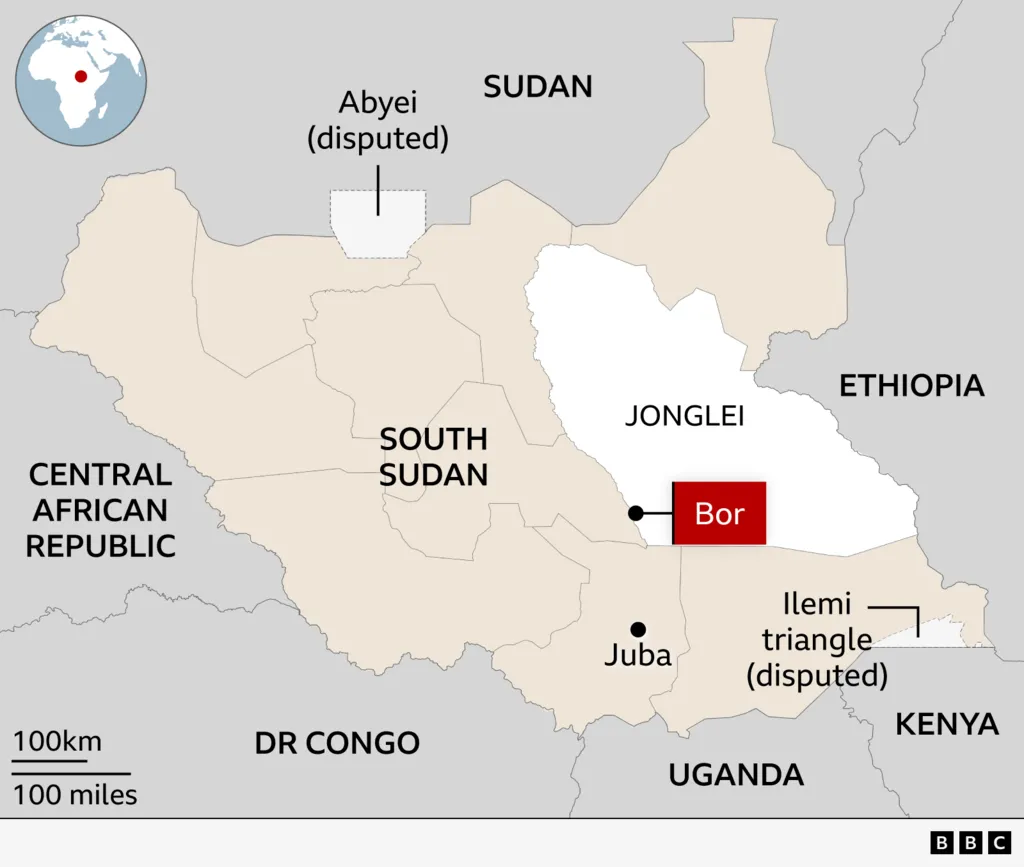
Africa
Ghana designates Wednesday as ‘Fugu Day’ to promote traditional attire
A popular article of clothing has garnered significant online attention in recent days, sparked by a lighthearted exchange between individuals from Ghana and Zambia.
In a move to promote national pride, Ghana has declared Wednesdays as a day to don the country's traditional attire, known as the fugu, following a recent online exchange with Zambia.
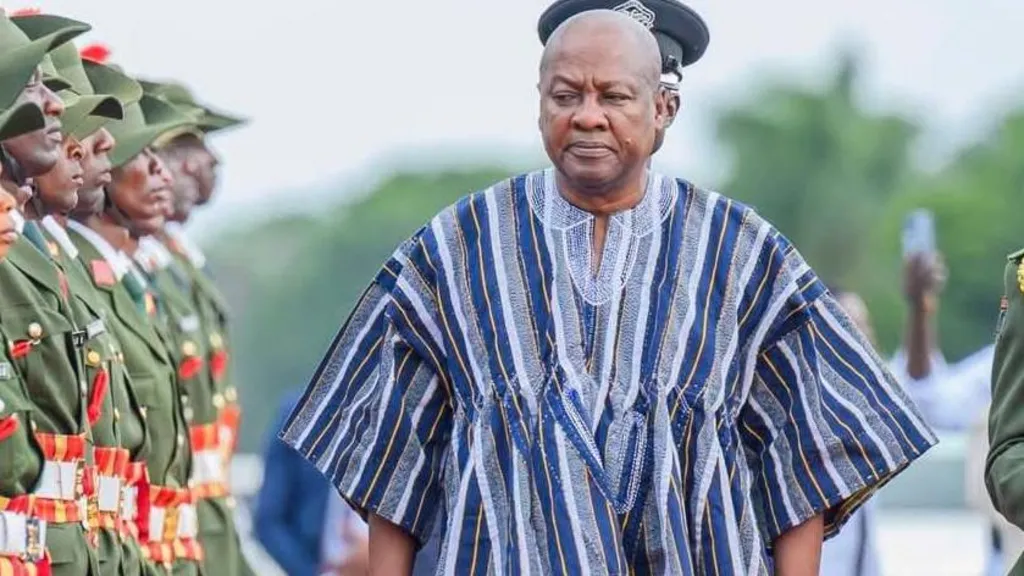
The fugu gained international attention when President John Dramani Mahama wore it during an official visit to Zambia, sparking a debate after some Zambians referred to it as a "blouse", which led to a strong reaction from Ghanaians on social media.
According to Ghana's Minister for Tourism, Abla Dzifa Gomashie, wearing the traditional outfit weekly will help showcase the country's cultural identity on a global scale, as announced on Tuesday.
Minister Gomashie encouraged the public to wear the fugu in its various forms, designs, and styles, accompanied by its unique and beautiful accessories, to promote the country's rich cultural heritage.
The fugu, also referred to as batakari, is a traditional garment originating from northern Ghana, characterized by its hand-woven cotton fabric strips stitched together to form a distinctive, poncho-style top.
Minister Gomashie noted that the weekly promotion of the fugu will have significant social and economic benefits, particularly for local artisans, designers, and traders involved in its production.
The minister stated that the government hopes the collective adoption of the fugu will foster national unity, boost the creative economy, and serve as a symbol of Ghana's cultural identity and confidence.
The fugu has been a trending topic on social media for several days, following the online debate between Ghanaians and Zambians.
The debate led to Ghanaians, including members of parliament, sharing photos of themselves wearing the fugu on social media, while Zambians responded by showcasing their traditional siziba outfits.
The online discussion caught the attention of Zambian President Hakainde Hichilema, who announced plans to import fugus from Ghana.
President Mahama also proposed exporting the smock to Zambia in bulk, highlighting its potential economic benefits.
President Mahama emphasized the historical and cultural significance of the fugu, noting that Ghana's founding father, Kwame Nkrumah, wore it on Independence Day in 1957, and that he himself had recently worn it to the UN.
For more news and updates from the African continent, visit BBCAfrica.com.
Africa
Woman fights back after losing sons to jihadist attack
Yameogo Aminata reports that she lost four of her sons to violence and her daughter remains unaccounted for.
Certain details in this account may be disturbing for some readers.
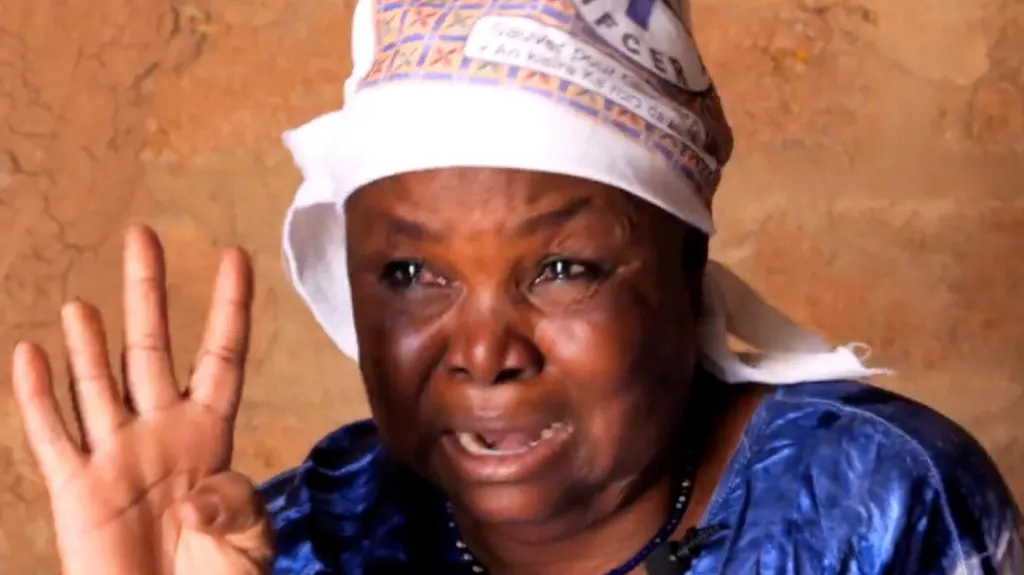
Yameogo Aminata, a 57-year-old refugee, sits in a dimly lit room at a camp in Ivory Coast, struggling to come to terms with the traumatic loss of her four sons, who were killed by jihadists in their home country of Burkina Faso.
In 2022, Aminata was away from her home when armed insurgents, who have been wreaking havoc in central Burkina Faso for nearly 15 years, launched a devastating attack on her village.
The jihadists seized control of the village, taking cattle and land, and killing numerous residents, including Aminata's sons, who were between 25 and 32 years old.
Recounting the horrific event to the BBC, Aminata's body trembled with emotion as she described how the insurgents slit the throats of her children.
Aminata recalled arriving at the scene to find her fourth son being killed.
She attempted to fight back with a knife but was overpowered, beaten, and left with severe injuries to her head, shoulder, and throat.
During the chaos, Aminata became separated from her daughter, who remains missing to this day.
In 2023, Aminata fled to the Nioronigué camp in Ivory Coast, where she still keeps the blood-stained clothes from that fateful day as a poignant reminder of her loss.
Aminata expressed her desperation to the BBC, stating that she feels lost and without any sense of direction or purpose.
The insurgency in Burkina Faso has resulted in the deaths of at least 10,000 people, with the conflict also affecting neighboring Mali and Niger.
The United Nations has identified the region as a hub of global jihadist violence.
Military juntas have taken power in all three countries, pledging to combat the insurgency.
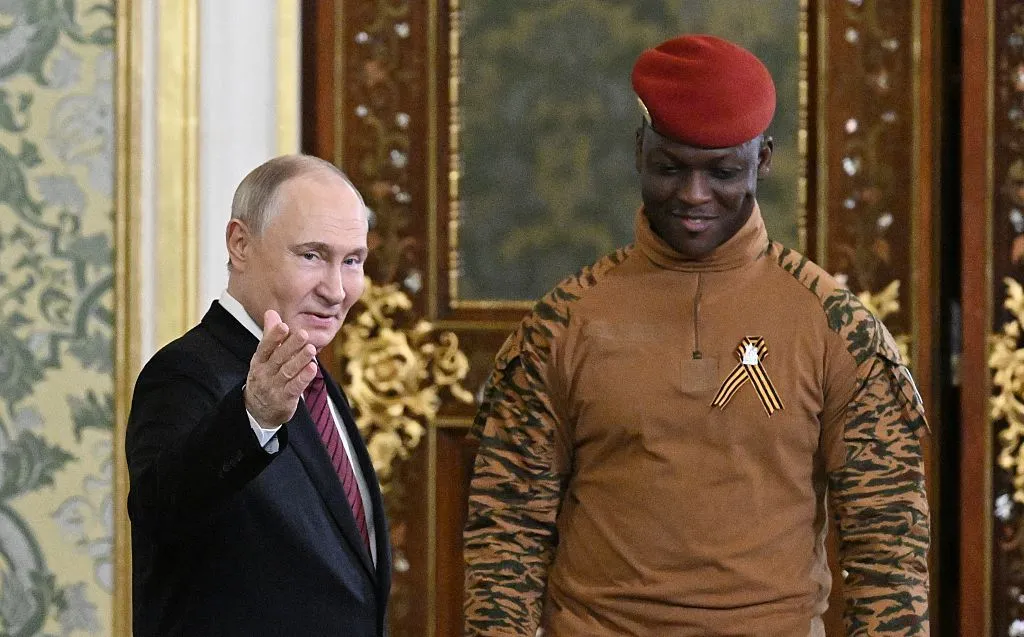
These juntas have shifted their allegiances away from traditional Western partners and are now seeking military aid from Russia.
Despite the deployment of Russian forces in Burkina Faso under the Africa Corps banner, the insurgency persists, with the al-Qaeda-affiliated group Jama'at Nusrat al-Islam wal-Muslimin (JNIM) being a prominent militant organization.
Hassane Tall, a 60-year-old farmer, fled northern Burkina Faso in 2023 with his three wives and 19 children after surviving multiple attacks.
Tall recounted to the BBC how they escaped clashes between jihadist groups and security forces, fearing for their lives.
Now residing in the Nioronigué camp, Tall expressed his deep sadness at leaving his ancestral land but sees no alternative for his family's safety.
The 12-hectare Nioronigué camp, which is home to Aminata and Tall, is located near the Burkina Faso border and was established in 2023 by the UN and Ivorian authorities.
Initially designed to accommodate around 6,000 people, the camp, along with the nearby Timala camp, currently shelters approximately 13,000 refugees, exceeding its intended capacity.
According to UN data, more than three million people have been displaced due to various conflicts in the Sahel region.
Over 80,000 people from Burkina Faso are currently living in camps in Ivory Coast.
Aminata expressed her gratitude to the Ivorian government and its people for providing her with shelter.
She recounted how she was forced to leave her home after being chased away by jihadists who sought to claim the country.
Similar stories of trauma and loss are echoed throughout the camp.
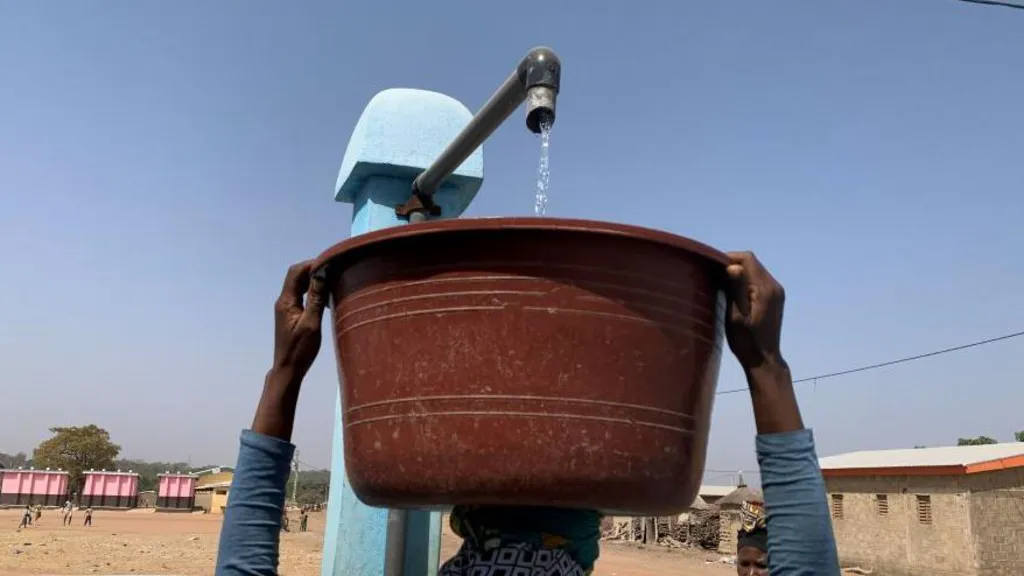
Among the refugees are individuals from Mali, including a 27-year-old finance graduate who, along with his brothers, undertook a perilous journey from Gao in northern Mali to the capital, Bamako, and then to northern Ivory Coast in search of safety.
The graduate stated that they were compelled to leave after their 24-year-old cousin, a fisherman, was killed by suspected jihadists.
He described the frequent attacks in the area, saying that such incidents occur daily.
The graduate told the BBC that they lived in constant fear, unsure if they would survive from one day to the next.
Despite being one of the fastest-growing economies in the region, Ivory Coast struggles with high unemployment and poverty, leaving locals in border areas concerned about the influx of refugees.
However, government representative Djamatigui Touré assured the BBC that refugees would be welcomed and not turned away.
Touré emphasized the shared history and culture between the refugees and the local population, referring to them as "brothers."
The UN Development Programme's resident representative, Blerta Cela, warned that the resources are being severely strained due to the large number of refugees.
Cela noted that the majority of refugees are not living in camps but are instead being hosted by Ivorian families.
For Aminata, rebuilding her life in a new country is weighed down by the memories of her past.
She acknowledged that she is still unable to come to terms with the traumatic events she experienced.
Aminata's only hope is for peace to be restored in Burkina Faso.
Additional reporting was provided by Noel Ebrin Brou.
For additional news coverage from Africa, visit the BBCAfrica.com website.
-
 News8 hours ago
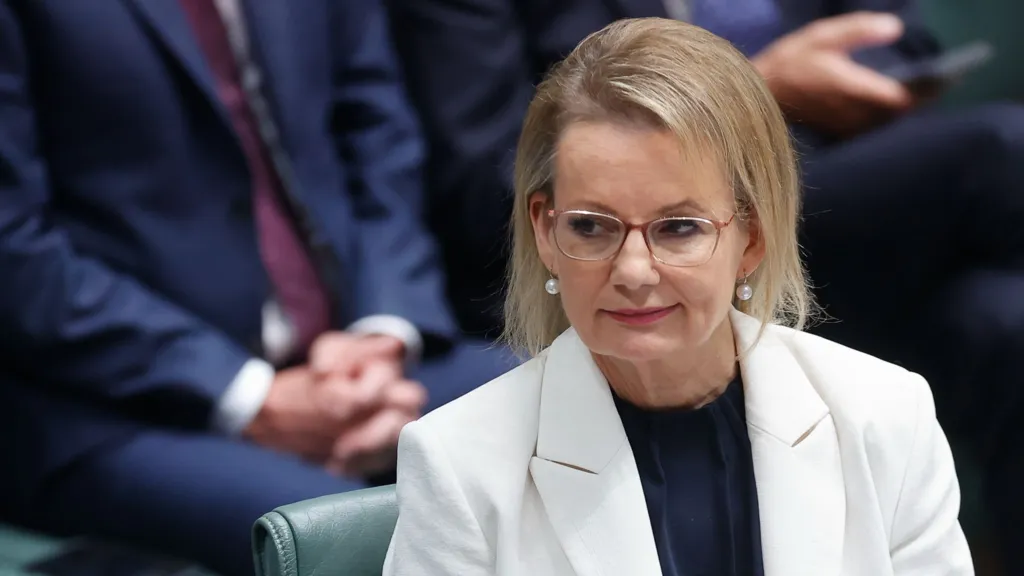
Australian Politics Faces Questions Over Gender Equality Amid Sussan Ley’s Appointment
-
 News5 hours ago
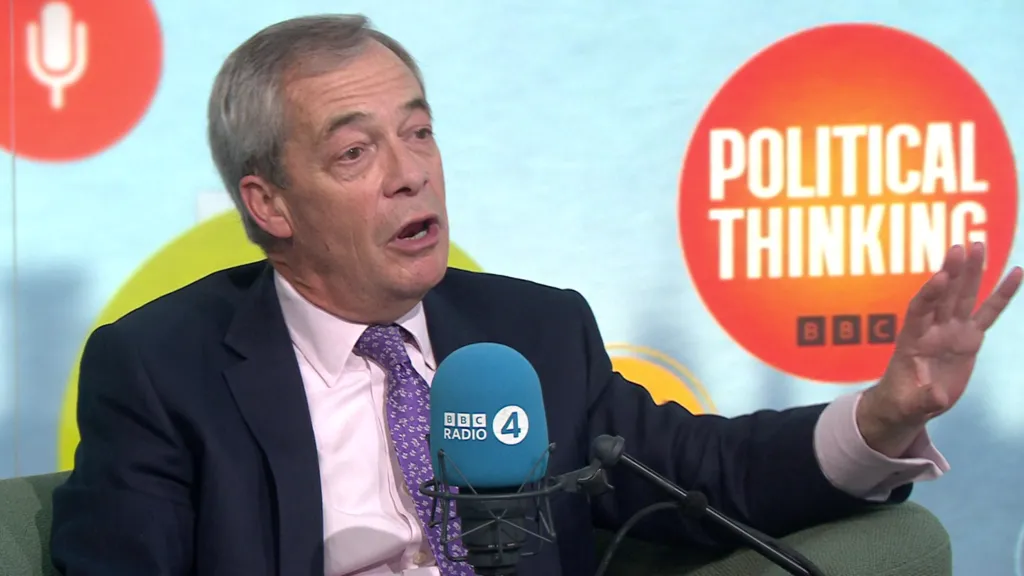
Farage Says Reform to Replace Traditional Tory Party
-
 News5 hours ago
Wrexham Pair Seek Win Against Former Team Ipswich
-
 News11 hours ago
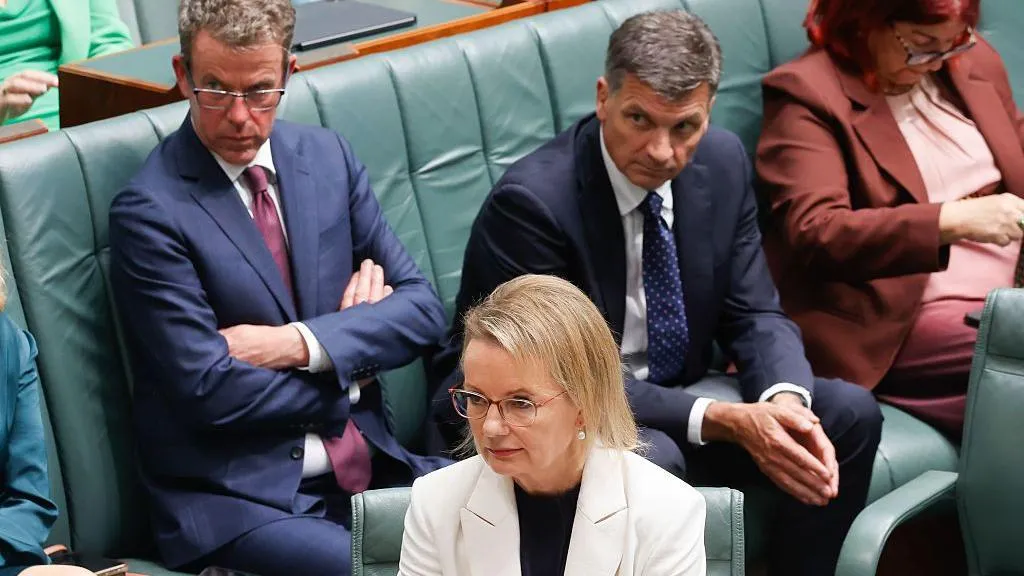
Liberal Party Removes Australia’s First Female Leader
-
 News9 hours ago
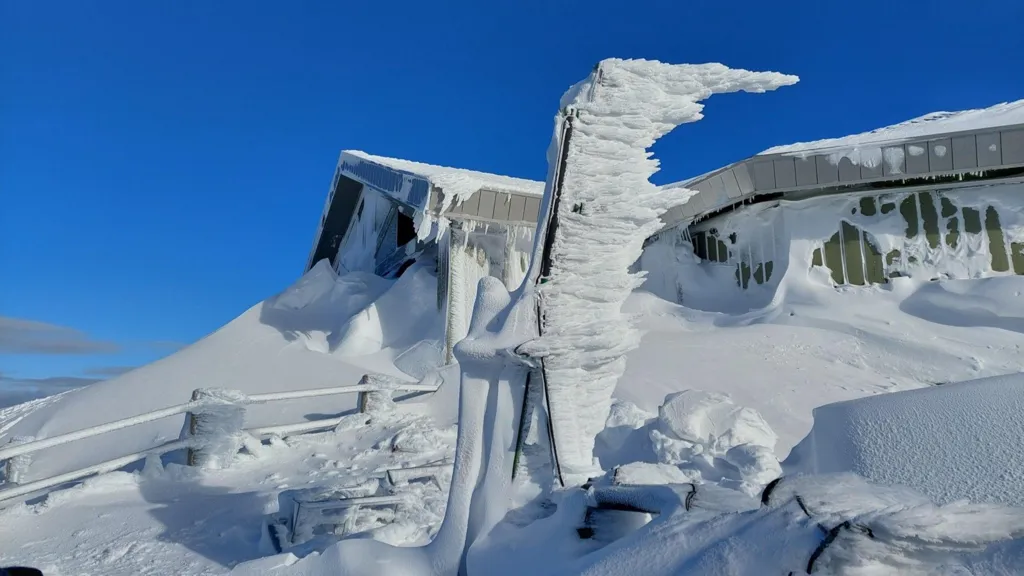
UK Braces for Cold Snap with Snow and Ice Alerts Expected
-
 News5 hours ago
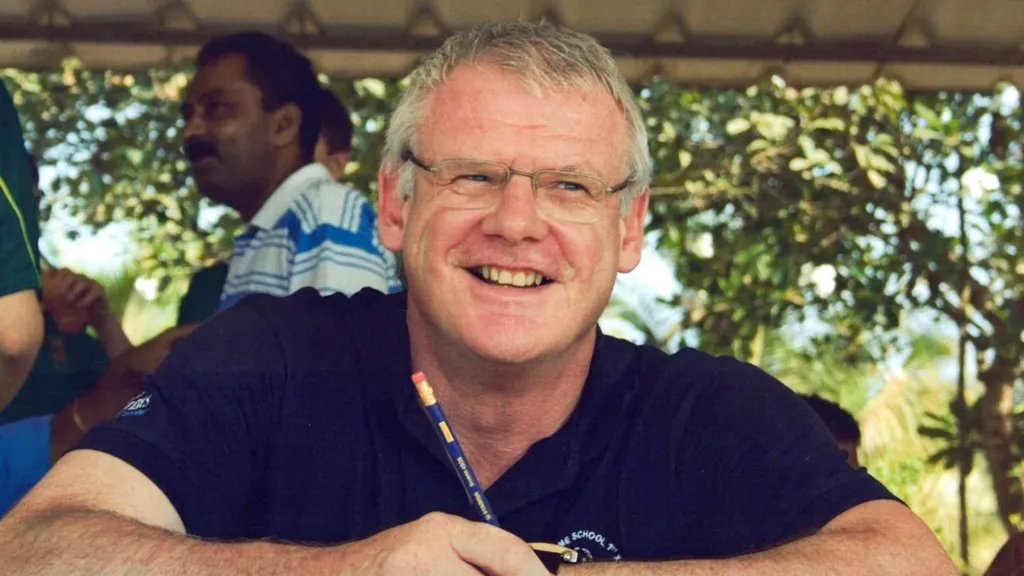
Husband’s alleged £600k theft for sex and antiques blamed on drug side effects
-
 News2 days ago
Sunbed ads spreading harmful misinformation to young people
-
 Business11 hours ago
BBC Reporter Exposed to Cyber Attack Due to Vulnerabilities in AI Coding Tool