
News
Africa’s Role in Global Power Shift Sparks Concern and Debate
The presidency of the United States has prompted a significant shift in global dynamics, leaving the continent to reassess its position.
The Ethiopian capital, Addis Ababa, is hosting the annual gathering of Africa's heads of state, taking place amidst a period of significant change in the continent's global standing.
At the recent Davos conference, Canadian Prime Minister Mark Carney presented a stark perspective on the future of international relations, suggesting that countries must either be actively engaged or risk being marginalized.
This analogy is not new to Africa's leaders, who have long advocated for a more prominent role in global affairs.
During his second term, US President Donald Trump has intensified the trend of great-power dominance in international relations, accompanied by a decline in multilateral cooperation.
The updated US security strategy indicates that not all regions can receive equal attention, with the Trump administration's focus on the Western hemisphere and the Middle East implying a reduced emphasis on Africa.
As a result, less powerful nations that have traditionally relied on global institutions such as the UN, World Bank, and World Trade Organization are now forced to reassess their relationships and strategies.
These developments have created a sense of urgency around the question of how Africa should navigate its interactions with the rest of the world.
Tighisti Amare, director of the Africa programme at Chatham House, warns that African countries risk being "left behind" if they fail to develop a unified and effective strategy.
The US has already begun to pursue bilateral deals with African countries, focusing on minerals and natural resources, which may undermine the continent's ability to negotiate collectively.
The shift in US policy towards Africa, as reflected in recent statements from Washington, has been significant.
In a speech at a US-Africa summit just over three years ago, then-President Joe Biden expressed strong support for the continent, stating that the US was "all-in on Africa's future".
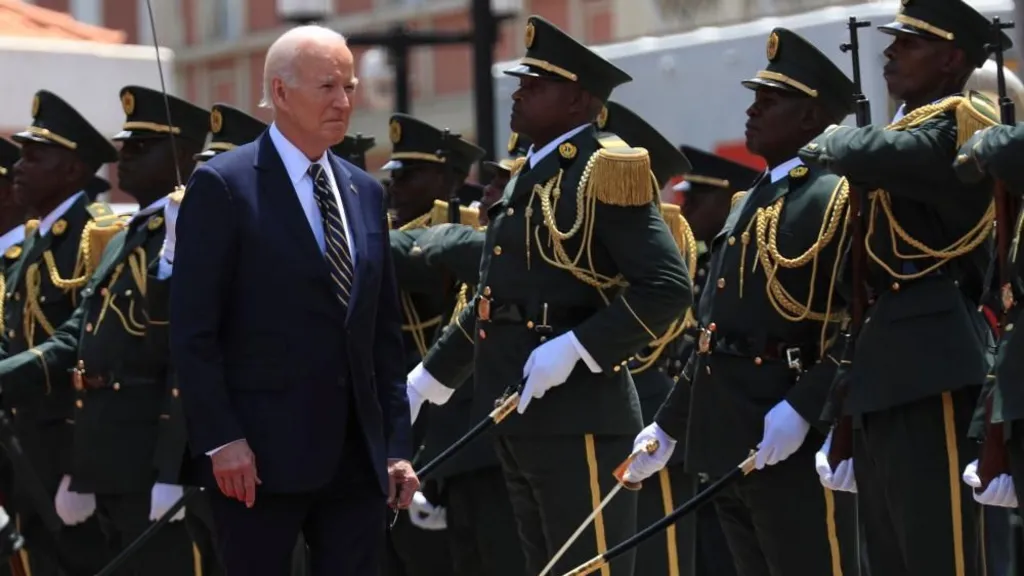
A subsequent White House strategy document described sub-Saharan Africa as "critical to advancing our global priorities".
However, critics have questioned the depth of this commitment, noting that Biden's only visit to sub-Saharan Africa as president was a brief trip to Cape Verde and Angola in the final month of his term.
In contrast, the Trump administration's "America First" approach has a narrower definition of US interests.
According to the White House's National Security Strategy, the US cannot afford to devote equal attention to every region and global issue.
The strategy document outlines a plan to partner with "select countries" to address conflict, foster trade relationships, and promote economic growth by transitioning from aid to investment.
Peter Pham, a former special envoy to Africa during the Trump administration, views this approach as a more honest and realistic assessment of US interests.
Pham, who was trained in the realist school of international relations, acknowledges that Africa is not a top priority for the US, despite its importance to him personally.
He emphasizes that no country, including a superpower like the US, has the resources or bandwidth to address every global issue or meet the needs of every partner.
Pham argues that the US must prioritize its resources and focus on achieving the best possible outcomes for its citizens and partners.
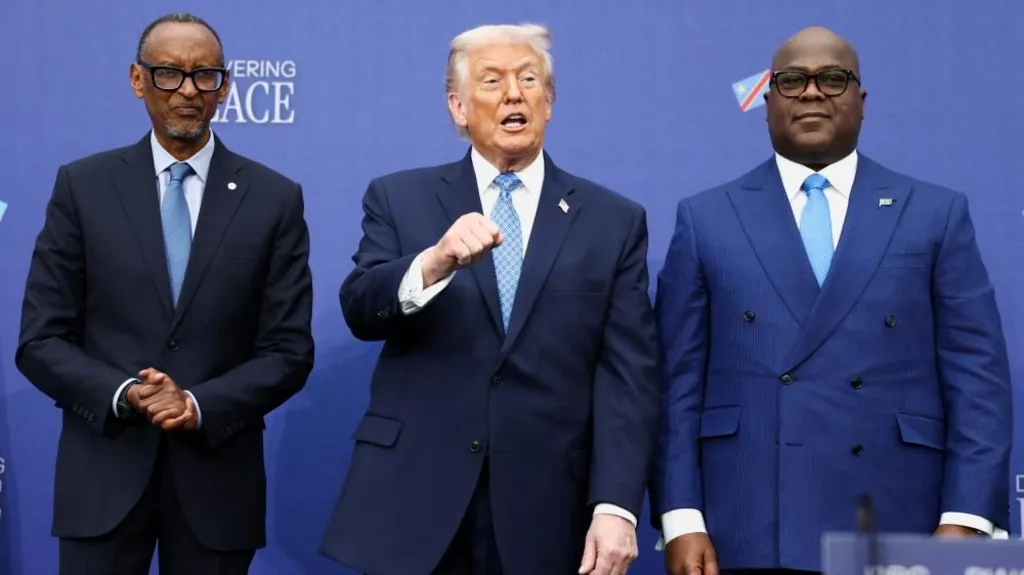
A recent example of this approach is the minerals deal between the US and the Democratic Republic of Congo, signed in December, which aims to secure reliable supply chains for critical minerals.
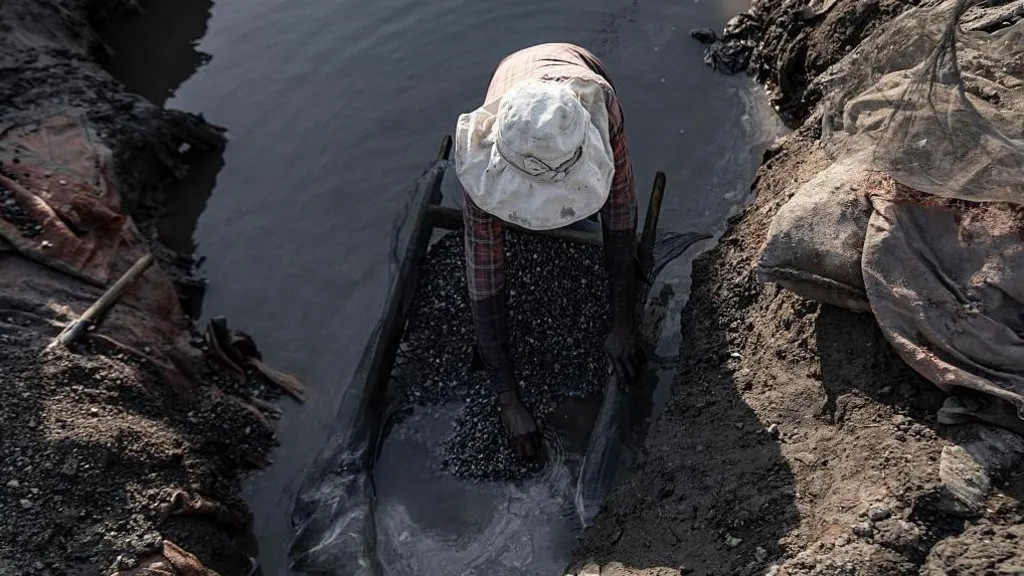
The agreement also encourages investment in the DR Congo, which has significant reserves of minerals essential for the production of electronic goods.
Pham is involved in another project, the "Liberty Corridor", which aims to develop new infrastructure linking Guinea's iron ore mines to a Liberian port, boosting exports of the raw material.
Ken Opalo, an Africa specialist at Georgetown University, expresses concern that the US's transactional, bilateral approach may weaken the bargaining position of African countries.
He suggests that the US focus on minerals, as seen in the DR Congo example, may prioritize the interests of American companies over broader economic cooperation, which is not in the best interests of the region.
Opalo argues that African countries need deeper market access, investment treaties, and access to US capital for all sectors, not just mining.
DR Congo's Mines Minister, Louis Watum Kabamba, has dismissed concerns about the country being taken advantage of, stating that it will not "sell everything for nothing to America".
The US is not the only major power involved in Africa, as China has outspent the US in foreign direct investment on the continent for over a decade, although this trend was reversed last year.
Other countries, including Russia, Turkey, and the United Arab Emirates, are also pursuing investment and security deals in Africa.
Opalo notes that while a transactional approach is not inherently bad, African governments often lack the strategic thinking and diplomatic expertise to navigate these complex relationships effectively.
The ongoing civil war in Sudan, which has triggered a severe humanitarian crisis, may be seen as an example of Africa's limited ability to resolve its own conflicts.
Despite its official neutrality, Turkey has been accused of supplying weapons to the Sudanese army, while Iran and Russia face similar accusations, which they have denied.
The UAE has also been accused of backing the Rapid Support Forces in Sudan, which it denies.
Opalo views the failure to resolve the Sudan crisis as a symptom of the continent's lack of agency and effectiveness in addressing its own challenges.
Ghana's President John Mahama is attempting to change this narrative, arguing that Africa must take greater control of its own destiny.
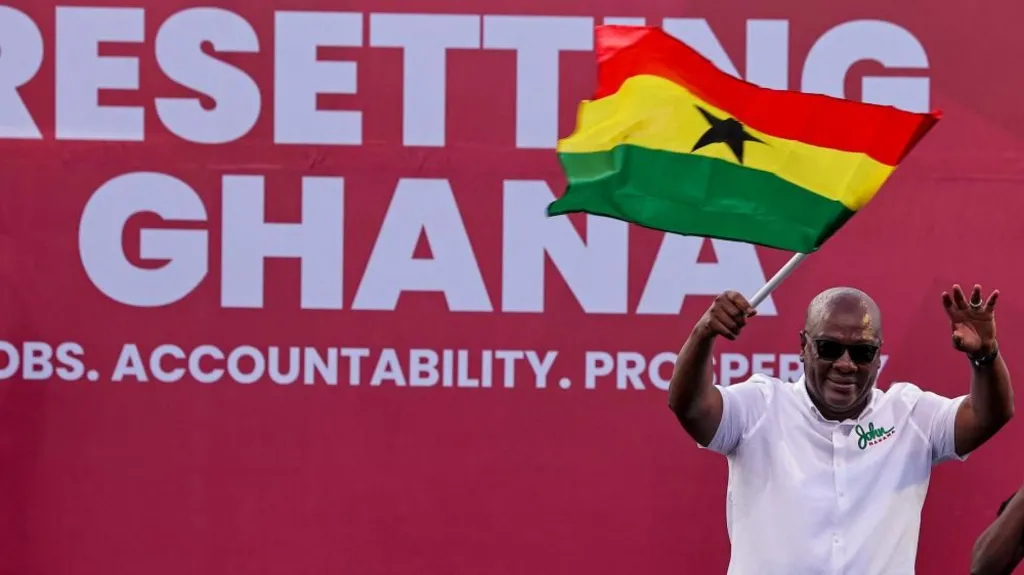
Speaking at the Davos conference, Mahama emphasized the need for Africa to become more self-sufficient, given the unpredictability of international alliances and the decline in development assistance.
He argued that the continent has lost its sovereignty and is trapped in a cycle of dependency, both in terms of aid and security.
Mahama's prescription, as outlined in his Accra Reset project, involves investing in relevant skills, coordinating industrialization across regions, and negotiating with external partners as a unified continent.
He emphasized the need for Africa to capture more value from its natural resources, rather than simply supplying the world with critical minerals.
The Accra Reset project aims to promote African-led development and reduce the continent's reliance on external assistance, through a combination of investment, industrialization, and coordinated negotiation.
The question remains whether the current calls for change will yield a different outcome than previous efforts, and if the circumstances are now more favorable for progress.
According to analyst Tighisti, a unified front among leaders requires a focus on regional interests, which may necessitate setting aside national interests to achieve greater influence in international negotiations.
During his speech in Davos, the Canadian prime minister urged the world's "middle powers" to collaborate, citing countries such as Nigeria, Egypt, Ethiopia, Kenya, and South Africa as potential participants in Africa.
However, Tighisti notes that despite these countries being seen as leaders, a lack of continental leadership hinders the advancement of the integration agenda.
A significant obstacle is that many leaders are preoccupied with domestic issues, which demand their attention and divert focus from regional and international matters.
Tighisti points out that existing frameworks, such as the African continent's free trade area and the African Union's Agenda 2063, provide a foundation for increased cooperation, but progress has been slow to materialize.
In his address in Switzerland, Mahama stated that Africa aims to play a role in shaping the new global order.
Considerable work remains to be done to capitalize on the shift in US foreign policy and the support of other partners, with concrete opportunities yet to emerge.
For additional news and updates from the African continent, visit BBCAfrica.com.


Entertainment And Arts
Spielberg Contributes $25,000 to Van Der Beek’s $2 Million Crowdfunding Campaign
The relatives of the deceased actor, known for his role in Dawson’s Creek, have expressed gratitude to those who contributed to the $2m fund.
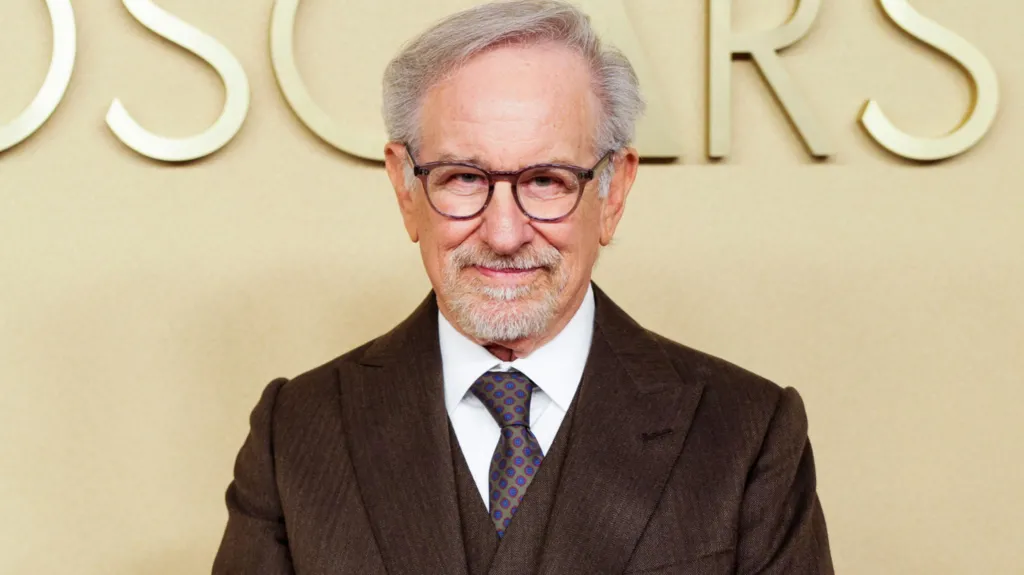
A donation of $25,000 (£21,000) has been made by film director Steven Spielberg and his wife, Kate Capshaw, to a GoFundMe campaign that has raised over $2m (£1.6m) for the family of late actor James Van Der Beek.
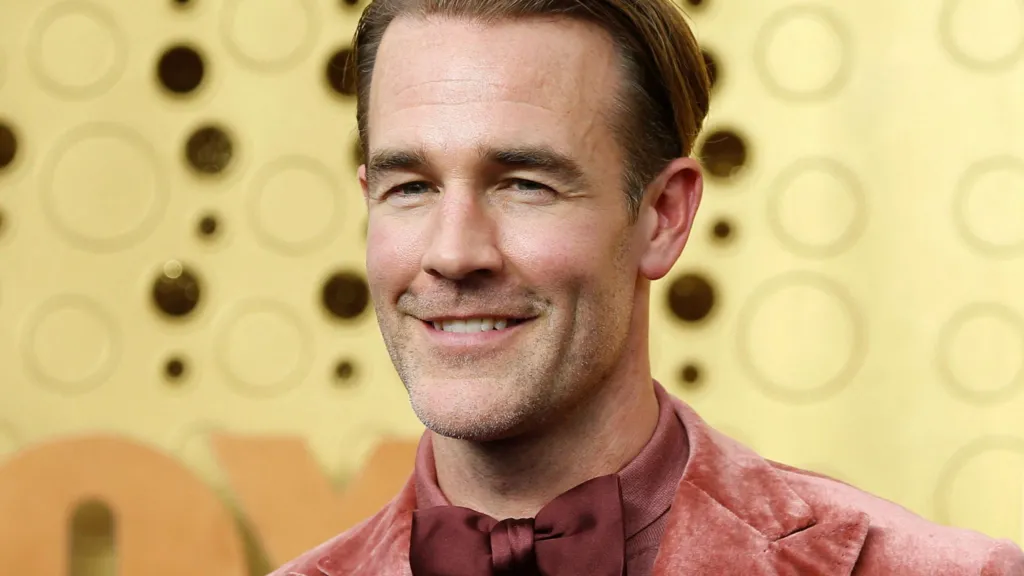
Van Der Beek, who passed away at the age of 48, is survived by his wife Kimberly and their six children, and the crowdfunding effort to support his family has now exceeded its initial target of $2m.
Other notable donors include Oscar-winning actress Zoe Saldana, who contributed $2,500 (£2,108), and director Jon M Chu, who gave $10,000 (£8,432) to the cause.
A statement from the organizers of the fundraiser, Friends of the Van Der Beek family, expressed gratitude to all contributors, stating that their support is deeply appreciated.
The statement highlighted the significance of the donations, saying that the kindness shown by contributors is beyond words.
It also noted that the outpouring of support has been a source of comfort during a difficult time, serving as a reminder of the power of love, community, and the enduring legacy of James Van Der Beek.
Van Der Beek was perhaps best known for his starring role in the popular US teen drama series Dawson's Creek, which aired from 1998 to 2003, although he remained associated with the show until 2023.
Although Van Der Beek and Spielberg never collaborated on a project, the late actor's character in Dawson's Creek was a fan of Spielberg's work, with posters of films like ET and Schindler's List featured in his bedroom.
At a Dawson's Creek cast reunion event last year, Spielberg paid tribute to Van Der Beek by sending a video message.
In the message, Spielberg said, "Dawson, you made it," and jokingly added that he hoped to one day have a room like Dawson's, filled with memorabilia from his films.
Van Der Beek passed away on Wednesday after a battle with bowel cancer.
He had been dealing with the diagnosis since August 2023 and publicly disclosed his condition in November 2024.
The GoFundMe campaign was launched to help the family with medical expenses, which had depleted their funds.
The statement from the organizers concluded by saying that the family is currently taking time to grieve and be together, and thanked everyone for their compassionate and generous support in honoring James Van Der Beek's life.
News
Zimbabwe Shocks Australia with Muzarabani’s Exceptional Performance
Zimbabwe secured a stunning 23-run victory over Australia in the T20 World Cup, with Blessing Muzarabani playing a key role by taking 4-17.
In the current T20 world rankings, Zimbabwe occupies the 12th position.
The Men's T20 World Cup is underway in Group B at Colombo.
Zimbabwe's innings concluded at 169-2 after 20 overs, with Bennett scoring an unbeaten 64 off 56 deliveries, while Green claimed 1-6.
Australia's reply ended at 146 after 19.3 overs, as Renshaw top-scored with 65 off 44 balls, and Muzarabani took 4-17.
The match resulted in a 23-run victory for Zimbabwe.
A standout performance from Blessing Muzarabani, who took 4-17, helped Zimbabwe secure a thrilling 23-run win over Australia in the T20 World Cup.
After being set a target of 170, Australia found themselves in trouble at 29-4, but a 77-run partnership between Matthew Renshaw and Glenn Maxwell for the fifth wicket gave them hope.
With 34 runs needed from the last two overs, Renshaw's dismissal for 65, caught off Muzarabani with eight balls remaining, essentially sealed the game's outcome.
The result has left Group B finely balanced after two matches each, with Australia trailing Zimbabwe and Sri Lanka by two points, ahead of their meeting with Sri Lanka on Monday.
Initially, Zimbabwe's approach to batting first at the R. Premadasa Stadium appeared overly cautious.
Brian Bennett's innings of 64 not out from 56 balls, including seven fours, was played at a strike rate of 114.28, as he anchored the Zimbabwean batting.
In contrast, Tadiwanashe Marumani and Ryan Burl adopted a more aggressive approach, scoring 35 off 21 and 30 balls, respectively.
A late surge from Zimbabwe skipper Sikandar Raza, who scored 25 off 13 balls, including the team's only six on the final ball, provided a boost to their total.
Australia's target seemed achievable, given their total of 182-6 in their previous win against Ireland.
However, the Australian batting line-up was severely dented by the loss of key wickets, including Josh Inglis, Travis Head, Cameron Green, and Tim David, courtesy of Muzarabani and Brad Evans.
A partnership between Renshaw and Maxwell offered some respite, but when Maxwell fell for 31, dragged on to Burl, the pressure mounted on Australia.
Muzarabani's return to bowl the penultimate over proved decisive, as he removed Renshaw, and Zimbabwe subsequently wrapped up the win.
There are calls for the ICC to review the rules regarding 12th men.
For more information, including notifications and social media updates, visit BBC Sport.
A blogger who participates in the FPL is also competing in the T20 World Cup.
News
FA Cup Finalists Outside the Big Six Since 2008
As the FA Cup resumes this weekend, assess your understanding of past finalists that have competed from beyond the Premier League’s top six clubs.
This weekend, the FA Cup resumes with 32 teams remaining in contention for the historic trophy, which has been awarded for 155 years and will be presented to the winner in May.
Historically, the Premier League's top six clubs – Arsenal, Chelsea, Liverpool, Manchester City, Manchester United, and Tottenham – have dominated the FA Cup, claiming 32 titles out of the last 37.
However, in recent years, teams outside of this elite group have experienced some notable victories in the competition.
Since 2008, 10 teams from outside the traditional 'big six' have advanced to the FA Cup final – can you identify all of them?
For more quizzes, visit our Football Quizzes and Sports Quizzes sections, where you can also subscribe to receive the latest quizzes directly on your device.
We have a quiz question tailored to each Premier League team – test your knowledge and see how you score.
Can you recall every team that has won the Women's Champions League?
Which players have made the most appearances in the Premier League – can you name them all?
Explore our Sports Quizzes page for a wide range of challenging and engaging quizzes.
-
 News7 hours ago
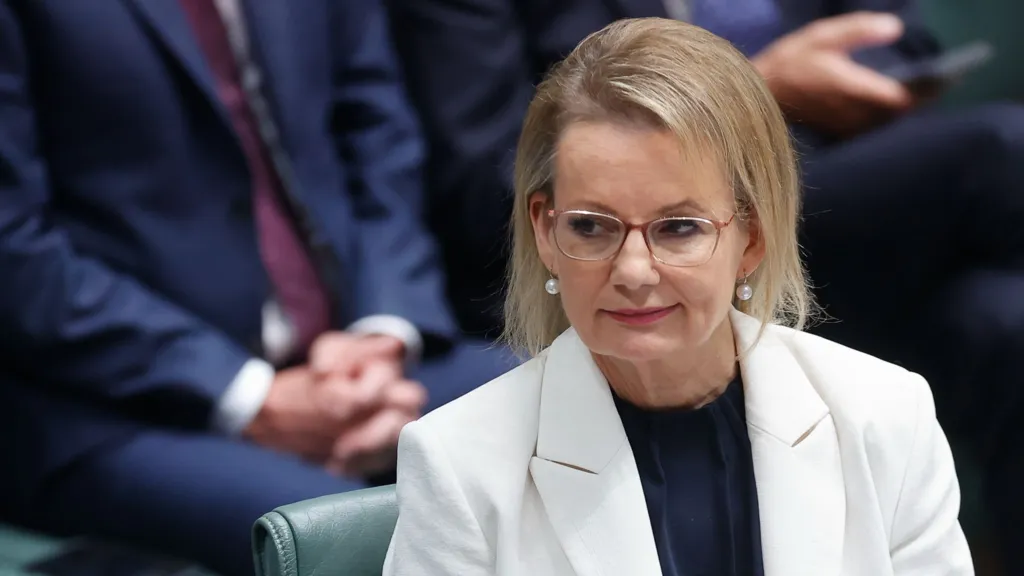
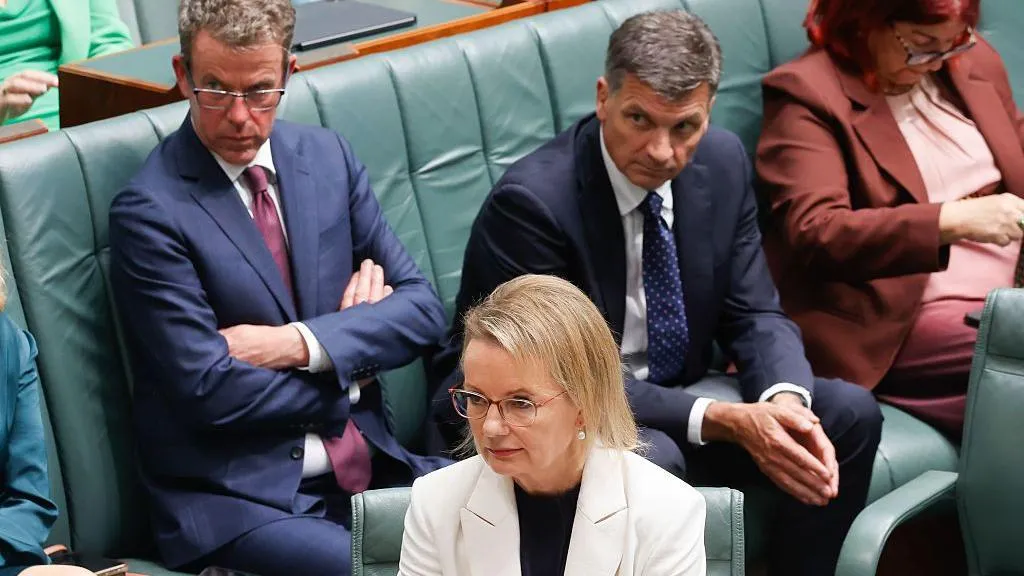
Australian Politics Faces Questions Over Gender Equality Amid Sussan Ley’s Appointment
-
 News4 hours ago
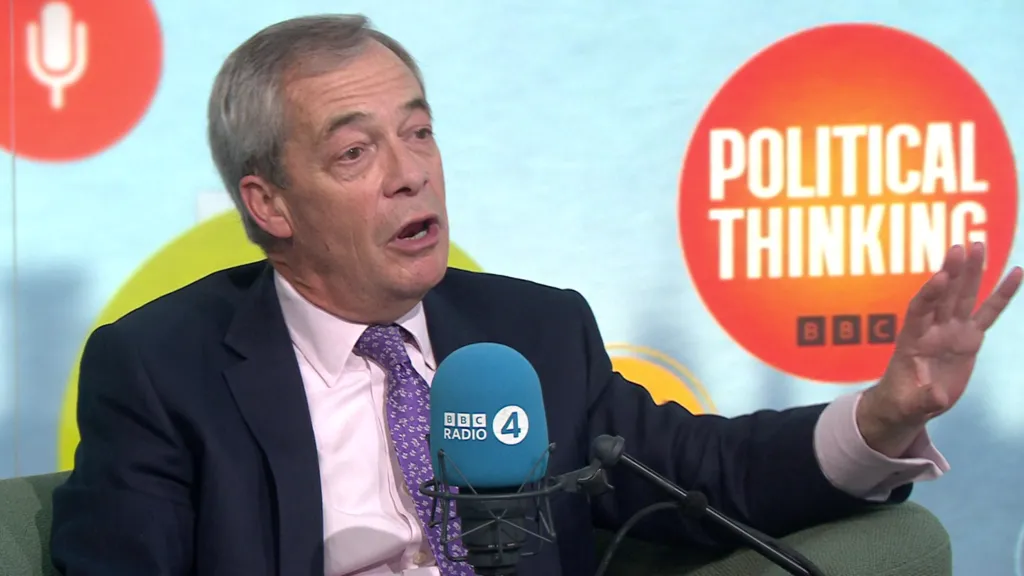
Farage Says Reform to Replace Traditional Tory Party
-
 News4 hours ago
Wrexham Pair Seek Win Against Former Team Ipswich
-
 News7 hours ago
UK Braces for Cold Snap with Snow and Ice Alerts Expected
-
 News9 hours ago
Liberal Party Removes Australia’s First Female Leader
-
 News4 hours ago
Husband’s alleged £600k theft for sex and antiques blamed on drug side effects
-
 Business10 hours ago
BBC Reporter Exposed to Cyber Attack Due to Vulnerabilities in AI Coding Tool
-
 News2 days ago
Sunbed ads spreading harmful misinformation to young people