
Asia
Pakistan’s kite festival resumes after 19-year hiatus
This centuries-old tradition was ultimately prohibited due to the numerous injuries and deaths resulting from sharp strings and the exchange of celebratory gunfire.
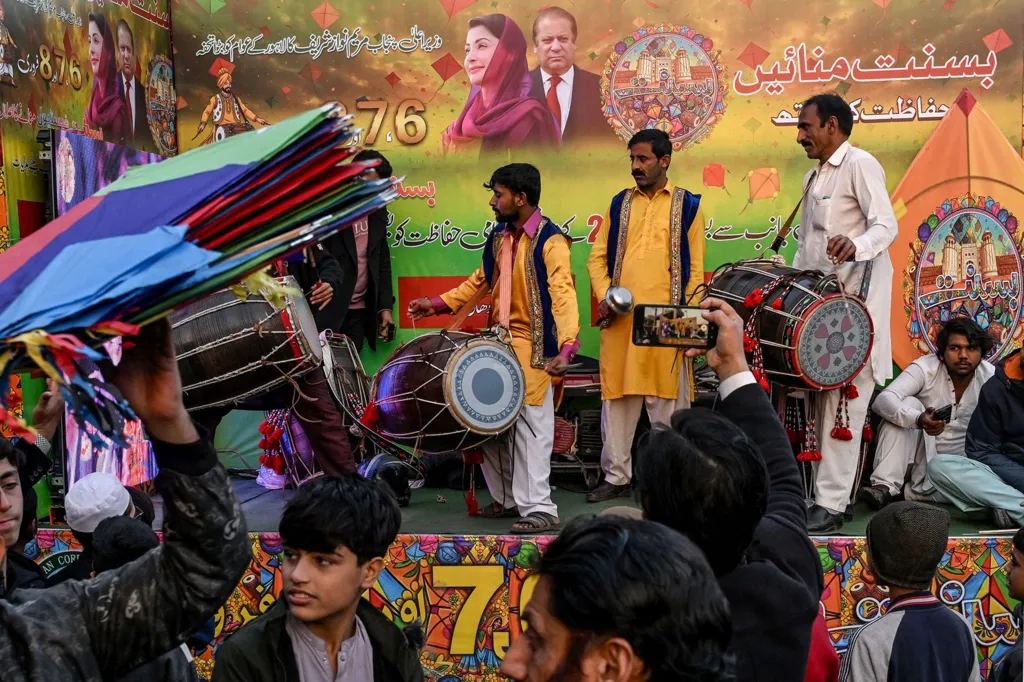
Signs of the Basant kite flying festival have begun to emerge in Lahore's streets, hinting at the event's return.
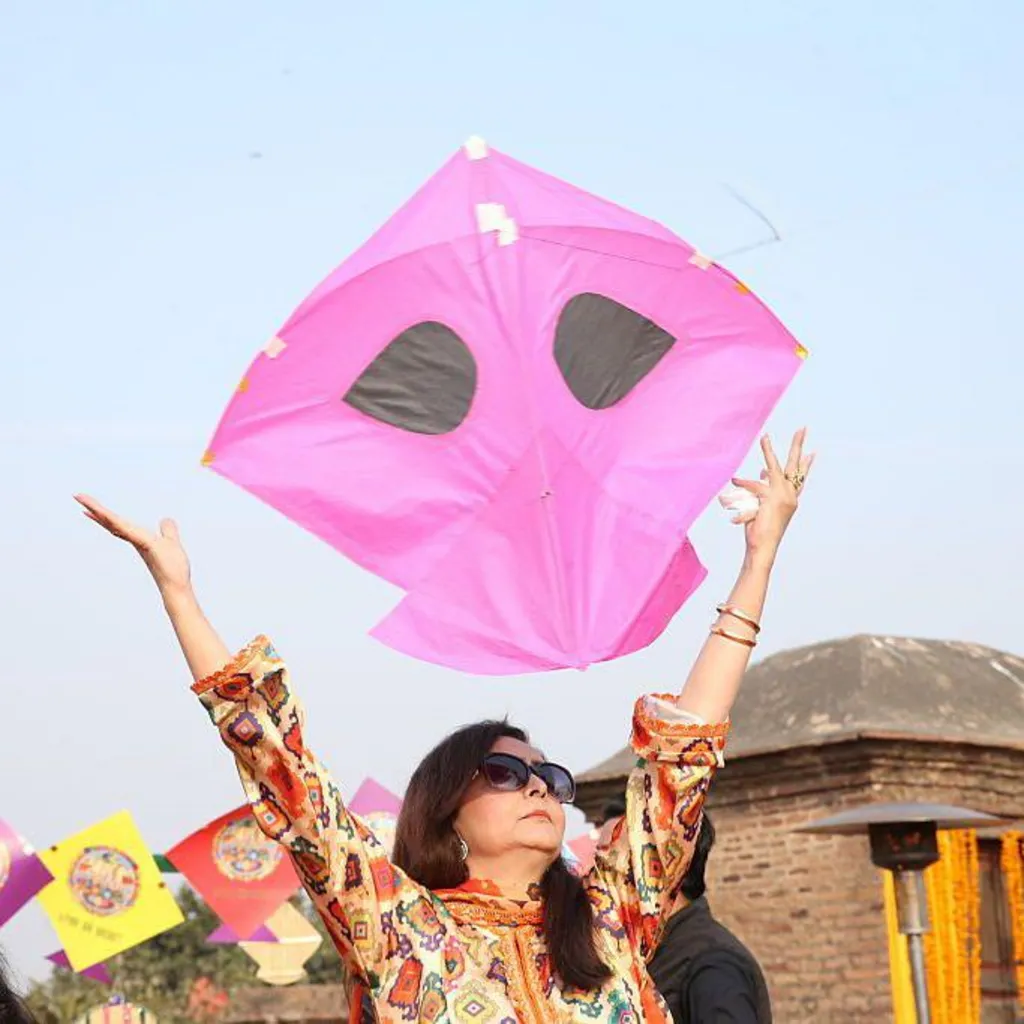
Amidst the city's bustling atmosphere, scenes of kite retrieval from power lines and the muffled sound of drumbeats can be observed, while glimpses of vibrant colors appear when looking up towards the sky above the walled city's narrow alleys.
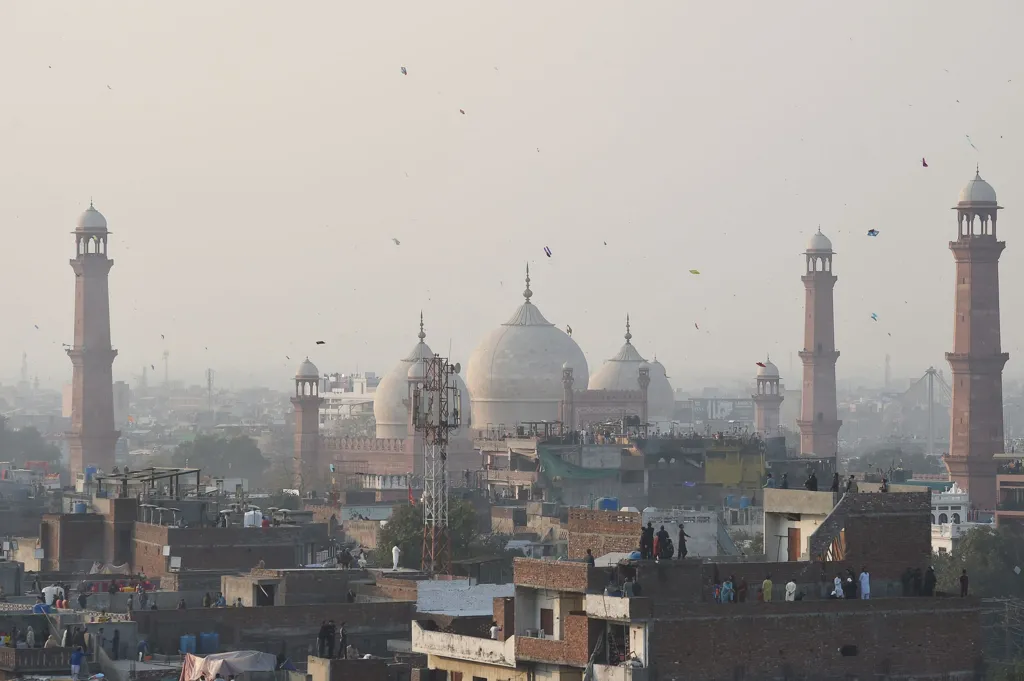
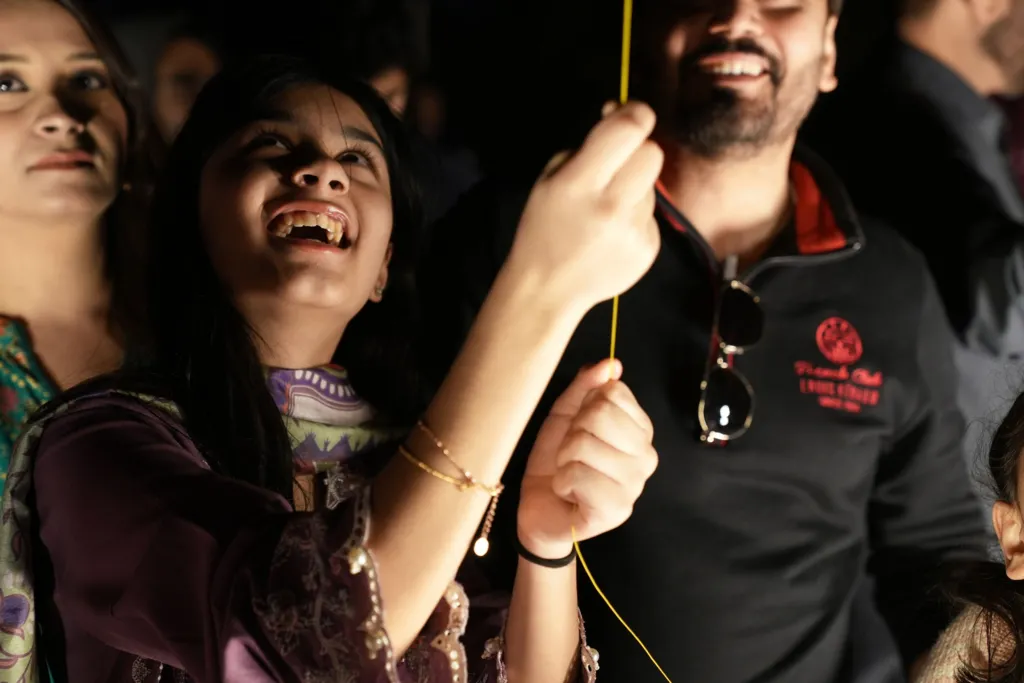
As dusk falls over Lahore, rooftops become gathering spots for families and friends, who cheer and watch in excitement as kites perform aerial stunts, weaving and soaring through the urban skies.

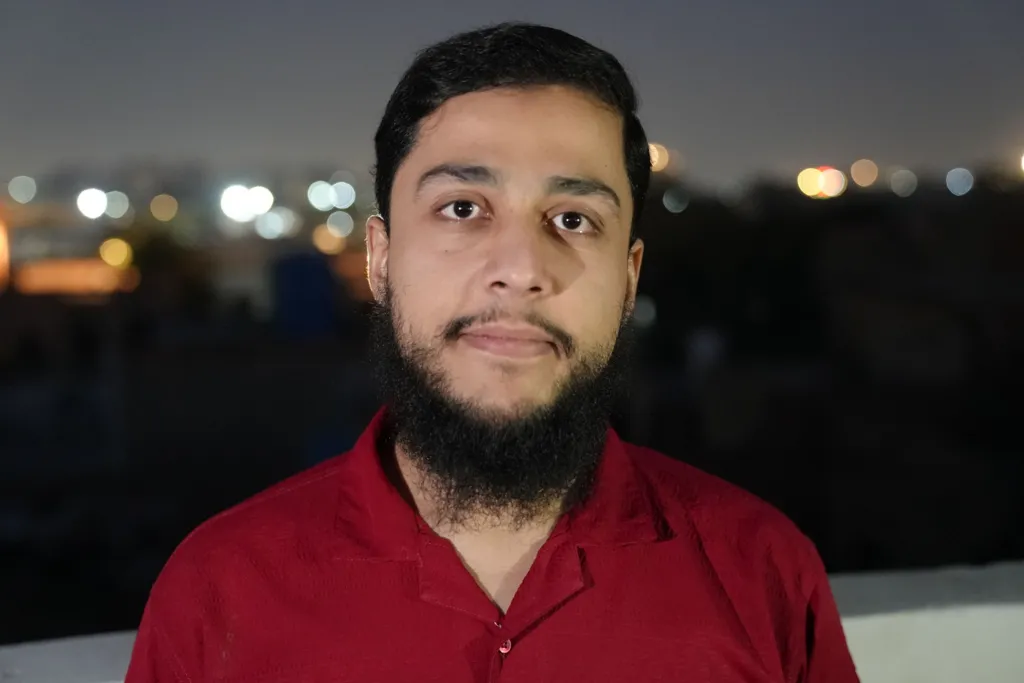
Abu Bakar Ahmad expresses the challenges he faces, saying, "It's really difficult!"
Under the guidance of his cousin, the 25-year-old tech engineer carefully manipulates the kite string, gradually elevating the kite to greater heights with precise movements.
The current generation is eager to learn the art of kite-flying, a skill that has been passed down through the years, but seems to have skipped the younger demographic, with many elders being more experienced in this traditional activity.
After a nearly two-decade hiatus, the festival has resumed, signaling the beginning of spring, a centuries-old tradition that was put on hold in 2007 due to the numerous injuries and fatalities resulting from accidents involving sharp kite strings, falls, and aerial firing.
For many participants, this is their inaugural kite-flying experience, and they are witnessing the Lahore skyline in a way they never have before, while others are rekindling a skill they haven't practiced in years.
According to Kanwal Amin, a 48-year-old attendee, the festival is about more than just flying kites, saying, "The main aspect is the bonding and togetherness; it's a time for gathering and enjoying good food, which is just as important to me as the kite-flying itself."
Kashif Siddiqui, a pharmacist by profession, acknowledges that his kite-flying skills have become a bit rusty over time, and shares photos from his last Basant celebration, where his son, then just three years old, is seen; now, his son has returned with children of his own.
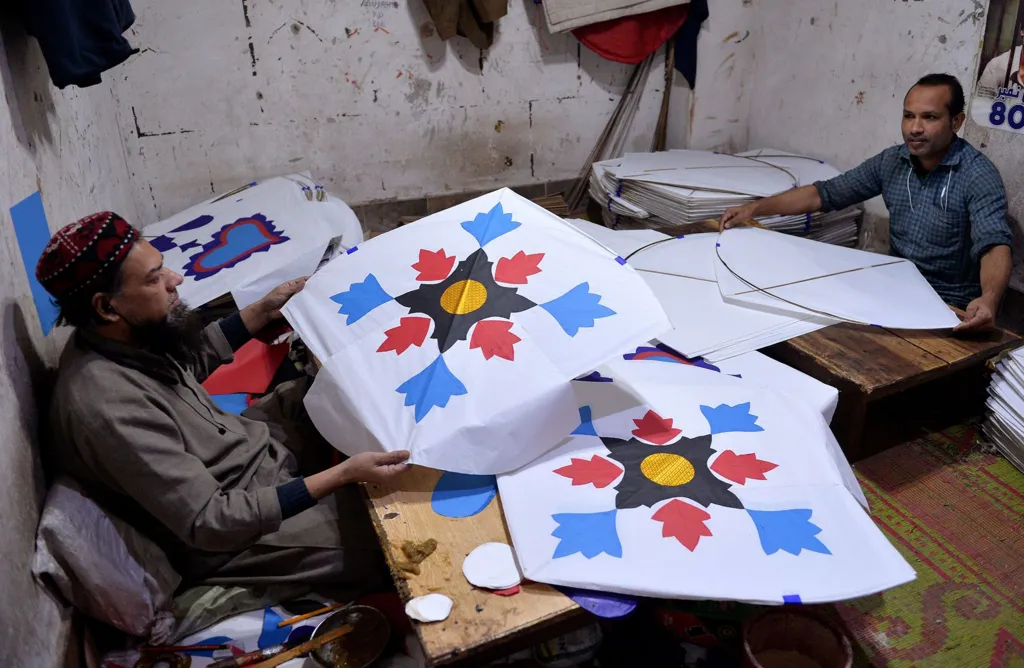
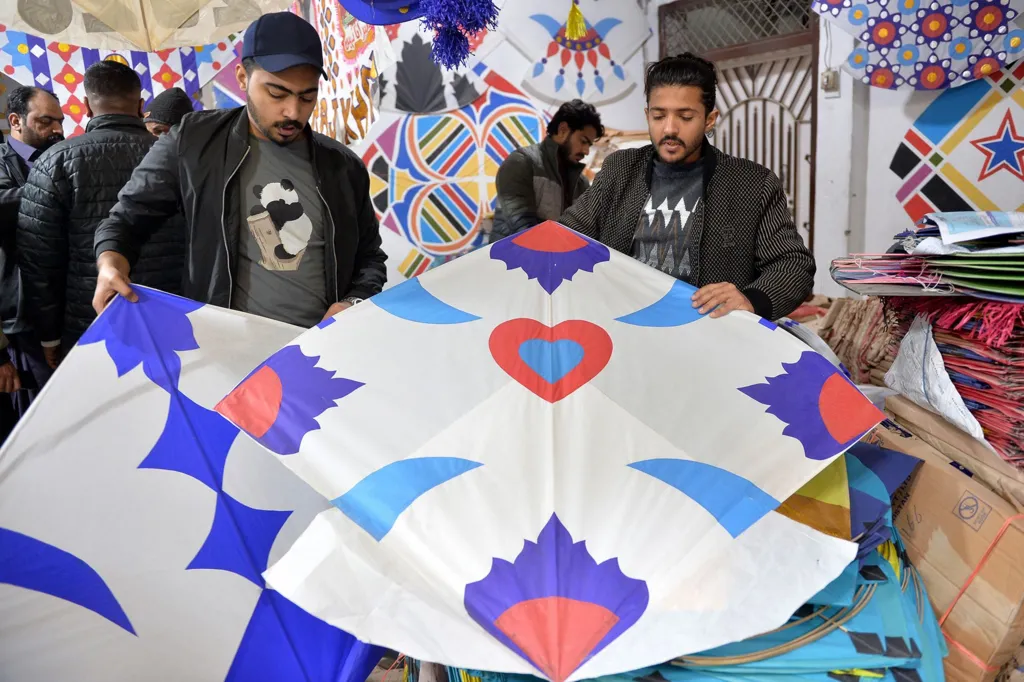
For residents of Lahore, this tradition is deeply ingrained, having been passed down through generations. It's a cultural heritage that goes beyond the mere act of flying kites, with roots that stretch back to their ancestors.
Kashif's aunt, 60-year-old Mina Sikander, has traveled from Miami to be a part of this event, underscoring its significance to her.
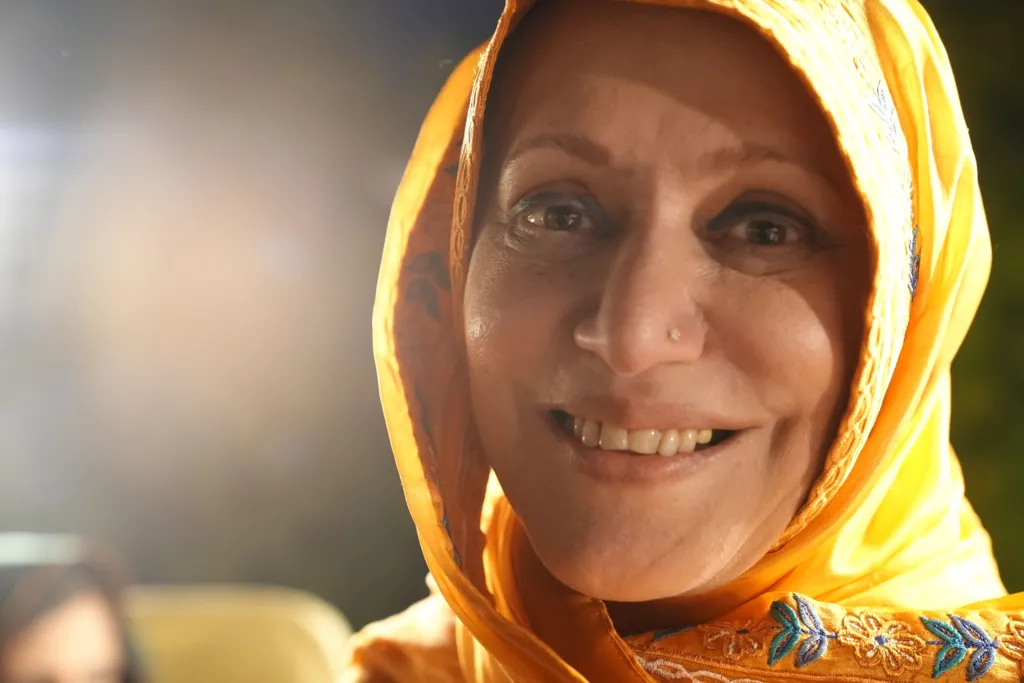
Mina Sikander expressed her enthusiasm for the festival, stating that the long journey was worthwhile to experience it firsthand.
The sport of kite flying entails more than just aesthetic appeal, as participants engage in a competitive struggle to outmaneuver their opponents by severing the strings of their kites.
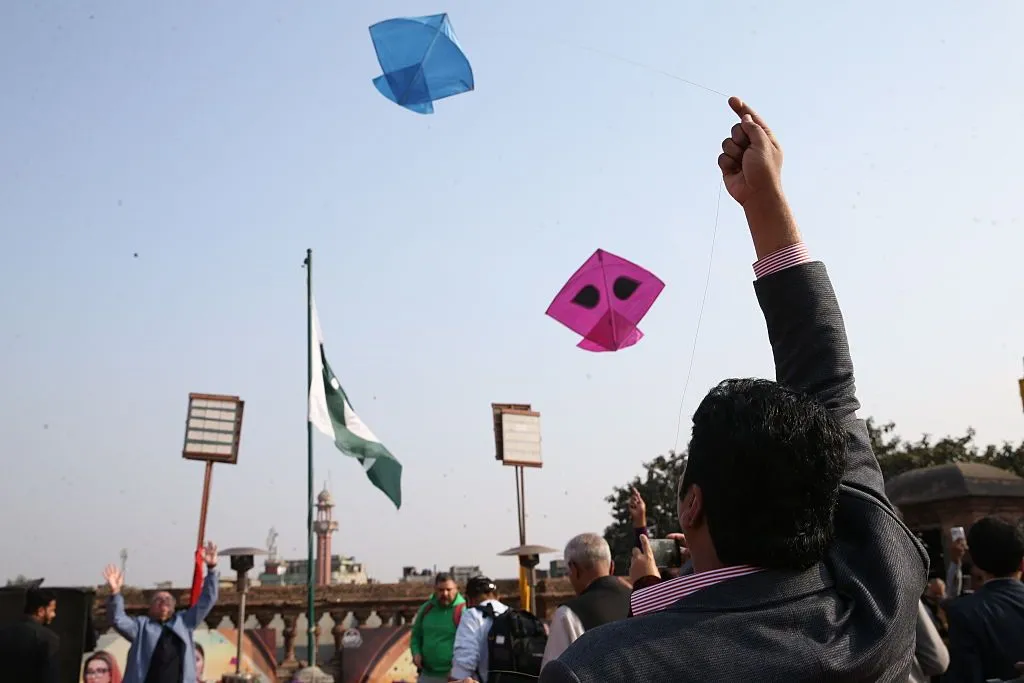
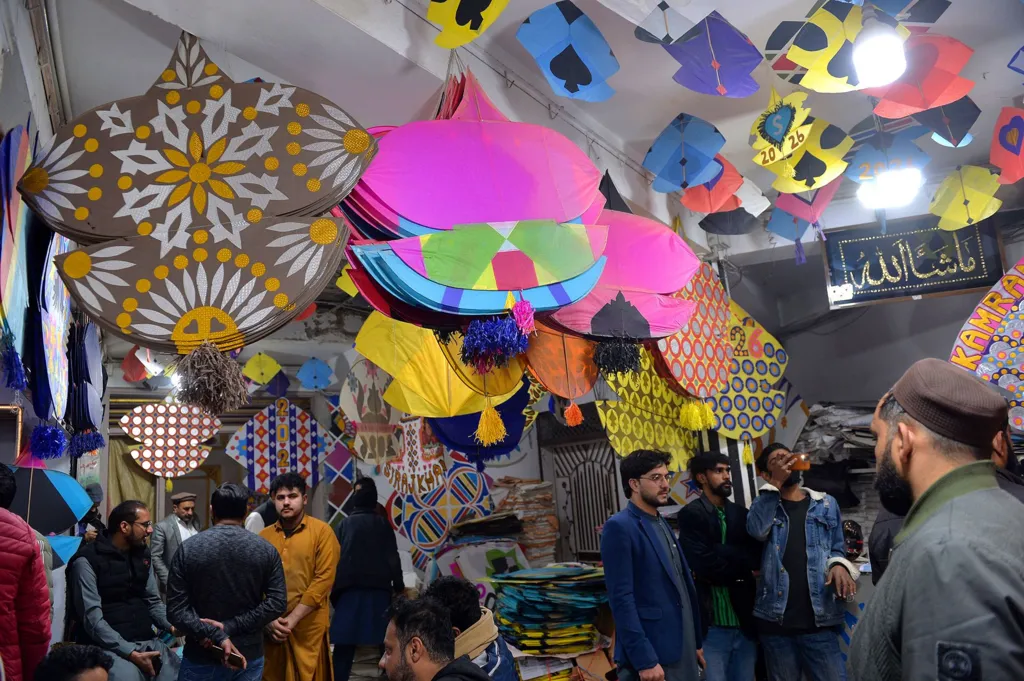
This competition has driven the development of increasingly resilient and sharp threads, with some varieties featuring a powdered glass coating, while others are crafted from metal or specialized materials designed to withstand breakage.
The festival had a history of fatalities, including among children, with motorcyclists being particularly vulnerable to accidents involving threads strung across roads, which could cause severe throat injuries.
The festivities were also marred by incidents of celebratory gunfire and rooftop falls, resulting in a number of injuries and deaths.
In an effort to mitigate the risks associated with the festival, authorities have now restricted its duration to three days.
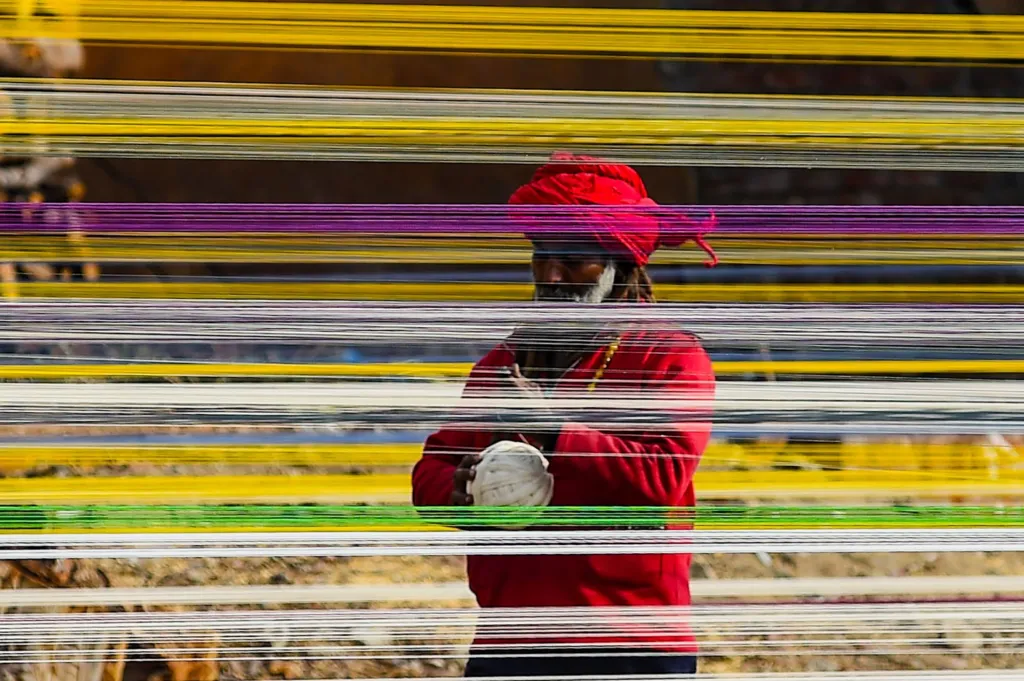
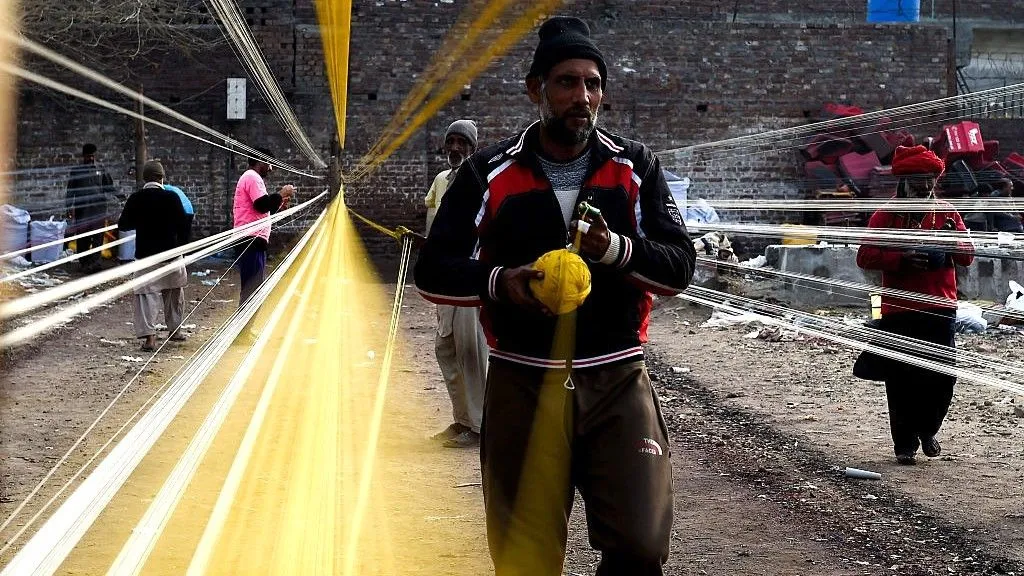
To enhance safety for motorcyclists, measures have been introduced, including the provision of metal rods that can be attached to their vehicles to prevent threads from getting entangled around their necks.
Authorities have prohibited the use of large kites, citing the increased risk posed by the stronger strings required to fly them, which can lead to more severe accidents.
In an effort to enhance safety, nets have been installed over specific streets to mitigate the risk of accidents caused by metal kite strings coming into contact with electricity wires, which can result in electrical shocks and short circuits.
Authorities have taken measures to prevent premature kite-flying by confiscating kites and hazardous strings sold before February 1, in an attempt to ensure a safe and regulated festival experience.
According to Faisal Kamran, Deputy Inspector General of Lahore Police, his team has seized over 100,000 kites and 2,100 rolls of string, which he showcases as part of their efforts to enforce festival regulations.
To maintain surveillance, the police are utilizing a combination of drones, on-ground officers, and repositioned CCTV cameras to monitor the skies and rooftops, allowing for real-time observation and swift response to any potential incidents.
Faisal Kamran explains that the CCTV cameras, initially focused on main roads, have been reoriented to provide a clear view of Lahore's rooftops, enabling officers to detect and prevent the use of banned materials or weapons, and thereby maintaining public safety.
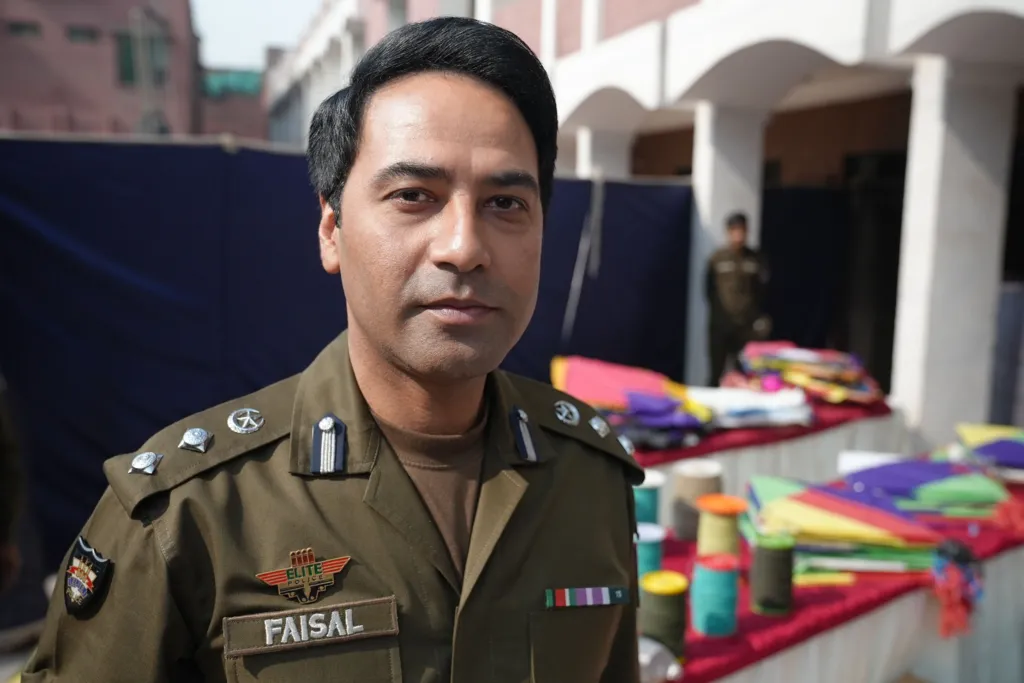
According to him, the cameras will resume monitoring the roads once the Basant celebration comes to an end.
The Punjab government, which made the decision to revive Basant and has been actively promoting it, is among those awaiting the outcome of these measures with great interest.
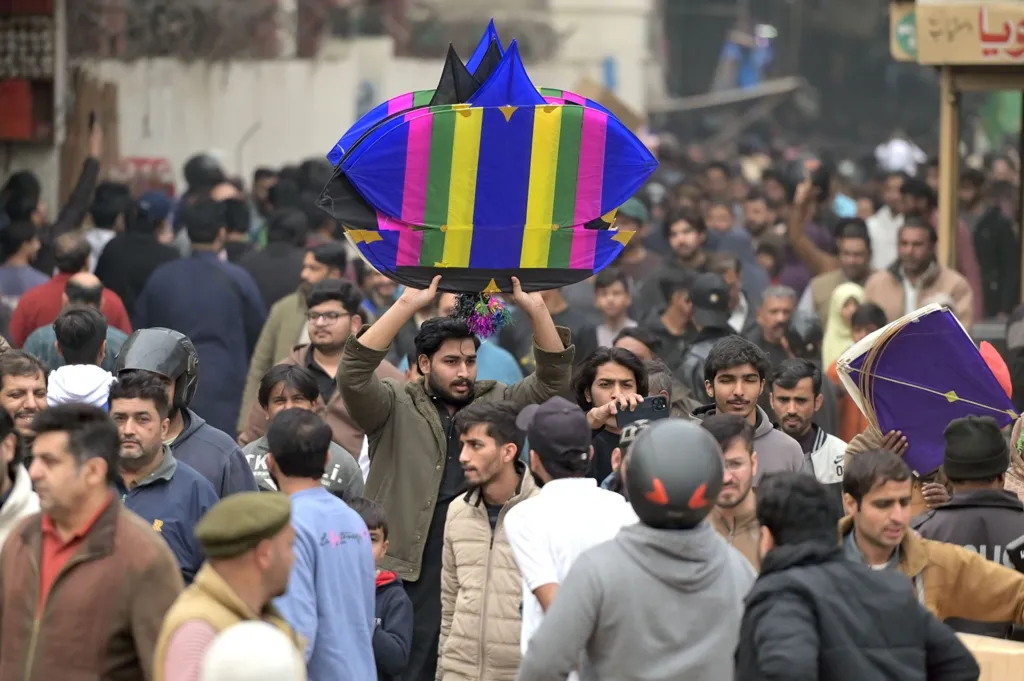
In the crowded, narrow streets of Mochi gate, people carefully navigate through the throngs, holding their paper kites aloft to protect them from damage as they make their way past slow-moving motorbikes.
Usman, a local kite vendor, reports that his sales have exceeded 7,000 kites in a remarkably short period of just a few days.
For decades, Yousaf Salahuddin has been a prominent figure in supporting and advocating for the festival.
During the 1980s, the festival in Pakistan drew the country's elite, with media coverage helping to increase its visibility, which also had a positive impact on the local economy.
According to Yousaf, the event generated significant revenue, benefiting various segments of the community, including street vendors, restaurants, and artisans involved in textile dyeing and crafts such as shoe and bangle making.
The influx of visitors also led to a surge in hotel bookings and an increase in flight arrivals, further boosting the local economy.
Yousaf's earliest recollections of the festival date back to his childhood, when he was too young to fly kites, and would instead chase after kites that had lost their strings, racing across rooftops to catch them.
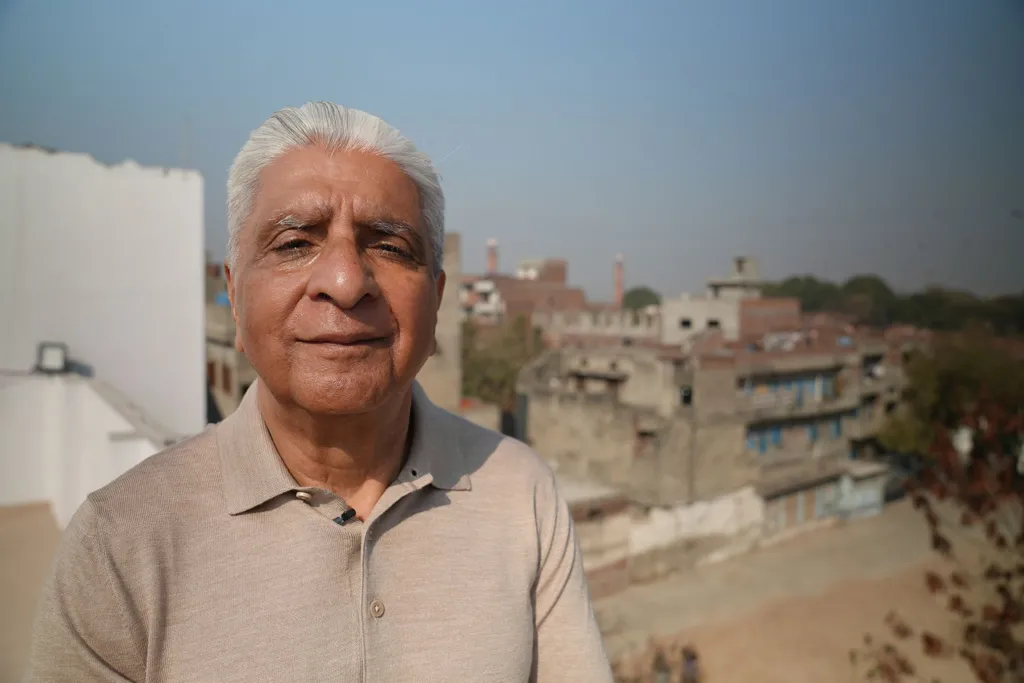
This weekend, Yousaf was overcome with emotion as he witnessed a large number of kites filling the skies above Lahore for the first time in a long while.
For as long as he can recall, kites have been an integral part of the city's landscape, a constant presence that has become synonymous with the urban environment.
However, this affinity for kites does not necessarily translate to a desire to operate them himself.
Yousaf admits to lacking the requisite patience, citing a recent experience in which his kite was damaged, saying, "I flew one last night and it got cut," which led him to decide, "I'm not flying anymore – I'm done!"
Asia
Emergency call recording reveals boy’s heroic swim to save family
A 13-year-old boy, Austin Appelbee, took action to secure assistance for his mother and siblings when they were pulled out into the ocean.
An audio recording has been made public by authorities, capturing a distress call made by a 13-year-old Australian boy who swam for an extended period to seek assistance for his family after they were caught in a strong current at sea in early February.
During the call, the boy, identified as Austin Appelbee, informs emergency services that his brother, Beau, 12, sister, Grace, eight, and their mother remain in the water, awaiting rescue.
Austin expresses concern for his family's well-being, stating that he is unsure of their current condition, which is causing him significant distress.
The teenager also reports feeling severely exhausted, a result of his prolonged and physically demanding effort to reach shore and call for help.
Following the call, Austin lost consciousness and was hospitalized, where he later received news that his mother, brother, and sister had been rescued approximately 14 kilometers offshore and were in good health.
Asia
Australian opposition leader faces pressure after key staff member quits
The departure of a high-ranking colleague has created an opportunity for a potential challenge to Sussan Ley, who holds the distinction of being the first female leader of the Liberal party.
Sussan Ley, the first female leader of the Liberal Party, is facing renewed scrutiny following the departure of Angus Taylor, her shadow defence minister, from the party's leadership team.
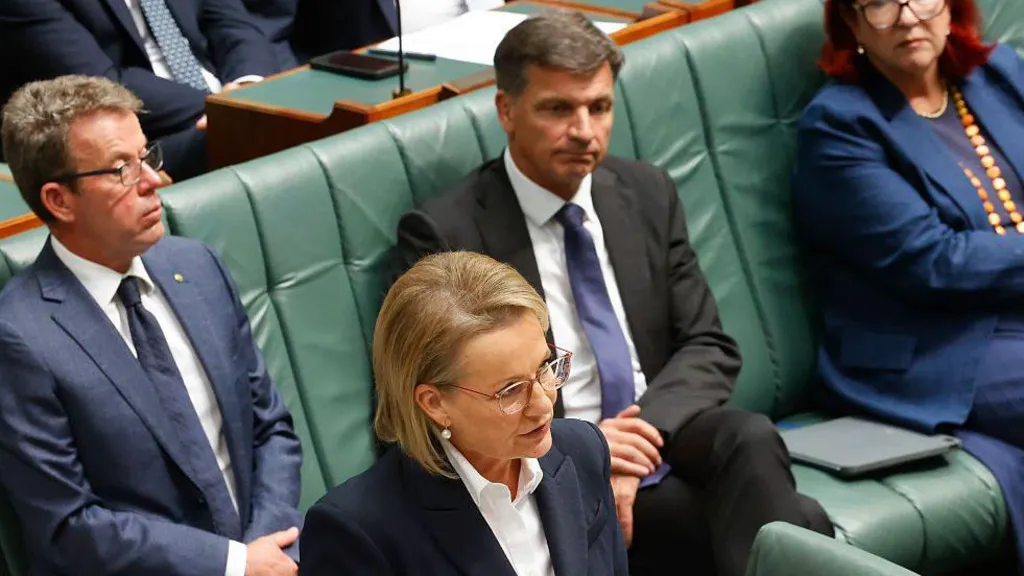
Taylor's resignation is expected to pave the way for a potential challenge to Ley's leadership, with local media outlets suggesting he has been quietly working to unseat her for some time.
Ley's tenure has been marked by struggles, including a narrow victory over Taylor in a leadership contest last year, which was held in the aftermath of the party's worst-ever electoral performance.
The Liberal-National coalition, a partnership that dates back to the 1940s, has experienced significant instability under Ley's leadership, having split and reunited twice during her tenure.
On Wednesday, Taylor, a member of the party's conservative faction, announced his resignation from the leadership team, citing his commitment to continuing to serve the Liberal Party.
In a statement to reporters, Taylor expressed his disappointment with the party's inability to hold the current Labor government accountable, emphasizing the need to protect Australians' way of life and restore their standard of living.
Taylor stated that he does not believe Ley is capable of leading the party effectively, citing the need for a change in leadership.
It remains to be seen whether Taylor's allies within the shadow cabinet will follow his lead and resign from their positions.
Local media reports suggest that Taylor's supporters are planning to request a special party meeting to consider a spill motion, which would allow the party to reconsider its leadership.
If Taylor were to succeed in his bid for leadership, it would bring an end to the ongoing speculation surrounding Ley's tenure, which has been marred by uncertainty.
The coalition's most recent split, which occurred in January, was followed by a reunification just days ago, after a dispute over hate speech laws, which Ley had supported in the wake of the Bondi Beach attack in December.
At the time of the initial split, Nationals leader David Littleproud explicitly stated that his party could not continue to serve in a shadow cabinet under Ley's leadership.
Recent polling data has shown the One Nation party, which secured 6% of the national vote in the previous election, surpassing the Coalition to take second place behind Labor, while Ley's personal approval ratings remain low.
The coalition has yet to reach a consensus on the factors that contributed to its decisive election loss to Labor, which saw the Liberals suffer significant losses in major cities.
In the aftermath of the election, the coalition briefly split over disagreements on climate and energy policy, including its commitment to achieving net-zero emissions by 2050, a policy that the Liberals later abandoned under pressure from the Nationals and their own right-wing faction.
The Nationals, which have a strong presence in rural areas and tend to lean more conservative than the Liberals, have been pushed further to the right in response to the surge in support for the One Nation party, according to political analysts, who note that this shift may hinder the Liberals' ability to appeal to centrist voters in urban areas.
Asia
India sets 3-hour deadline for social media firms to remove illegal content
Concerns have been raised that the regulations may pose a difficulty for tech companies in terms of compliance and potentially lead to increased censorship.
In a significant update to its existing regulations, India has implemented new rules requiring social media companies to delete unlawful content within a three-hour window after being notified, a substantial reduction from the previous 36-hour timeframe.
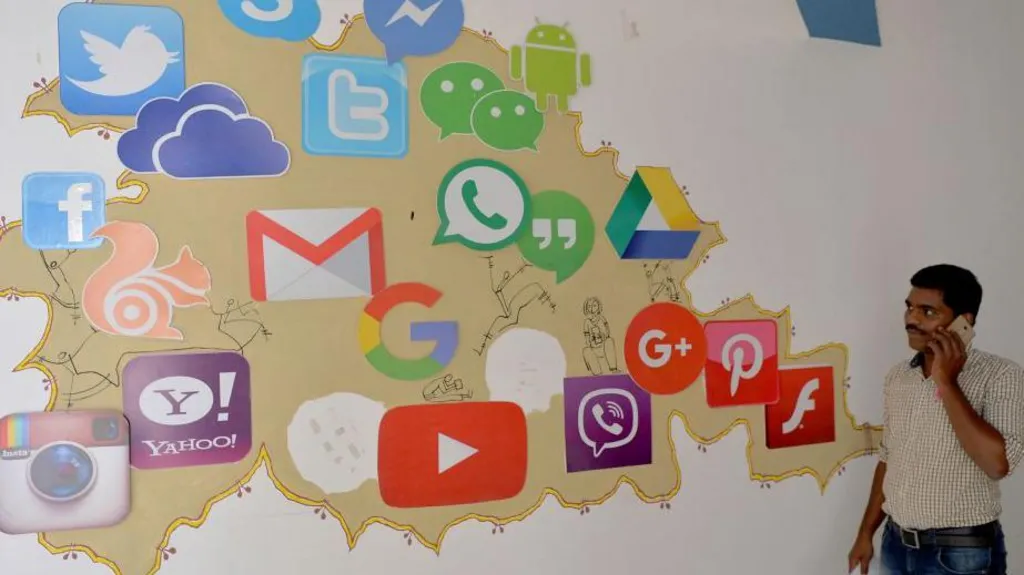
These revised guidelines, set to come into effect on February 20, will apply to prominent platforms such as Meta, YouTube, and X, as well as content generated using artificial intelligence.
The government has not provided a specific reason for shortening the deadline for removing objectionable content.
Critics, however, are concerned that this move may be part of a broader effort to increase oversight of online content, potentially leading to censorship in a country with over a billion internet users, which is the world's largest democracy.
In the past, Indian authorities have utilized existing Information Technology rules to direct social media platforms to remove content deemed illegal under laws related to national security and public order, granting them broad authority over online content.
According to transparency reports, Indian authorities requested the removal of more than 28,000 URLs or web links in 2024, which were subsequently blocked.
The BBC has sought comment from the Ministry of Electronics and Information Technology regarding the latest amendments, while Meta has declined to comment; the BBC has also reached out to X and Google, the owner of YouTube, for their response.
The updated regulations also introduce new guidelines for AI-generated content, marking a significant development in the country's approach to regulating online material.
For the first time, Indian law defines AI-generated content, including audio and video that has been created or altered to appear realistic, such as deepfakes, while excluding ordinary editing, accessibility features, and genuine educational or design work.
Platforms that allow users to create or share AI-generated content must clearly label it, and where possible, add permanent markers to facilitate tracing its origin.
Once labels are added to AI-generated content, companies will not be permitted to remove them; furthermore, they must utilize automated tools to detect and prevent the dissemination of illegal AI content, including deceptive or non-consensual material.
Technology experts and digital rights groups have expressed concerns regarding the feasibility and implications of the new regulations.
The Internet Freedom Foundation has stated that the shortened timeline will effectively transform platforms into "rapid fire censors," highlighting the potential risks associated with the updated rules.
The group has argued that the extremely short deadlines will eliminate the possibility of meaningful human review, forcing platforms to rely on automated removals, which may lead to over-removal of content.
Anushka Jain, a research associate at the Digital Futures Lab, has welcomed the requirement for labeling AI-generated content, suggesting that it could enhance transparency; however, she has also cautioned that the three-hour deadline may push companies towards complete automation.
Jain has noted that companies are already struggling to comply with the 36-hour deadline due to the need for human oversight, and that a fully automated process may result in the censorship of legitimate content.
Prasanto K Roy, a Delhi-based technology analyst, has described the new regulations as "perhaps the most extreme takedown regime in any democracy," highlighting the challenges associated with compliance.
Roy has stated that meeting the new requirements will be "nearly impossible" without extensive automation and minimal human oversight, as the tight deadline leaves little room for assessing the legitimacy of removal requests.
Regarding the labeling of AI-generated content, Roy has acknowledged the positive intention behind the regulation but has also noted that reliable and tamper-proof labeling technologies are still in development.
The BBC has requested a response from the Indian government regarding the concerns raised by technology experts and digital rights groups.
-
 News10 hours ago
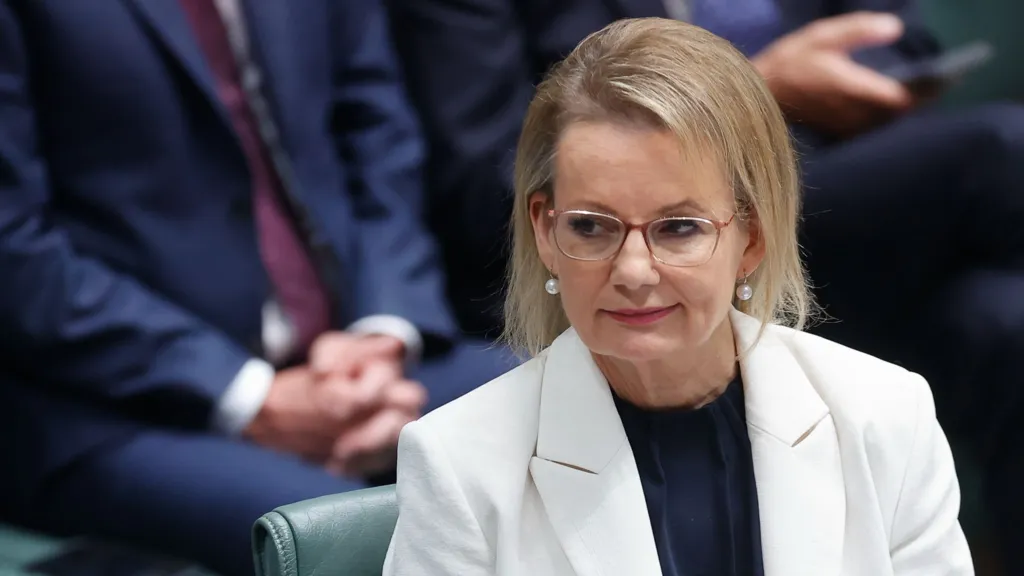
Australian Politics Faces Questions Over Gender Equality Amid Sussan Ley’s Appointment
-
 News7 hours ago
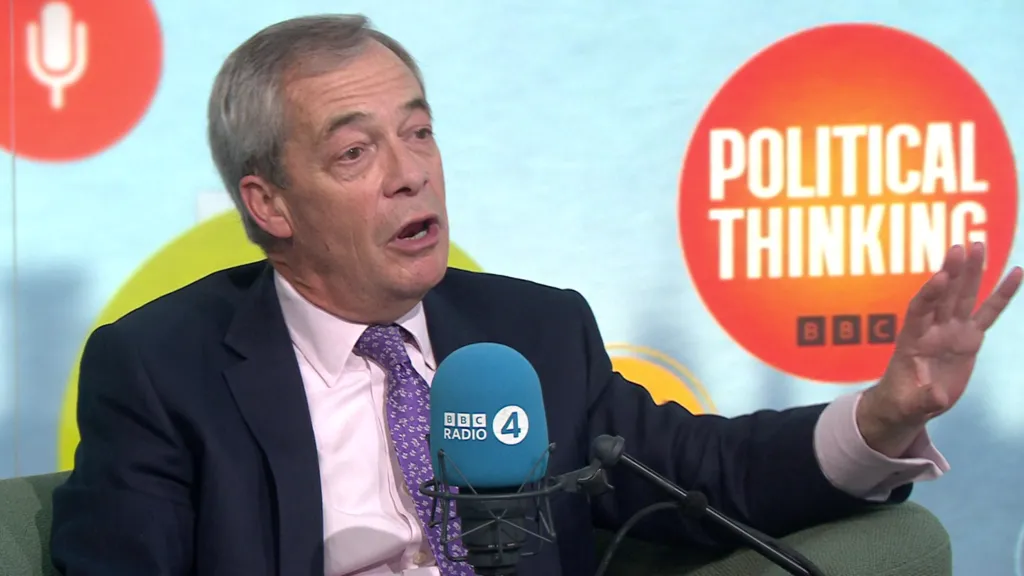
Farage Says Reform to Replace Traditional Tory Party
-
 News7 hours ago
Wrexham Pair Seek Win Against Former Team Ipswich
-
 News12 hours ago
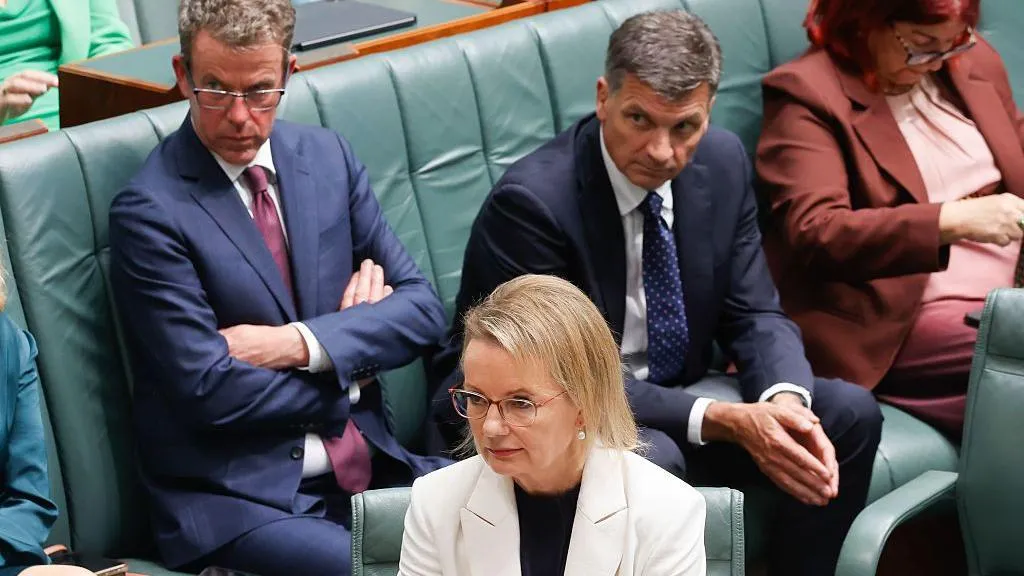
Liberal Party Removes Australia’s First Female Leader
-
 News10 hours ago
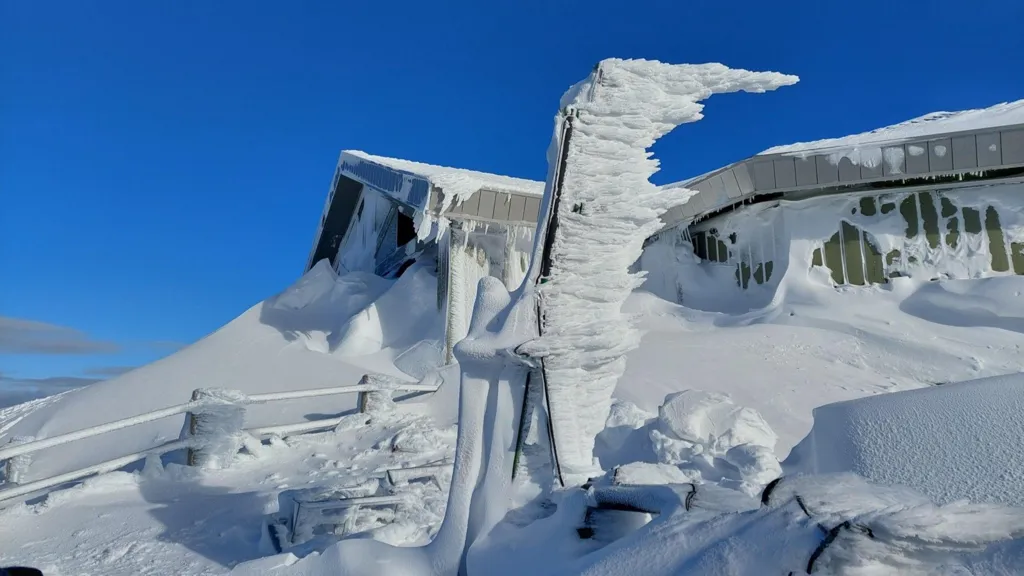
UK Braces for Cold Snap with Snow and Ice Alerts Expected
-
 News7 hours ago
Husband’s alleged £600k theft for sex and antiques blamed on drug side effects
-
 News2 days ago
Sunbed ads spreading harmful misinformation to young people
-
 Business12 hours ago
BBC Reporter Exposed to Cyber Attack Due to Vulnerabilities in AI Coding Tool